Chef Ambassadors
Real head chefs across the UK put Shimeru blades to work on the pass, service after service.
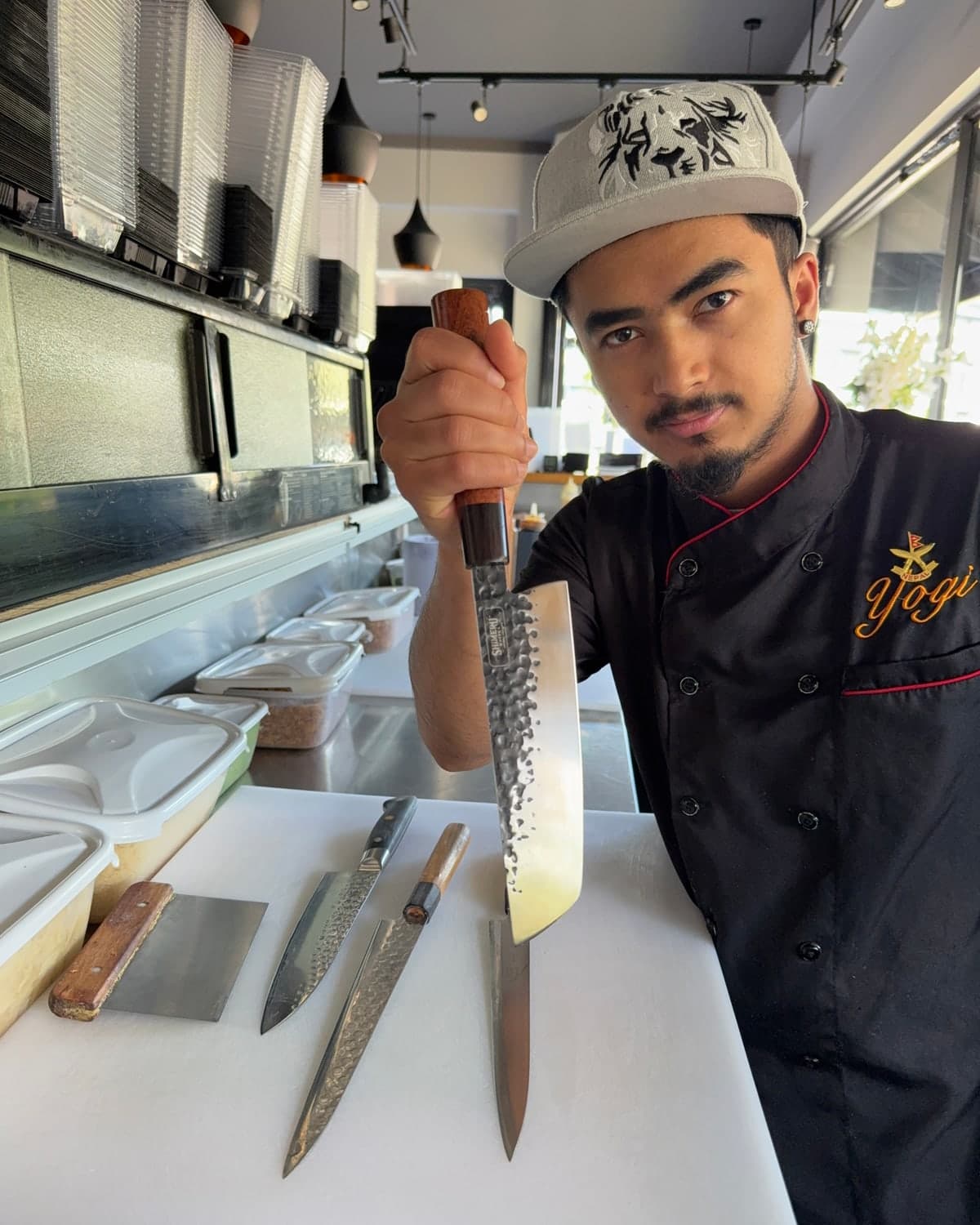
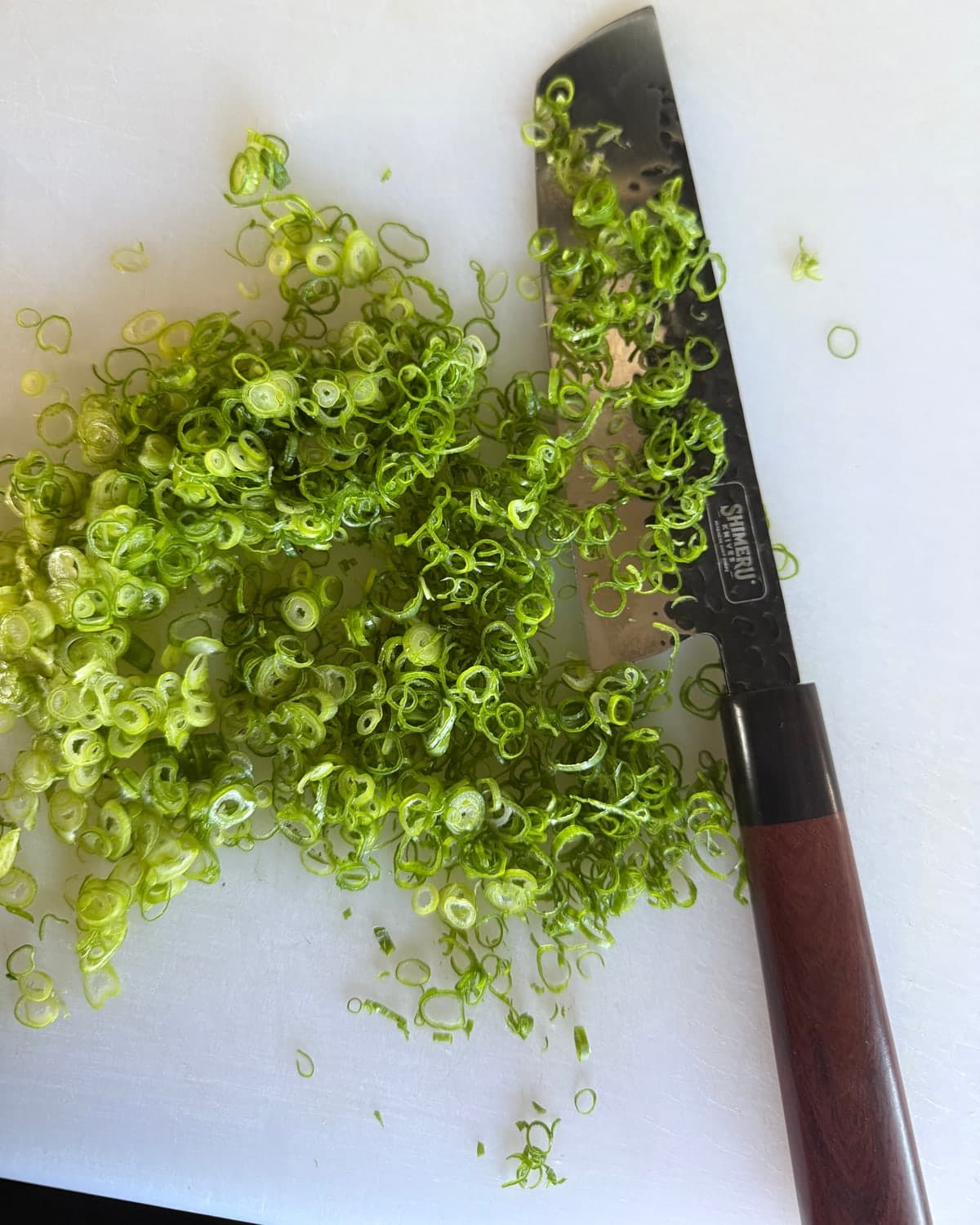
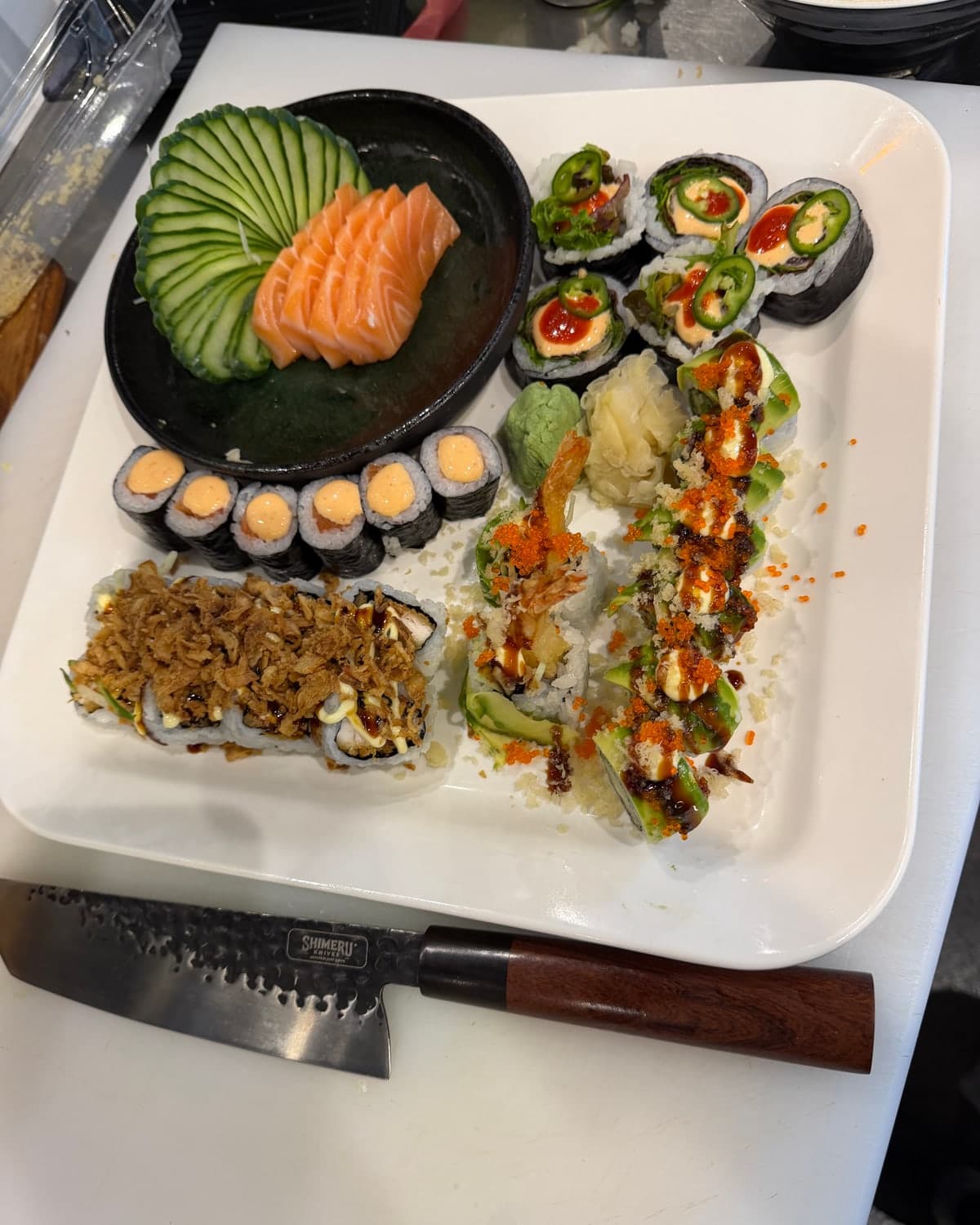
Head Chef at Kiyoto Sushi
London
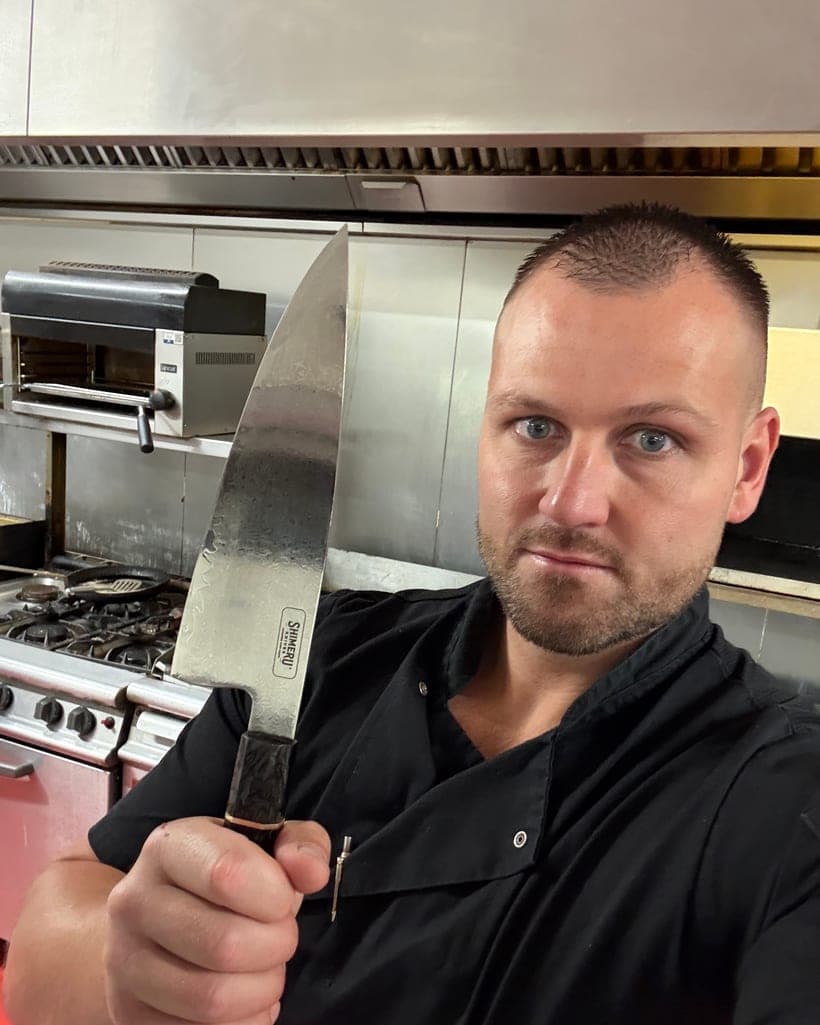
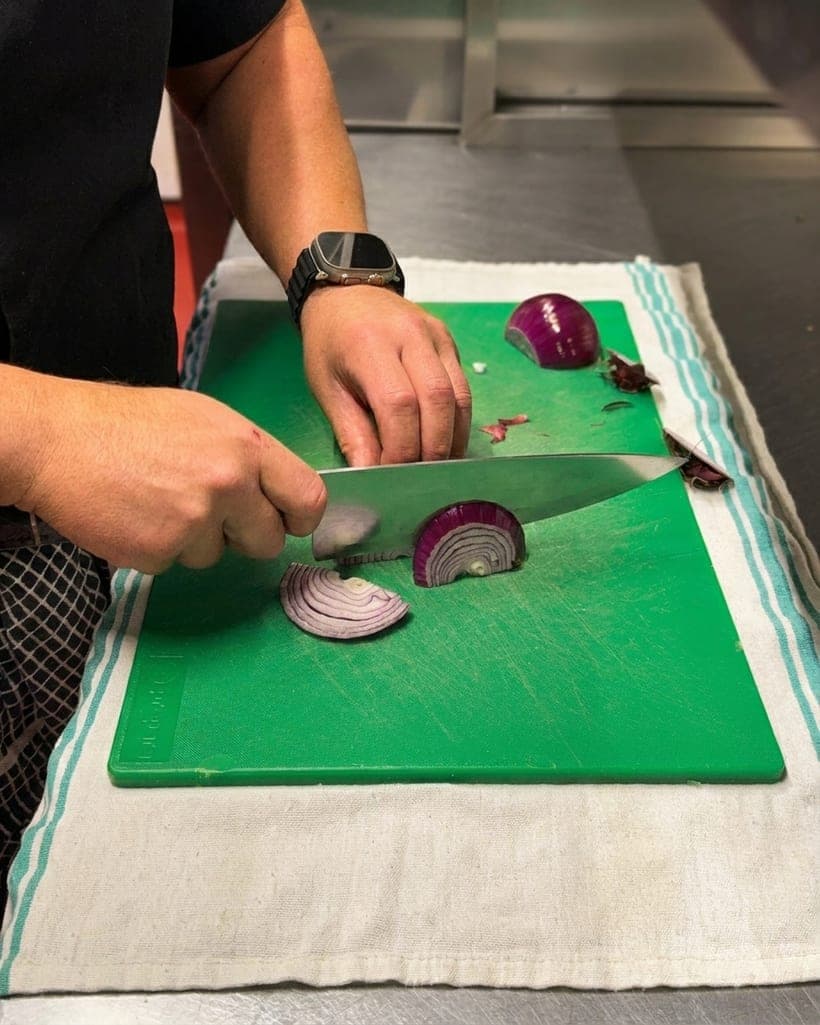
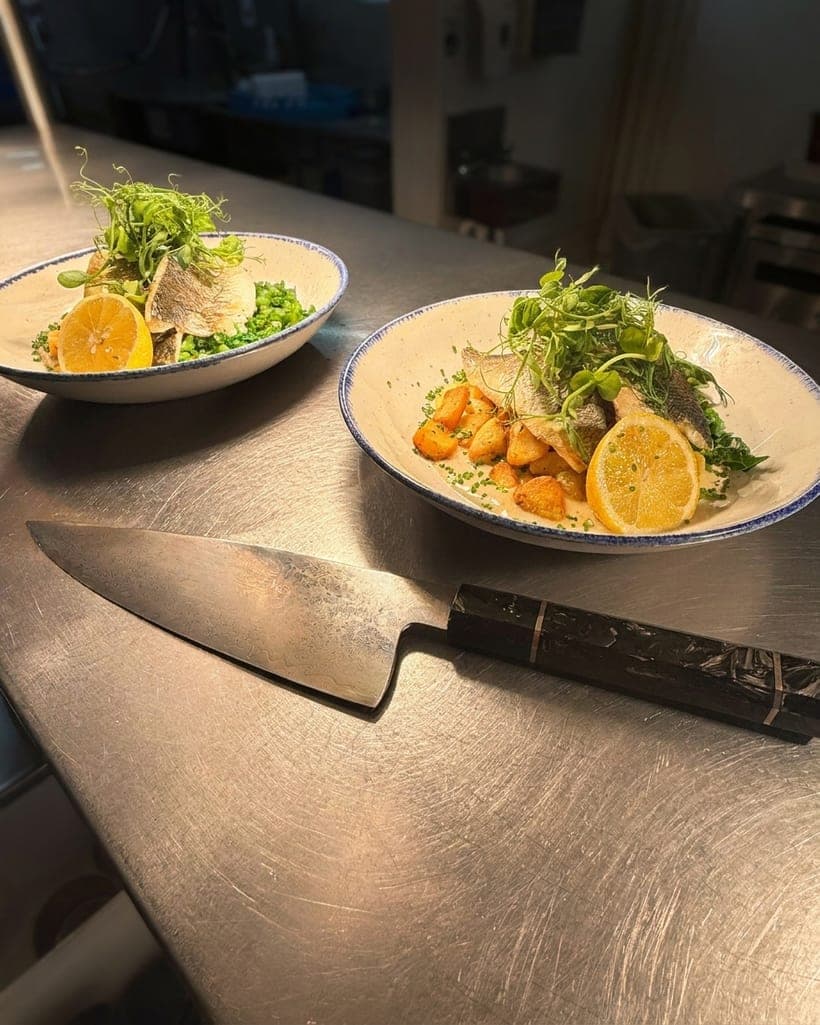
Head Chef at The Grazing Cow
Telford
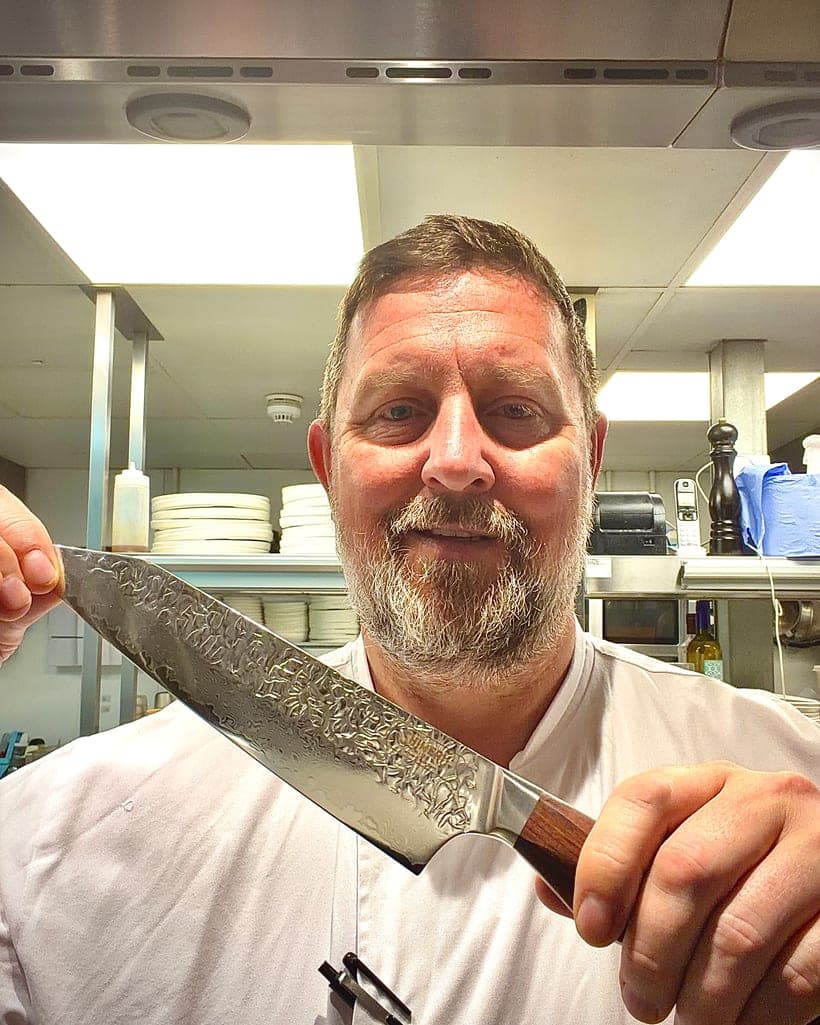
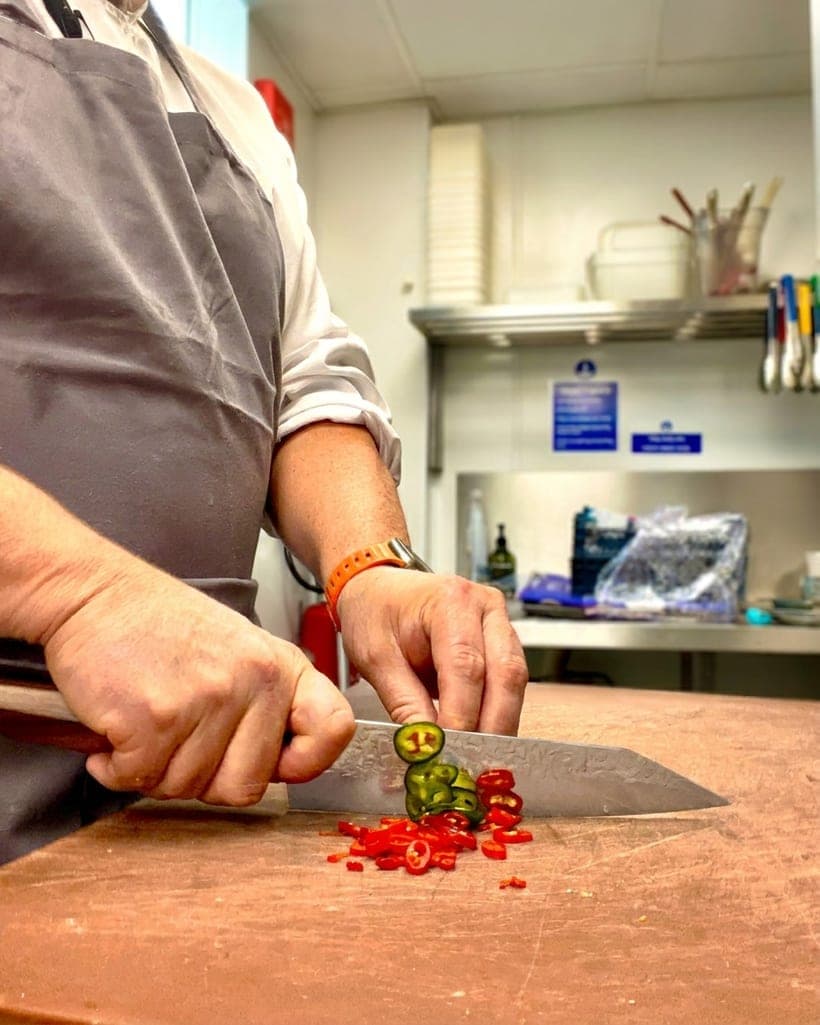
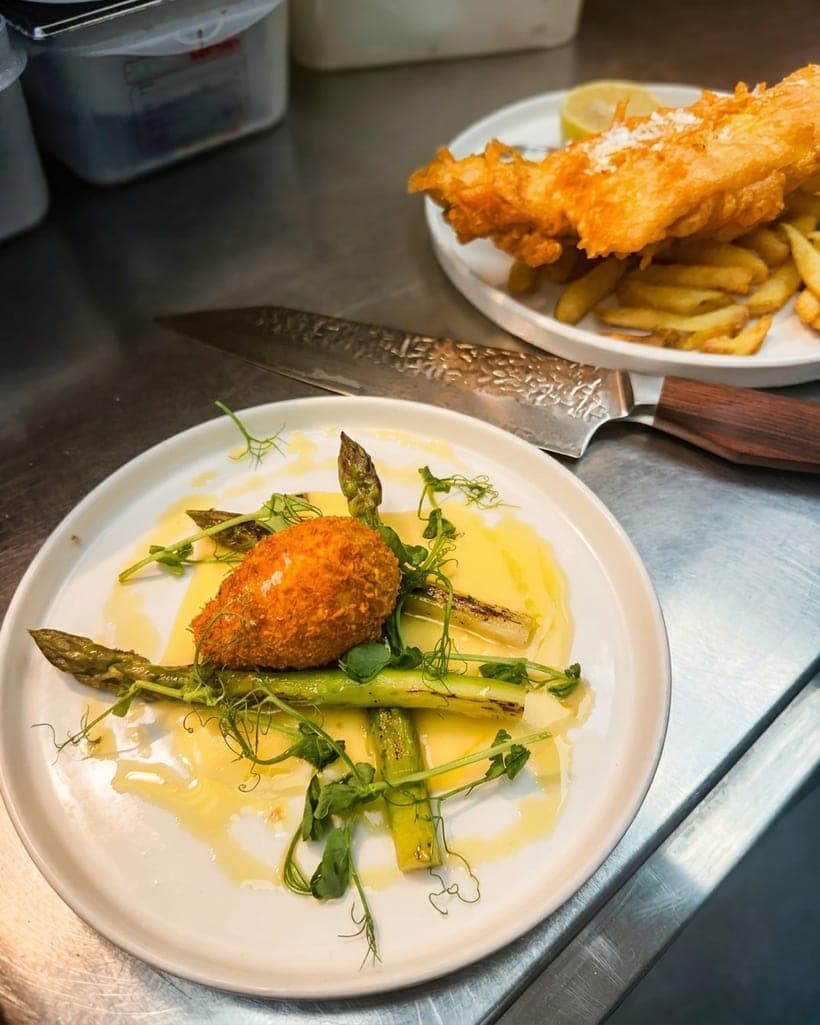
Head Chef at Duke of Wellington
London

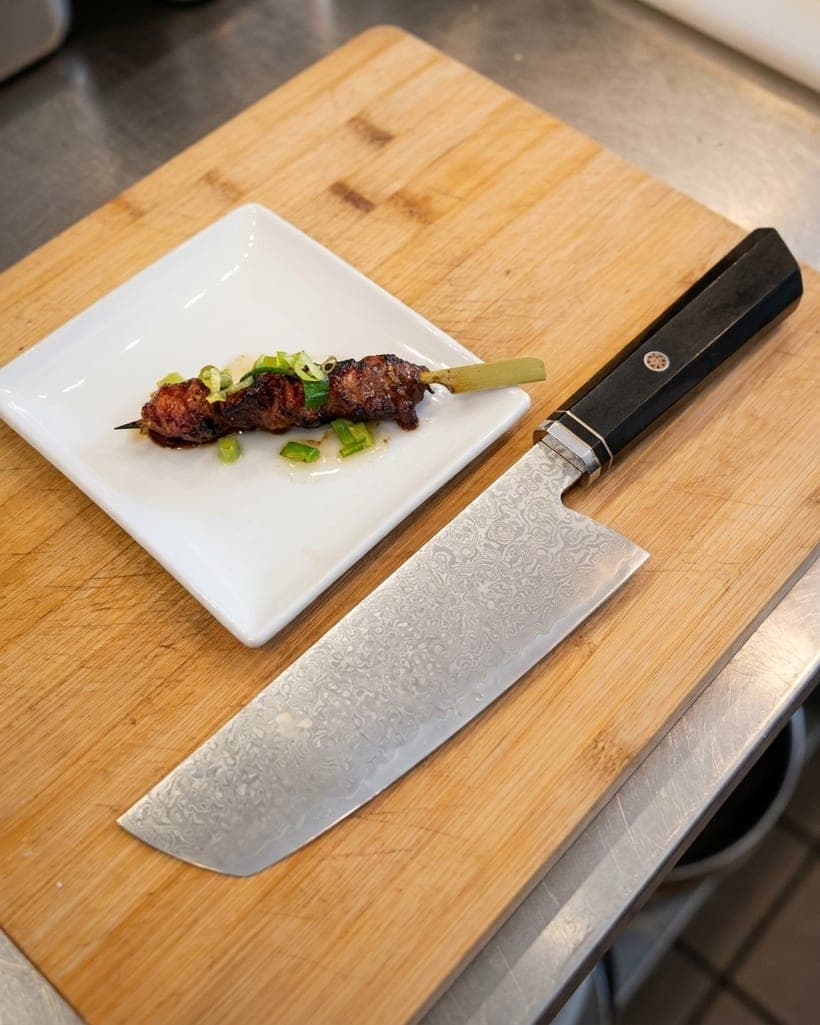
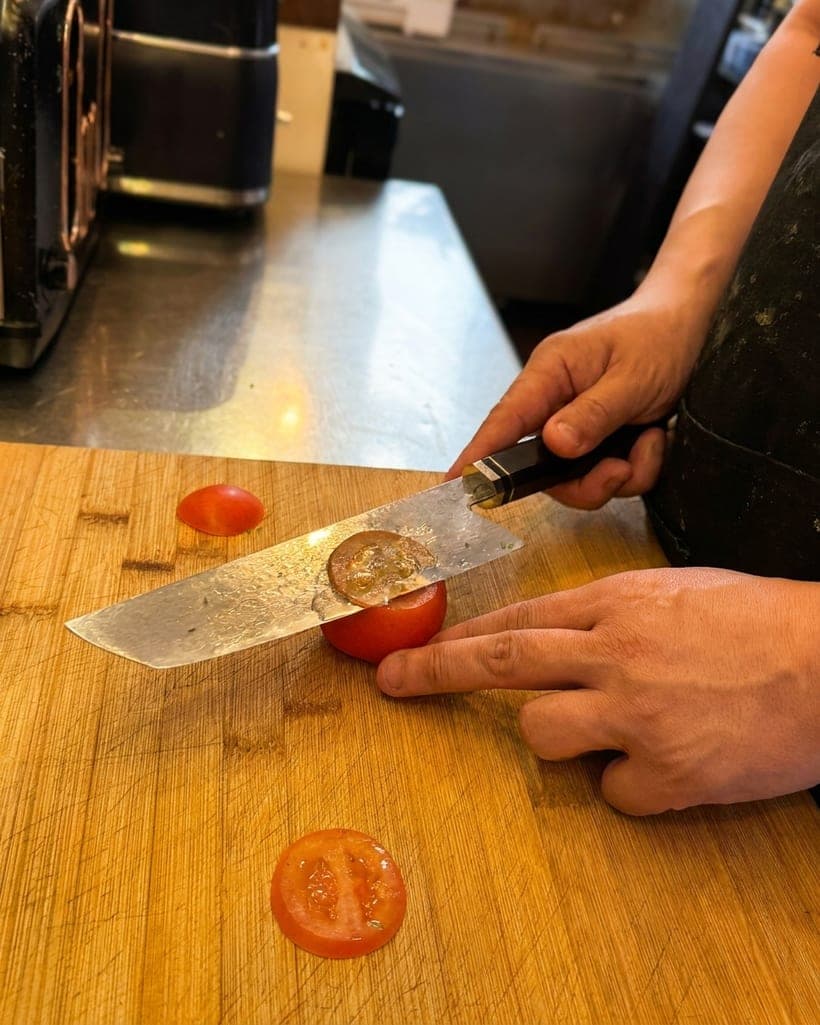
Head Chef at Niwa Yakitori
Manchester
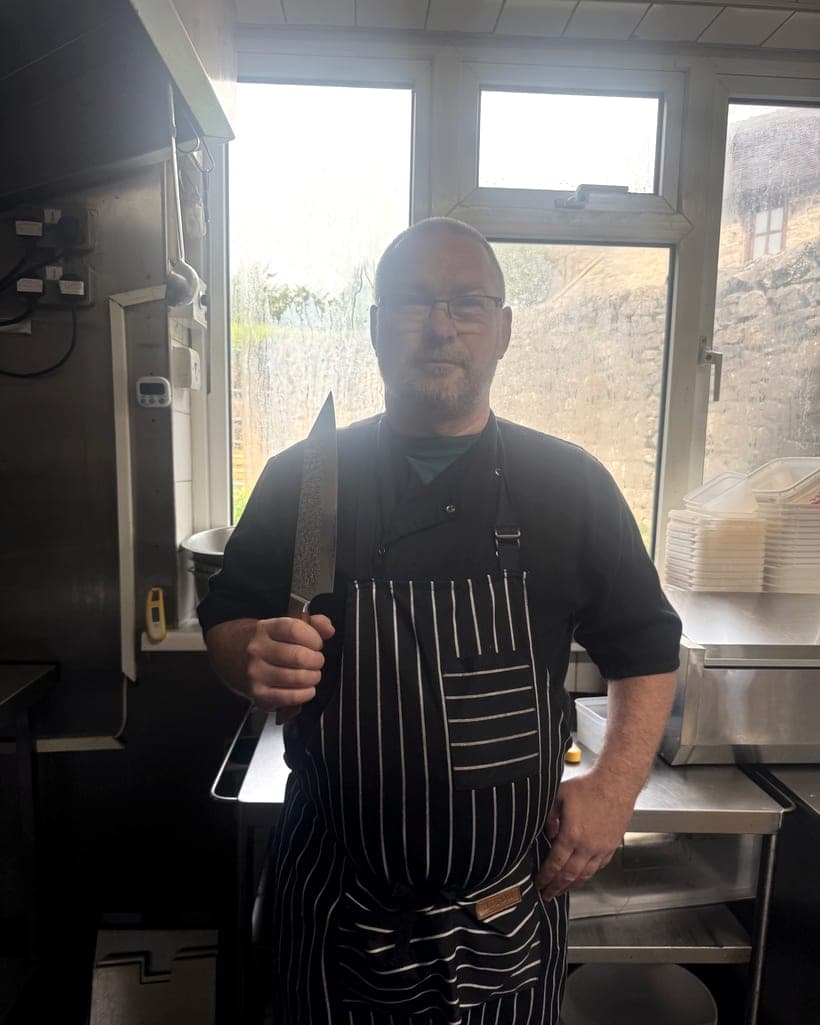
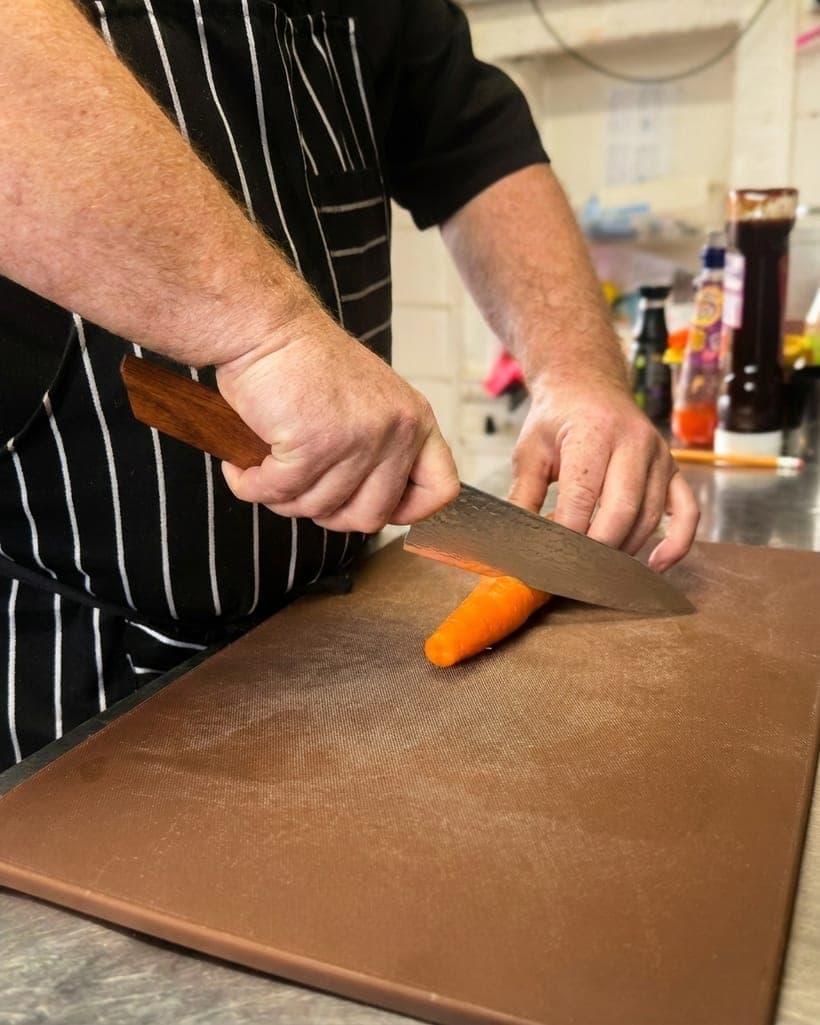
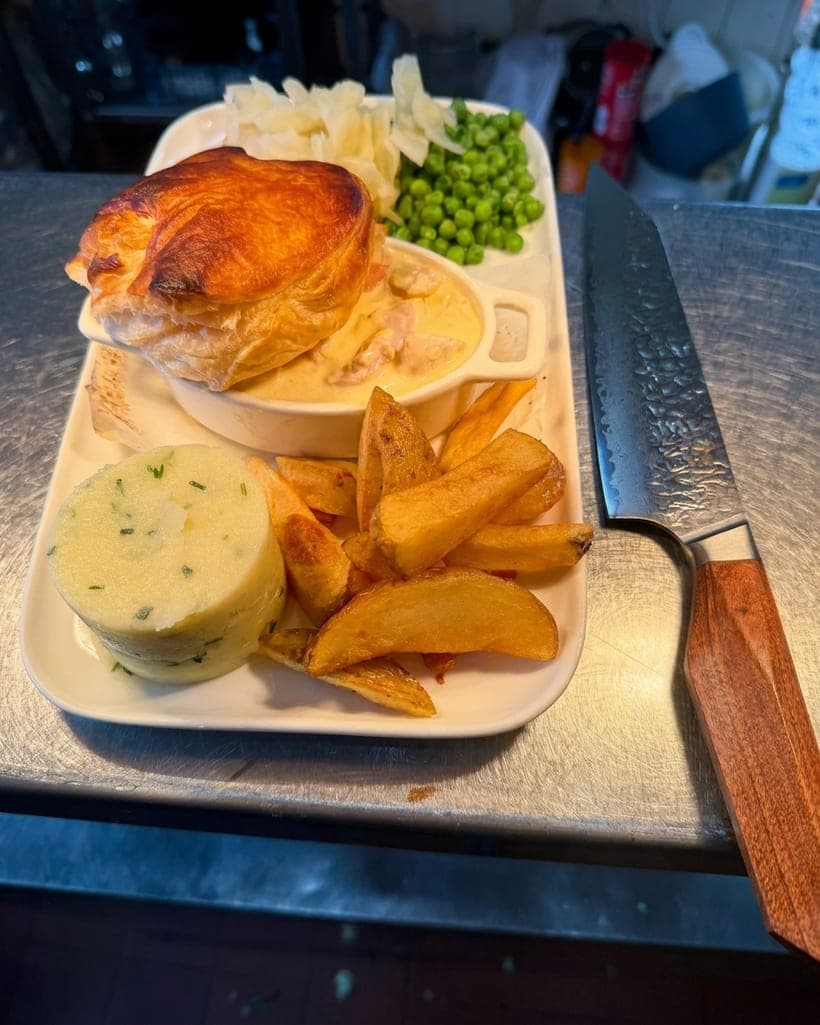
Head Chef at The Royal Oak
Ashbourne
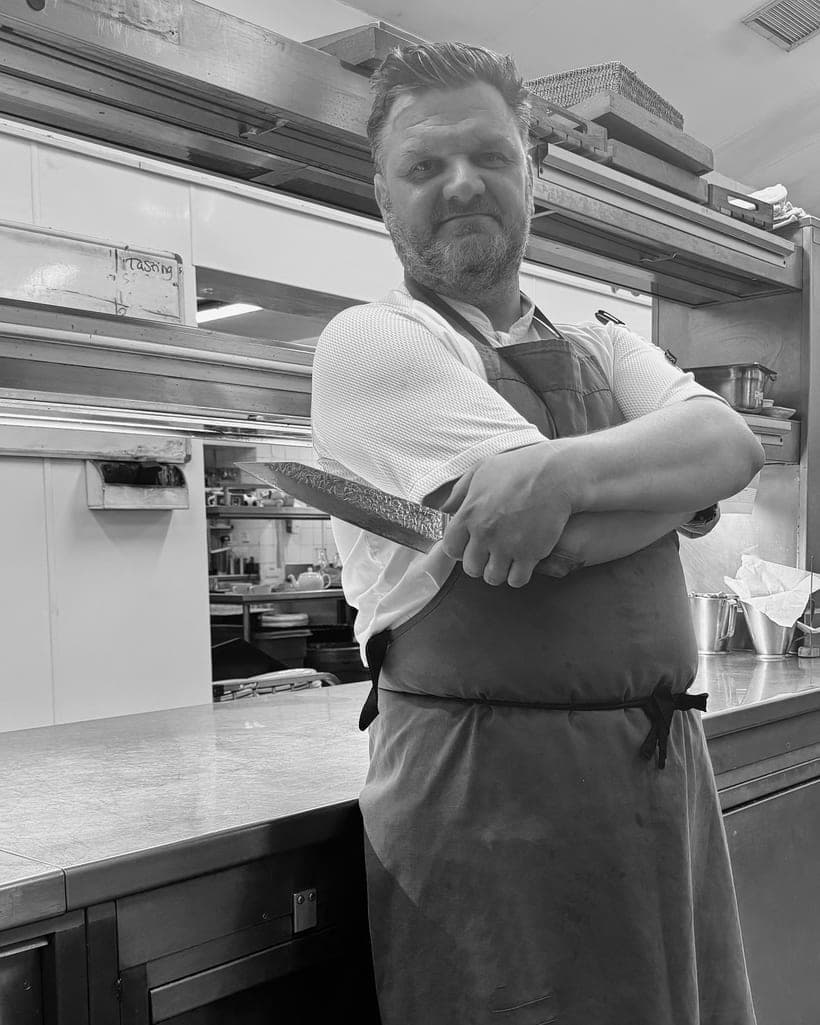
Head Chef at Hintlesham Hall
Ipswich
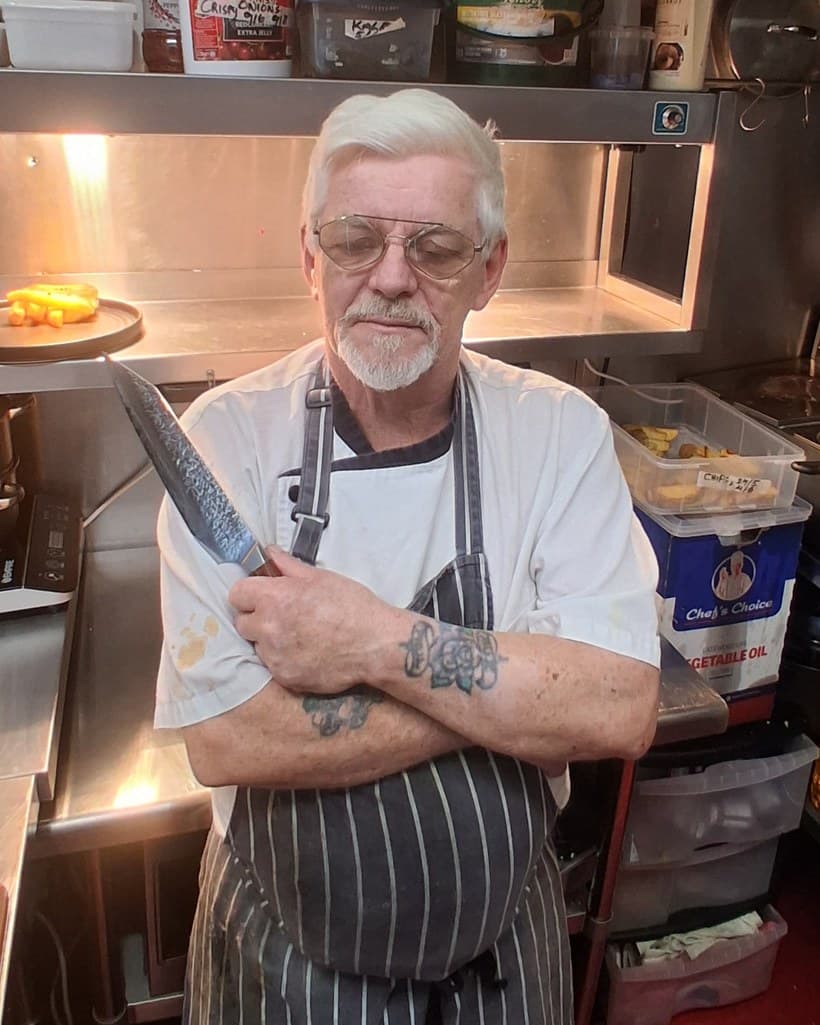
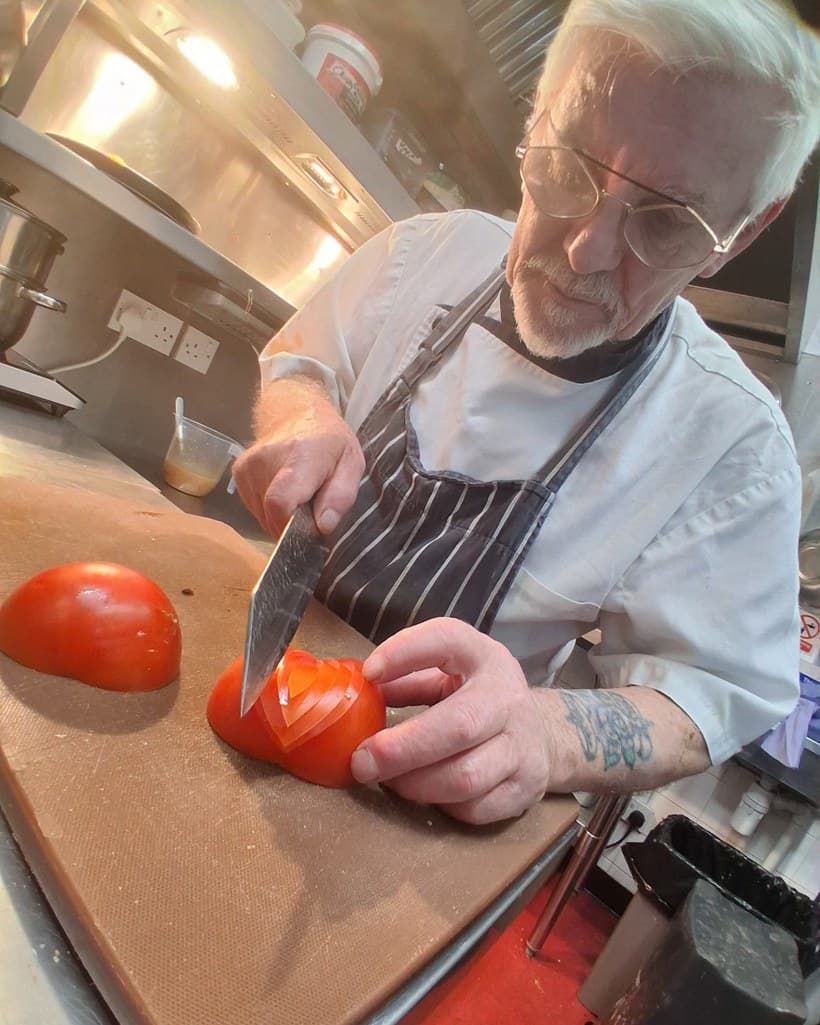
Head Chef at 1260 Hoylake
Wirral
Collection
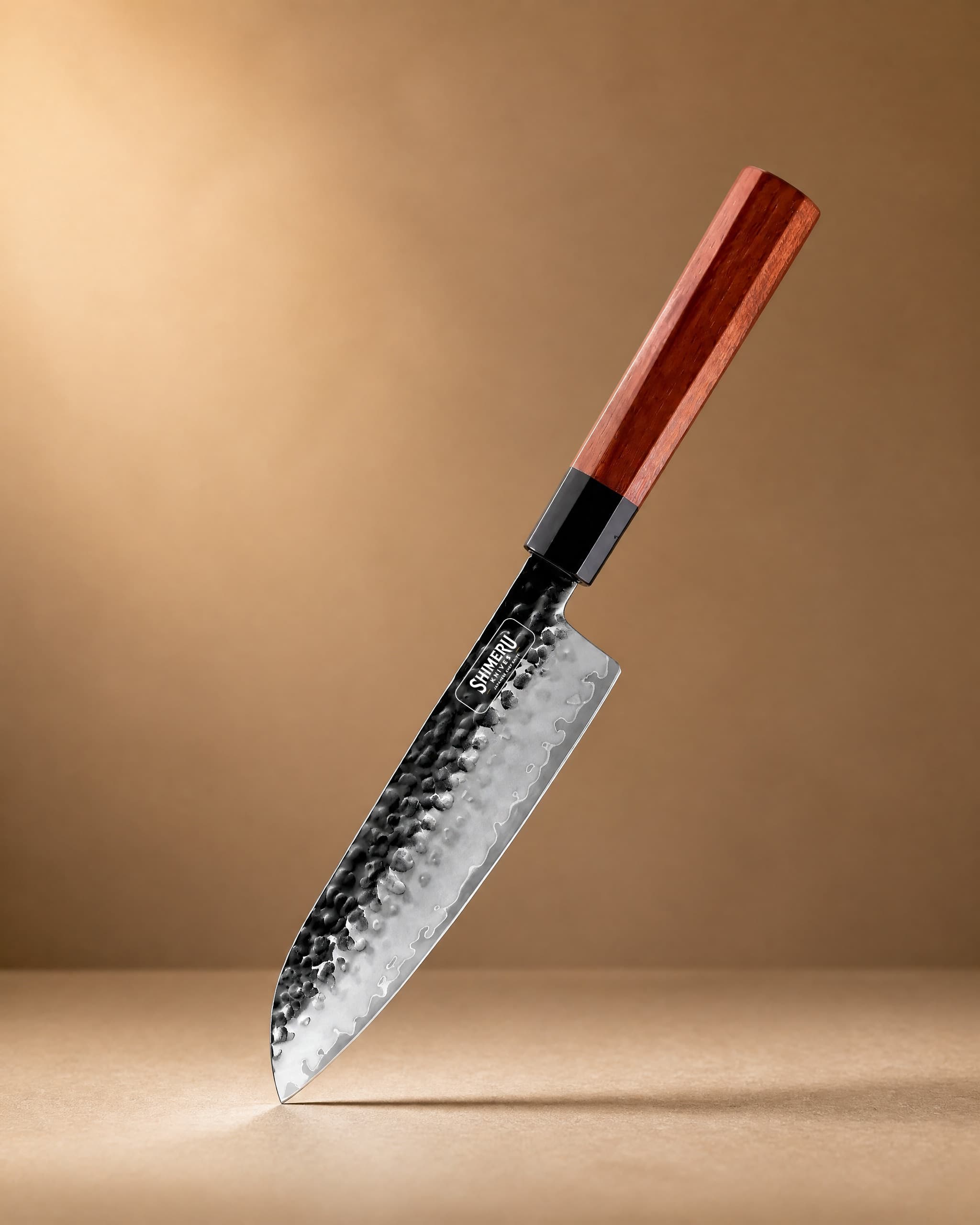
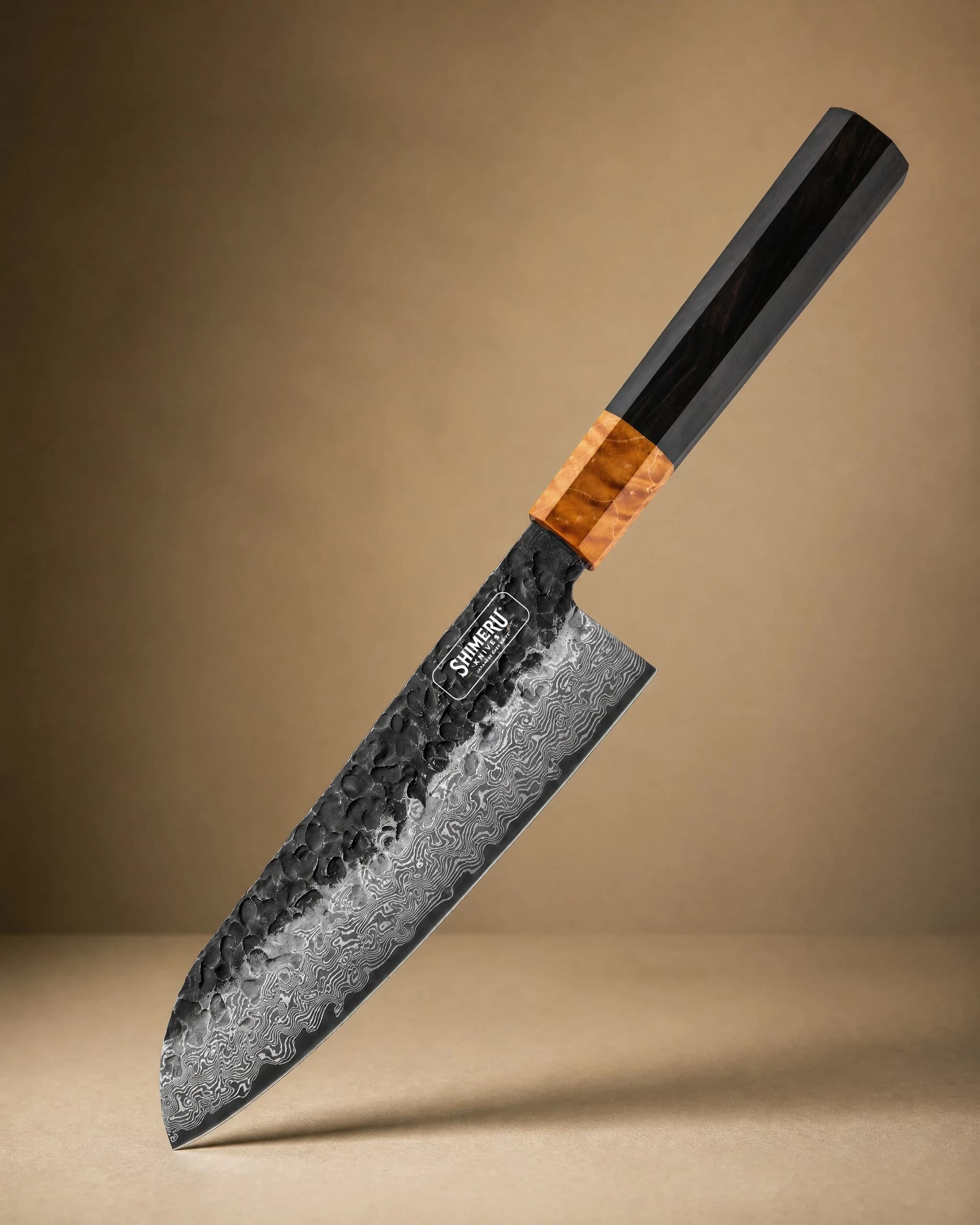
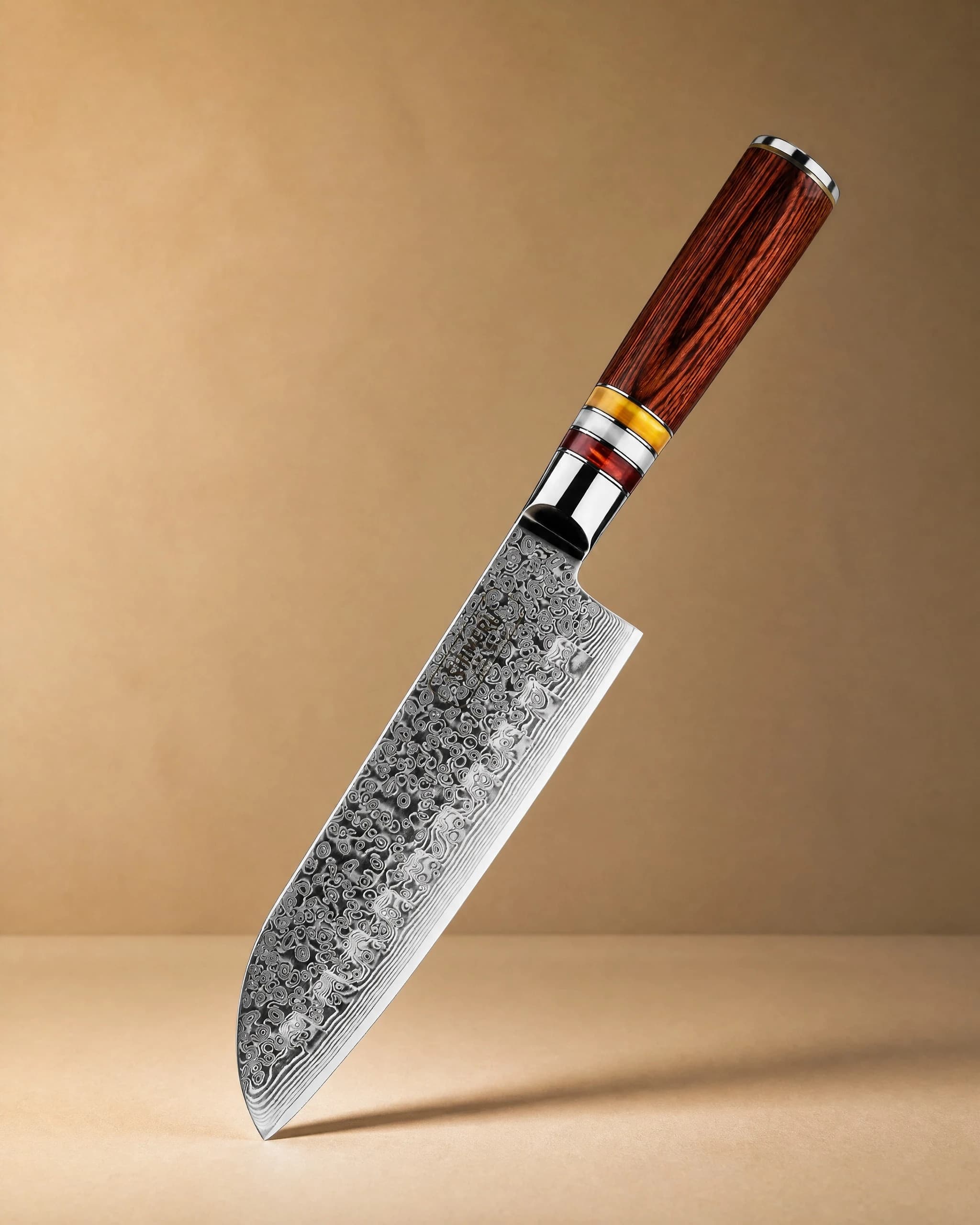
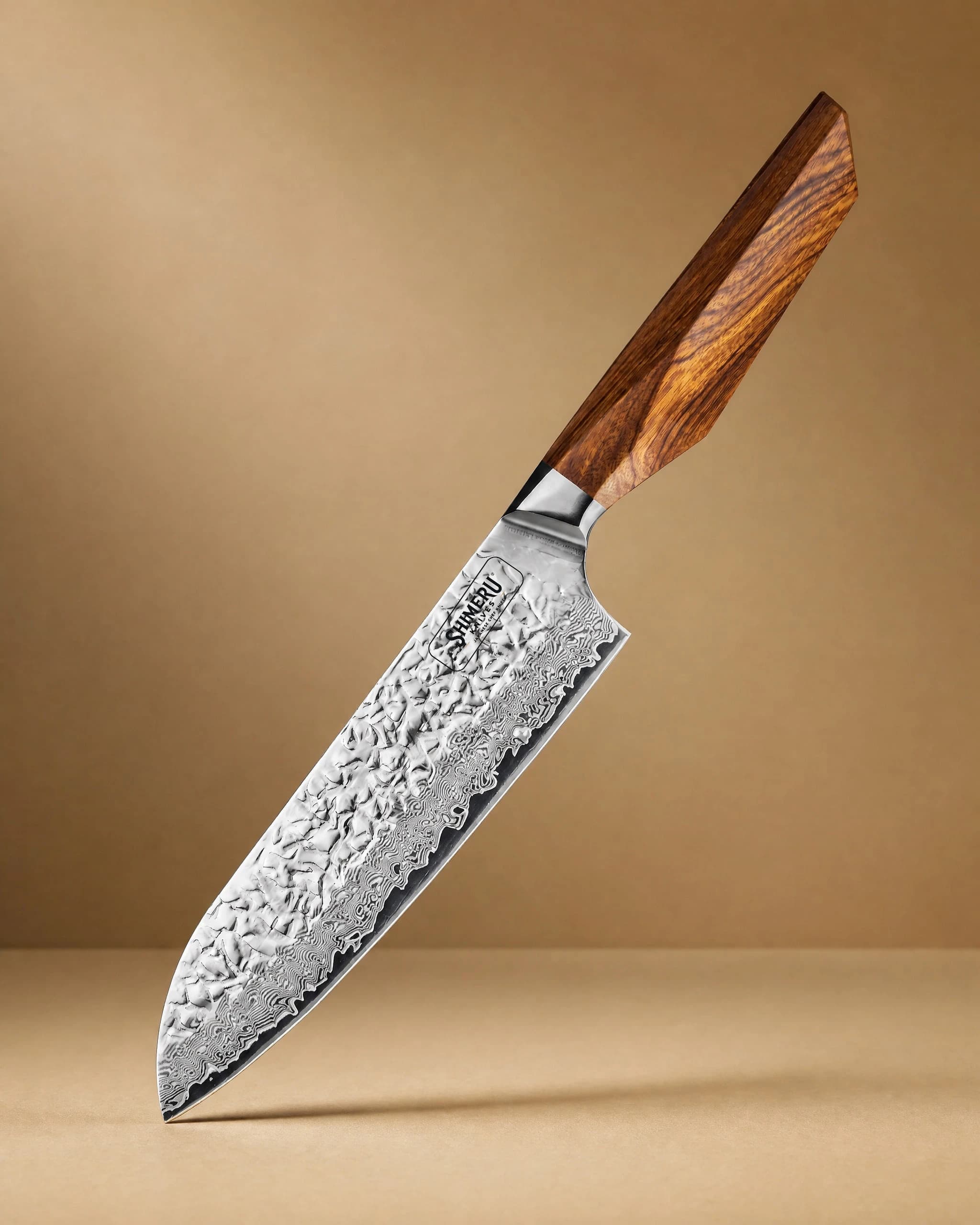
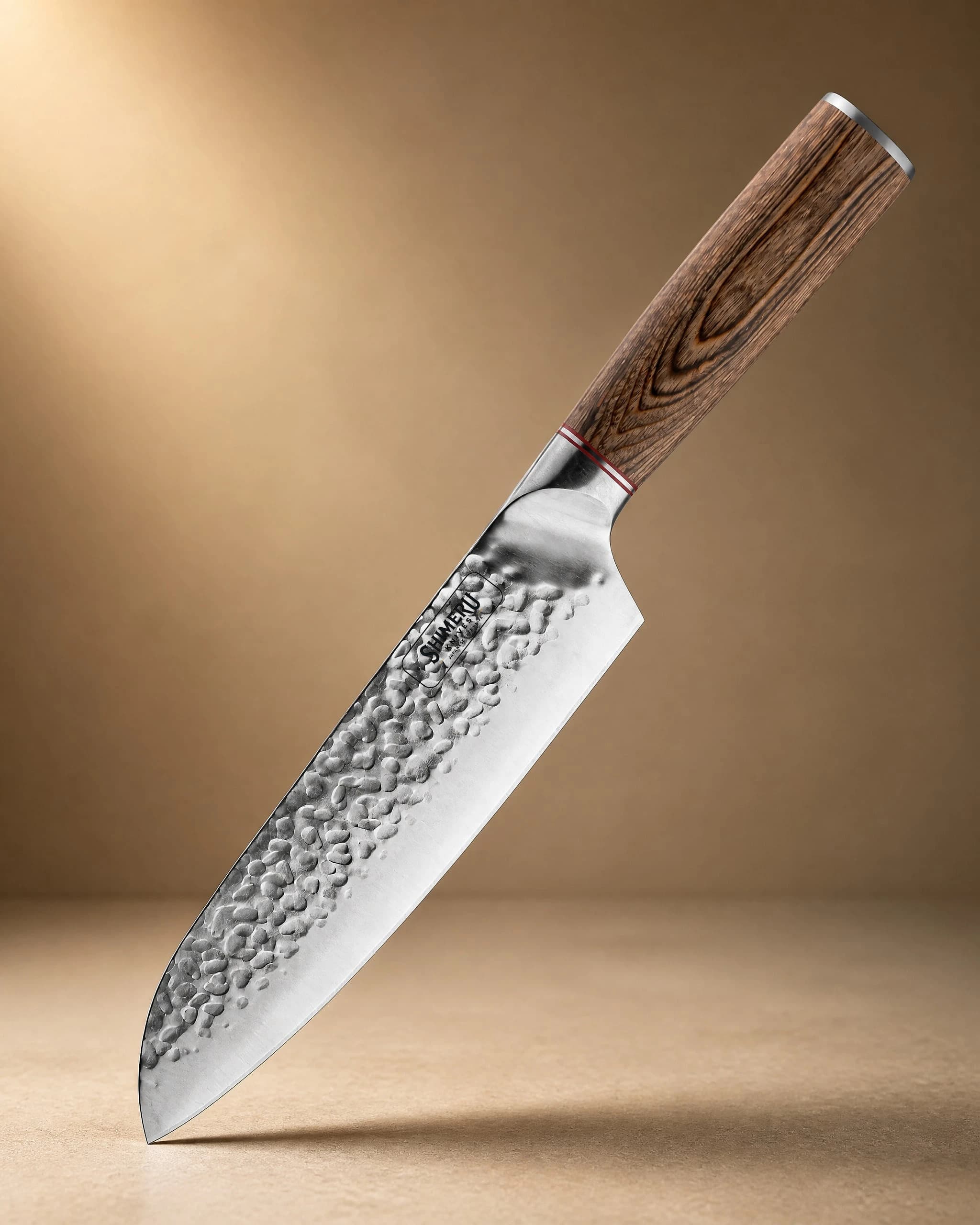
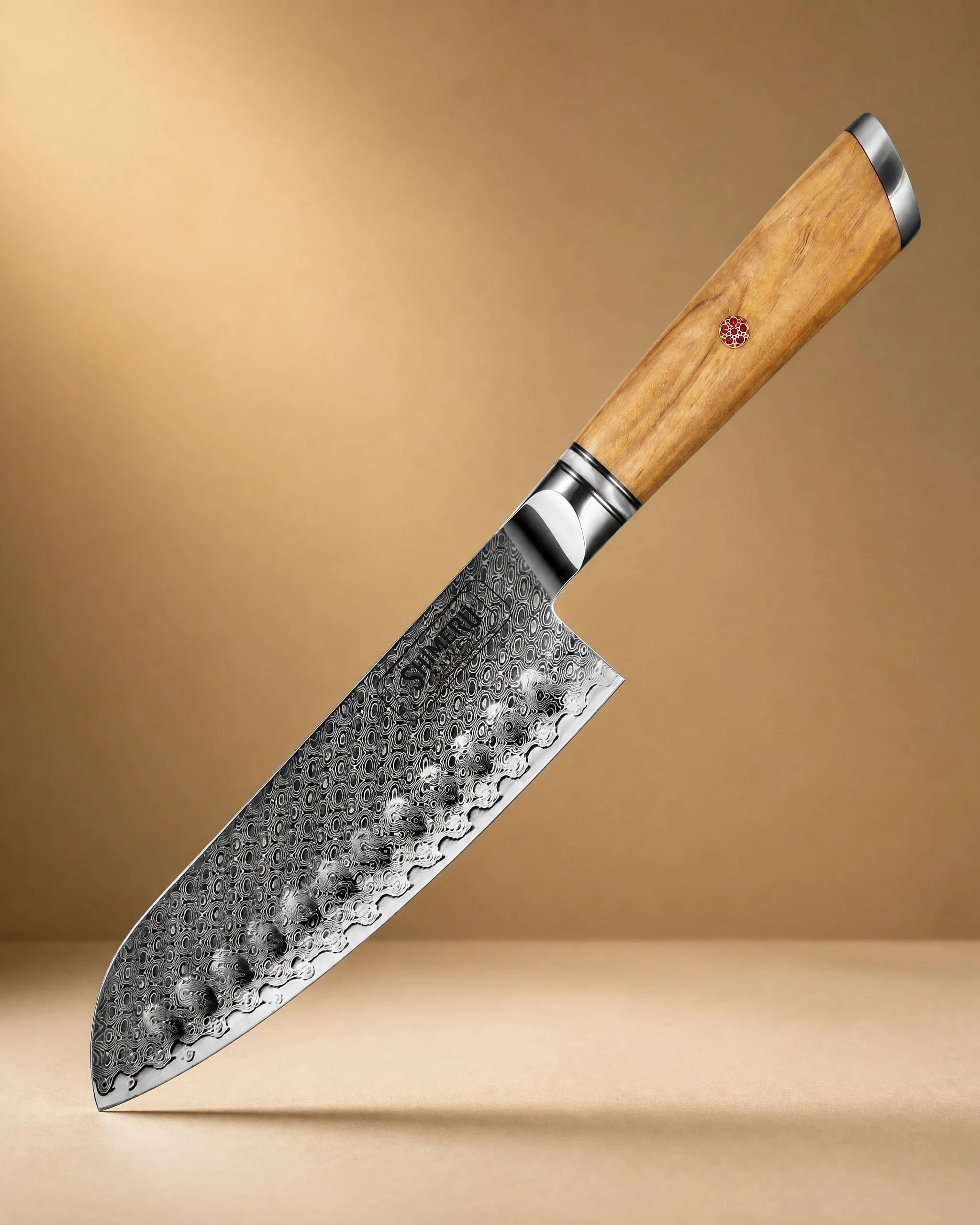
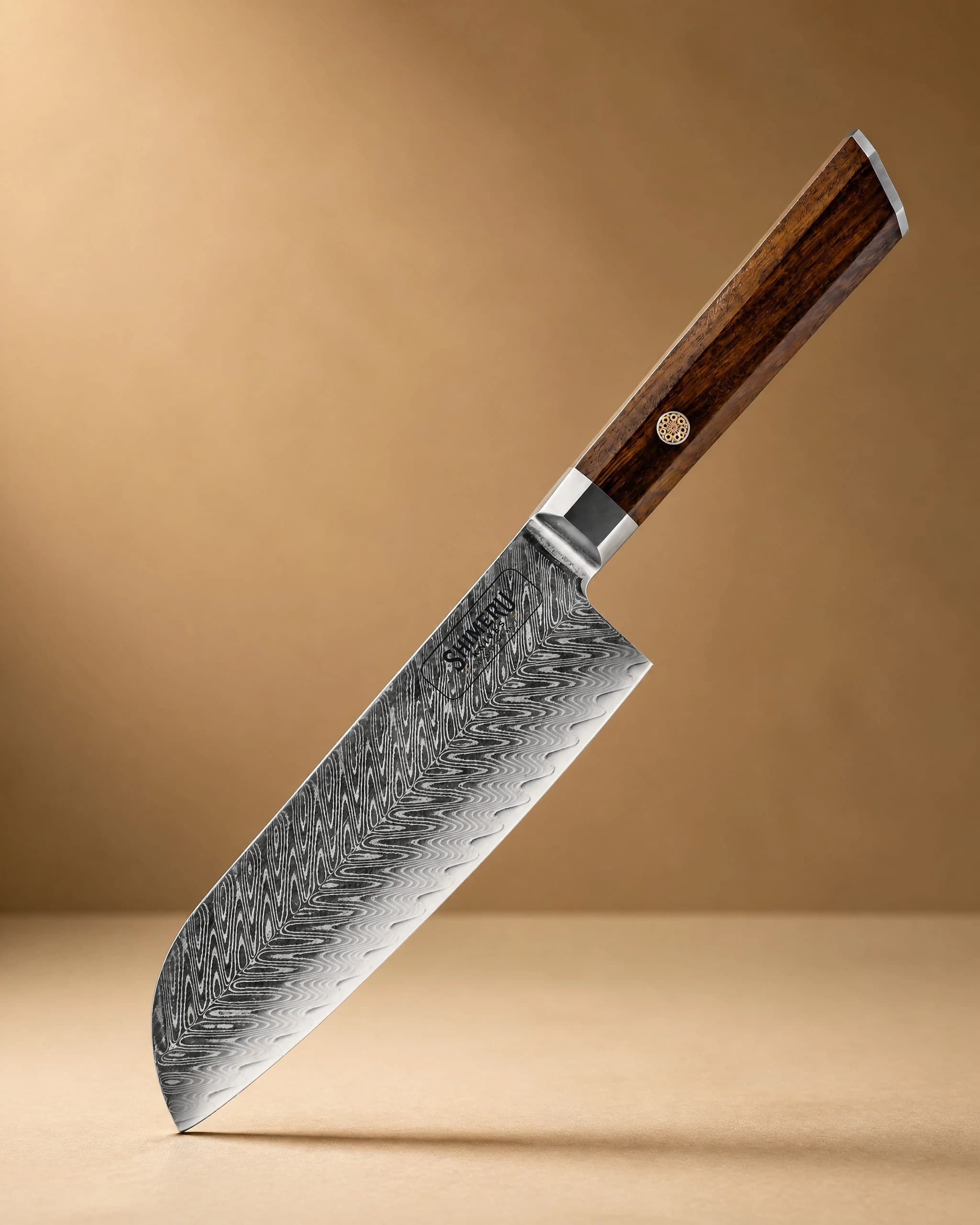
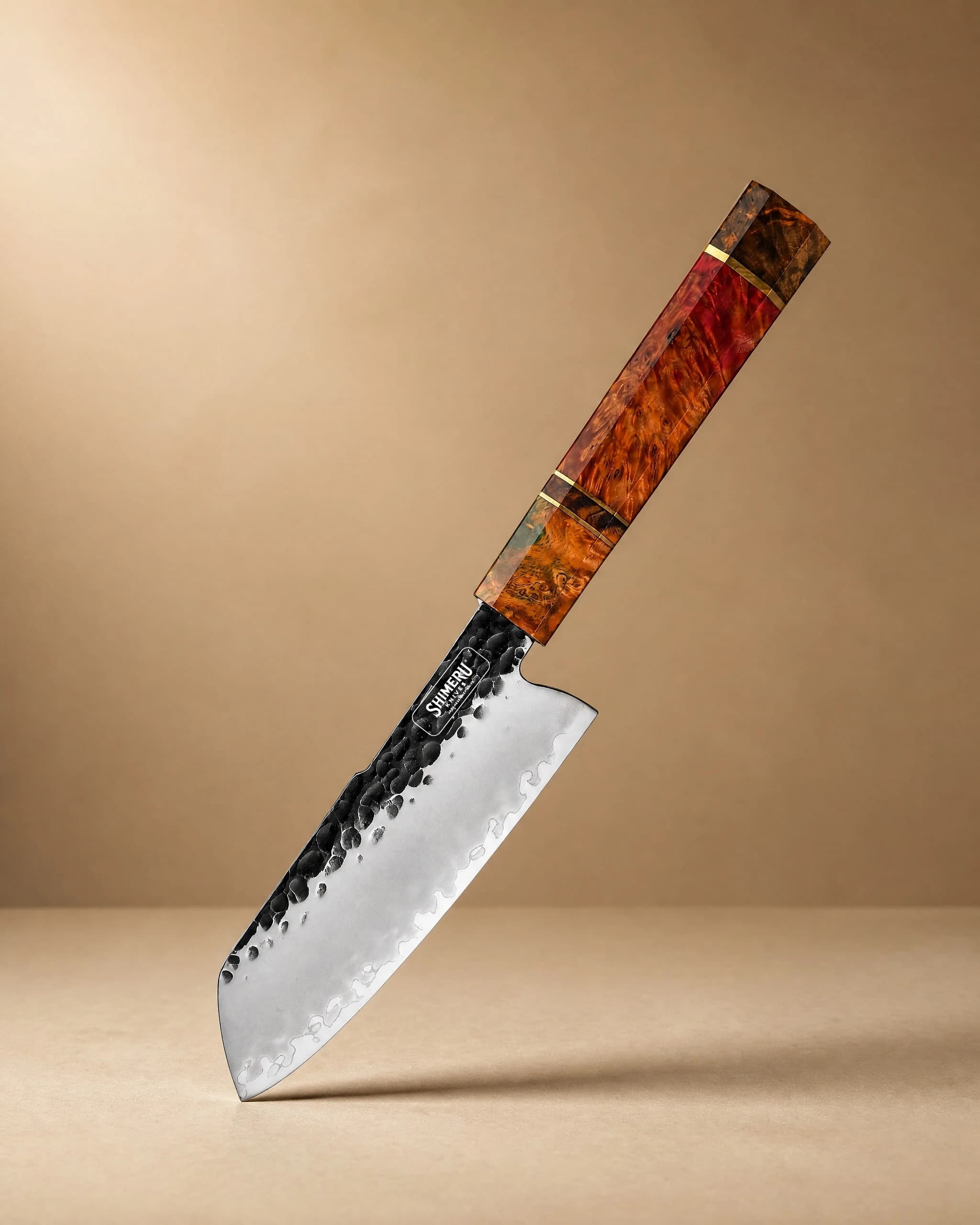
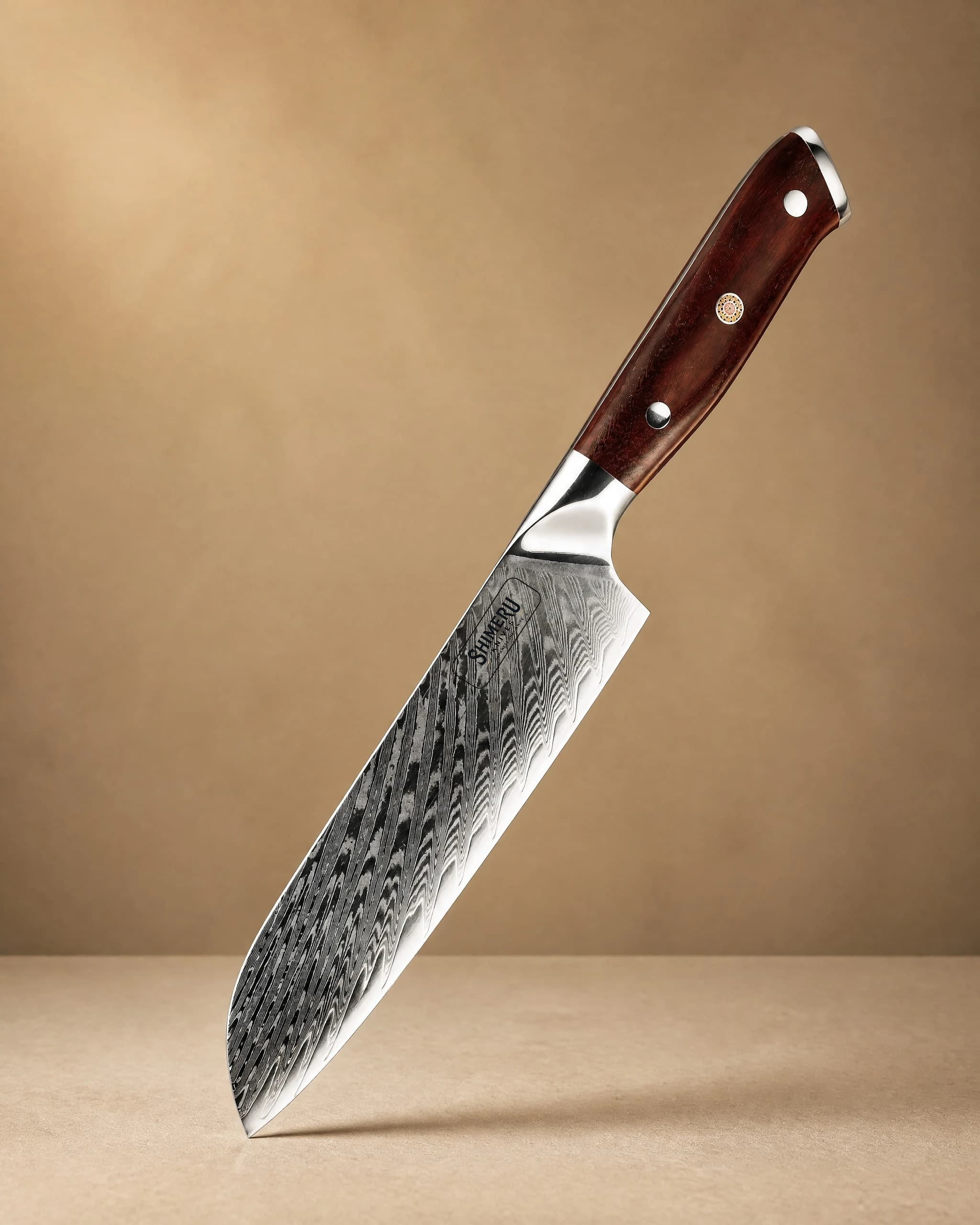
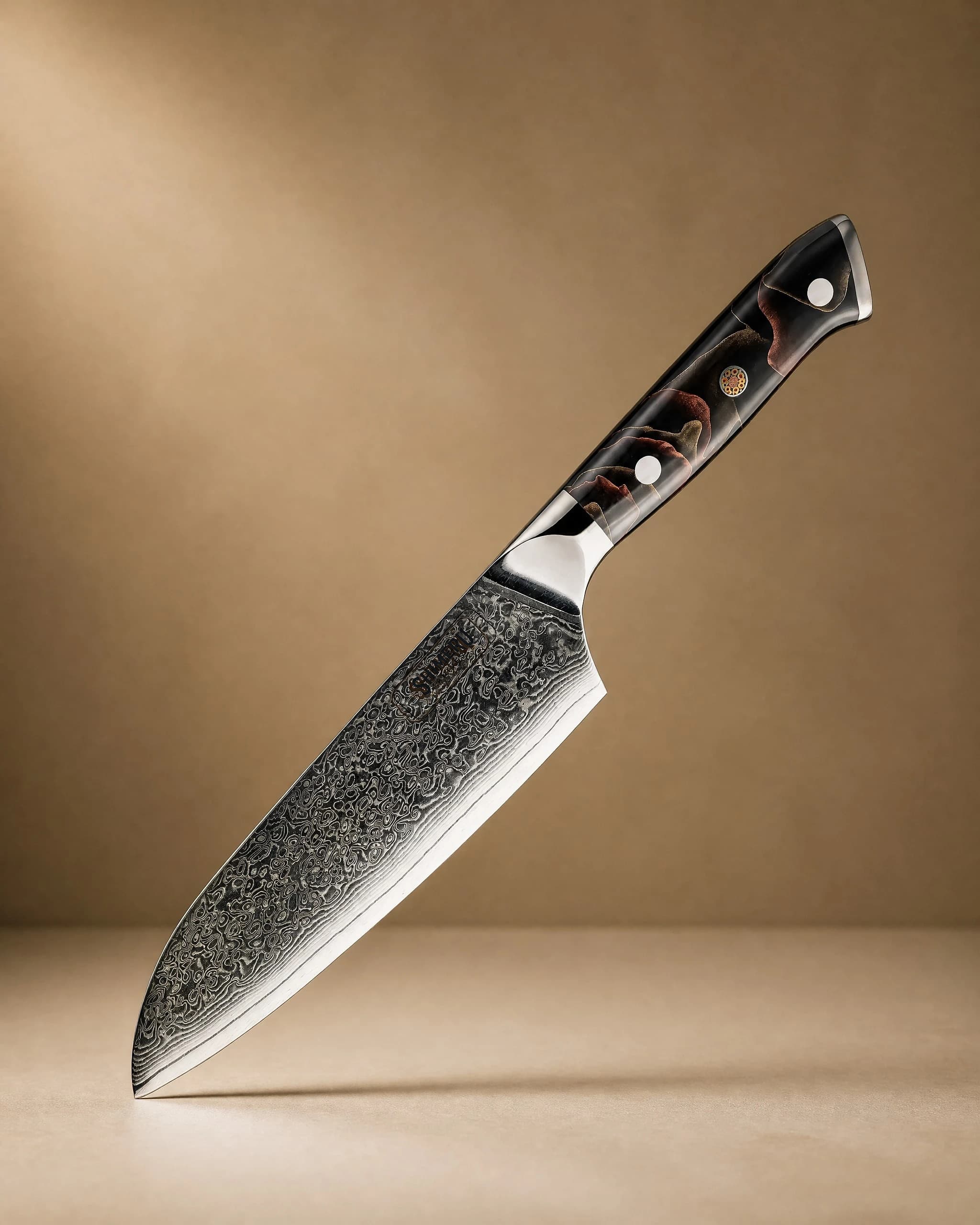
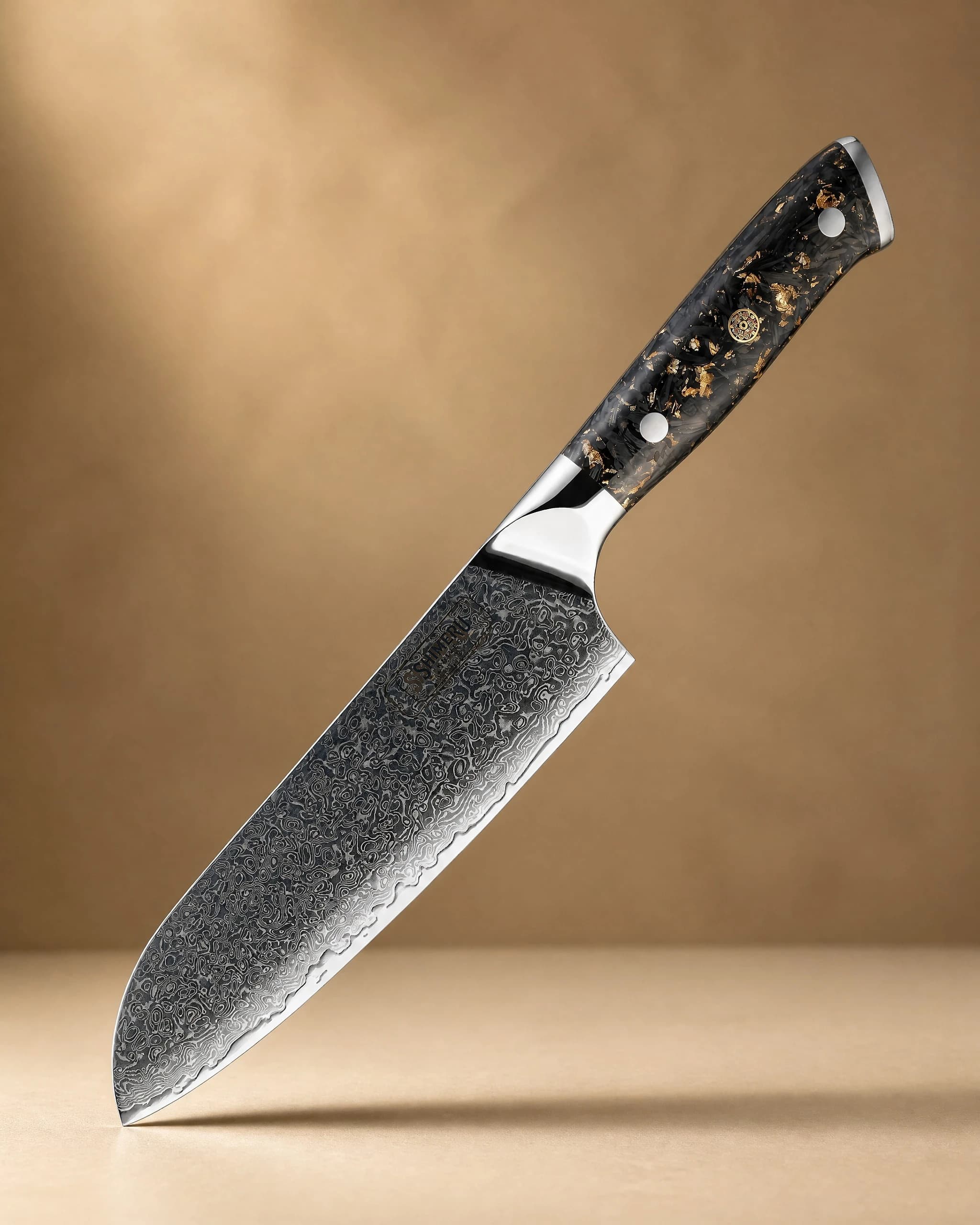
The Santoku is Japan's most popular home kitchen knife, a shorter, flatter blade built for the three virtues: slicing, dicing, and chopping. Less rock, more precision. "Santoku" translates as "three virtues," referring to its skill across meat, fish, and vegetables. Compared to a Gyuto, the Santoku has a flatter edge profile and a sheep's-foot tip, better suited to the down-and-forward chopping motion most home cooks naturally use. Forged from Damascus-clad VG10 cores at 60+ HRC, our Santokus are sharp out of the box and built to keep that edge through years of daily prep.
11 knives
The shorter length (typically 165–180 mm) makes the Santoku easy to control and easy to store, while the hollow-ground (Granton) edge on many of our models stops slices of potato and courgette sticking to the blade. If you cook mostly plant-forward food and want one knife to reach for, the Santoku is hard to beat. Choose 180 mm for a standard all-rounder or 165 mm for smaller hands and tighter prep areas. Every Santoku ships sharp from our UK workshop and is backed by our lifetime sharpening service.
Not sure which knife?
Answer a few quick questions about how you cook, and we'll match you with the perfect blade.
Common questions
If you naturally rock-chop and break down whole proteins, choose a Gyuto (210 mm). If you push-cut, prep mostly vegetables, or want a shorter, more controllable blade, choose a Santoku (180 mm). Both are excellent all-rounders.
"Santoku" means "three virtues" or "three uses" in Japanese, referring to its ability to handle meat, fish, and vegetables equally well.
The hollow-ground dimples (called Granton edge or kullenschliff) create air pockets that release suction, so wet or starchy foods like potato slices don't stick to the blade.
Yes, for boneless cuts. The Santoku slices steak, chicken breast, and fish cleanly. For full proteins with bone, use a cleaver or a longer Gyuto.
180 mm is the standard for home use and works for almost everyone. Choose 165 mm if you have smaller hands or a compact prep area.