
Chef Ambassadors
Real head chefs across the UK put Shimeru blades to work on the pass, service after service.
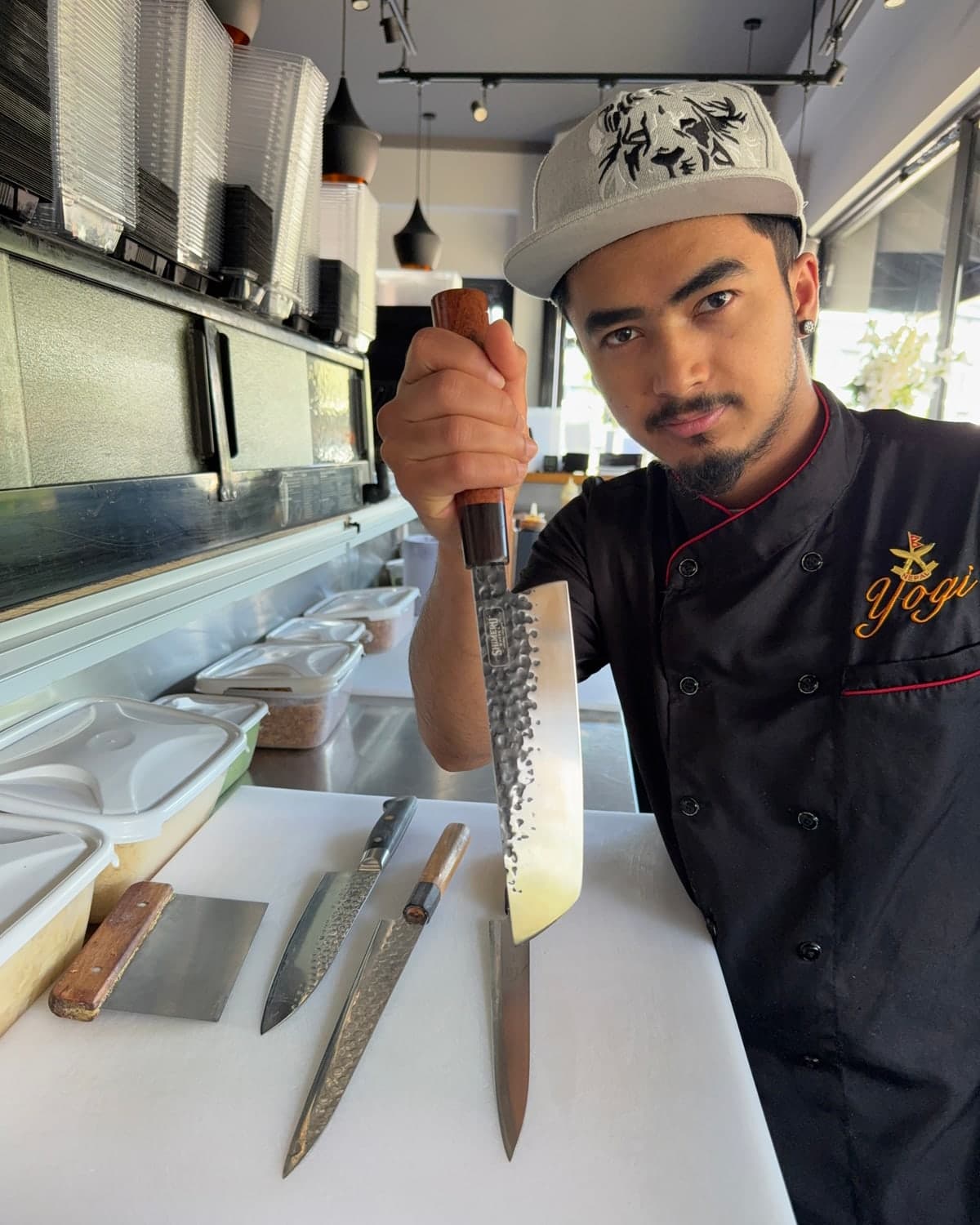
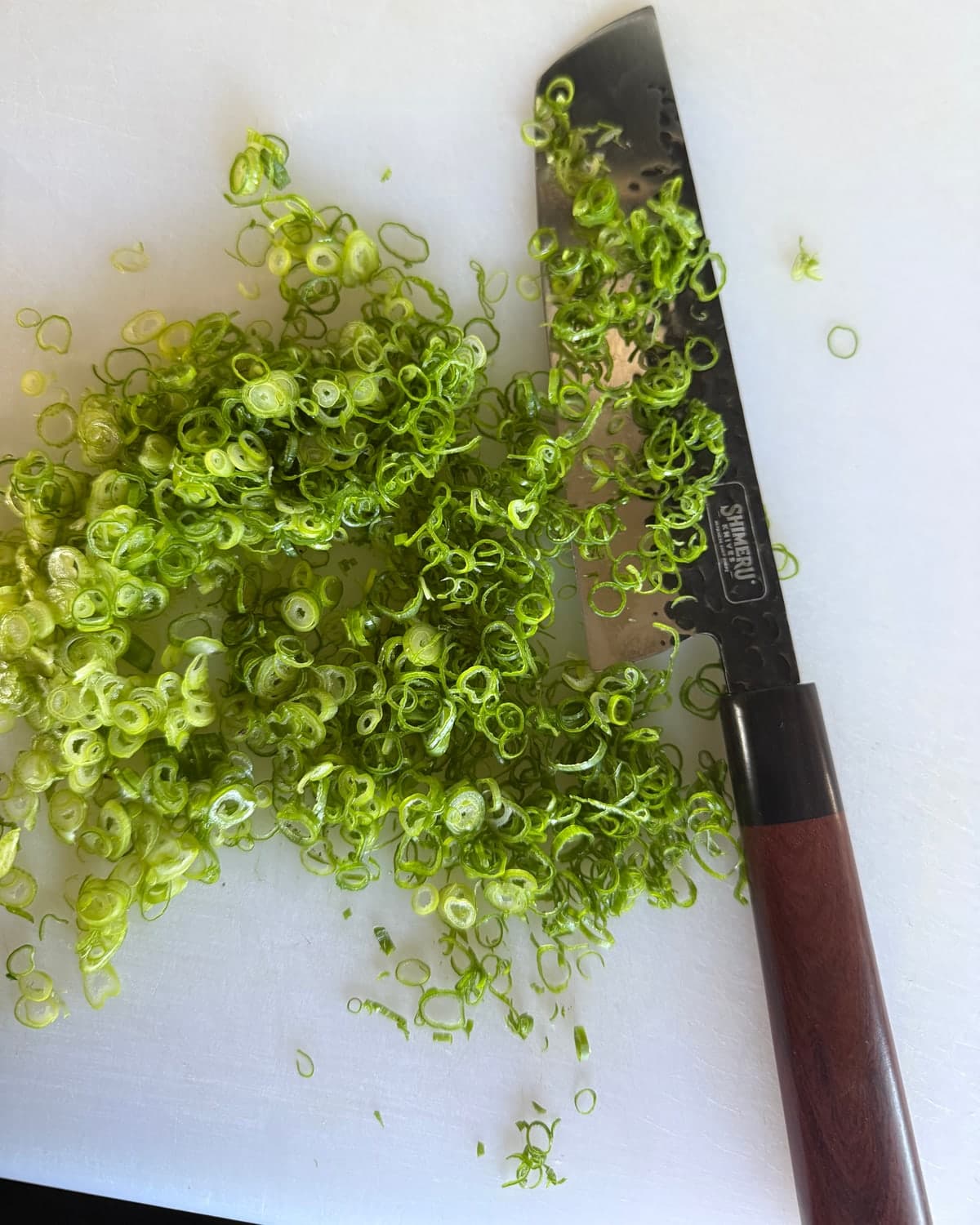
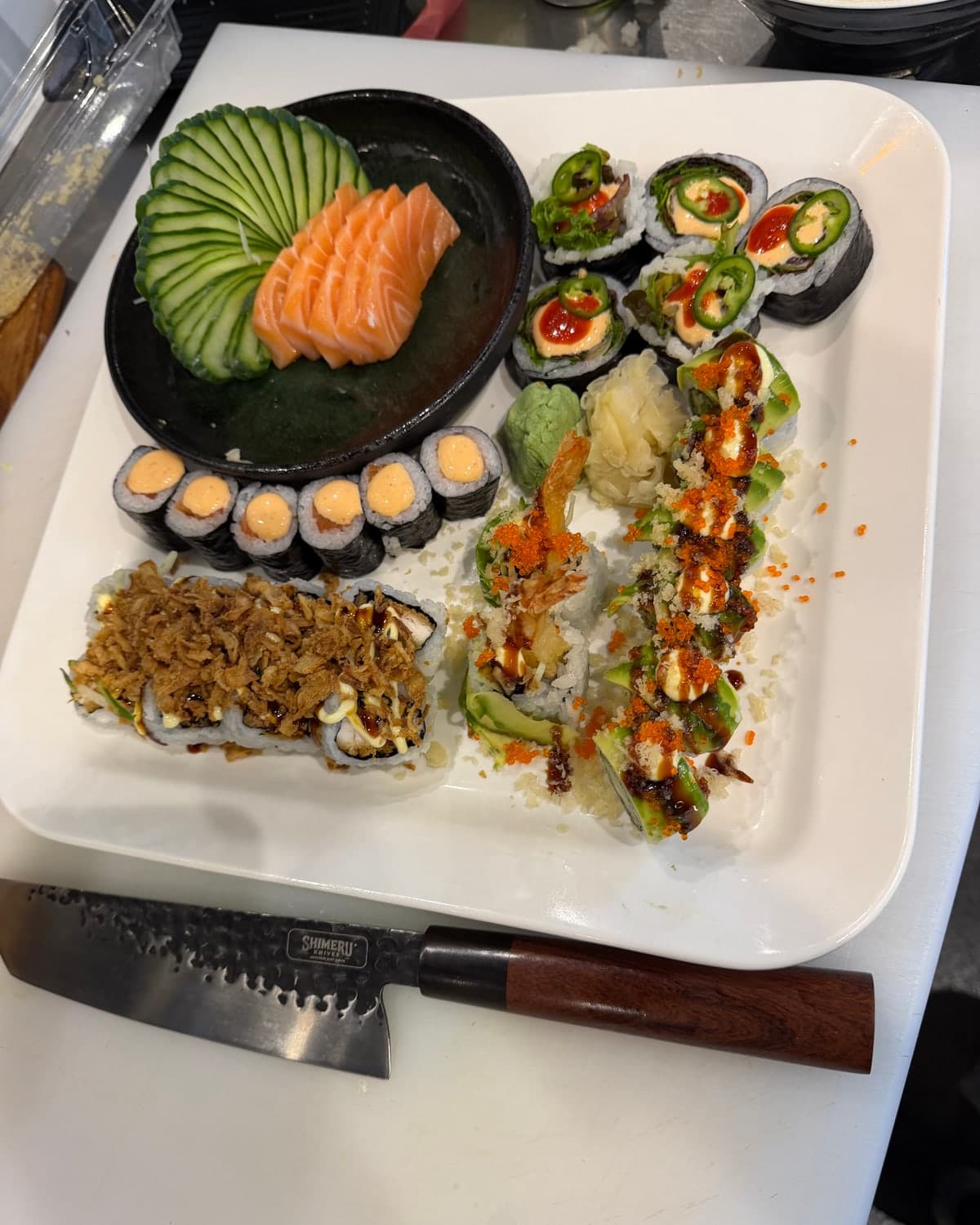
Head Chef at Kiyoto Sushi
London
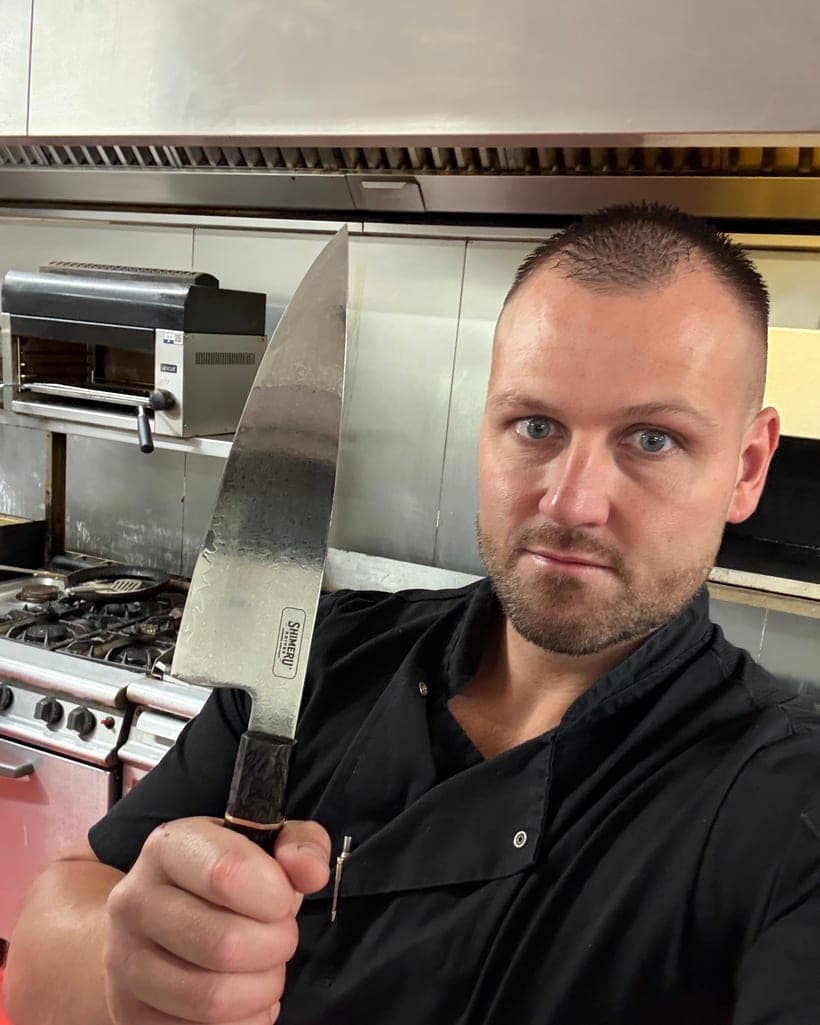
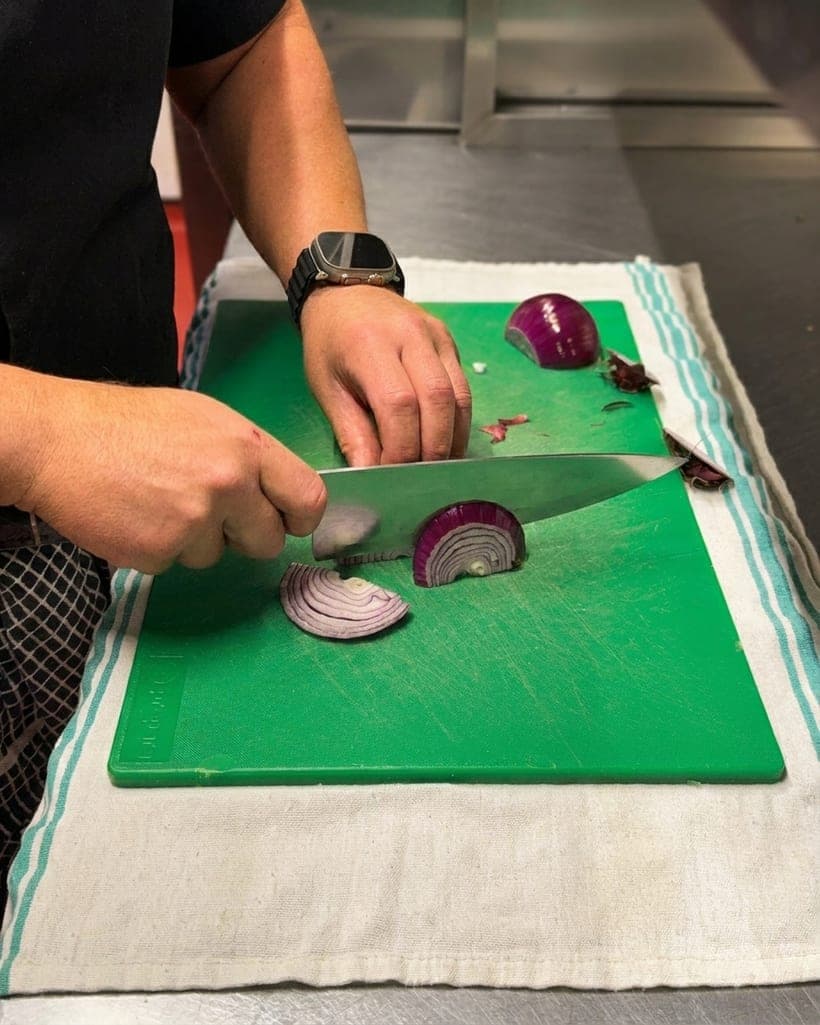
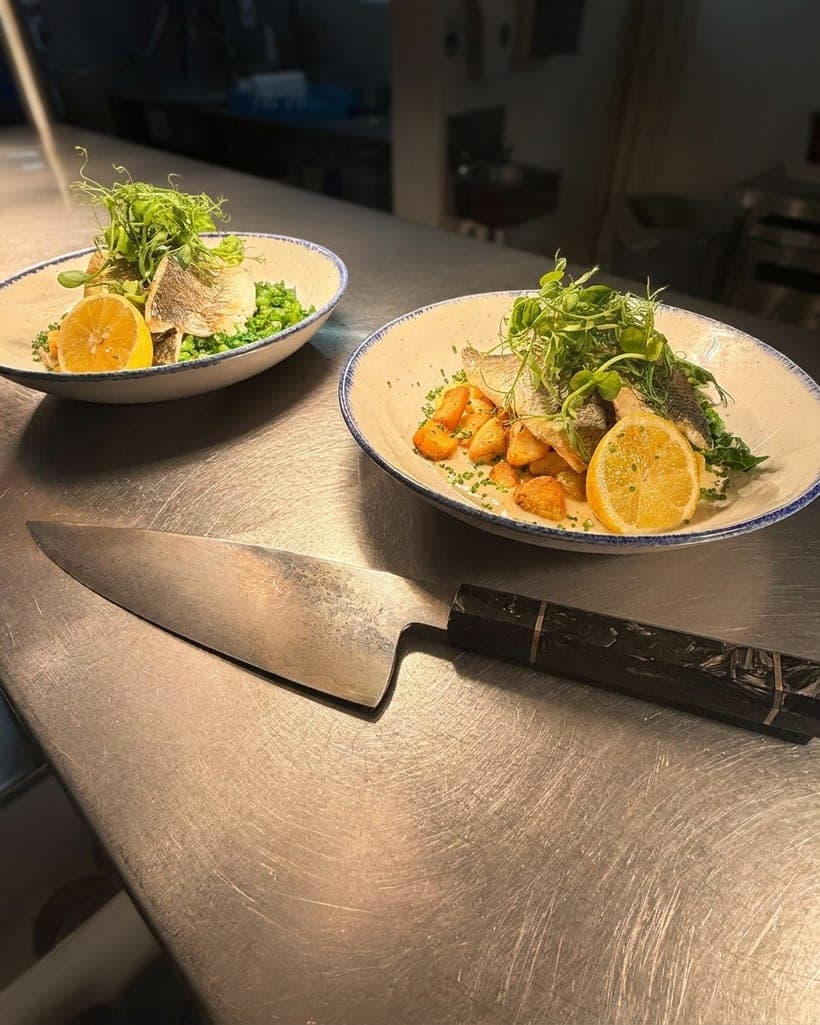
Head Chef at The Grazing Cow
Telford
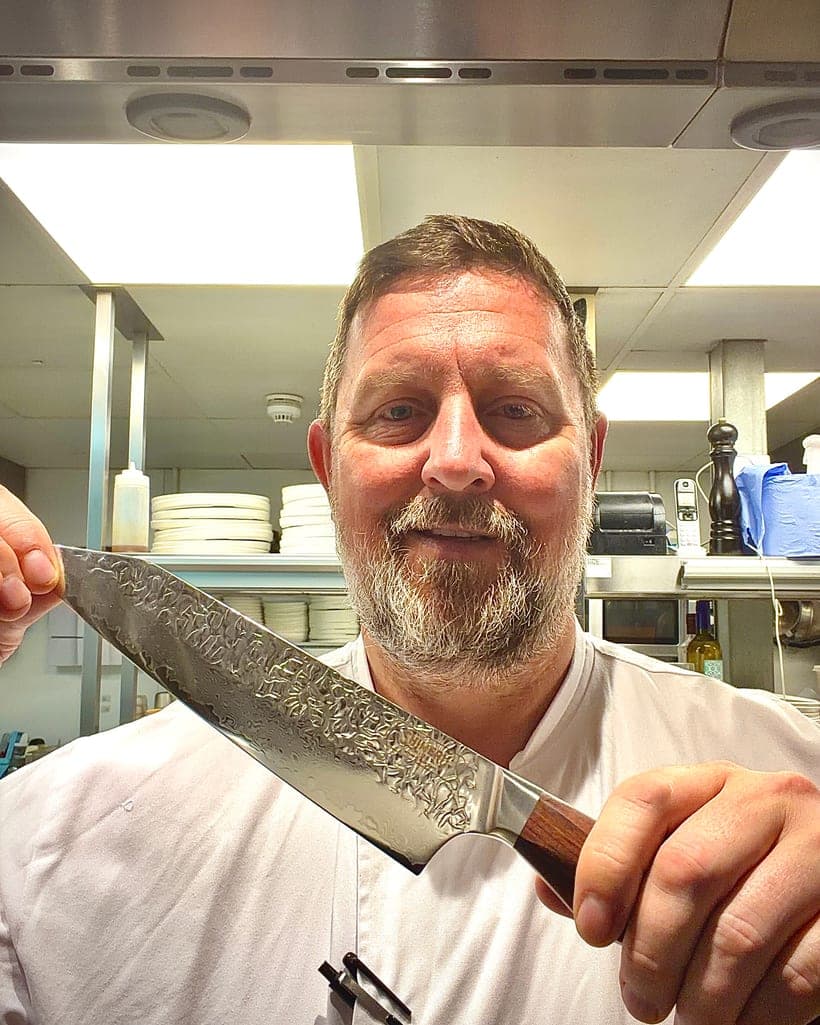
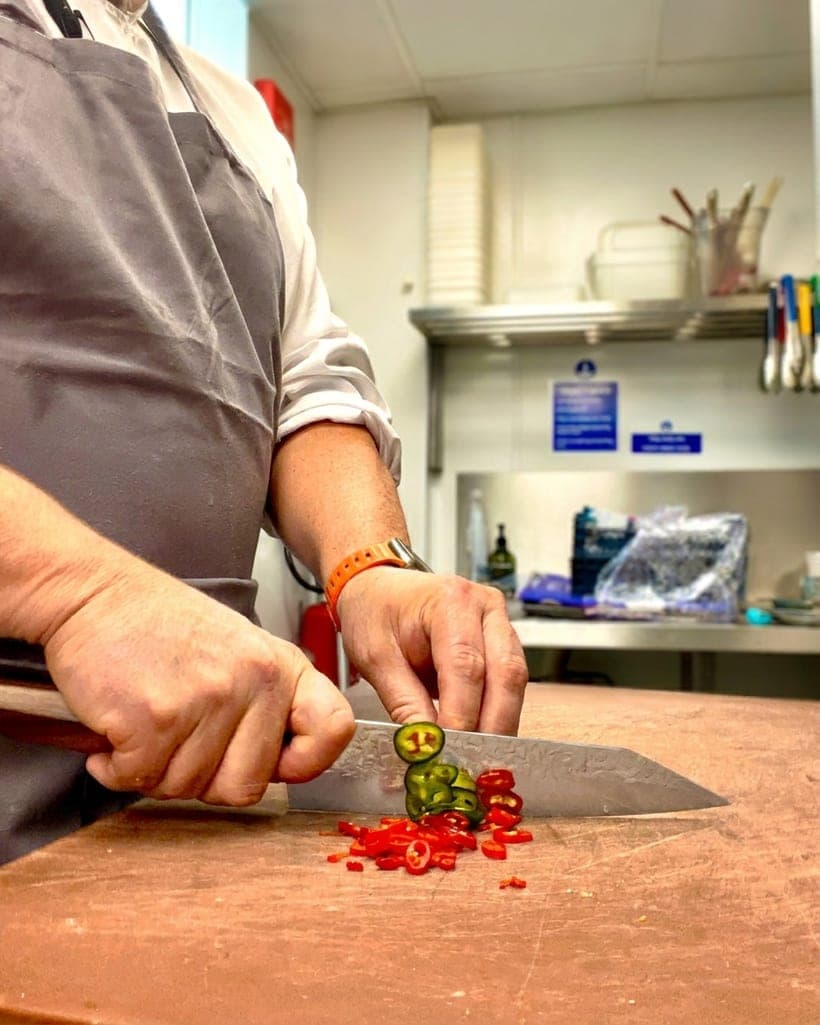

Head Chef at Duke of Wellington
London
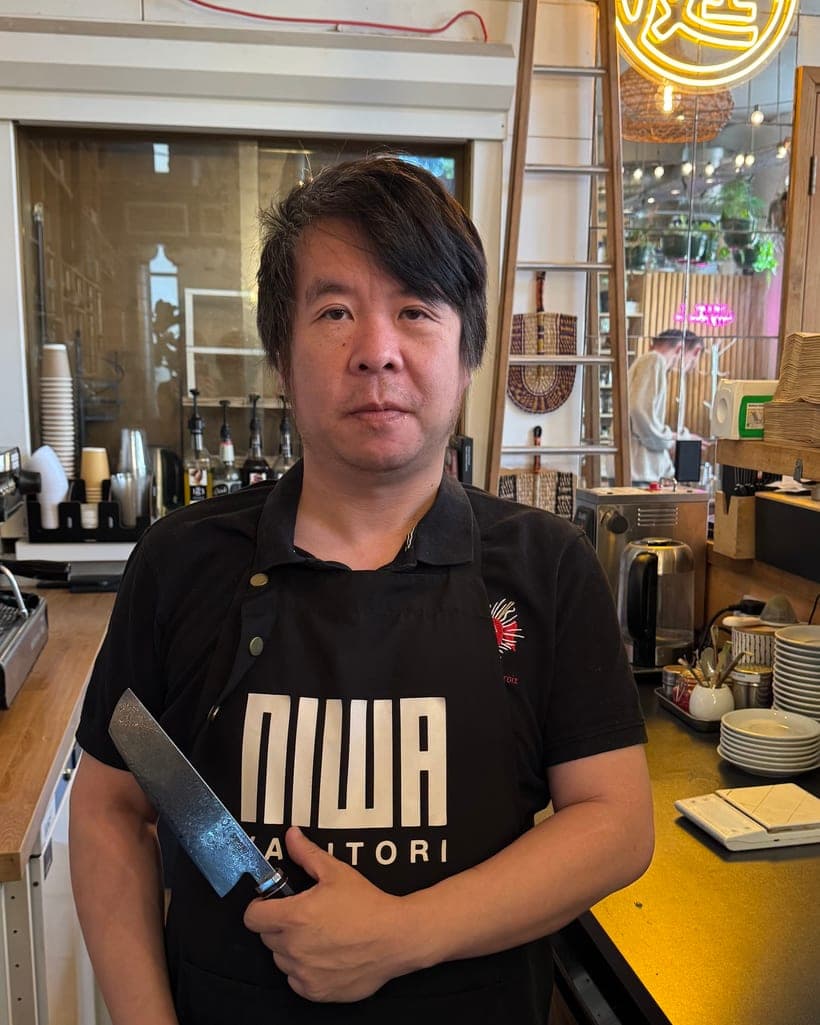
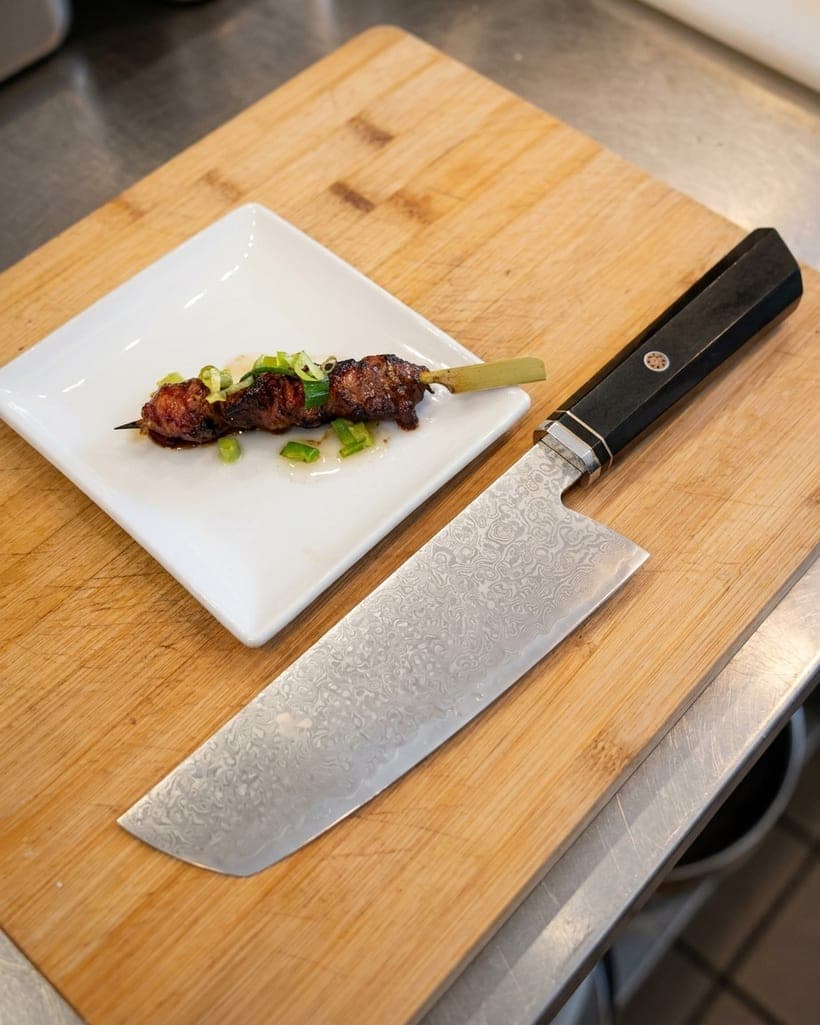
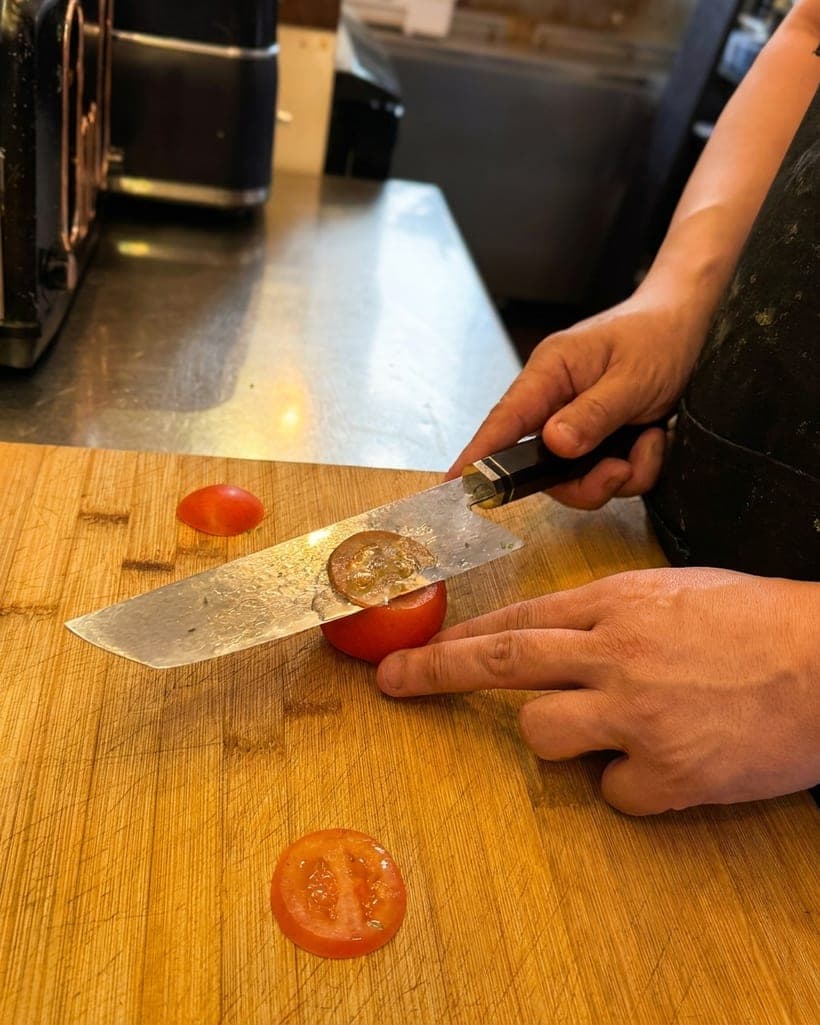
Head Chef at Niwa Yakitori
Manchester
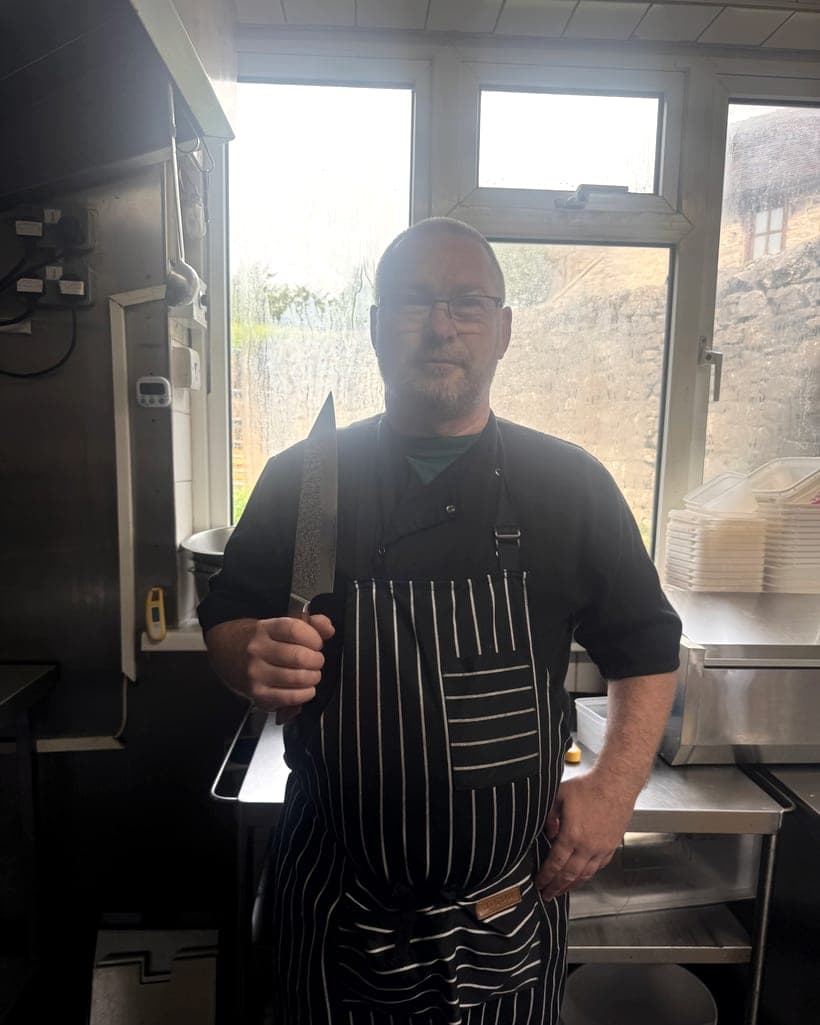
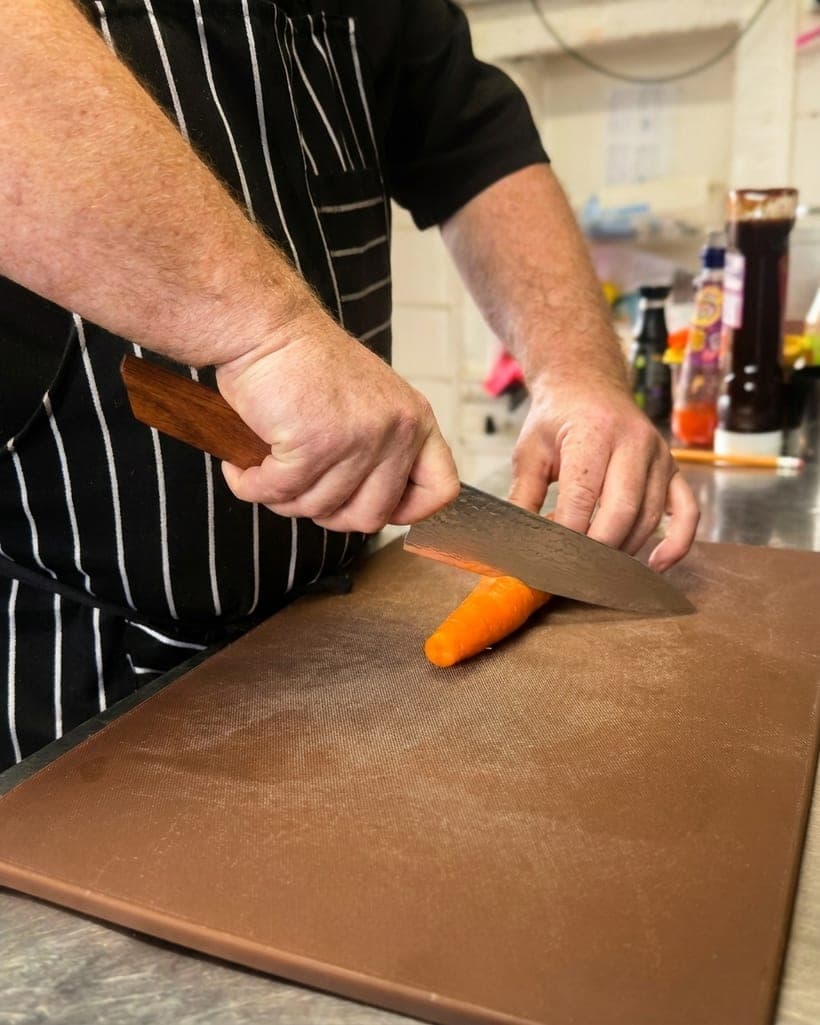
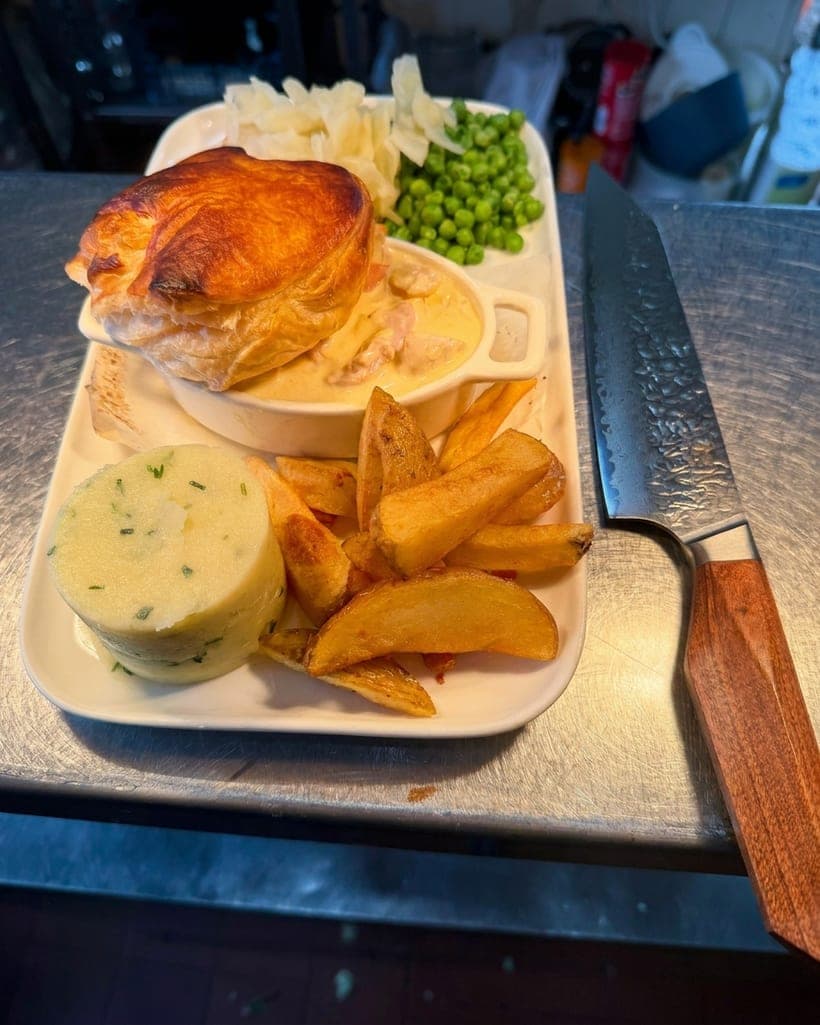
Head Chef at The Royal Oak
Ashbourne

Head Chef at Hintlesham Hall
Ipswich

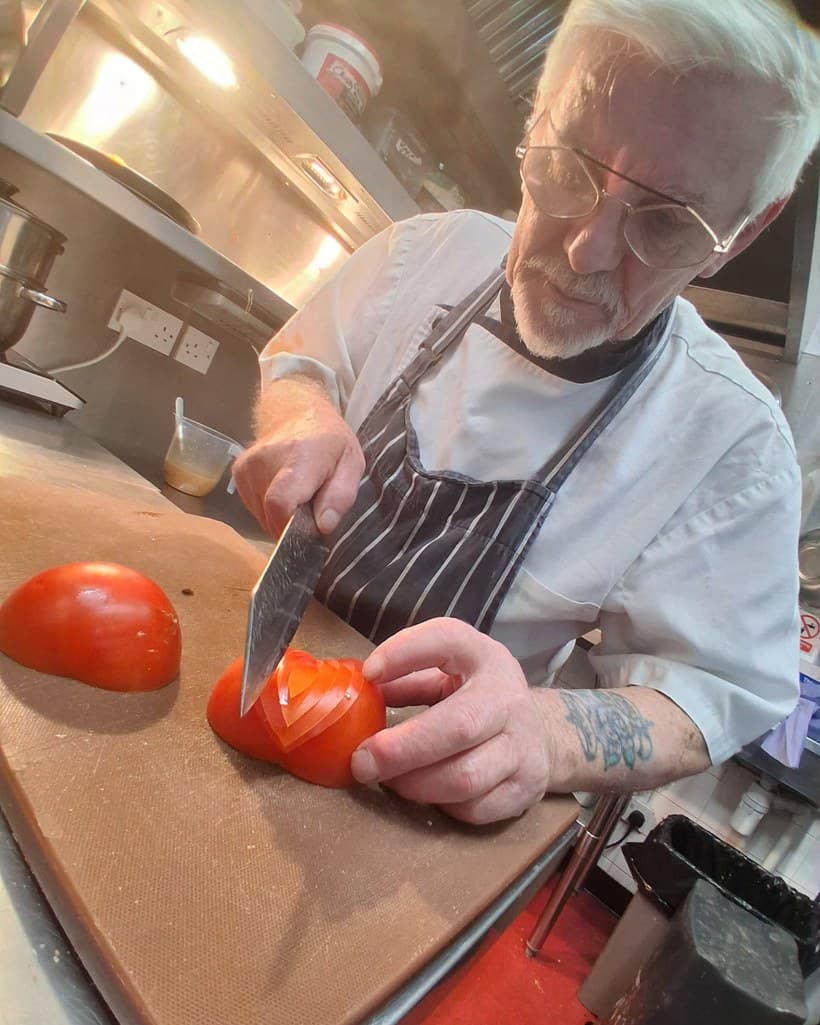
Head Chef at 1260 Hoylake
Wirral
No special maintenance. No fussy rituals. Just three simple steps.
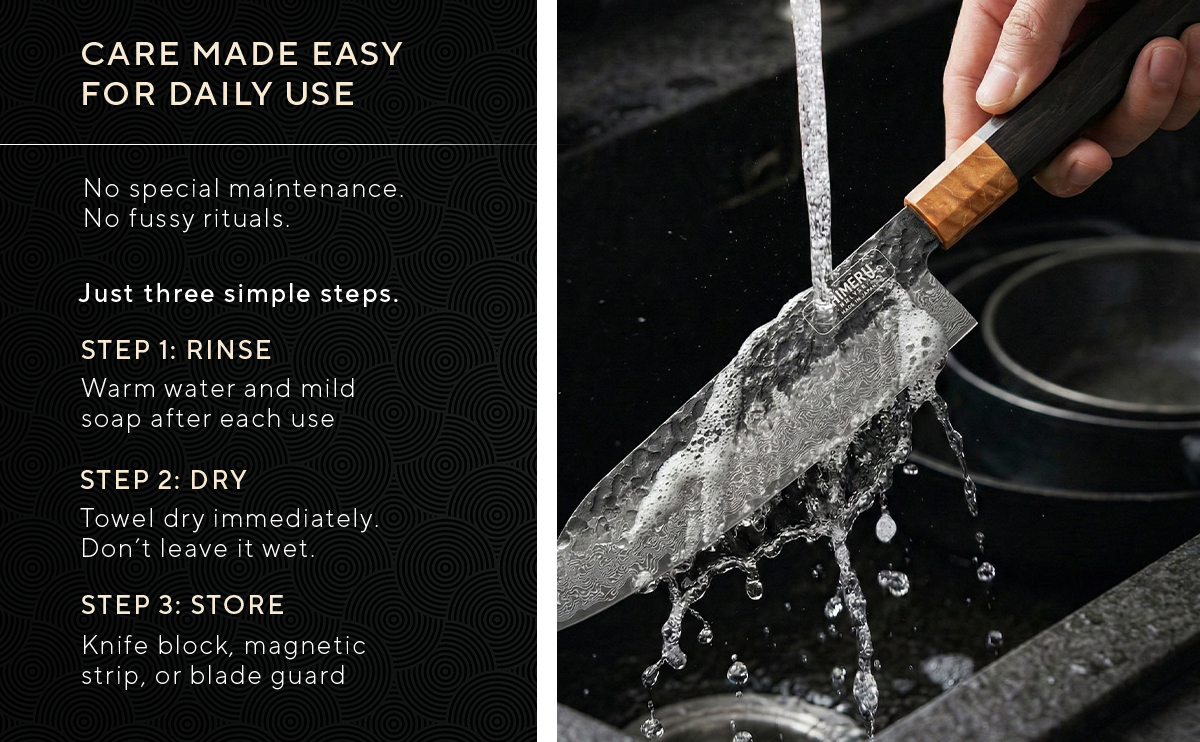
Warm water and mild soap after each use. Never put your knife in the dishwasher, the harsh detergents and jostling will damage the edge and handle. A quick hand wash takes seconds and keeps your blade in perfect condition.
Towel dry immediately after washing. Don't leave it wet or sitting in the sink, even stainless steel can develop spots or discolouration if left damp. A quick wipe with a clean cloth is all it takes.
Use a knife block, magnetic strip, or blade guard. Never toss your knife loose in a drawer, it dulls the edge, damages the blade, and is a safety hazard. A proper storage solution keeps your knife sharp and ready.
Japanese knives hold their edge far longer than Western knives thanks to harder steel (60+ HRC). Most home cooks will only need to sharpen every few months with regular use.