Chef Ambassadors
Real head chefs across the UK put Shimeru blades to work on the pass, service after service.
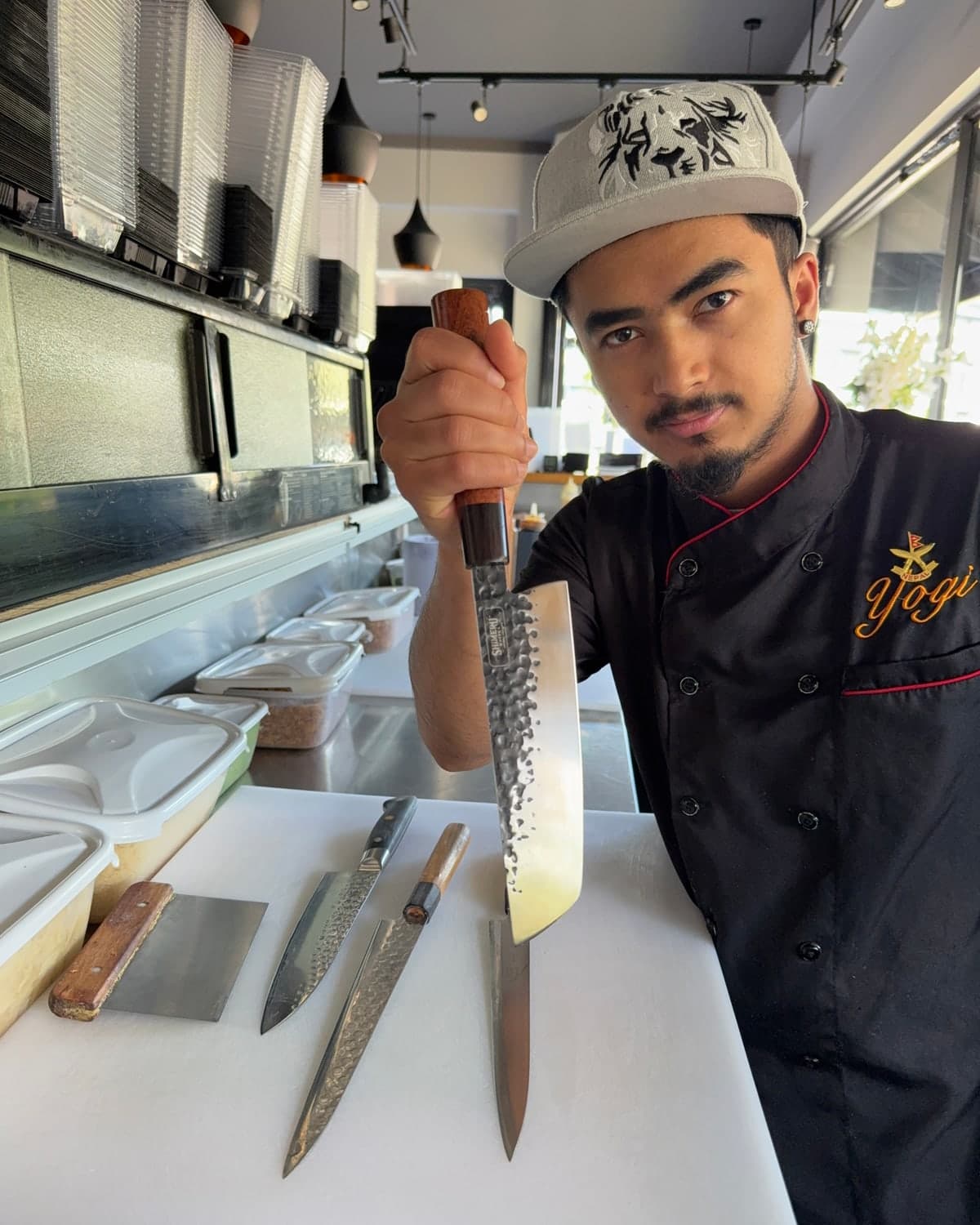
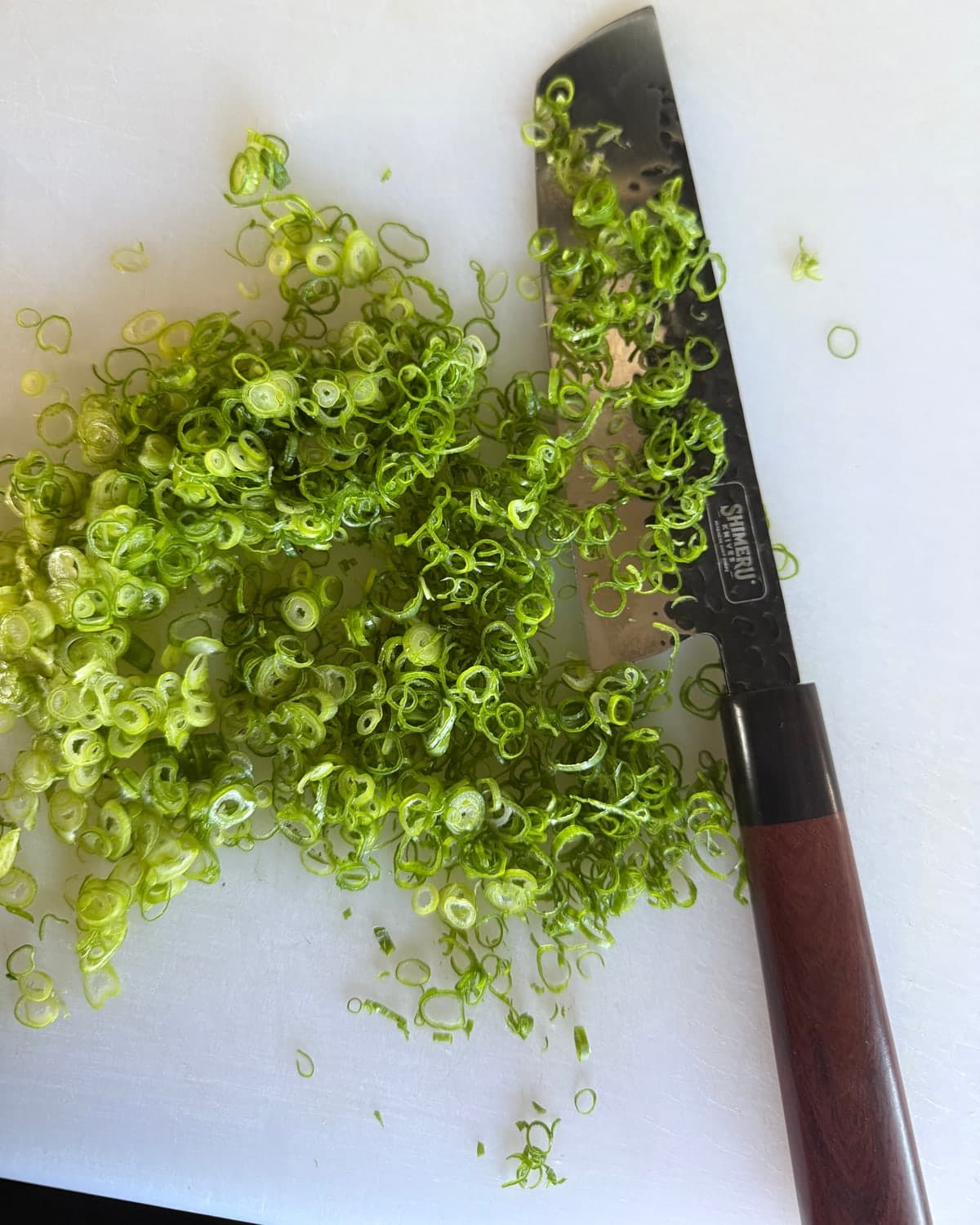
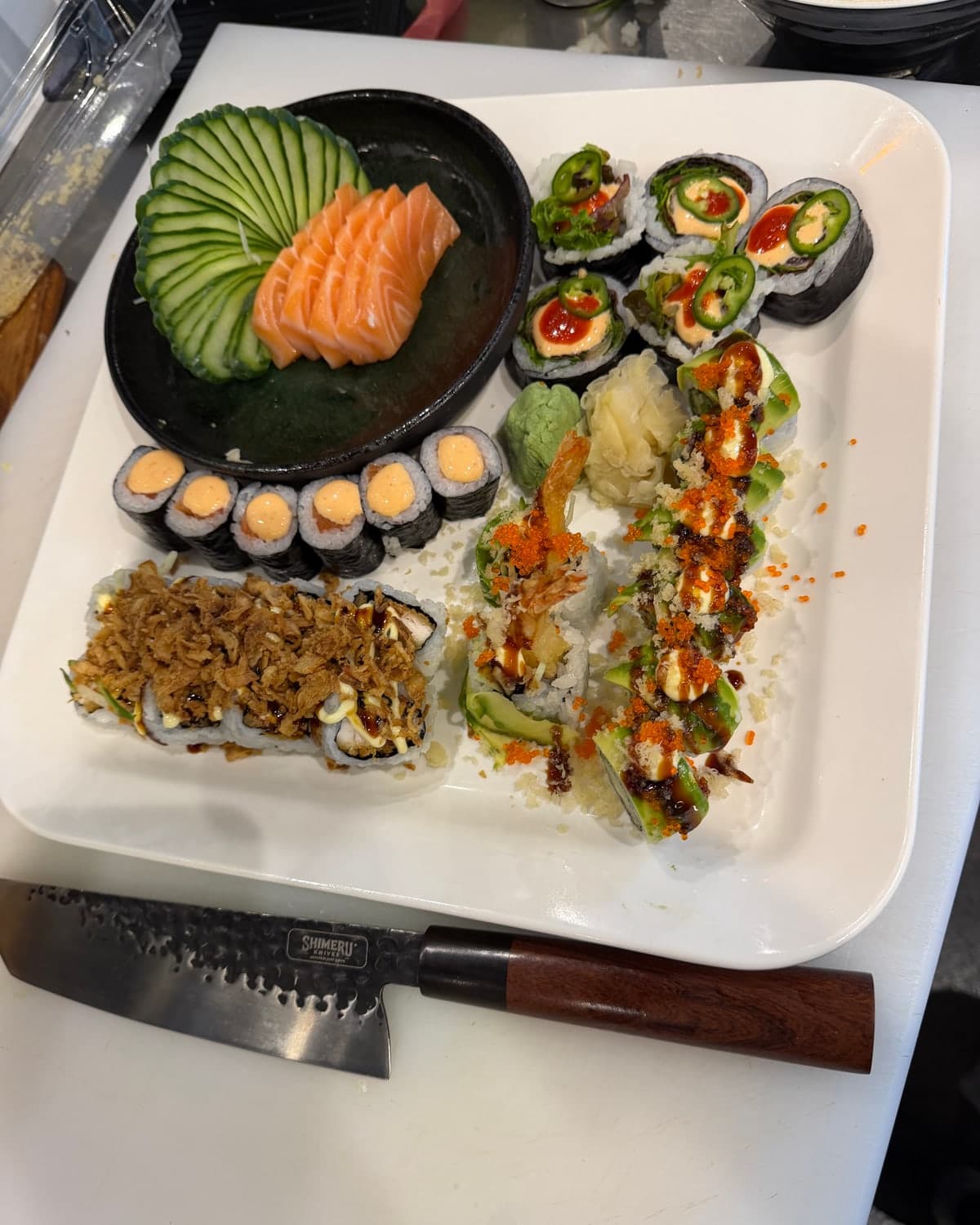
Head Chef at Kiyoto Sushi
London
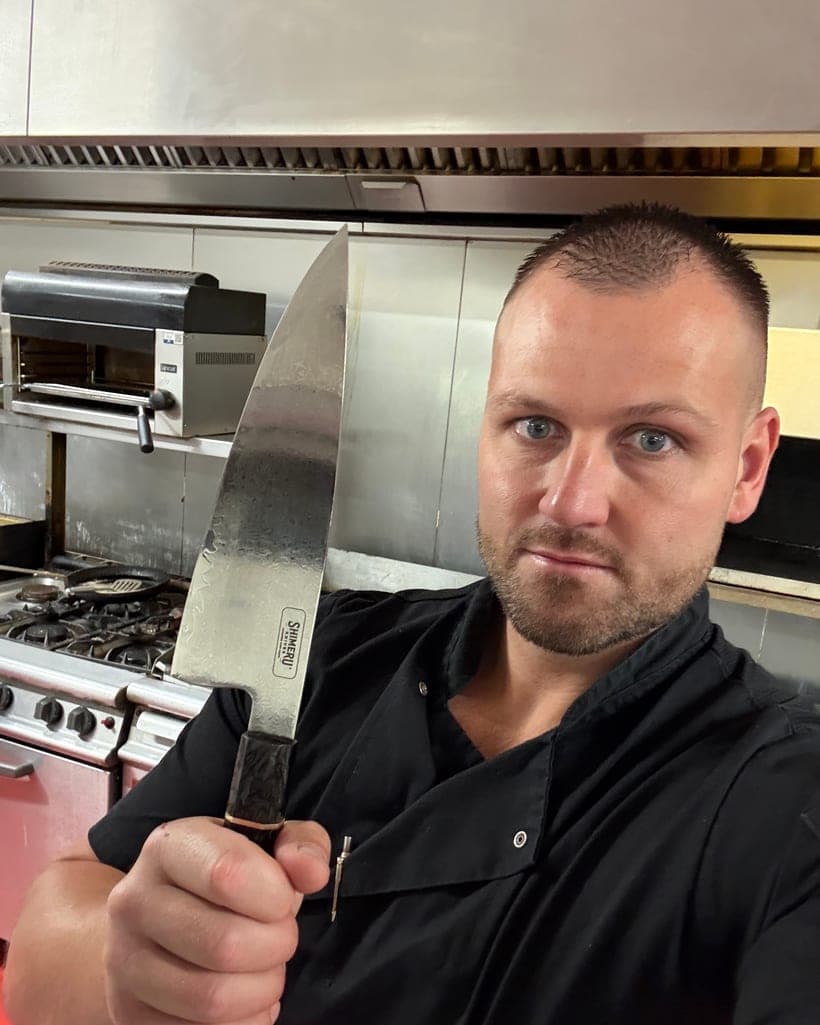
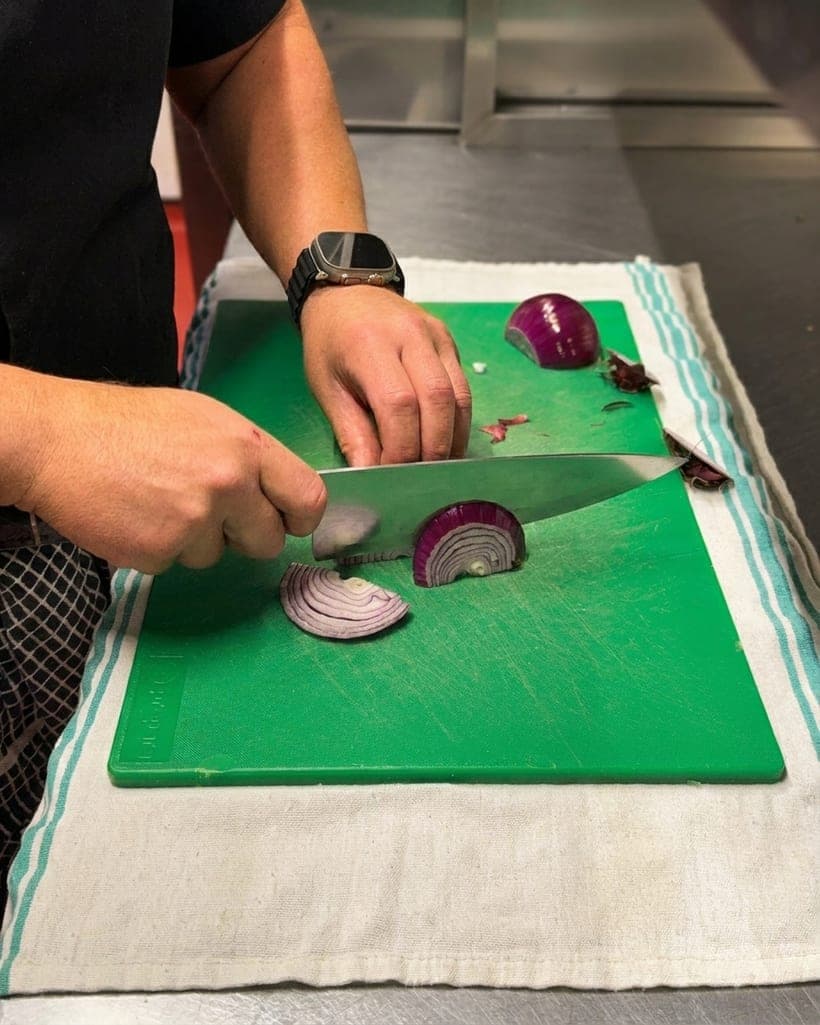
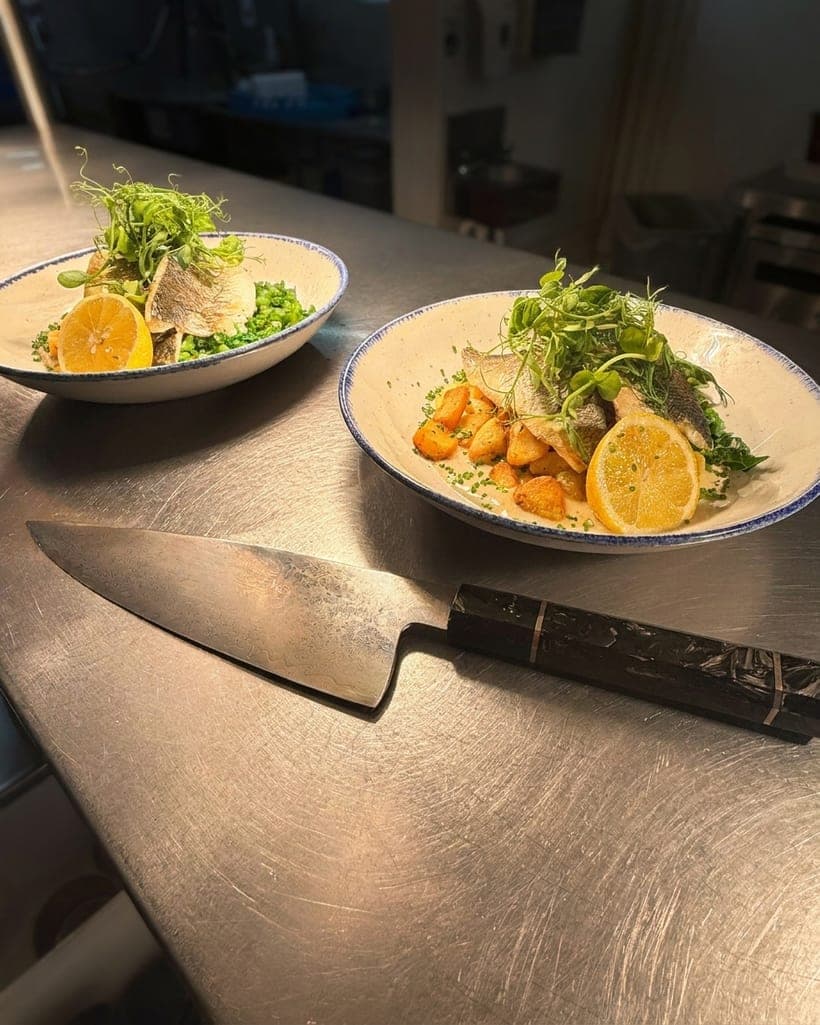
Head Chef at The Grazing Cow
Telford
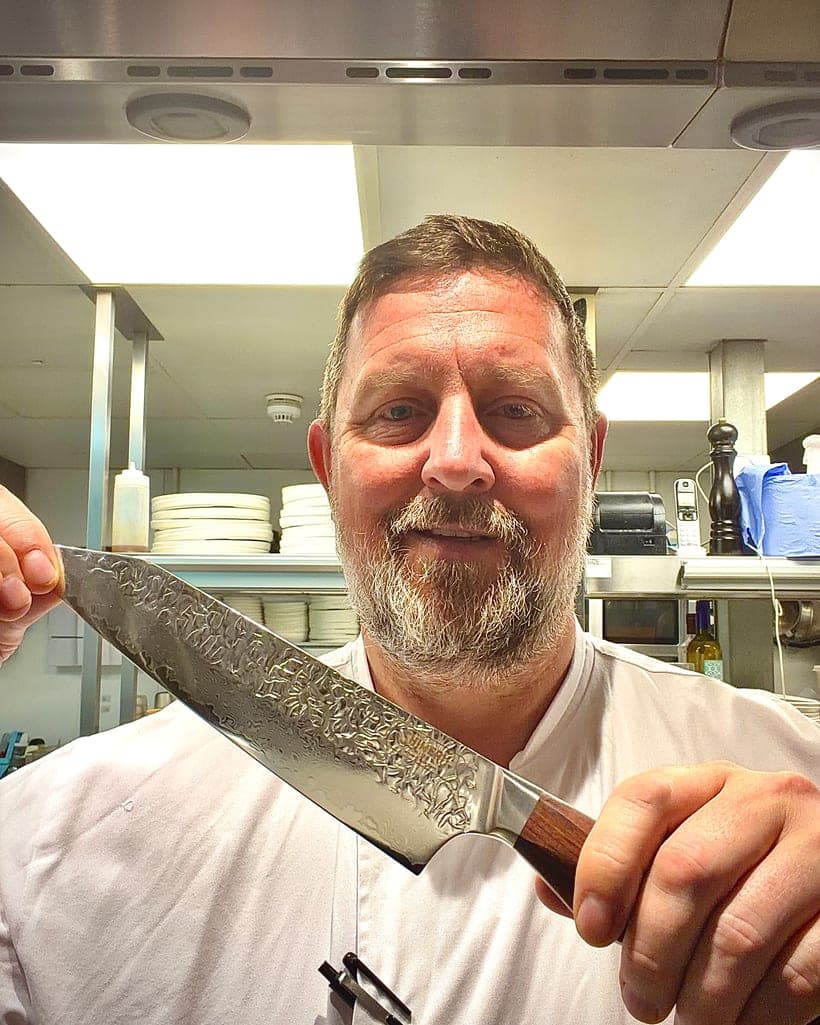
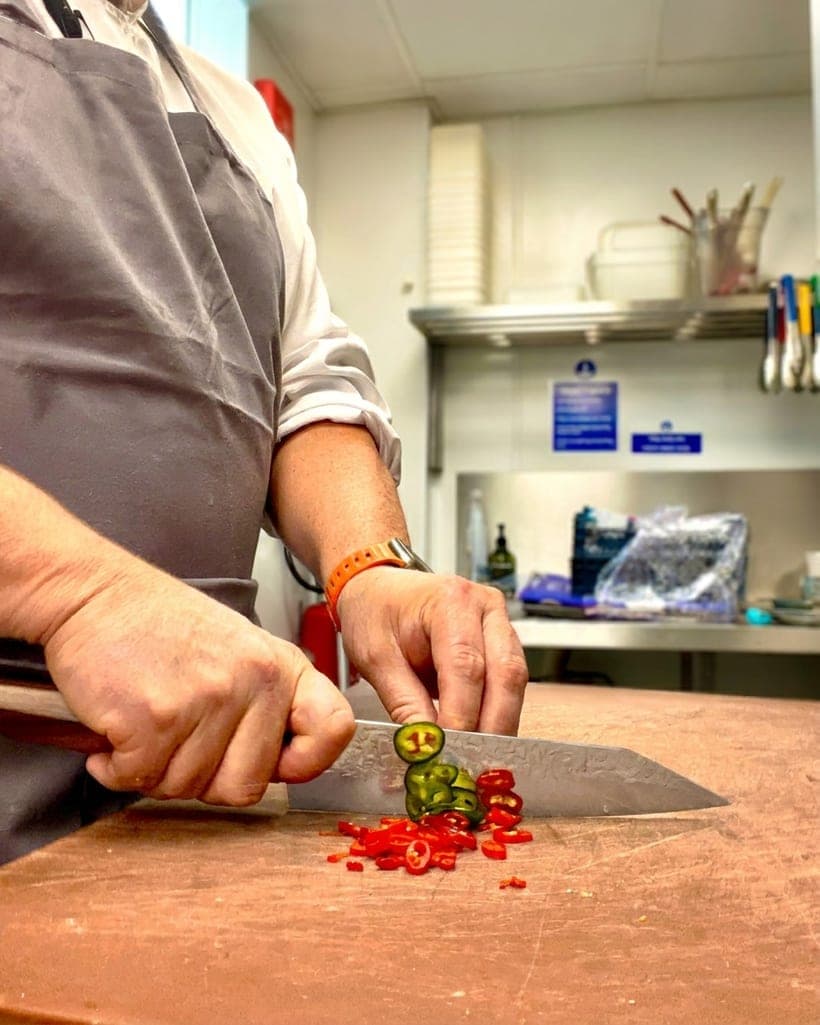
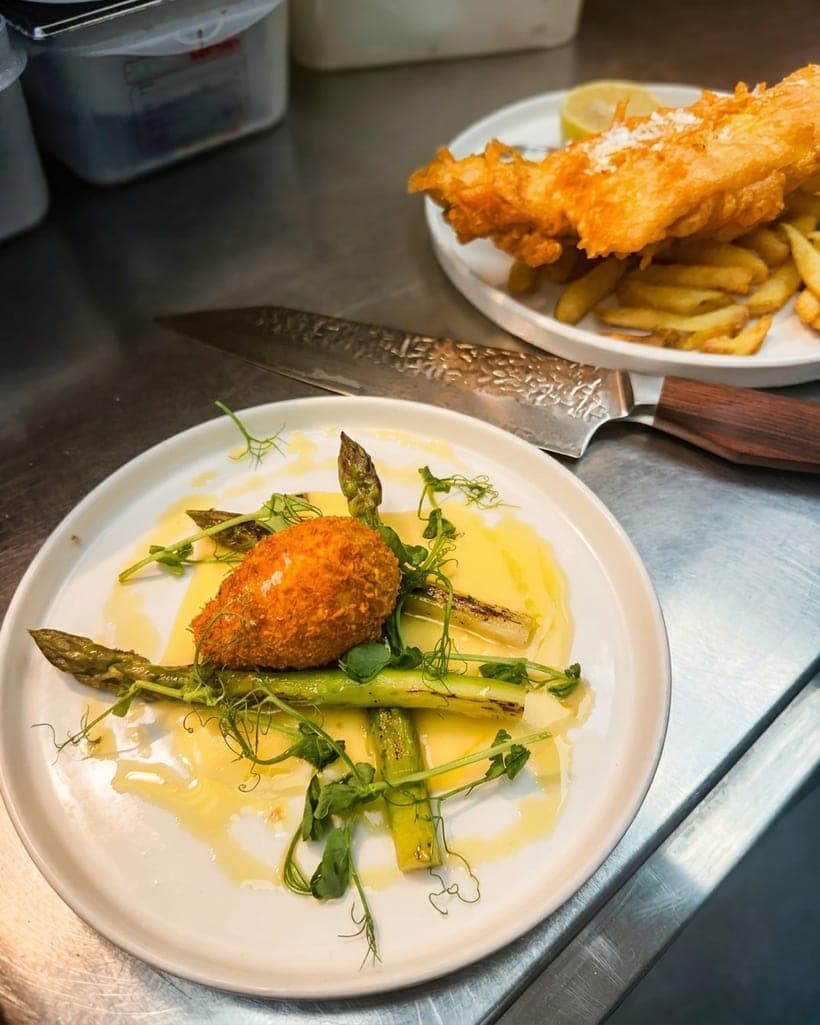
Head Chef at Duke of Wellington
London

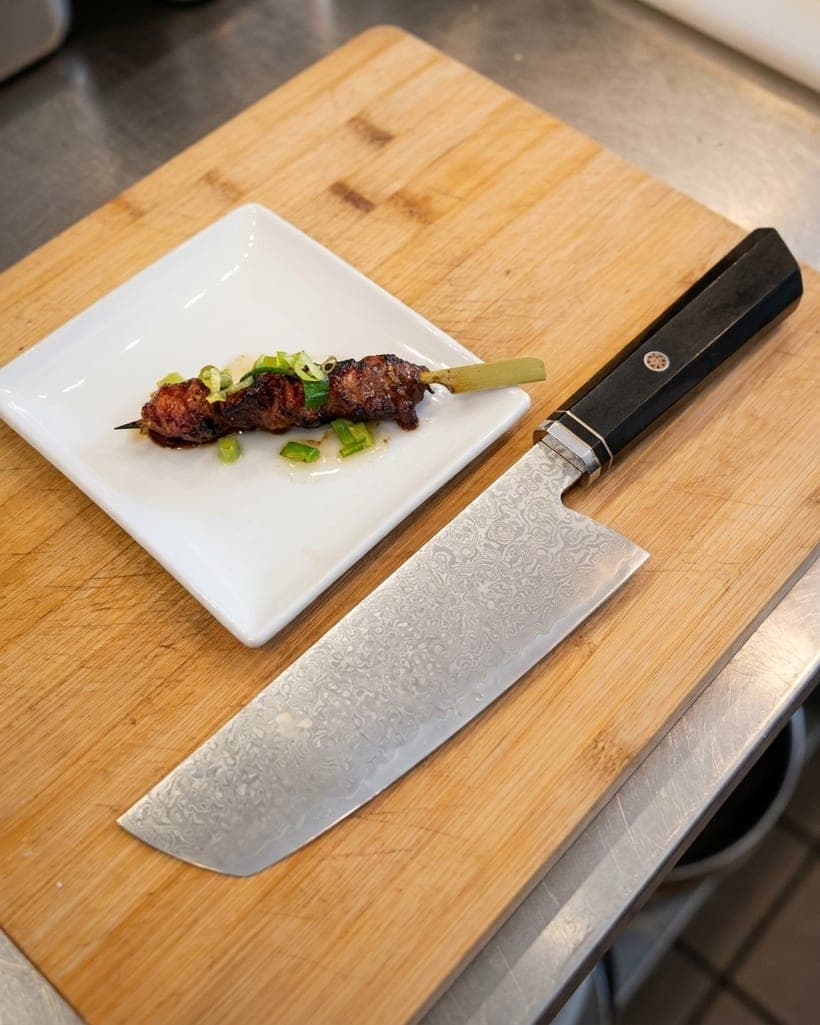
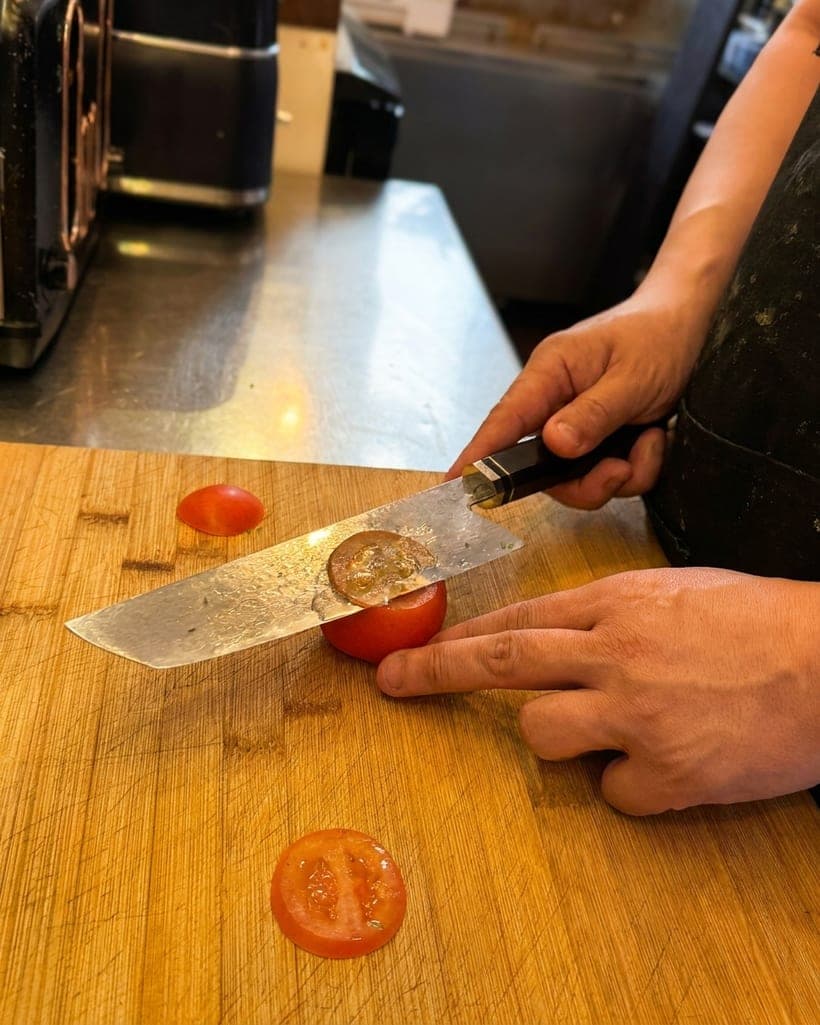
Head Chef at Niwa Yakitori
Manchester
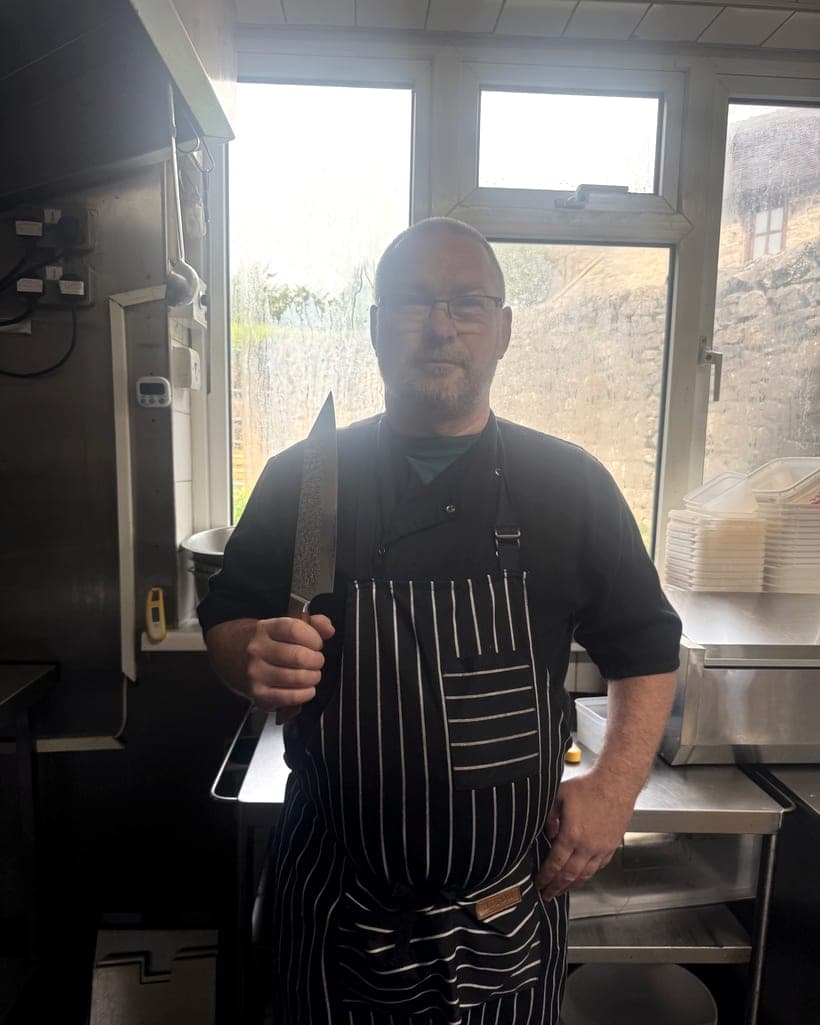
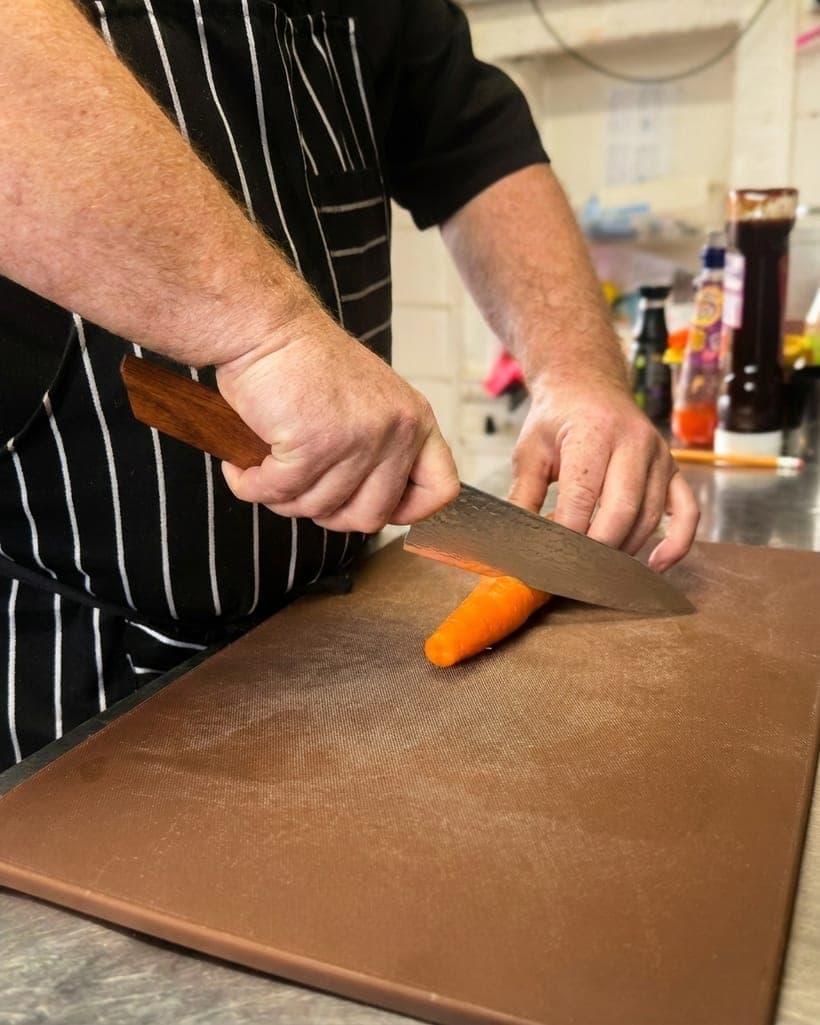
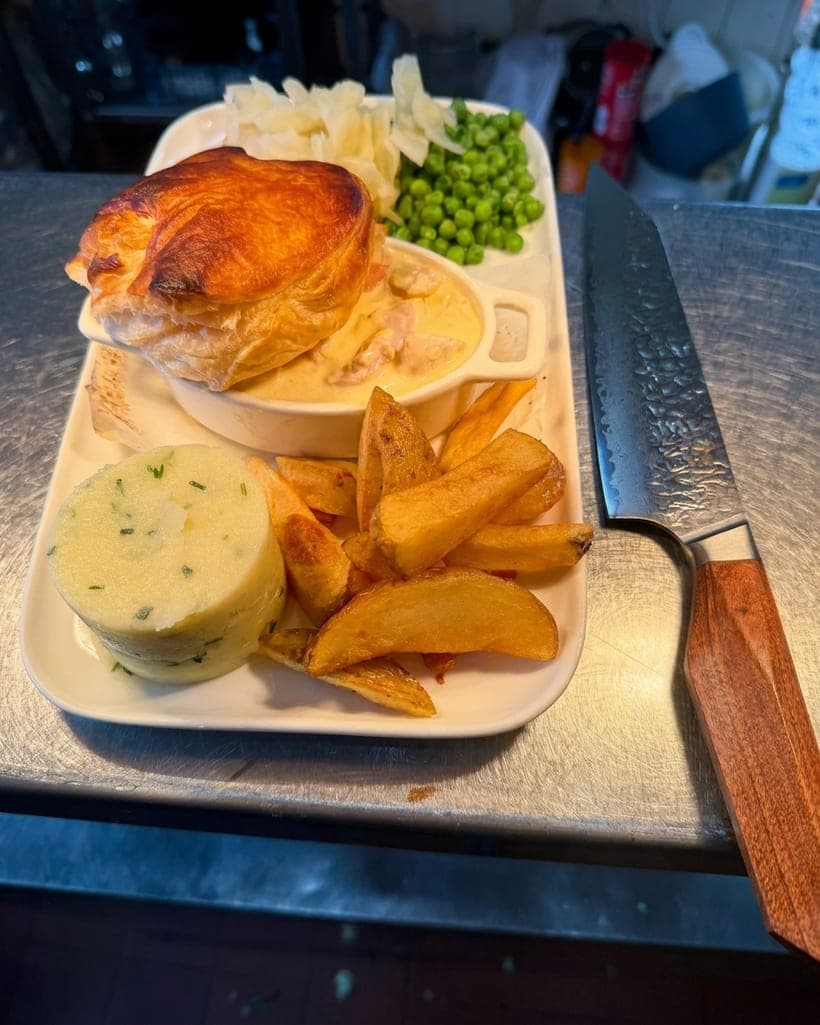
Head Chef at The Royal Oak
Ashbourne
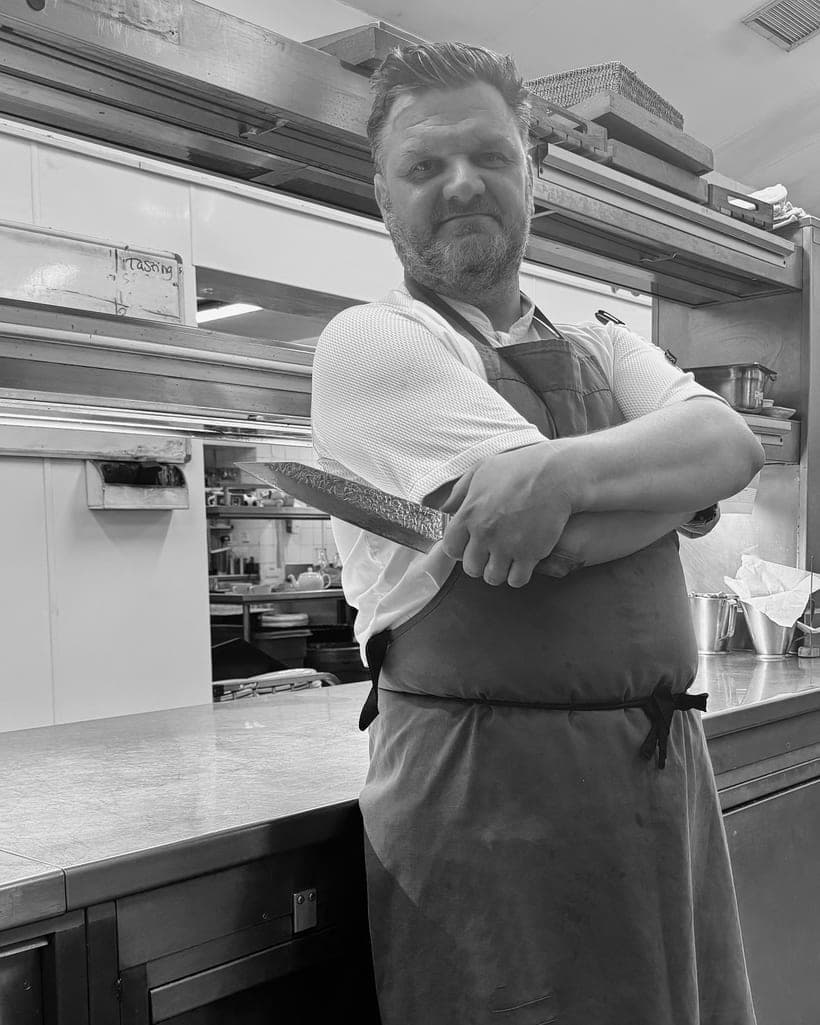
Head Chef at Hintlesham Hall
Ipswich
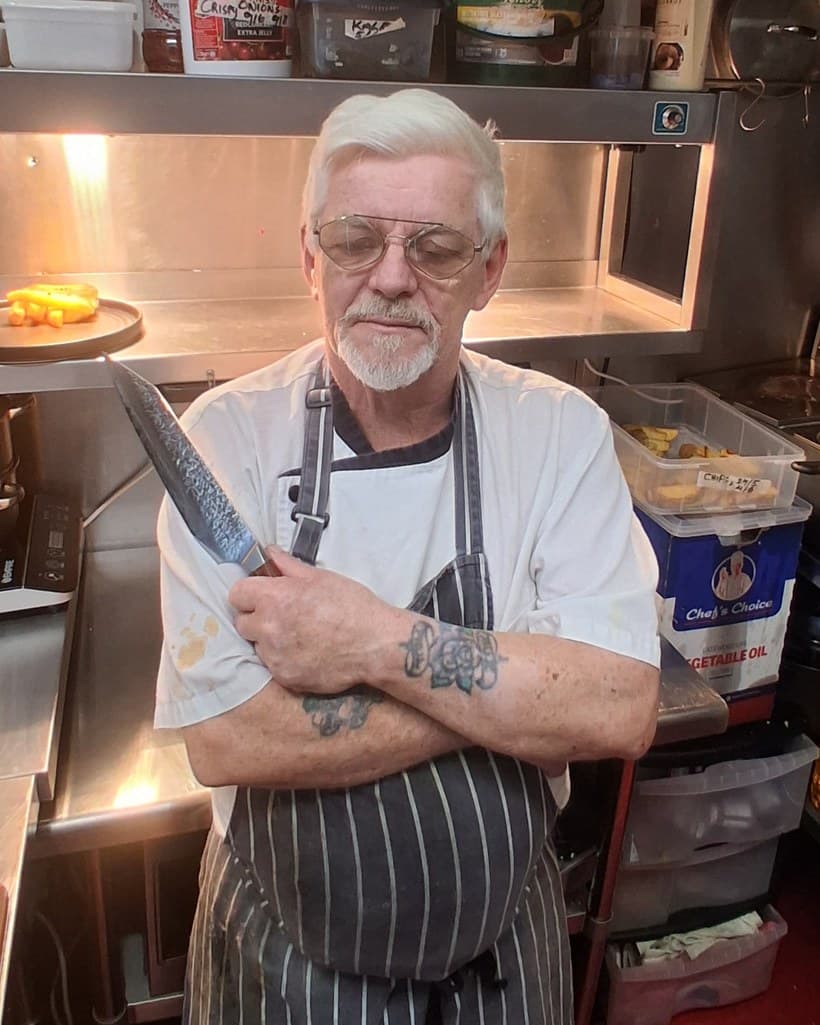
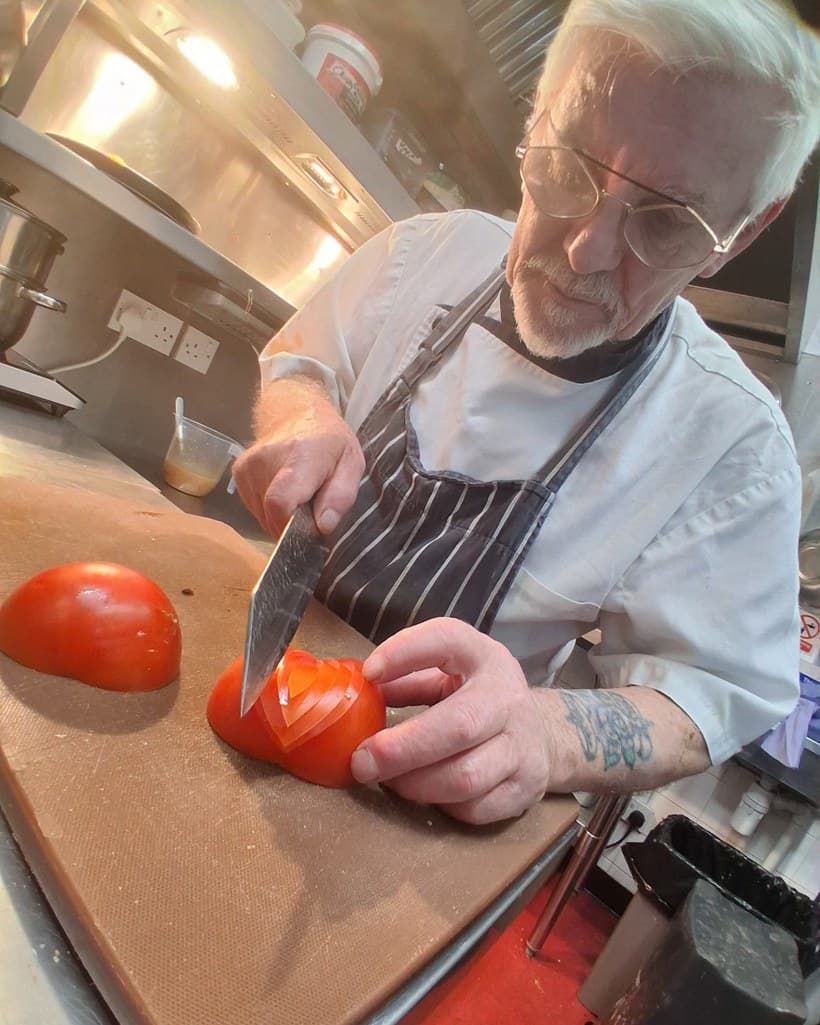
Head Chef at 1260 Hoylake
Wirral
Collection
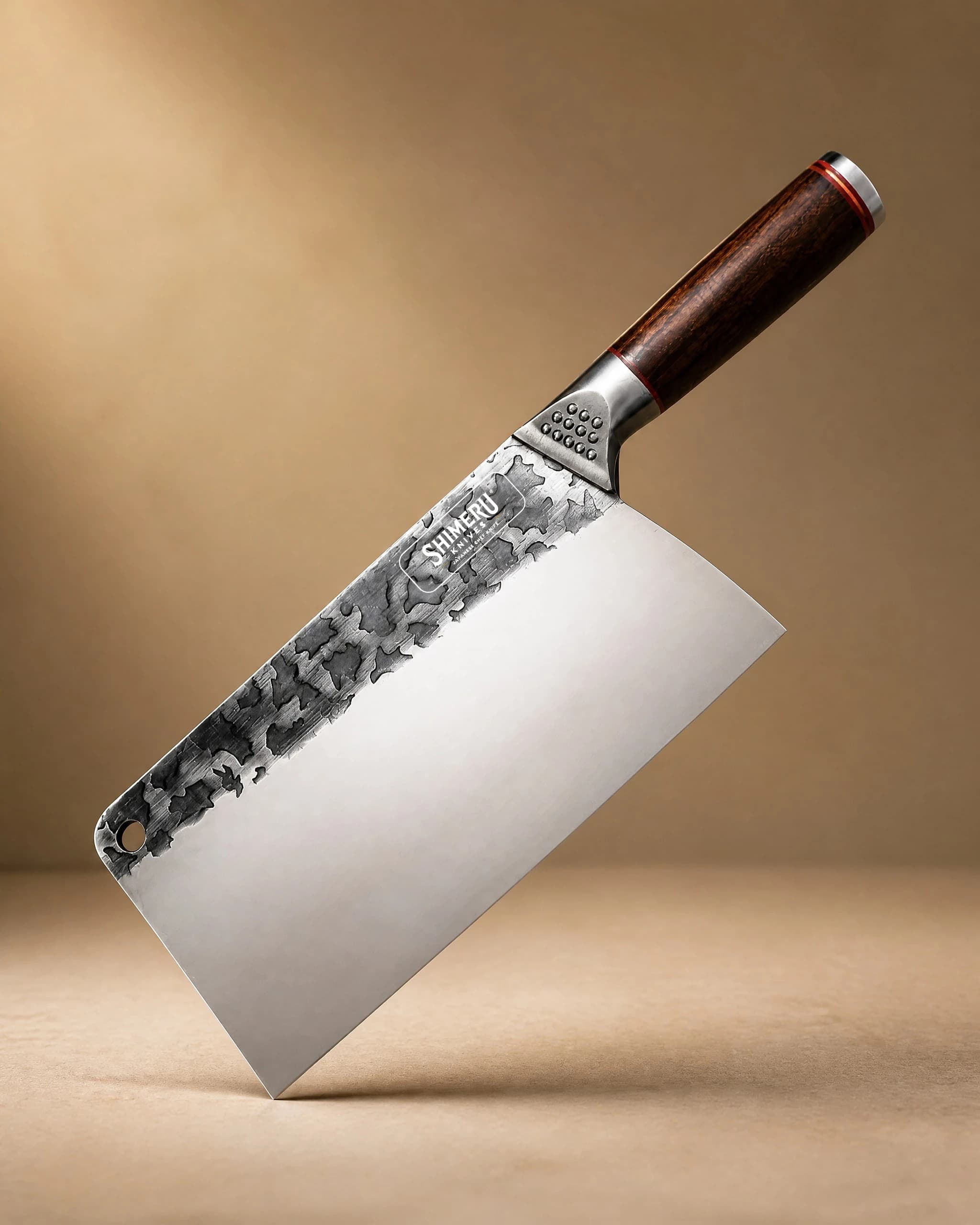
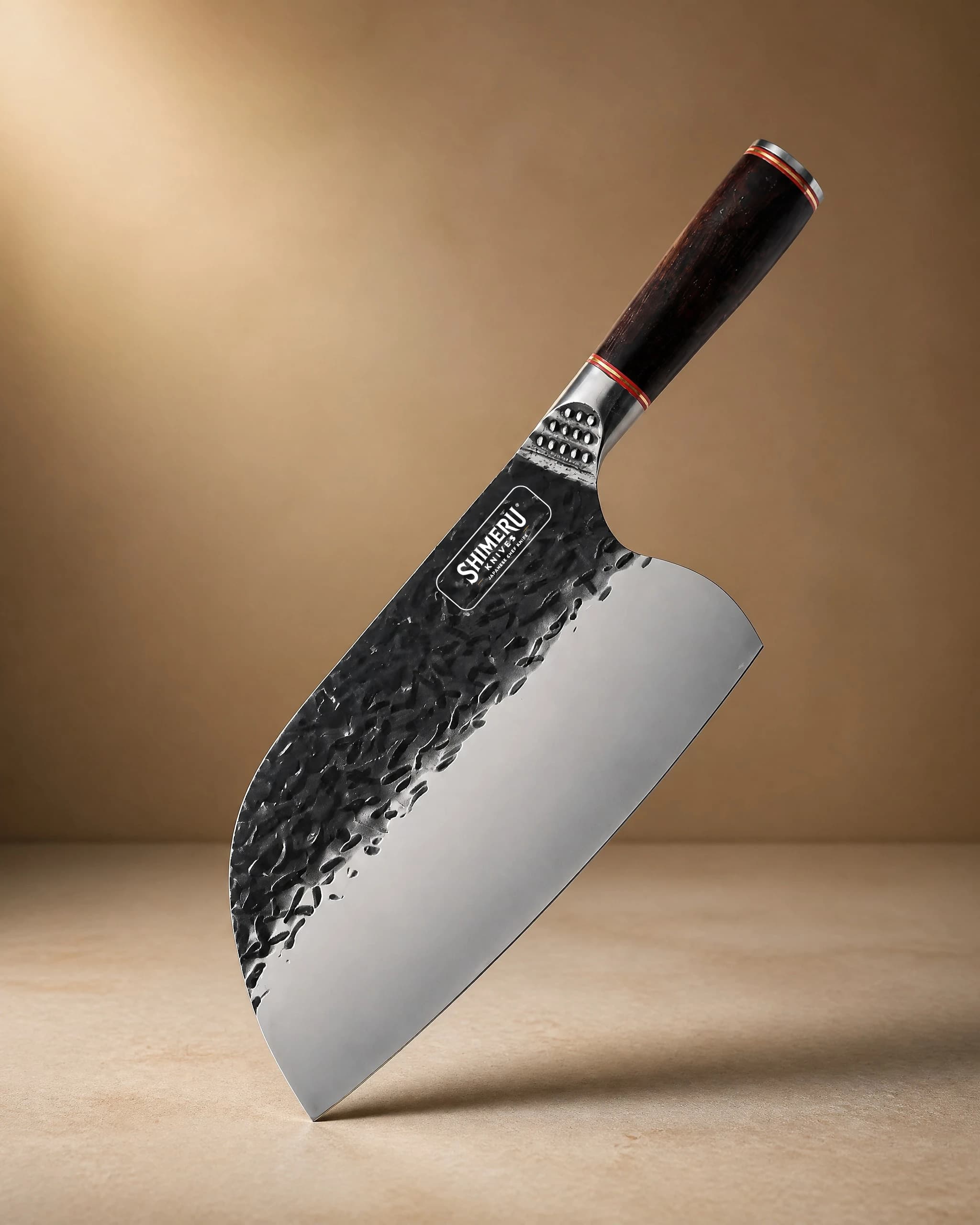
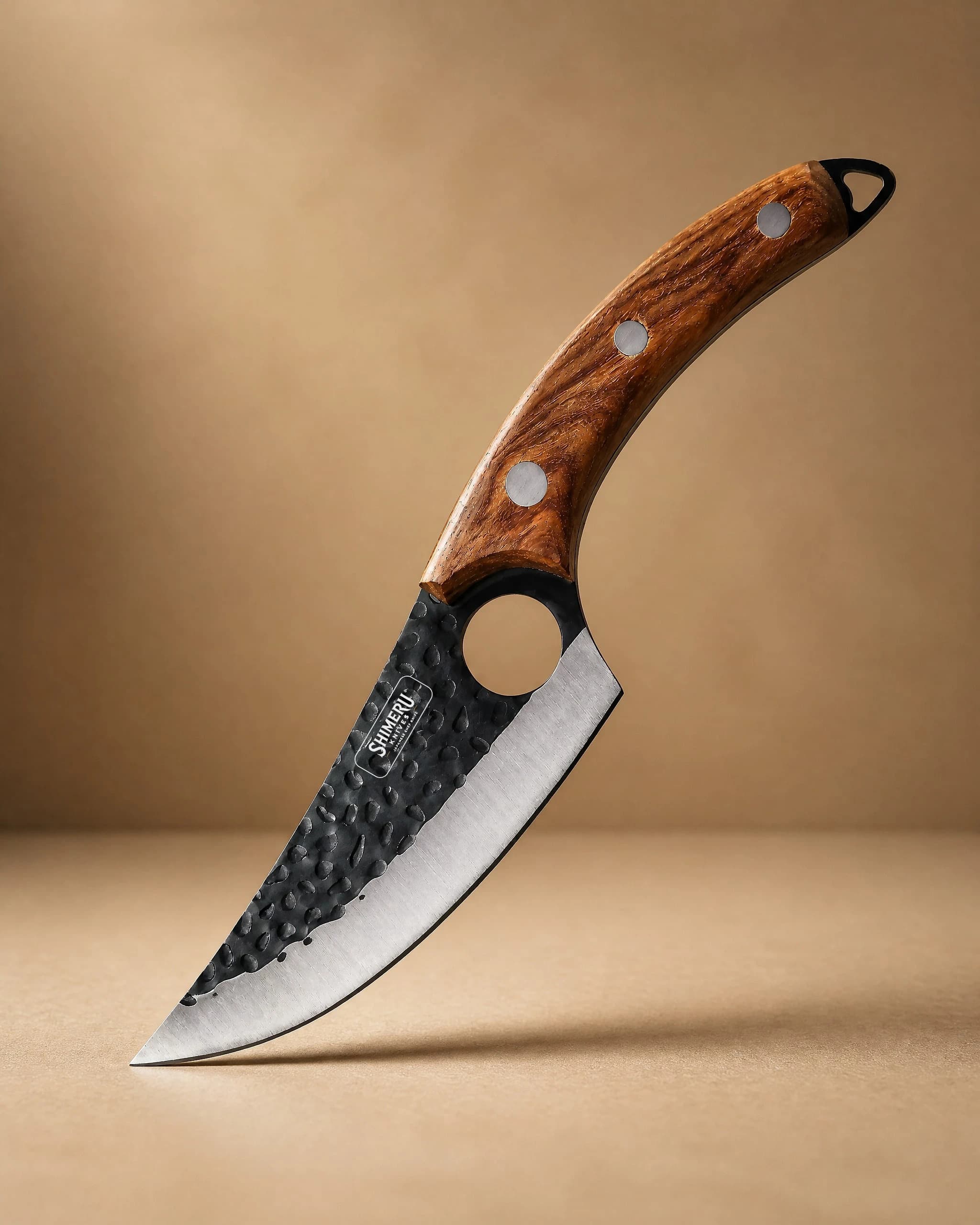
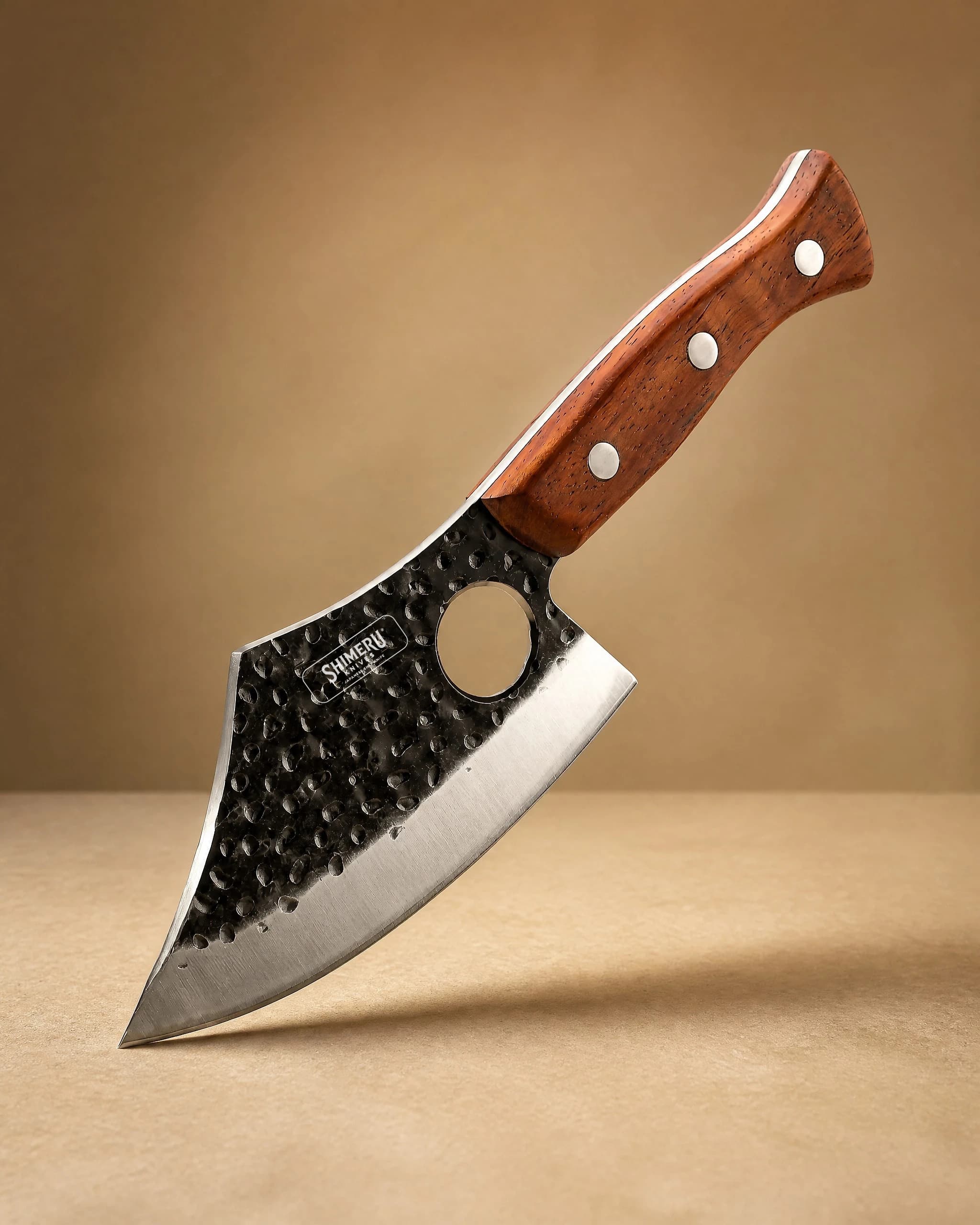
Heavy enough to power through bone, sharp enough for paper-thin slices, our cleavers cover both styles: the broad-bladed Chinese cleaver (cai dao or chukabocho) for vegetable work and lighter prep, and the dedicated Japanese meat cleaver for serious butchery. The Chinese cleaver looks like a small axe but is actually thin-bladed and shockingly versatile, it's the all-purpose knife for most of China and South-East Asia. The Japanese meat cleaver, by contrast, is heavier-spined and ground specifically for breaking down full chickens, splitting joints, and working through soft bone.
Both styles are forged from Damascus and high-carbon steel in our UK workshop, and both shine for cooks who do real prep, bone-in proteins, full bunches of greens, whole roasts. If you're outgrowing your chef's knife on big jobs, this is your next blade. Choose a Chinese cleaver if you want a do-everything daily blade for slicing, dicing, mincing, and crushing garlic with the broad face. Choose a meat cleaver if you regularly butcher whole birds or split joints. Free UK delivery on all cleavers.
Not sure which knife?
Answer a few quick questions about how you cook, and we'll match you with the perfect blade.
Common questions
A Chinese cleaver (cai dao) is thin-bladed and used for everyday slicing, dicing, and vegetable prep, it's not for bones. A Western or Japanese meat cleaver is much heavier, with a thick spine designed to chop through bone and break down whole proteins.
For most everyday prep, yes, slicing, dicing, mincing, even crushing garlic with the side of the blade. Don't use it on hard bone or frozen food; the thin edge will chip.
Yes, it's purpose-built for it. The weight and thickness let you split joints and break down bone-in proteins that would damage a chef's knife. For boneless slicing, a Gyuto or Sujihiki is faster.
Same as any Japanese knife, use a whetstone (1000/3000 grit combo for maintenance) and follow the existing bevel angle. Heavier cleavers benefit from a slightly steeper angle (20°) to protect the edge during chopping.