
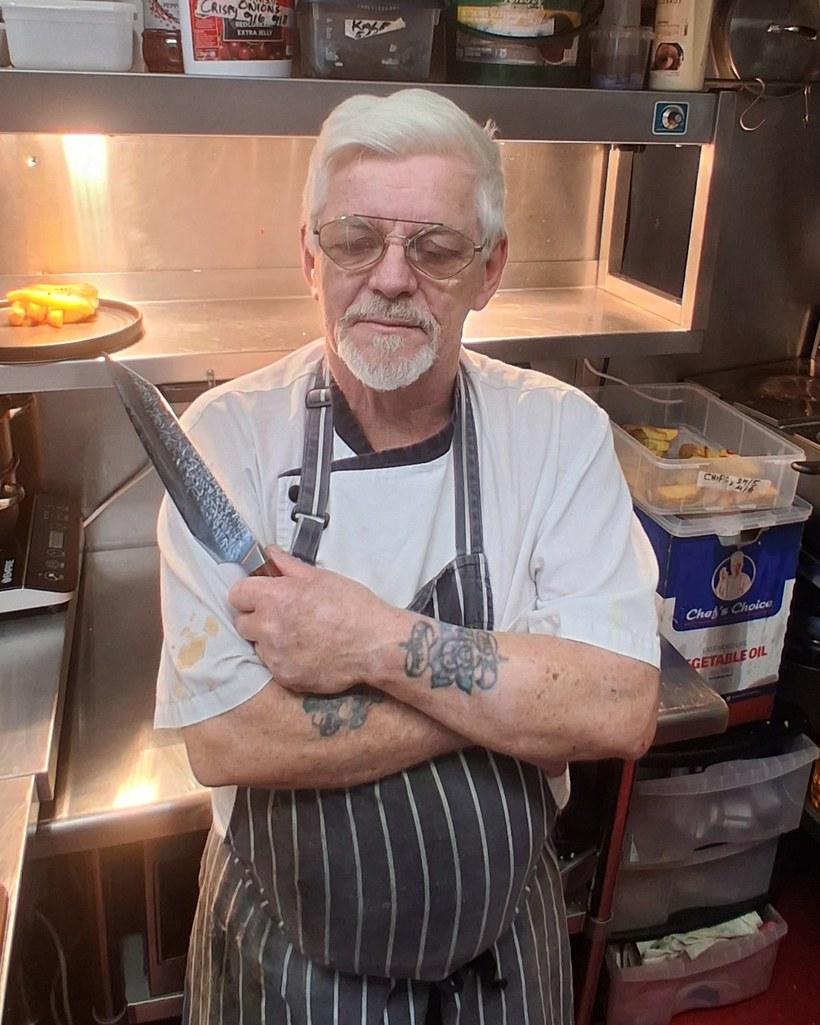
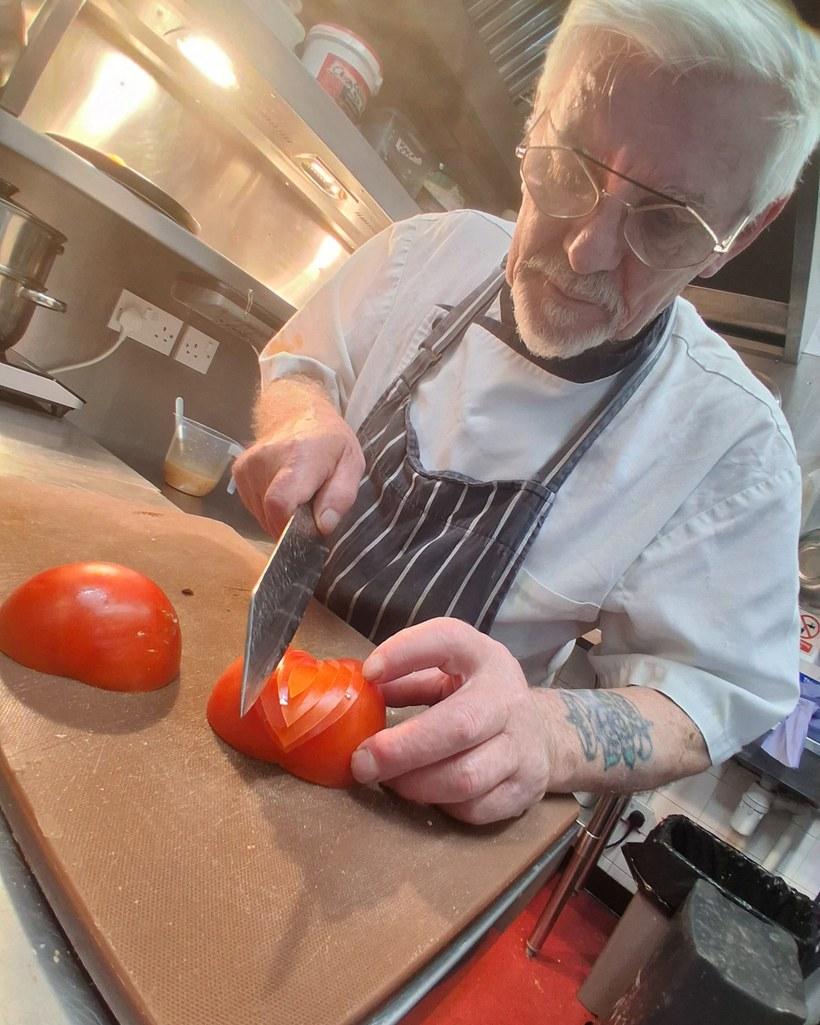
Why a Santoku Chef Knife Suits Everyday Cooking

Most kitchens do not need a drawer full of knives. They need one blade that feels natural when you are tired, hungry and standing in front of half an onion. For many cooks, that blade is a santoku. It is not a magic knife and it will not replace every tool, but its shape and balance suit the ordinary work of daily cooking: trimming beans, slicing chicken, chopping herbs and breaking down a cabbage without ceremony.
A santoku is often bought as a first Japanese knife, or as a lighter alternative to a Western chef knife. The name means three virtues, and the idea is simple: one broad blade that handles vegetables, meat and fish with less fuss. That does not mean it is the only knife you should own. It does mean that if you want one useful knife for the board you use most days, a santoku deserves a fair look.
What a Santoku Knife Is For
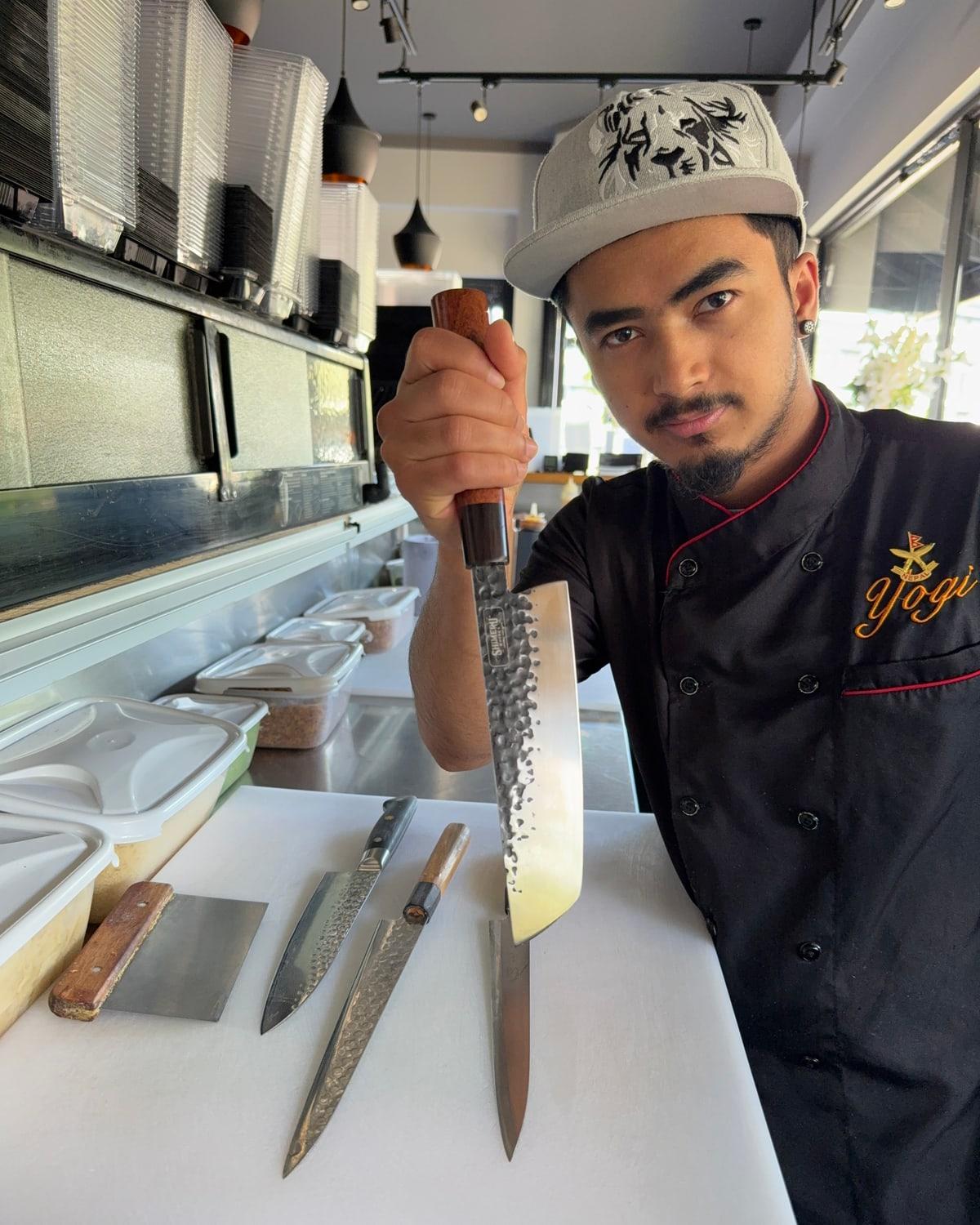
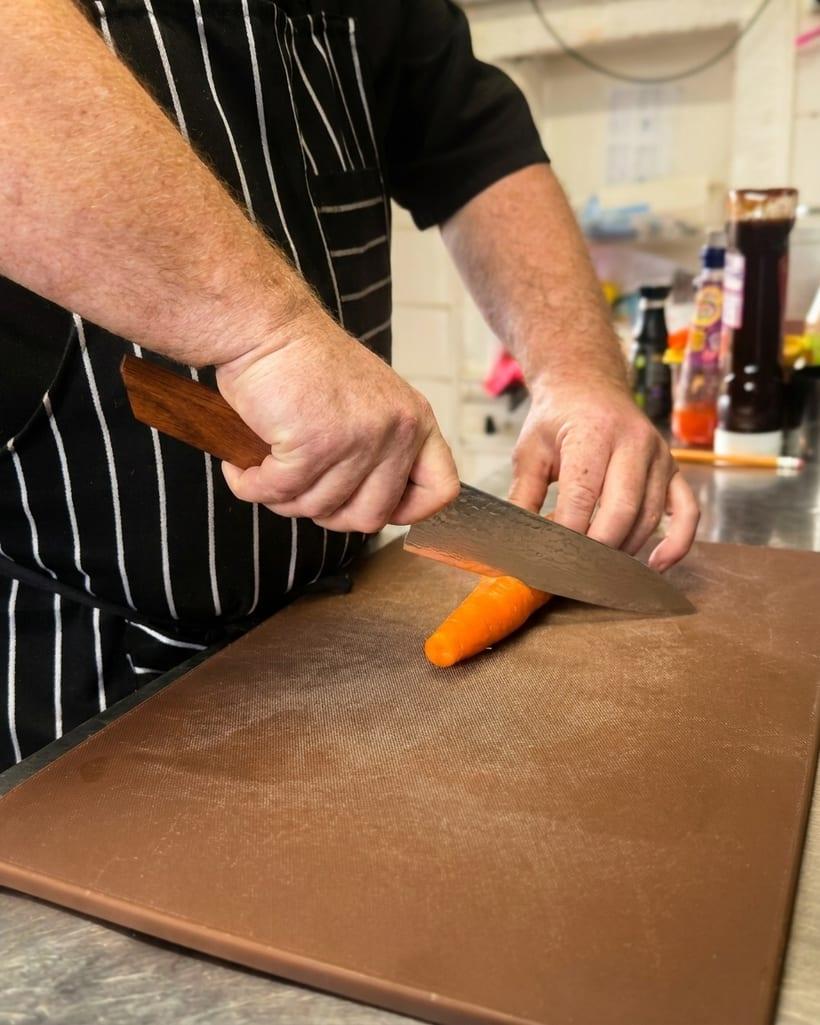
The santoku knife purpose is everyday preparation. It is designed around a broad blade and a flatter cutting edge than a classic chef knife. That shape encourages a straight push cut or a gentle up and down chop rather than a long rocking motion. For onions, peppers, mushrooms, courgettes and herbs, this feels efficient. The blade height gives your knuckles room and makes it easy to scoop cut food from the board.
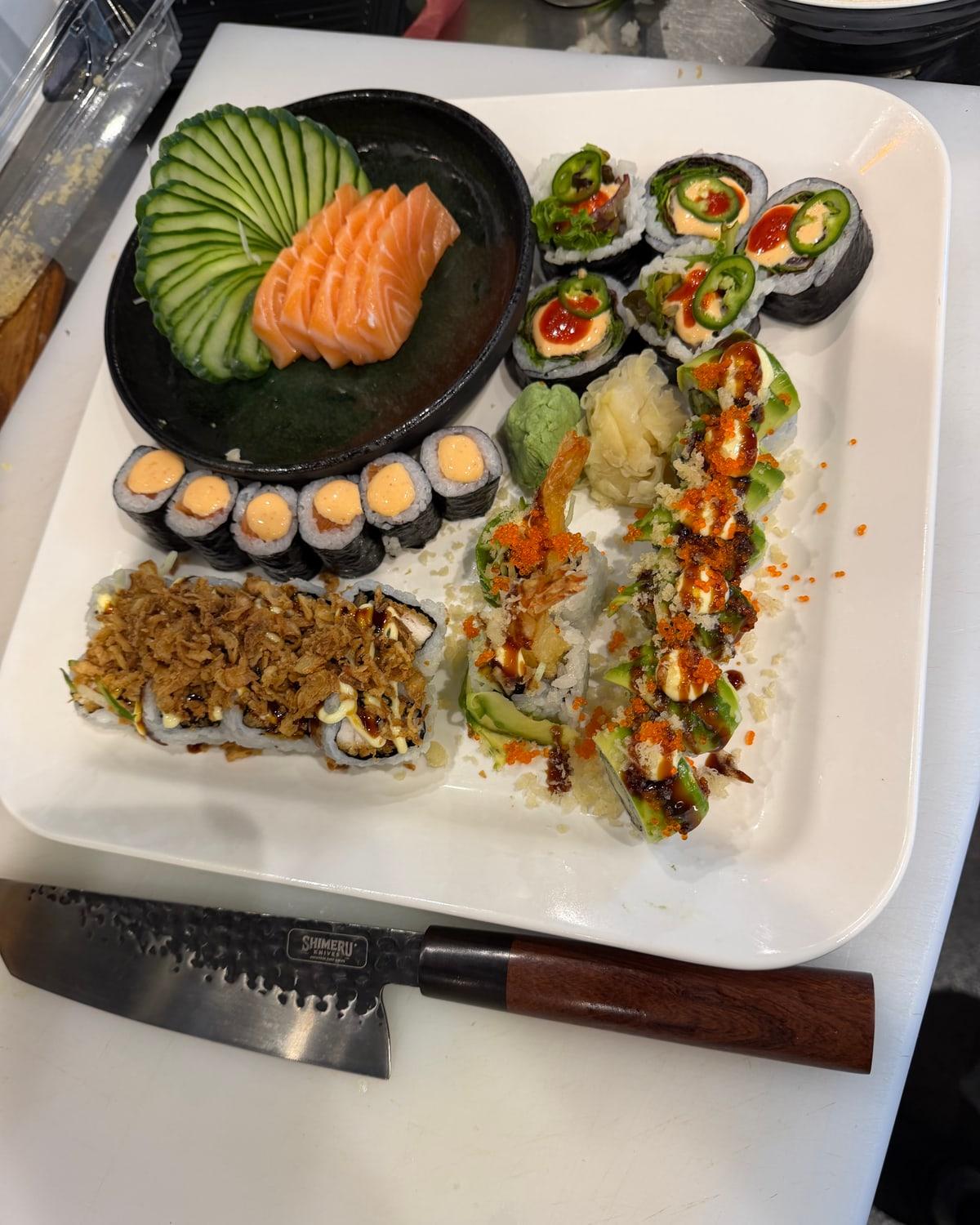
The everyday use for santoku knife work is also broader than many people expect. It is not limited to vegetables. A santoku can slice chicken breasts, portion fish, cut sandwiches and trim fat from meat. It suits a small kitchen because it does not demand a huge board or a wide swing. It is also a good choice for cooks who prefer to keep the tip of the knife near the board and move the blade through the food rather than lifting it high.
It is not a cleaver, a bread knife or a butchery tool. Do not use a santoku on bones, frozen food or hard squash if it requires force. A thin Japanese blade should be allowed to cut, not forced. This is not a weakness. It is simply the difference between a precision kitchen knife and a heavy duty tool.
Santoku Knife Use in a Normal Kitchen
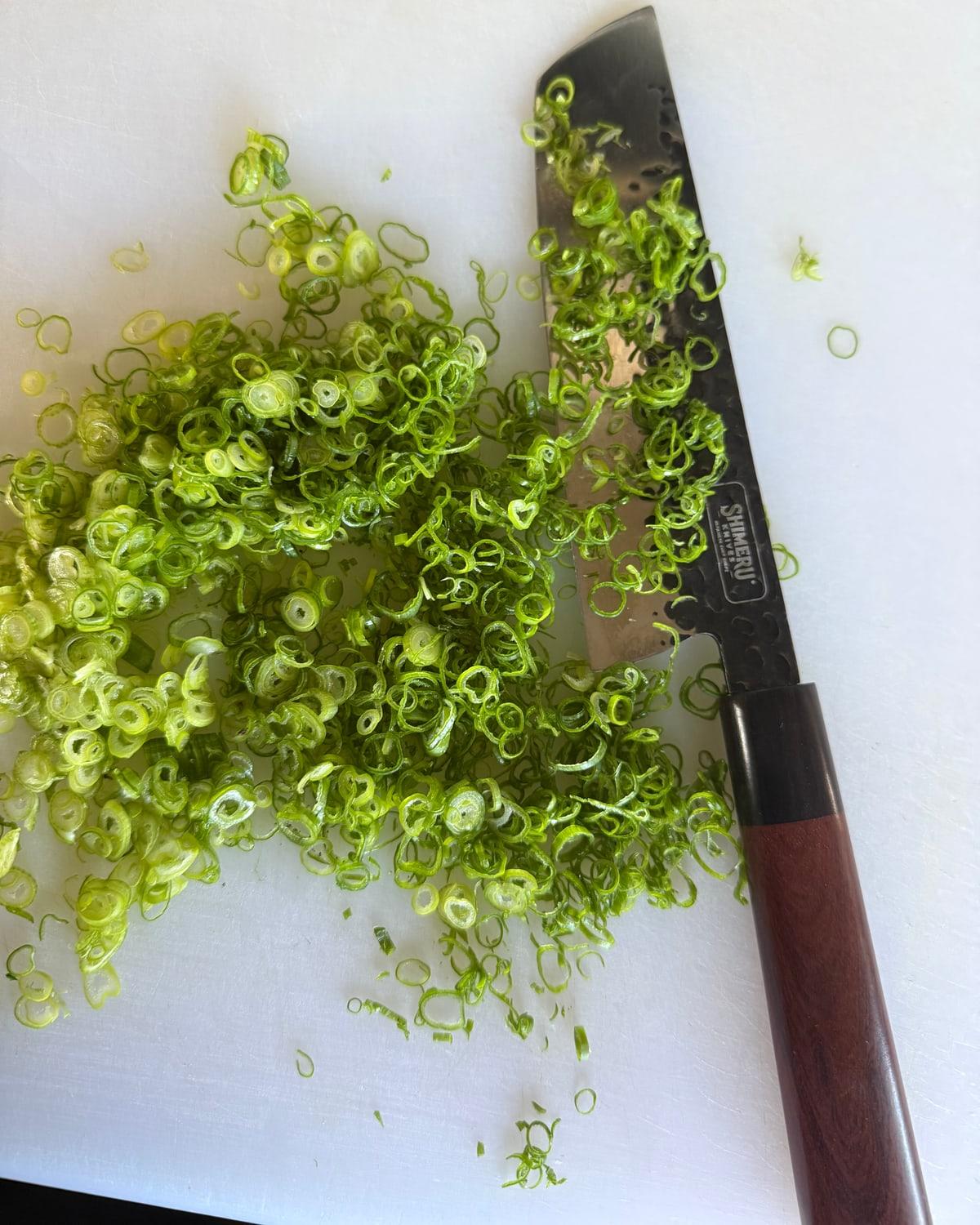
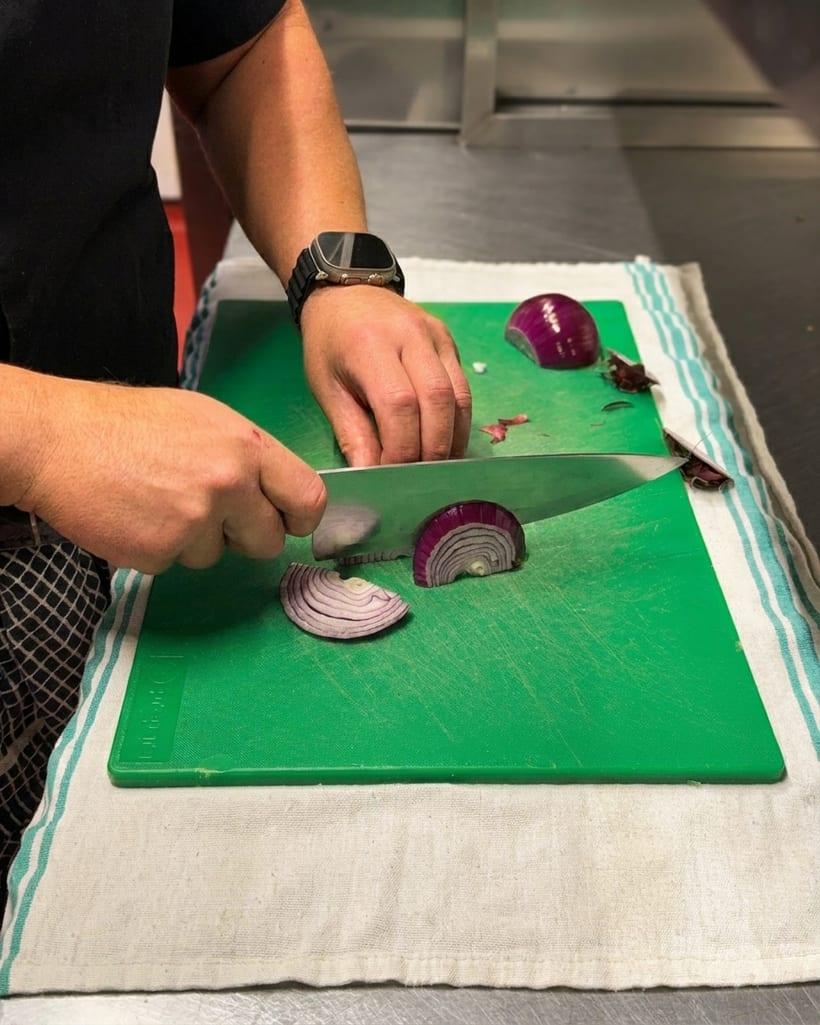
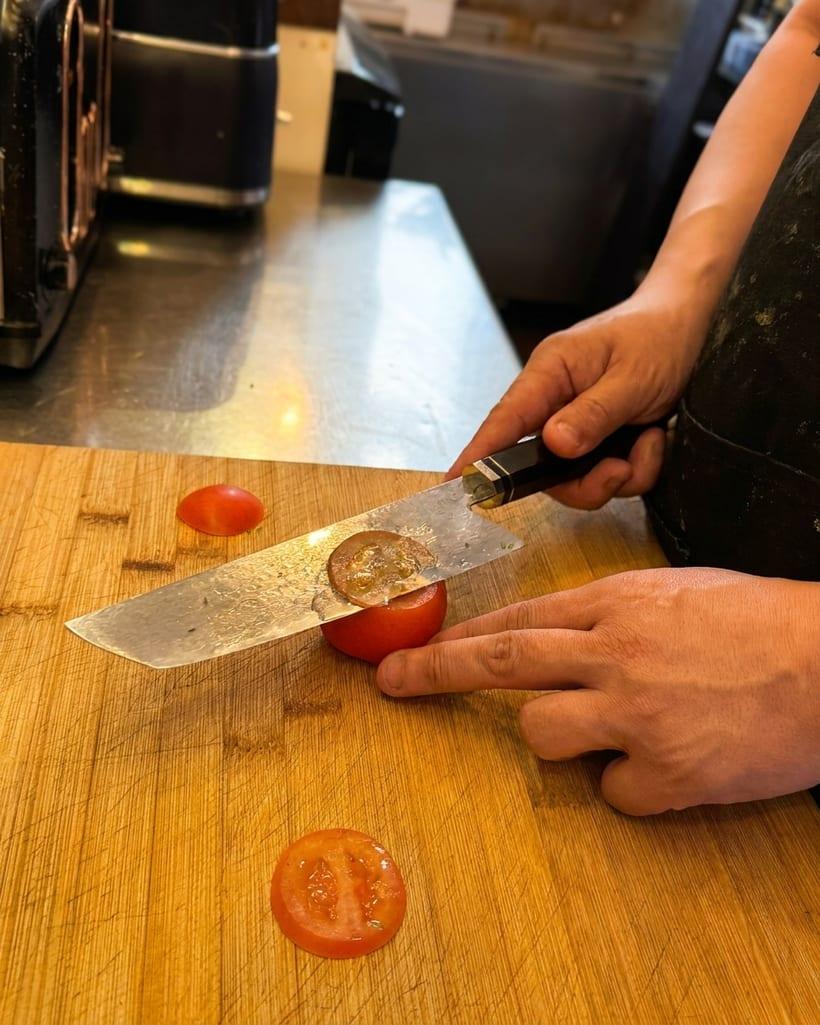
Think of the tasks you do most weeks. You dice an onion, slice garlic, chop parsley, cut a pepper into strips, quarter mushrooms, cube chicken and portion a salmon fillet. A santoku can handle all of these with a calm, controlled motion. The flatter edge is especially pleasant for parsley and coriander because you can chop without the blade skating over the herbs. The broad face helps you carry cut food to the pan instead of scraping it off the board with your hand.
Where a santoku asks for a small adjustment is rocking. If you learned to cook with a curved chef knife and you chop by rocking the blade through onions, a santoku may feel less fluent at first. You can still rock it, but the flatter profile rewards a more direct push cut. Many cooks find that this makes their prep neater. Others prefer the familiar curve of a chef knife. Neither choice is wrong. It is a question of how you like to work. Our knife guide explains the broader differences between blade shapes if you are choosing your first Japanese knife.
- Vegetables: onions, peppers, carrots, cabbage, mushrooms and herbs.
- Meat: chicken breasts, steaks and trimming work on boneless cuts.
- Fish: portioning fillets and simple slicing, with a light hand.
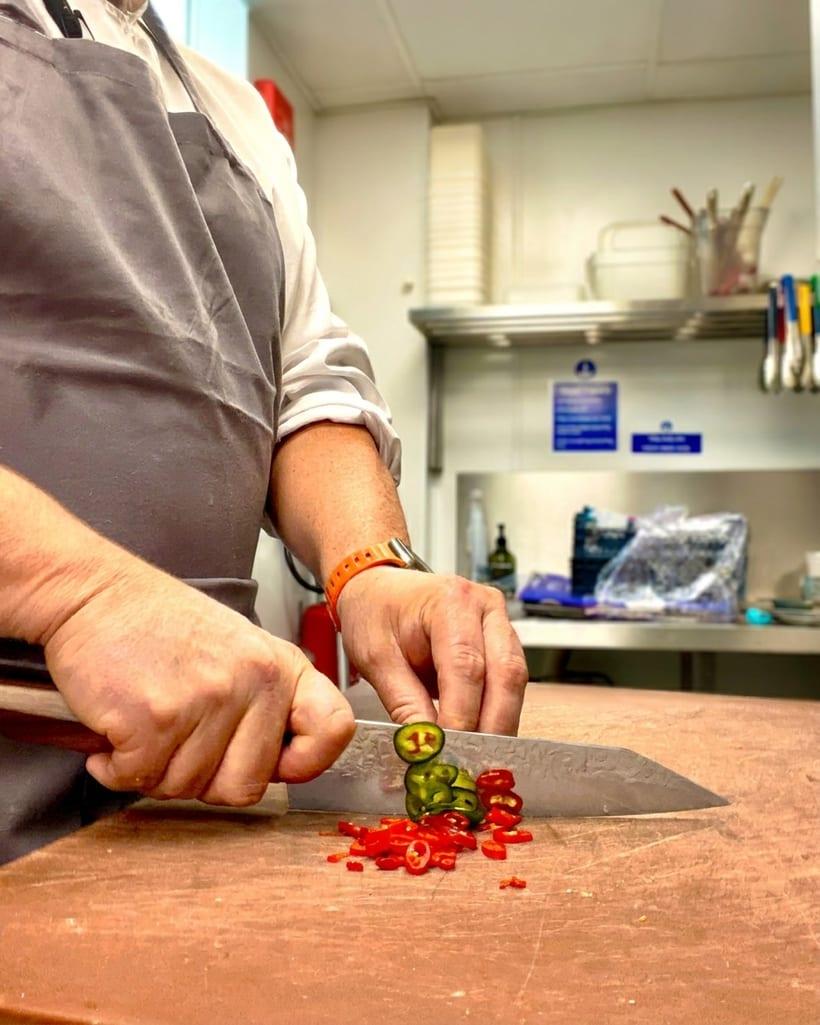
- Small jobs: garlic, chillies, spring onions and sandwiches.
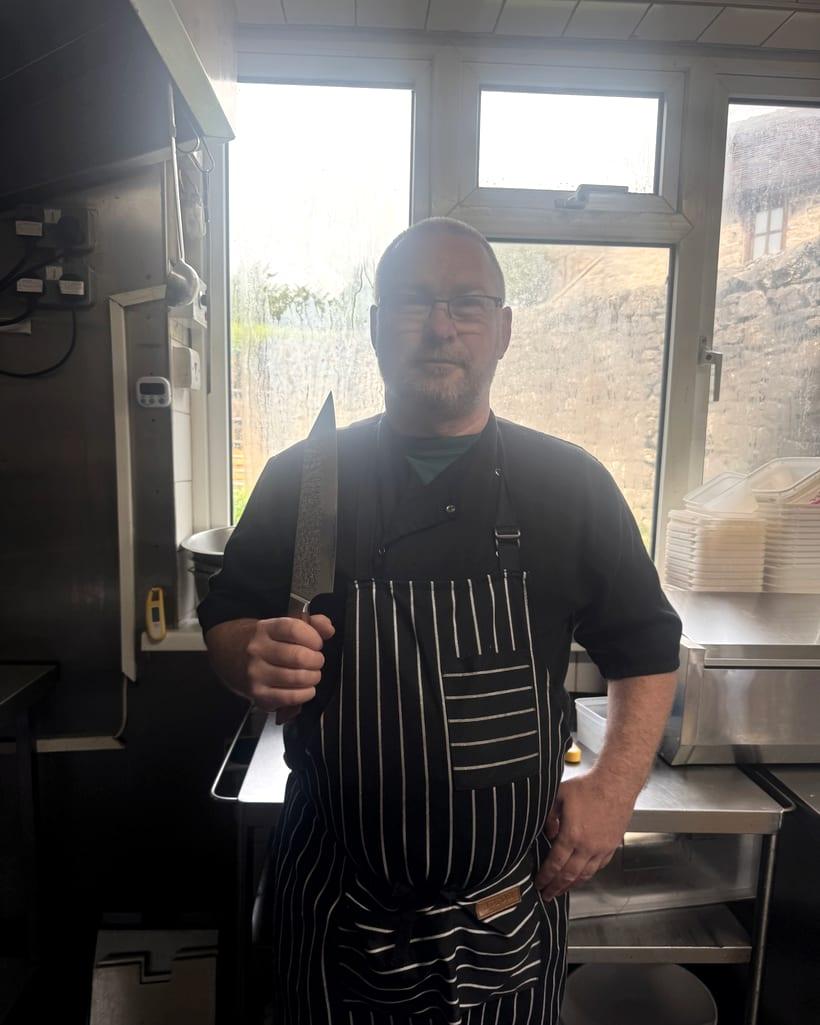
If you want a santoku that covers most family cooking, a 7 inch blade is the usual starting point. It has enough length for cabbage and chicken without feeling unwieldy. 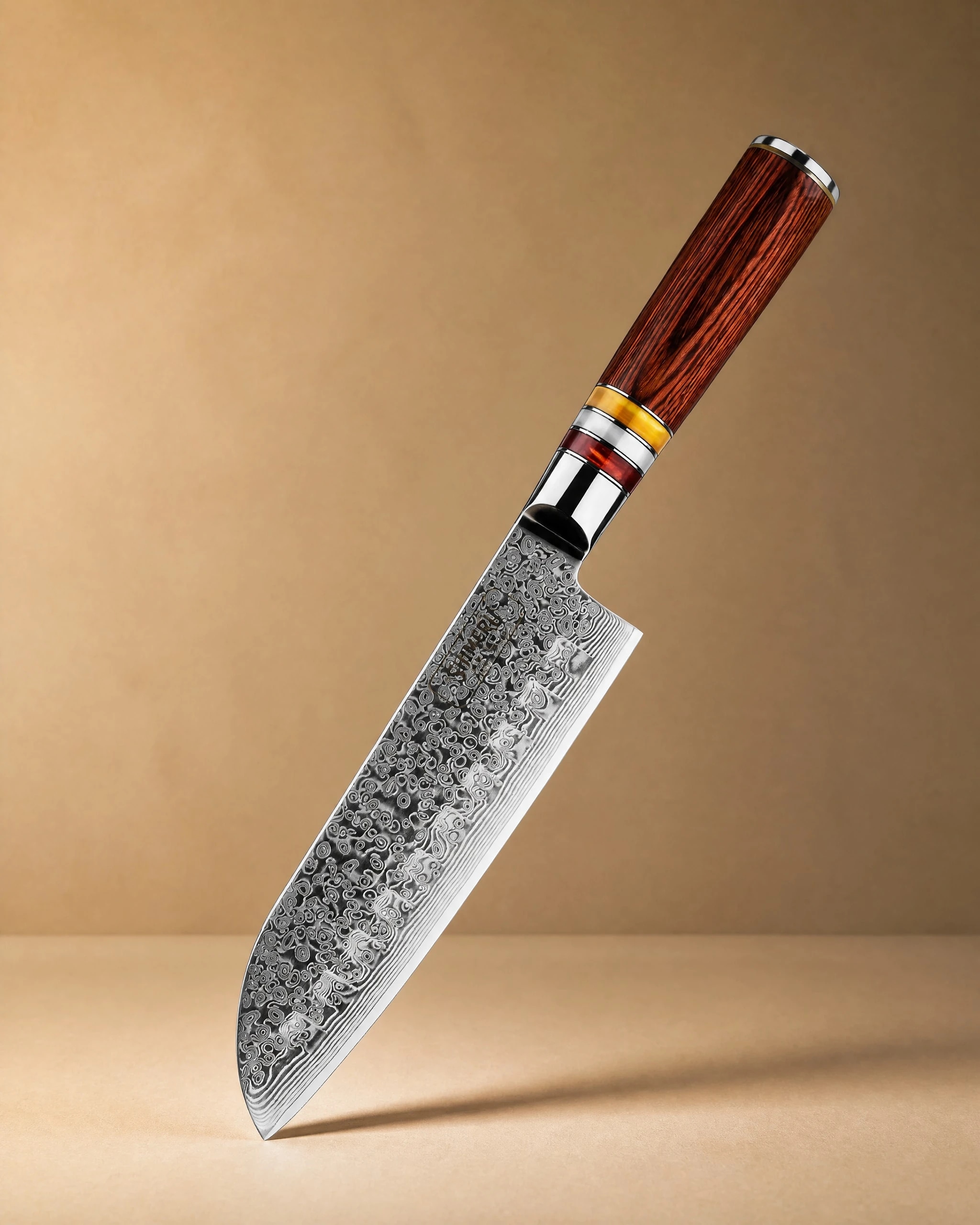 Hikari 光 7" Damascus Steel Professional Santoku Knife 三徳包丁£74.99View product → is one option in that size and is listed for meats and vegetables. It is a sensible choice if you want one main knife that feels capable on a normal board.

Chef Knife and Santoku: The Real Difference
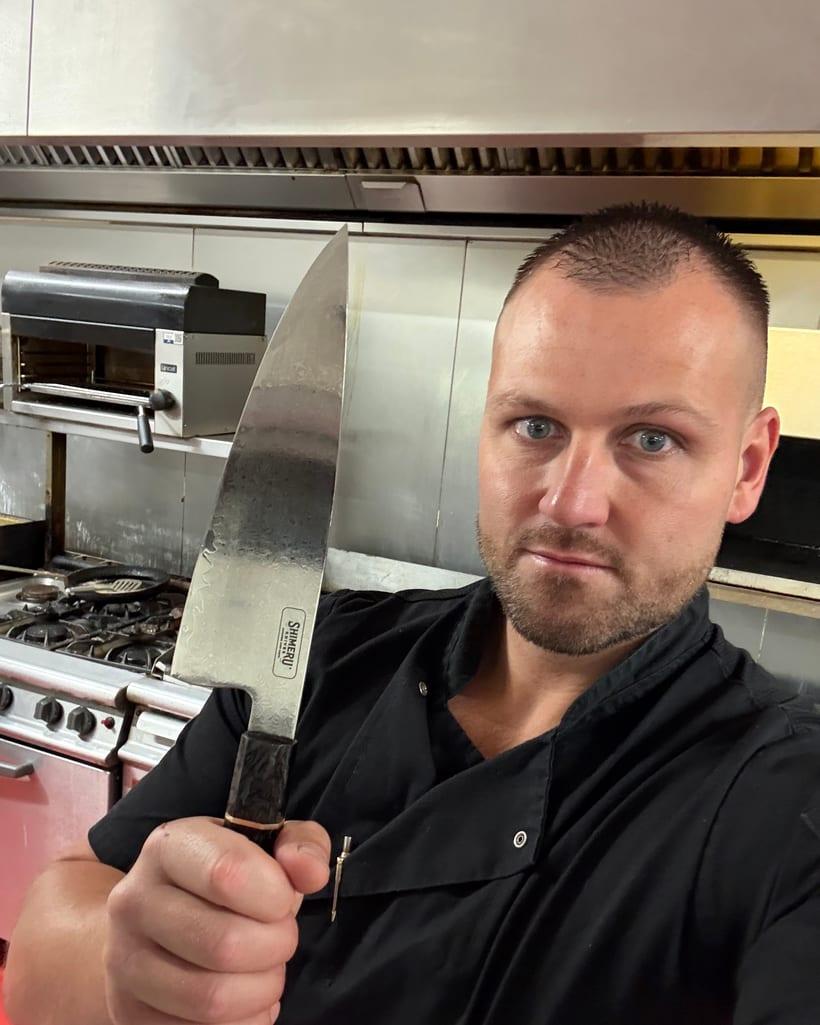
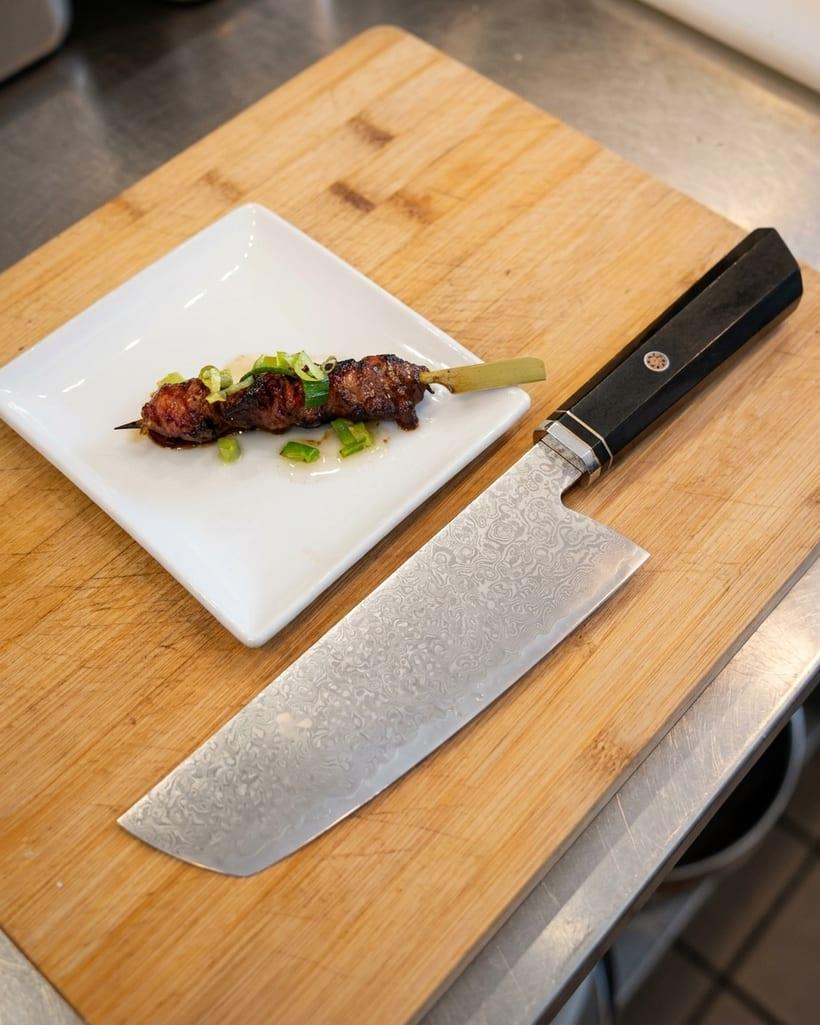
The chef knife and santoku are close cousins, not rivals. A Western chef knife usually has a longer blade, a more pronounced curve and a finer tip. That makes it strong for rocking through herbs, scoring meat and doing precise tip work. A santoku usually has a taller blade, a flatter edge and a shape that feels more like a small, broad cleaver. That makes it strong for straight chopping, scooping and controlled slicing.
For many home cooks, the practical difference is less dramatic than the marketing suggests. If you already own a chef knife you like, a santoku adds a lighter, flatter option for vegetable prep. If you own neither, a santoku can serve as your main knife, provided you are happy to adapt your technique. A chef knife remains the better choice if you do a lot of rocking, filleting or work that needs a sharp, narrow tip. The honest answer is that both shapes work, and the best one is the one you reach for without thinking.
You can browse the full range on our knife shop page, or go straight to the santoku category if you have already decided on the shape. If you are still comparing a chef knife and santoku, hold a knife in your usual grip if you can. A handle that feels secure matters more than a pattern on the blade.
Which Santoku Size and Style Suits You
Size is the first decision. A 5 inch santoku is handy for small boards, lighter prep and cooks with smaller hands. It is good for herbs, garlic, shallots, chillies and small vegetables. It is less ideal for a large cabbage or a big batch of soup, where a longer blade saves time. 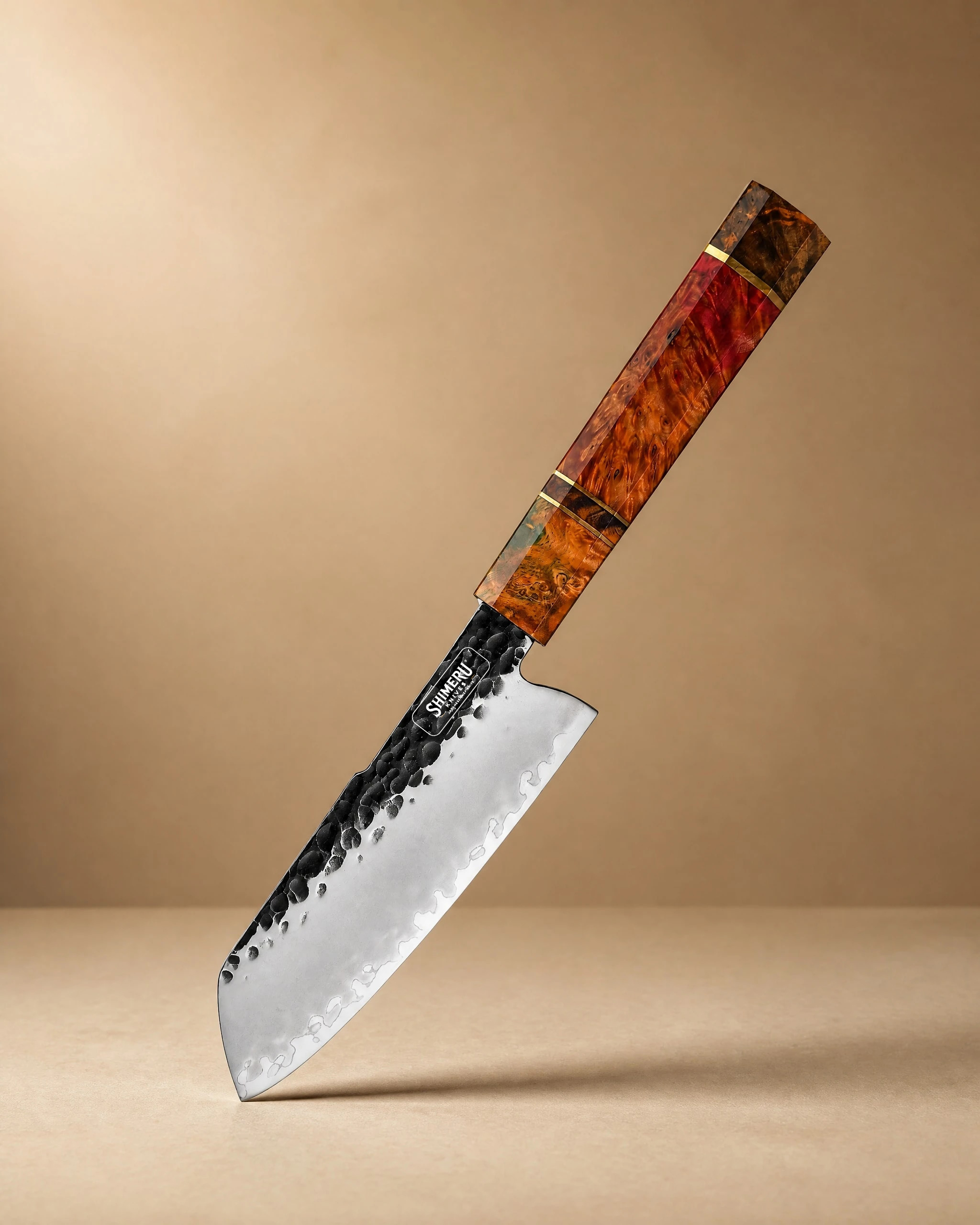 Ishikari 5" Santoku Knife 三徳包丁£64.99View product → is the smaller option in this group and is listed for cutting, dicing, slicing and chopping. It makes a useful second knife or a first knife for a compact kitchen.
A 7 inch santoku is the more versatile all rounder for most households. It gives you more edge to work with and more clearance for larger ingredients. 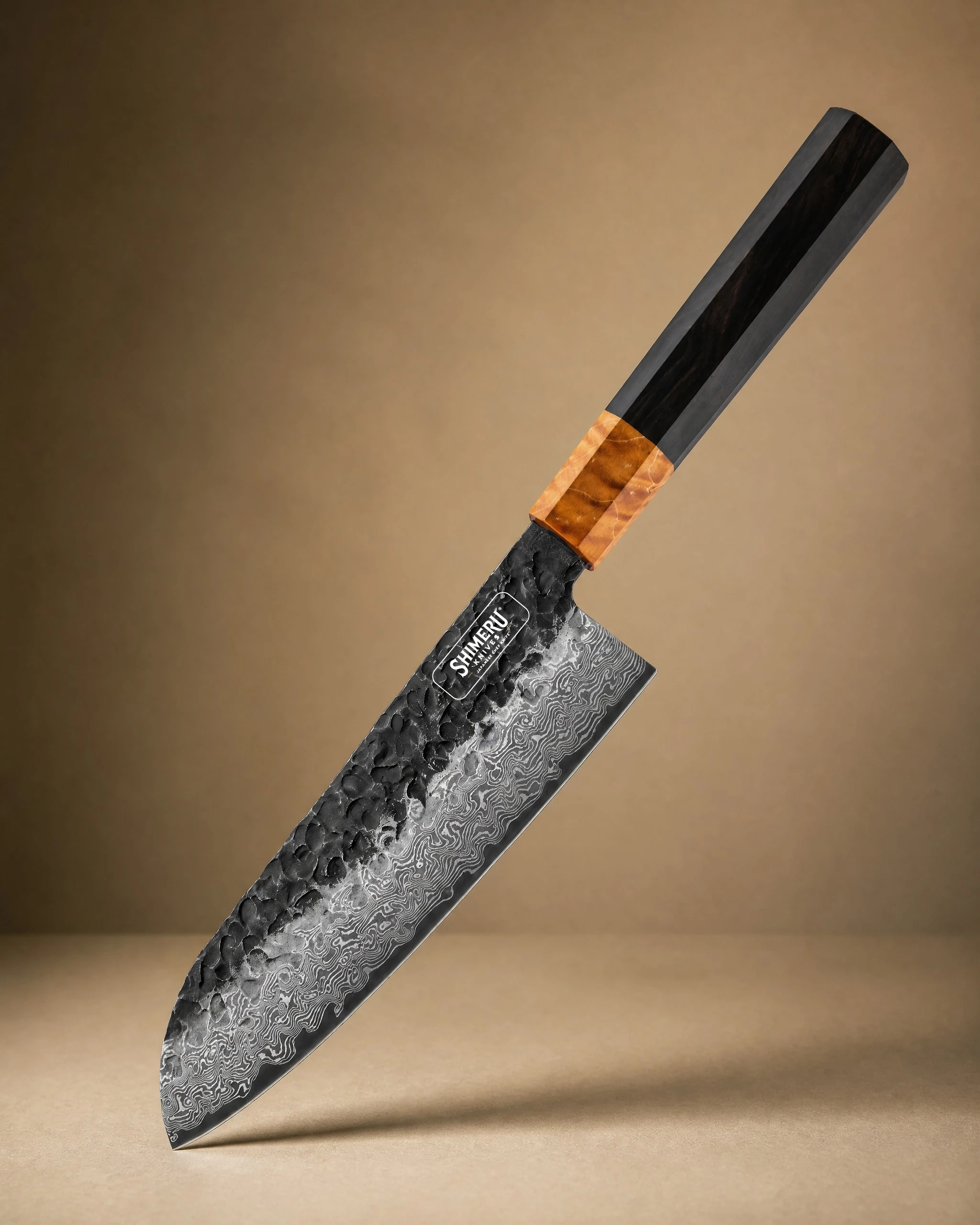 Dark Grain 7" Damascus Steel Santoku Knife 三徳包丁£79.99View product → and
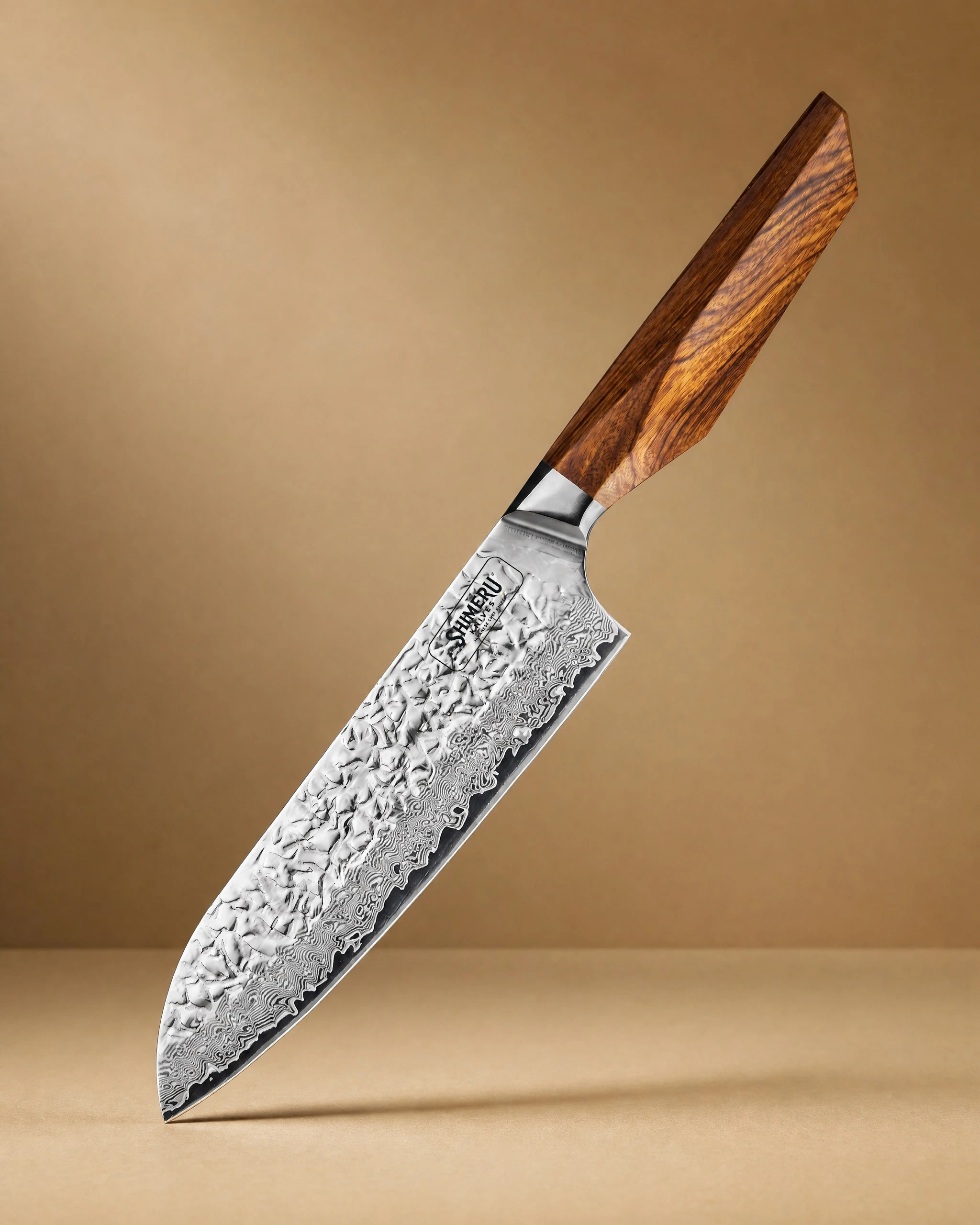 Shikoku 7" Damascus Steel Kengata Santoku 三徳包丁£79.99View product → are two further options in this size, both listed for vegetables, meats and fish. They differ in finish and handle, so choose the one that feels right in your hand.
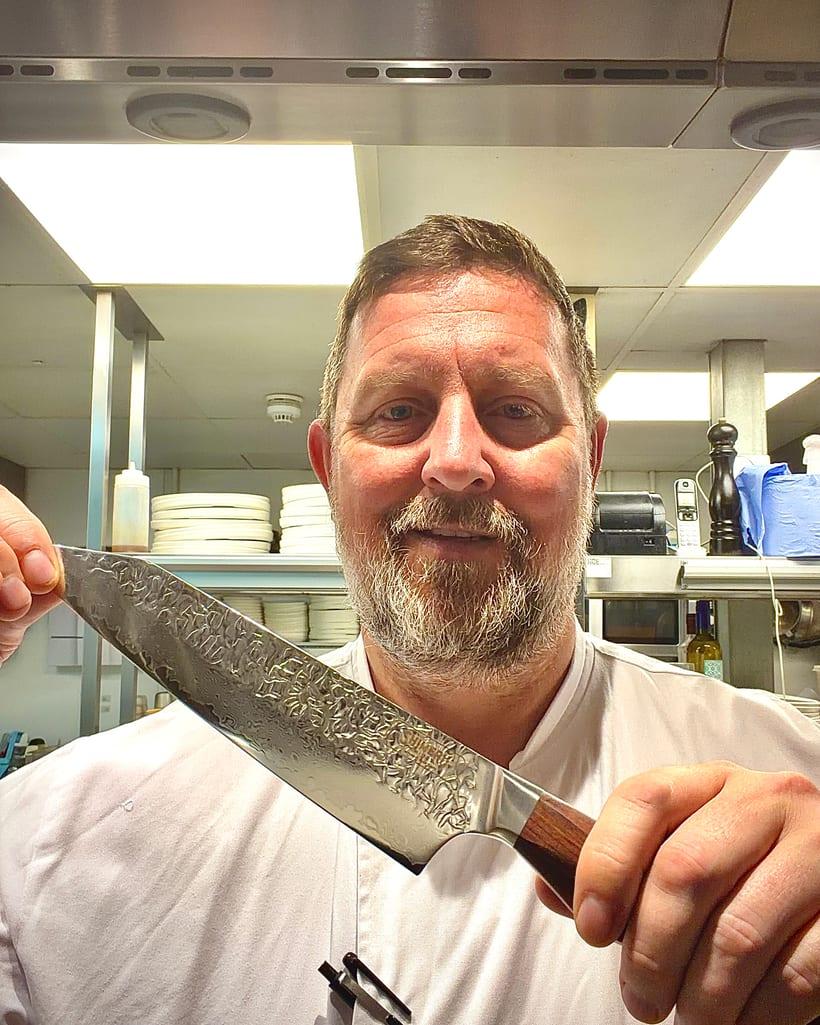
Finish is secondary to comfort and technique, but it still matters. A patterned blade is attractive, and it can help hide everyday scratches, but the core steel and the heat treatment do the real cutting work. Choose a knife you can maintain properly rather than one chosen only for its look. Good habits reward any decent blade, and a sharp edge matters more than an elaborate surface.
Care and Honest Limitations
A santoku is a kitchen knife, not an indestructible tool. Hand wash it, dry it straight away and keep it away from the dishwasher. Do not leave it soaking in the sink or use it to open packaging. Cut on a wooden or plastic board, not on glass or stone. If the edge starts to feel dull, sharpen it properly rather than pressing harder. Our knife care guide covers washing, storage and sharpening in plain terms.
There are jobs a santoku does not do well. It is not the knife for a chicken carcass, a large bone or a frozen block of spinach. It is not a substitute for a bread knife, and it is not the best tool for delicate filleting. If those tasks fill your week, keep a heavier knife or a dedicated filleting knife alongside it. A santoku is at its best when it is allowed to do the work it was designed for: clean, controlled cuts on boneless food and vegetables.
A Sensible Way to Decide
Start with the food you actually cook. If your board is mostly vegetables, chicken and fish, and you like a direct chopping motion, a santoku will quickly feel natural. If you are feeding one or two people and space is tight, the smaller option may be enough. If you cook larger meals and want one main knife, a larger model such as Hikari 光 7" Damascus Steel Professional Santoku Knife 三徳包丁£74.99View product →, Dark Grain 7" Damascus Steel Santoku Knife 三徳包丁£79.99View product → or Shikoku 7" Damascus Steel Kengata Santoku 三徳包丁£79.99View product → is the more practical size. If you already have a chef knife and want a lighter companion, choose the santoku that feels best in your hand rather than the one with the most elaborate finish.
A santoku chef knife suits everyday cooking because it removes fuss. It is broad enough to scoop, flat enough to chop, and short enough to control. It will not make you a better cook, and it will not replace good technique. It will, however, make the ordinary work of dinner feel calmer and more direct. That is a modest promise, and for most kitchens it is the right one.
Photography: Kevin Doran via Unsplash.


