


What Is a Nakiri Knife Used For in the Kitchen?

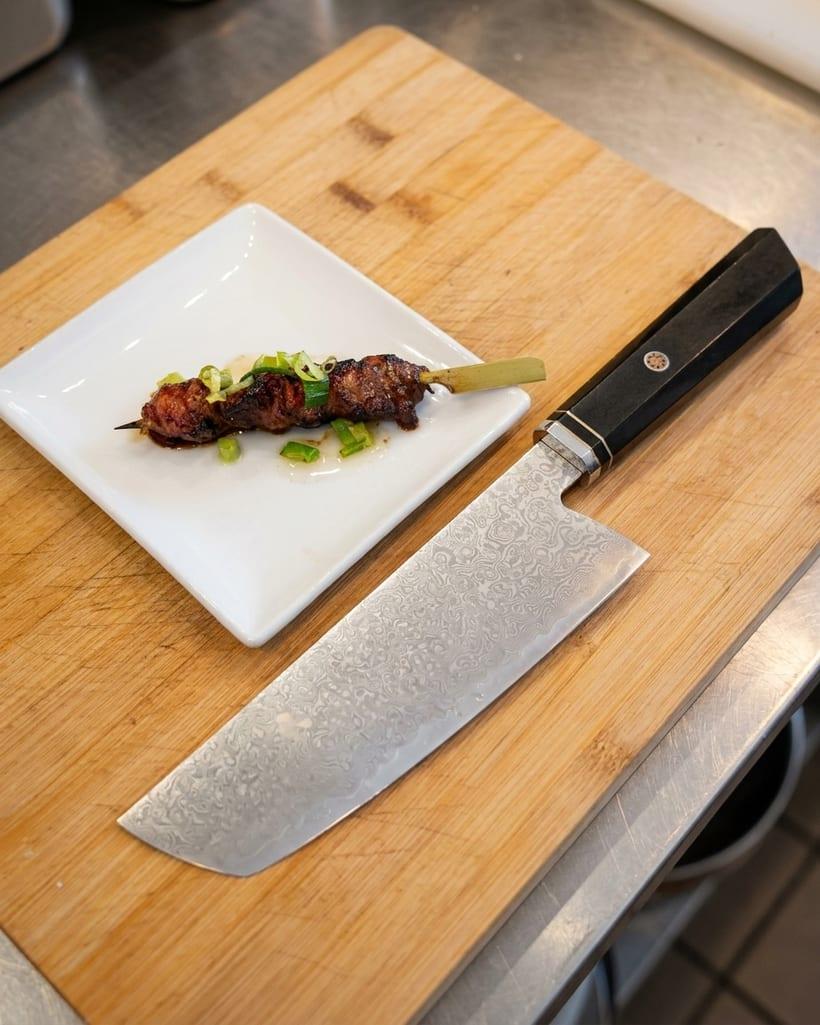
A nakiri knife is a Japanese vegetable knife with a tall, rectangular blade and a flat cutting edge. Its main job is clean, efficient preparation of vegetables, herbs and other plant ingredients. If you chop a lot of onions, carrots, cabbages, mushrooms or herbs, a nakiri can feel more natural than a curved chef's knife. It is not a meat cleaver, and it is not the right tool for bones or heavy butchery. Used properly, it is one of the most useful specialist knives a home cook can own.
What a nakiri knife is designed to do
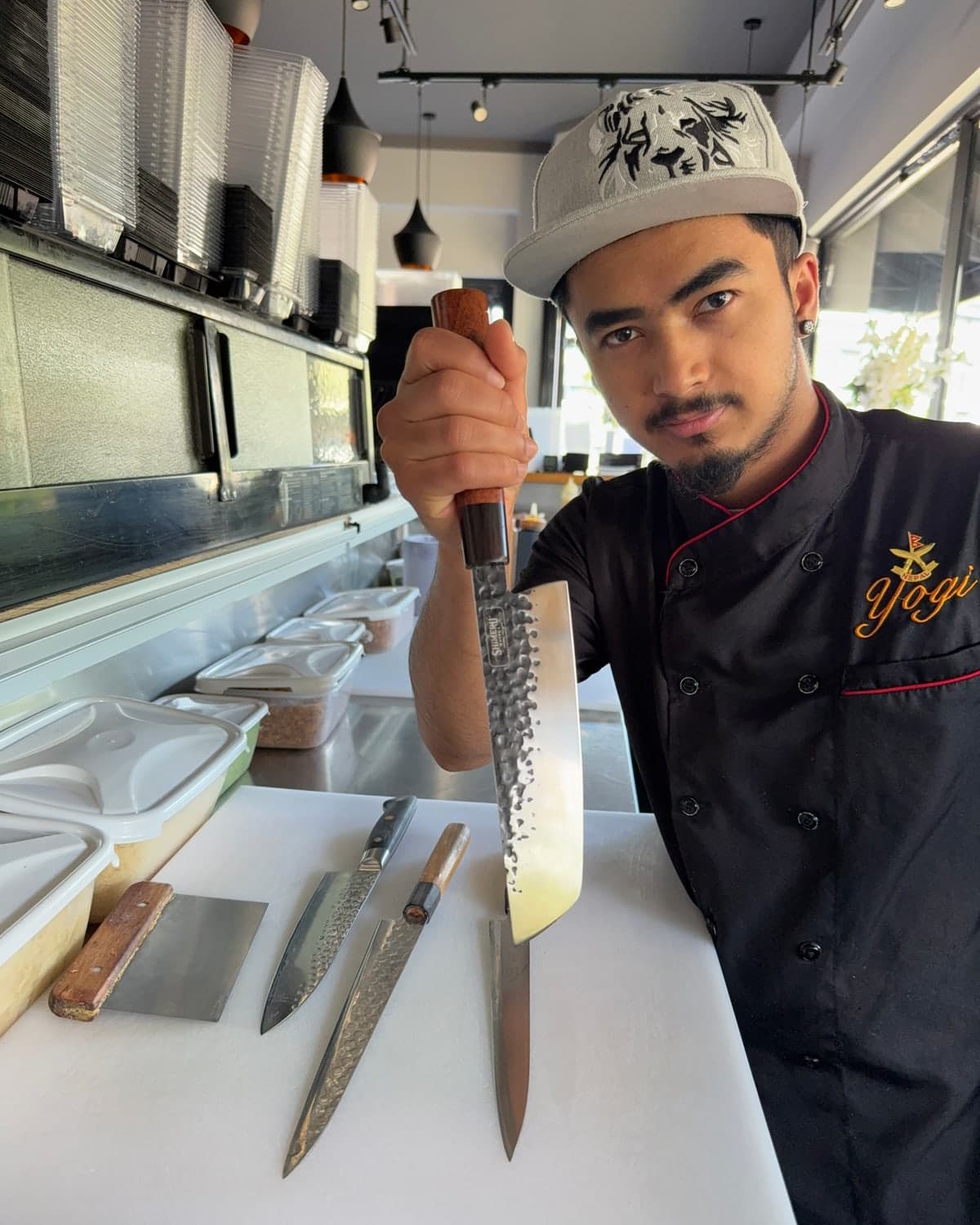
The shape explains the nakiri knife use. The blade is deep from edge to spine, so there is plenty of room for your knuckles under the blade. The edge is usually quite flat, which encourages a straight push cut rather than a rocking motion. The thin profile moves through crisp vegetables with little resistance. You can chop, slice, julienne and dice without the blade wandering. The tall blade also lets you scoop cut ingredients from the board to the pan, which saves reaching for a separate bench scraper. It is a practical design, not a decorative one.
The main nakiri knife uses in a UK kitchen
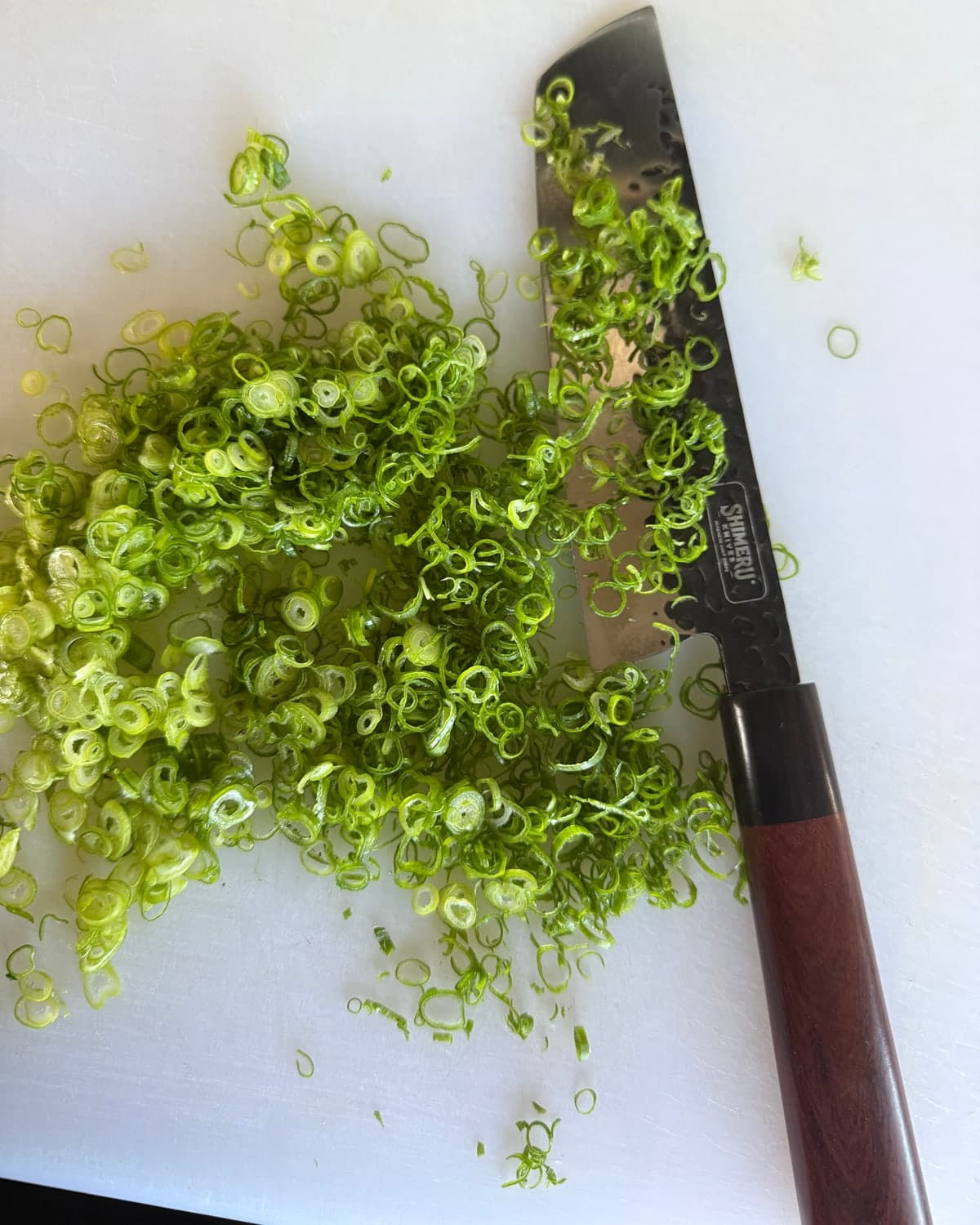
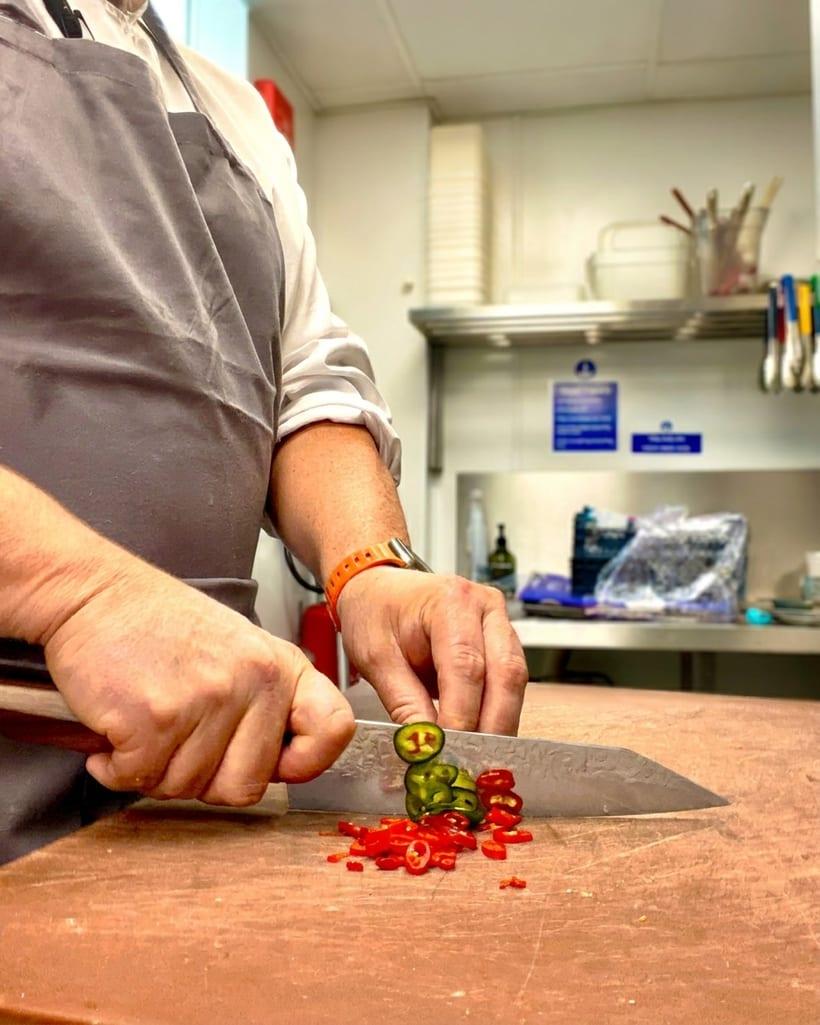
A nakiri earns its place during everyday vegetable prep. It is excellent for firm ingredients such as carrots, swede, celeriac and parsnips. It handles onions and leeks neatly, especially if you use a push cut and keep the tip down. It is good for cabbage, kale, sprouts and other leafy greens. It works well for mushrooms, peppers, courgettes, aubergines and potatoes. It is also useful for herbs if you chop with a light touch and a sharp edge. For stir fries, soups, stews, traybakes and salads, a nakiri can do most of the prep before the pan goes on. A nakiri is also handy for prepping vegetables for a roast, a curry or a weekend batch cook, where the chopping is steady rather than rushed.
- Dicing onions, shallots and leeks
- Slicing cabbage, greens and herbs
- Prepping root vegetables and potatoes
- Chopping mushrooms, peppers and courgettes
- Batch prep for soups, stews and stir fries
The nakiri use is not limited to vegetables, but that is where it makes most sense. It can cut cooked meat, tofu or cheese if needed, but it is not designed for raw meat with sinew or bone. It can open a bag of flour or scrape a board, but those are not reasons to buy one. The honest case for a nakiri is simple: it makes vegetable prep faster, cleaner and more enjoyable.
How a nakiri differs from a chef's knife, santoku and cleaver
A chef's knife is the more flexible choice. It can rock, slice meat, break down fish and handle general kitchen work. A nakiri is more specialised. It does not have a curved belly for rocking, so it rewards a straight push cut. A santoku sits between the two, with a shorter blade and a flatter profile than a Western chef's knife, but it still has more tip use than a nakiri. A cleaver is thicker and heavier, and it is built for different work. A nakiri is not a small cleaver, even if the silhouette looks similar. It is thinner, lighter and intended for precise vegetable cutting.
This matters if you are choosing your next knife. If you already have a chef's knife you like, a nakiri adds a dedicated vegetable tool without duplicating the whole job. If you only own one knife, a chef's knife is still the safer first purchase. The knife buying guide explains how to think about blade shape, length and the work you actually do.
Choosing between our nakiri knives
Once you know that nakiri knife use fits your cooking, the next question is which one to buy. The three nakiri knives in our range are all made for vegetable work, and the live product cards show the current details, photographs and price. The Chitose 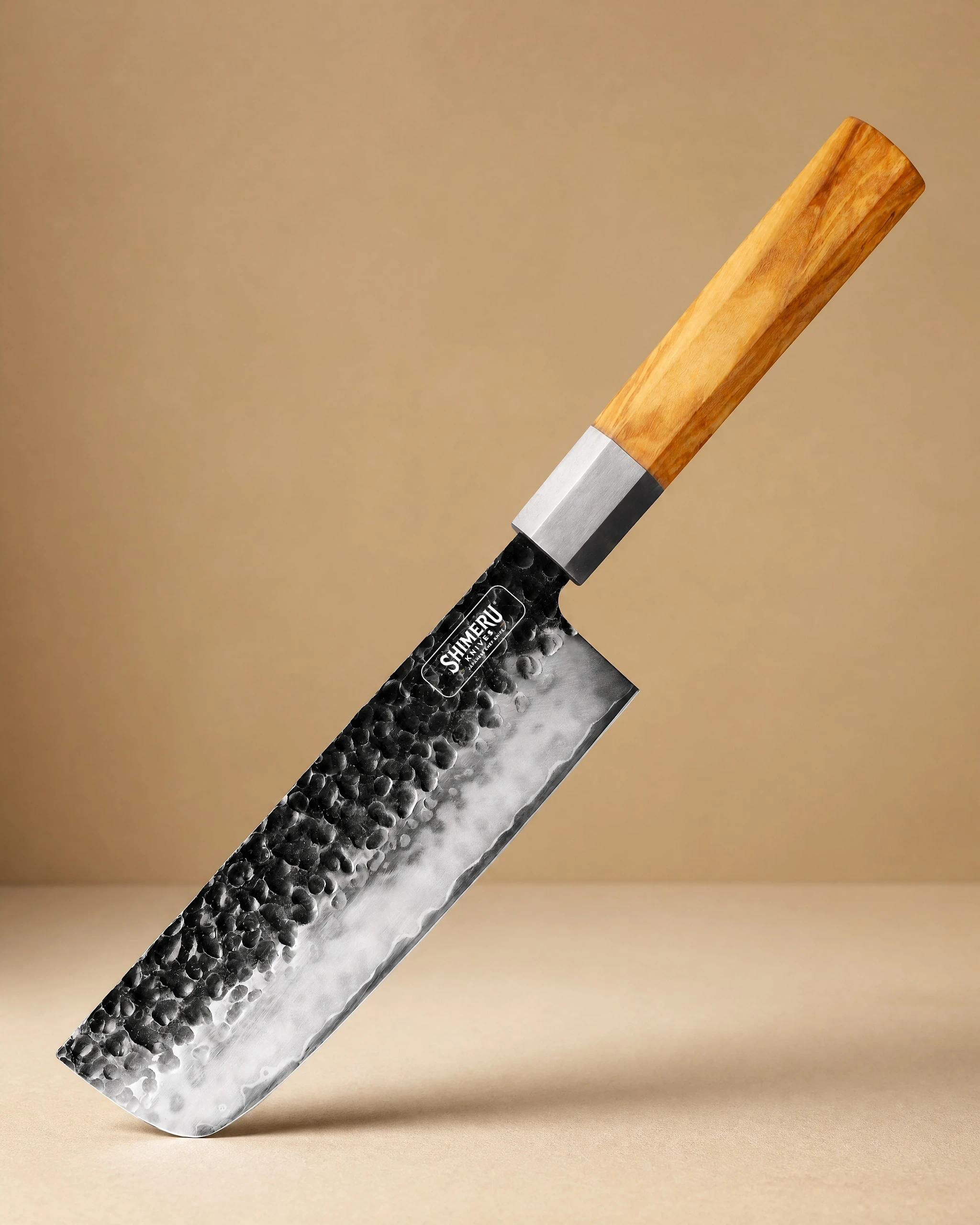 Chitose 7" Nakiri Knife 菜切り包丁£59.99View product → is a good starting point if you want a classic nakiri shape for chopping, slicing and general vegetable prep. The Kiso
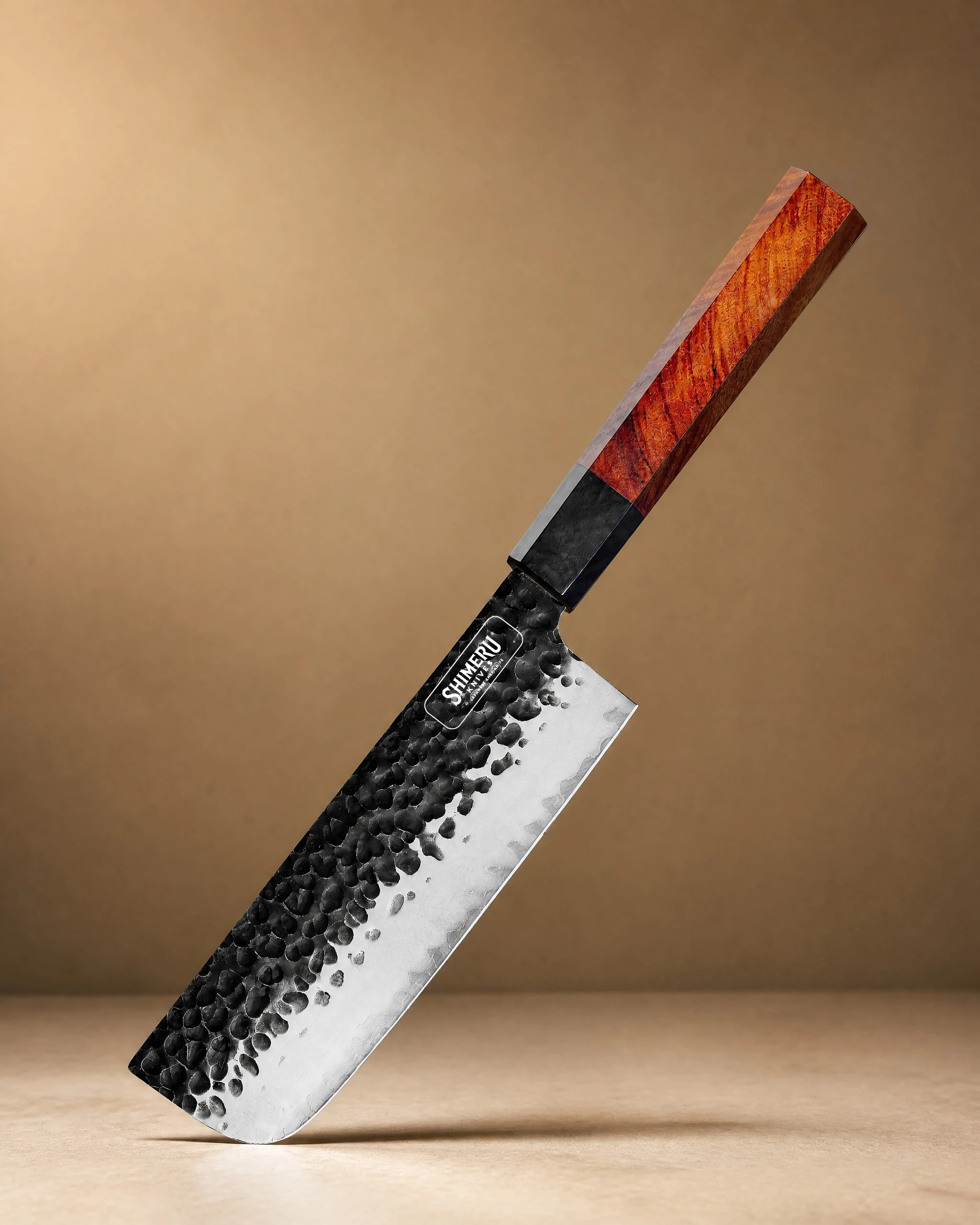 Kiso 7" Nakiri Knife 菜切り包丁£59.99View product → is another strong option for vegetables, herbs and root vegetables, with its own handle feel. The Ginsui
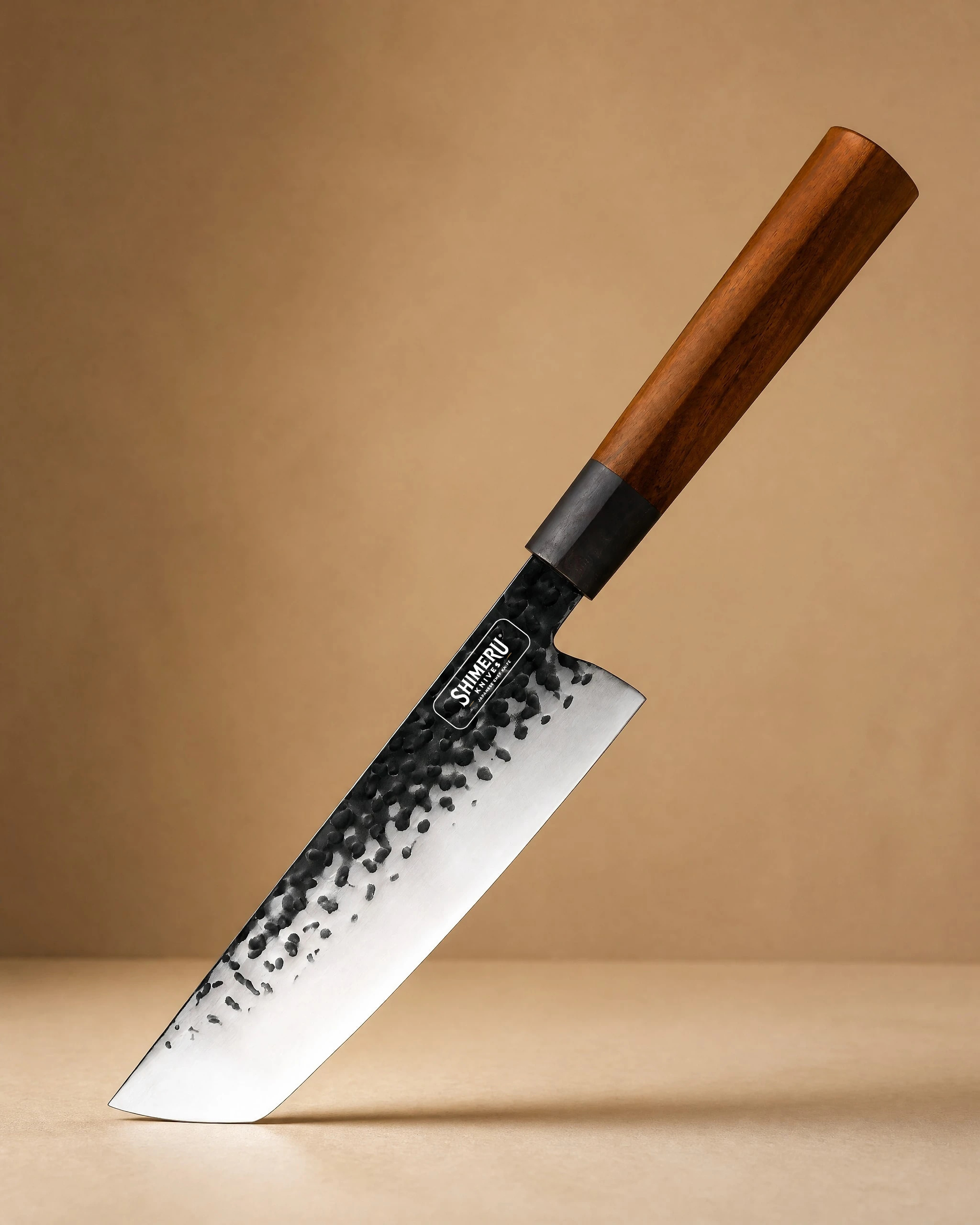 Ginsui 7" Nakiri Knife 菜切り包丁£54.99View product → gives you a third choice in the same useful nakiri format.
There is no need to overthink the differences. All three are nakiri knives from Japanese knife makers, and they are built around the same simple idea: a tall, flat blade for controlled vegetable cutting. Choose the one whose handle and finish appeal to you, then spend your energy on learning to use it well. You can see the full selection in our nakiri knives category.

Using a nakiri safely and well
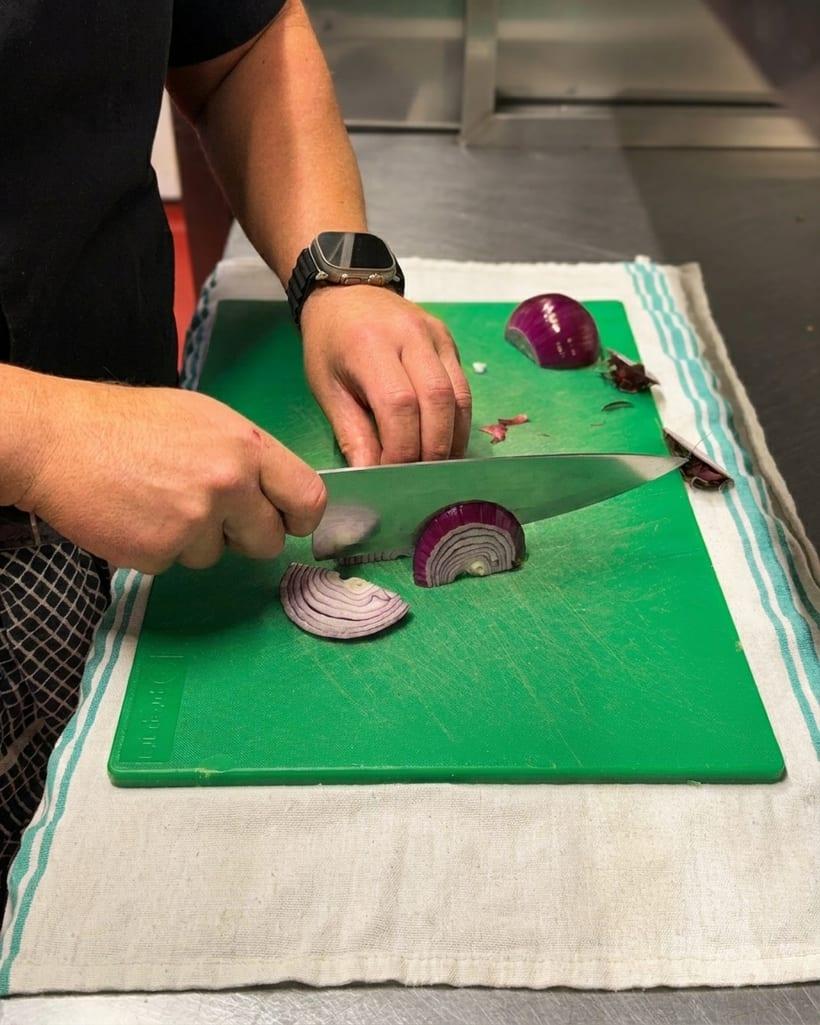
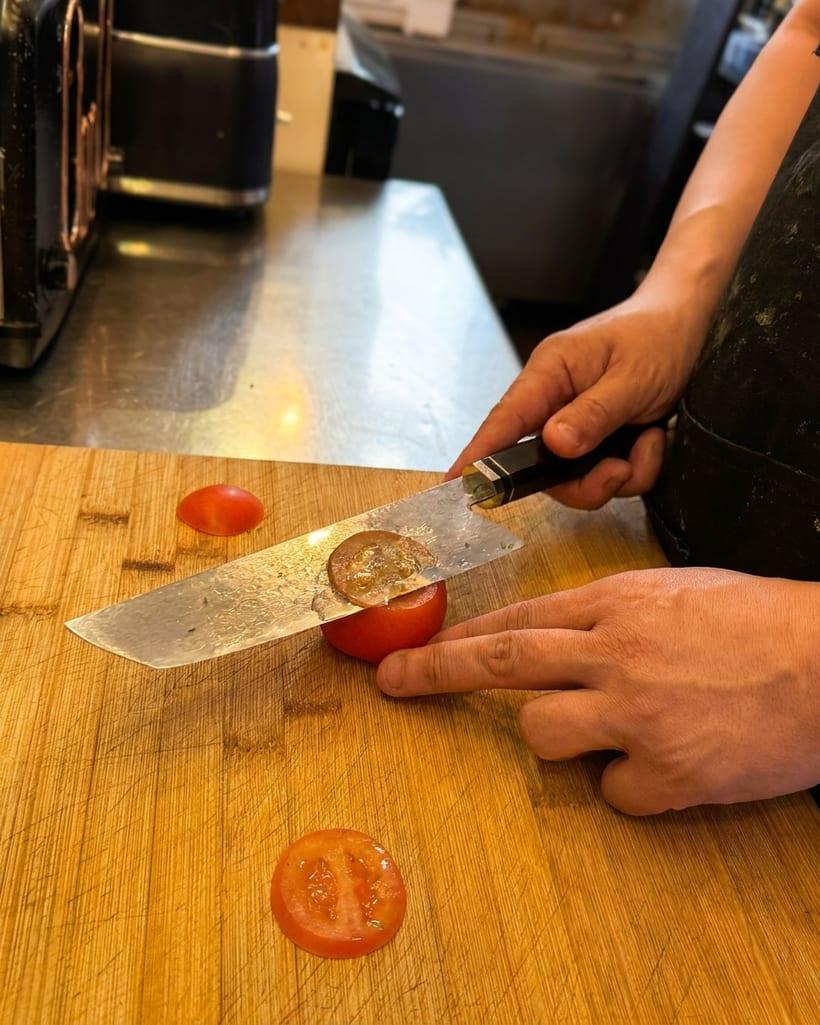
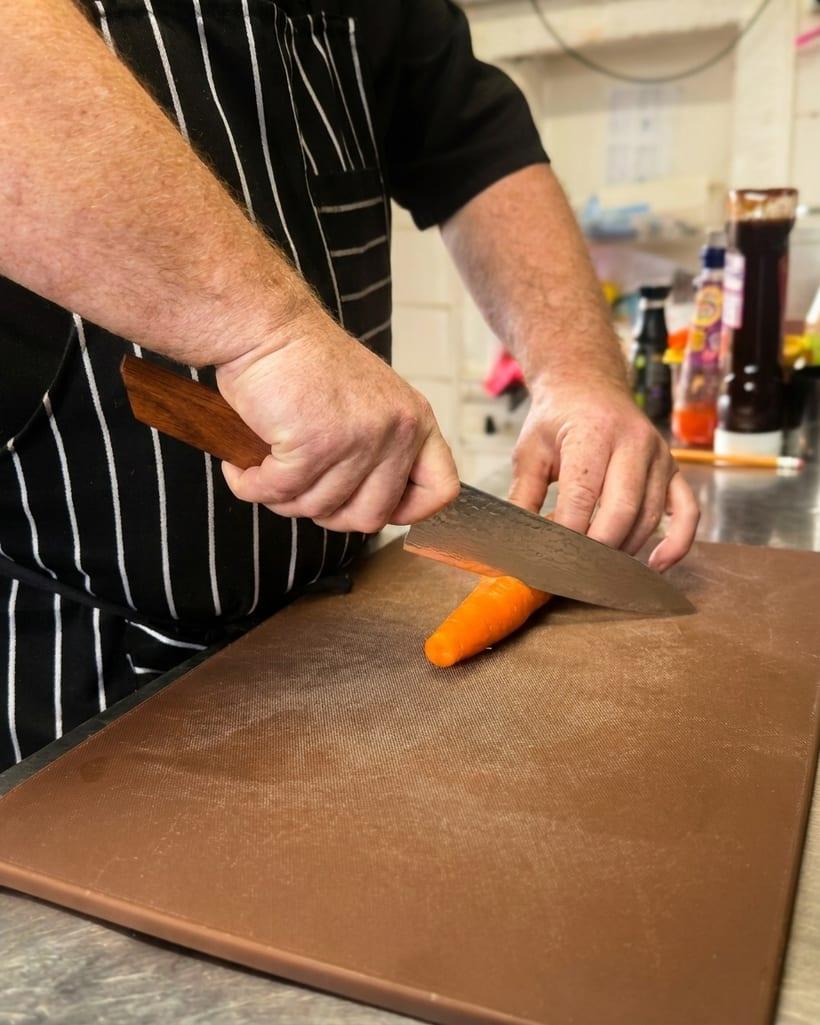
The best nakiri technique is a push cut. Keep the tip on or near the board, place the food under the blade, and push down and forward through the ingredient. Lift, move the food, and repeat. For onions, cut the root end last so the layers stay together. For carrots and other firm vegetables, use a claw grip with your fingertips tucked back and your knuckles guiding the blade. Do not twist the blade while it is in the food. Do not chop through frozen food, bones or hard shells. If the blade sticks, lift it and start again rather than forcing it through. A sharp, thin vegetable knife is a pleasure to use, but it is not indestructible.
A stable chopping board makes a real difference. A wooden or soft plastic board gives the edge something to bite into without dulling it quickly. Glass boards are best avoided for any good knife. Keep the board dry enough that the food does not slide, and keep your cutting area clear. Most nakiri accidents happen because the board is crowded or the cook is rushing, not because the knife is difficult to use.
Nakiri care and sharpening
A nakiri does not need a complicated routine. Wash it by hand, dry it straight away, and put it back somewhere dry. Do not leave it in the sink or put it in the dishwasher. Even stainless knives benefit from being treated properly, and any good blade should not be left wet for long periods. Use a honing rod lightly if the edge feels slightly tired, but do not use it as a substitute for proper sharpening. A whetstone or a professional sharpening service will keep the edge in good condition.
The knife care guide covers washing, storage and sharpening in more detail. If you are new to Japanese knives, read it before you use the knife on a busy Sunday roast. A nakiri is a vegetable tool, and it will stay useful for years if you keep it clean, dry and sharp.
Who should buy a nakiri?
A nakiri is a good buy for a home cook who prepares a lot of vegetables and wants a dedicated tool for that job. It suits batch cooking, vegetarian cooking, stir fries, soups and family meals. It also suits anyone who prefers a push cut to a rocking cut. It is less suitable if you want one knife to do everything, or if you spend most of your prep time breaking down meat and fish. In that case, buy a chef's knife first and add a nakiri later. It is also a sensible gift for someone who already has a good chef's knife and cooks a lot of vegetables.
If you are building a small knife collection, a nakiri sits neatly alongside a chef's knife and a paring knife. It gives you a taller blade for vegetable prep without taking up much space. If you are unsure, look at the full knife shop and compare the shapes. The right knife is the one that fits your hand and your cooking, not the one with the longest list of features.
Common questions about nakiri use
Can a nakiri cut meat? It can cut cooked meat and some boneless cuts, but it is not designed for raw meat with sinew or bone. Use a chef's knife or a boning knife for that work. Can a nakiri chop herbs? Yes, if the blade is sharp and you use a light chopping motion. Can a nakiri replace a cleaver? No. A cleaver is heavier and thicker, and a nakiri is a thin vegetable knife. Is a nakiri good for garlic and ginger? Yes, the tall blade is useful for smashing and chopping ginger, and for fine garlic prep if you keep the tip down.
The nakiri Japanese knife shape has become popular because it solves a real problem. Most home cooking involves a lot of vegetables, and a dedicated vegetable knife makes that work feel easier. It is not a gimmick, and it is not a substitute for good technique. It is a simple, honest tool with a clear purpose.
A useful specialist for vegetable cooking
If your kitchen work is mostly vegetables, a nakiri is worth considering. It chops, slices and scoops, and it encourages a controlled push cut. It is not the only knife you will need, and it is not the right choice for bones or heavy meat prep. Used with a stable board and a sharp edge, it can become the knife you reach for every time the chopping starts. It will not replace good technique, but it can make the daily chopping feel more controlled. Explore the nakiri knives and choose the one that suits your hand.
Photography: Savernake Knives via Unsplash.


