




Types of Japanese Kitchen Knives Explained

If you have ever browsed a selection of Japanese kitchen knives, you will have noticed a variety of shapes, sizes and names. Understanding the different types of Japanese knife is the first step to finding the blade that truly suits your cooking. This guide explains the most common types of kitchen knives Japanese, from all rounders like the Gyuto to specialised slicers such as the Yanagiba. We will cover their intended uses, typical features and what to look for when buying. Whether you are a home cook or a professional, knowing the differences will help you make an informed choice.
What Makes a Japanese Knife Different?
Japanese knives are often lighter, harder and sharper than their Western counterparts. They are ground with a thinner edge, which allows for cleaner cuts but requires more careful handling. The steel used in traditional Japanese blades can be very hard (often 60-63 HRC) which means they hold an edge well but can be more brittle. Many modern Japanese knives combine a hard core with softer outer layers to balance sharpness and toughness. When you choose a type of Japanese knife, you are also choosing a cutting style. Japanese blades are typically designed for push cutting (straight down and forward) rather than the rocking motion common with Western chef’s knives. This influences the shape of the blade and the tasks it handles best.
For a more detailed comparison between Japanese and Western knives, visit our knife guide.
The All Rounder: Gyuto
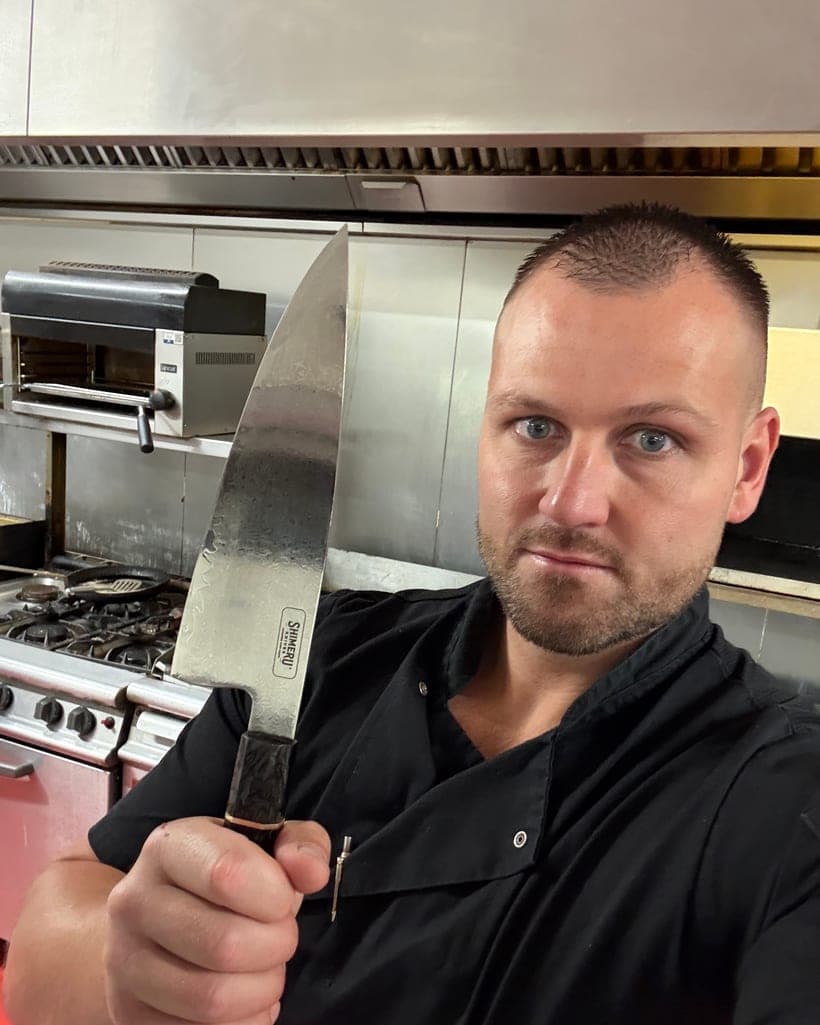
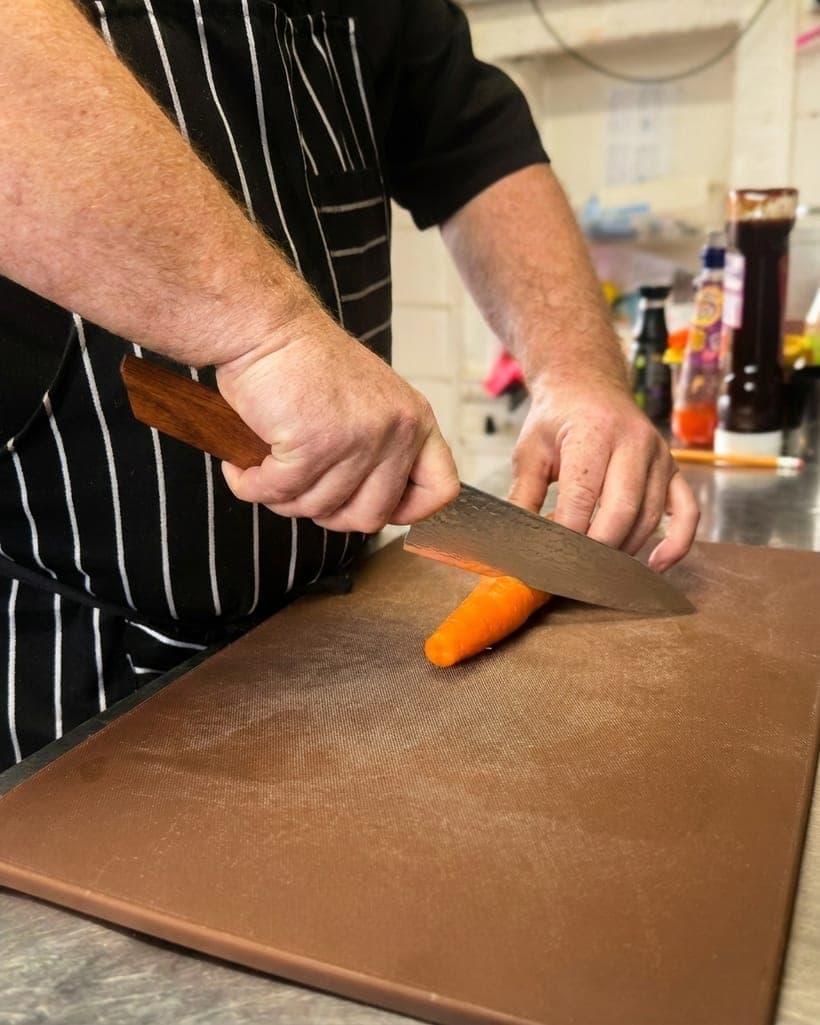
The Gyuto (or chef’s knife) is the most versatile type of Japanese knife. It is the equivalent of the Western chef’s knife but with a flatter edge and a thinner profile. Gyuto blades typically range from 8 to 10 inches and can handle almost any cutting task: slicing meat, dicing vegetables, chopping herbs and even filleting fish. The generous length gives good clearance for large ingredients, while the pointed tip allows for precise cuts. Many home cooks find the Gyuto to be the only knife they really need. If you are looking for a high quality all purpose blade, the Sendai 8" Steel Gyuto Knife 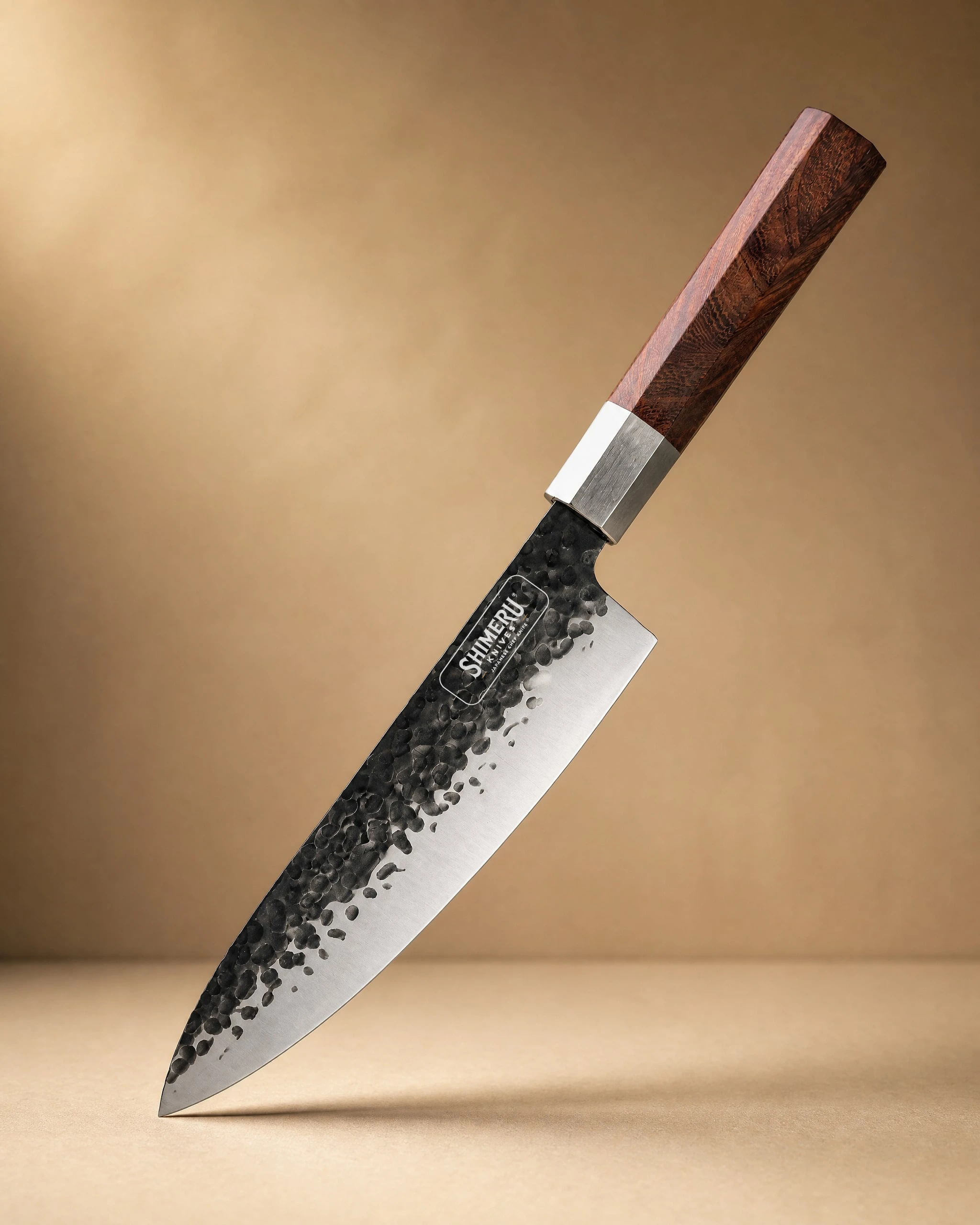 Sendai 8" Steel Gyuto Knife 牛刀£54.99 · currently out of stockView product → is an excellent choice. It features a stainless steel blade and a comfortable Mkuruti wood handle, making it suitable for vegetables, herbs, meat and fish.
The Santoku: A Popular Alternative
Santoku means “three virtues” and this knife excels at slicing, dicing and mincing. It is shorter than a Gyuto (typically 5 to 7 inches) with a wider blade and a less pronounced tip. The Santoku is incredibly popular in Japanese home kitchens because it is nimble and easy to control. Its curved belly allows for a gentle rocking motion, though it is still best for push cutting. This knife is ideal for cooks who prefer a lighter, more compact blade. However, note that the Santoku’s flatter profile means it is less effective for tasks that require rocking, such as chopping fresh herbs. For that, a Gyuto or a cleaver might be better.
The Nakiri: Vegetable Specialist
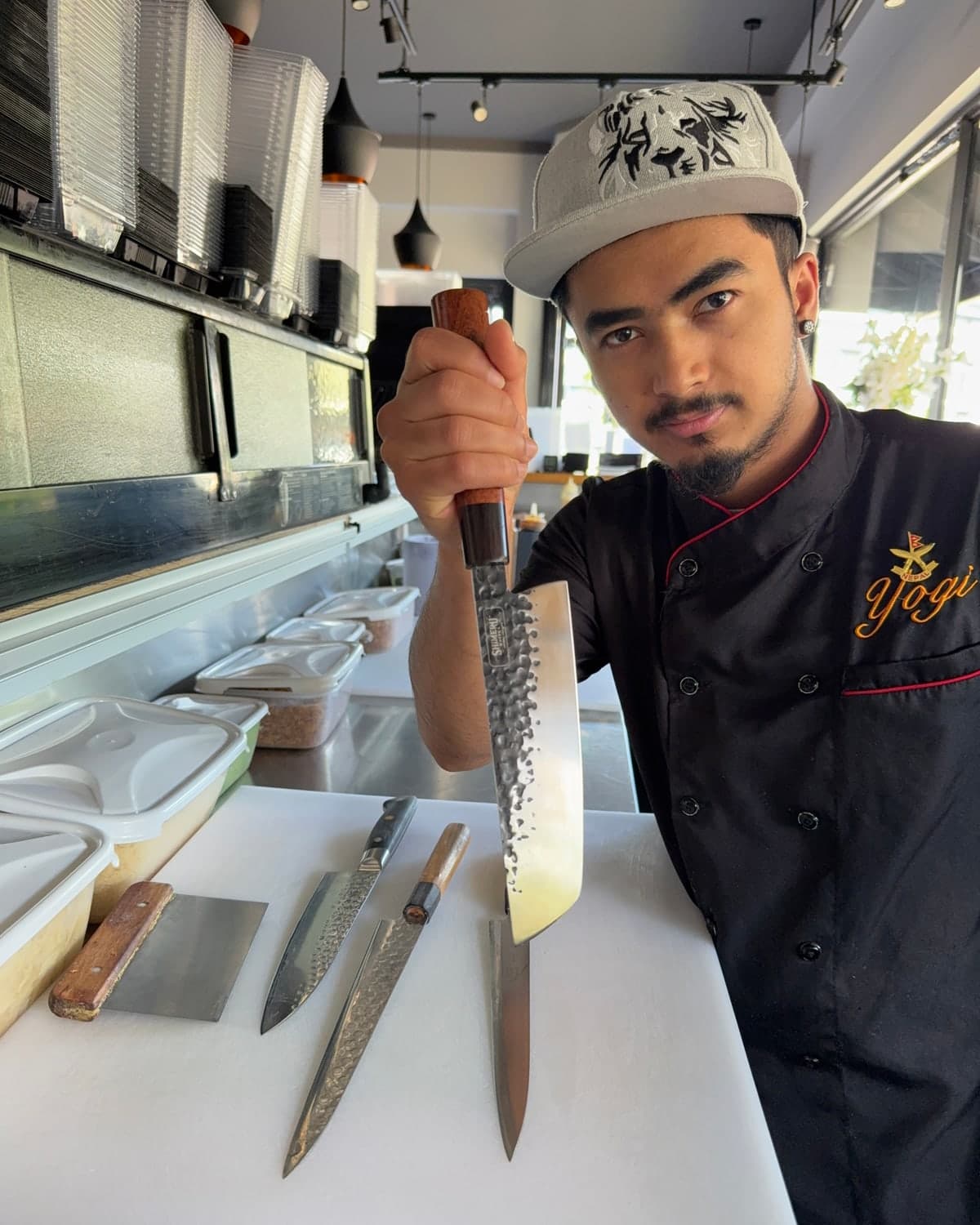
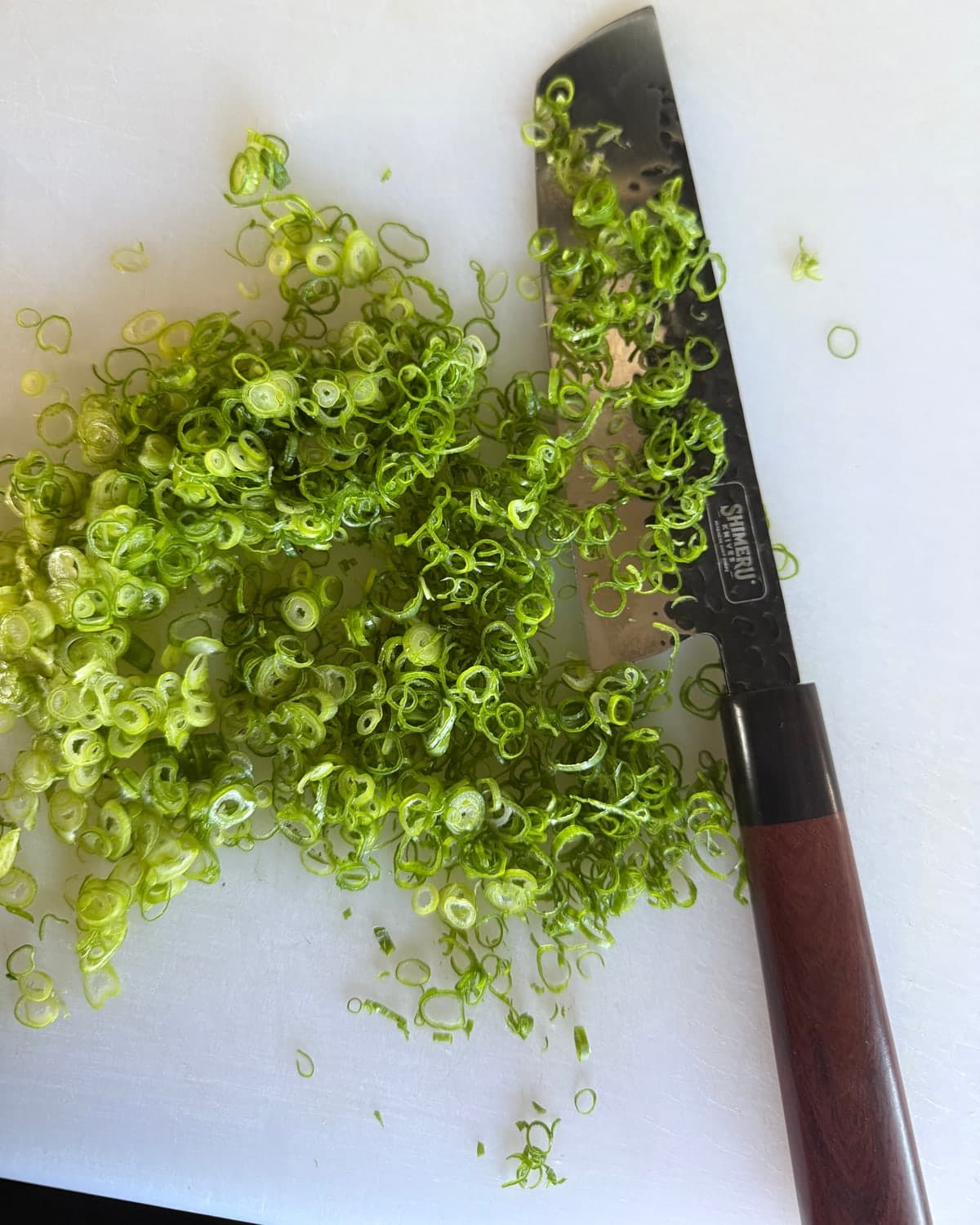
Nakiri is a double bevel knife designed exclusively for vegetables. Its rectangular shape and straight edge make it perfect for straight down chopping, giving clean cuts without tearing or bruising leafy greens. The thin blade glides through carrots, potatoes and squash with ease. The flat edge means there is no rocking motion, so the entire cutting edge contacts the board at once. This style is a favourite among vegetarian cooks and anyone who processes a lot of produce. The Nakiri is not suitable for cutting through bones or hard frozen items, but for vegetables it is hard to beat.
The Cleaver (Chuka Bocho)
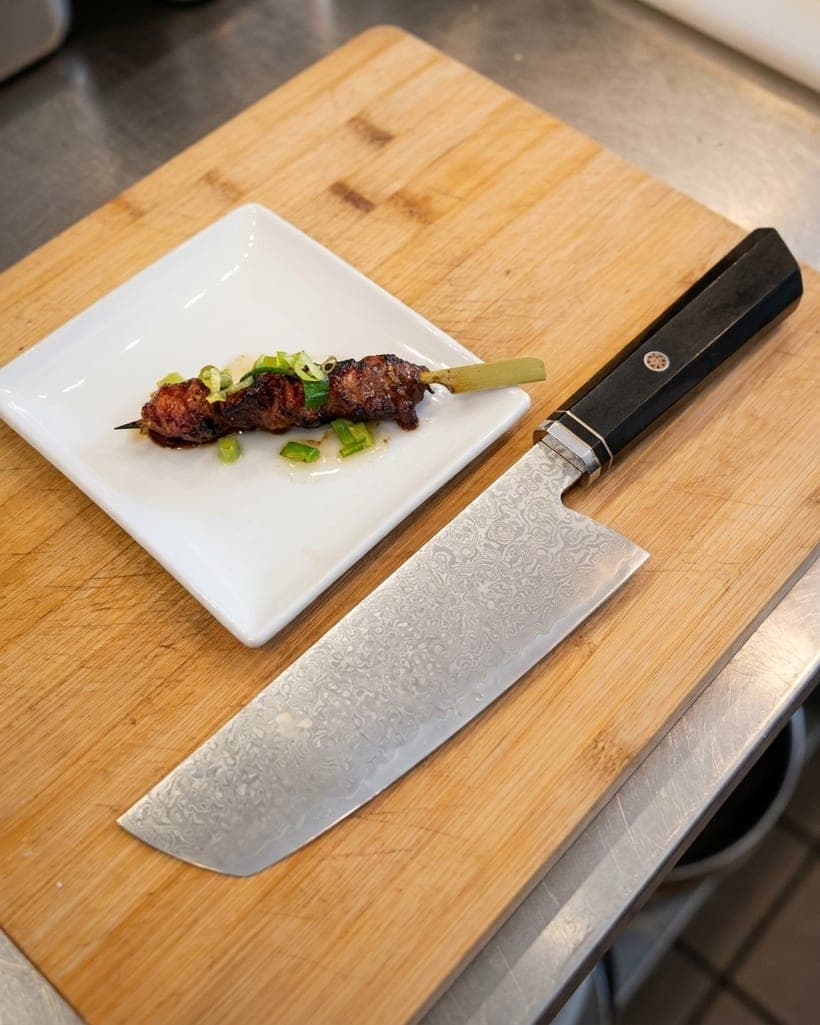
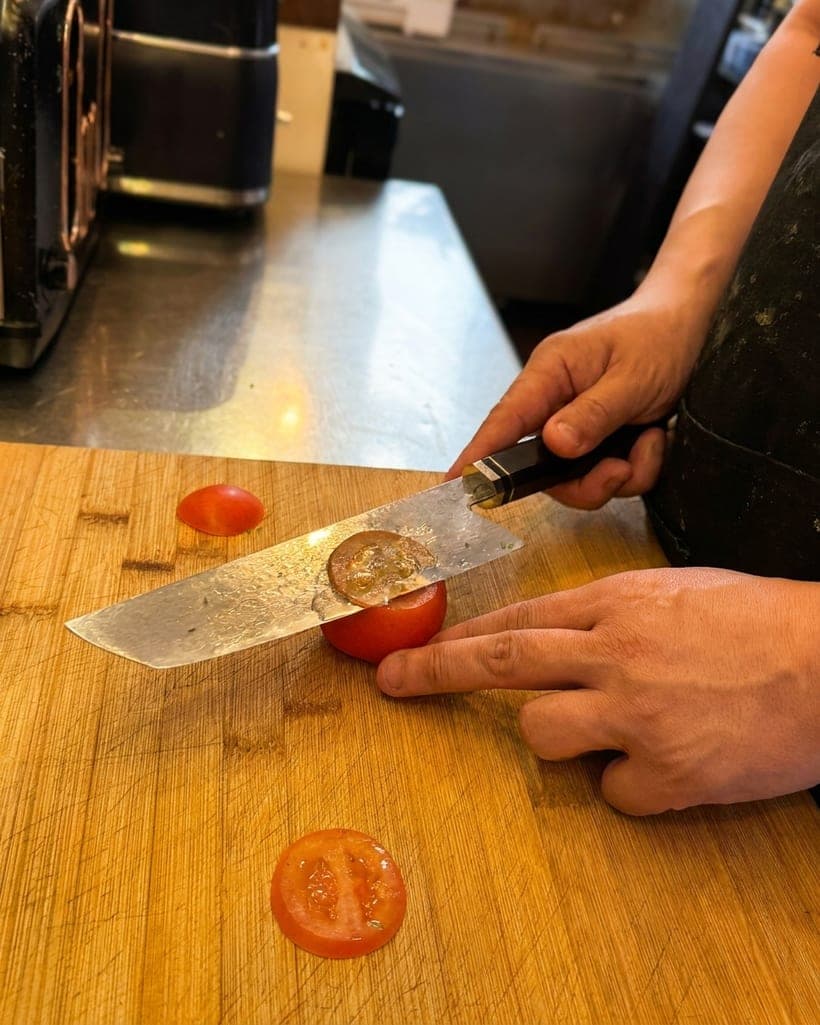
The Chinese style cleaver, known as Chuka Bocho in Japan, is a thick rectangular blade that can handle heavy duty tasks. Unlike the Western cleaver which is mostly used for splitting bones, the Japanese cleaver is versatile for chopping, slicing, dicing and even scooping up ingredients. Its large flat surface can be used to crush garlic or ginger. The blade is typically made of stainless steel for easy maintenance. At Shimeru Knives, we offer two cleavers: the Toyo 7" Stainless Steel Cleaver 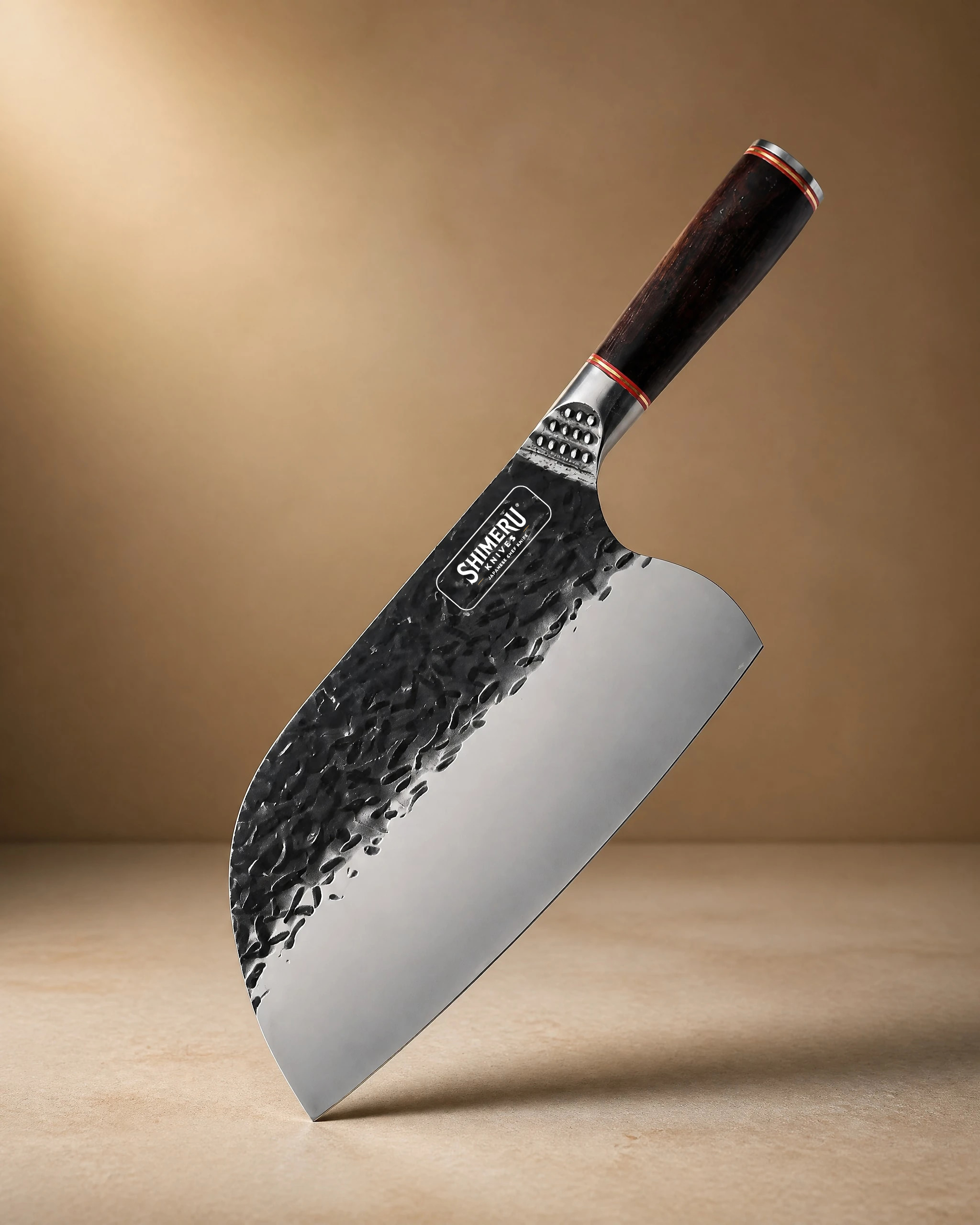 Toyo 7" Stainless Steel Cleaver 中華包丁£54.99View product → with a hardwood handle, and the Saba 7" Stainless Steel Cleaver
 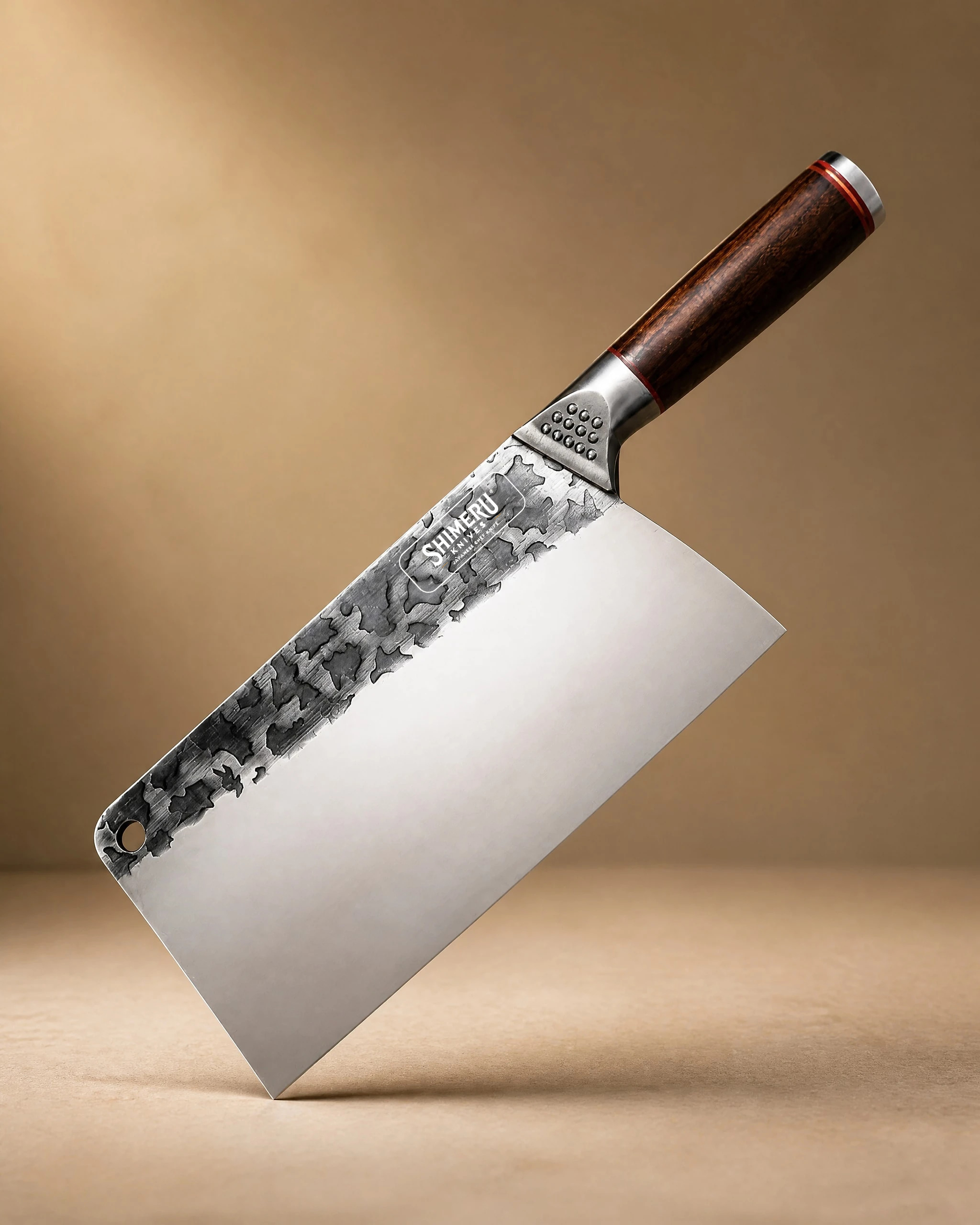 Saba 7" Stainless Steel Cleaver 中華包丁£49.99View product → with an African Wedge hardwood handle. Both are excellent for meat, vegetables and herbs. The Toyo is slightly more robust for heavy chopping, while the Saba has a finer edge for slicing. Which one you choose depends on your primary tasks. If you often chop through chicken bones or squash, the Toyo is a solid choice. For lighter work and more precise cuts, the Saba shines.

The Deba: For Fish and Poultry
Deba is a single bevel knife with a thick spine, designed for breaking down whole fish and poultry. The heavy blade can cut through small bones and cartilage without chipping. It is an essential tool for sushi chefs and anyone who fillets their own fish. The single bevel grind gives very acute cutting edges but requires skilled sharpening. Deba knives are not recommended for general vegetable work as they are too thick and can bruise produce. They come in various sizes, typically from 6 to 9 inches.
Yanagiba: The Sushi Knife
The Yanagiba is a long, slender, single bevel knife used for slicing raw fish into sashimi. Its length (usually 9 to 12 inches) allows for one smooth pull cut without sawing, resulting in clean, translucent slices. The single bevel edge creates a very sharp angled cut. Like the Deba, this knife requires dedicated sharpening techniques. It is not a general purpose knife but rather a specialised tool for raw fish preparation.
Usuba: The Vegetable Slicer
Usuba is a single bevel vegetable knife, similar to the Nakiri but with one side sharpened. It is used by professional chefs for precise vegetable work, especially for cutting thin sheets or decorative shapes. The single bevel allows for extremely sharp edges and fine control. It is less common in home kitchens because of the skill required to maintain the edge. For most home cooks, a double bevel Nakiri or Gyuto will be more practical.
Petty Knife: The Small Utility
The Petty knife is a small, thin knife, usually 4 to 6 inches long. It is like a small Gyuto and is perfect for detail work: peeling, trimming, slicing small fruits or herbs. It is also a great second knife for tasks that are too delicate for a larger blade. Many cooks keep a Petty knife for quick jobs like slicing cheese or cucumbers. It is not essential but very handy.
Choosing the Right Type of Japanese Knife
With so many types of Japanese knife available, the best choice depends on what you cook most often. If you prepare a variety of ingredients, a Gyuto or a Santoku is a great start. If you cook a lot of vegetables, consider a Nakiri. If you work with meat and bone, a cleaver like the Toyo 7" Stainless Steel Cleaver Toyo 7" Stainless Steel Cleaver 中華包丁£54.99View product → or the Saba 7" Stainless Steel Cleaver Saba 7" Stainless Steel Cleaver 中華包丁£49.99View product → will serve you well. For fish, a Deba or Yanagiba might be necessary. As a general rule, look for a blade that feels balanced in your hand and matches your cutting style. The knife guide on our site can help you compare specific models.
Knife Care and Sharpening
Japanese knives are precision tools and require proper care. Always wash them by hand, dry immediately, and store in a knife block or on a magnetic strip. Harder steels can chip if used on hard surfaces like glass or stone cutting boards. Use wood or soft plastic boards instead. Sharpening is crucial. A dull Japanese knife is not only frustrating but also dangerous because you have to apply more pressure. Regular honing with a honing rod (if the blade is not too hard) and occasional sharpening with whetstones maintain the edge. For a convenient option, we recommend the Magnetic Rolling Knife Sharpener 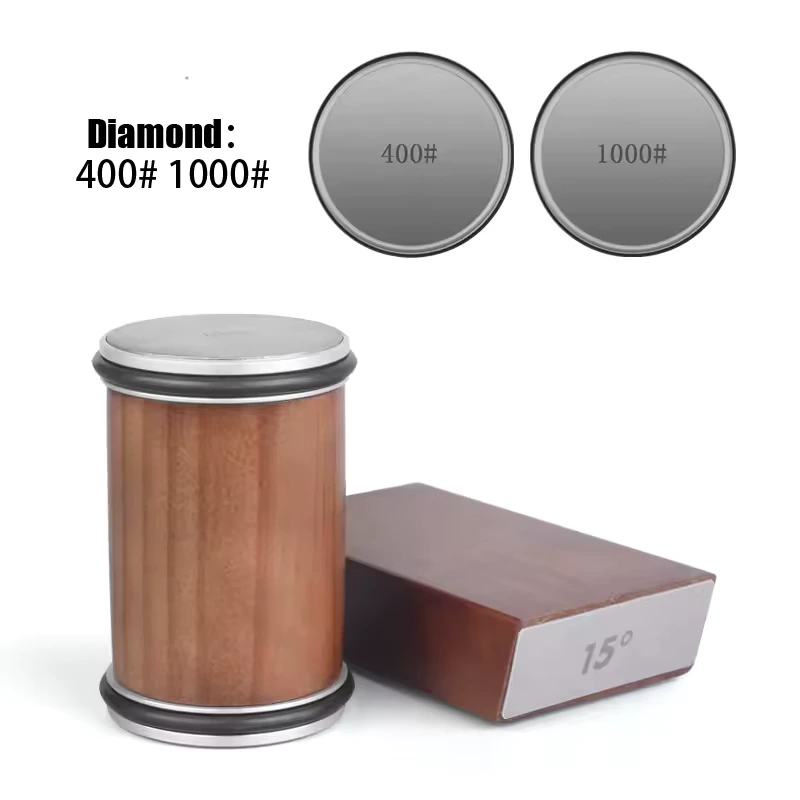 Magnetic Rolling Knife Sharpener£59.99 · currently out of stockView product →. It is simple to use and helps keep your knives consistently sharp. For more detailed care, see our knife care guide.
Summary
Understanding the types of kitchen knives Japanese allows you to match the tool to the task. The Gyuto offers versatility, the Santoku is agile, the Nakiri excels with vegetables, the cleaver is robust, and the Deba and Yanagiba are specialists. At Shimeru Knives, each blade is chosen for its quality and performance. Whether you are starting your collection or adding a new piece, choosing the right type of Japanese knife will make your time in the kitchen more enjoyable and efficient.
Photography: Richard Iwaki via Unsplash.

