





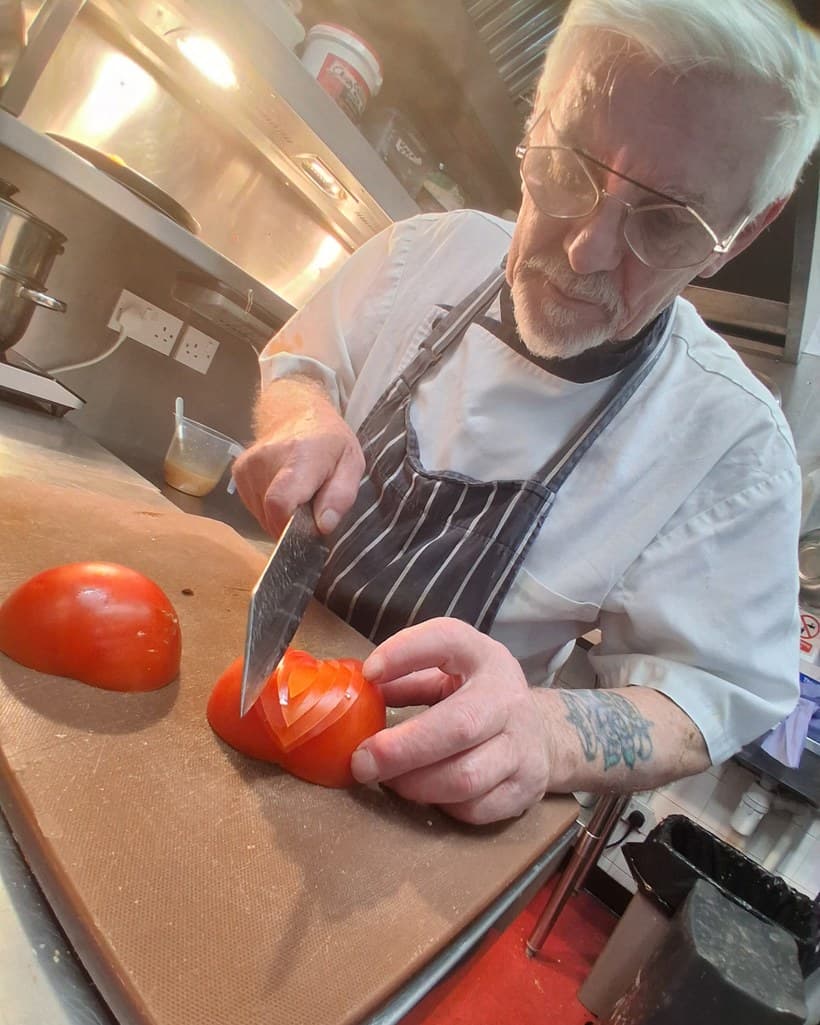
Traditional Japanese Knives for Home Cooks

Traditional Japanese knives have a quiet reputation. They are admired for sharpness, respected for their geometry and often treated as objects for specialists rather than home cooks. That is a shame. A good Japanese knife can make everyday cooking calmer and more precise, but only if it suits the way you actually work. The aim here is not to turn a home kitchen into a professional pass. It is to explain what these knives do well, where they ask more of you, and how to choose without wasting money.
If you are new to the subject, our knife guide is the place to start. This article assumes you want a practical answer: which traditional Japanese kitchen knives are worth considering for a normal home, and what you should know before you buy one.
What traditional Japanese knives actually mean
The phrase covers a wide field. It can mean a single bevel knife with a long history, a double bevel gyuto built for modern kitchens, or a santoku designed for everyday home use. What links them is not one steel or one handle shape. It is a design philosophy: thin edges, clean geometry, and a focus on cutting rather than hacking. Traditional Japanese cooking knives were shaped by ingredients and techniques, from fish and vegetables to precise presentation. Today, many are made for cooks who simply want a better cut at home.
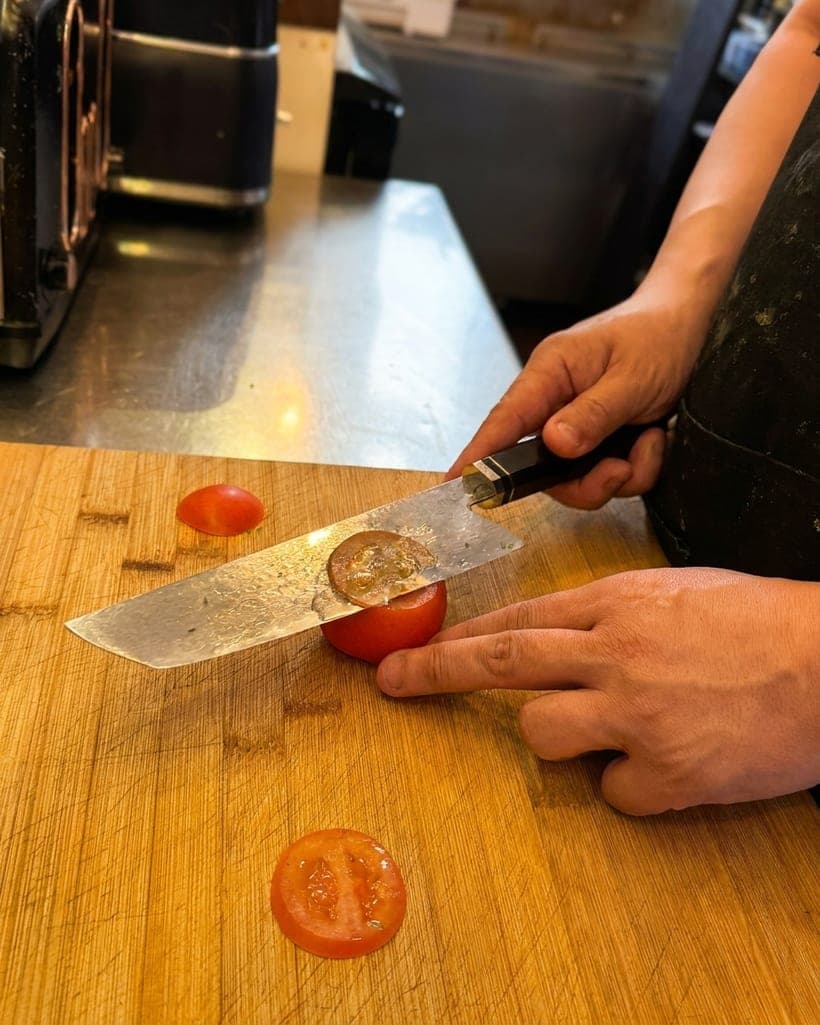
That does not mean every traditional Japanese knife is fragile. It means the edge is usually built to slice cleanly, so it rewards a cook who lets the knife do the work. If you scrape the board, chop through bones or cut on glass, you will feel the difference quickly. If you cut with care, the same knife can be a pleasure for years.
Why they suit home kitchens
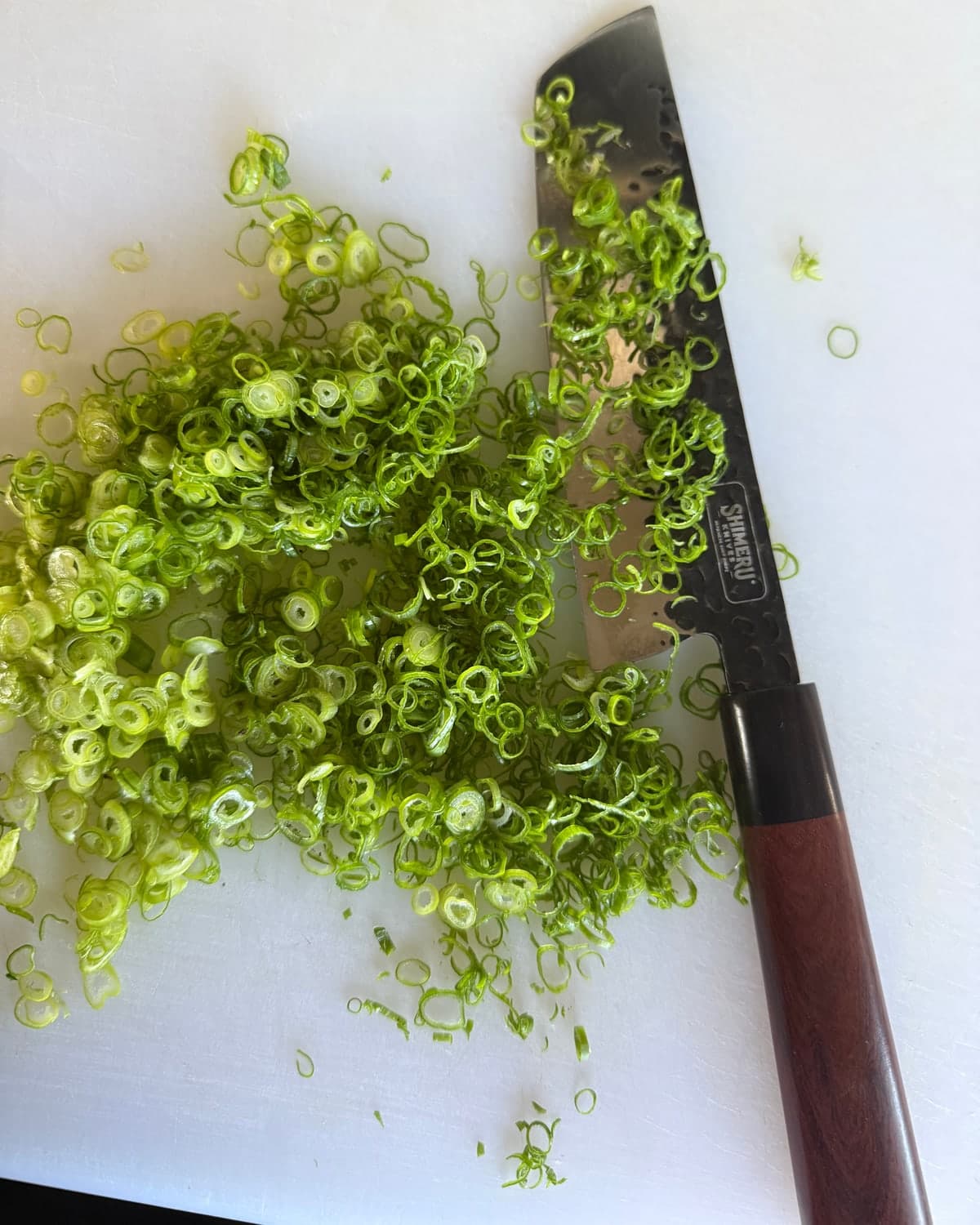
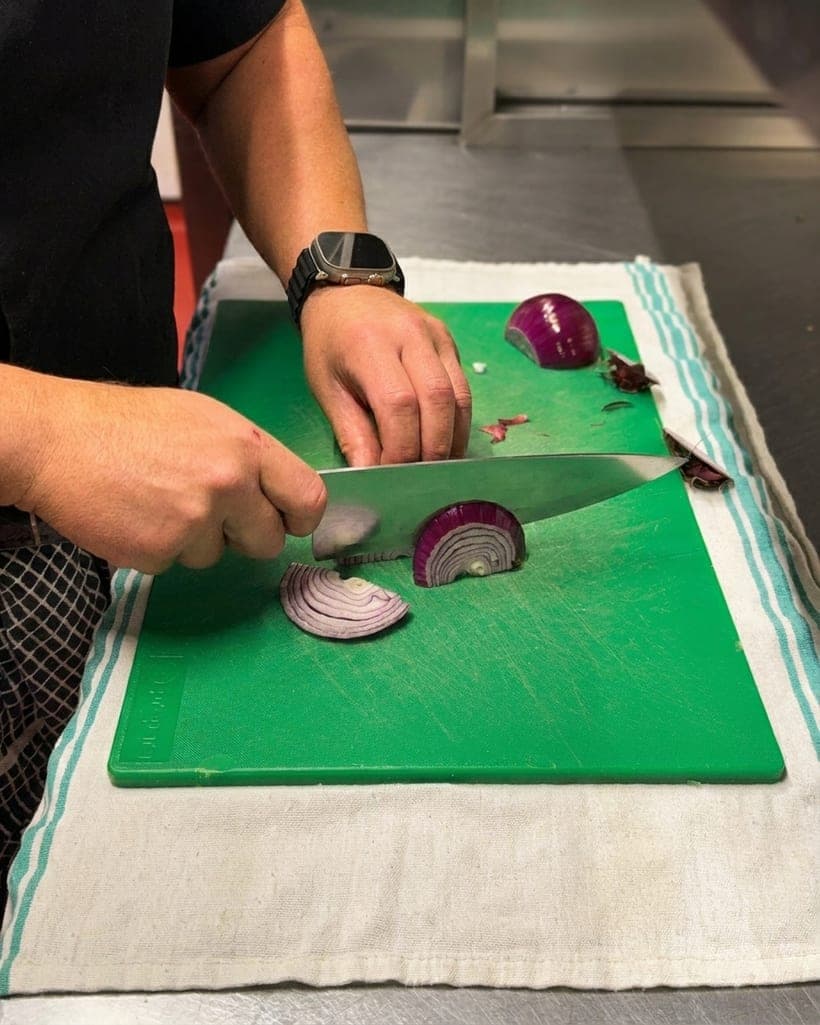
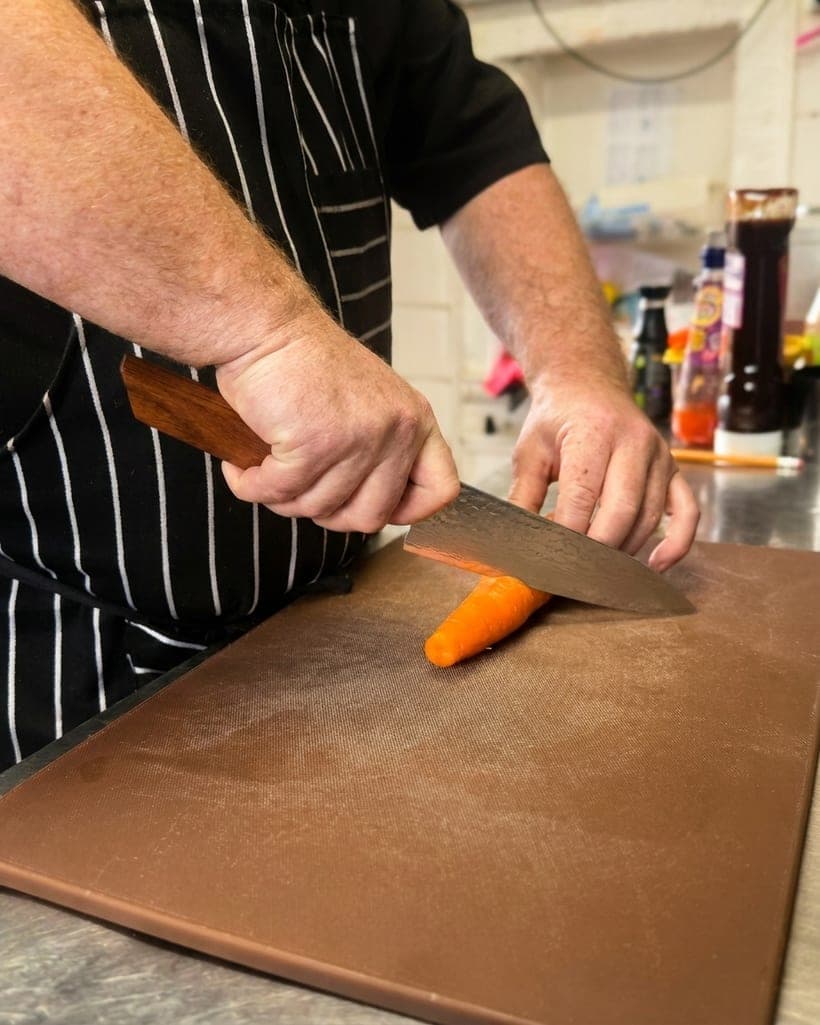
Most home cooking is repetition: onions, carrots, garlic, herbs, chicken, fish, potatoes. A thin, sharp knife makes those jobs quicker and less tiring. It also gives you cleaner pieces, which matters for texture and for even cooking. Traditional Japanese kitchen knives tend to be light in the hand and balanced near the bolster or the heel, depending on the design. That lightness is not a gimmick. It reduces fatigue when you are prepping several meals in a row.
They also encourage better habits. A knife that takes a fine edge asks you to use a proper board, to keep the edge away from the sink and to store it safely. Those habits protect any knife, not just a Japanese one. For a home cook, the practical benefit is a tool that stays pleasant to use rather than one that lives in a drawer and only comes out for special occasions.
The shapes that earn their place
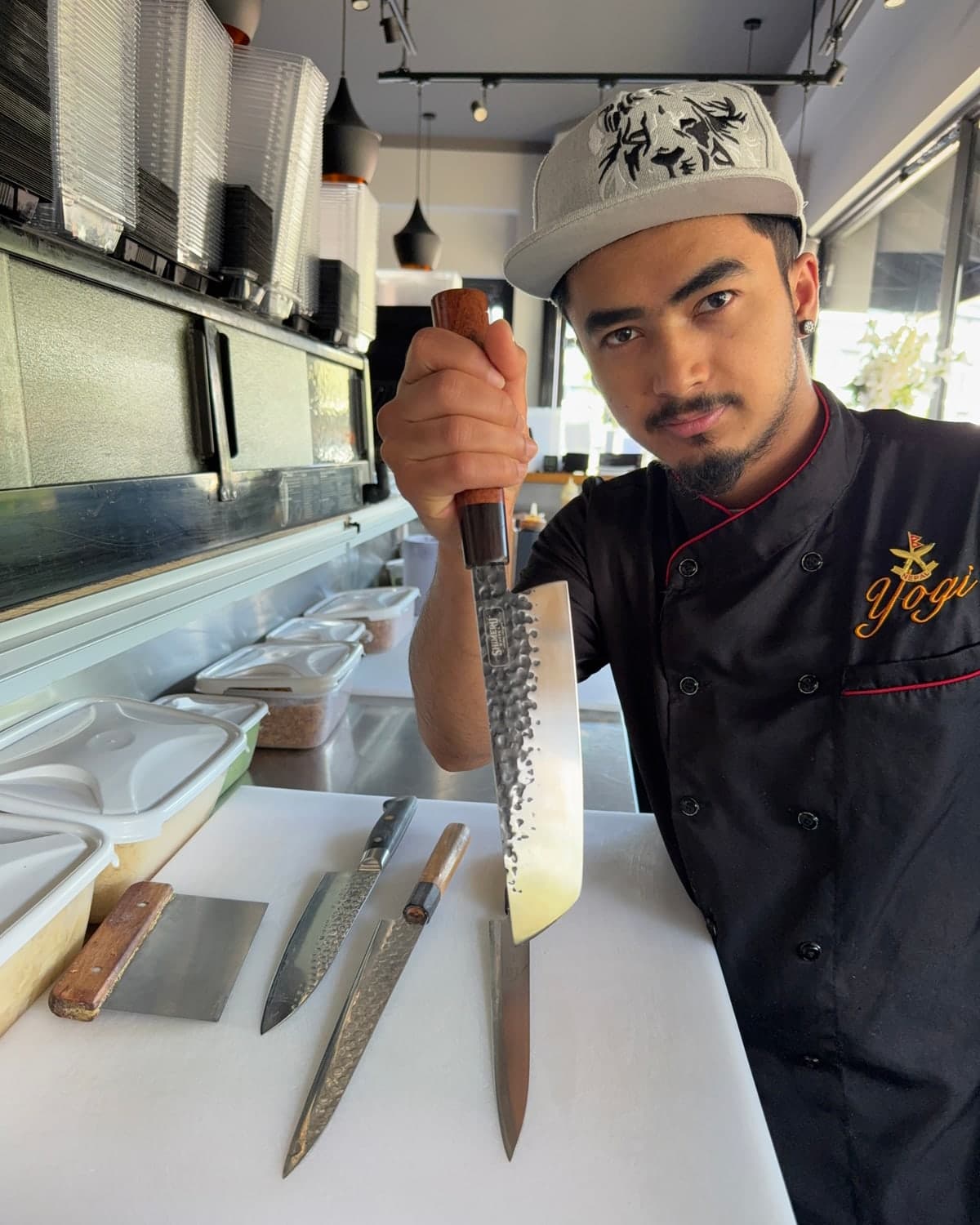
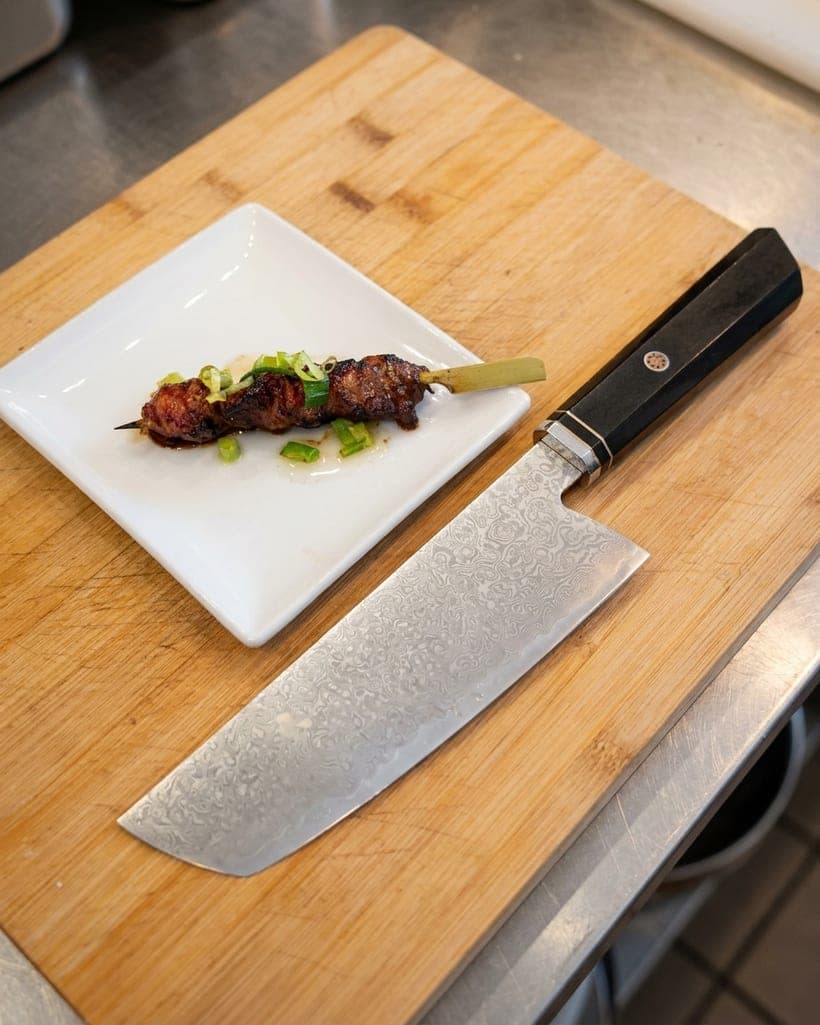
A gyuto is the most useful starting point for most homes. It is the Japanese cook's knife: long enough for cabbage and meat, narrow enough for shallots, and comfortable for rocking or push cutting. A santoku is shorter and flatter, with a shape many people find easy for vegetables and general prep. A nakiri is a vegetable specialist, excellent for clean slices and fine brunoise. A petty knife handles small jobs, from shallots to trimming. A sujihiki is for clean slices of meat or fish, but it is a second or third knife for most homes.
You do not need all of them. One good gyuto, one small petty and a board you actually like will cover more cooking than a large block of knives you never reach for. The best traditional Japanese knives for a home are the ones that fit your hand and your most common tasks, not the ones with the longest feature list.
Steel, edge and honest expectations
Steel choice matters, but it is not the whole story. Stainless steels are forgiving in a busy kitchen and need less attention. Carbon steels can take a very fine edge and develop a patina, but they ask you to dry the blade after use and to accept that the surface will change. Many Japanese knives use a hard core with softer cladding, which is a sensible way to combine edge retention with some toughness. The details vary by maker, and you should judge a knife by its geometry, balance and finish as well as its steel.
A fine edge is not the same as an indestructible edge. Do not cut frozen food, bones or hard squash with a thin Japanese blade unless the knife is designed for it. Do not twist the edge out of a dense onion. Use a clean, straight cut and let the knife follow its own line. If you need one tool for rough work, keep a sturdy European knife for that job and let the Japanese knife do what it is good at.
Handles, balance and the way you cut

The handle is where a knife becomes personal. A traditional wa handle is light and simple, with a shape that many cooks find natural in a pinch grip. A Western style handle can feel familiar if you are moving from European knives. Neither is better in the abstract. What matters is whether the knife feels controlled when you cut, whether the balance sits where you expect, and whether the handle stays comfortable after twenty minutes of prep.
For an everyday gyuto, 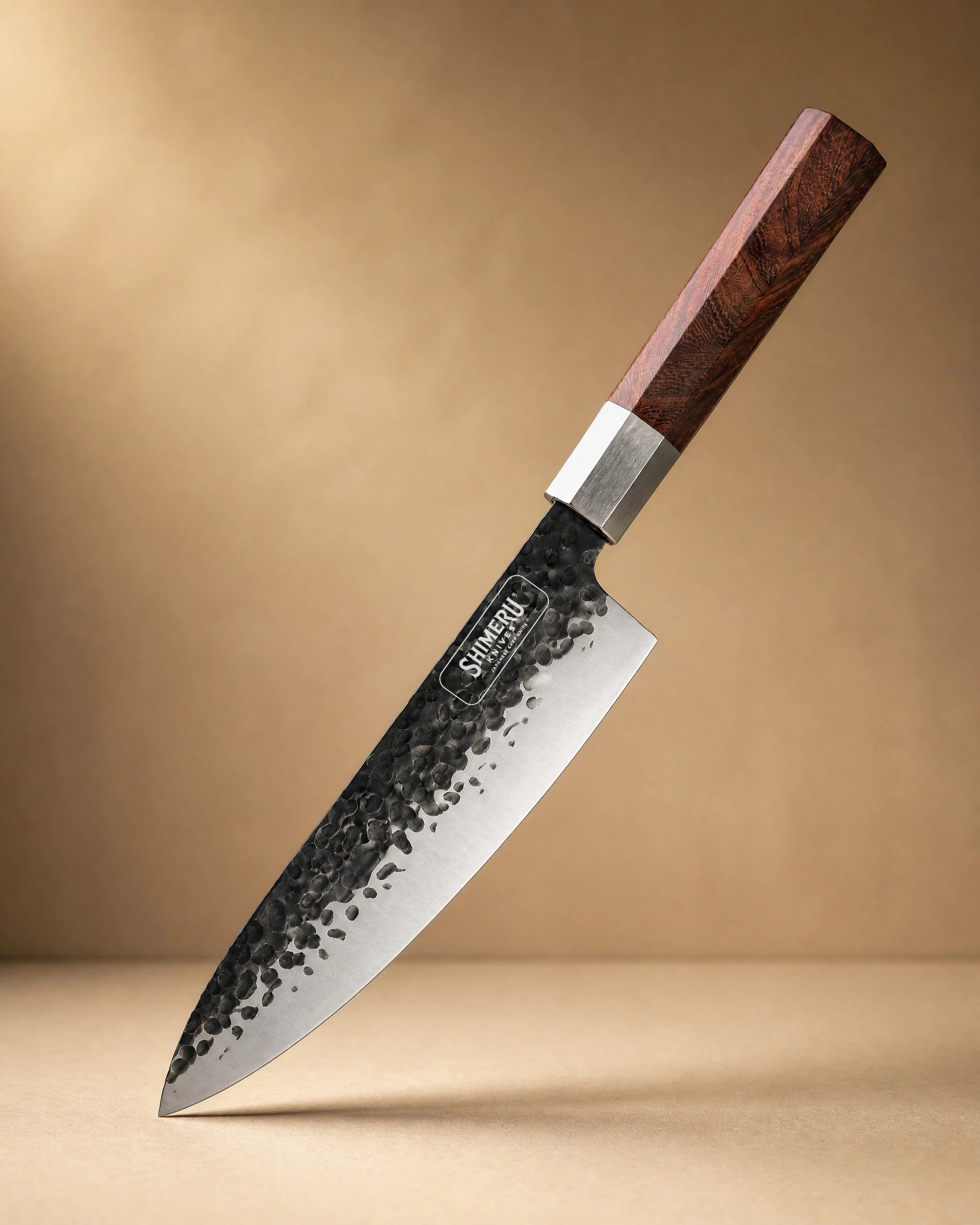 Sendai 8" Steel Gyuto Knife 牛刀£49.99View product → is worth handling. It is the sort of knife that suits a home cook who wants a clean, general purpose blade without turning every meal into a maintenance project. Hold it, check the balance and imagine it beside your board. That is a more useful test than reading a long list of features.
Damascus, finish and what you are paying for
Damascus patterns are beautiful, and there is nothing wrong with wanting a knife that looks good. But a pattern is not a promise of better cutting. It usually reflects layered construction or a surface treatment, and it adds cost. Judge the knife on the edge, the grind, the balance and the handle first. The pattern should be the last reason to buy, not the first.
If you want a patterned finish in a gyuto, 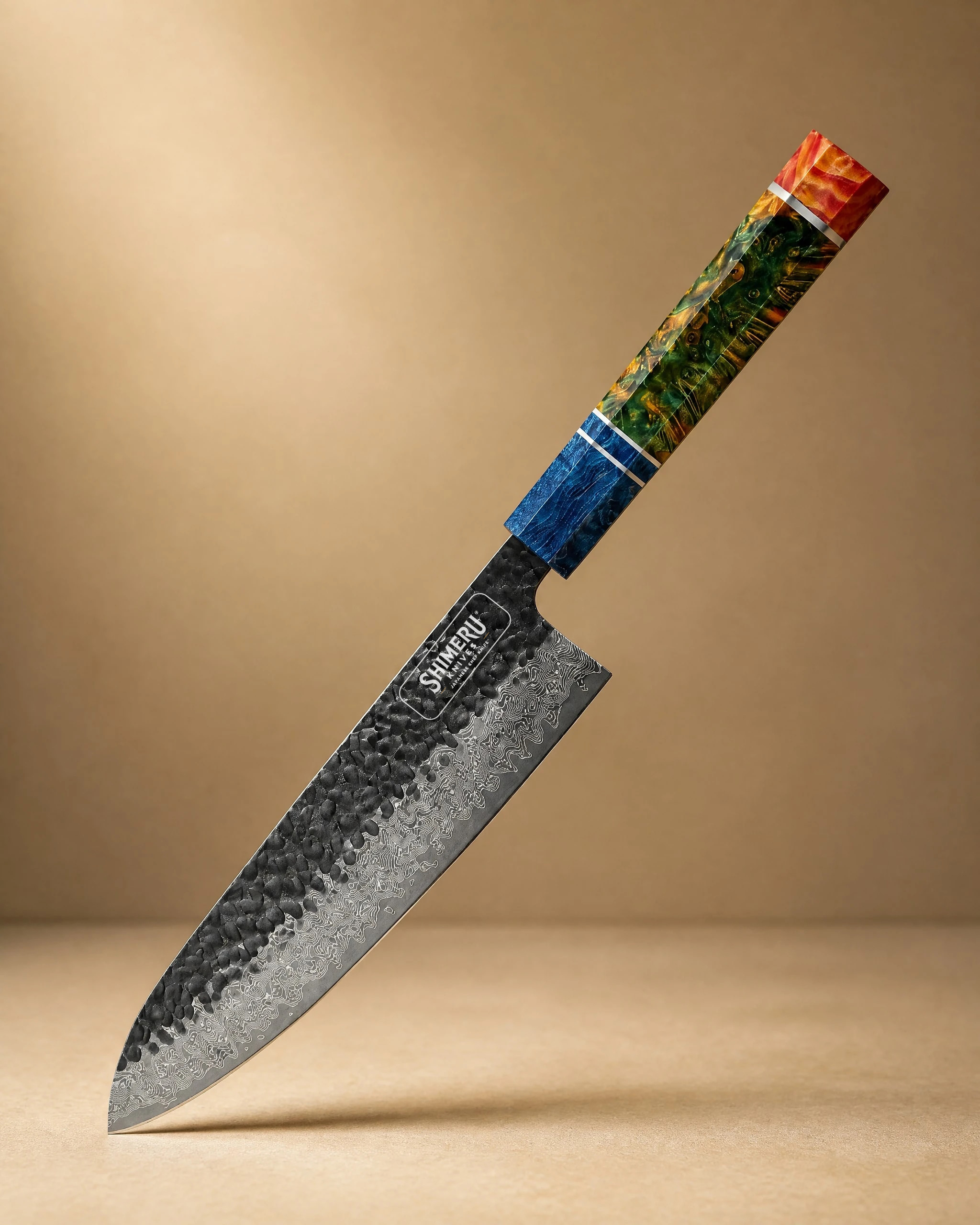 Yoshii 8″ Damascus Steel Gyuto Knife 牛刀£79.99View product → is the one to consider. It will appeal to cooks who want a distinctive blade on the board. Just be honest with yourself about care. A decorative finish still needs the same respect as any fine knife: keep it dry, keep it safe and do not treat it as a scraper.
A set may suit some homes
Sets are often sold as a shortcut, and sometimes they are sensible. A matched set can give you a consistent look, a place to store the knives and a clear starting point if you are replacing a tired block. The risk is paying for knives you will never use. Before buying a set, think about the jobs you do each week. If you regularly cook fish, meat and vegetables, a set can work. If you mostly chop vegetables and slice the occasional chicken breast, a single gyuto and a petty may be enough.
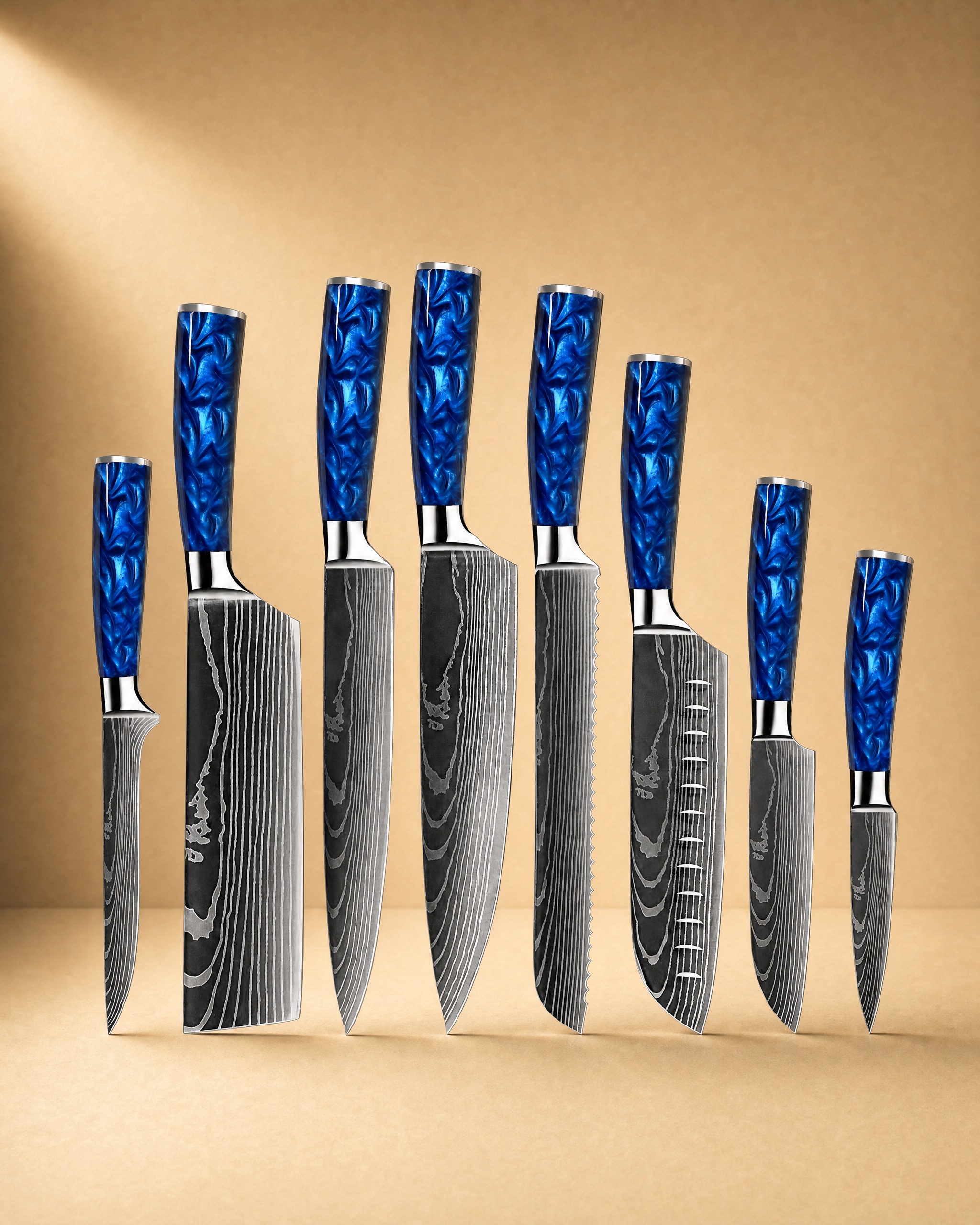 Shinano 信濃川 Damascus Pattern Stainless Steel Kitchen 8 Knife Set£149.99View product → is a good example of a set to assess on that basis. Look at the shapes, the sizes and the storage, then ask whether each knife has a job in your kitchen. Do not buy a set because it looks complete. Buy it because it answers a real need.
The board and the sink matter more than the brand
Most knife damage happens outside the cut. A glass or stone board will dull an edge quickly. A dishwasher will expose the handle and steel to heat, moisture and movement. Leaving a knife wet in the sink is worse than almost anything you can do at the board. Use a wooden or soft plastic board, wash the knife by hand and dry it straight away. Store it on a magnetic strip, in a drawer with a guard, or in a block that holds it securely.
Our knife care guide explains the routine in more detail. The short version is simple: cut on a suitable surface, clean and dry after use, and sharpen when the edge starts to slide rather than tear. Traditional Japanese cooking knives reward that routine. They do not need to be treated as delicate ornaments, but they do need to be treated as knives.
A simple way to choose
Start with the job you do most. If you want one knife for most kitchen tasks, 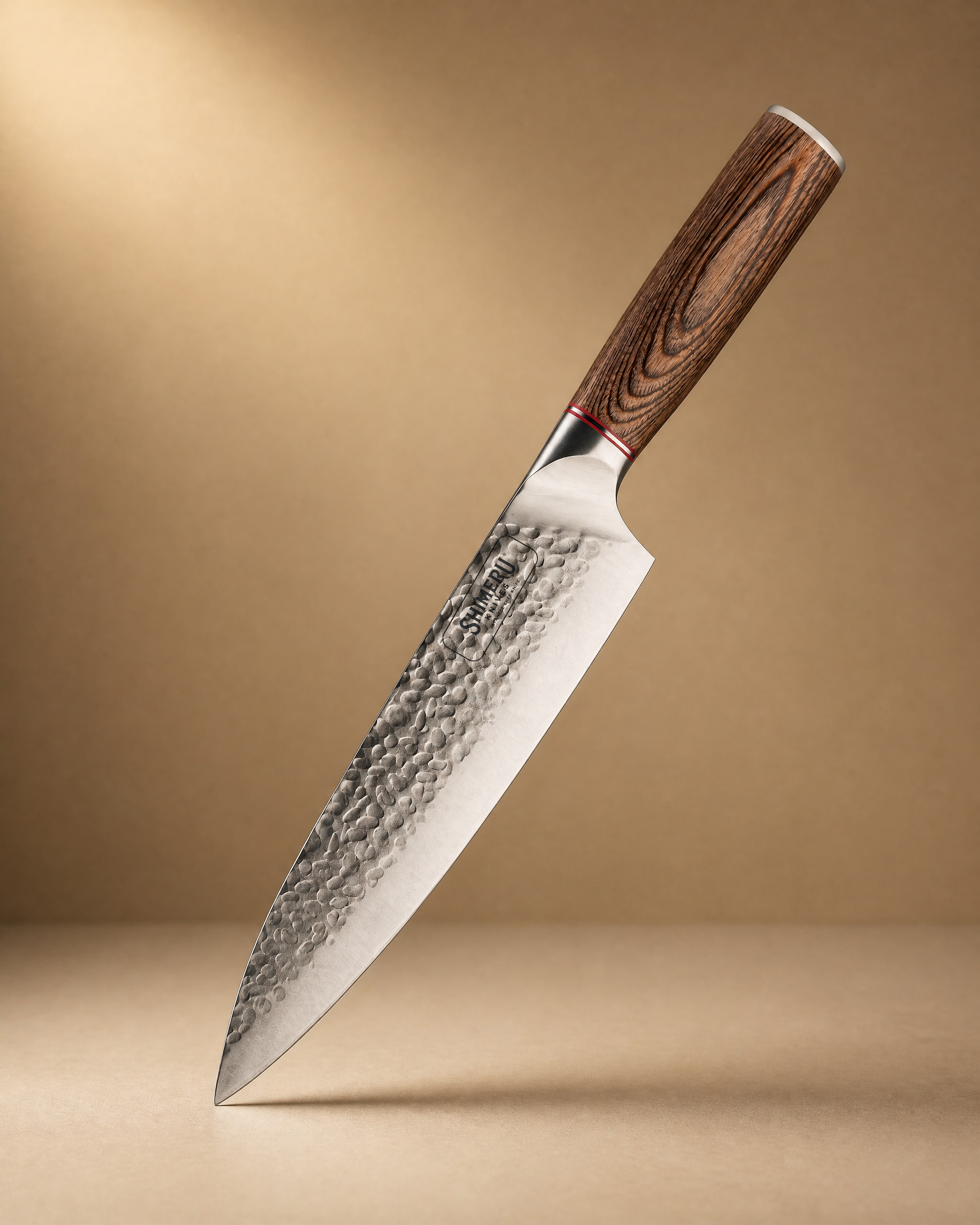 Akan 8'' Gyuto Knife 牛刀£49.99View product → is a sensible reference point for a first gyuto. If you want a patterned finish and a distinctive look, look again at Yoshii 8″ Damascus Steel Gyuto Knife 牛刀£79.99View product →. If you prefer a simpler everyday blade, Sendai 8" Steel Gyuto Knife 牛刀£49.99View product → is the natural comparison. If you are outfitting a kitchen from scratch and want a matching set, Shinano 信濃川 Damascus Pattern Stainless Steel Kitchen 8 Knife Set£149.99View product → deserves a look.
Before you decide, ask four questions:
- Does the knife feel balanced in my hand?
- Does the blade length suit my board and my storage?
- Am I willing to wash and dry it by hand every time?
- Does it cover the cooking I actually do each week?
If you can answer those honestly, you will avoid most bad purchases. You can compare the full range at the knife shop, where the live cards show the current details and prices. Read the specifications, but do not let them decide for you. A knife is a tool, and the best tool is the one you enjoy using with care.
A knife you use is the right knife
Traditional Japanese knives are not a test of worthiness. They are a style of tool with a long history and a clear set of strengths. For a home cook, the appeal is simple: a thin, sharp blade that makes prep feel more controlled and more enjoyable. The trade off is care. If you are willing to use a proper board, wash by hand and learn to sharpen, a Japanese knife can become the most used tool in your kitchen.
If you are not ready for that, wait. Buy a knife you will actually look after. The best traditional Japanese knives for your home are not the most expensive or the most decorative. They are the ones that match your cooking, your hand and your habits. Start with one good blade, learn how it behaves, and add another only when you have a job that needs it.
Photography: Richard Iwaki via Unsplash.

