






Norton Whetstones: A Guide for UK Sharpening
Norton is one of those names that arrives in a workshop almost by accident. A carpenter inherits an India stone from a grandfather, a carver buys a Crystolon because it was the only coarse stone on the shelf, and thirty years later both are still doing the job they were bought for. For kitchen knives in the UK, the Norton whetstone sits in an odd position: widely respected, widely copied, and rarely explained properly. This guide sets out what the different Norton stones are, what they are honestly good at, and where they fit into a home sharpening routine.
An abrasives company, not a knife brand
Norton started in Worcester, Massachusetts in the 1880s, making industrial abrasives long before anyone thought about kitchen knives. The company is now part of Saint-Gobain, and the sharpening stones still come out of that same tradition: flat, consistent, and made to industrial tolerances rather than artisanal ones.
A Norton sharpening stone does not flatter you. It feels hard and slightly gritty, it does not smell of cedar, and it will not turn to mud in the first minute. What it does is cut steel at a steady rate, stay flat for a long time, and make you responsible for the angle. That last point matters more than it sounds. A soft water stone gives feedback and forgives a wandering wrist. A hard oilstone does neither, so your angle becomes reliable because nothing is hiding the mistake.
Two families of stone, one real decision
Norton's sharpening range divides into oilstones and water stones, and choosing between those two groups is the only decision that genuinely changes how you work.
Oilstones are hard bonded abrasives, used with a few drops of thin honing oil or, if you prefer, plain water. They wear slowly, dish slowly, and will outlast most of the knives you own. They are also heavy, and the oil side of things gets messy if you are careless.
Water stones are softer. They break down as you sharpen, exposing fresh abrasive, which is why they cut faster. They need soaking, they dish more quickly, and they need flattening. In exchange they handle modern stainless steels and hard carbon steels with less effort.
Norton oilstones: India and Crystolon
When someone mentions a Norton oilstone, they usually mean an India stone. India is aluminium oxide, dense and evenly graded, sold as single grits and as combination stones with a coarse face on one side and a fine face on the other. It is the classic bench stone for chisels, plane irons and, yes, kitchen knives.
Crystolon is silicon carbide: harder, sharper-cutting and more aggressive. It removes material quickly, which makes it a sensible choice for resetting a badly blunt or chipped edge, or for thinning a blade. It is less forgiving on a thin, hard kitchen edge, and easy to overdo if you lean on it.
The honest limitation of both is finish. An oilstone gives you a clean, slightly toothy, very usable working edge. It will not give you a mirror bevel or the kind of polish people photograph. For slicing, chopping and general cooking that trade is usually a good one, because a toothy edge bites into tomato skin and bread crust better than a highly polished one.
One practical warning. Oil migrates. If you sharpen knives with wooden handles or ferrules, keep the stone on a folded cloth, wipe the blade thoroughly afterwards, and never leave a handle sitting in a pool of oil.

Norton water stones
Norton's water stones are the softer, faster alternative, usually sold as combination stones pairing a coarse face with a fine one. They need a soak before use, they cut quickly, and the slurry they produce keeps fresh abrasive working on the edge. On a hard stainless gyuto they remove steel noticeably faster than an India stone of similar grading.
The cost is upkeep. A water stone dishes, and a dished stone cannot produce a straight bevel. You will need a flattening method: a diamond plate, or coarse abrasive sheet on a flat surface. Budget for that from the start rather than discovering it three months in.
Grit, sequence, and why the numbers confuse people
Norton's grading does not map neatly onto the Japanese system, and comparing a Norton number with a Japanese number is usually a mistake. What matters is the sequence, not the digits.
- A coarse stone for repairing damage, resetting a bevel or thinning.
- A medium stone for routine maintenance, which is where most of your sharpening should happen.
- A fine stone for finishing, used briefly and lightly.
Most home cooks can keep a knife in excellent condition with two stones and never touch a third. Buying a full ladder of grits before you can hold a consistent angle is the most common way to waste money on sharpening.
Using an oilstone without ruining the blade
Oil or soak the stone, place it on a non-slip surface, and establish the angle before you move. For most kitchen knives that means something in the region of 15 to 20 degrees per side, with thinner Japanese blades towards the lower end and heavier European patterns towards the higher end. Use light pressure and let the abrasive work. Heavy pressure on a hard stone does not sharpen faster, it rounds the edge and wears your arm out.
Work in sections along the edge, keep the angle constant, and raise a burr along one side before you move to the other. Then remove the burr with a few feather-light passes at the same angle. Wipe the blade clean, dry it, and put it away.
Keeping the stone flat
Oilstones stay flat far longer than water stones, but they are not immortal. Check with a straight edge every few months. If light shows under the middle, flatten it: a diamond plate or coarse wet abrasive paper on a flat tile will restore it in a few minutes. A flat stone is the difference between a sharp knife and a sharp knife with an inconsistent bevel. Our knife care guide covers the wider routine around this.
Matching a Norton stone to the knives you own
If you own one good stainless gyuto, such as the 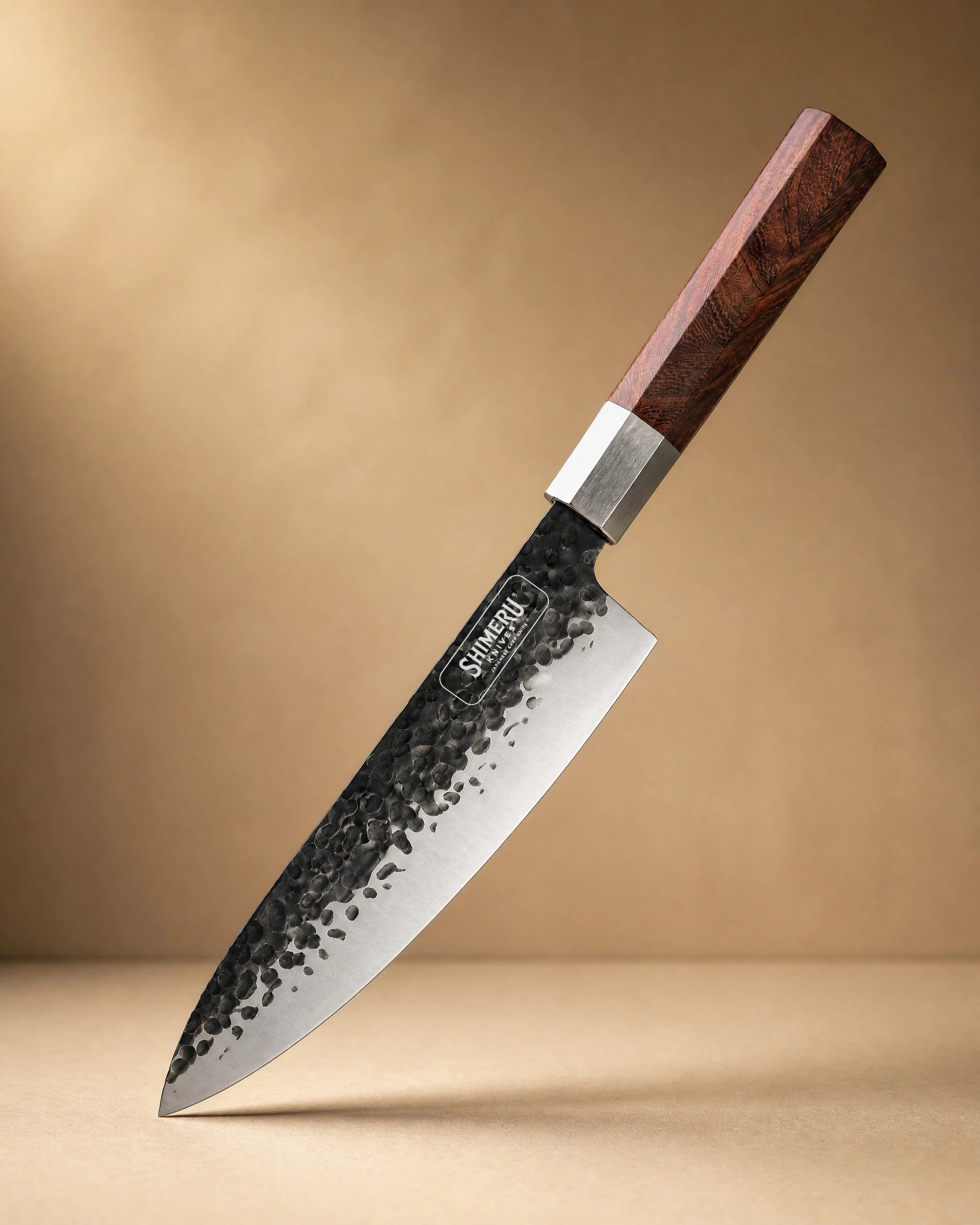 Sendai 8" Steel Gyuto Knife 牛刀£54.99View product →, a medium India combination or a Norton combination water stone is all you need. Stainless steel of that kind responds well to a straightforward medium grit and does not demand a delicate touch.
Thin, layered blades ask for more care. The 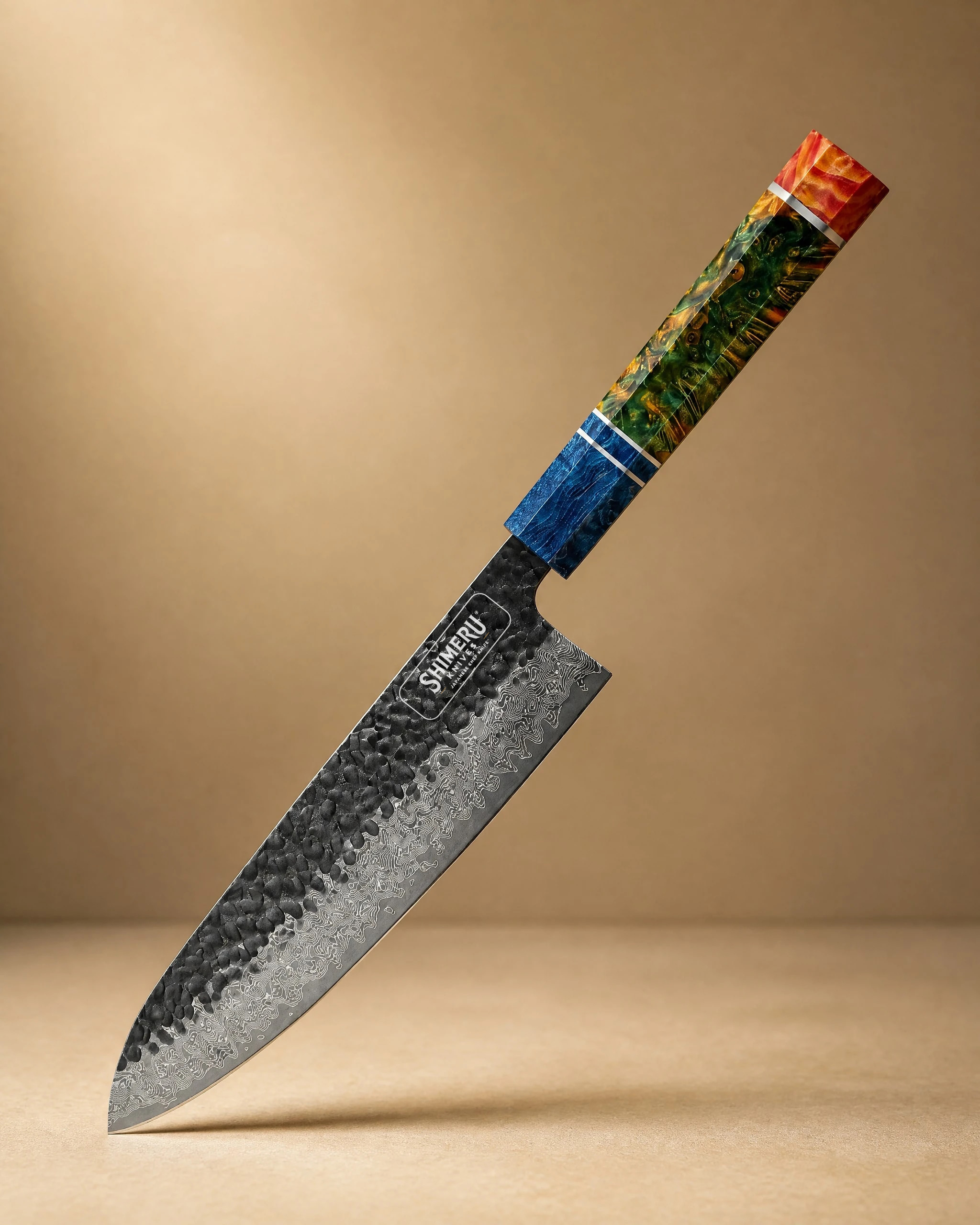 Yoshii 8″ Damascus Steel Gyuto Knife 牛刀£84.99View product → is built from 67 layers of Damascus steel around a hard core, and an edge that thin punishes heavy-handed work on a coarse stone. If a knife of this type is your daily knife, keep the coarse work for genuine damage and do your routine sharpening on a medium or fine face with light pressure.
Everyday pakkawood-handled knives, like the 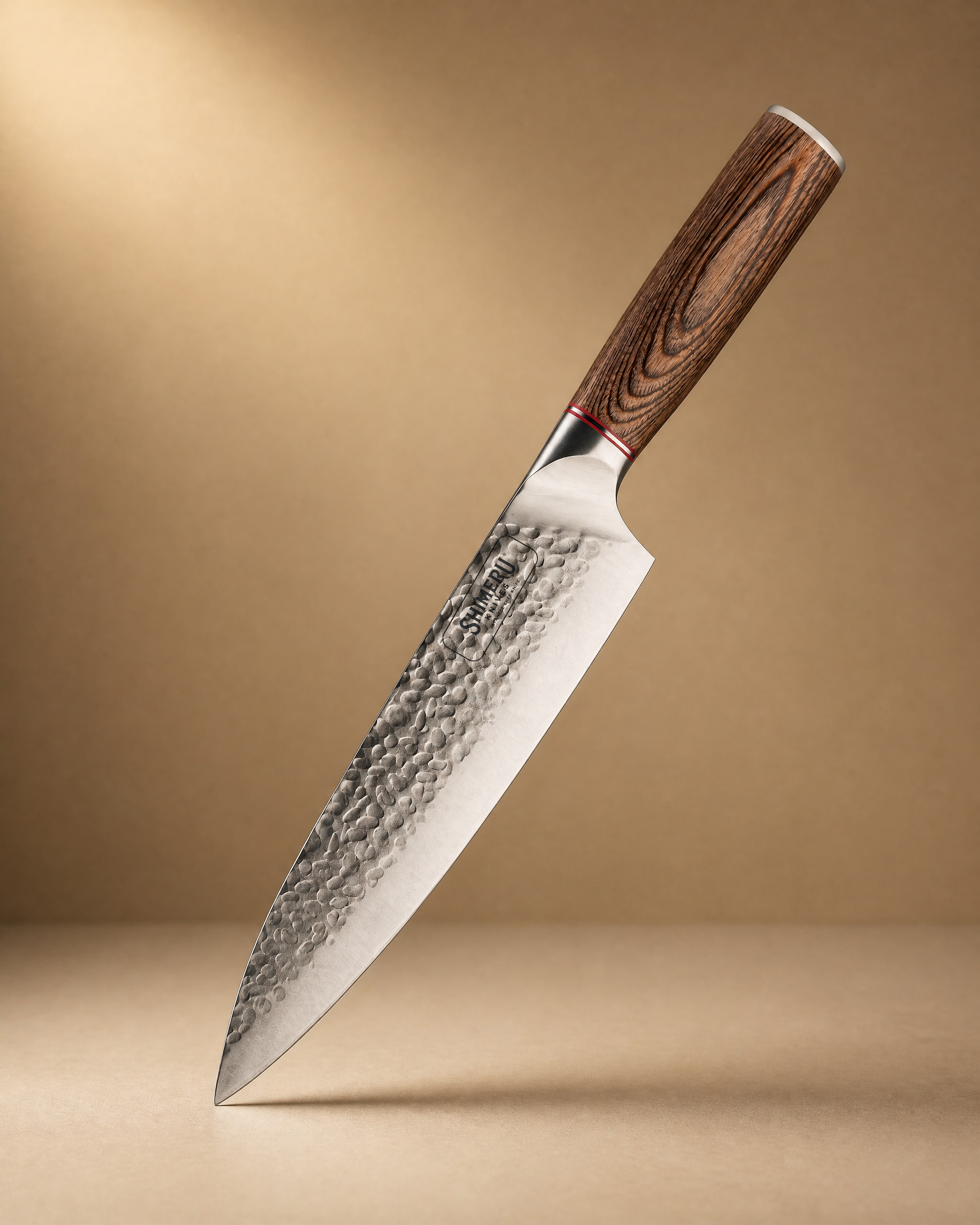 Akan 8'' Gyuto Knife 牛刀£54.99View product →, sit in the middle: stainless, robust, and happy on a combination stone. A set such as the
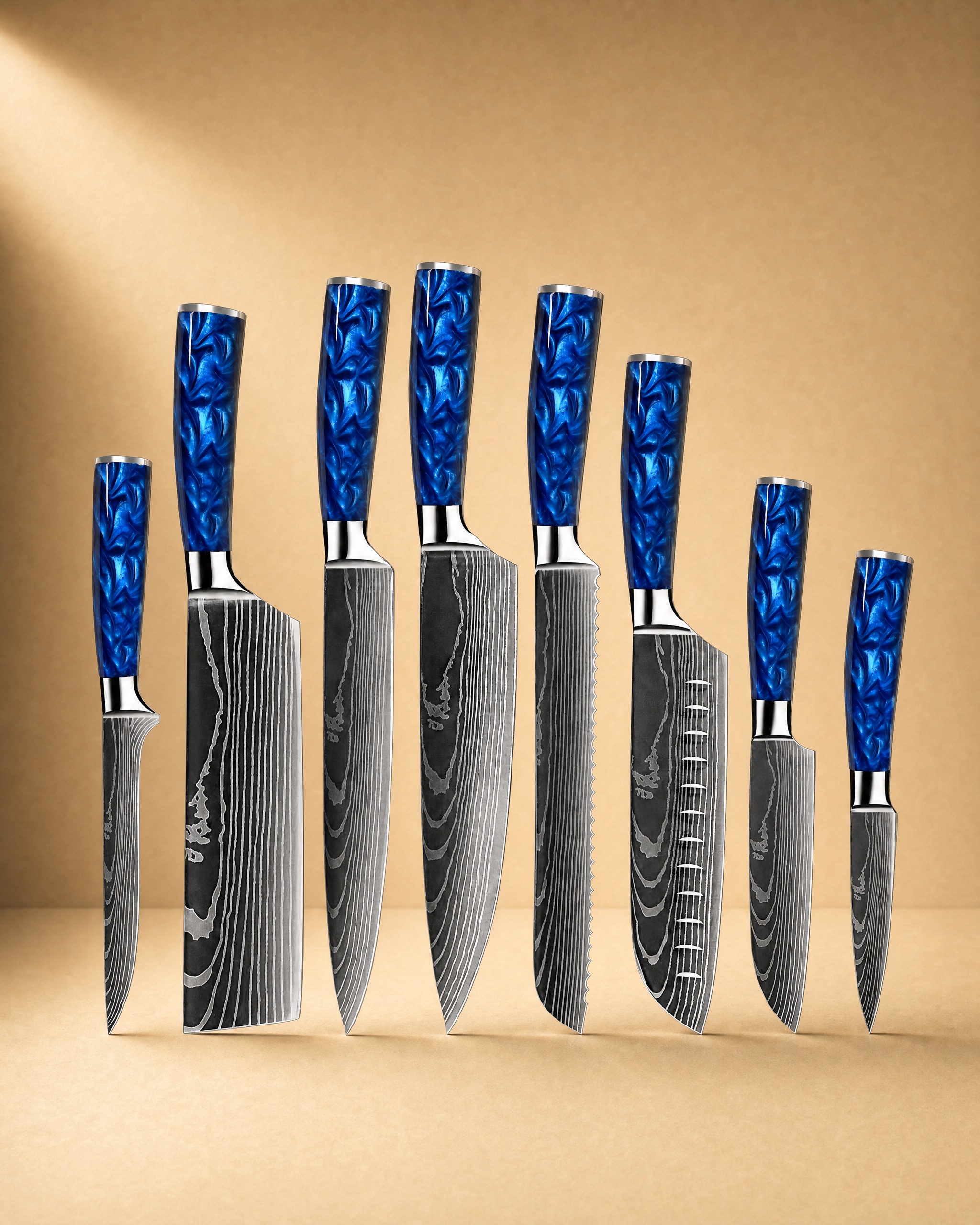 Shinano 信濃川 Damascus Pattern Stainless Steel Kitchen 8 Knife Set£154.99View product → changes the maths slightly. With several knives to maintain, a flattening plate and one medium stone used regularly will serve you better than a drawer full of grits.
If you are still deciding what to buy first, our knife guide is a reasonable place to start, and the full range of stones and rods sits in the sharpeners category.
Buying a Norton whetstone in the UK
If you want one Norton whetstone for a UK kitchen and nothing else, buy a combination stone in a medium range and learn to use it properly. Add a flattening method. Add a finer stone later, once your angle is consistent and you can feel the difference it makes.
Buy from a seller who stocks the stone as a tool rather than a gift, and do not pay extra for a wooden box you will never open. The stone is the thing. Everything else is packaging. When you are ready to look at knives that deserve a good edge, the whole knife shop is here.


