
Top Japanese Knife Brands for Home Cooks

Why Japanese knives have become a home kitchen default
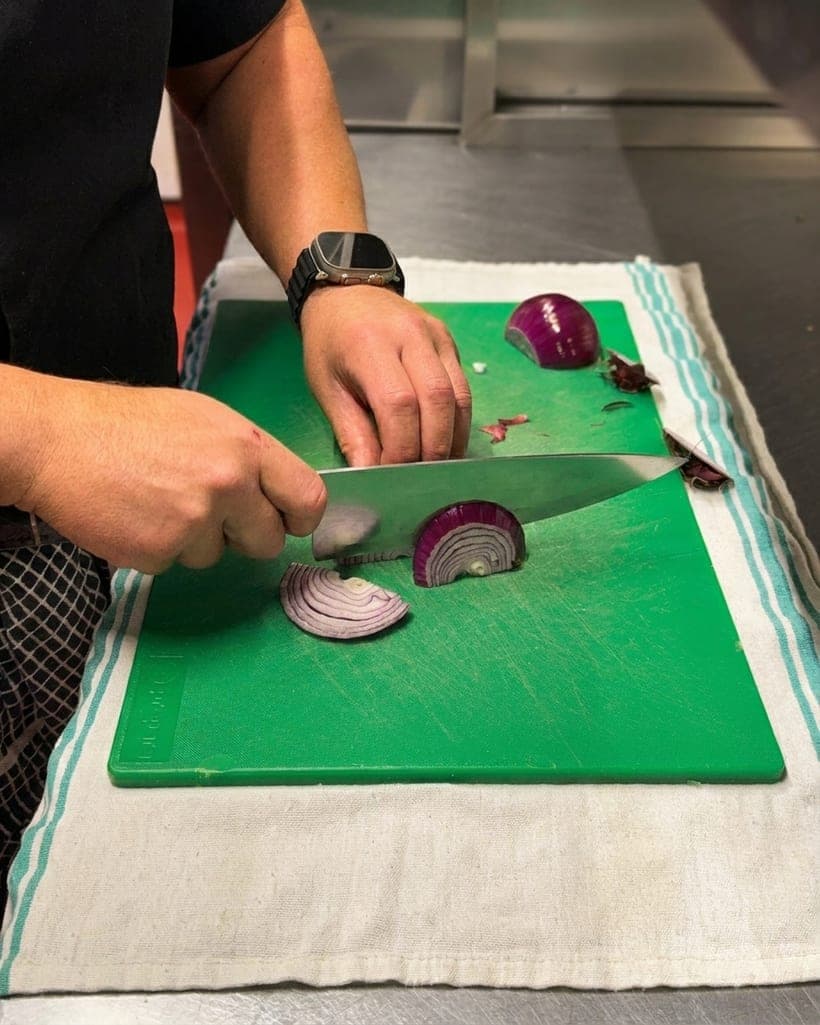
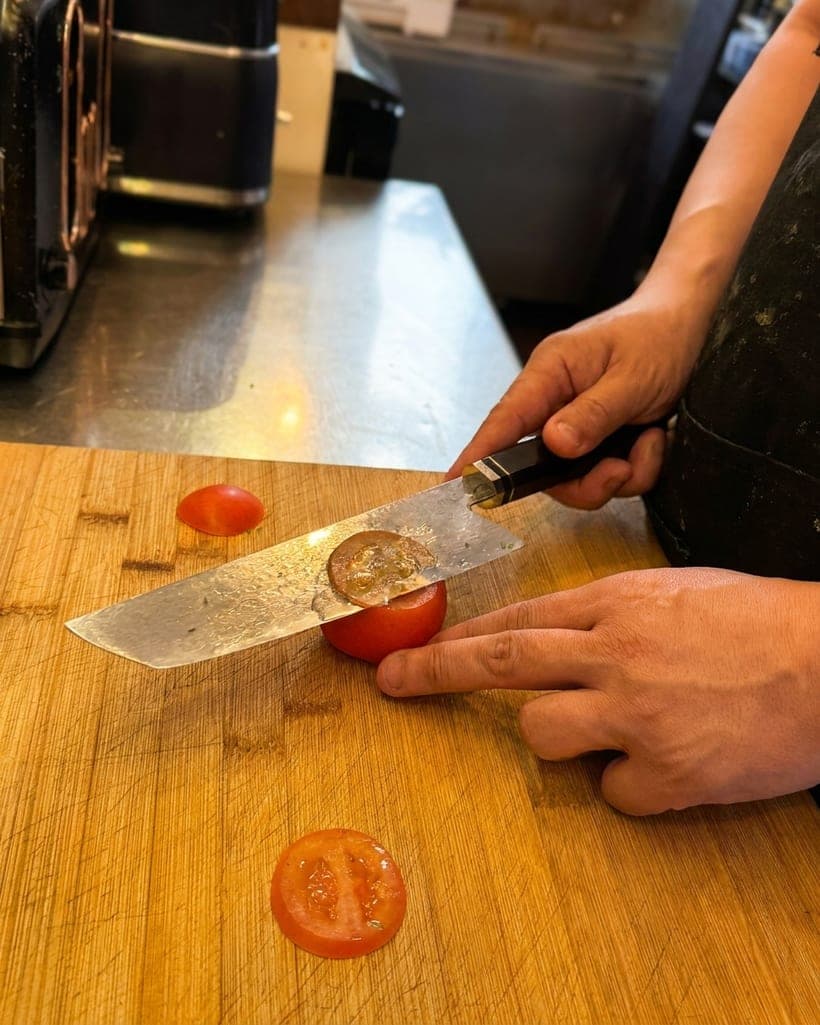
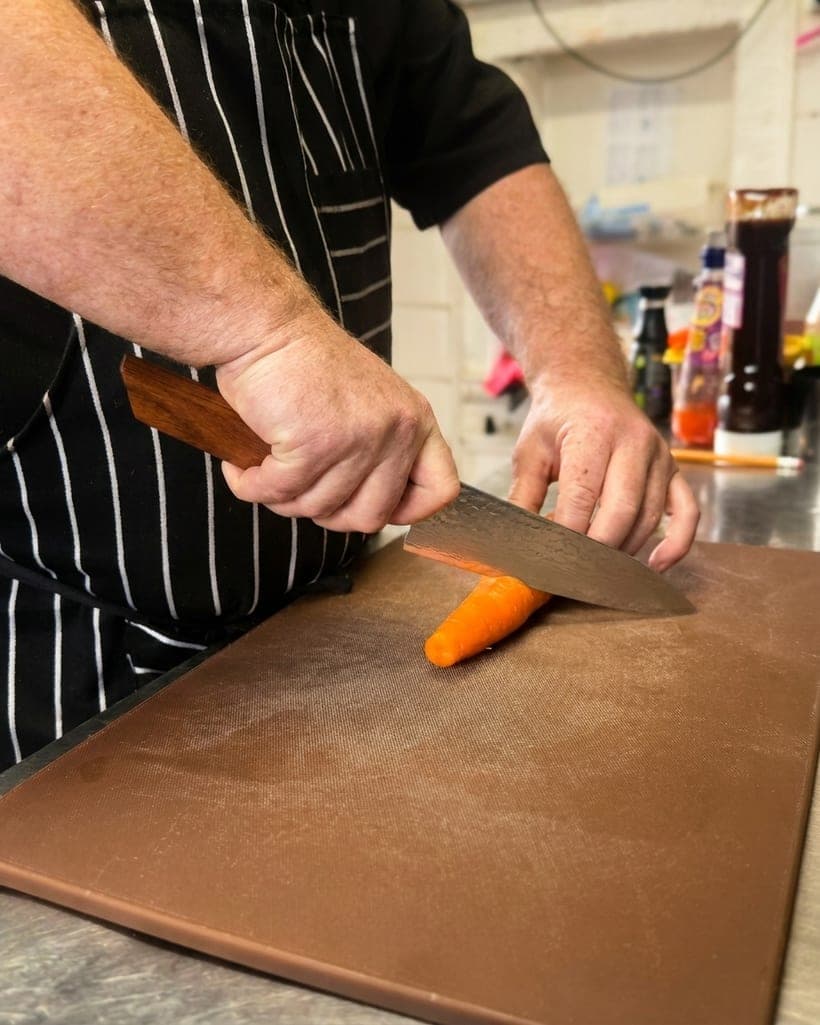
Walk into any serious home kitchen in the UK and you will increasingly find a Japanese knife on the board. It comes down to geometry. Japanese kitchen knife manufacturers tend to grind blades thinner behind the edge than their European counterparts, which means less resistance when you cut. A carrot gives way rather than cracks. An onion slices cleanly instead of bruising.
There is also the steel. Many Japanese knives use harder alloys, often in the 58 to 62 HRC range, which holds a keen edge for longer. The trade off is that harder steel is more brittle, so you need to avoid twisting the blade and be sensible about what you cut. No frozen food, no bones, no coconuts.
The range of brands can be confusing though. Some names are large international companies, others are small workshops in a few streets of a single city. This guide covers the brands you will actually encounter.
Kai: the easiest starting point for most people
Kai is one of the biggest names in Japanese cutlery and the one most home cooks meet first. Kai knives japan covers a wide span, from reasonably priced Seki Magoroku ranges to the better known Shun line. What makes Kai useful for a beginner is consistency. The grinds are clean, the fit and finish is reliable, and you can find them in the UK without importing directly. If you want one knife that will not intimidate you, a mid range Kai gyuto or santoku is a sensible place to begin.
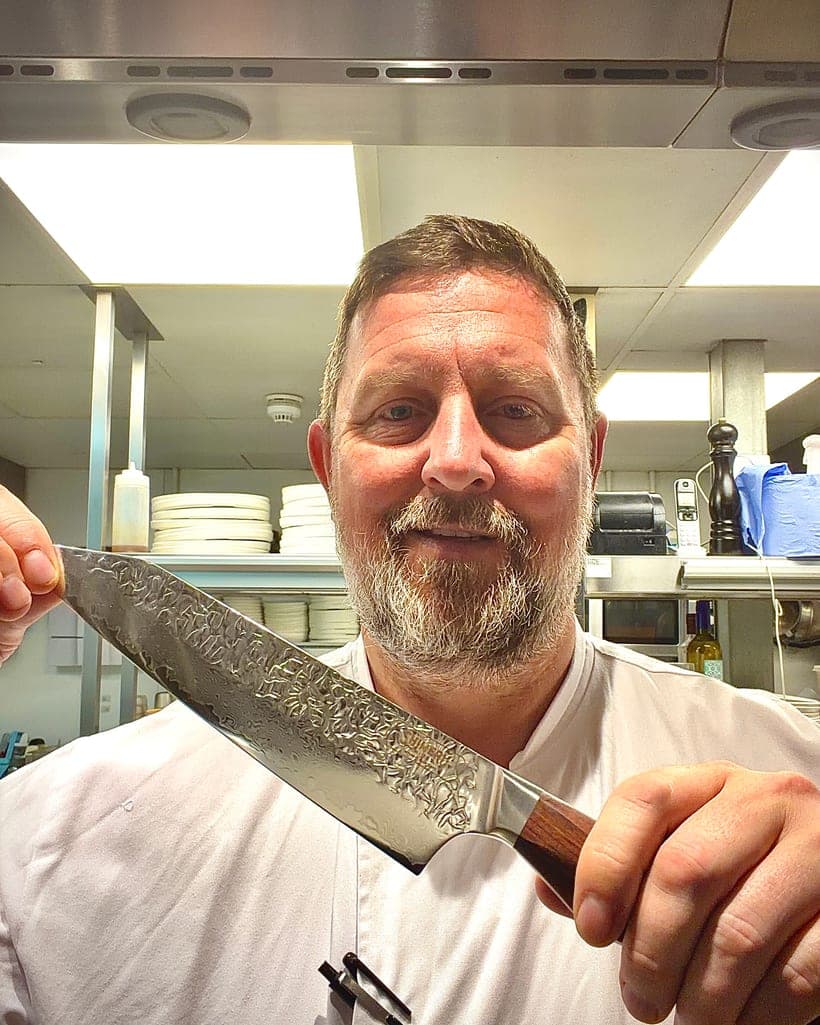
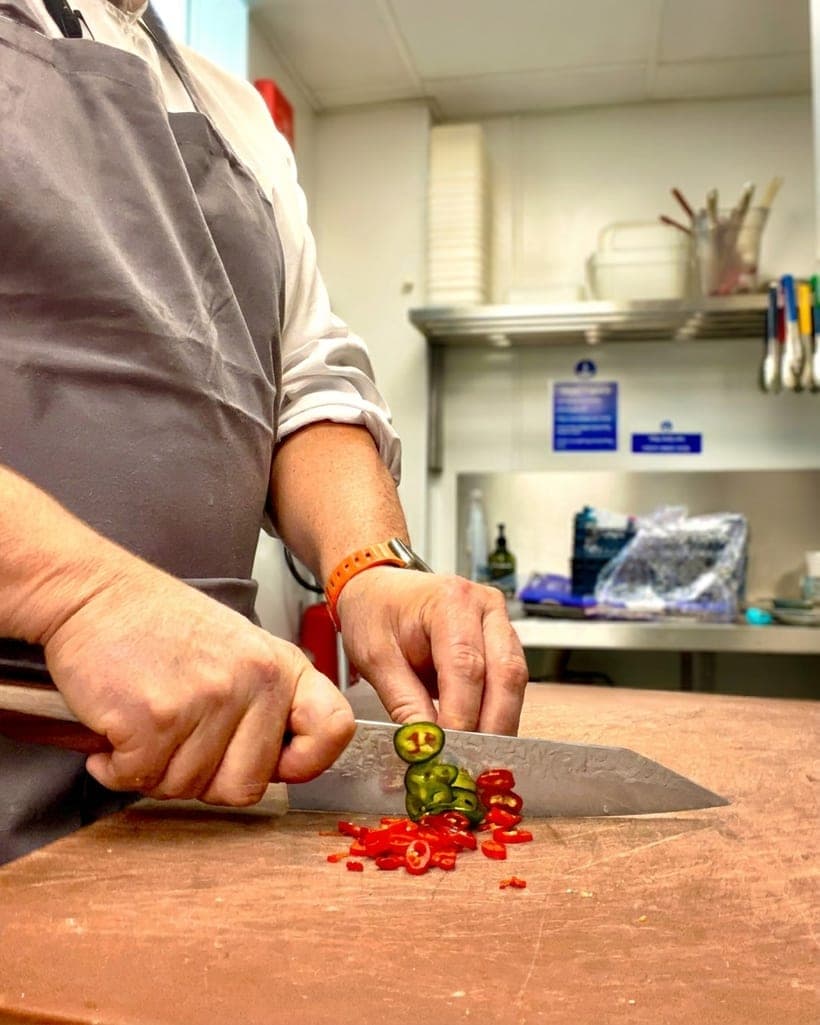
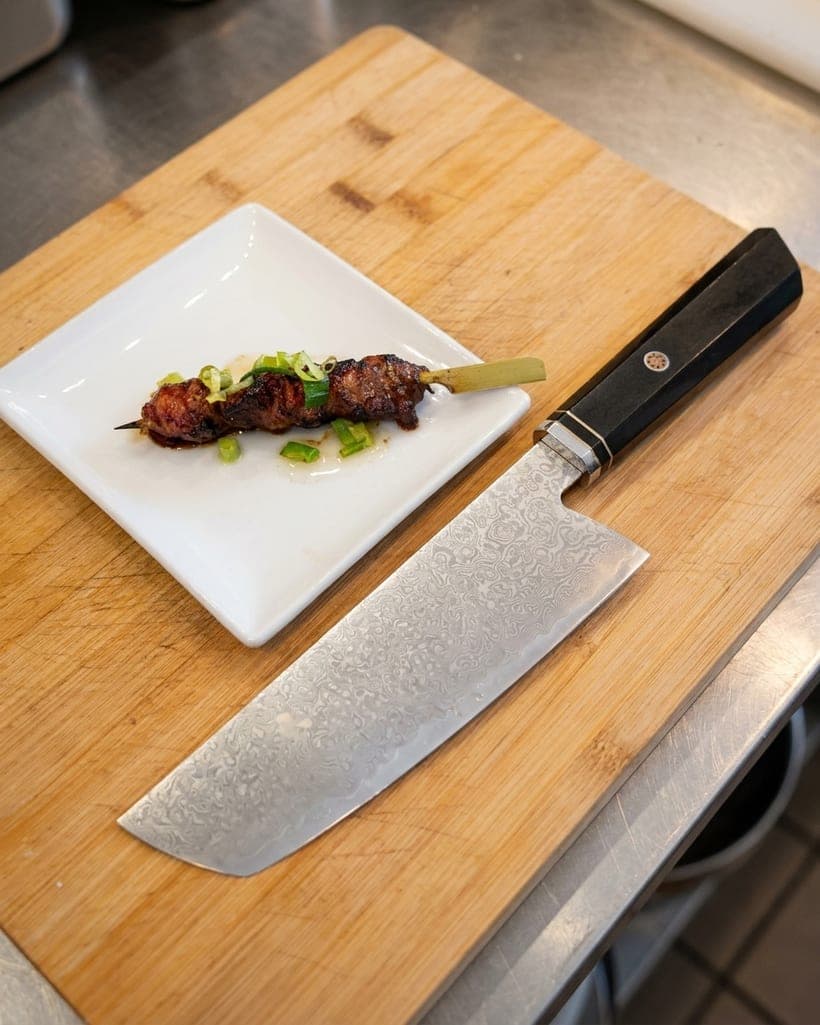
The Shun range uses a layered Damascus cladding over a hard core, which looks dramatic and performs well. Expect to pay more for that finish, and expect to sharpen it a little more carefully because of the thin edge. For a general purpose home knife, though, Kai gets the basics right: comfortable handle, sensible blade profile, and steel that takes a sharp edge without being fussy.
Mac: the practical Japanese alternative
Mac japanese knives hold a slightly different position. Mac is a Japanese brand, but its most popular knives feel closer to a Western chef's knife in profile. The blades are often a little thicker than a traditional Japanese gyuto, which makes them a gentle transition for anyone used to a German knife. They are also widely used in catering kitchens, which tells you something about how they cope with volume.
If you like the idea of Japanese steel but want a knife that feels familiar in the hand, Mac is worth trying. The Mac Superior and Professional ranges are the ones you will see most often in the UK. They are not the thinnest or the most exotic, but they are dependable, easy to maintain, and hold a good edge. For a home cook who cooks a lot but does not want to baby a blade, that is a fair trade.
Miyabi: Japanese steel with European construction
Japanese knives miyabi sit in the middle of the market and have a strong following. Miyabi is owned by Zwilling, a German company, but the knives are made in Seki, Japan. That combination shows in the design: Japanese blade geometry, European style handles and bolsters. The result is a knife that feels solid and controlled, which many home cooks prefer over a very light traditional blade.
The Miyabi 5000MCD and Artisan ranges are the ones most people mean when they talk about japanese kitchen knives miyabi. You will also see the miyabi knives santoku, a shape that suits vegetables, herbs and general prep. If your cooking is mostly plant based, a santoku from Miyabi is a practical choice. It is shorter than a gyuto, with a flatter profile, and many cooks find it more comfortable for everyday work.

Miyabi knives are not cheap, but they are widely available and easy to buy with confidence. The main thing to remember is that the harder steel benefits from gentle handling. A magnetic rolling knife sharpener such as 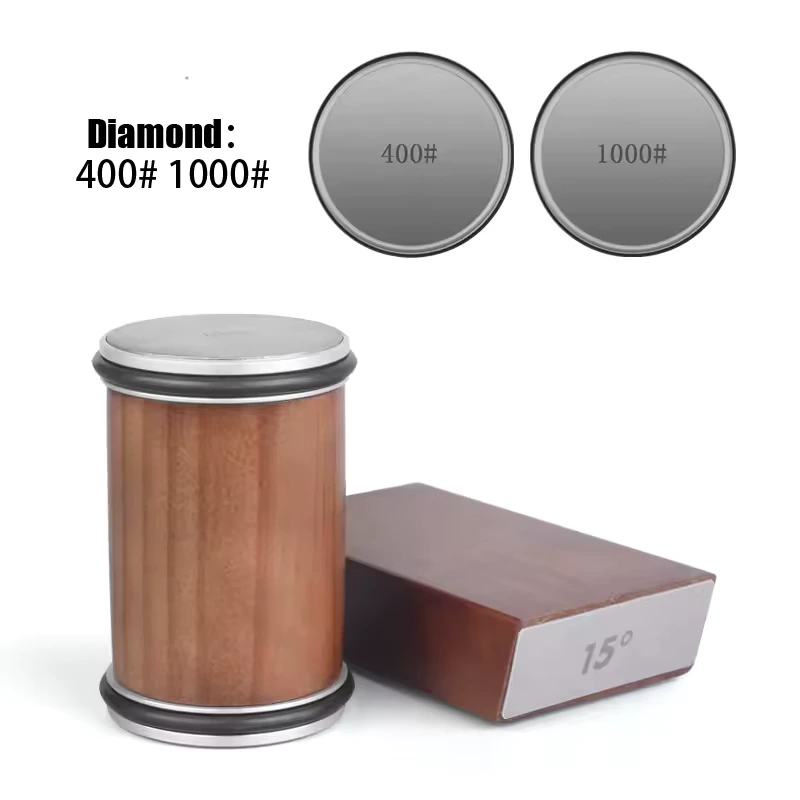 Magnetic Rolling Knife Sharpener£59.99View product → is a low effort way to keep an edge without learning whetstones, and it suits a home kitchen where knives see regular but not brutal use.
Sakai Takayuki and the knives of Sakai
Sakai is a city in Osaka prefecture with a long history of knife making, and Sakai Takayuki is one of its best known names. A Sakai Takayuki knife is often forged or finished by hand, and the brand covers everything from entry level to very high end. The appeal for home cooks is the range of steels and finishes. You can buy a simple carbon steel knife or a stainless clad blade that is easier to live with.
Sakai japan knives as a group tend to have a more traditional feel than the big international brands. Handles are often wa style, meaning a simple wooden handle without a bolster. That makes them light and balanced, and it lets you use a pinch grip naturally. If you have never tried a wa handle, it is worth handling one before you buy, as the feel is quite different from a Western knife.
Sakai Takayuki knives are excellent, but they reward good habits. Carbon steel rusts if left wet, and thin edges chip if abused. Read our knife care guide before you commit to a carbon blade, so you know what you are taking on.
Seido and Sunnecko: smaller names with a following
Seido knives and Sunnecko knives appear more often online than in shops, and both are worth understanding. Seido tends to focus on clean, simple designs with decent steel at a reasonable price. Sunnecko covers a similar space, often with Damascus style cladding and a wide choice of shapes. Neither is a traditional Sakai workshop, but both offer good value if you know what you are buying.
The honest advice here is to judge these brands on the individual knife, not the label. Check the steel type, the hardness if it is stated, and the handle construction. If a knife lists a specific steel and a sensible hardness, that is a good sign. If the listing is vague, be cautious. Japanese imports knives bought directly from Japan can be excellent, but returns are harder and you need to be sure of the size and shape before ordering.
What to buy first, and in what order
Most home cooks do not need a full set on day one. A single good knife will cover the vast majority of prep, and you can add to it as you learn what you actually reach for.
- A gyuto, the Japanese chef's knife, for most chopping and slicing.
- A smaller petty knife for detail work, if you cook a lot of garlic, shallots or herbs.
- A bread knife if you bake, which does not need to be expensive.
- A sharpener or a whetstone, because a dull knife is the real problem.
If you want one knife that handles meat, fish and vegetables, the 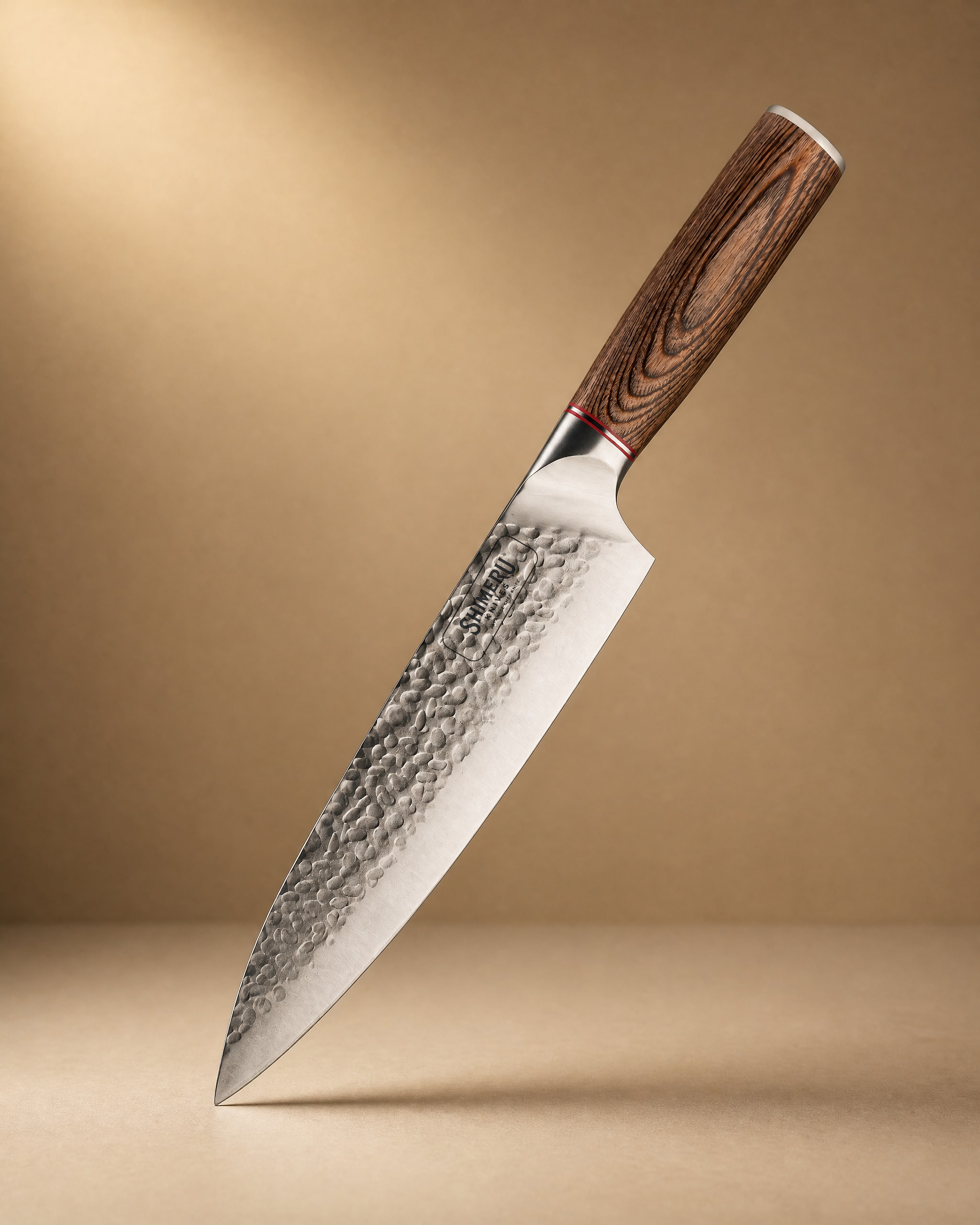 Akan 8'' Gyuto Knife 牛刀£49.99View product → is a straightforward all rounder with a stainless blade and a pakkawood handle. It is the kind of knife that suits a home kitchen because it does not demand special treatment.
If you prefer to start with a set, the 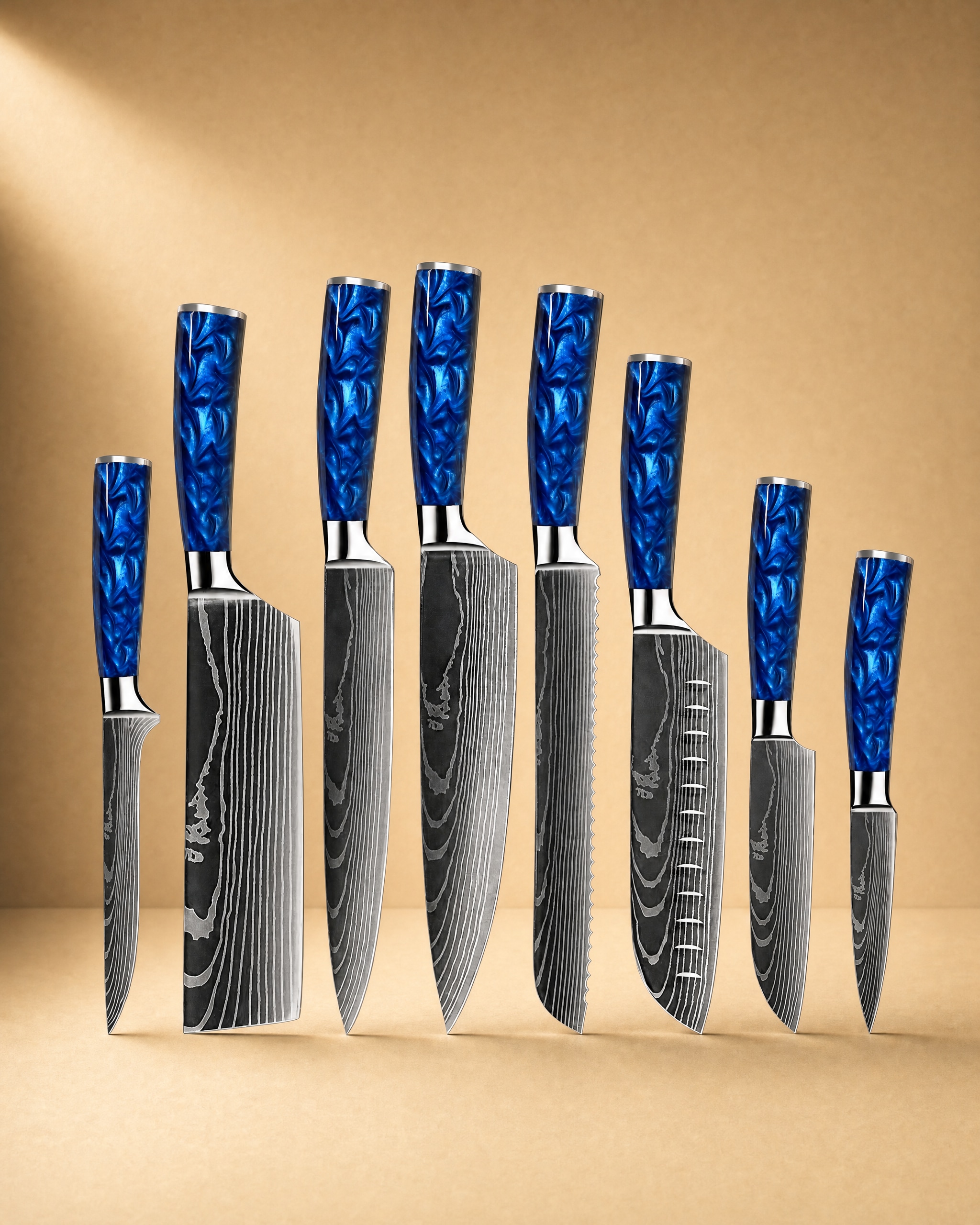 Shinano 信濃川 Damascus Pattern Stainless Steel Kitchen 8 Knife Set£149.99View product → covers the basics in one go with a Damascus pattern and blue resin handles. It is a practical way to equip a kitchen without buying piece by piece.
For a step up in finish and cutting feel, the 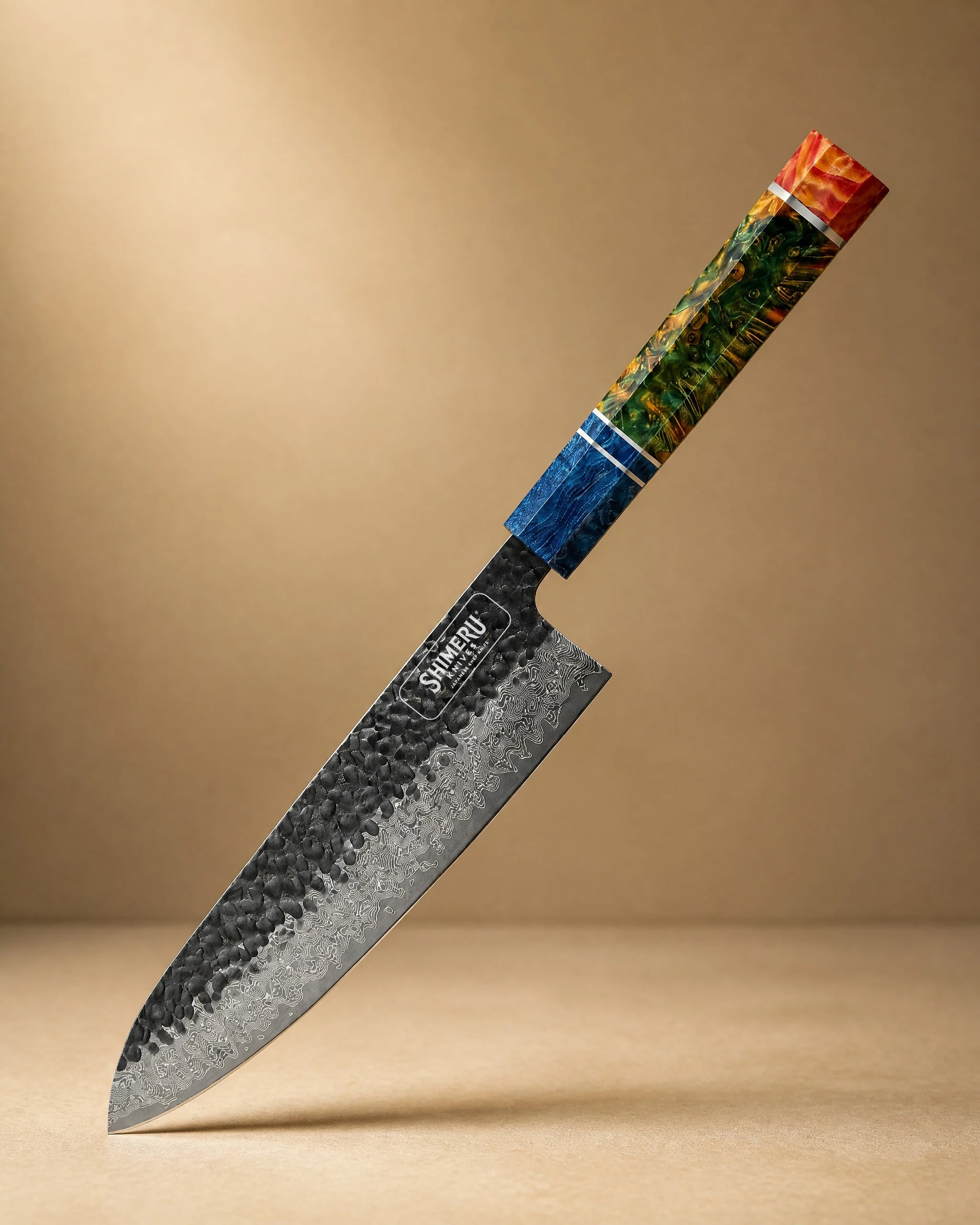 Yoshii 8″ Damascus Steel Gyuto Knife 牛刀£79.99View product → uses 67 layer Damascus steel with a wood and copper handle. It is a slicing and chopping knife for someone who has decided they enjoy cooking and wants something with a bit more character on the board.
How to choose between them
Ignore the marketing for a moment and ask three questions. What do you cook most? How much maintenance do you want? What feels right in your hand?
If you cook mostly vegetables and want a light, precise knife, a santoku or a thin gyuto suits you. If you cook a lot of meat and fish, a slightly longer gyuto gives you more blade to work with. If you know you will not sharpen often, choose a stainless steel knife and a simple sharpener rather than a carbon blade that needs drying after every wash.
Handle shape matters more than most buyers expect. A Western style handle with a bolster gives control and a familiar feel. A wa handle is lighter and shifts the balance forward. Our knife buying guide walks through blade shapes, steel types and sizes if you want to narrow it down before you spend.
A word on sharpening and care
No Japanese knife stays sharp on its own. Hard steel holds an edge longer, but it still needs attention. For most home cooks, a honing rod used lightly, plus a proper sharpening every few months, is enough. If you would rather not learn freehand sharpening, a guided sharpener is a sensible compromise. The Magnetic Rolling Knife Sharpener£59.99View product → is easy to use and keeps a consistent angle, which is the part most people struggle with.
Wash your knives by hand, dry them straight away, and store them so the edge is not knocking against anything. Avoid the dishwasher entirely, as heat and detergent are unkind to handles and edges. A magnetic strip or a knife block both work, as long as the blade is protected.
Where to start
Japanese knives are not fragile ornaments. They are tools built for daily cooking, and a good one will change how you feel about prep. Start with one knife that suits your cooking, learn to keep it sharp, and add more only when you find a genuine gap.
You can browse the full range in our knife shop, or read the knife guide if you are still deciding on shape and steel. If you already know you want a gyuto, the Akan and Yoshii options above are both strong choices for a home kitchen.
Photography: Richard Iwaki via Unsplash.


