






The Kiritsuke Knife: A Guide to This Versatile Blade

The kiritsuke knife is one of the most intriguing blades in Japanese cookery. With its distinctive flat profile and angled tip, it offers a versatility that appeals to both professional chefs and home cooks. Unlike the more common gyuto or santoku, the kiritsuke is a hybrid tool that excels at a wide range of tasks, from slicing fish for sashimi to chopping vegetables with precision. In this guide, we will explore the history, design, and practical uses of the kiritsuke knife, and help you decide whether it deserves a place in your kitchen.
What Is a Kiritsuke Knife?
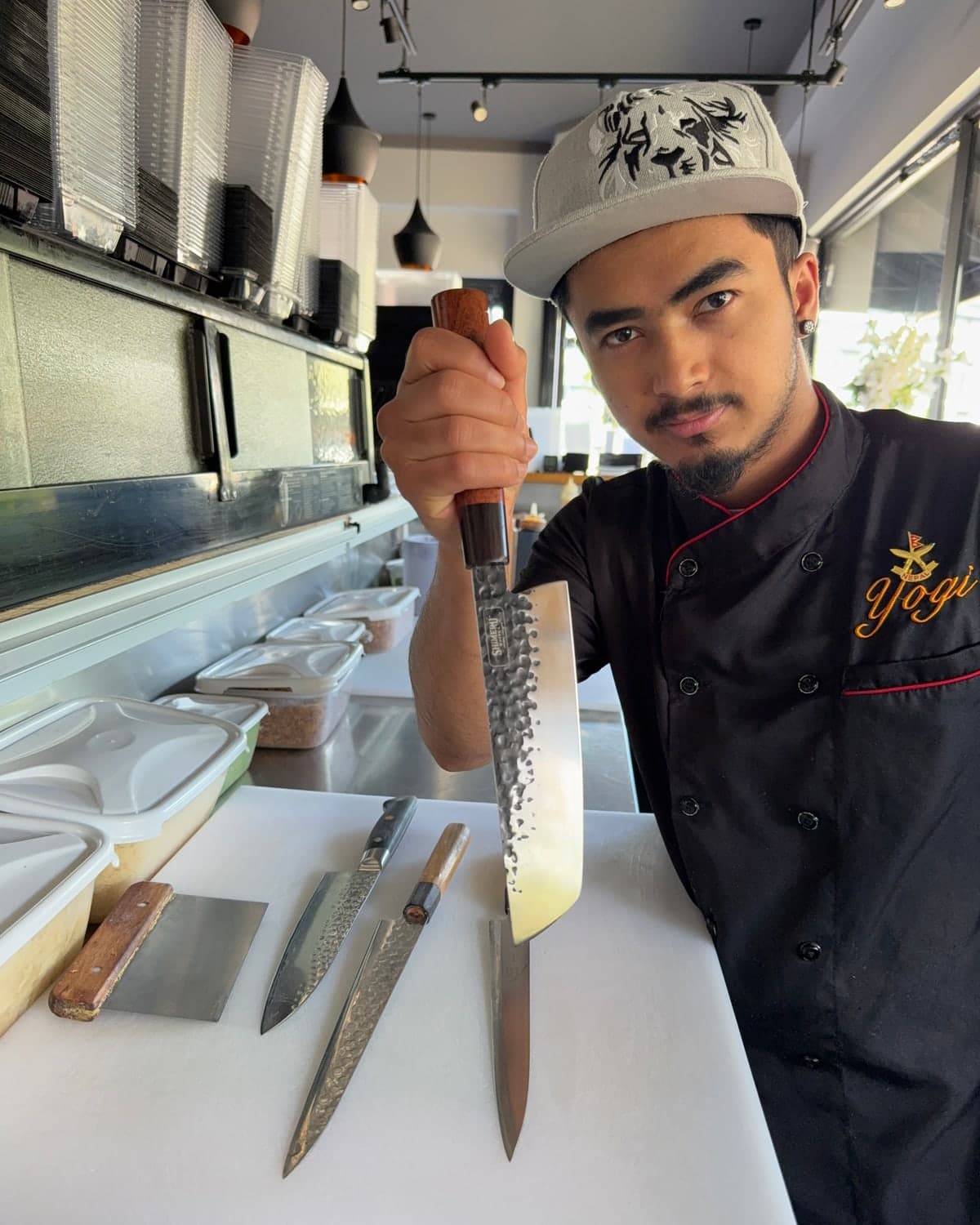
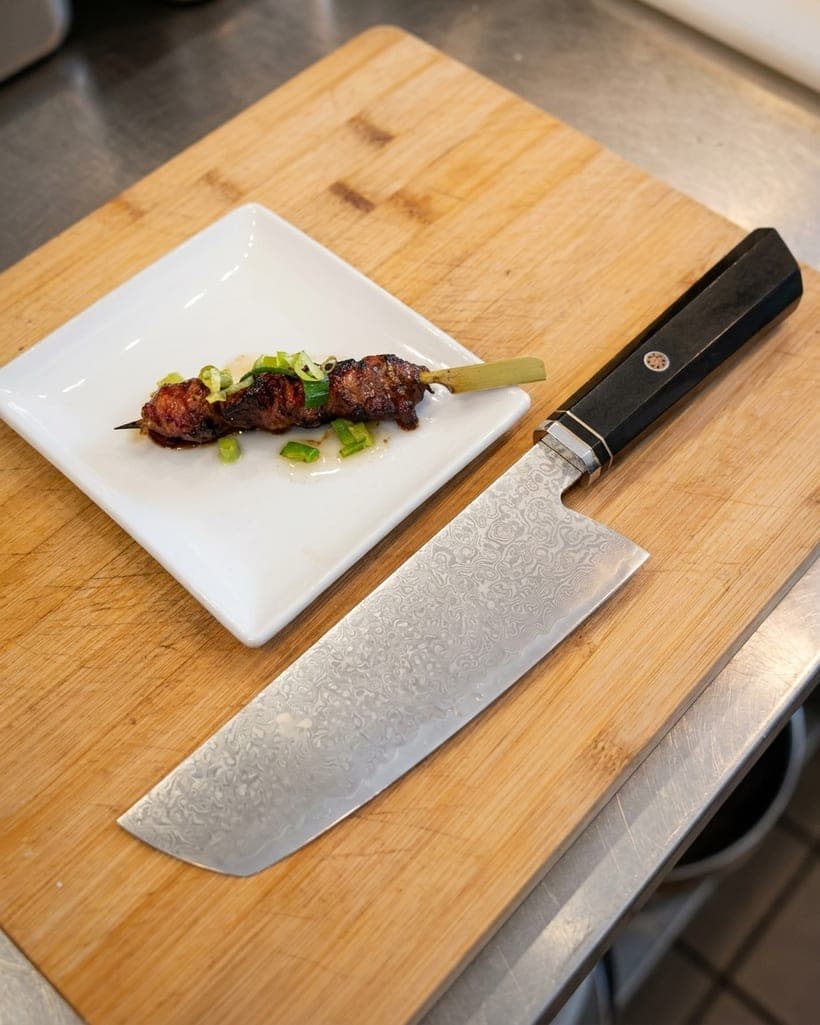
The kiritsuke knife is a Japanese blade characterised by its straight edge and flat tip, which resembles the shape of a traditional Japanese sword. It typically has a length of around 210mm to 270mm and is often used for slicing, dicing, and general purpose cutting. The name 'kiritsuke' translates roughly to 'cutting end', reflecting its original use as a tool for slicing fish for sashimi and preparing vegetables. Unlike a santoku, which has a curved belly, the kiritsuke has a nearly flat edge, giving it a distinctive appearance and cutting action.
In terms of versatility, the kiritsuke sits somewhere between a chef's knife and a slicer. It can handle delicate tasks like filleting fish with grace, and it also has enough heft for heavier jobs like cutting through squash. Its flat profile makes it excellent for push cuts and chopping, while the angled tip allows for precise cuts. Many chefs appreciate the kiritsuke for its balance and control, especially when working with proteins.
A Brief History of the Kiritsuke
The kiritsuke knife has a long history in Japan, originating during the Edo period. It was originally crafted for master chefs who needed a single blade that could perform a variety of tasks. Over time, the kiritsuke became associated with the highest levels of culinary skill, and it is still considered a prestigious tool among sushi chefs and Japanese cooks. The design has evolved, but the fundamental characteristics have remained consistent. Today, it is manufactured in both traditional carbon steel and modern stainless steel varieties, making it accessible to a wider range of users.
One of the key reasons for the kiritsuke's enduring popularity is its ability to adapt to different cutting techniques. Its flat edge encourages a rocking motion for mincing, while the straight profile allows for accurate slicing. This versatility is why many chefs consider it an essential part of their kit, whether they are working in a Japanese restaurant or experimenting with global cuisines at home.
Design Features of a Kiritsuke Knife
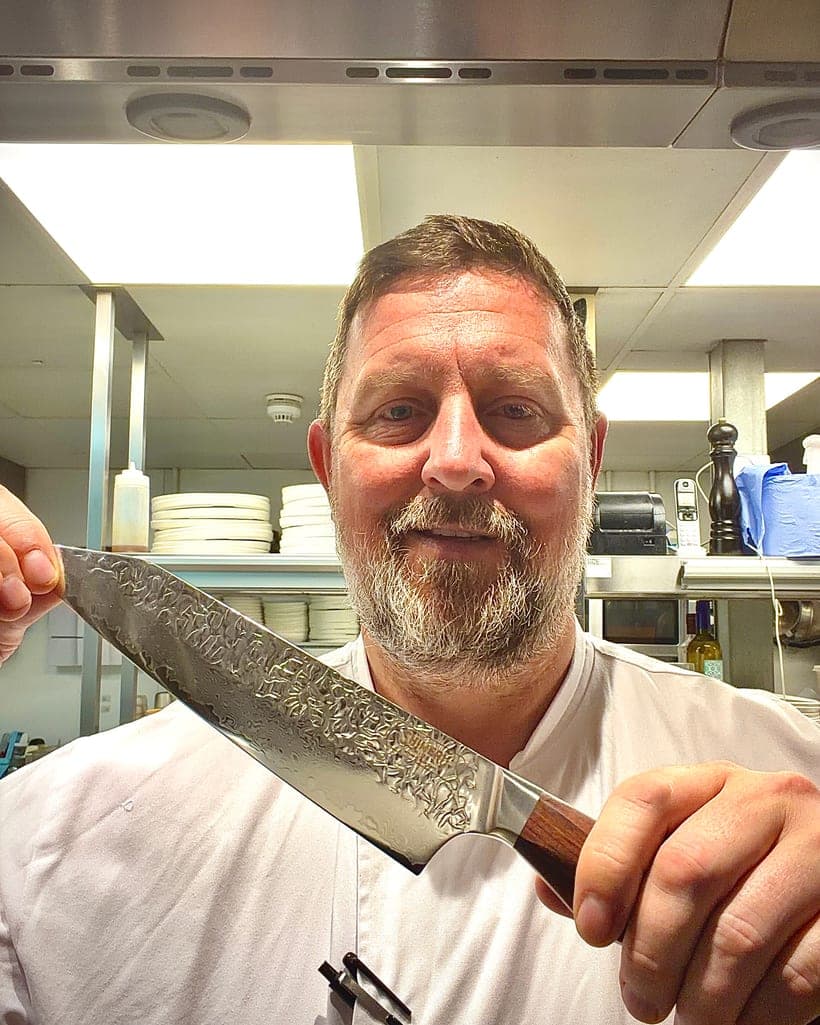
A typical kiritsuke knife has a distinctive shape that sets it apart from other Japanese knives. The blade is usually long and straight, with a pointed tip that is often at a slight angle. The spine is thick, providing strength and stability, while the edge is ground to a sharp, acute angle for effortless cutting. The handle is typically made from wood, such as magnolia or ho wood, and is often D-shaped or octagonal for a comfortable grip.
Modern versions, like those found in the Shimeru Knives collection, incorporate stainless steel for durability and ease of maintenance. For example, the 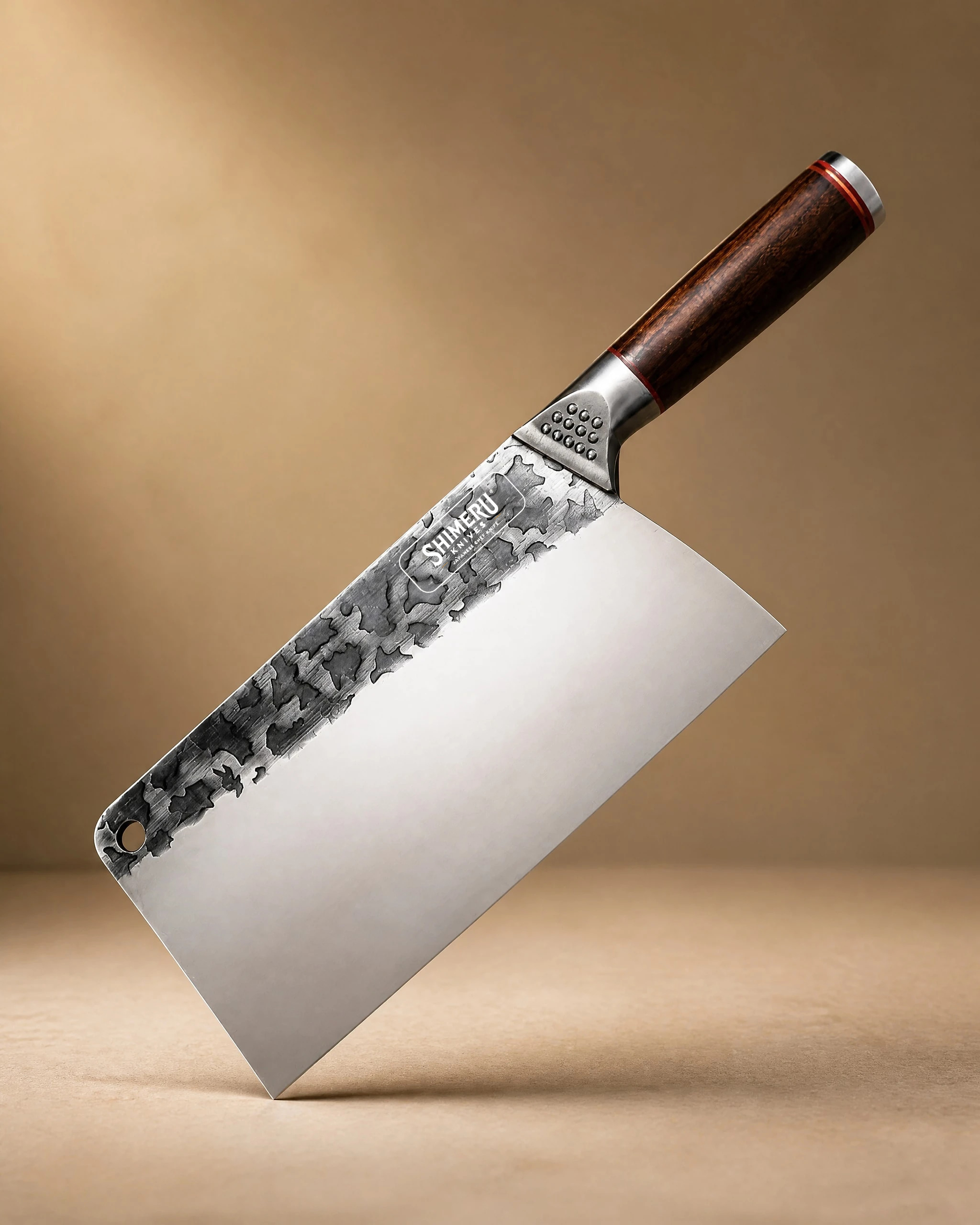 Saba 7" Stainless Steel Cleaver 中華包丁£44.99View product → offers a robust 8 inch blade with a stainless steel construction, ideal for meat and vegetables. Its African Wedge hardwood handle provides a secure and comfortable hold, even during prolonged use. If you prefer a slightly shorter blade, the
 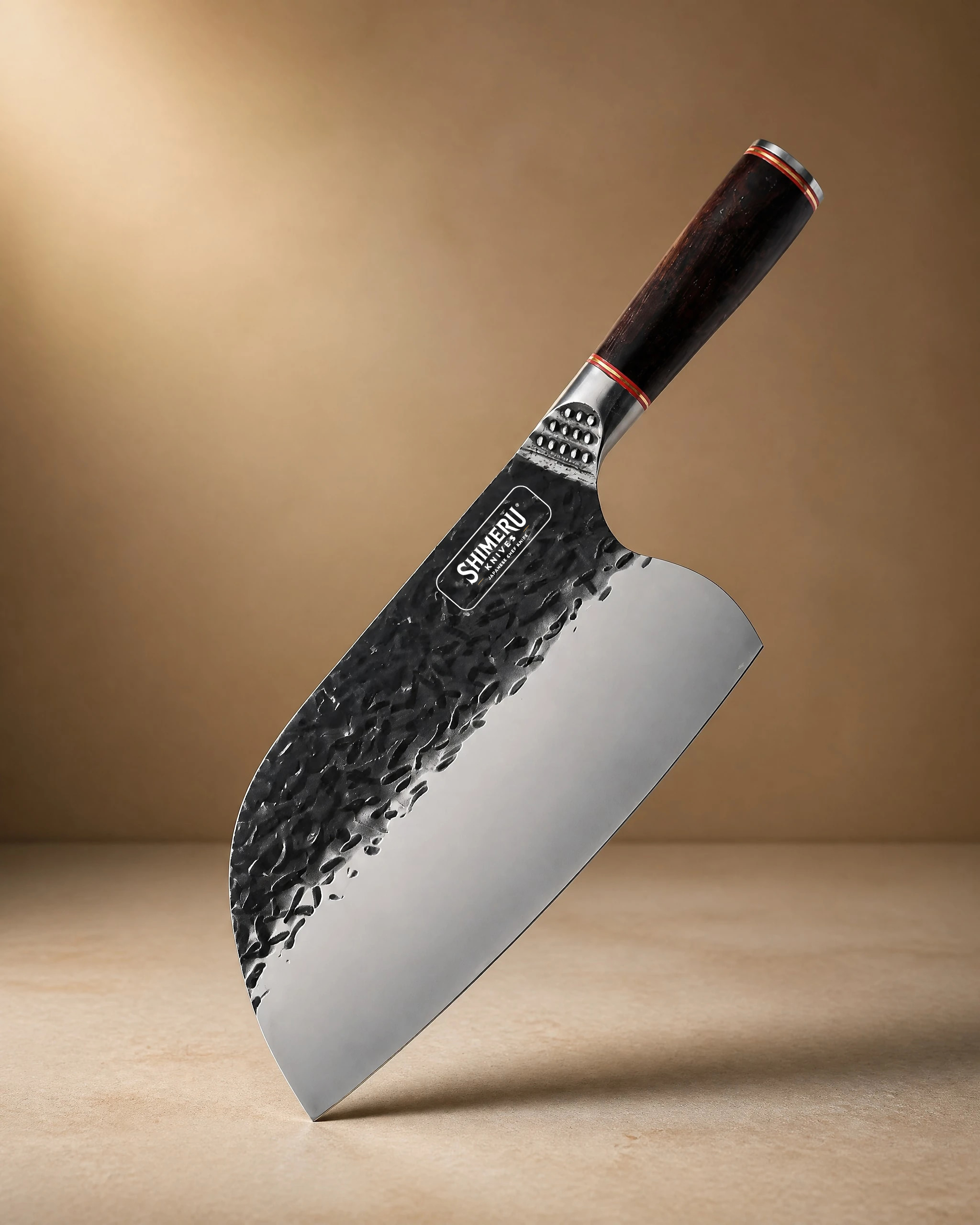 Toyo 7" Stainless Steel Cleaver 中華包丁£49.99View product → is a 7 inch cleaver style knife that also features stainless steel and a hardwood handle, excelling at chopping, slicing, and dicing. Both options demonstrate the kiritsuke's adaptability, blending traditional design with modern materials.
The geometry of the kiritsuke blade is worth noting. Unlike a chef's knife, which has a curved belly for rocking, the kiritsuke's flat edge encourages a push cut motion. This can be more efficient for many tasks, especially when cutting vegetables into uniform pieces. The tip is often used for detailed work, such as trimming fat or scoring fish skin. Overall, the design is minimal yet highly functional.
How to Use a Kiritsuke Knife
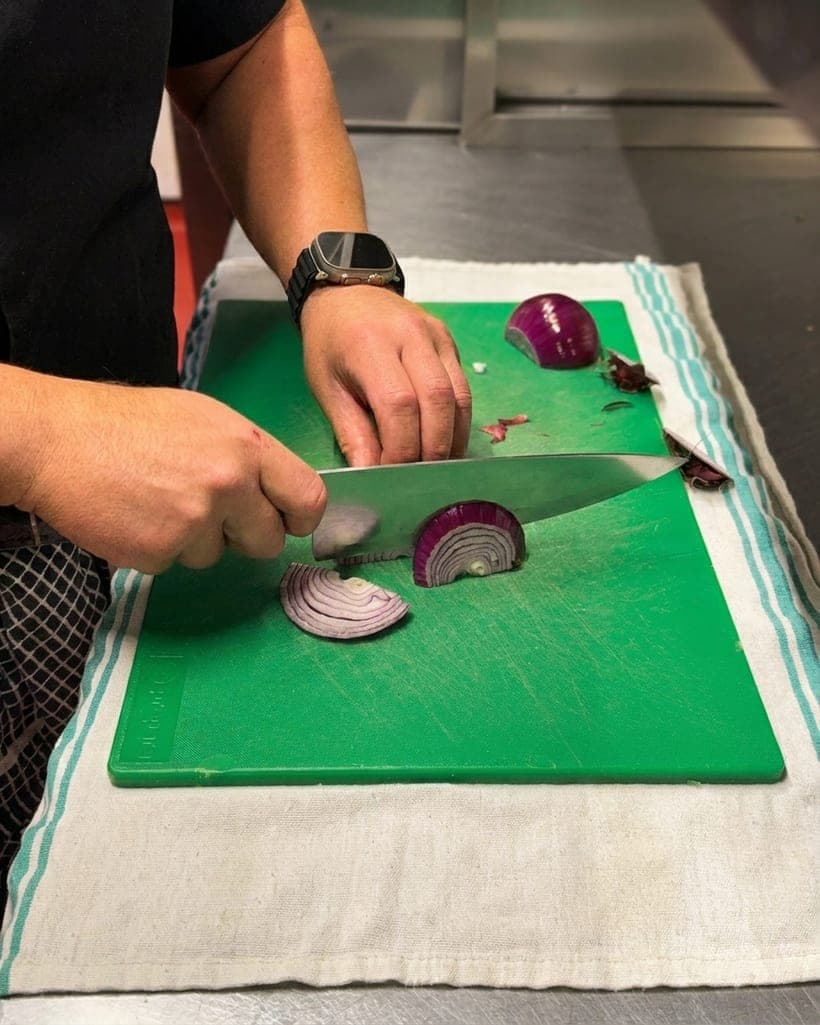
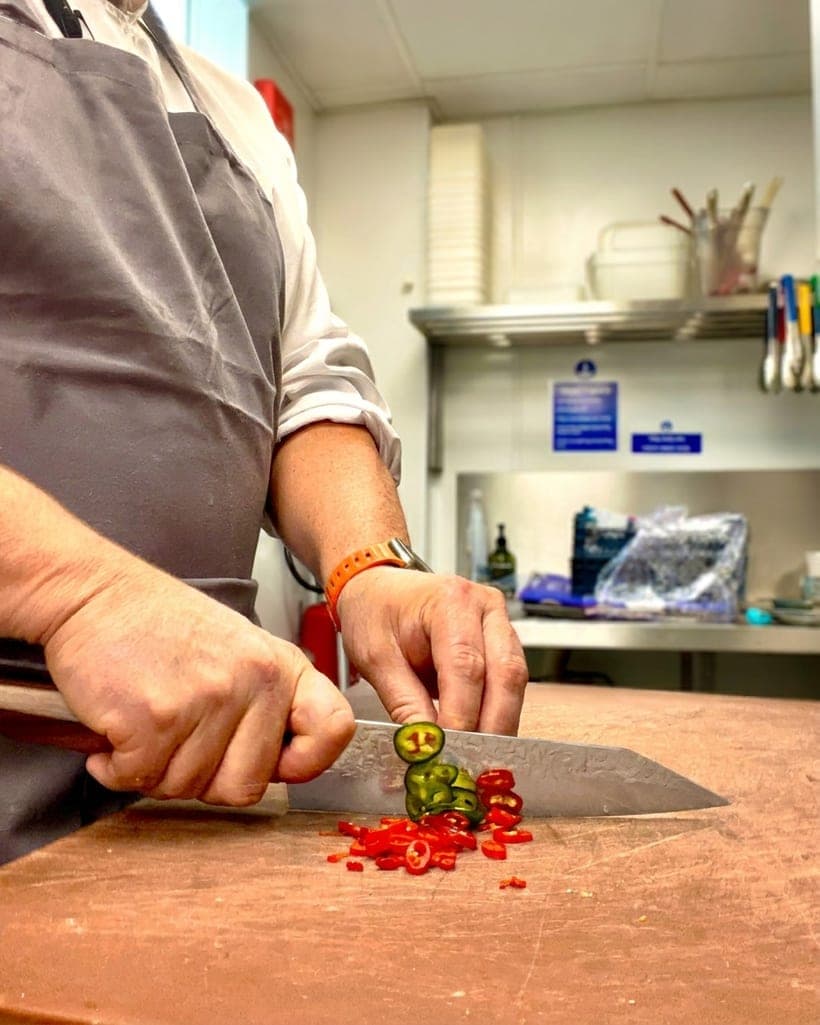
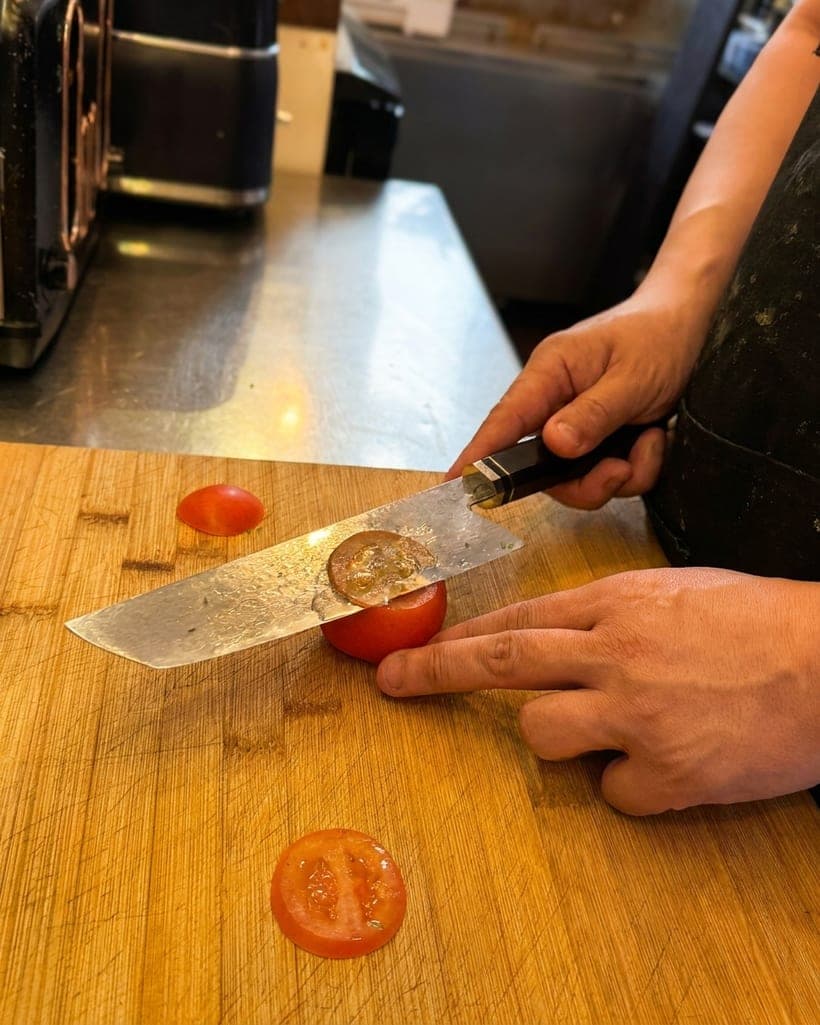
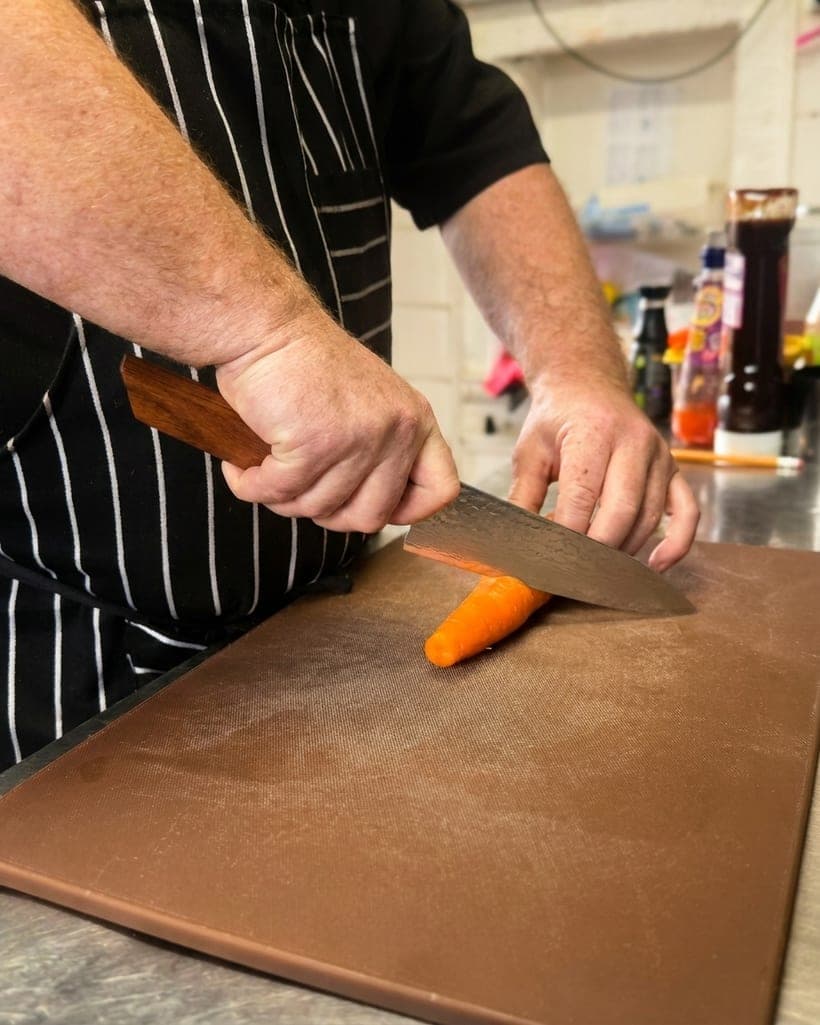
Using a kiritsuke knife effectively requires some practice, but the rewards are significant. Because of its flat profile, it is best suited for push cuts and slicing rather than rocking. Hold the knife with a pinch grip on the blade and your fingers curled around the handle. For slicing, draw the blade through the ingredient in one smooth motion. For chopping, lift the blade and bring it down in a straight, controlled movement. The flat edge ensures that the entire blade contacts the cutting board, giving you maximum control.
The kiritsuke is particularly excellent for preparing fish. Its long, straight blade allows you to make clean slices through fillets without tearing the flesh. It is also effective for vegetables like carrots, cucumbers, and peppers, where precise cuts are important. Some cooks even use it for splitting chicken or cutting through soft bones, though a heavier cleaver may be better for that. The key is to match the knife to the task and to maintain a sharp edge.
To keep your kiritsuke knife performing at its best, regular sharpening is essential. A good sharpener, such as the 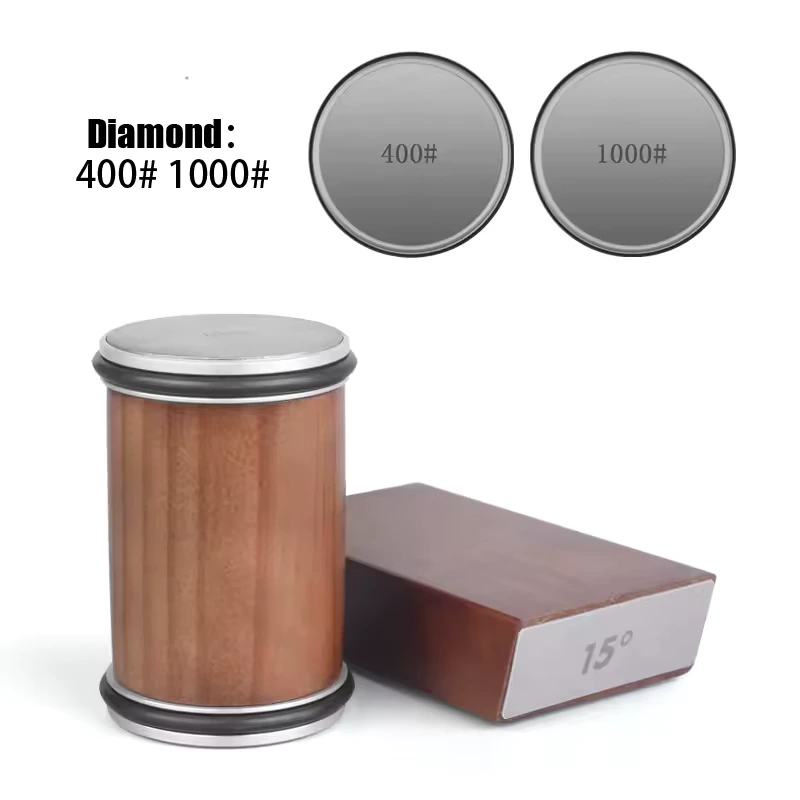 Magnetic Rolling Knife Sharpener£59.99 · currently out of stockView product →, can help maintain the edge without damaging the blade. This magnetic rolling sharpener is convenient for home use, ensuring your knife stays razor sharp for every session. For those building a complete set, the
 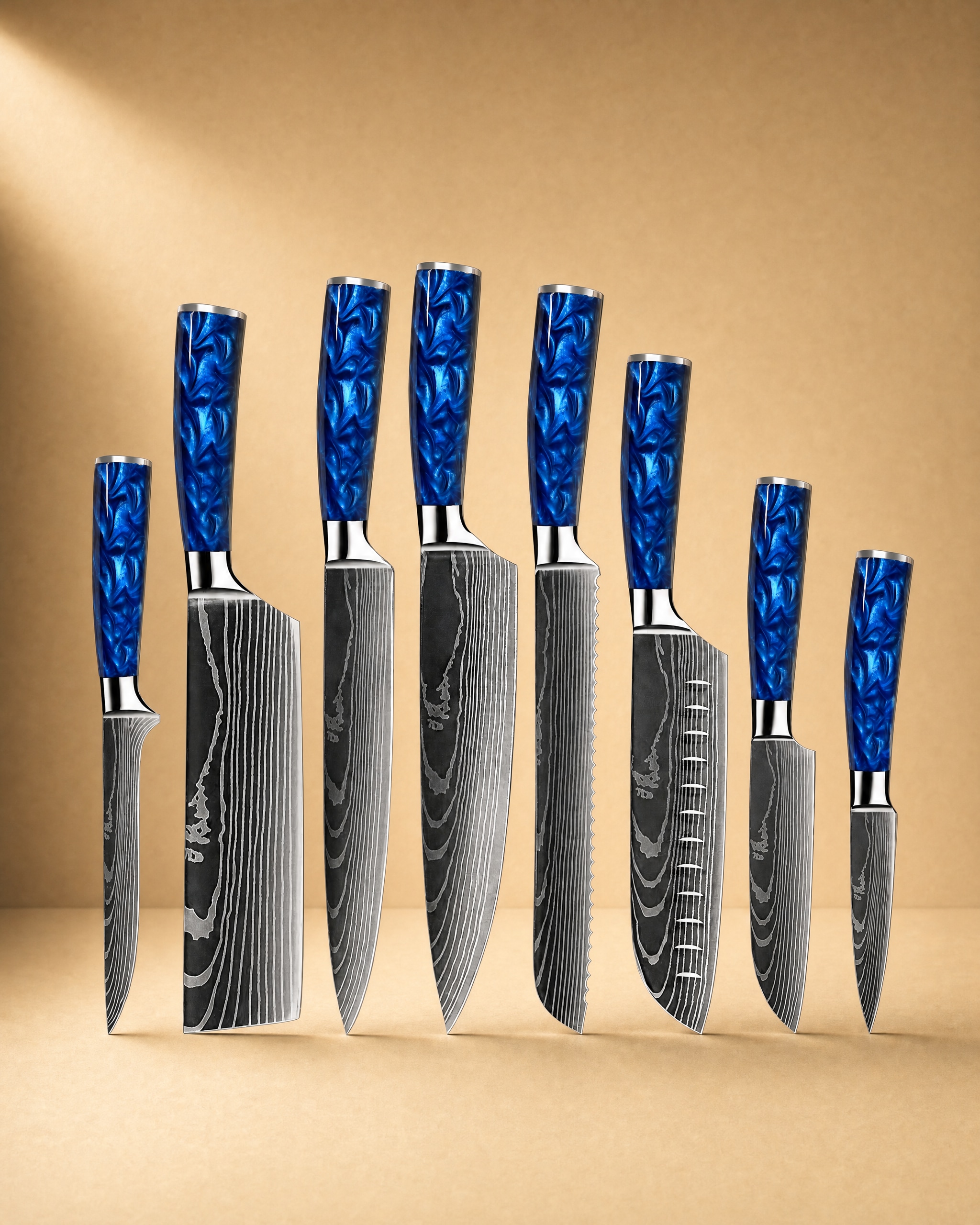 Shinano 信濃川 Damascus Pattern Stainless Steel Kitchen 8 Knife Set£149.99 · currently out of stockView product → offers a collection of eight Damascus pattern knives, including a kiritsuke style blade, made from high carbon stainless steel with blue resin handles. This set provides versatility for various cooking tasks.

Choosing the Right Kiritsuke Knife for You
When selecting a kiritsuke knife, consider the blade length, material, and handle. Blade length typically ranges from 180mm to 270mm. A 210mm to 240mm blade is a good all round size for most kitchens. Stainless steel knives are easier to maintain and resistant to rust, while carbon steel knives hold a sharper edge but require more care. The handle should feel balanced in your hand; traditional Japanese handles are light and ergonomic.
At Shimeru Knives, we offer a selection of kiritsuke knives that cater to different preferences. The Saba 7" Stainless Steel Cleaver 中華包丁£44.99View product → and Toyo 7" Stainless Steel Cleaver 中華包丁£49.99View product → are excellent stainless steel options with comfortable handles. If you are new to Japanese knives, we recommend reading our knife guide to help you choose the right type for your cooking style. For ongoing maintenance, our knife care guide provides tips on cleaning, storing, and sharpening your blades to prolong their lifespan.
Another factor is the knife's intended use. If you primarily prepare vegetables and fish, a kiritsuke is an excellent choice. If you also need to cut through bones or dense squash, you might consider a cleaver or a heavier knife. The kiritsuke is not a replacement for every knife, but it can be the centrepiece of a well curated collection. Many chefs find that a single high quality kiritsuke can handle most of their daily tasks, reducing the need for multiple tools.
Caring for Your Kiritsuke Knife
Proper care is crucial to maintain the performance and longevity of your kiritsuke knife. Always hand wash with mild detergent and dry immediately, never put it in the dishwasher. Store it in a knife block, on a magnetic strip, or with a blade guard to prevent damage. Regularly hone the blade with a honing rod to keep the edge aligned, and sharpen it as needed with a whetstone or a sharpener like the Magnetic Rolling Knife Sharpener£59.99 · currently out of stockView product →. With proper care, a high quality kiritsuke can last a lifetime.
If you invest in a Damascus pattern set like the Shinano 信濃川 Damascus Pattern Stainless Steel Kitchen 8 Knife Set£149.99 · currently out of stockView product →, the aesthetic appeal is matched by functionality. The layered steel not only looks beautiful but also adds strength and corrosion resistance. However, these knives still require the same care as any fine blade. Keeping them dry and sharp will ensure they remain a pleasure to use.
In summary, the kiritsuke knife offers a unique combination of form and function. Its flat profile and sharp tip make it a versatile tool that can adapt to many cuisines. Whether you are a professional chef or an enthusiastic home cook, adding a kiritsuke to your collection can enhance your cooking experience. Take your time to choose the right size and material, and invest in proper maintenance. With the right care, your kiritsuke knife will become an indispensable part of your kitchen.
Photography: Richard Iwaki via Unsplash.

