

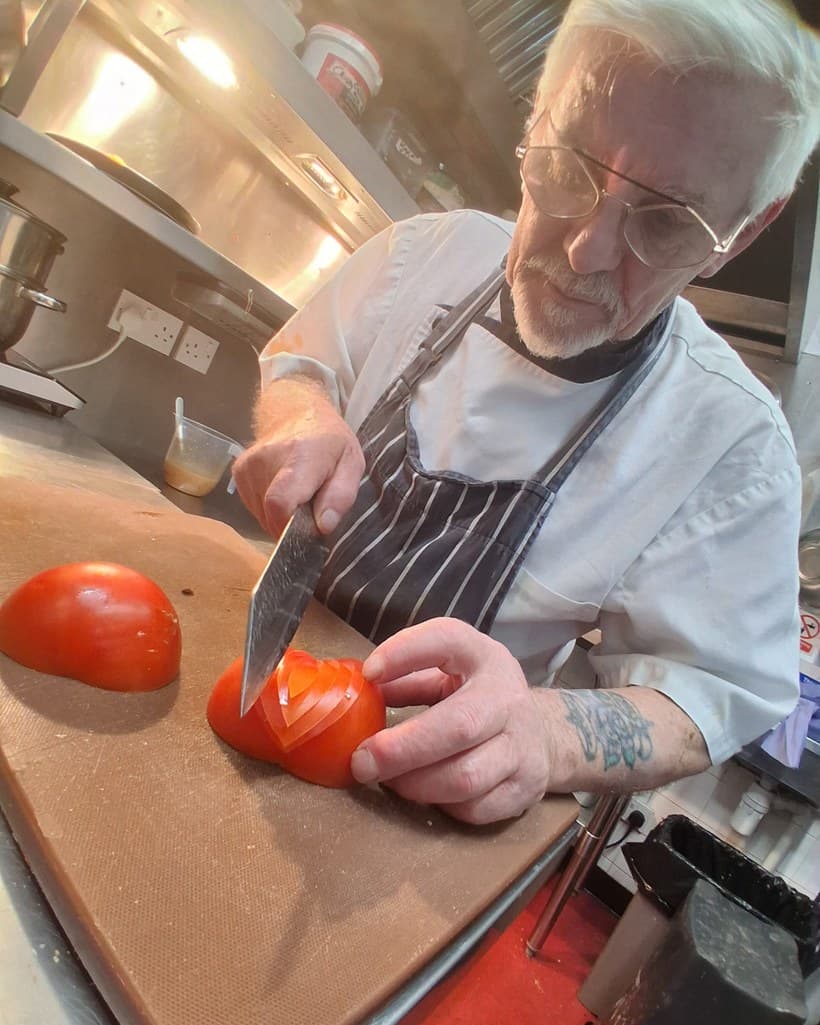
Japanese Mandolin Knife vs Knife

When you need perfectly even slices of vegetables or fruit, two tools come to mind: a mandolin slicer and a good knife. In Japanese kitchens, the term “mandolin knife” sometimes refers to a specialised slicer, but the real decision is between a dedicated mandolin appliance and a versatile chef knife. Both can achieve thin, uniform cuts, but they do so in very different ways. This article will help you understand the strengths and weaknesses of each, and guide you toward the tool that best fits your cooking style.
What Is a Japanese Mandolin Knife?
The phrase “Japanese mandolin knife” can be confusing. In practice, it usually describes a mandolin slicer designed with Japanese precision blades. These tools excel at producing wafer-thin slices of vegetables like cucumber, carrot, daikon, and potato. They often feature adjustable thickness settings and sometimes include julienne attachments. However, they are single-purpose devices: they slice, and they slice only. The blade is typically fixed in a plastic or metal frame, and you slide the vegetable across it using a hand guard. The result is fast and consistent: you can produce dozens of identical slices in seconds. But the technique requires care. You must keep your fingers away from the blade, and the hand guard can feel clumsy. Even experienced cooks sometimes nick themselves. Cleaning a mandolin is another chore; the narrow blade gap traps food, and many models cannot go in the dishwasher.
The steel used in mandolin blades is often a hard stainless steel, similar to that in a good knife. However, because the blade is thin and fixed, it can dull over time. Replacement blades are available for some models, but they add to the long-term cost. In terms of size, a typical mandolin is about 30 cm long and 10 cm wide, requiring a drawer or a dedicated storage slot. It is not a tool you can grab quickly; you need to set it up on a board or counter.
The Case for a Knife
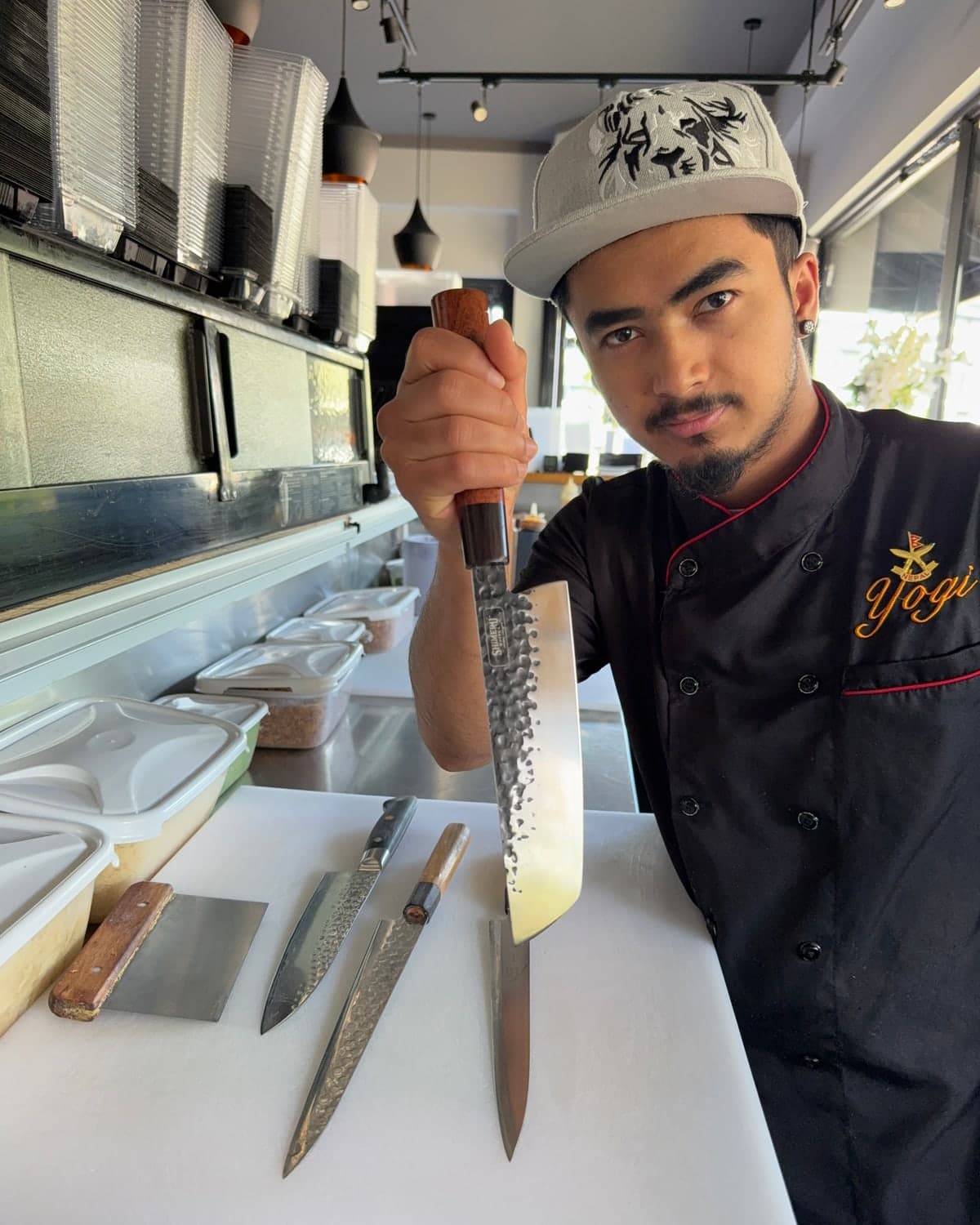
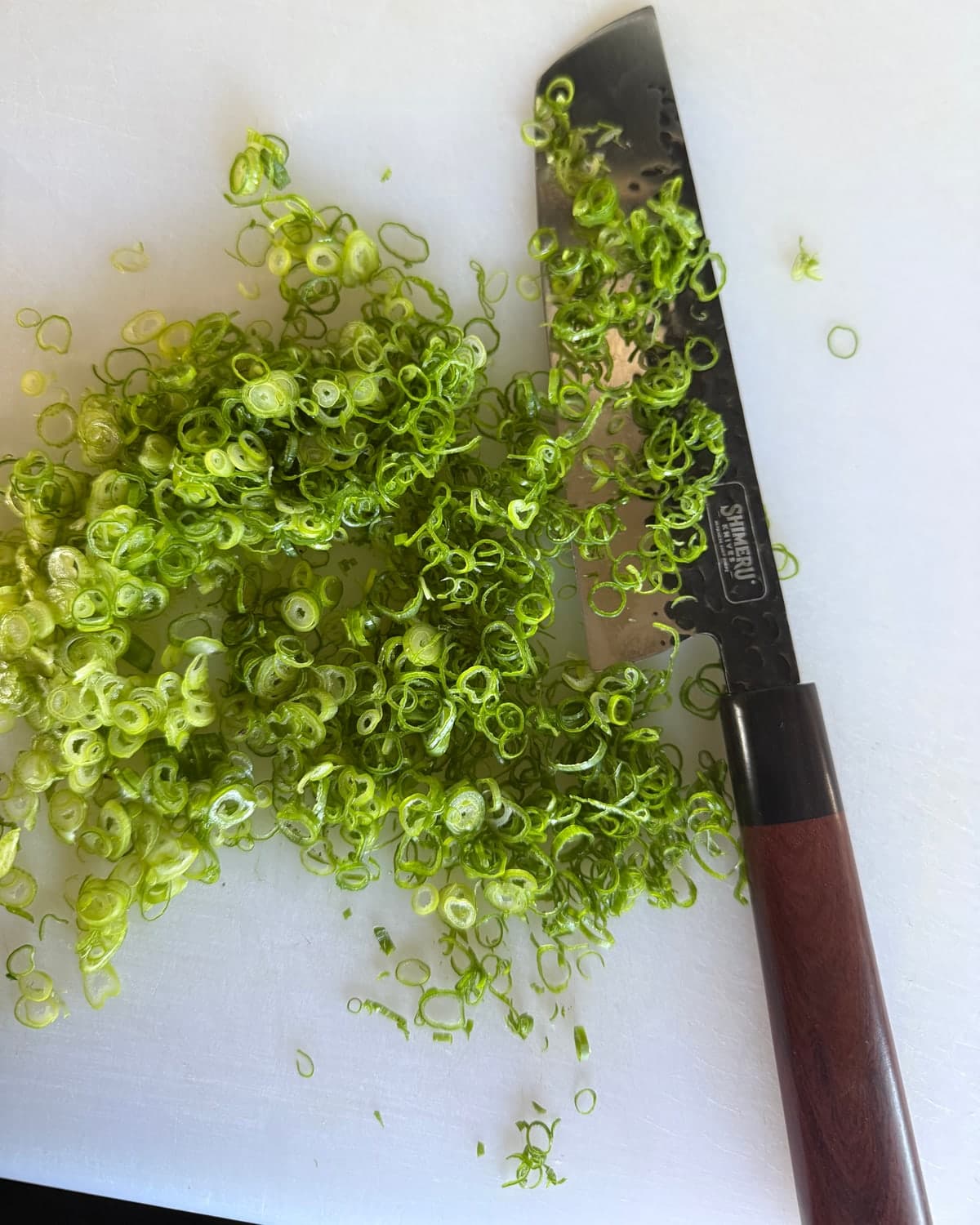
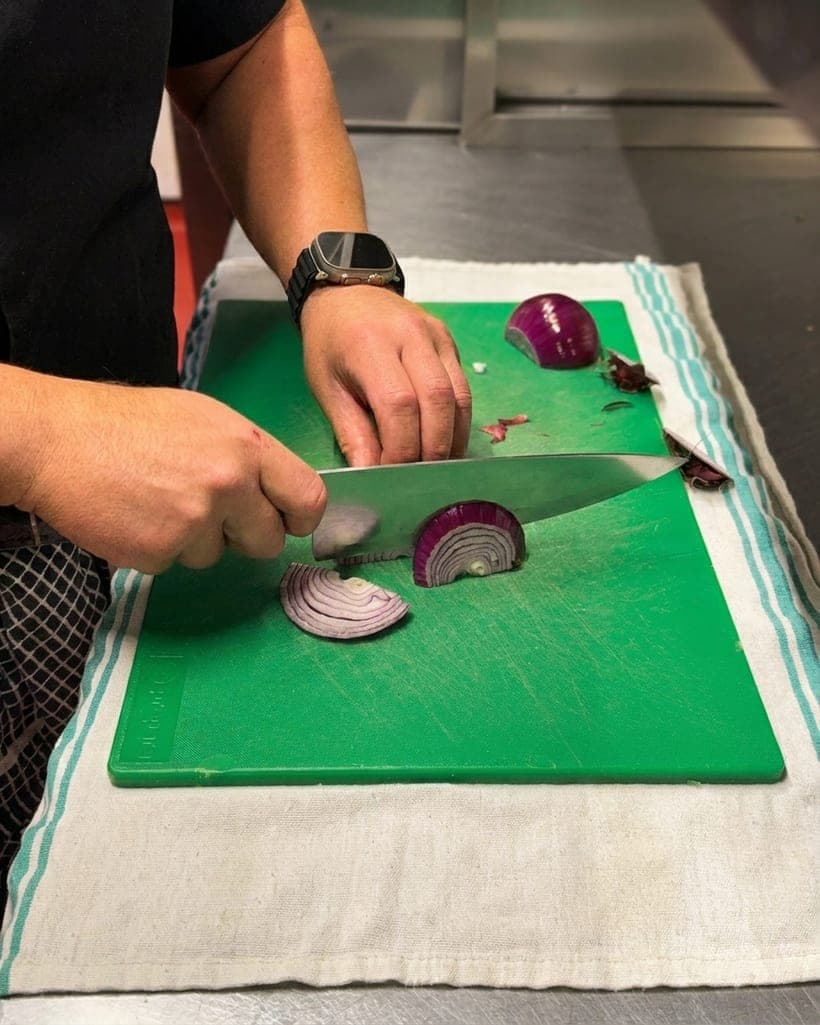
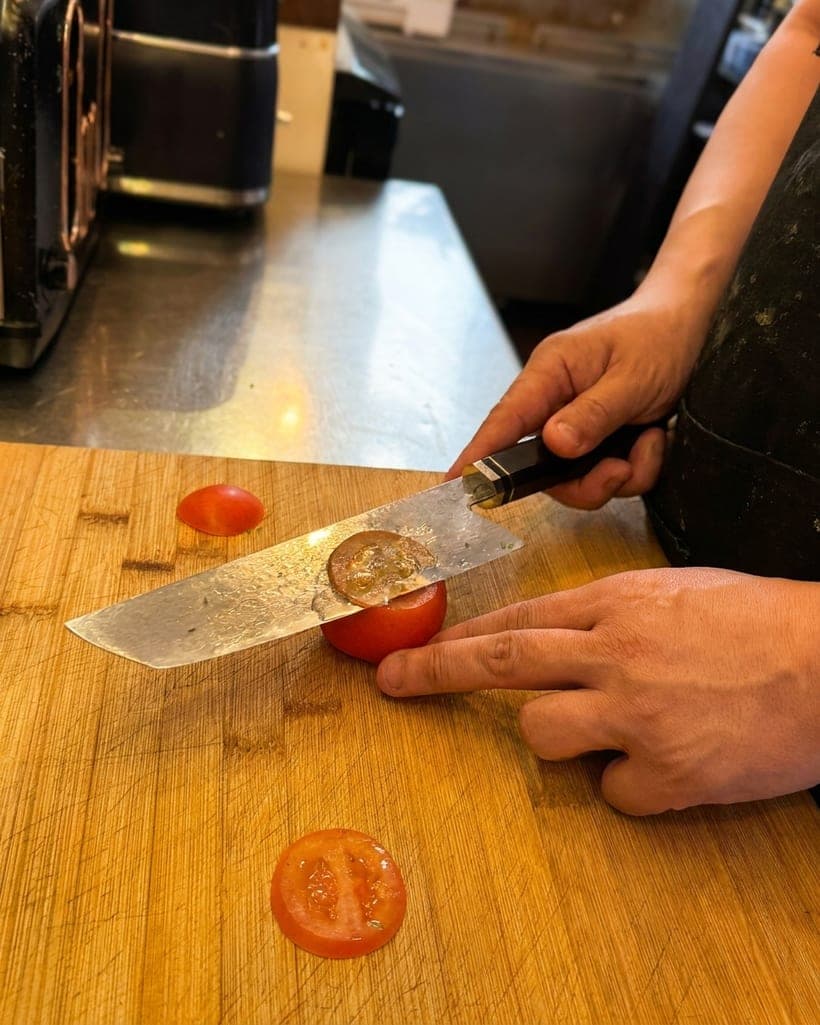
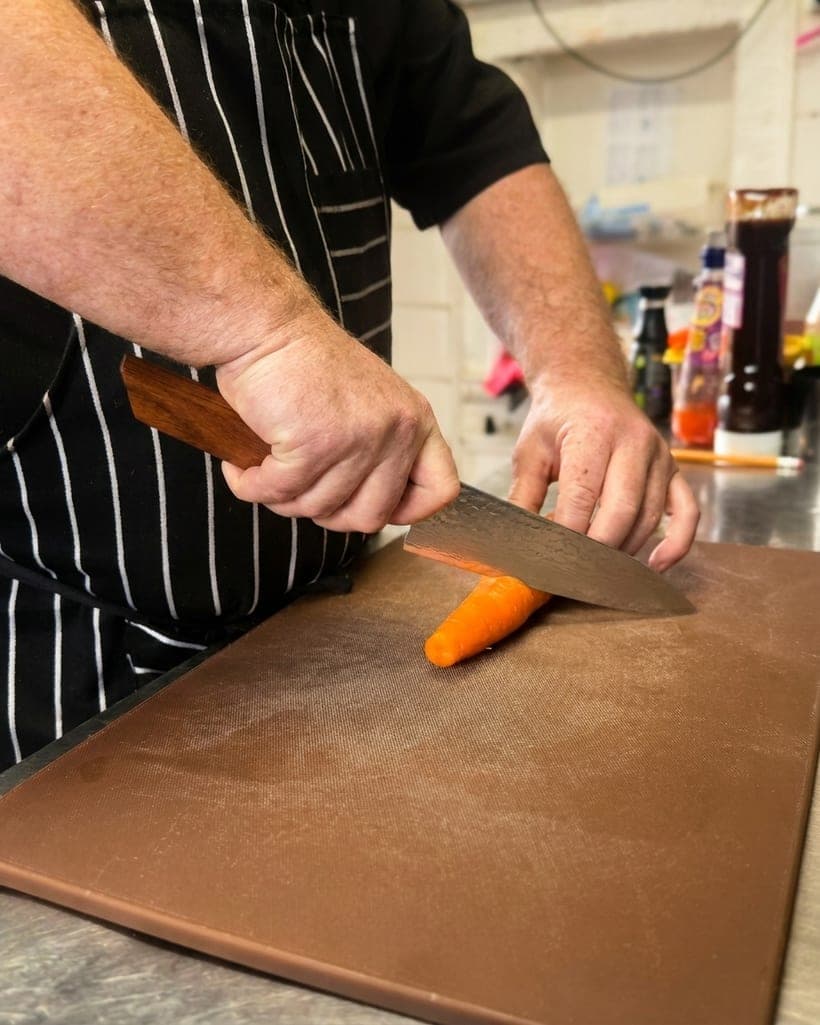
Now consider a quality Japanese knife. A well-made chef knife, such as a cleaver or a gyuto, offers far more versatility. It can slice, dice, chop, mince, and even crush garlic. With practice, you can achieve slices just as thin as a mandolin, though it may take a little longer. More importantly, a knife gives you total control: you can feel the food, adjust the angle, and respond to differences in density or shape. The technique for thin slicing with a knife involves a smooth, drawing motion: you place the blade at the heel, then pull it back while pressing down gently. With a sharp edge, this produces clean, even slices without crushing the cells of the vegetable. This method preserves flavour and texture better than a mandolin’s forceful cut.
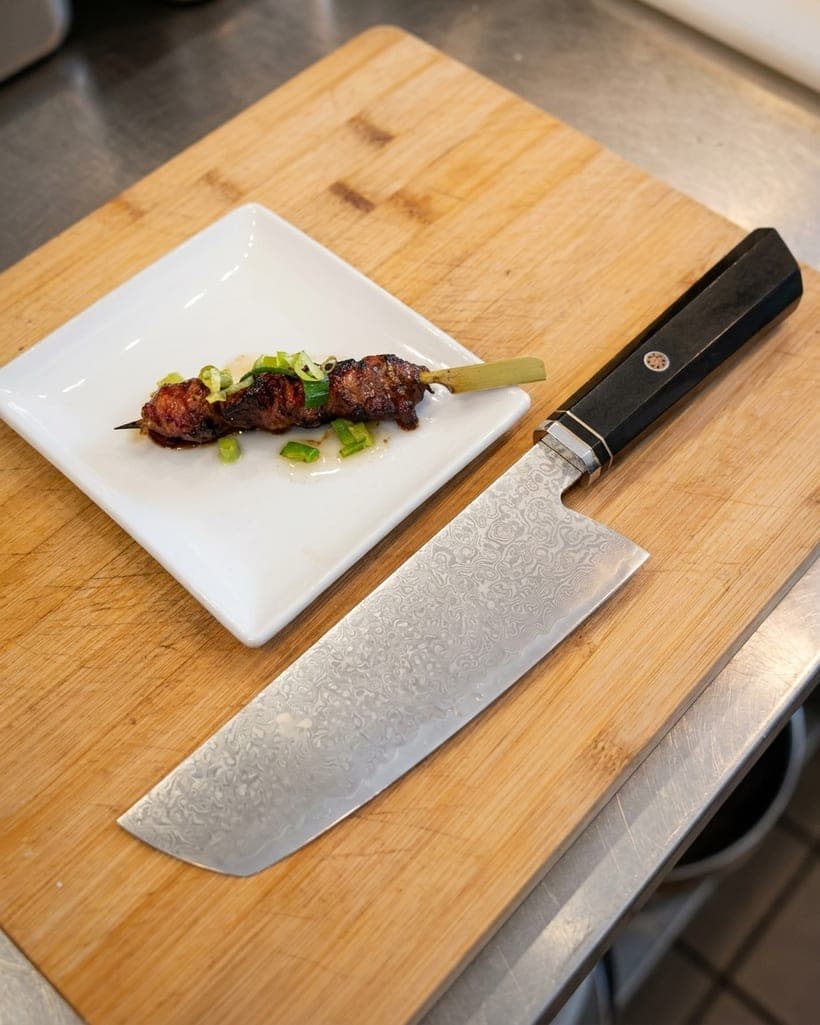
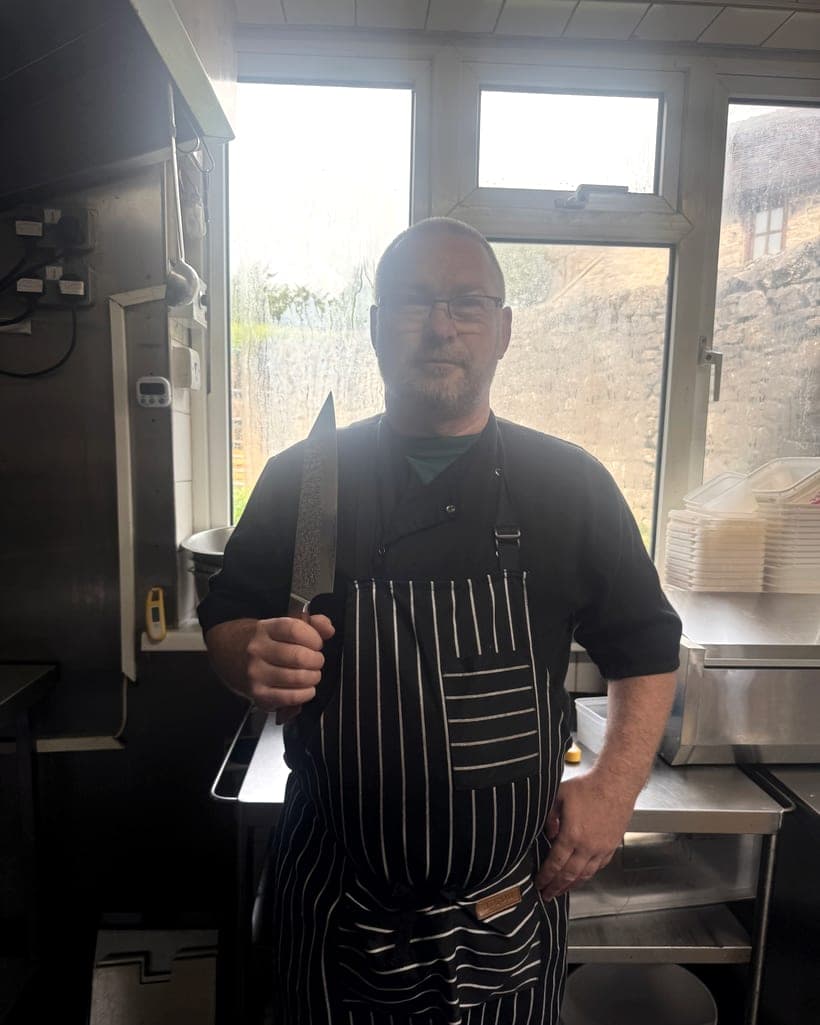
Japanese knives are known for their sharp edges and precise geometry. A cleaver, for example, might seem heavy, but many Japanese cleavers are surprisingly light and nimble. The 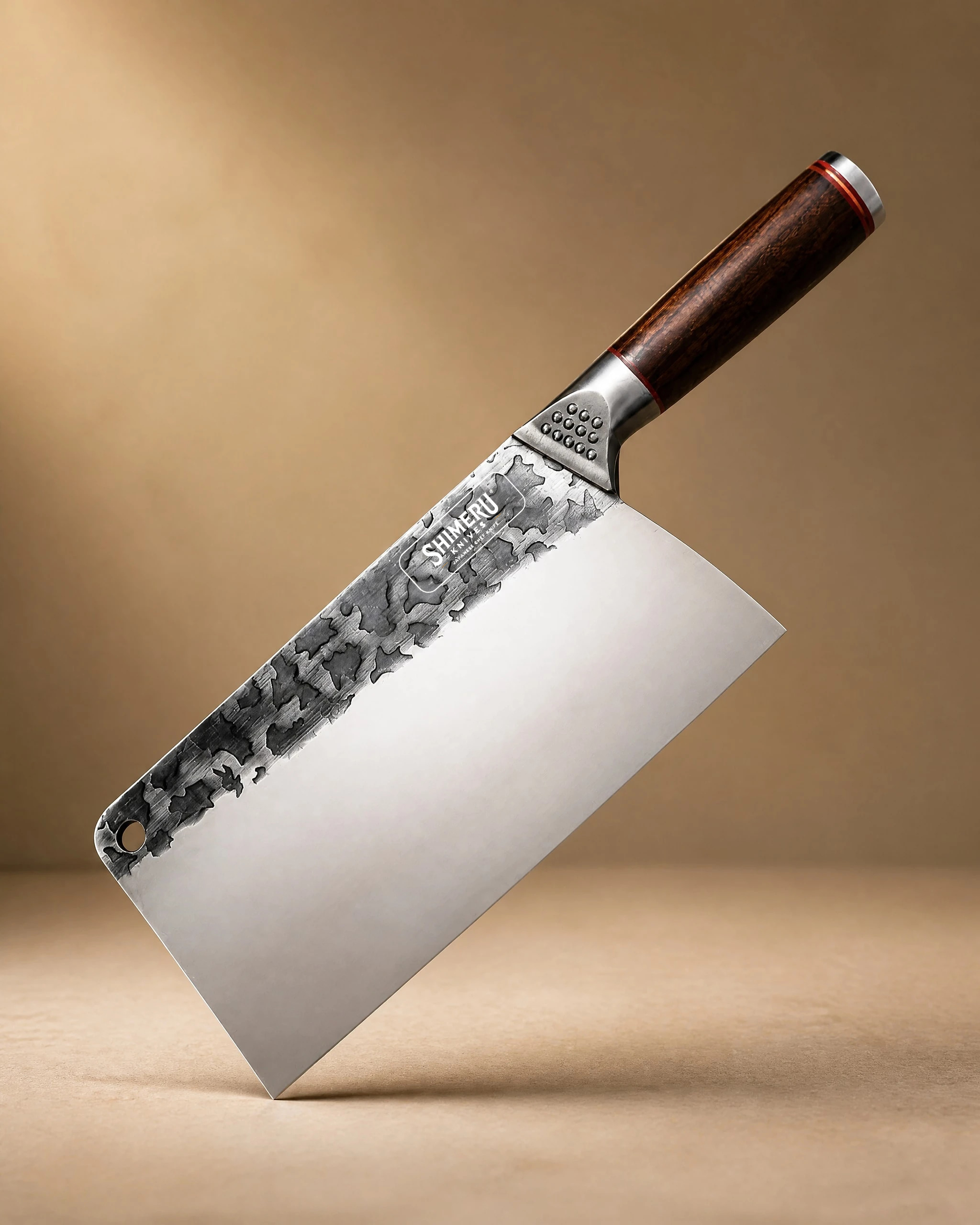 Saba 7" Stainless Steel Cleaver 中華包丁£44.99View product → is a stainless steel cleaver with an African Wedge hardwood handle, ideal for meat, vegetables, and herbs. Its 8-inch blade provides ample length for slicing large items like cabbage or melon, yet the thin profile makes it excellent for fine slicing tasks. The stainless steel resists rust and is easy to maintain, while the hardwood handle offers a comfortable, secure grip. Similarly, the
 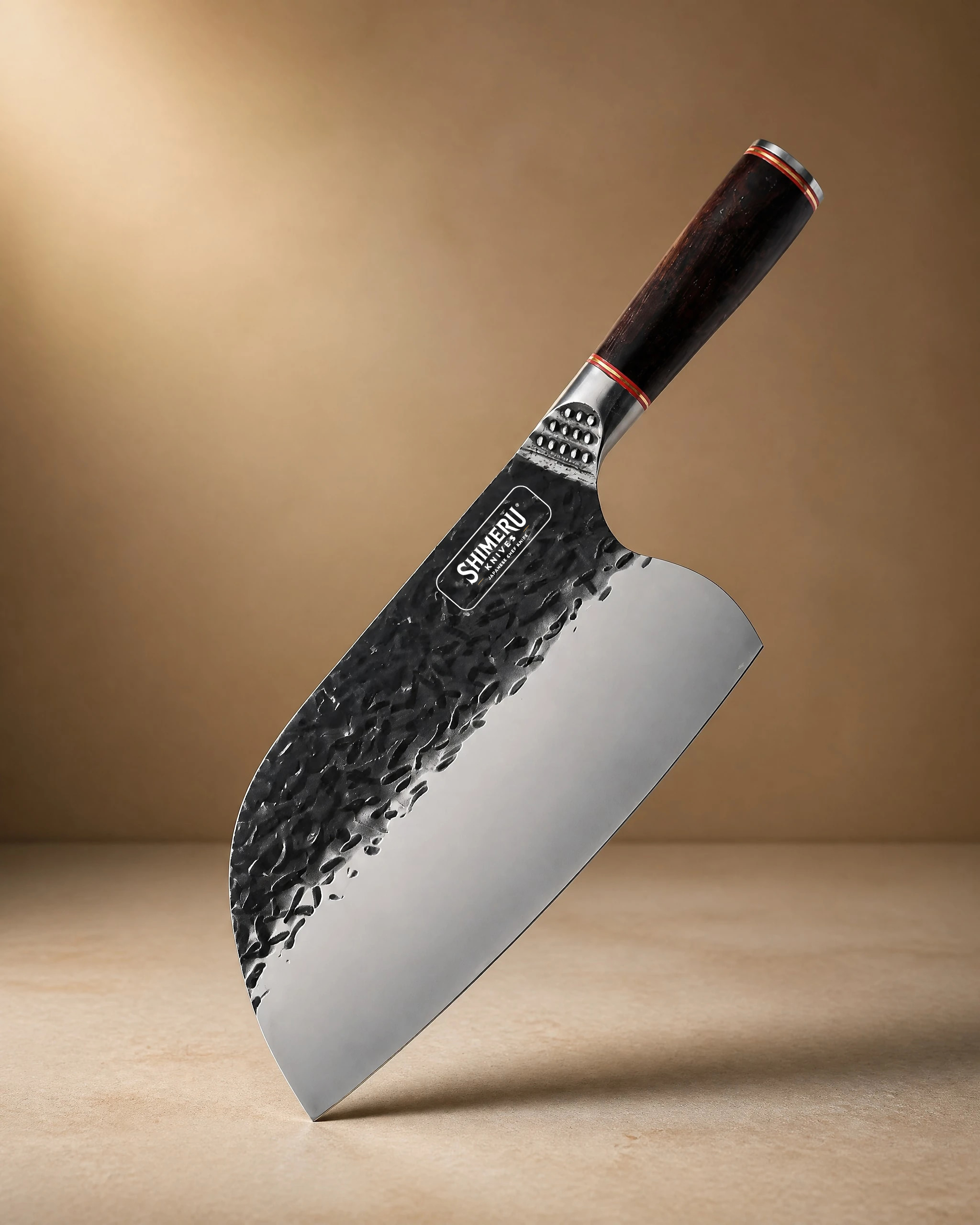 Toyo 7" Stainless Steel Cleaver 中華包丁£49.99View product → offers a 7-inch blade in Japanese stainless steel with a hardwood handle, perfect for chopping, slicing, and dicing. The shorter blade gives you extra control for smaller items, and it is light enough to use for extended prep sessions without fatigue. Both these knives can handle the same vegetables a mandolin would, but they also tackle proteins and herbs with ease.
Another advantage of a knife is the tactile feedback. You can feel how sharp the edge is, sense the food’s resistance, and adjust your technique. This connection is lost with a mandolin. For home cooks who enjoy the process of cooking, a knife is far more satisfying. Furthermore, a knife requires only a cutting board, no bulky setup. You can store it in a knife block or magnetic strip, ready at a moment’s notice. Cleaning is simple: a quick wash and dry. There are no crevices where food hides.

When a Mandolin Makes Sense
That is not to say a mandolin has no place. If you frequently prepare dishes that require enormous quantities of evenly sliced vegetables, think potato chips, gratin, or coleslaw, a mandolin saves time and ensures uniformity. Commercial kitchens often rely on mandolins for batch prep. For example, slicing 2 kg of potatoes for a gratin by hand would take 20 minutes and still show slight variations in thickness. A mandolin does the same job in five minutes with perfect consistency. But for the home cook, the trade-offs in storage, cleaning, and safety often tip the balance in favour of a good knife. Unless you are cooking for a large family or regularly hosting dinner parties, the mandolin may gather dust between uses.
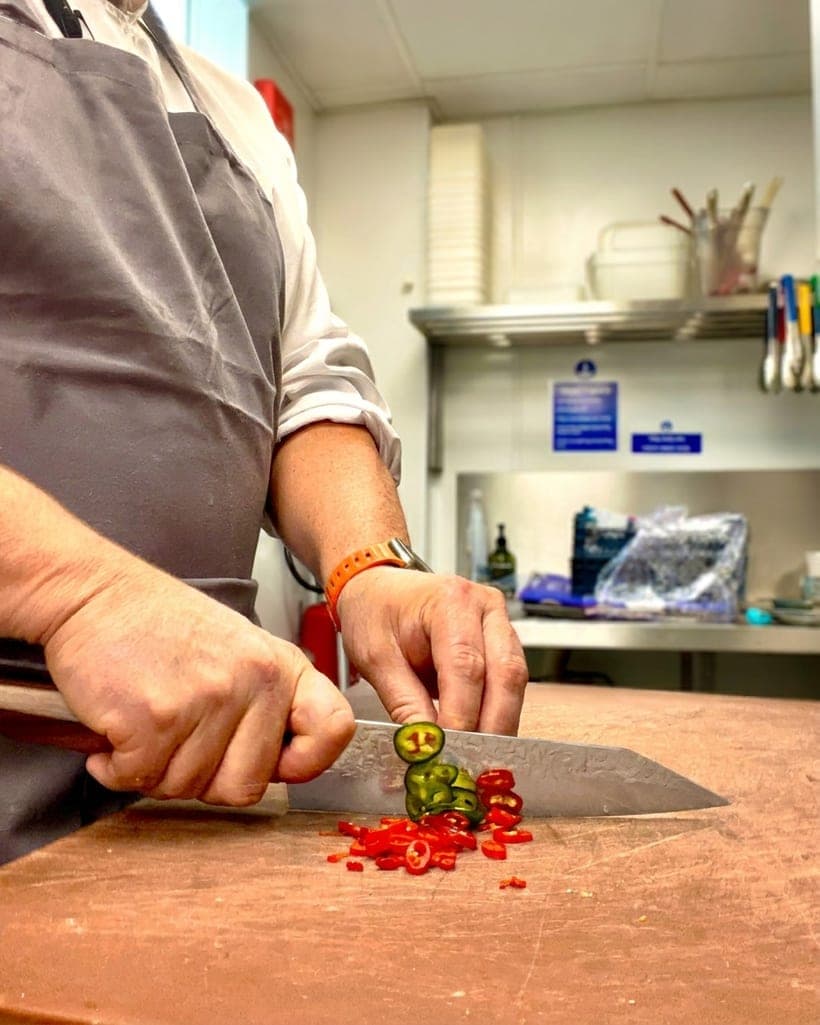
One area where a mandolin genuinely excels is in creating paper-thin slices that a knife might struggle to achieve consistently, especially with very hard vegetables like raw beetroot or sweet potato. However, with a sharp knife and practice, you can come very close. A cleaver with a thin spine and a fine edge, like the Saba 7" Stainless Steel Cleaver 中華包丁£44.99View product →, can produce slices under 2 mm if you have the skill. The difference is that the mandolin does it without effort, while the knife requires a steady hand and a bit of experience.
Who should consider a mandolin? If you often make pickles, fermented vegetables, or chips, and you value speed over versatility, a mandolin could be a worthwhile addition. But for everyday cooking, stir-fries, salads, soups, and protein prep, a knife is the better investment.
Knife Care and Sharpening
Whichever tool you choose, keeping it sharp is essential. A dull knife is not only frustrating but also more dangerous than a sharp one, as it requires more force and can slip. For a mandolin, replacement blades are often needed; you cannot easily sharpen the thin, fixed blade at home. Some cooks buy a spare blade set and swap them every few months. For a knife, regular honing and occasional sharpening will keep it performing at its best. Japanese knives, with their harder steel (typically 58-61 HRC), hold an edge longer than softer European blades, but they are also more brittle. Avoid using them on hard surfaces like glass boards or frozen food.
The 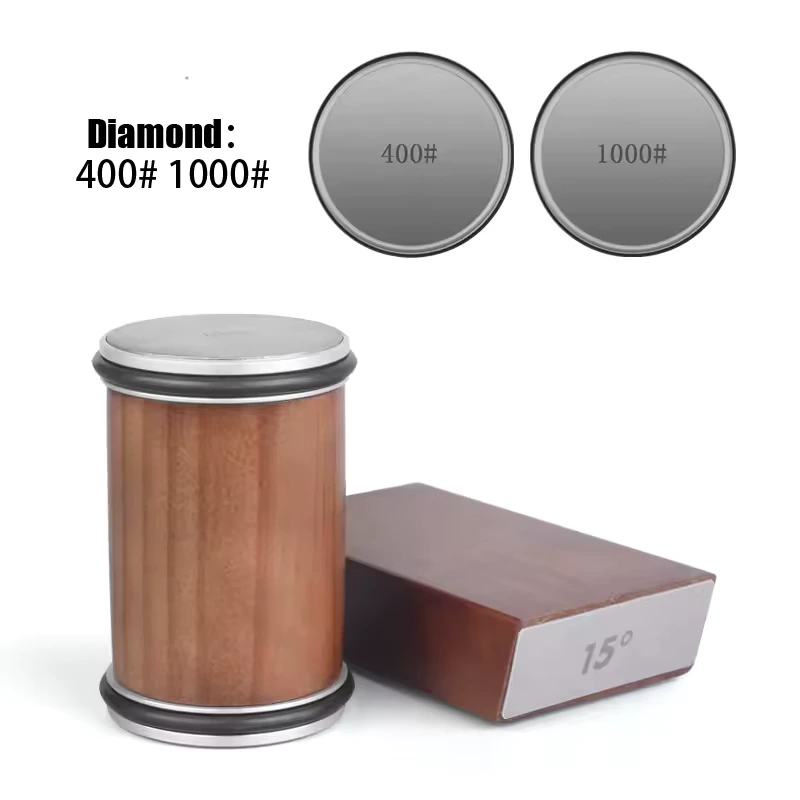 Magnetic Rolling Knife Sharpener£59.99View product → is a magnetic rolling knife sharpener that makes it easy to maintain a consistent edge. It works on both straight and serrated blades, and its magnetic base keeps it stable on the counter. Pull the knife through the V-shaped slot a few times, and you restore a working edge. For a deeper sharpen, you might use a whetstone, but the rolling sharpener is perfect for weekly maintenance. With regular use, you can extend the life of your knives and enjoy effortless slicing every time. The sharpener is also compact, so it fits in a drawer alongside your mandolin or knives.
For those building a complete knife collection, a set can be a wise investment. The 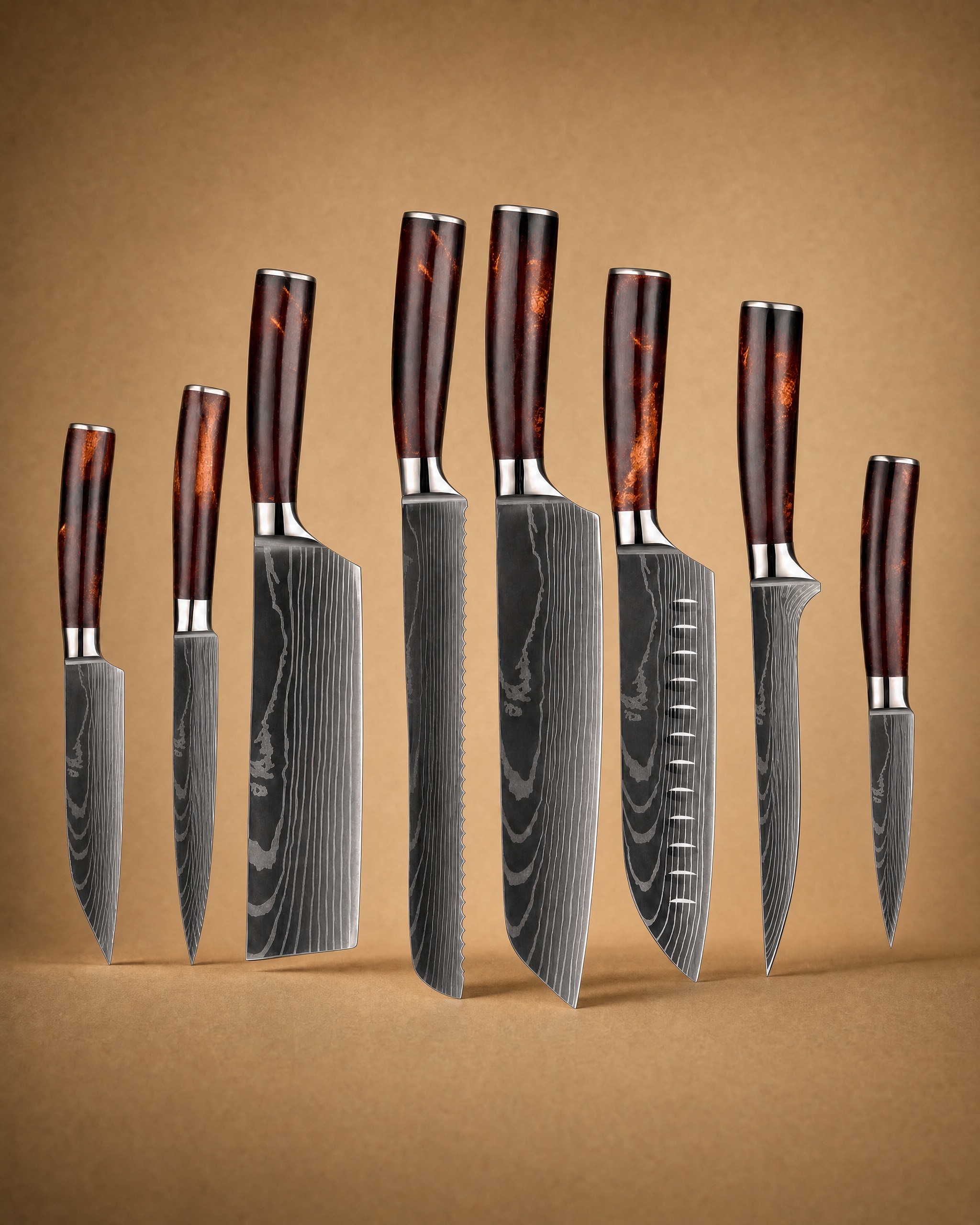 Asahi 朝日川 Damascus Pattern Stainless Steel Kitchen 8 Knife Set£154.99 · currently out of stockView product → includes eight pieces of Damascus pattern stainless steel with a high-carbon steel core and red resin handles. The Damascus pattern reduces friction, making cuts smoother, while the high-carbon core yields excellent edge retention. This set covers most kitchen tasks and reduces the temptation to reach for a single-purpose tool like a mandolin. You will have a slicer, a chef knife, a utility blade, and more, all designed to work together harmoniously. Each knife has its own role: the slicer for thin cuts, the chef knife for general prep, the utility for small tasks. With practice, you can perform nearly any cut that a mandolin would do, and with greater satisfaction.
If you are new to Japanese knives, we recommend reading our knife guide to understand the different blade types and how to choose the right one for your needs. Proper knife care is equally important; our knife care guide explains how to store, clean, and maintain your knives for years of reliable service. For mandolin owners, we advise hand washing and drying immediately to prevent rust or food residue build-up.
Making the Right Choice for Your Kitchen
The decision between a mandolin slicer and a knife comes down to your cooking habits. If you frequently prep large volumes of uniform vegetables and have storage space, a mandolin can be a useful addition. But for most home cooks, a quality Japanese knife or a small set of knives will serve you better. It handles a wider range of tasks, gives you greater control, and is more enjoyable to use. Consider the steel: stainless steel knives like the Toyo 7" Stainless Steel Cleaver 中華包丁£49.99View product → are low maintenance, while high-carbon steel like that in the Asahi 朝日川 Damascus Pattern Stainless Steel Kitchen 8 Knife Set£154.99 · currently out of stockView product → rewards careful care with exceptional performance. Size also matters: a 7-inch blade is nimble for small hands and detailed work, while an 8-inch blade offers more length for large vegetables.
Consider what you cook most often. If you are a vegetable-heavy cook who loves salads and gratins, a mandolin might earn its place. If you cook a variety of dishes including meat, fish, and herbs, invest in a good knife first. The versatility of a cleaver or a general-purpose chef knife will rarely let you down. For example, a cleaver can also scoop up chopped ingredients with its wide blade, a task a mandolin cannot do. And when you need to slice a tomato or a piece of raw fish, a knife is the only practical tool.
We stock a carefully selected range of Japanese knives that balance performance with value. Browsing our full collection will help you see the options available. Remember, a knife is a lifelong tool when properly cared for. A mandolin, by contrast, is a specialised instrument with a narrower purpose. Over years of use, the knife will develop a patina and a personal edge that feels like an extension of your hand. The mandolin will remain a machine, efficient but impersonal.
Whichever path you choose, enjoy the process of preparing food with sharp, precise tools. Both methods have their merits, but for everyday cooking, a good knife remains the most versatile and rewarding companion in the kitchen. Practice the claw grip and the rocking motion; learn to sharpen on a whetstone or with a sharpener like the Magnetic Rolling Knife Sharpener£59.99View product →. The skills you develop will serve you for a lifetime, while a mandolin only serves a single task.
Photography: MARIOLA GROBELSKA via Unsplash.


