




Japanese Paring Knife Uses

Ask a group of cooks about a paring knife and you will hear different answers. Some call it the small knife they use for peeling and hulling. Others use it for trimming and shaping. In Japanese knife shops, the role is often given to a petty knife, a short blade with a pointed tip and a thin edge. The word 'paring knife' still makes sense, because the tasks are the same. It is the knife you pick up when you need control, not brute force.
This guide looks at Japanese paring knife uses in a practical way. We will cover the jobs a small knife does best, the reasons why Japanese blade geometry suits those jobs, and the ways you can use a versatile Japanese knife instead of a dedicated paring knife. We keep the advice honest and simple. No knife is perfect for every task, and the right choice depends on how you cook.
What Does a Japanese Paring Knife Do?
A paring knife is a short blade, usually between 7.5 and 10 cm, with a straight or slightly curved edge. In Japanese knife terminology, the closest match is often a petty knife. Both excel at detail work where a larger chef's knife would feel clumsy. The short length keeps the tip easy to control, and the narrow blade lets you make small, precise cuts without lifting too much food.
The most common tasks for a Japanese paring knife include:
- peeling fruit and vegetables
- hulling strawberries and berries
- coring tomatoes, apples and pears
- trimming fat and sinew from meat
- scoring fish skin or chicken skin
- cutting garnishes and decorative shapes
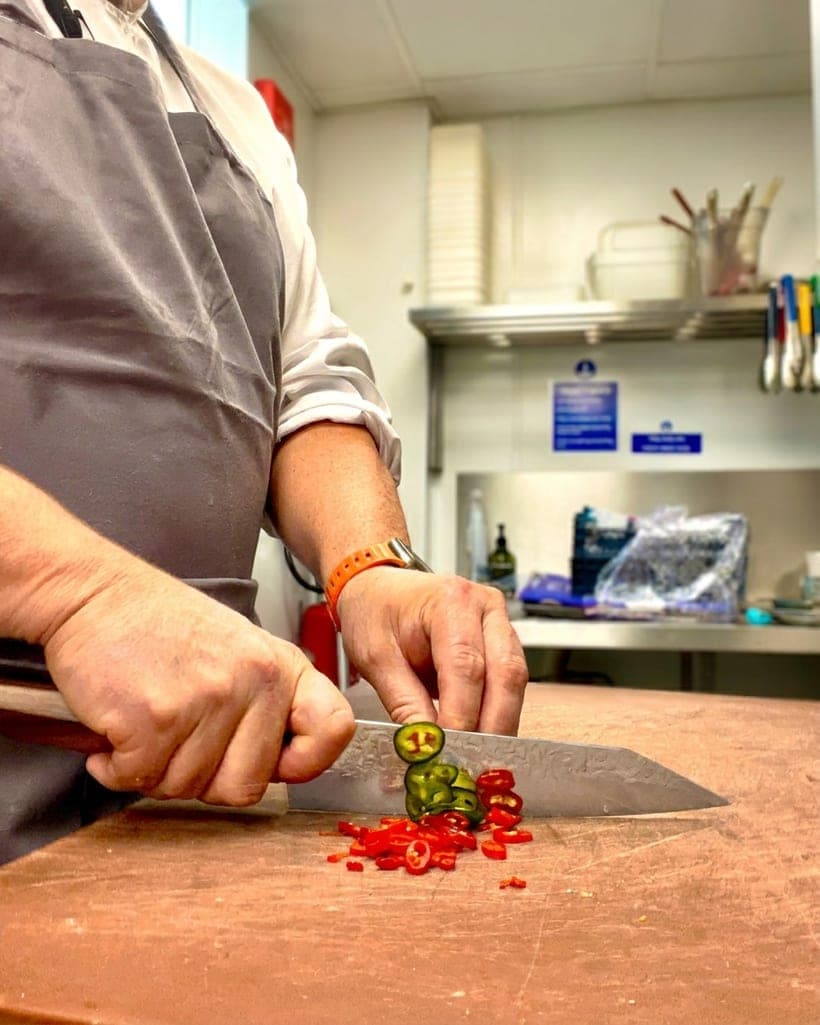
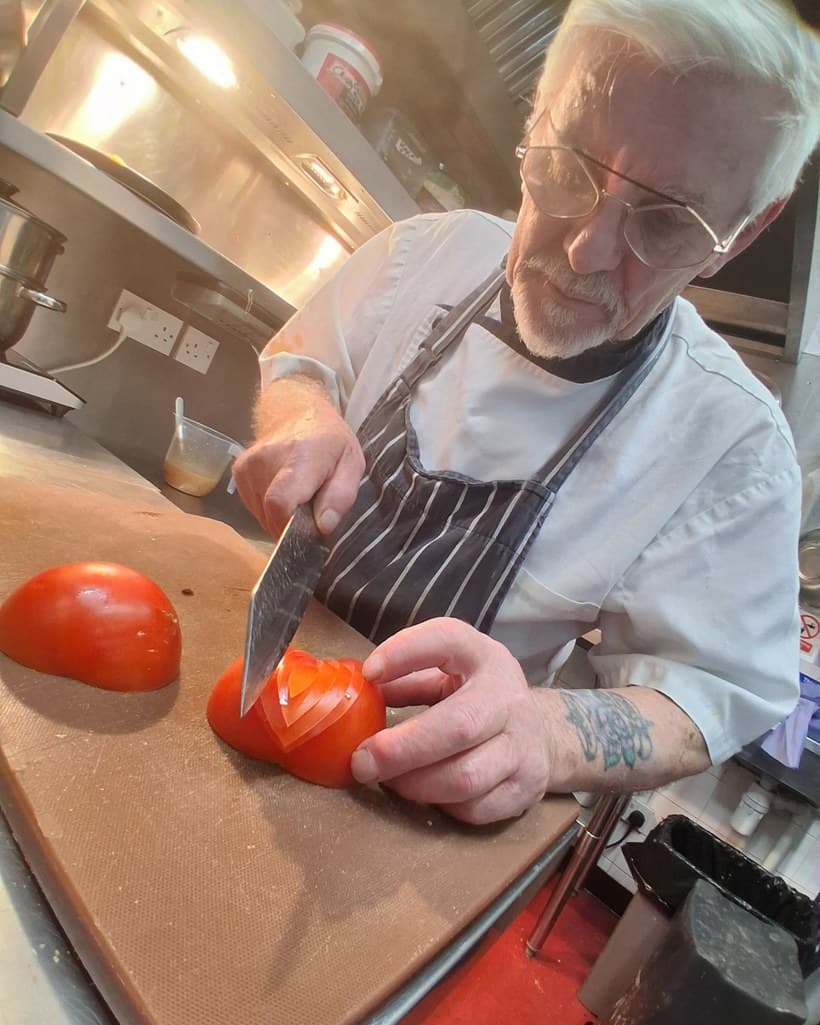
You might also use a paring knife for removing potato eyes, deseeding chillies, or breaking down a whole chicken. The common thread is precision. A longer knife can do some of these jobs, but a short blade gives you a better view of the cut and leaves the other hand with a more secure grip.
Why Choose a Japanese Style for Small Knife Work?
Japanese knives are built with a harder steel and a thinner edge than many Western knives. That is not a marketing claim, it is a design philosophy. Harder steel can be sharpened to a more acute angle, and a thinner blade slides through food with less resistance. For small tasks that require a clean cut, this makes a genuine difference. A tomato skin or a piece of raw fish is less likely to tear when the edge is crisp.
The trade-off is that a very hard edge needs more careful handling. You should avoid chopping through bones, frozen foods, or hard seeds. You should also use a board made of wood or soft plastic, not stone, glass or ceramic. If you are new to Japanese knives, our knife guide explains the different blade shapes, steels and handle materials in plain English. It is worth reading before you buy, especially if you are choosing your first Japanese knife.

How a Gyuto Covers Paring Knife Tasks
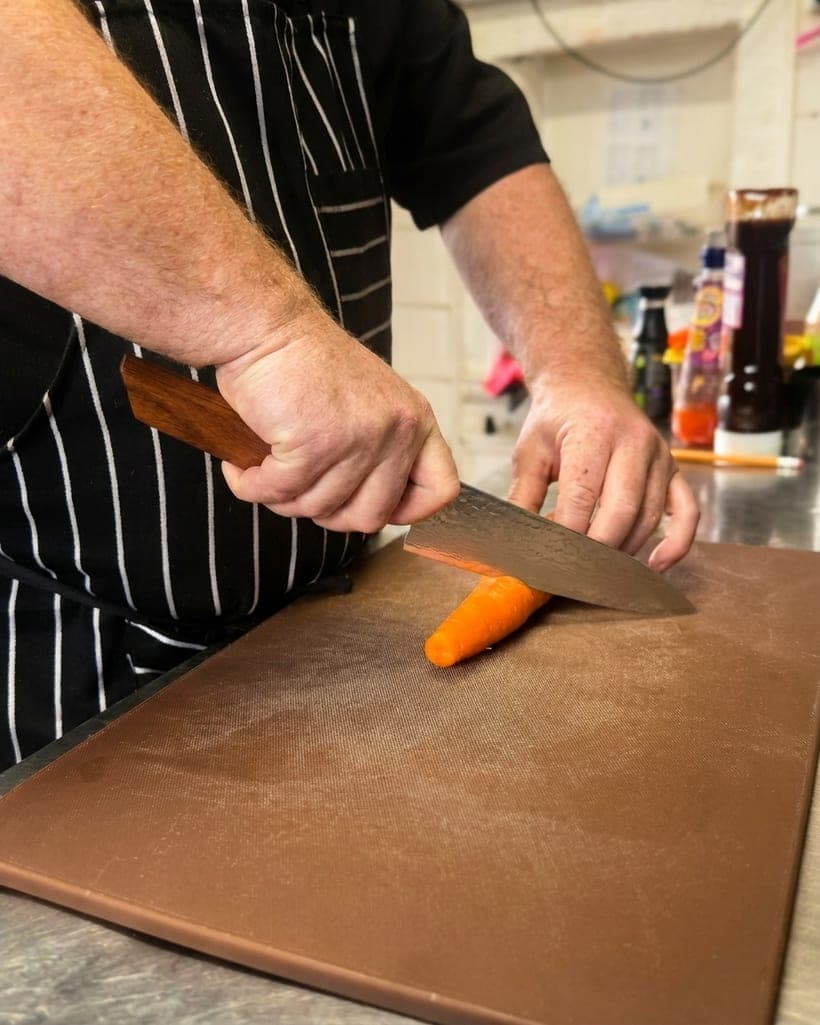
If you want one knife that can do most of the work in a small home kitchen, a gyuto is a strong option. The gyuto is a Japanese take on the Western chef's knife. It has a gently curved belly and a pointed tip. The tip is the part you need for paring-style cuts. By moving your hand up to the blade and using the tip, you can peel an apple, trim a fillet, or make a fine cut in a herb leaf.
The Sendai Steel Gyuto is a stainless steel knife with an Mkuruti wood handle. It works well for vegetables, herbs, meat and fish, which covers most of the jobs that a paring knife would normally do. If you do not want to buy several specialised knives, this one blade can move between the chopping board and your hand. It is a practical choice for cooks who prefer one good knife over a drawer full of half-used tools.
For a closer look at how the Sendai Gyuto fits into a day of cooking, here is the knife itself: 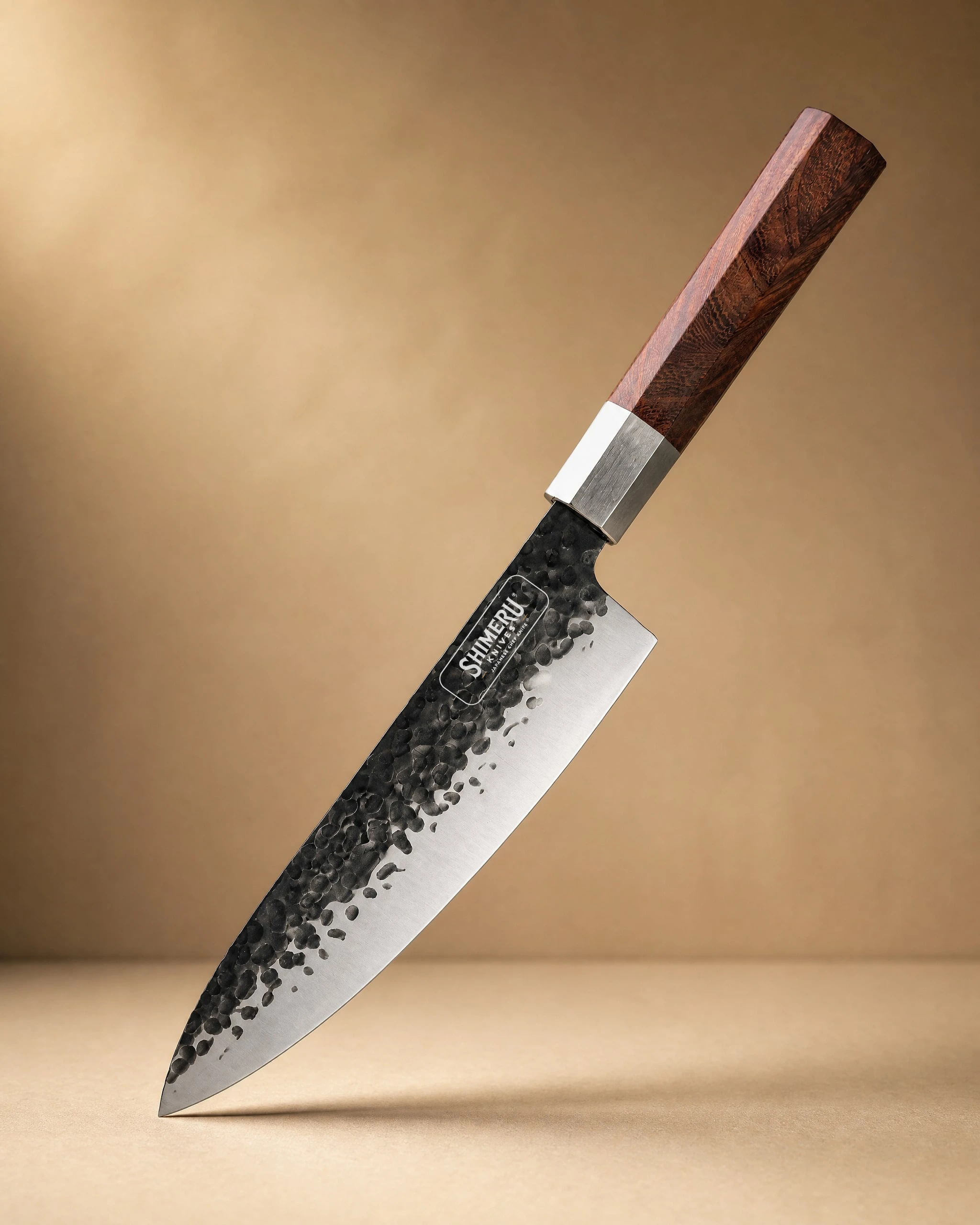 Sendai 8" Steel Gyuto Knife 牛刀£49.99View product →
When a Cleaver Is Actually Useful
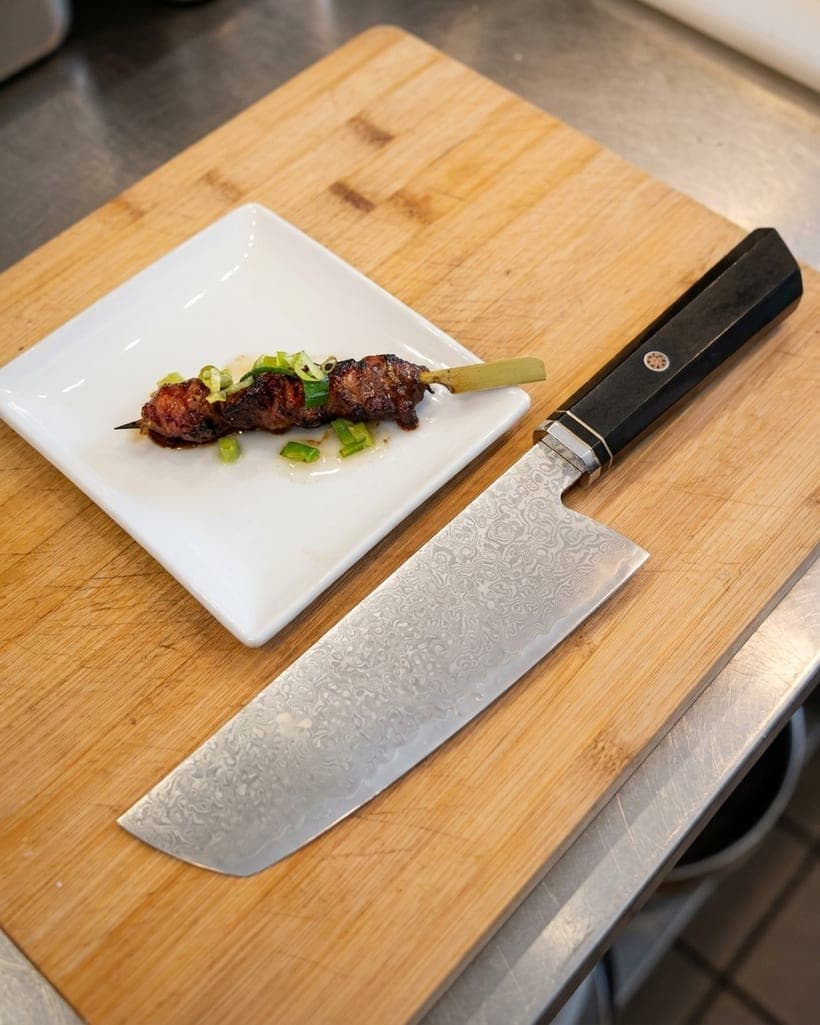
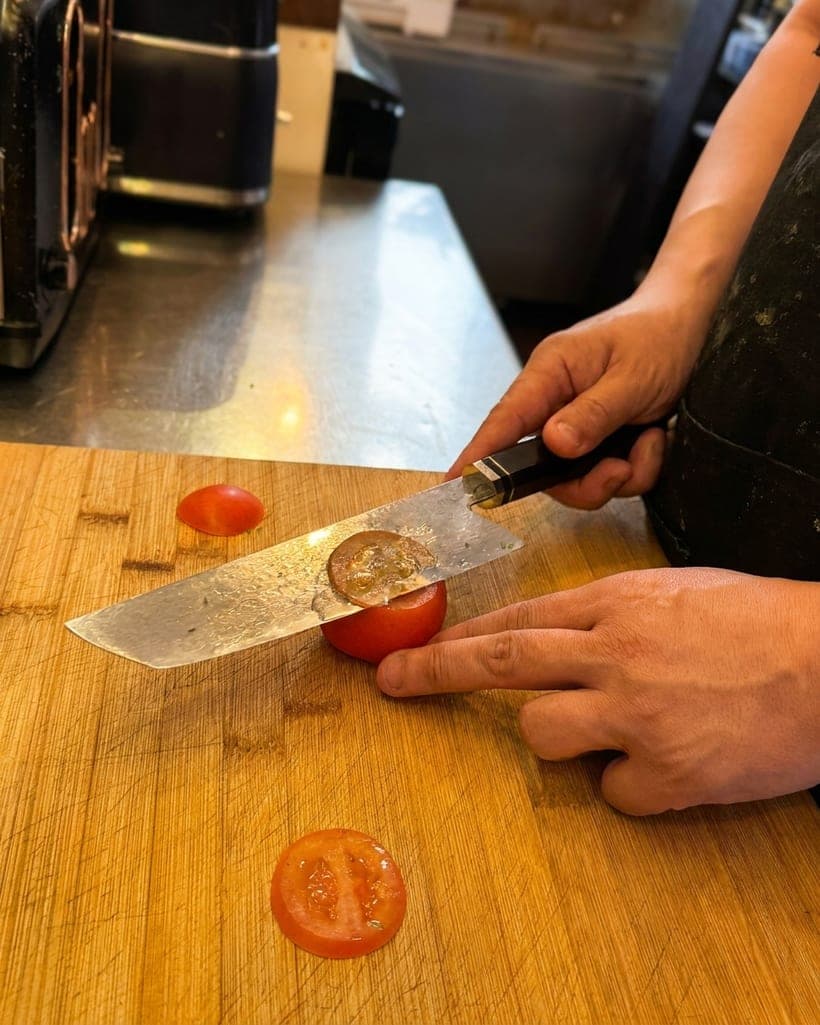
Some cooks are surprised by the idea of using a cleaver for small knife work. A Chinese-style vegetable cleaver has a rectangular blade that appears large, but the near edge is still narrow and precise. The flat side of the blade can crush garlic or ginger, and the front section can perform the same trimming and slicing jobs as a paring knife. In the right hands, a cleaver can be faster for batch prep because it combines weight and leverage.
The Saba Stainless Steel Cleaver is a seven-inch blade with Japanese stainless steel and an African Wedge hardwood handle. It is designed for meat, vegetables and herbs, so it suits a household that cooks from scratch. If you already have a gyuto, a cleaver adds a different feel to your prep without adding too much clutter. You can use the heel for harder vegetables and the front of the blade for finer work.
Here is a clean, direct choice for heavy prep: 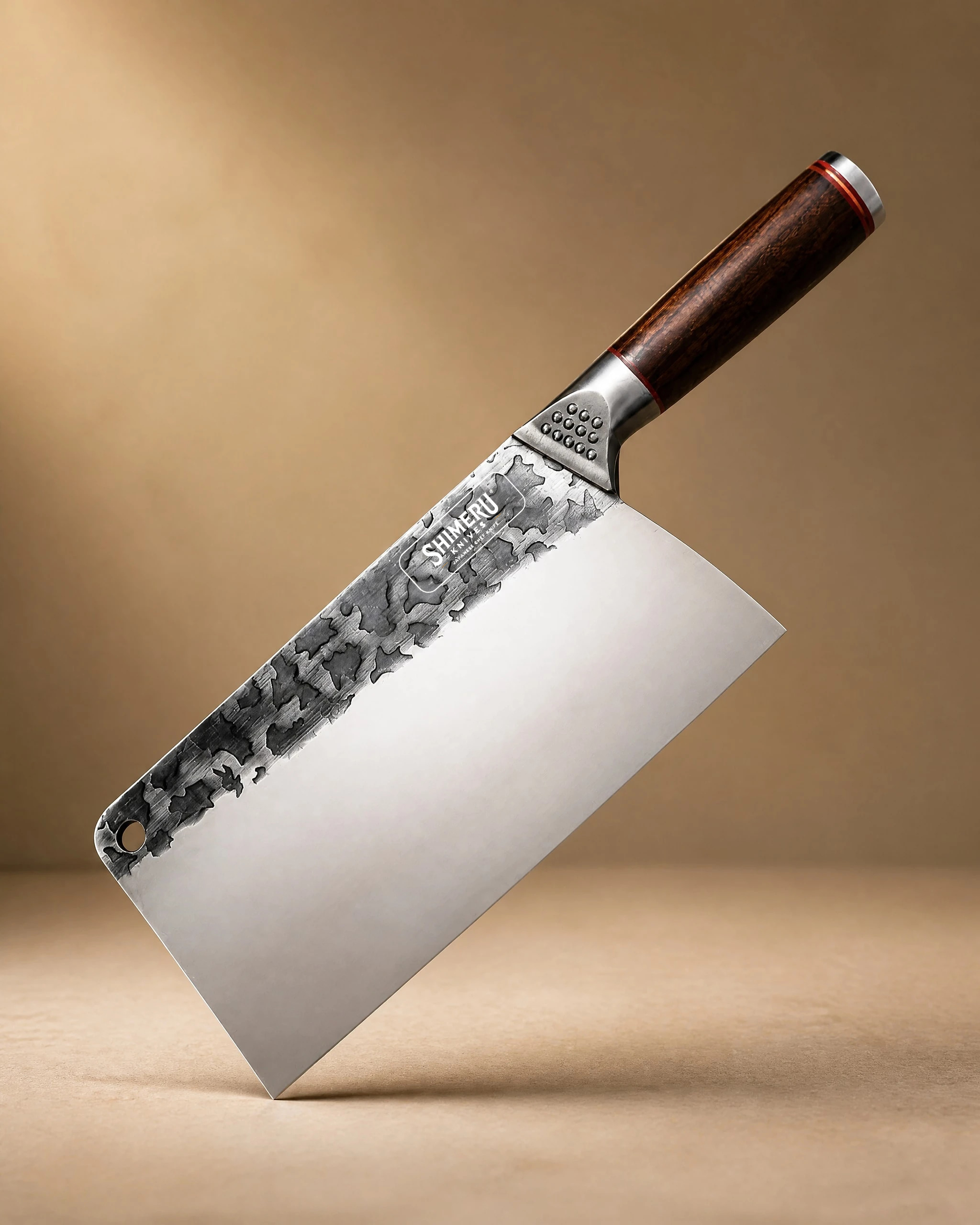 Saba 7" Stainless Steel Cleaver 中華包丁£44.99View product →
Keeping a Fine Edge on a Small Knife
All Japanese knives need regular sharpening. A superb edge is the whole point of the design, but steel loses that edge through use. For small jobs like paring fruit or slicing smoked salmon, even a slightly dull blade will crush more than it cuts. That is why maintenance should be part of your routine, not an afterthought.
If you are not comfortable using a whetstone, a guided sharpener is an easy way to keep a consistent angle. The Magnetic Rolling Knife Sharpener holds the blade at a fixed angle while you pull it through the rollers. It is simple and reliable, and it does not require years of practice. For a home cook, a few passes before a big meal will make a noticeable difference.
The sharpener we recommend for straightforward home use is here: 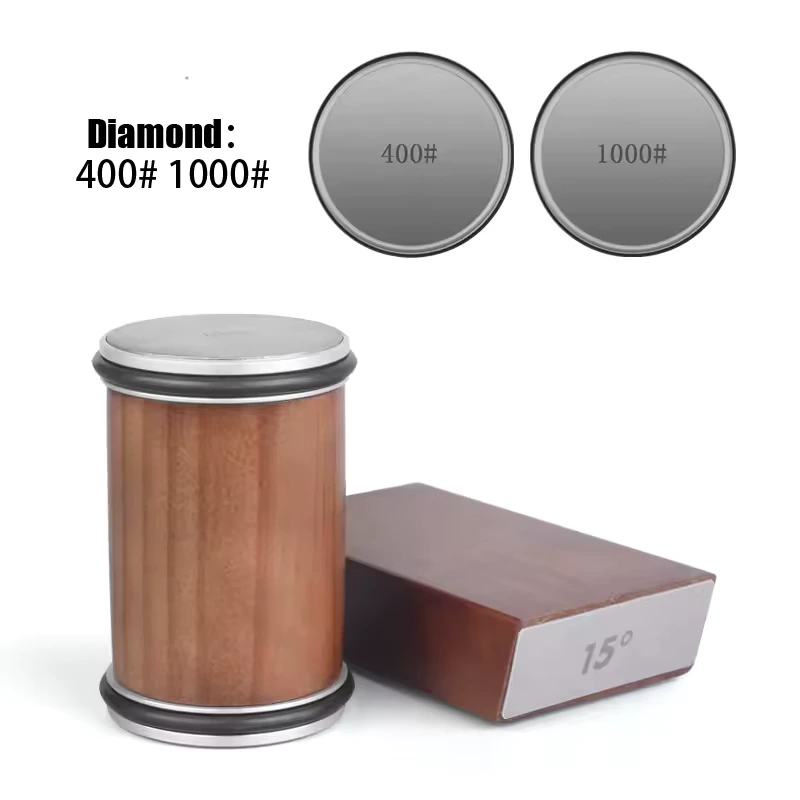 Magnetic Rolling Knife Sharpener£59.99View product →
You can find more detailed advice in our knife care guide, which covers washing, drying, storage and sharpening. The short version is: wash by hand, dry immediately, use a wooden board, and do not let the knife sit in a sink. Leather stropping between sharpenings will also help, but it is not essential.
Building a Set Around the Jobs You Do
A single knife can cover many tasks, but some cooks prefer a small collection of blades, each chosen for a specific job. If you enjoy cooking with a range of techniques, you might want a large knife for chopping, a sturdy blade for heavy vegetables, and a smaller knife for detailed work. A set can be a cost-effective way to achieve that, provided every knife earns its place in your kitchen.
The Asahi Damascus Pattern Stainless Steel Kitchen 8 Knife Set uses high-carbon steel and a red resin handle. It is a coordinated set that brings several blades into one package, while the Damascus pattern adds a distinctive look. High-carbon steel can take a very sharp edge, but it is less stain-resistant than straight stainless steel. You need to dry it promptly and store it carefully. If that routine sounds manageable, a set like this can be a good foundation.
The set is designed for cooks who want options: 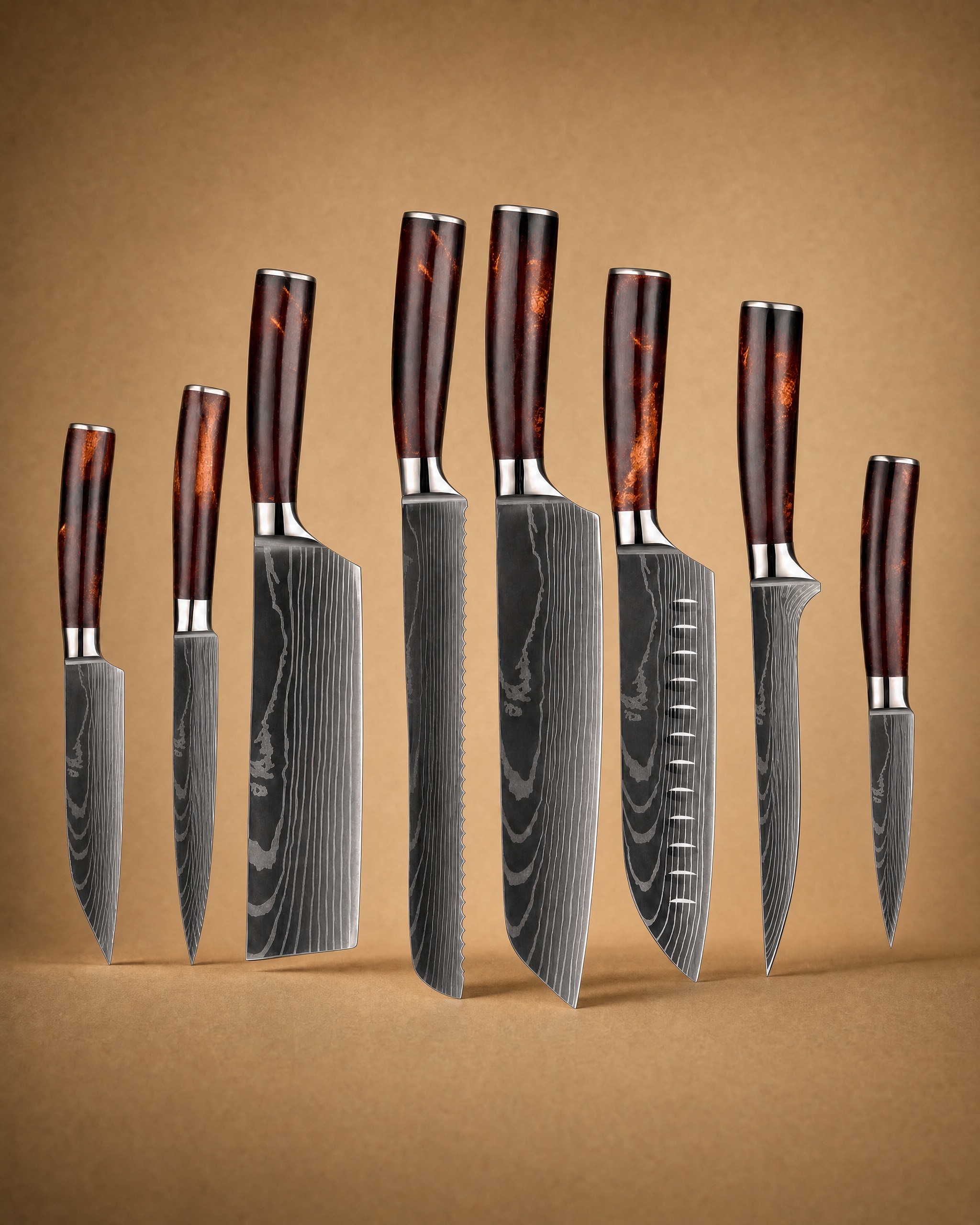 Asahi 朝日川 Damascus Pattern Stainless Steel Kitchen 8 Knife Set£154.99View product →
Matching the Knife to the Cook
A Japanese paring knife, or a small Japanese knife, is not for everyone. If you only cook simple meals and prefer speed to finesse, a full-sized chef's knife will serve you well. But if you enjoy making garnishes, filleting fish, or preparing fruit neatly, a short blade with a sharp edge will become your favourite tool.
The first thing to consider is how your hand fits the handle. A knife that feels too short or too thick will not feel natural, no matter how sharp the steel is. The second thing is balance. A small knife should feel nimble, with the point of balance close to your hand. The third thing is maintenance. A high-carbon blade will reward you with a finer edge, but it demands attention. A stainless blade needs less care and is better for a busy kitchen.
If you are unsure which blade suits you, browse our full range of Japanese knives and compare the options side by side. You do not need to buy a separate paring knife immediately. A sharp gyuto or a compact cleaver can handle most of the tasks described here, and you can add a dedicated paring or petty knife later if you feel the need.
Final Advice on Japanese Paring Knife Uses
There is no single tool that is always best. A paring knife is one way to do small jobs, but the important thing is that the knife you use is sharp and comfortable in your hand. Japanese knife design emphasises both of those qualities. Whether you choose a small petty, a versatile gyuto, a robust cleaver or a complete set, you will get the most benefit from a blade that suits your cutting style.
Keep your knife sharp, store it safely, and use it for the jobs it can do well. In return, it will make prep quicker and more pleasant. That is what Japanese paring knife uses are really about. Not owning a specific knife, but being able to make clean, controlled cuts whenever you need them.
Photography: Richard Iwaki via Unsplash.


