



The Bunka Knife: A Multi-Purpose Japanese Blade

Introduction to the Bunka Knife
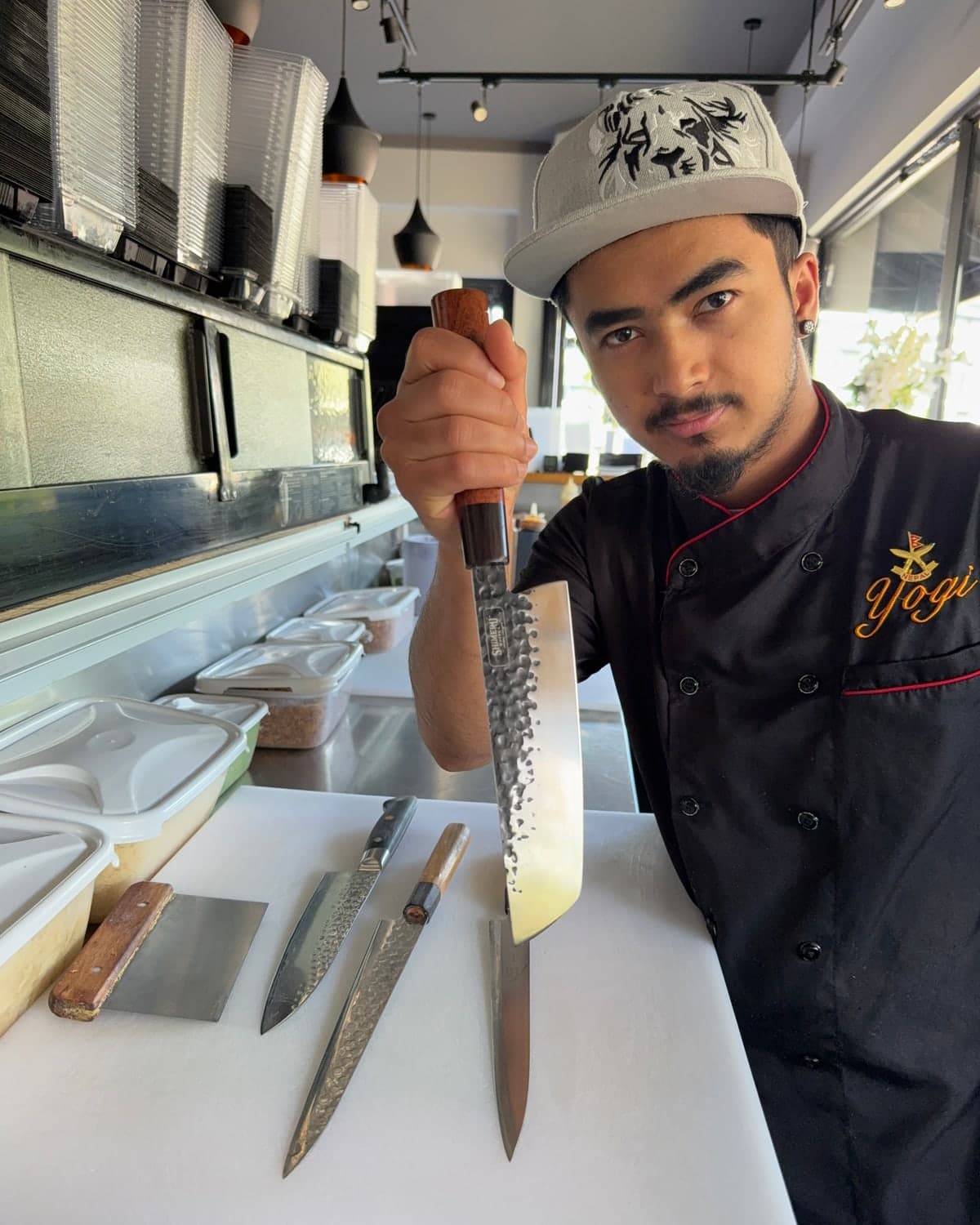
The bunka knife is one of the most versatile blades in Japanese cookery. Its name translates roughly to 'bunka' as in 'cultural', reflecting its role as a knife suited for a wide range of tasks. With a distinctive profile that combines a tall, cleaver-like blade with a sharp, angled tip, the bunka has become a favourite among home cooks and professionals alike. This knife is designed to handle everything from chopping vegetables to slicing fish and meat, making it a true multi-purpose tool. If you are looking for a single knife that can do most jobs in the kitchen, the bunka is an excellent choice.
The Anatomy of a Bunka Knife
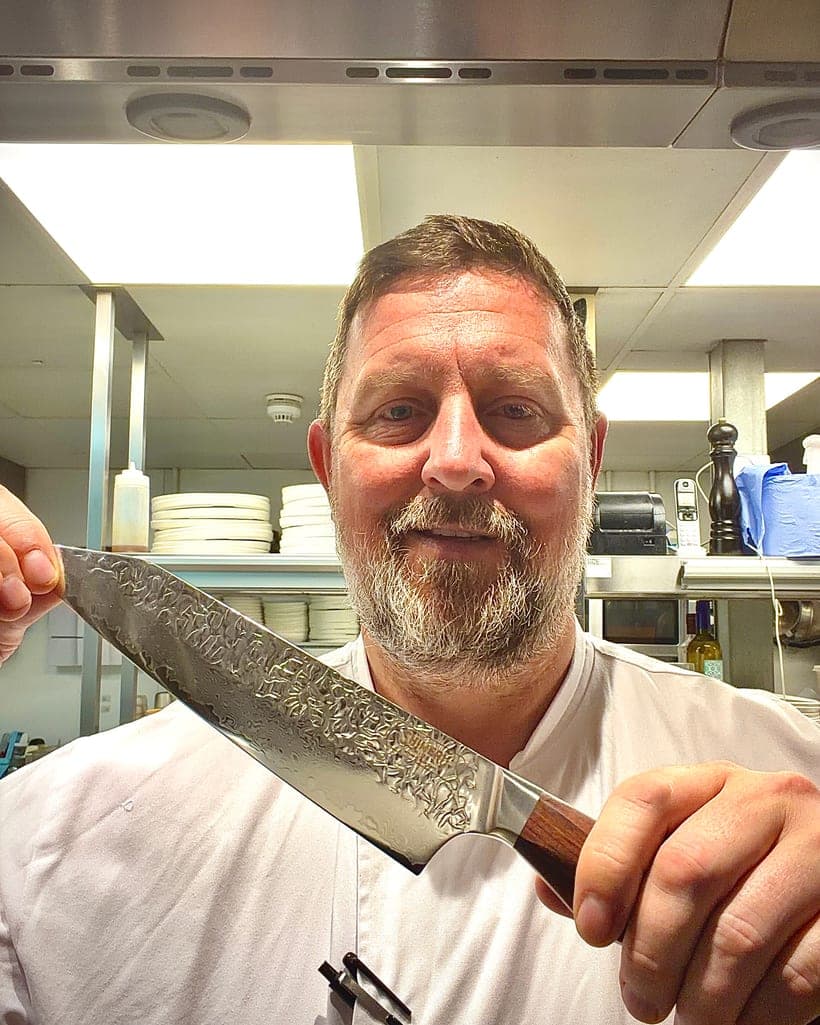
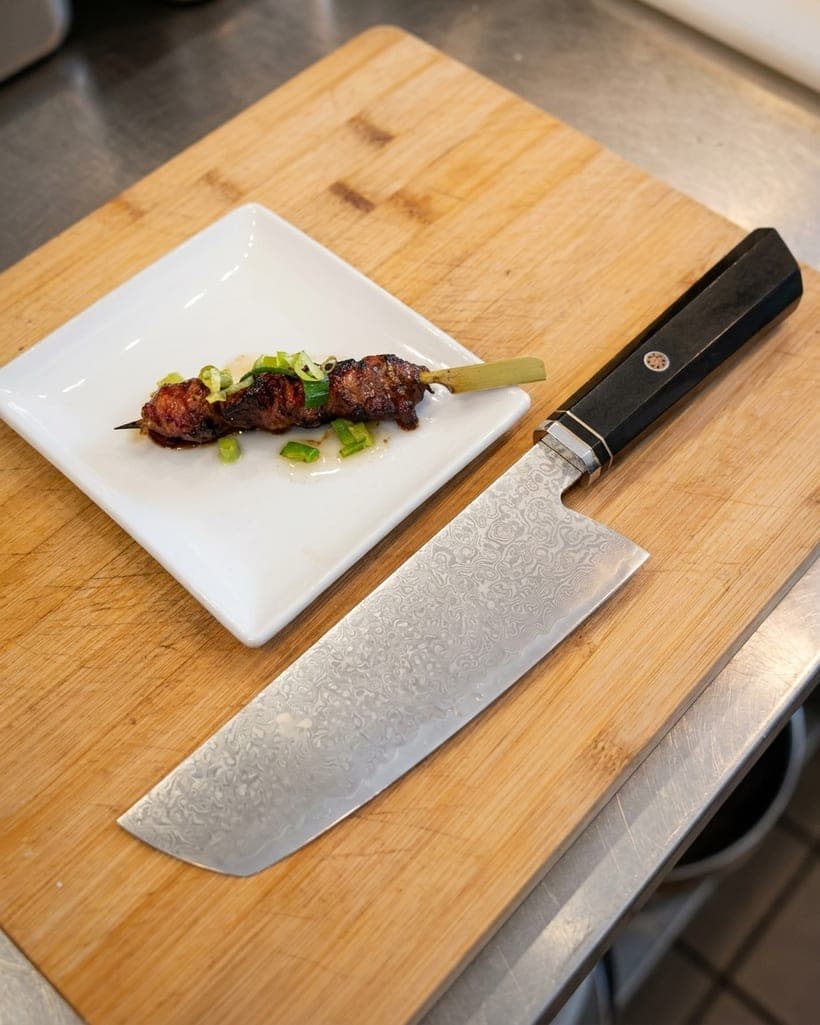
A typical bunka knife features a blade length of around 160mm to 200mm (6 to 8 inches), with a tall profile that provides ample knuckle clearance. The spine is often thick near the handle, giving it a sturdy feel, and tapers towards the tip. The tip itself is a distinctive 'reverse tanto' or 'k-tip' style, with a sharp point that excels at precise slicing and scoring. The edge is usually double-beveled, making it suitable for both right and left-handed users. The handle is traditionally wa (octagonal or D-shaped) for a comfortable pinch grip. The bunka's shape borrows from the Chinese cleaver but with a lighter, more nimble feel.
Blade Profile and Cutting Techniques
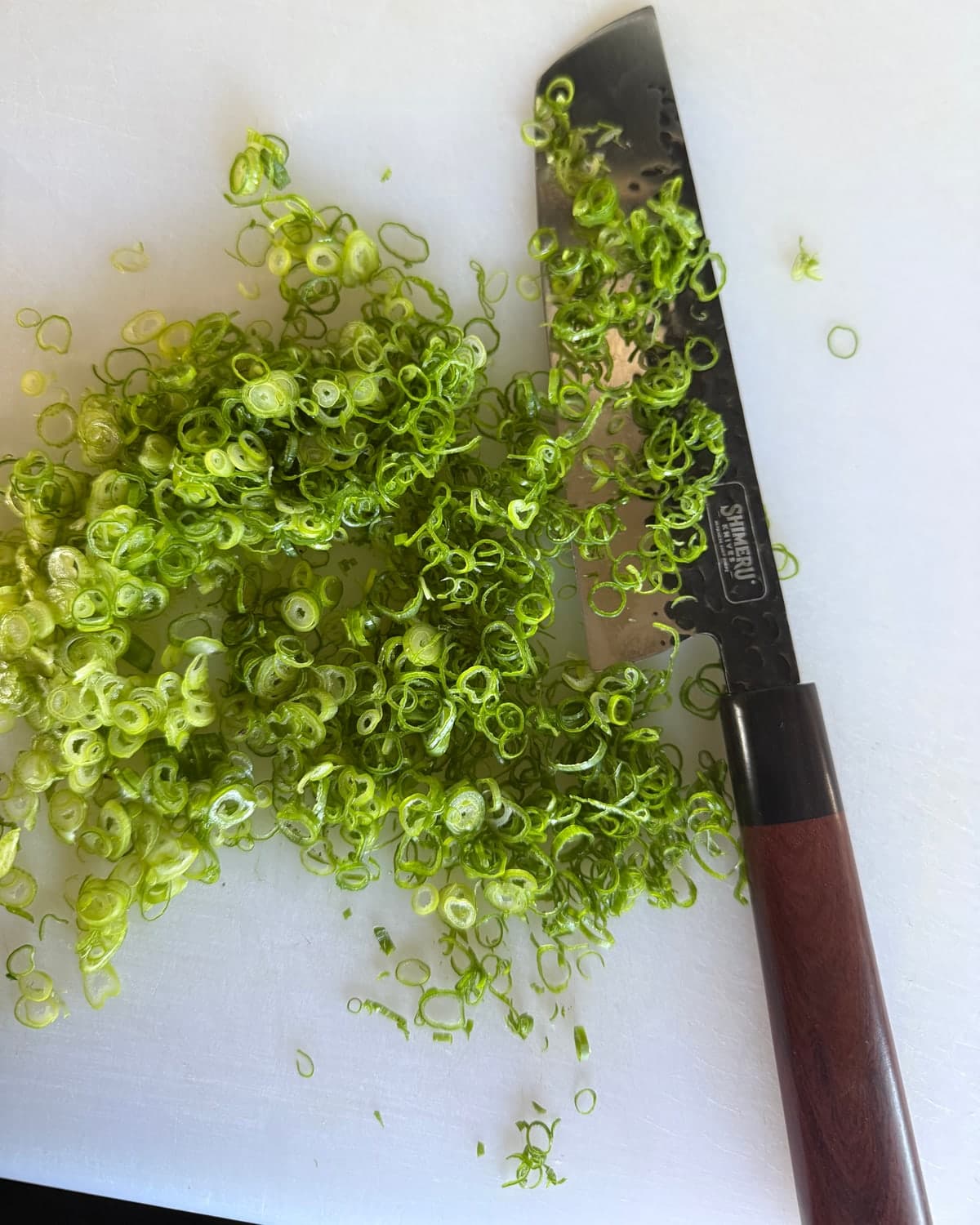
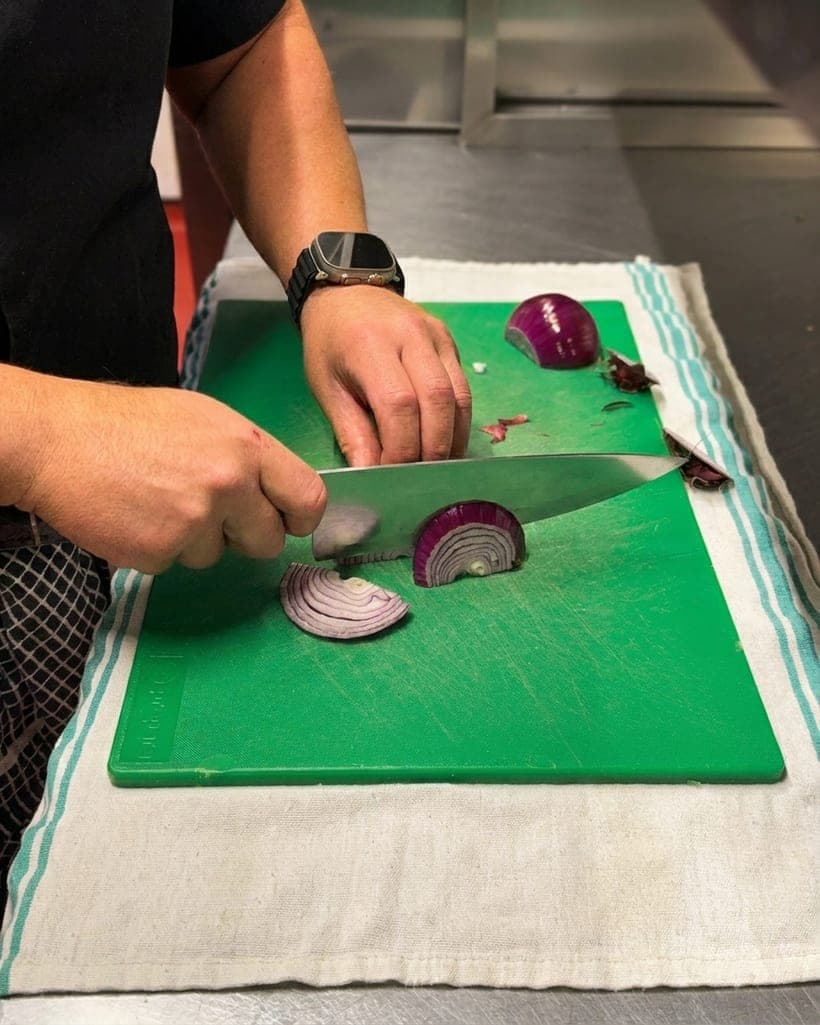
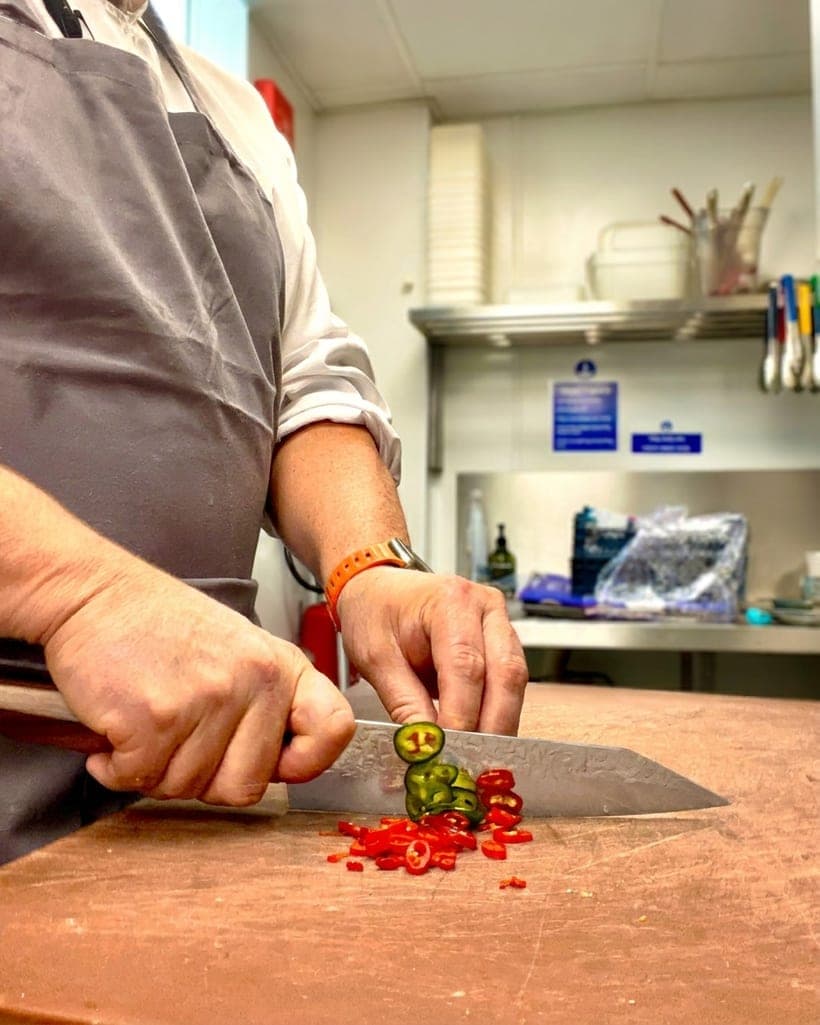
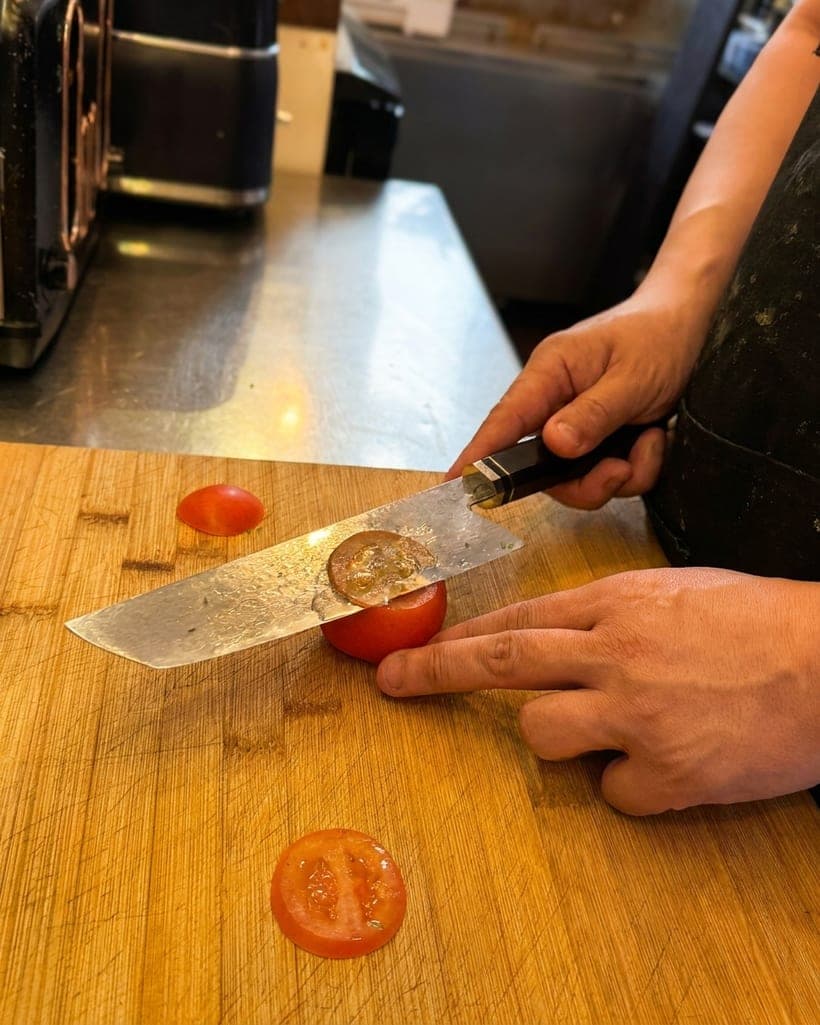
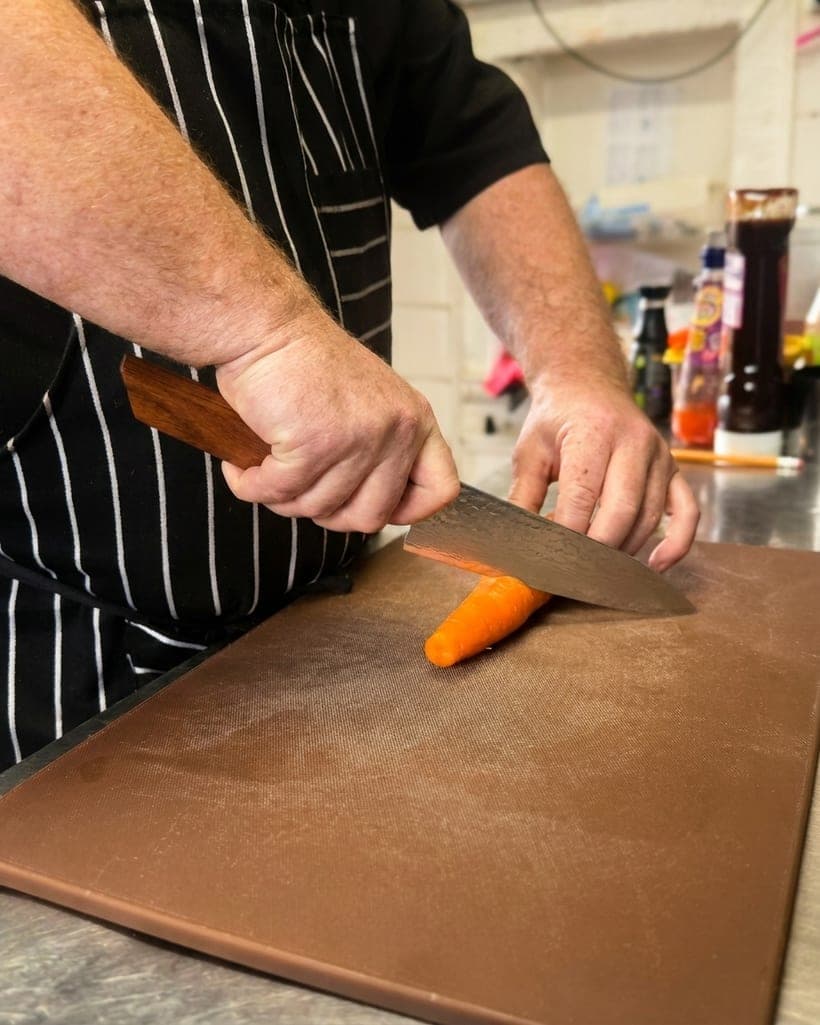
The bunka's blade profile dictates its cutting style. The flat section near the heel is excellent for push cuts through dense vegetables like carrots or potatoes. The slight curve towards the tip allows for a gentle rocking motion, ideal for mincing herbs or garlic. The pronounced tip can be used for intricate work such as scoring fish skin or removing eyes from potatoes. Many cooks employ a combination: they start with a push cut for chopping, then use the tip for finishing touches. This versatility means the bunka suits both the Western rock-chop and the Japanese push-cut technique. The tall blade also acts as a scoop, transferring ingredients directly from the board to the pan, reducing waste and clutter.
Steel Types and Their Impact
Bunka knives are available in various steels, each with distinct characteristics. Carbon steel, such as Shirogami or Aogami, can achieve a razor-sharp edge but requires careful maintenance. It will rust if left wet, and it may slightly discolour with acidic foods. Stainless steel, like the Japanese stainless steel used in the 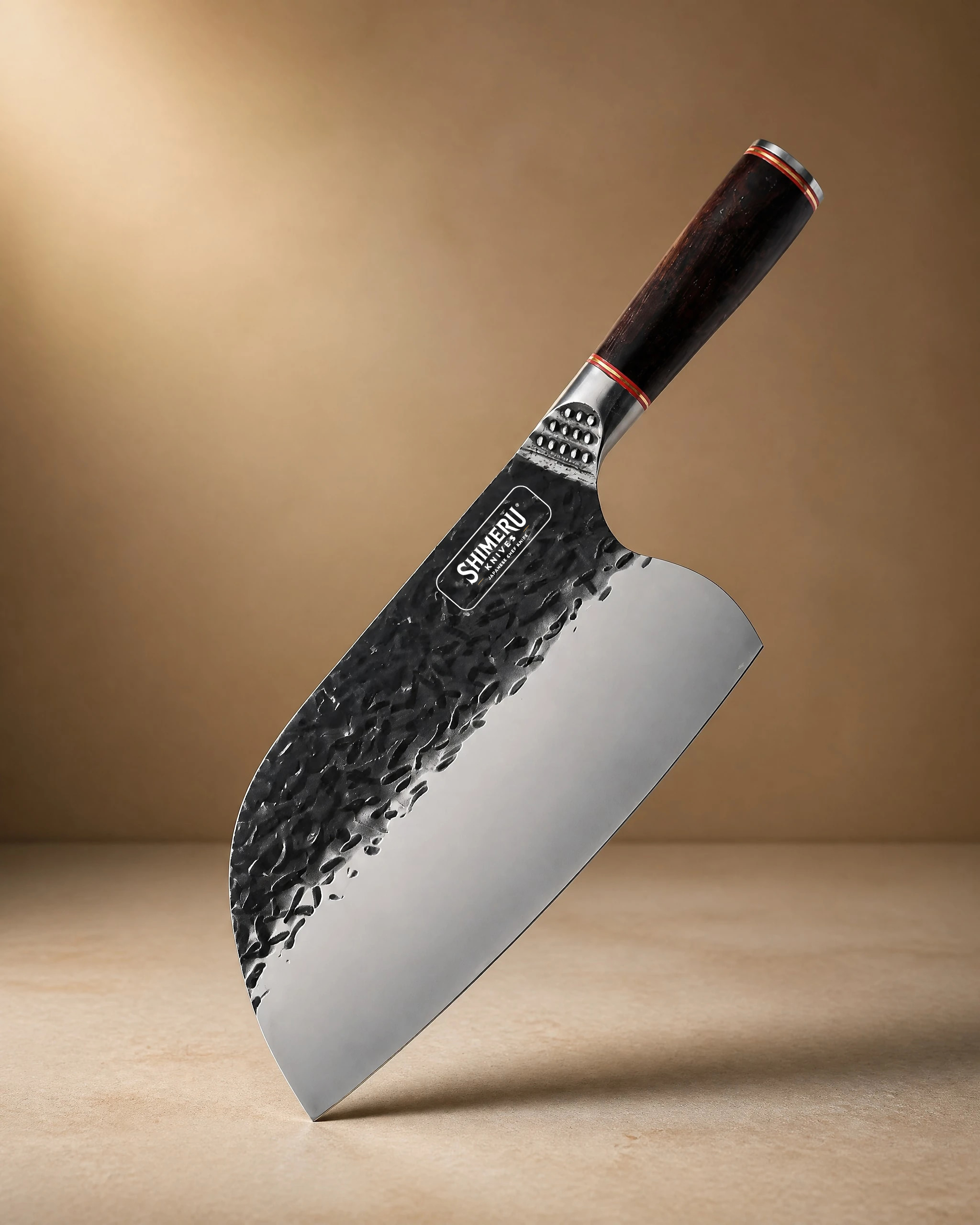 Toyo 7" Stainless Steel Cleaver 中華包丁£49.99View product → Toyo 7" Stainless Steel Cleaver 中華包丁, offers excellent corrosion resistance and easier upkeep while still holding a good edge. For those who want a balance, some bunka knives use semi-stainless or powder steels. The choice depends on your commitment to care. If you cook frequently and are willing to wipe and dry immediately, carbon gives superior sharpness. If you prefer low maintenance, stainless is the practical choice.
Handle Materials and Ergonomics
The handle of a bunka knife affects balance and comfort during prolonged use. Traditional wa handles, made from magnolia or pakka wood, are lightweight and promote a pinch grip. They are paired with a hidden tang for a balanced feel. Some modern bunka knives feature Western-style handles made from materials like African Wedge hardwood, as seen in the 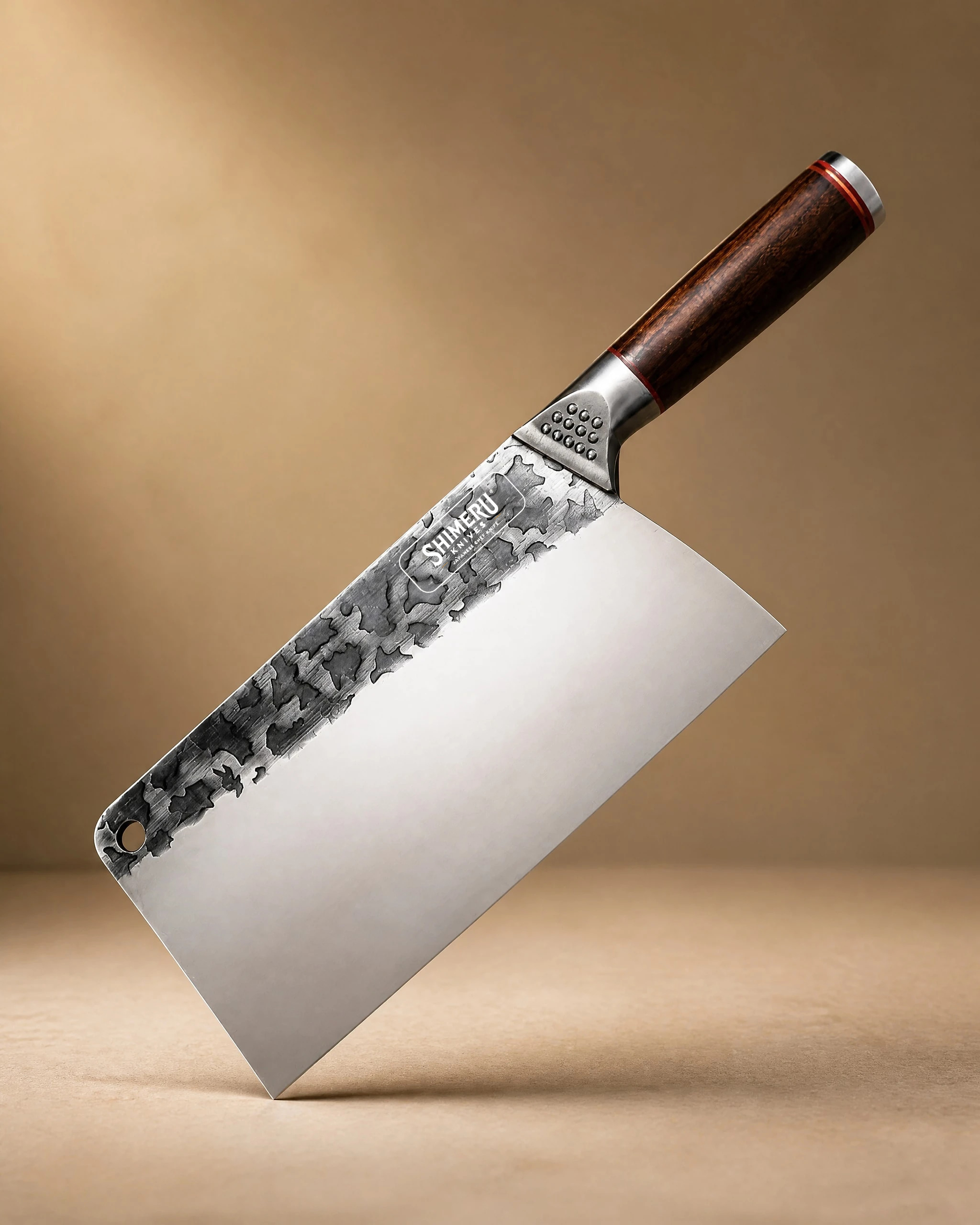 Saba 7" Stainless Steel Cleaver 中華包丁£44.99View product → Saba 7" Stainless Steel Cleaver 中華包丁, which offers a sturdier, more rounded grip. Octagonal handles suit many hand sizes, while D-shaped handles fit the right hand specifically. The weight of the handle versus the blade matters: a heavier handle shifts the balance point back, making the knife feel more nimble; a lighter handle keeps the centre of gravity forward for better chopping force. When choosing, consider how you hold the knife. A pinch grip works well with octagonal handles, while a handle grip suits rounded Western styles.

Comparing the Bunka to Other Knives
How does the bunka compare to other common Japanese knives? Against a gyuto, the bunka has a taller blade and a flatter edge, which some prefer for chopping. The gyuto, like the 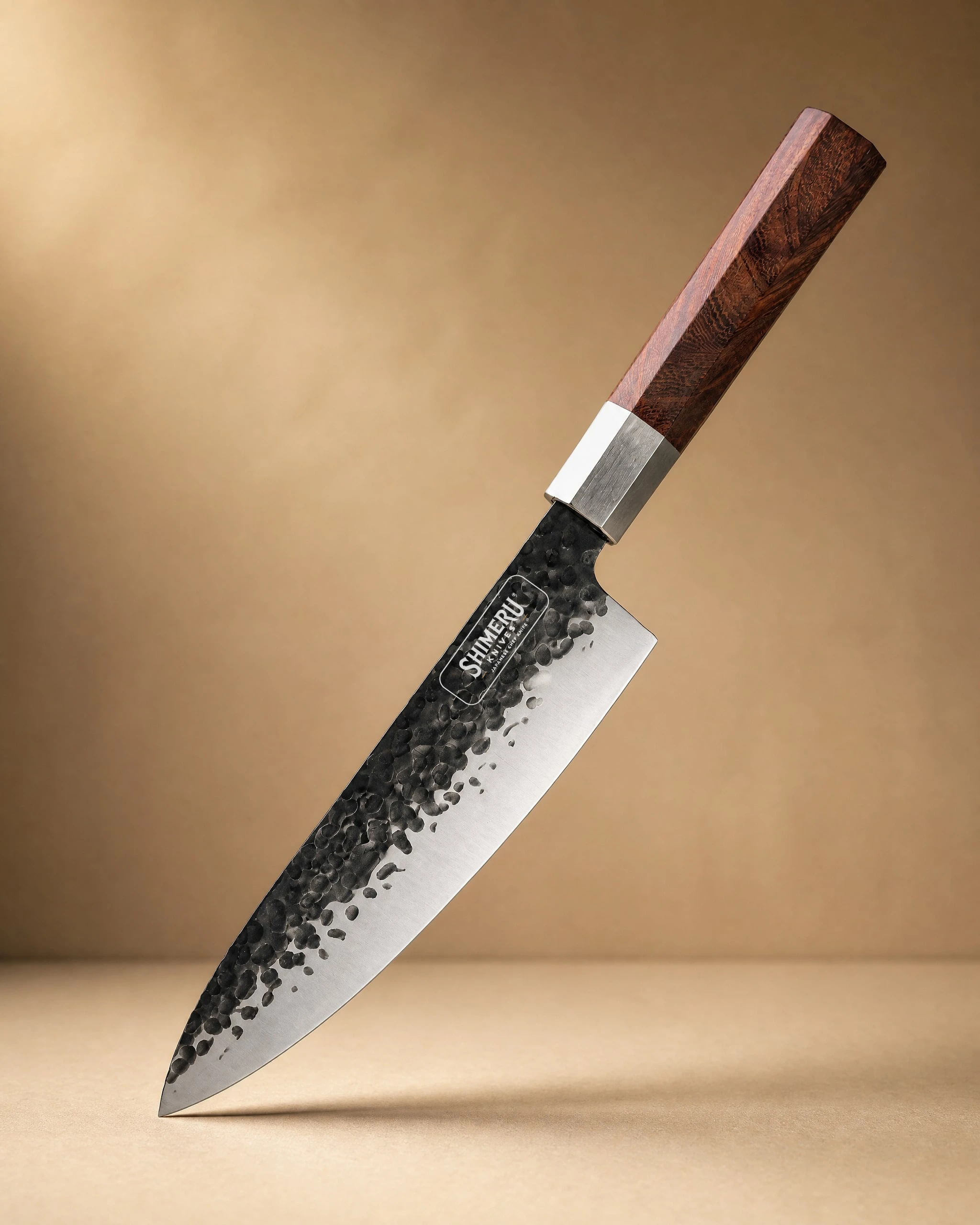 Sendai 8" Steel Gyuto Knife 牛刀£49.99View product → Sendai 8" Steel Gyuto Knife 牛刀, offers a more curved belly for slicing and a longer blade for large cuts. For heavier chopping, a cleaver such as the Toyo 7" Stainless Steel Cleaver 中華包丁£49.99View product → Toyo 7" Stainless Steel Cleaver 中華包丁 provides more heft and a larger cutting area. The bunka sits nicely in between, offering a good balance of agility and power. If you already own a gyuto, a bunka can complement it for specific tasks. For those new to Japanese knives, a bunka might be a better all-rounder than a traditional chef's knife. The bunka also competes with the nakiri, a vegetable knife, but the bunka's tip allows for meat and fish work that the nakiri cannot handle.
Who Each Knife Suits
Every knife has an ideal user. The Toyo 7" Stainless Steel Cleaver 中華包丁£49.99View product → Toyo 7" Stainless Steel Cleaver 中華包丁 is best for cooks who do a lot of chopping, slicing, and dicing of vegetables and boneless meats. Its stainless steel and hardwood handle make it a low-maintenance workhorse. The Saba 7" Stainless Steel Cleaver 中華包丁£44.99View product → Saba 7" Stainless Steel Cleaver 中華包丁, with its 8-inch blade and African Wedge handle, suits those who want a slightly larger cutting surface and a distinctive wood grain. It performs well on meat, vegetables, and herbs. The 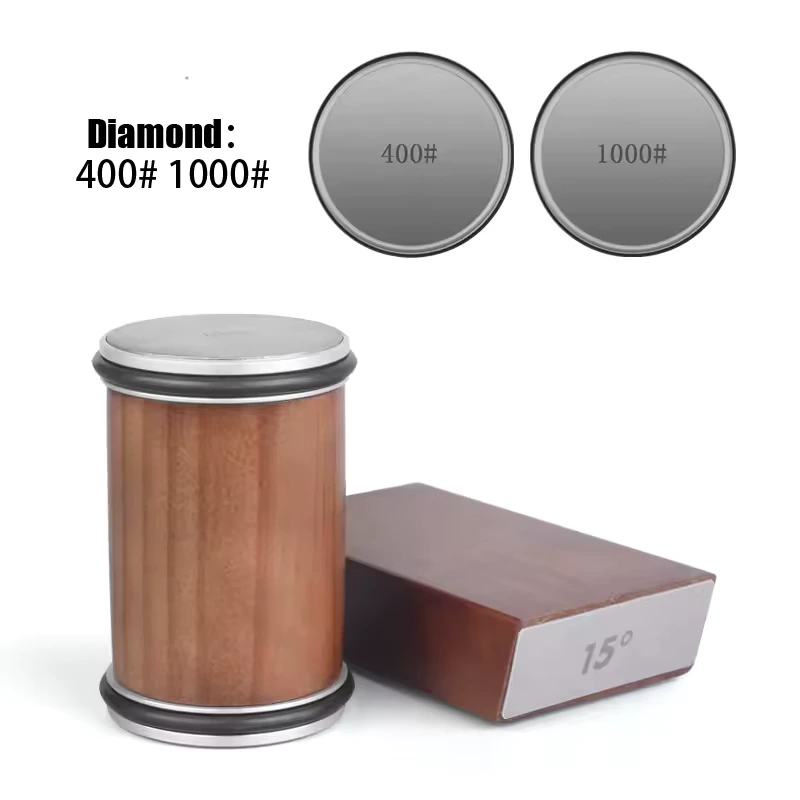 Magnetic Rolling Knife Sharpener£59.99 · currently out of stockView product → Magnetic Rolling Knife Sharpener is a practical companion for any knife owner, especially if you prefer not to use whetstones. It can maintain an edge between full sharpenings. The Sendai 8" Steel Gyuto Knife 牛刀£49.99View product → Sendai 8" Steel Gyuto Knife 牛刀 is a classic choice for cooks who need a longer, curved blade for slicing large cuts of meat or fish. It complements the bunka beautifully: use the gyuto for slicing proteins and the bunka for vegetable prep.
Caring for Your Bunka Knife
Like any quality knife, a bunka needs proper care to maintain its edge and performance. Always hand wash with mild soap and dry immediately; never leave it in the sink or put it in a dishwasher. Use a wooden or soft cutting board to avoid dulling the blade. Regular honing with a honing rod can keep the edge aligned, but for sharpening you should use a whetstone or a quality sharpener. The Magnetic Rolling Knife Sharpener£59.99 · currently out of stockView product → Magnetic Rolling Knife Sharpener is a simple option for maintaining an edge, though it cannot replace a full stone progression. For detailed guidance, see our knife care guide.
Storage is also important. A magnetic strip on the wall or a knife block keeps the blade protected and accessible. Avoid storing the bunka loose in a drawer where it can chip against other utensils. If your bunka has a carbon steel blade, oiling it lightly with camellia oil after each use prevents rust. Stainless models are more forgiving but still benefit from drying and proper storage.
Choosing the Right Bunka Knife
When selecting a bunka, consider the blade steel, handle material, and balance. Carbon steel takes a sharper edge but requires more maintenance; stainless steel is easier to care for. The bunka's handle should feel comfortable in your grip. A heavier bunka is good for chopping, while a lighter one is better for slicing. If you are unsure which knife suits your cooking style, visit our knife guide for help. For those who prefer a more classic Western profile, the Saba 7" Stainless Steel Cleaver 中華包丁£44.99View product → Saba 7" Stainless Steel Cleaver 中華包丁 offers a similar height and versatility with a different edge geometry. Some bunka knives come with a bolster, which can add weight and durability; others are full tang or hidden tang. Try to handle the knife if possible, or read reviews from users with similar hand sizes.
Techniques to Master with a Bunka
The bunka excels at several specific techniques. For a first-time user, practice the push cut: place the flat part of the blade against the ingredient and push forward in a straight motion. This gives clean, even slices. For mincing, use a rocking motion with the curved part of the blade, keeping the tip on the board and lifting the heel. The bunka's height allows you to scoop up the mirepoix easily. Another technique is the 'katsuramuki', a Japanese method of turning a daikon into a thin sheet, which the bunka's tip can initiate. The tall blade also helps when slicing round ingredients like cabbage: the height prevents your knuckles from hitting the board. With practice, the bunka becomes an extension of your hand.
Maintenance and Longevity
A well-maintained bunka can last decades. Beyond regular sharpening, periodically check the blade for any micro-chips. If you use a honing rod, ensure it is a fine grit or smooth steel to avoid scratching the blade. For major sharpening, a whetstone with 1000 and 3000 grit is ideal. The Magnetic Rolling Knife Sharpener£59.99 · currently out of stockView product → Magnetic Rolling Knife Sharpener can be used for quick touch-ups between stone sessions. Never use a pull-through sharpener with carbide blades as they remove too much metal. Also, avoid cutting on glass, marble, or stone boards. With the right care, your bunka will maintain its edge and beauty for many years.
Final Thoughts
The bunka knife is a worthy addition to any kitchen. Its unique shape and multi-purpose nature make it a joy to use for daily cooking. Whether you are a professional chef or a home cook, the bunka can handle a wide array of tasks with ease. Pair it with a good sharpener and proper care, and it will serve you well for years. Explore our full range of Japanese knives at Shimeru Knives to find the perfect blade for your needs.
Remember, the bunka is not just a tool, but a companion in your culinary journey. Its balance of form and function embodies the spirit of Japanese craftsmanship. Happy cooking.
Photography: wu yi via Unsplash.

