


The Best Santoku Knife for Everyday Home Cooking

The santoku knife has earned its place as a favourite in kitchens across the UK. Its name means three virtues, referring to its ability to slice, dice and mince with equal ease. For everyday home cooking, a well-made santoku blade offers the perfect balance of length, height and weight. It is neither too large like a chef's knife, nor too small like a utility knife. It sits comfortably in the hand and makes light work of everything from chopping onions to slicing chicken breast.
This article looks at what makes a great santoku knife and recommends four models that stand out in terms of quality, feel and long-lasting performance. Whether you are new to Japanese knives or looking to upgrade, we aim to give you honest, useful information.
Why a Santoku Blade Suits Home Cooking
The santoku blade typically measures around 17 to 20 centimetres in length. That is shorter than a western chef's knife, which makes it more manoeuvrable in a domestic kitchen. The blade is also wider from spine to edge, offering a generous flat area that can be used for scooping chopped ingredients. The tip is lower than that of a gyuto, which gives better control when making precise cuts. For most home cooks, this shape is the most practical: it chops herbs without bruising, dices carrots cleanly, and slices fish or chicken with minimal drag.
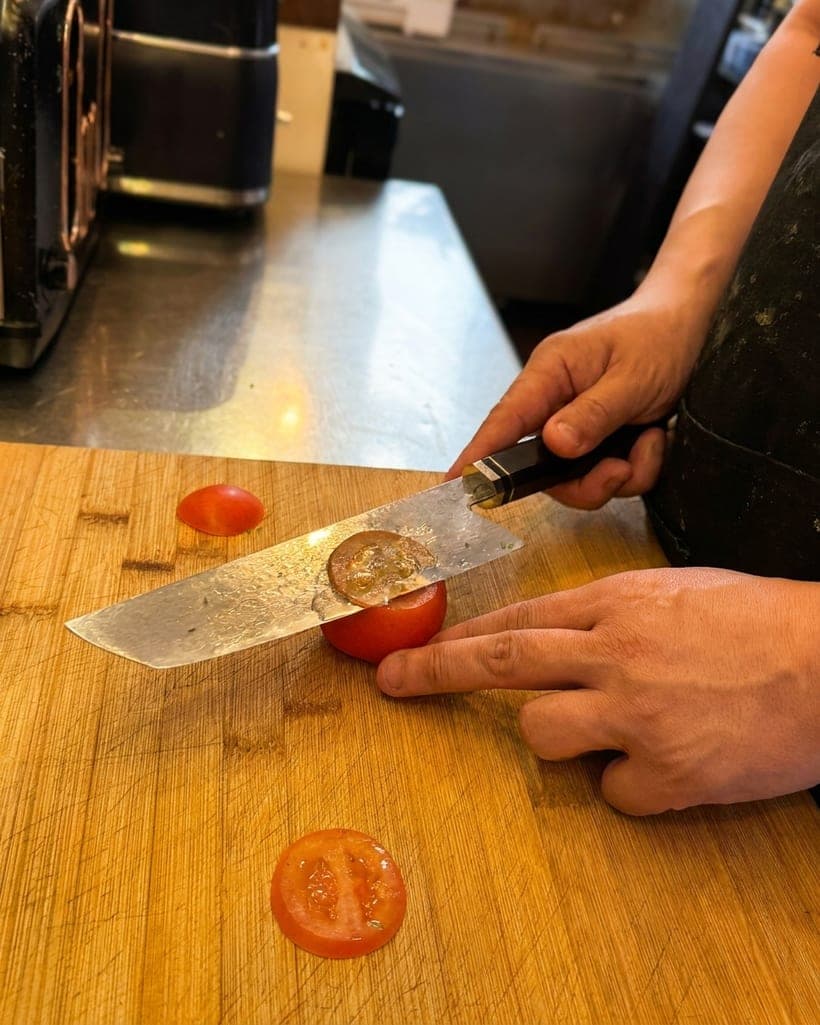
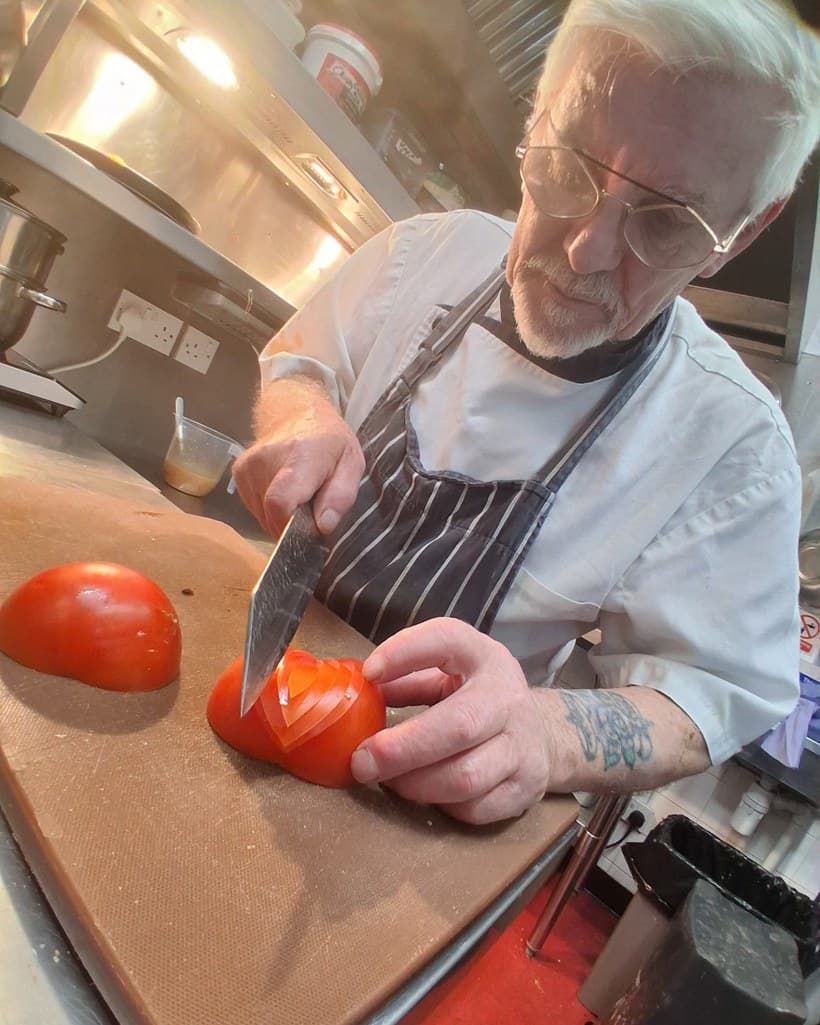
Another advantage is the weight. A santoku is often lighter than a western knife, reducing fatigue during longer cooking sessions. And because the edge is ground to a sharper angle, it glides through ingredients rather than crushing them. This is especially noticeable with soft produce like tomatoes or ripe fruit.
Key Features to Look For
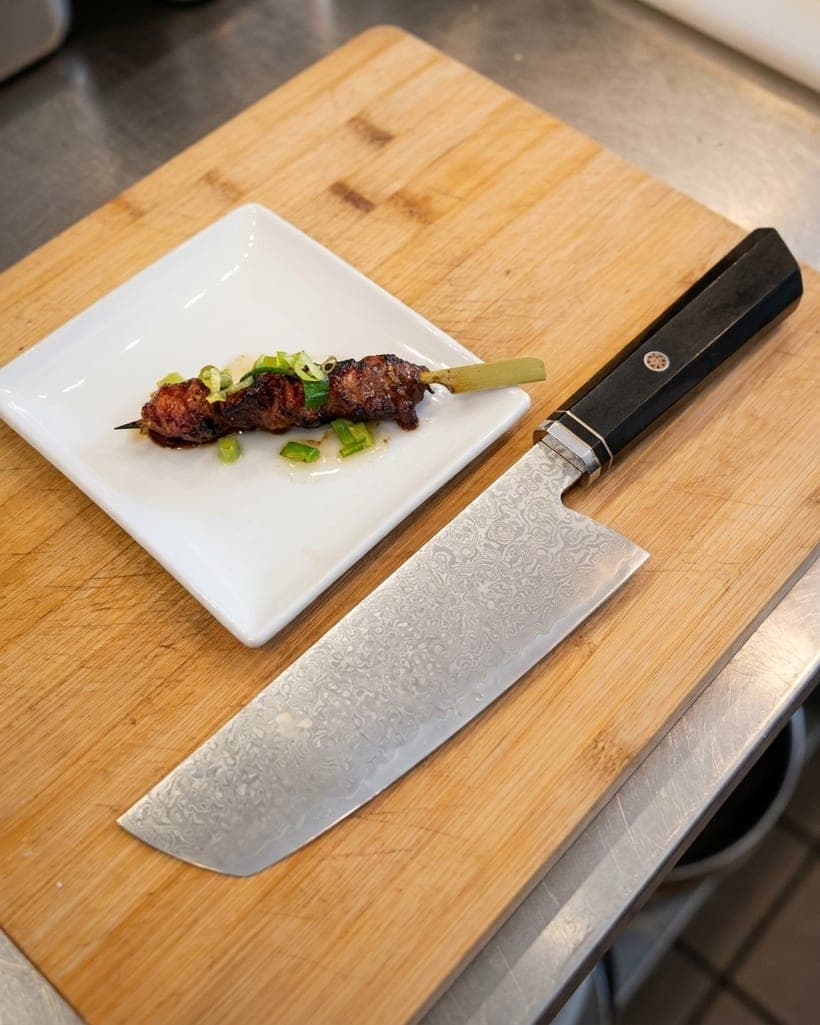
When choosing a santoku knife, consider three things: the steel, the handle and the balance. The best rated santoku knives use high-carbon stainless steel, often with a harder core for edge retention. A VG10 core wrapped in multiple layers of softer steel produces a damascus pattern that not only looks beautiful but also adds strength and reduces chipping. This is why many top rated santoku knives feature a damascus finish.
The handle should fit your hand comfortably. Many Japanese knives use octagonal or D-shaped handles made from wood or resin. A well-shaped handle encourages a pinch grip, which gives you greater control than a handle-heavy knife. Balance is equally important: the knife should feel neither head-heavy nor tail-heavy. Ideally you want the balance point just ahead of the bolster, or at the heel of the blade.
Finally, consider the edge geometry. A true santoku has a flat profile with a slight curve, often with a sheepsfoot tip. That flat area is where you do the rocking motion for mincing, or a straight up-and-down chop. Some santoku knives have a Granton edge, small dimples that reduce friction, but this is a matter of personal preference.
Blade Geometry and Technique
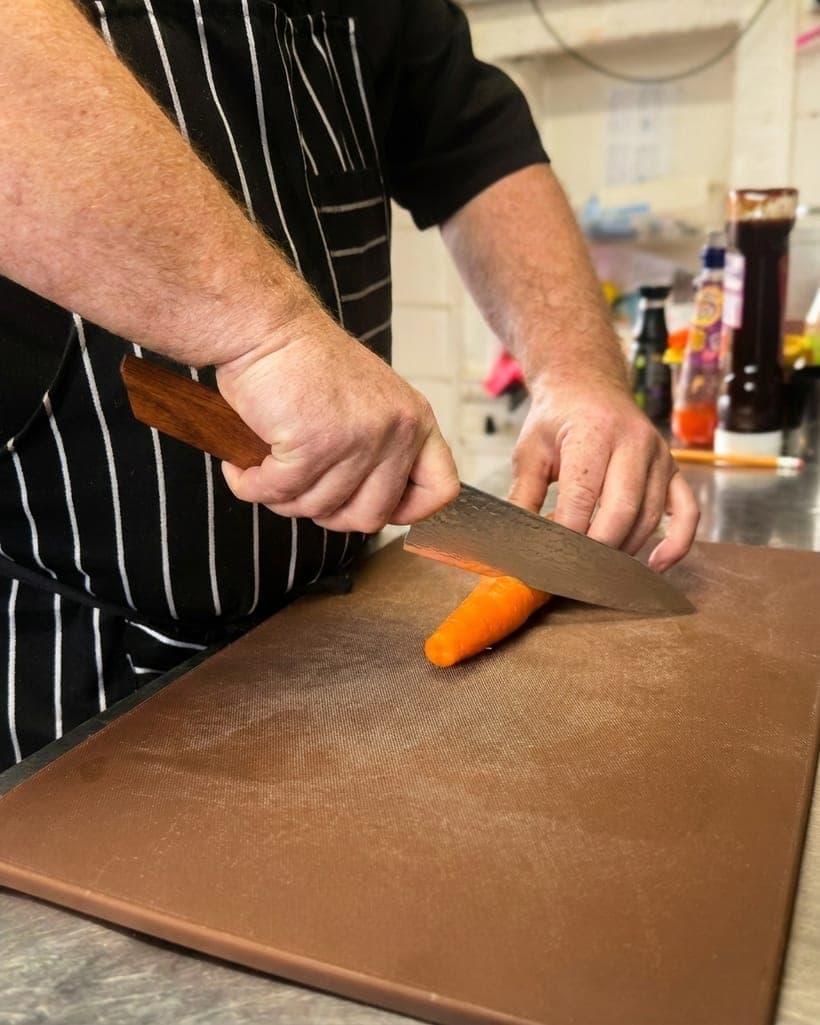
The flat profile of a santoku is one of its defining traits. Unlike a French chef's knife which curves up towards the tip, the santoku blade stays relatively straight for most of its length. This design encourages a push-cut motion: you move the knife forward and down in one straight stroke, rather than rocking. It is a fast and efficient technique that works beautifully on vegetables and boneless meats. With practice, you can achieve uniform dice and thin slices with minimal effort.
Because the santoku is shorter than a chef's knife, you will not need to adjust your cutting board height or stance as much. It is a more forgiving shape for cooks with smaller hands or those who prefer a lighter blade. The wide blade also provides ample knuckle clearance, so you can maintain a safe claw grip without your fingers hitting the board.
Steel Comparisons: Why VG10 and Damascus Matter
The steel core is the heart of any knife. VG10 is a premium Japanese stainless steel that contains high amounts of carbon and chromium. It can be hardened to a high Rockwell rating (typically 60-62 HRC), which means it holds a sharp edge for a long time. It is also more resistant to corrosion than simple carbon steel, making it a practical choice for home kitchens where knives may not be dried instantly.
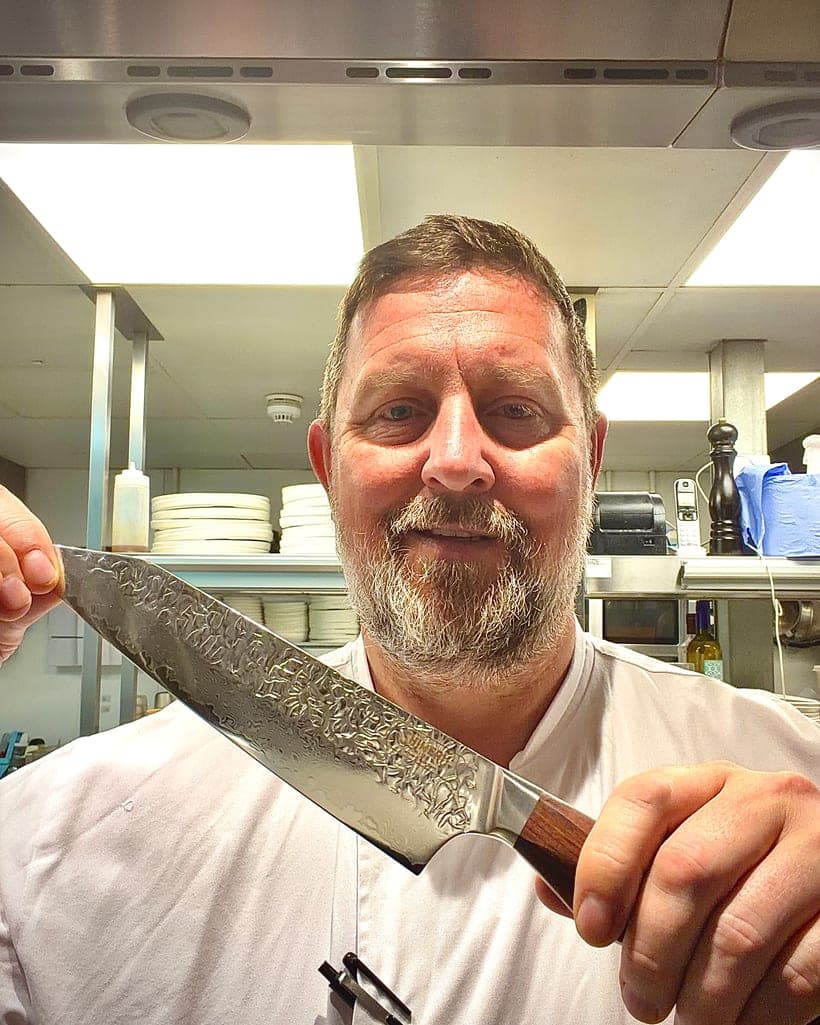
Damascus steel is not a single alloy but a construction method. Multiple layers of different steels are forge-welded together, then etched to reveal the distinctive wavy pattern. The hard VG10 core provides the cutting edge, while the softer outer layers add toughness and flexibility. The result is a blade that is sharp, durable, and visually striking. All four knives featured here use 67-layer damascus steel with a VG10 core, ensuring consistent performance across the range.
In terms of differences between the models, the steel is essentially the same. The variation comes in the handle materials, weight distribution, and overall finish. The Sendai uses an olive hardwood handle with sandalwood and red resin; this gives a classic, warm feel that sits well in the hand. The Hikari uses pakka wood, a resin-infused wood that is very durable and resists moisture. The Asuka and Hayama both use resin handles, which are lightweight and offer a different tactile experience. Resin handles are also non-porous, so they require less maintenance over time.
Our Recommendations
We have selected four santoku knives that represent different styles and price points, all of which perform beautifully in a home kitchen. Each uses a 67-layer damascus construction with a VG10 core, ensuring excellent edge retention and corrosion resistance. They come in at 7 inches, the classic santoku length.
The Sendai 7" Damascus Steel Santoku Knife
The 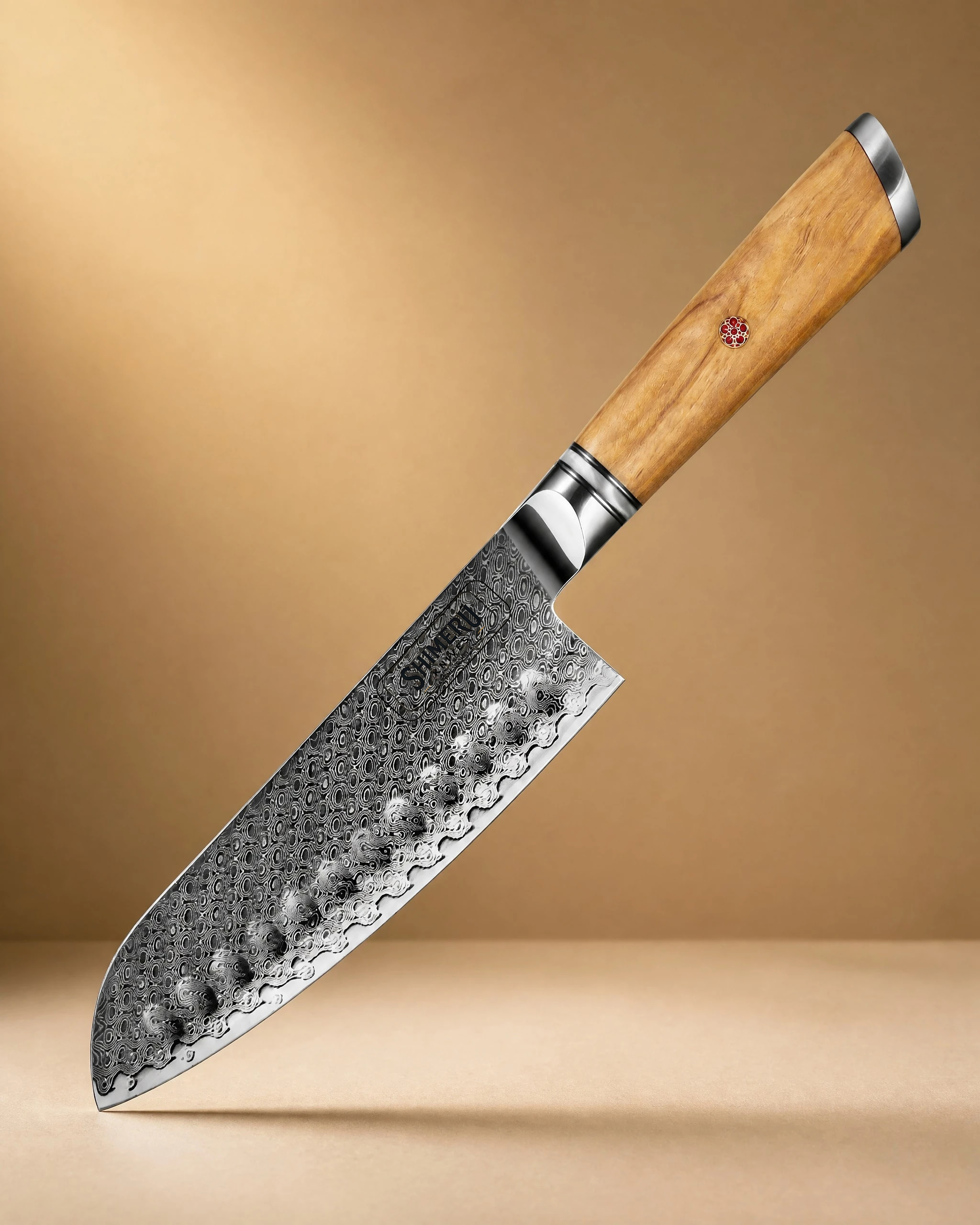 Chikuma 7" Damascus Steel Santoku Knife 三徳包丁£84.99View product → is an excellent all-rounder. Its olive hardwood handle is paired with sandalwood and red resin accents, giving it a warm, natural feel. The 67-layer damascus blade is well balanced and responsive. If you want a knife that feels substantial without being heavy, this is a strong choice. It excels at slicing, dicing and mincing, making it a true three-virtue knife. This knife suits someone who values traditional aesthetics and a handle that develops character over time.
The Hikari 7" Damascus Steel Professional Santoku Knife
The 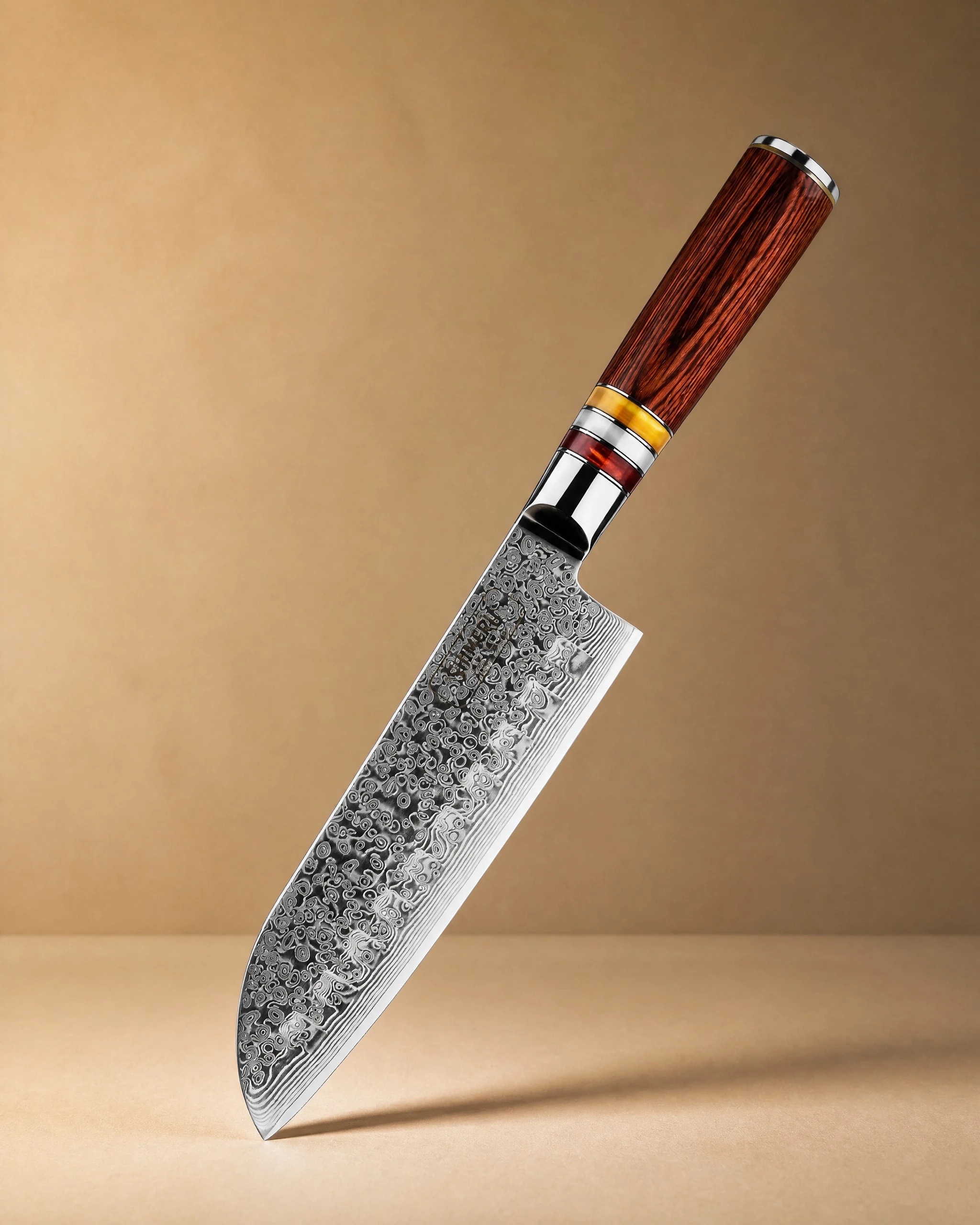 Hikari 光 7" Damacus Steel Professional Santoku Knife 三徳包丁£79.99View product → takes a slightly more modern approach. The blade uses the same 67-layer Japanese damascus steel with a VG10 core, but the pakka wood handle offers a smooth, durable grip that resists moisture. This knife is particularly good for meats and vegetables. It feels solid in the hand, with a slightly forward balance that aids cutting through denser ingredients. It is a good choice for cooks who work with a lot of root vegetables or large joints of meat, as the extra heft helps power through tougher items.
The Asuka 7" Damascus Steel Santoku Knife
The 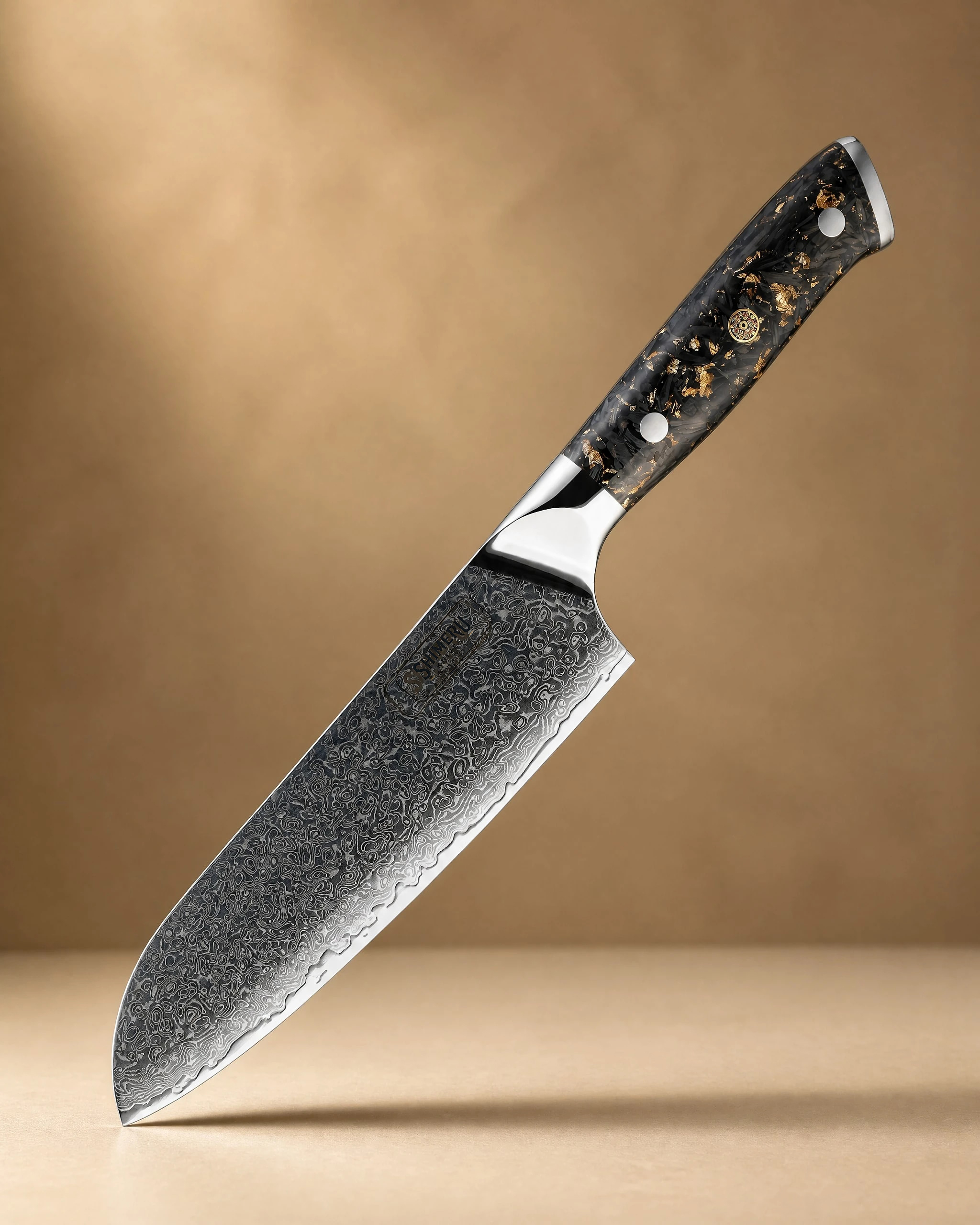 Asuka 飛鳥 7″ Damascus Steel Santoku Knife 三徳包丁£84.99 · currently out of stockView product → stands out visually with its black resin handle with gold flake accents. The VG10 core ensures lasting sharpness, and the blade geometry is pure santoku: a flat profile that slices and chops with minimal effort. This knife is a good option if you value aesthetics alongside performance, and it performs just as well as its plainer counterparts. It will suit a cook who wants a knife that looks as good as it works, especially if you enjoy showing off your tools.
The Hayama 7" Damascus Steel Santoku Knife
The 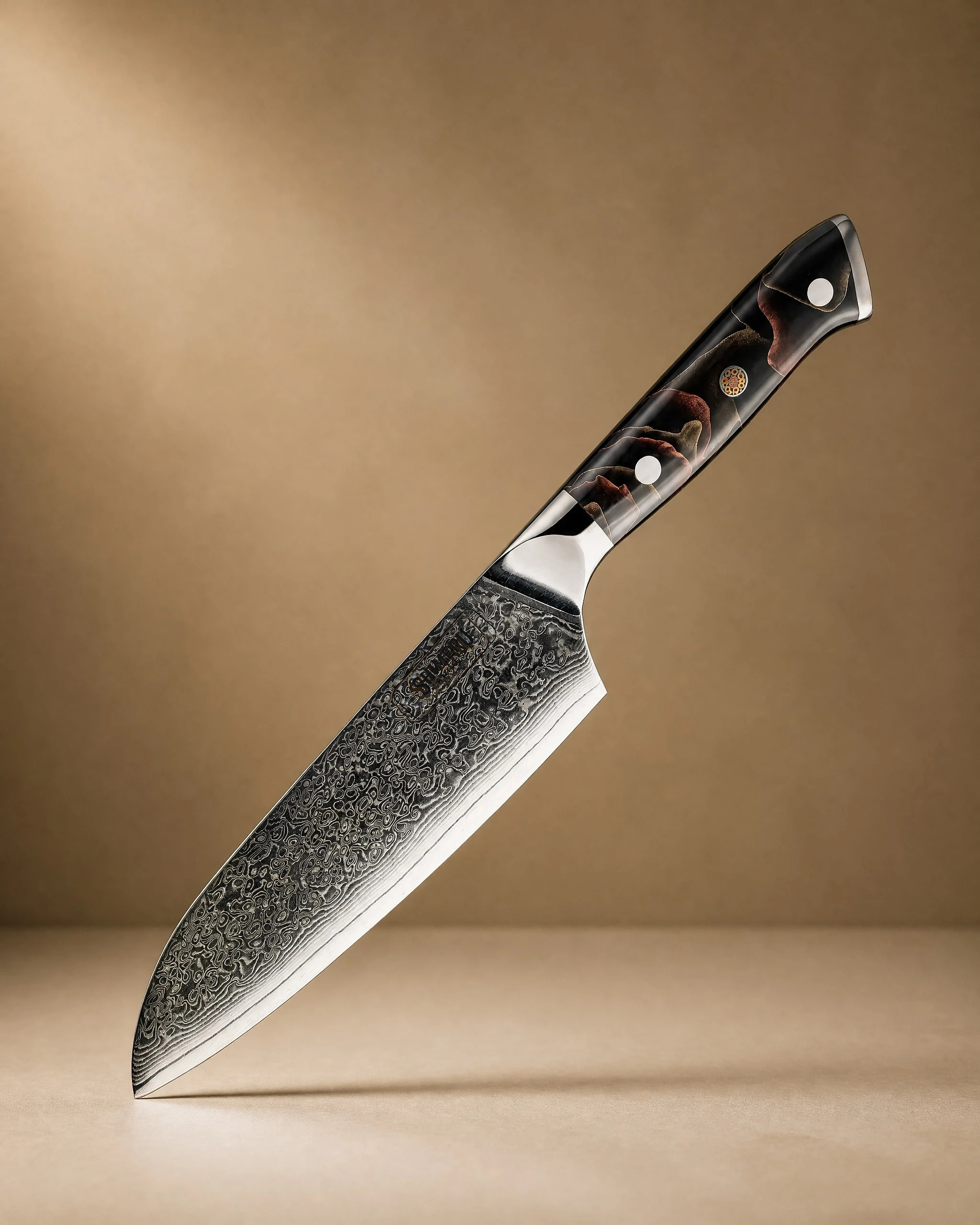 Hayama 葉山 7″ Damascus Steel Santoku Knife 三徳包丁£79.99 · currently out of stockView product → combines a smoky resin and natural burl wood handle. The burl wood adds a unique organic pattern, while the resin gives strength. The damascus blade with VG10 core delivers predictable, clean cuts. This knife feels lightweight yet capable, making it a pleasure to use for longer prep sessions. It is ideal for home cooks who spend hours in the kitchen and want a knife that minimises fatigue without sacrificing performance.

How to Choose Your Santoku Knife
When you look at a santoku knife set or individual blades, think about what suits your cooking style. Do you often handle large vegetables or butternut squash? A slightly heavier blade like the Hikari may help. If you prefer a more traditional feel and warm handle, the Sendai is a lovely option. For a flash of colour that still retains quality, the Asuka and Hayama are both excellent.
The most important thing is to hold the knife if you can, or at least read about its balance and weight. All four models here are well regarded in the UK and are built to last. They are not the cheapest options on the market, but a good santoku is an investment that will serve you for many years with proper care.
Caring for Your Santoku Blade
To keep a damascus santoku knife in top condition, a little routine maintenance goes a long way. Always wash it by hand, dry it immediately, and store it in a knife block or on a magnetic strip. Never leave it in the sink or dishwasher, as moisture and heat can damage both the blade and the handle. Regularly honing with a ceramic rod will keep the edge aligned, and occasional sharpening on whetstones will restore the original sharpness. For more detailed advice, see our knife care guide.
If you are still unsure which style is right for you, browse our selection of santoku knives. We have many more options beyond these four, each with detailed descriptions to help you decide.
Final Thoughts
A santoku blade is arguably the most versatile knife for everyday home cooking. Its shape, size and sharpness make it ideal for the vast majority of kitchen tasks. By choosing a well-made damascus santoku knife, you get both performance and beauty. The four knives featured here represent some of the best rated santoku knives available in the UK. Whichever you choose, you will find that good knife makes cooking more enjoyable.
Photography: Joseph Van via Unsplash.


