



Santoku Knife Uses and Buying Guide

The santoku knife is one of the most versatile tools in any kitchen. Originally designed as a Japanese all purpose blade, it has become a favourite among home cooks and professionals alike. But what exactly is a santoku knife, what is its purpose, and how do you choose the best one for your needs? This guide covers everything from santoku knife use to the key features of a santoku blade, helping you make an informed decision.
What Is a Santoku Knife?
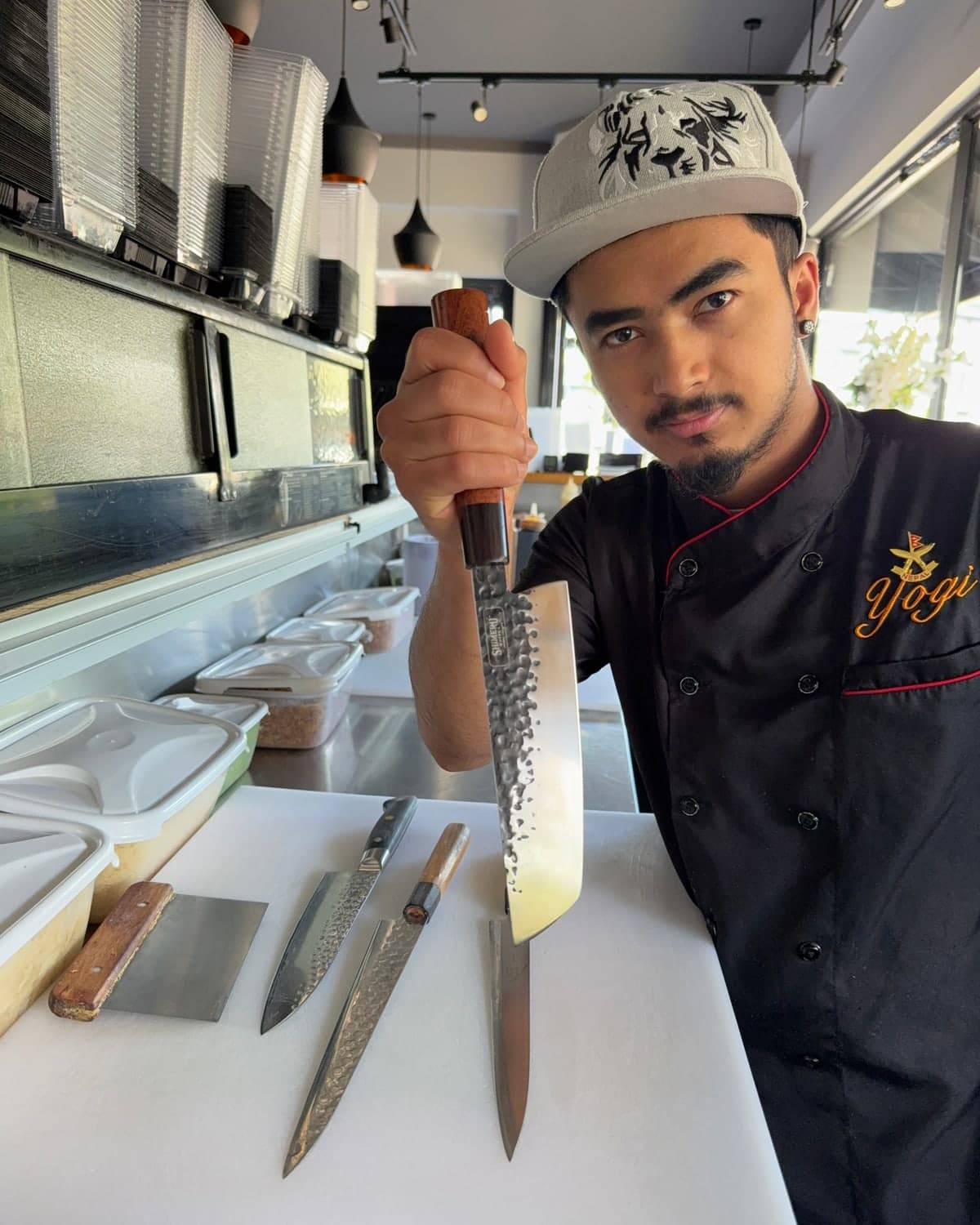
The word santoku translates to three virtues or three uses, which refers to its ability to handle meat, fish, and vegetables with equal finesse. Unlike a traditional chef knife, a santoku blade typically has a sheepsfoot profile with a flat edge and a slightly downward turned tip. This design makes the santoku chef knife exceptionally good at push cutting and chopping motions, rather than the rocking motion used with a Western chef knife. The santoku knife purpose is to be a do everything blade that excels at slicing, dicing, and mincing.
Most santoku knives have a blade length between 5 and 7 inches, with the 7 inch santoku being the most common. The shorter length gives you more control and precision, especially when working on a cutting board. Because of their versatility, a santoku knife set often features this as the primary knife alongside a petty knife or pairing knife.
Key Uses of a Santoku Knife
The santoku knife use extends across nearly every kitchen task. Let's look at the main applications.
Slicing and Dicing Vegetables
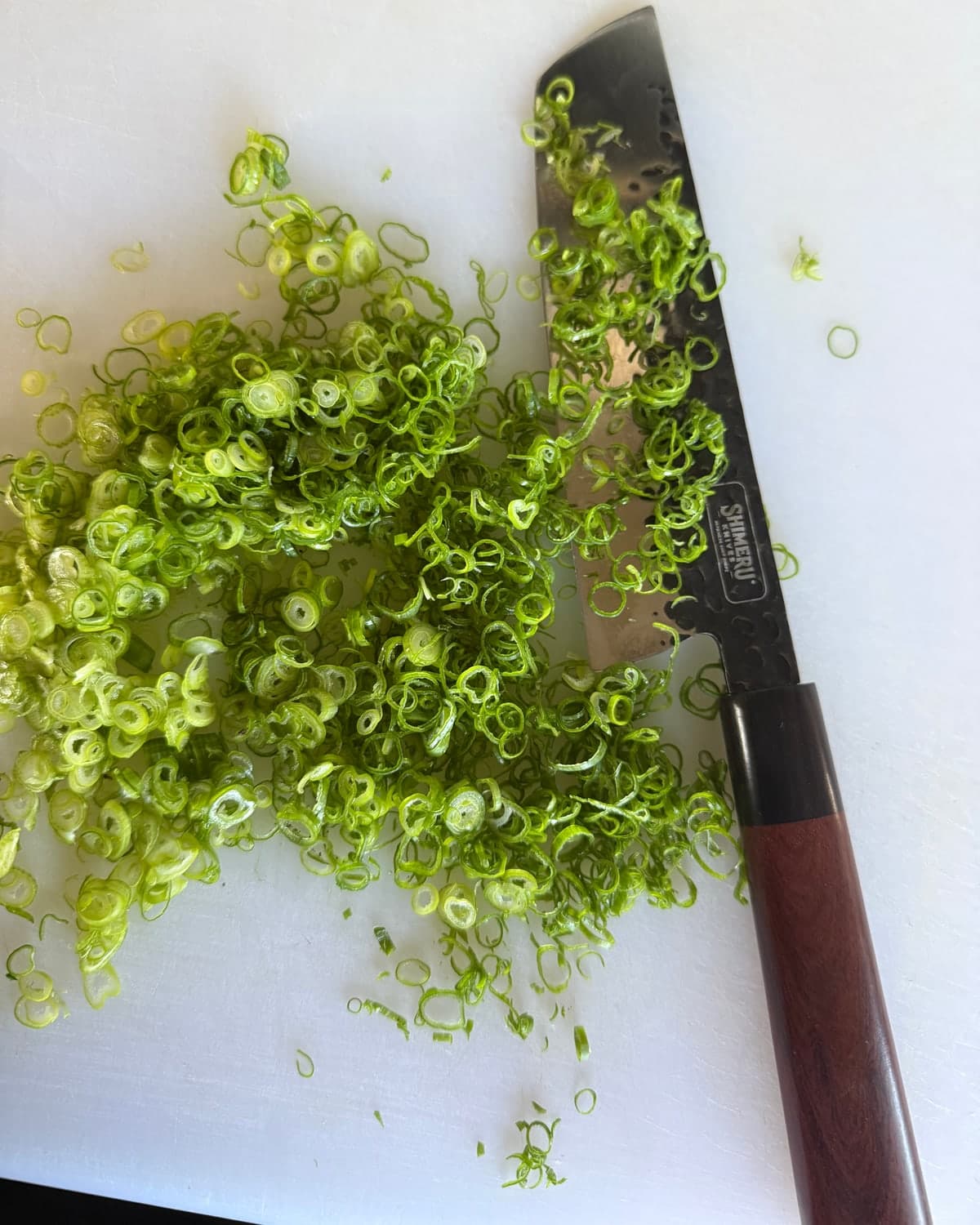
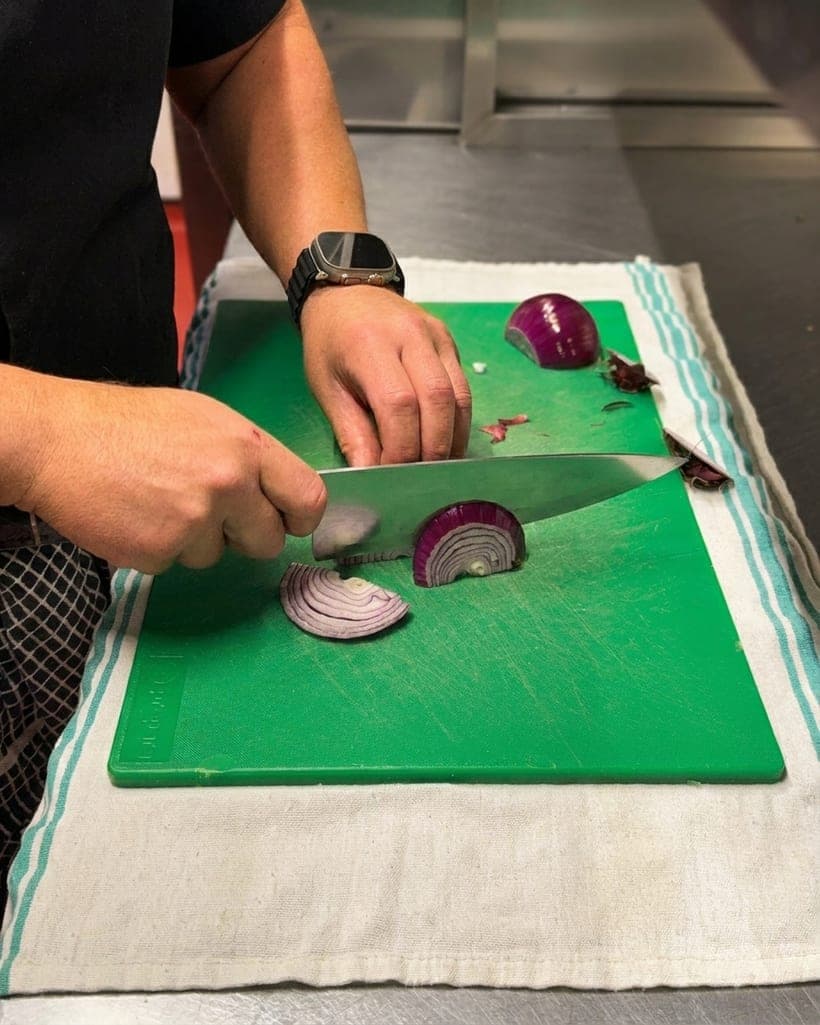
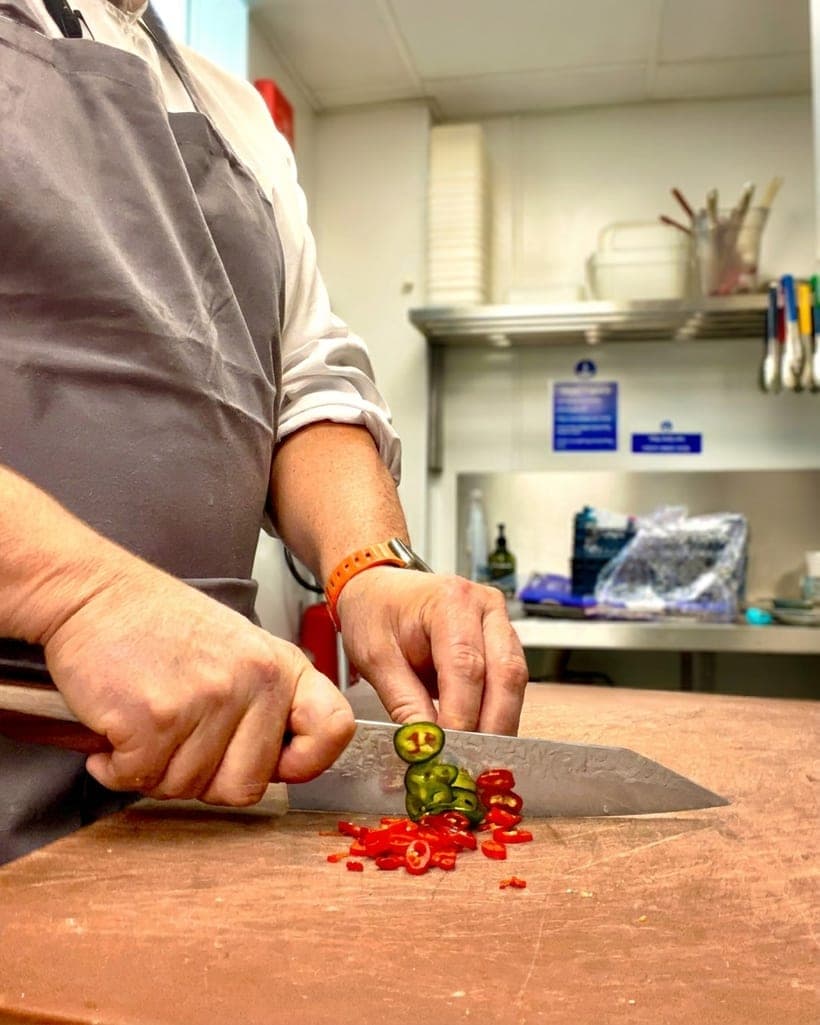
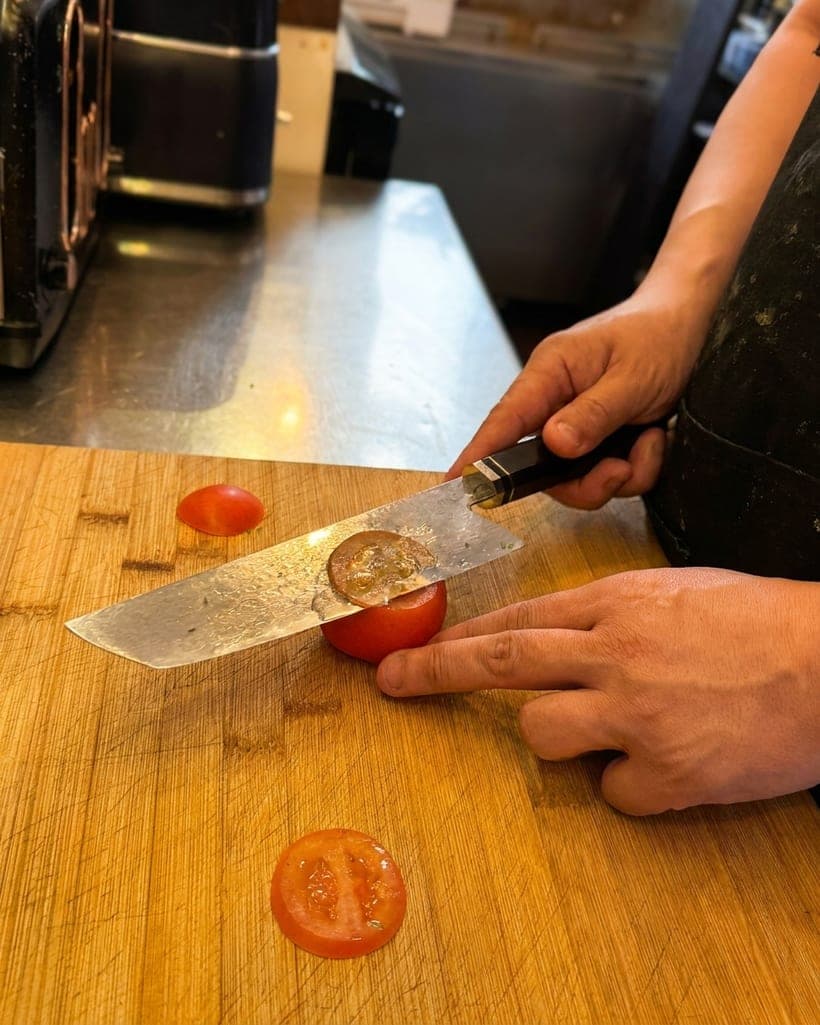
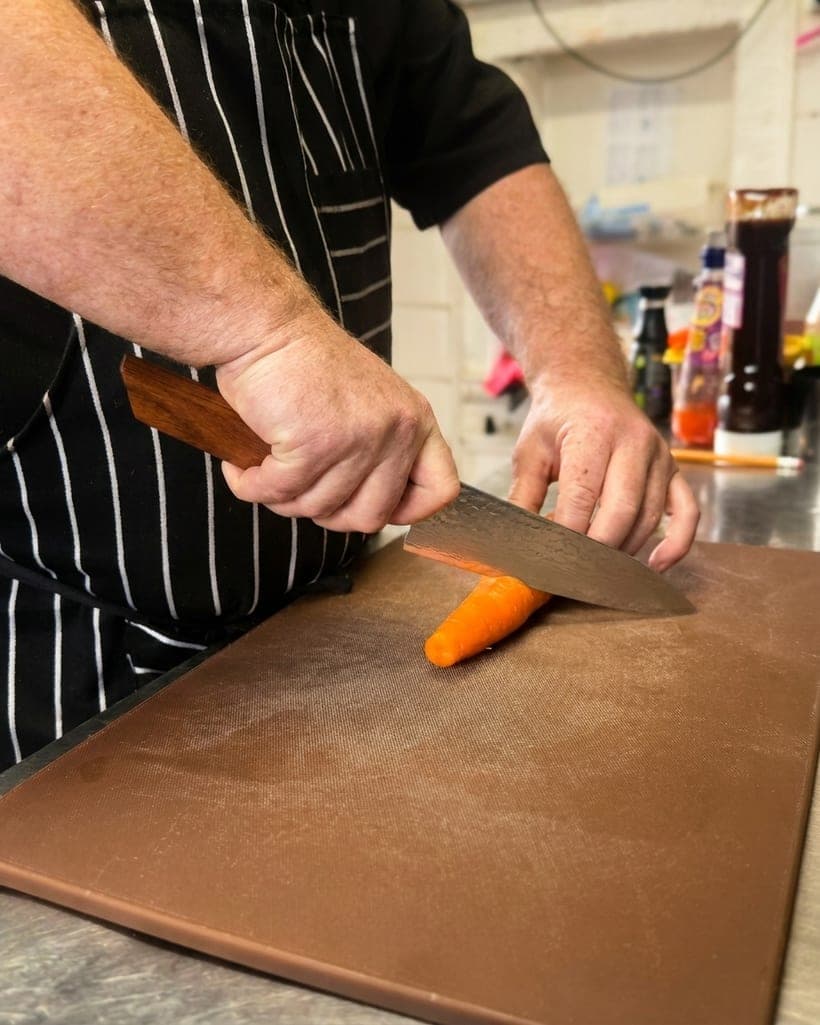
The flat edge of a santoku blade allows you to slice through vegetables with a clean, straight cut. Because there is no belly curve, you can place the entire edge flat against the board for precise cuts. This makes the santoku knife small enough to handle delicate work like slicing garlic or dicing onions, yet sturdy enough for larger produce like cabbages.
Cutting Meat and Fish
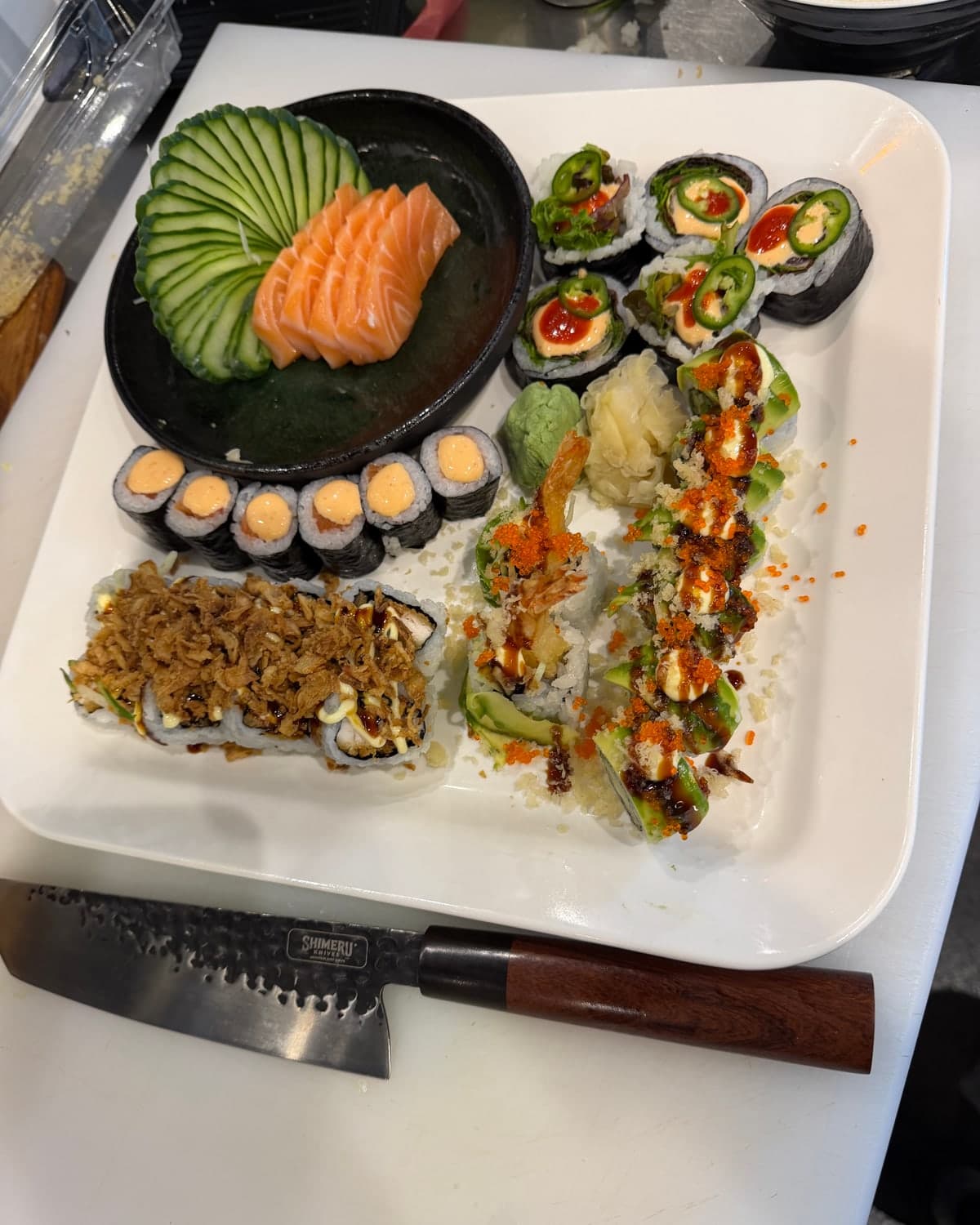
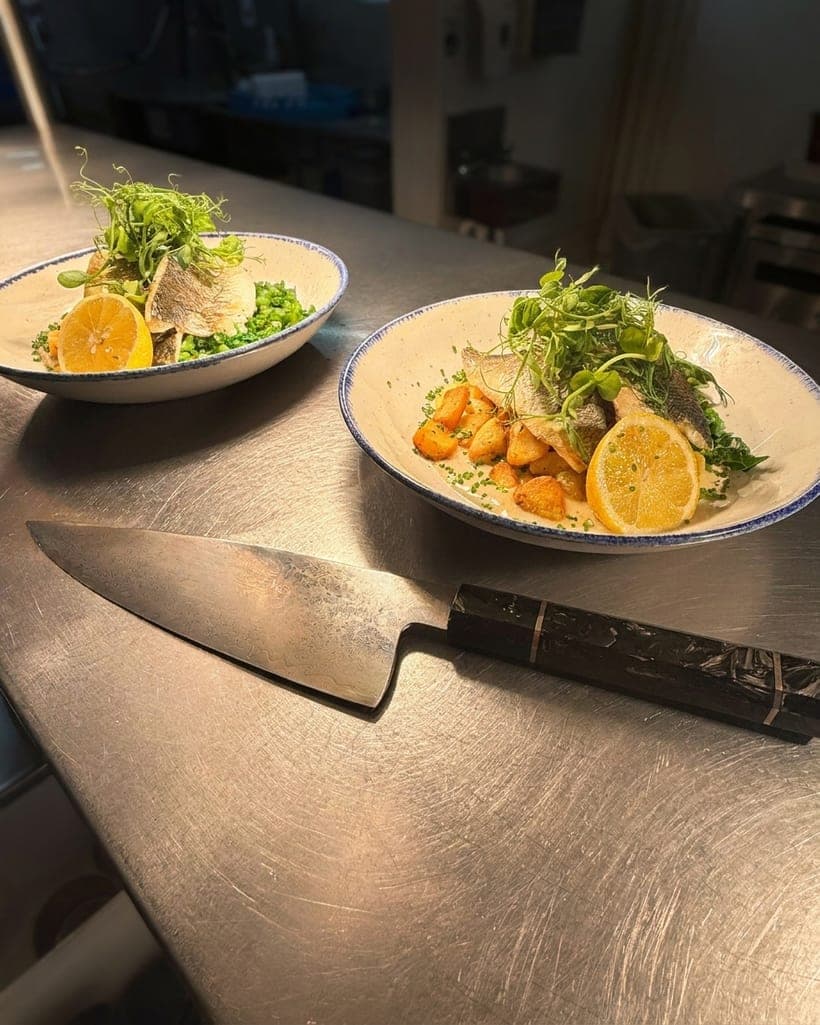
For meat and fish, a damascus santoku knife offers excellent edge retention and a thin blade that glides through flesh without tearing. The sheepsfoot tip prevents accidental snagging, making it safer for trimming fat or skinning fish. Many cooks find that a chef knife and santoku can complement each other, but the santoku does a fine job alone for most boneless meats.
Mincing and Chopping
The santoku knife is particularly well suited to mincing herbs, garlic, and nuts. The flat blade allows you to rock slightly from the tip, though not as dramatically as a Western chef knife. Instead, you can use a straight up and down chop that is fast and efficient. This is one reason the santoku is often the top rated santoku knife for home cooks who value speed.
If you are looking for the best rated santoku knife, consider both the blade steel and handle ergonomics. A quality santoku will feel balanced and comfortable even after prolonged use.
Choosing the Right Santoku Blade
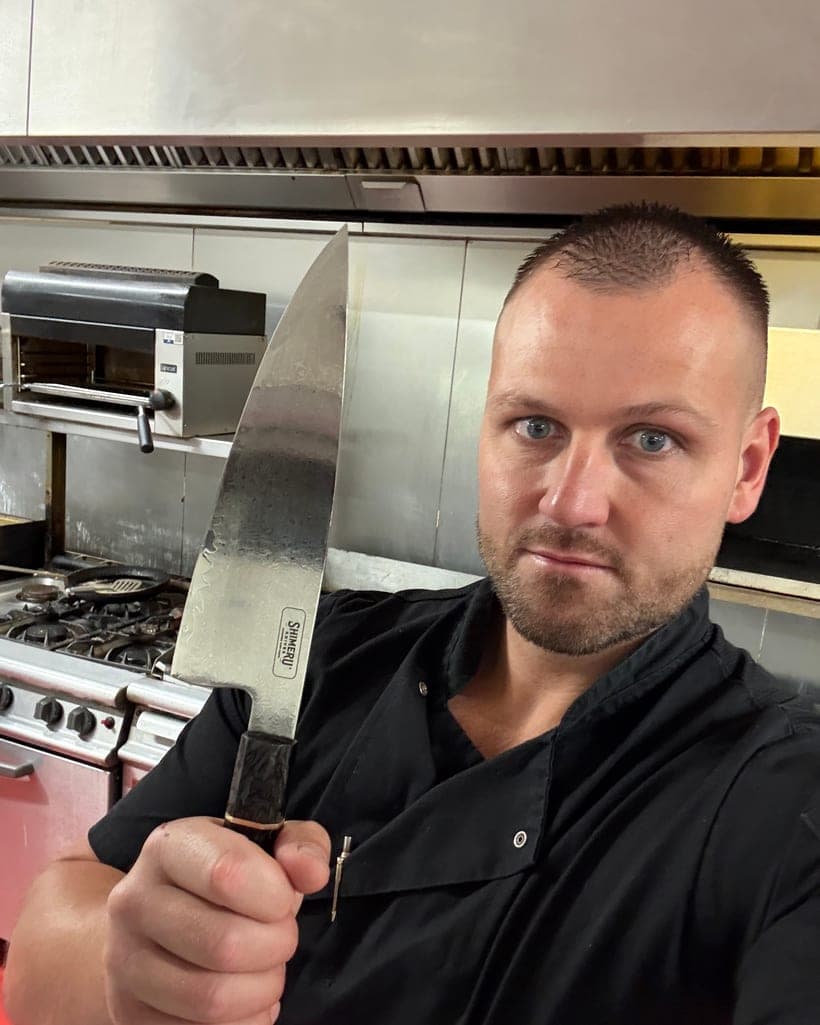
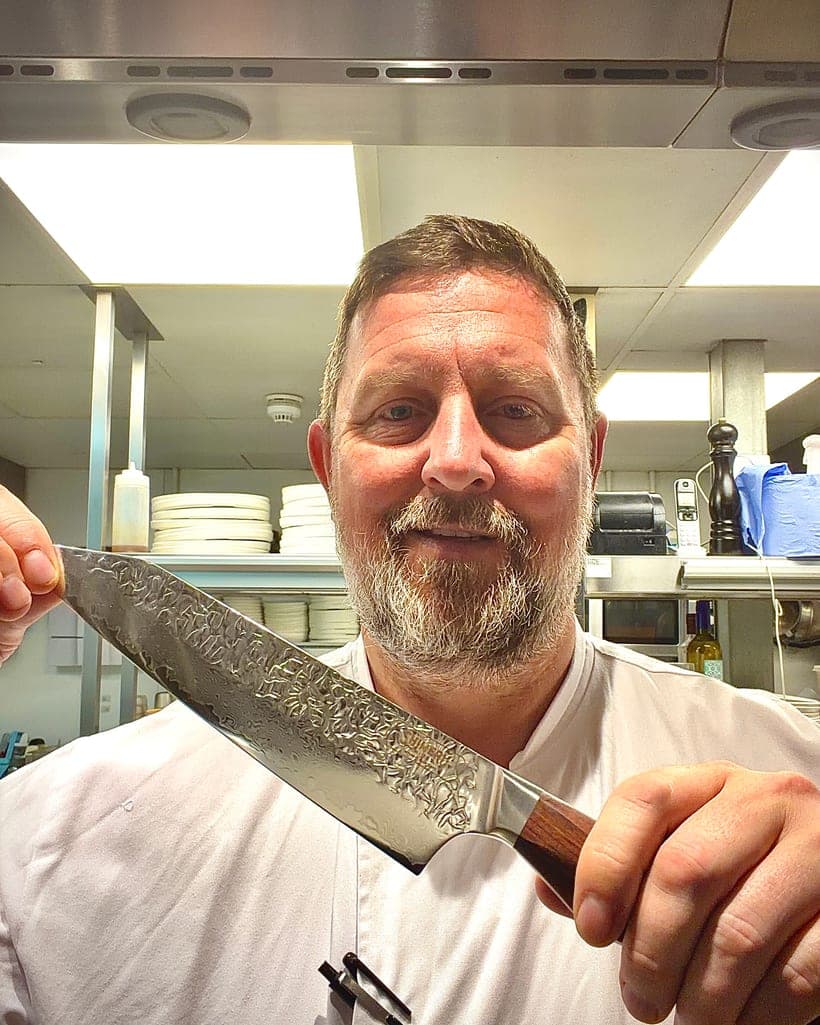
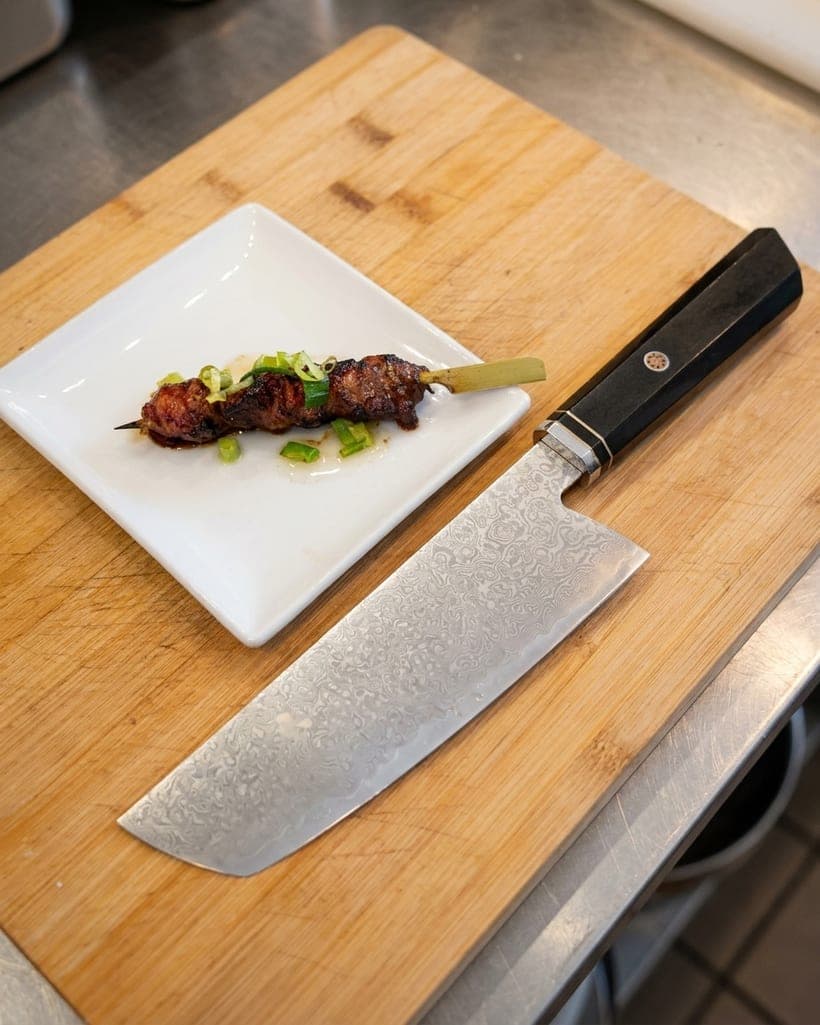
When selecting a santoku blade, the steel and construction play a major role. Damascus steel santoku knives feature multiple layers of steel folded together, creating both beauty and strength. The core steel, usually VG10 or AUS10, provides hardness and edge retention, while the softer outer layers add toughness. A damascus knife santoku is not just decorative: the layered pattern can help reduce sticking during cutting.
For a versatile and durable option, the 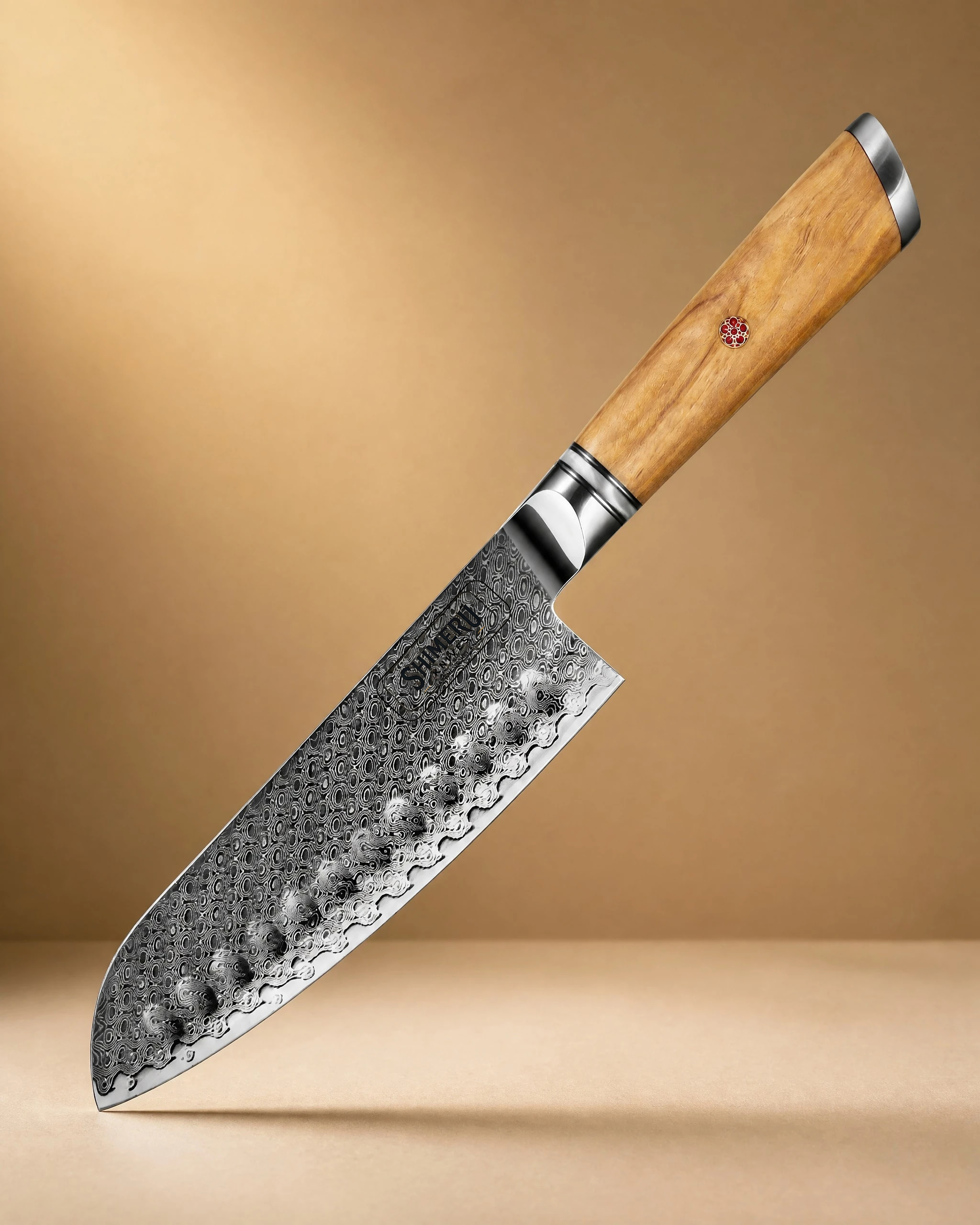 Chikuma 7" Damascus Steel Santoku Knife 三徳包丁£79.99View product → offers a 7 inch blade made from 67 layer Damascus steel with an olive hardwood handle. It is ideal for slicing, dicing, and mincing, exactly what the santoku knife purpose calls for. Similarly, the
 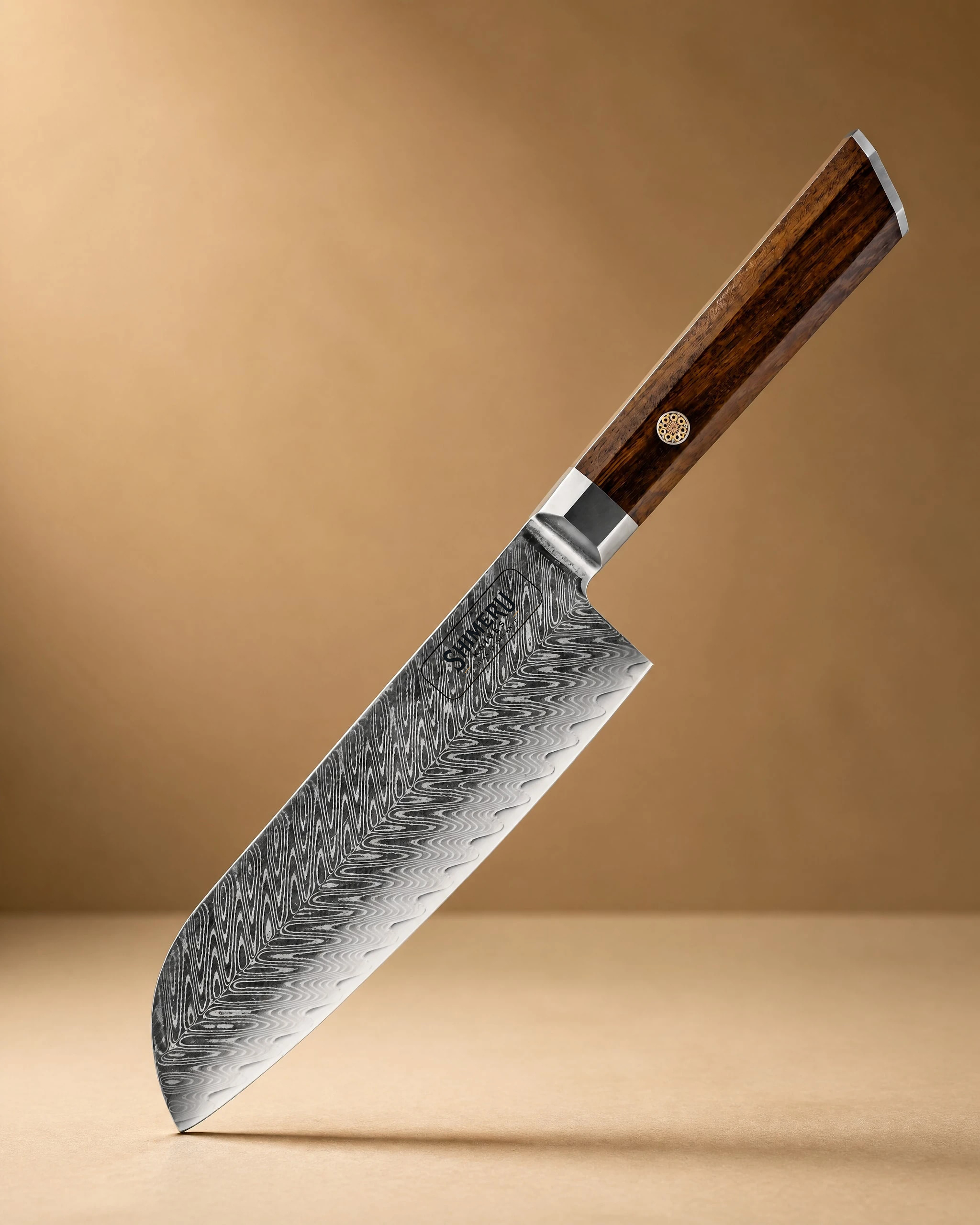 Komachi 小町 7″ Damascus Steel Santoku Knife 三徳包丁£74.99View product → features a rosewood handle and a VG10 core, making it another excellent choice for everyday use.
If you prefer a slightly different blade shape, some santoku knives have a kengata (reverse tanto) profile, such as the 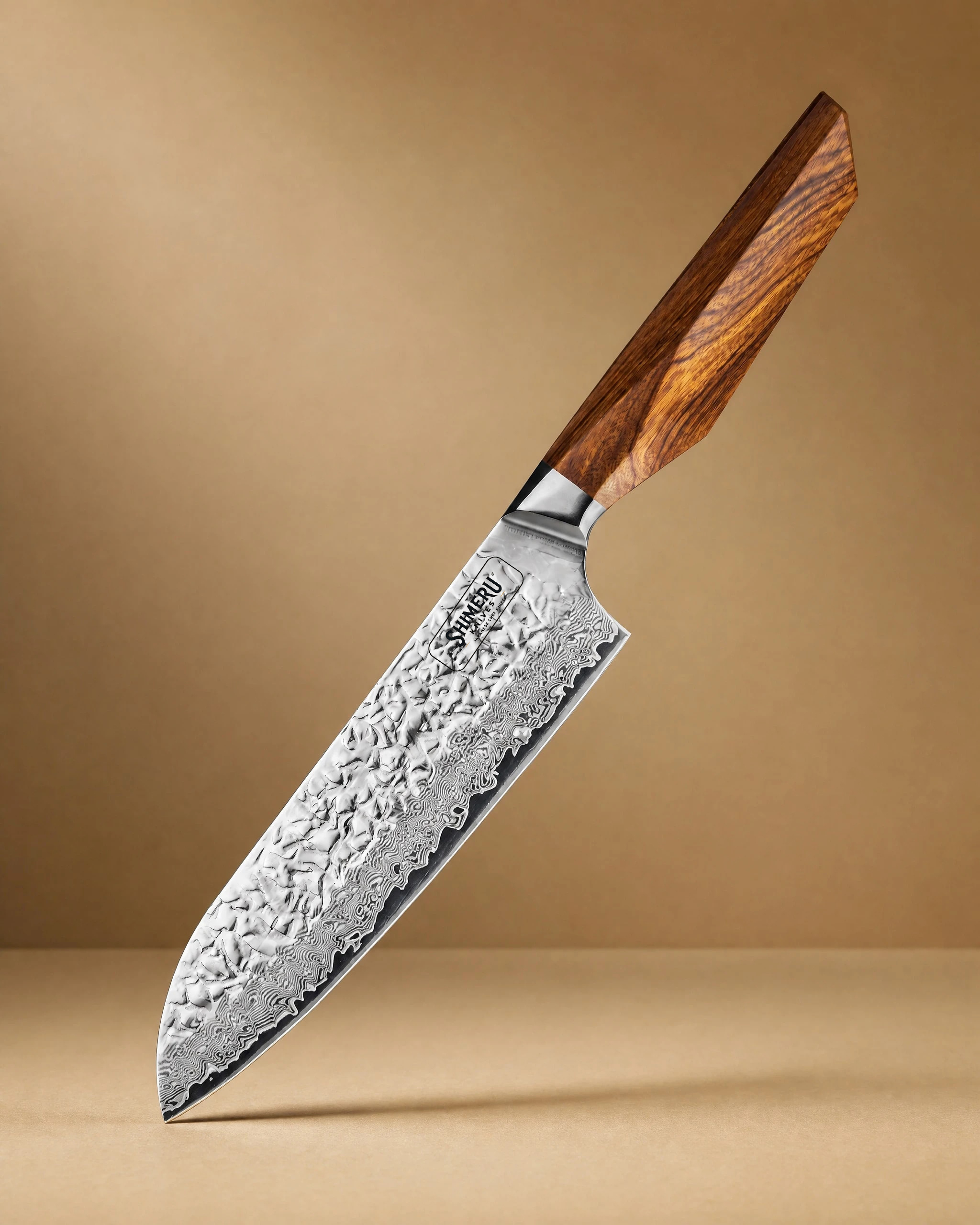 Shikoku 7" Damascus Steel Kengata Santoku 三徳包丁£79.99View product →. This variant is particularly good for vegetables, meats, and fish thanks to its robust tip. For those who appreciate aesthetics, the
 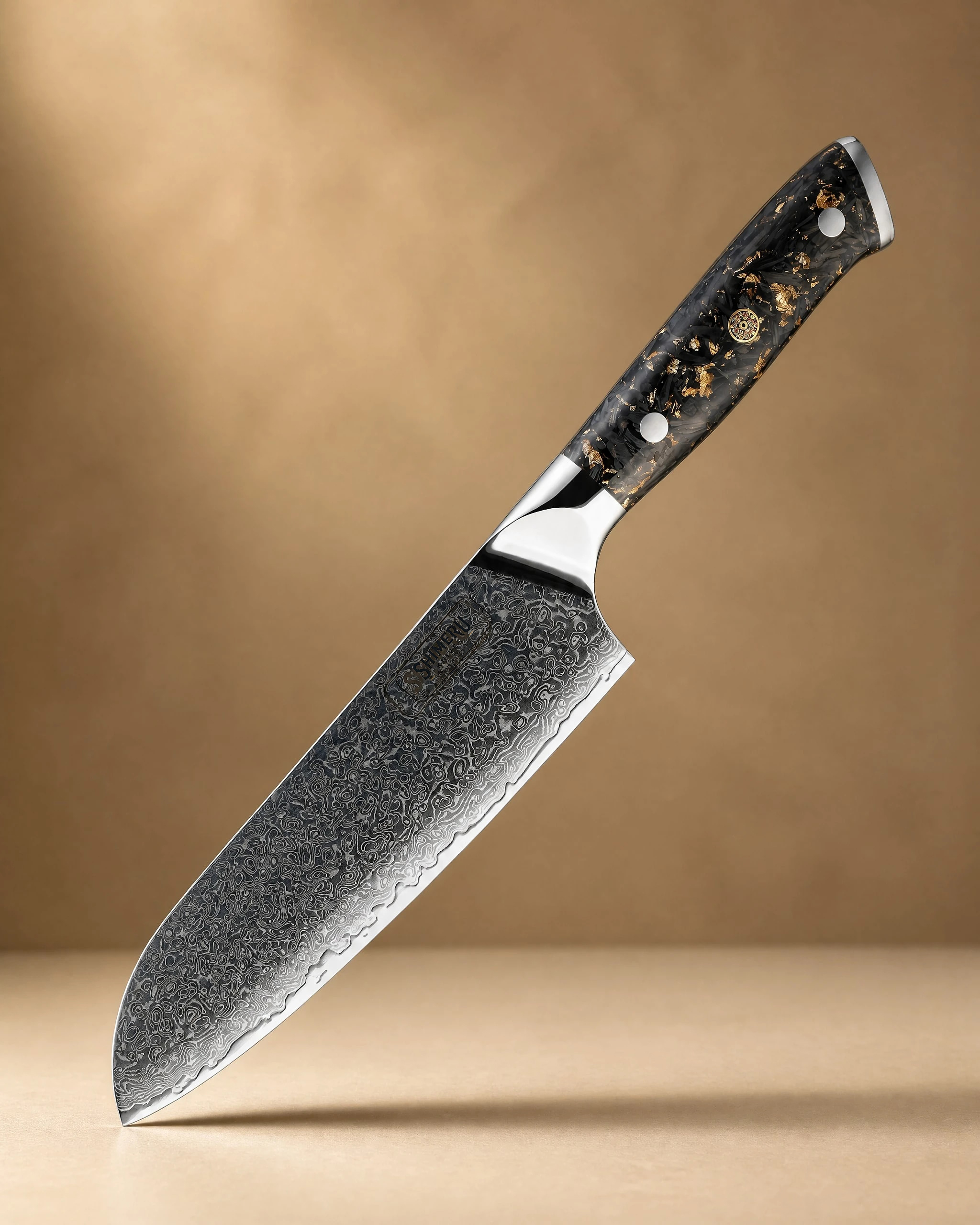 Asuka 飛鳥 7″ Damascus Steel Santoku Knife 三徳包丁£79.99View product → with its black resin and gold flake handle is both stunning and functional.
When shopping, look for a santoku blade that is forged or stamped from high quality stainless steel. Avoid overly cheap knives that may not hold an edge. A good santoku knife small (5 to 6 inches) is fine if you have smaller hands or prefer greater manoeuvrability, but most cooks find the 7 inch size the sweet spot.
Handle and Construction
The handle of a santoku knife affects both comfort and control. Traditional Japanese handles, often made of magnolia or ho wood, are lightweight and octagonal or D shaped. Western style handles, often made of rosewood or composite materials, may have a more ergonomic contour. Many modern santoku knives, including the products above, use natural woods like olive or rosewood, sometimes with synthetic resin accents for added durability.
A well balanced knife will have its centre of gravity near the bolster or just behind the blade. This gives you good leverage without tiring your wrist. Pay attention to the handle thickness and shape: a small santoku knife with a handle that is too bulky can feel awkward. Try to hold a few different models if possible, or read reviews that mention handle feel.
Santoku Knife Size and Weight
Santoku knives typically weigh between 120 and 200 grams, depending on the blade length and handle material. A lighter knife (around 150 g) is better for fast chopping and lengthy prep work, while a heavier knife can help with denser ingredients like winter squash. The most common size is 7 inches (175 mm), but you can also find a santoku knife small at 5 or 6 inches. The smaller versions are sometimes called ko-santoku and are excellent for cooks with smaller hands or those who do mostly light work.
For most home kitchens, a 7 inch santoku is the best all rounder. It offers enough blade length to slice through large vegetables or a whole chicken breast, yet remains nimble enough for precise cuts. A full range of santoku knives is available to suit different preferences.
If you are deciding between a chef knife and santoku, remember that the santoku’s flatter edge and lighter weight make it ideal for push cutting and chopping, whereas a chef knife’s curve is better for rocking. Many people own both, but a single santoku can cover most daily tasks.
How to Pick the Best Santoku Knife for You
Start by considering your primary use. If you cut a lot of vegetables, a damascus santoku knife with a thin grind will give you clean slices. If you also handle fish or boneless meat, look for a blade that is tough but sharp. The santoku knife use should guide your choice of steel: VG10 holds an edge well and is corrosion resistant, while AUS10 is slightly tougher and easier to sharpen.
Next, think about handle material. Olive wood is attractive but requires occasional oiling. Rosewood is dense and water resistant. Resin handles offer modern durability and unique colours. The Chikuma 7" Damascus Steel Santoku Knife 三徳包丁£79.99View product → and Komachi 小町 7″ Damascus Steel Santoku Knife 三徳包丁£74.99View product → both offer excellent handles that are comfortable for extended use.
Finally, set a budget. Good quality santoku knives start around 80 GBP and can go over 200 GBP. The extra cost often comes from better steel, more intricate Damascus layering, or premium handle materials. Avoid going too cheap, as a poorly made knife can be dangerous and frustrating. For a reliable choice, look at the best rated santoku knife selections from reputable sellers.

Once you have chosen your knife, maintain it properly. A santoku blade deserves a sharp edge, so invest in a honing rod or whetstone and learn basic sharpening. Store the knife in a blade guard or magnetic strip to protect the edge. With good care, a high quality santoku will serve you for many years.
Caring for Your Santoku Knife
Japanese knives require a bit more attention than soft stainless steel Western knives. Always wash your santoku by hand with warm water and mild soap, then dry immediately. Do not put it in the dishwasher, as the heat and detergents can damage the handle and dull the blade. For a comprehensive knife care guide, visit our dedicated page.
Sharpen your santoku on a whetstone when it begins to feel dull. Depending on use, this might be every few months for a home cook. Many users also use a honing rod between sharpenings, though be careful with hard Damascus blades as improper honing can chip the edge. Regular honing helps maintain the blade’s alignment.
For those new to Japanese knives, reading our how to choose a knife guide can help you understand the differences between blade styles and steels. Whether you opt for a small santoku knife or a full size 7 inch, the key is to find a knife that feels like an extension of your hand.
Final Thoughts on the Santoku Knife
The santoku knife is a true workhorse in the kitchen. Its three virtues of slicing, dicing, and mincing cover the vast majority of daily prep tasks. With a damascus santoku knife, you get a blade that is both beautiful and functional, holding a sharp edge through many meals. By considering the blade steel, handle ergonomics, and size, you can find the perfect santoku for your cooking style.
Whether you are a novice home cook or an experienced chef, adding a quality santoku to your collection will simplify your workflow. Explore the available options and choose a knife that inspires confidence every time you pick it up.
Photography: wu yi via Unsplash.


