





Japanese Steak Knife Set Review

Introduction
A great steak deserves a great knife. Whether you prefer a rare fillet or a well done sirloin, the blade that cuts into it can make or break the dining experience. Japanese steak knives offer a unique combination of sharpness, edge retention, and elegance that many cooks and diners appreciate. In this review, we take an honest look at one particular set and consider how Japanese steak knives fit into a broader kitchen toolkit.
We are Shimeru Knives, a UK shop that sells Japanese kitchen knives. We do not dropship; we stock and ship from our own warehouse. Our goal is to help you find the right blade for your needs, without hype or exaggeration. So let us begin with a clear understanding of what a good steak knife should do.
What Makes a Japanese Steak Knife Special?
Japanese knives are renowned for their hardness and sharpness. A typical Japanese steak knife uses a harder steel than its Western counterpart, often around 60-61 HRC. This allows for a thinner edge that slices through meat with minimal effort. The result is a clean cut that preserves the juices and texture of the steak. Western steak knives, by contrast, are often softer and may require more pressure to cut, sometimes tearing the meat.
Another key difference is the blade geometry. Many Japanese steak knives have a double bevel, making them suitable for both left and right handed users. The handles are often designed for a pinch grip, giving you precise control. Materials range from stainless steel to layered Damascus, with handles in wood, synthetic composites, or metal. Each choice affects performance, feel, and maintenance.
Let us consider steel hardness more carefully. The VG10 core used in the Suma set reaches about 60-61 HRC, which is quite hard for a production knife. This hardness means the blade holds its edge longer than softer stainless steels, but it also makes the edge more brittle. You should avoid prying or twisting the knife against bone or gristle. A plain edge (non-serrated) like the Suma's requires a steady slicing motion rather than a sawing back-and-forth. With practice, the cut becomes effortless and clean.
If you are new to Japanese knives, you might find our knife guide useful for understanding the different types and steels. For steak knives specifically, we have a category dedicated to steak knives where you can compare various options.
Review: Suma Damascus Steel Steak Knife Set
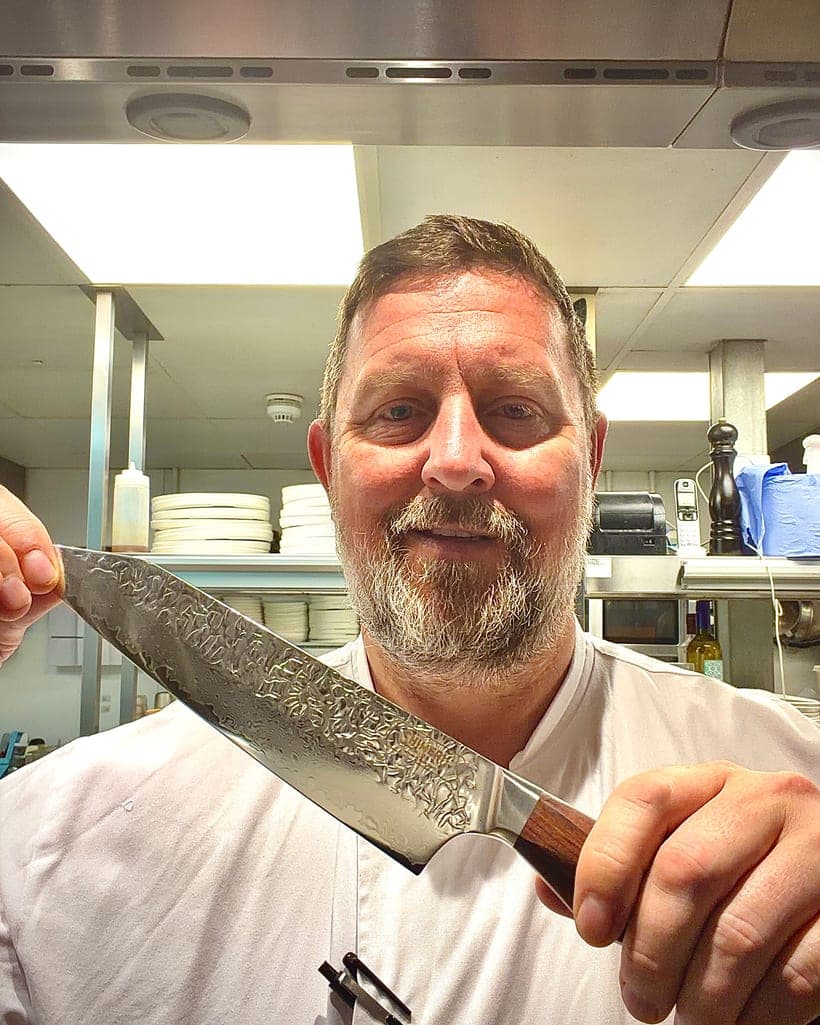
Today we look at the 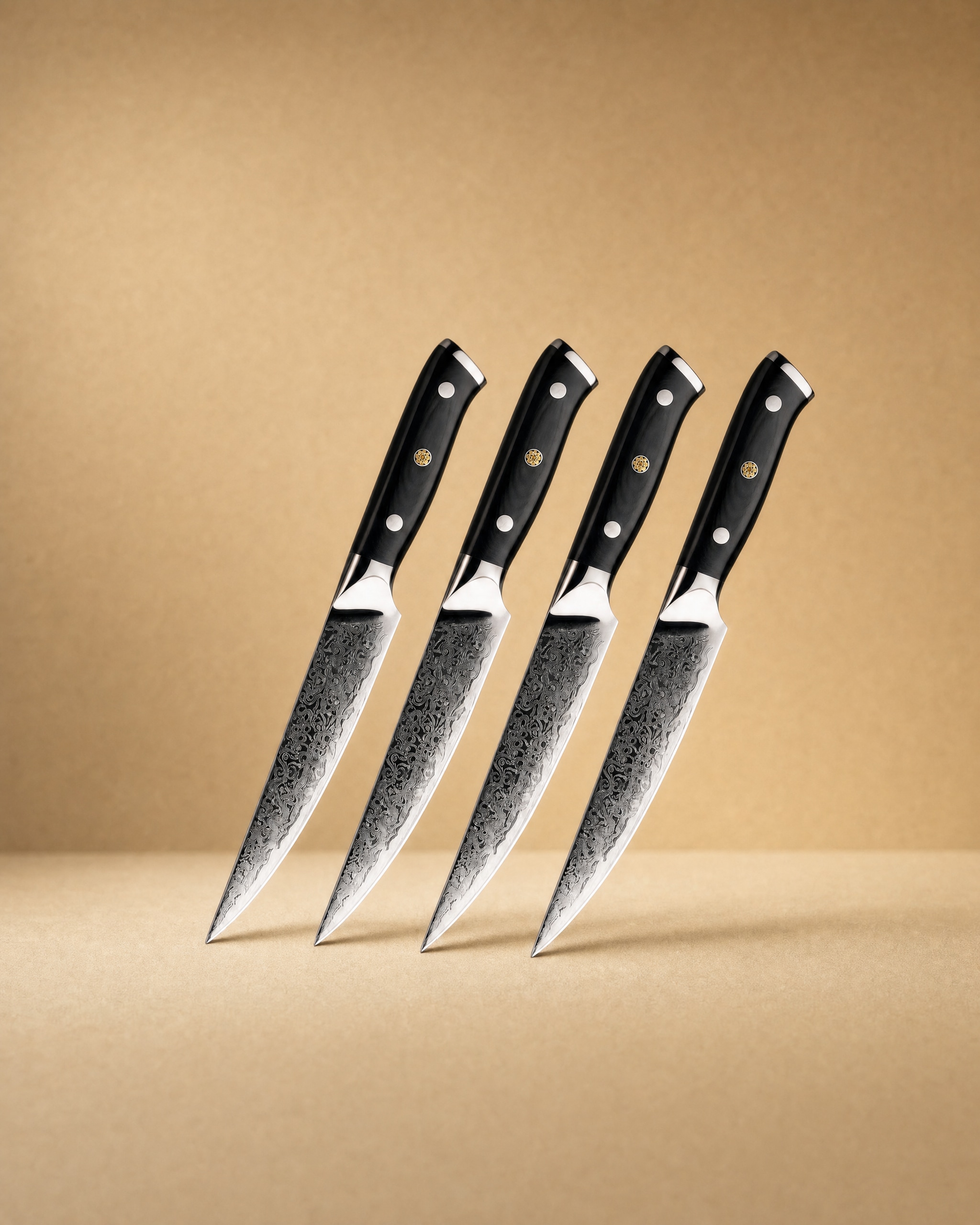 Suma 4.5" Damascus Steel Steak Knife Set 4 pieces ステーキナイフ£114.99View product → from Suma. This is a set of four 4.5 inch steak knives, each featuring a 67 layer Damascus steel blade with a VG10 core. The handle is made from G10 fibre, a tough, non slip material often used in high end knives. The set is designed specifically for steak and meat, though the blades are versatile enough for other tasks at the table.
The first thing you notice is the weight. These knives feel substantial but not heavy. The 4.5 inch blade is a classic steak knife length, allowing you to saw through thick cuts without your knuckles hitting the plate. The Damascus pattern is attractive but not overly flashy, a subtle wave that speaks to the craftsmanship.
In use, the edge is impressive out of the box. It cuts through a medium rare ribeye with almost no resistance. The VG10 core holds its edge well, so you will not need to sharpen after every meal. The G10 handle provides a secure grip, even if your hands are a little oily from the steak. The set comes in a gift box, making it a nice present for a steak lover.
What about downsides? The 4.5 inch blade may feel short if you are used to longer steak knives, but for most steaks it is ideal. The G10 handle is not as warm to the touch as wood, but it is easy to clean. Some users might prefer a different handle material, but that is a matter of taste. Overall, this set offers excellent value for the quality of steel and construction.
Who is this set for? It suits home cooks who host dinner parties regularly and want a matched set of four knives that impress guests. It also suits anyone who appreciates a sharp, non-serrated edge and prefers a more refined cutting experience. If you mostly eat steak alone, you might consider buying a single steak knife instead, but this set gives you spares for future meals or gatherings.
To maintain these knives, we recommend hand washing and drying immediately. A good knife care routine will keep them performing for years. For sharpening, consider a dedicated tool like the 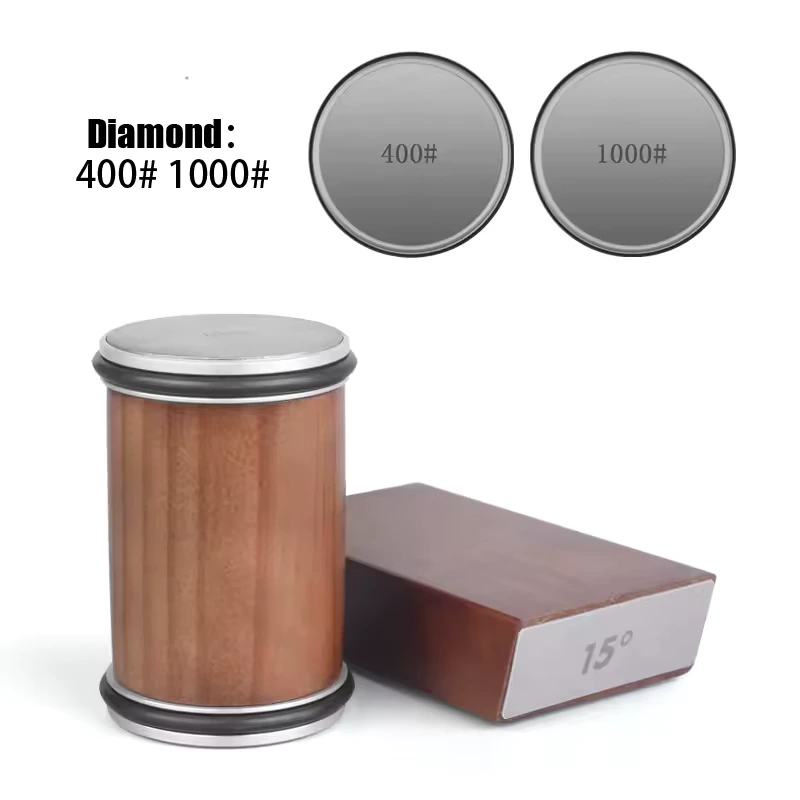 Magnetic Rolling Knife Sharpener£59.99View product → which can handle the hard VG10 steel.

Technique for Using Japanese Steak Knives
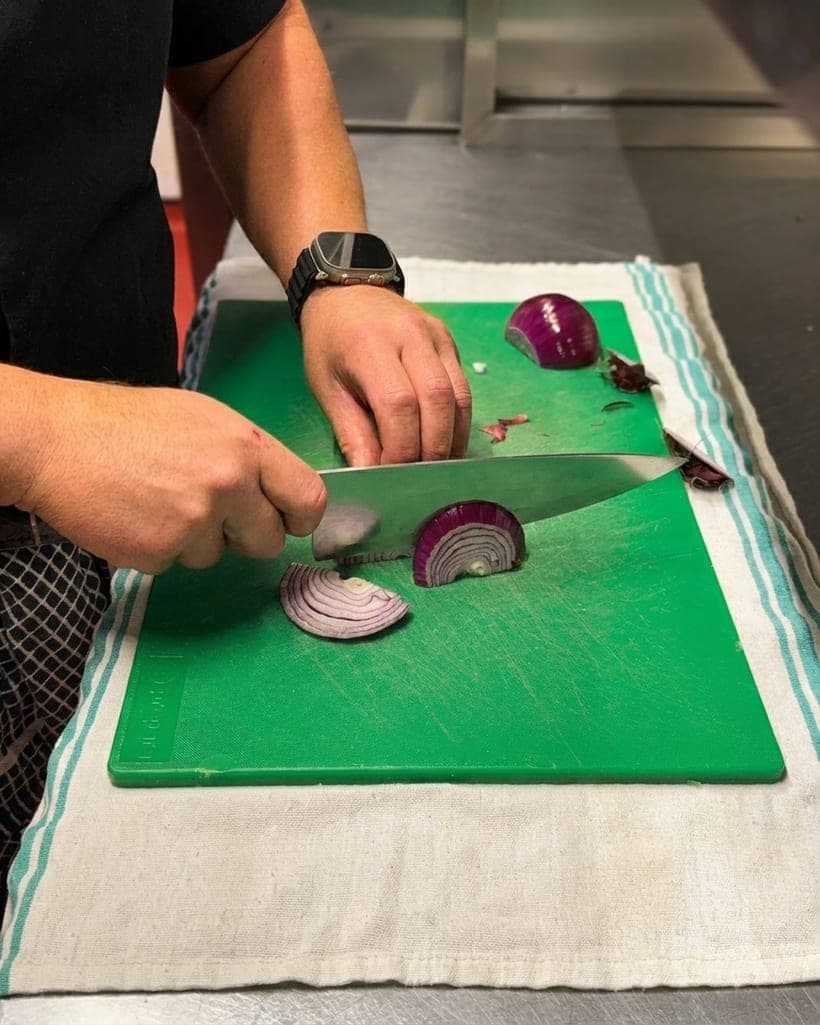
Using a plain edged Japanese steak knife is different from using a serrated one. With serrated knives, you typically saw back and forth to break the meat fibres. With a sharp plain edge, you want a single, steady slicing motion from heel to tip. Let the blade’s weight do the work. Hold the knife with a relaxed grip, using your thumb and forefinger to pinch the blade just above the handle for control. Slice gently through the steak without pressing down hard. The edge will separate the fibres cleanly.
Avoid twisting the knife when cutting around bones or cartilage. Hard steel can chip if stressed sideways. If you encounter a tough spot, use a gentle rocking motion instead of twisting. For thicker steaks, a longer blade like 5 inches might be more comfortable, but 4.5 inches is sufficient for most portions.
Always cut on a wooden or plastic board. Stone or ceramic surfaces will dull the edge rapidly. A bamboo board is a good choice for the table. After cutting, wipe the blade clean with a damp cloth before any juices dry on it.
Pairing with Other Knives
While a steak knife set is perfect for the dinner table, you will still need a good kitchen knife for preparing the steak itself. A chef knife or gyuto is indispensable for trimming fat, slicing vegetables, or portioning meat. The 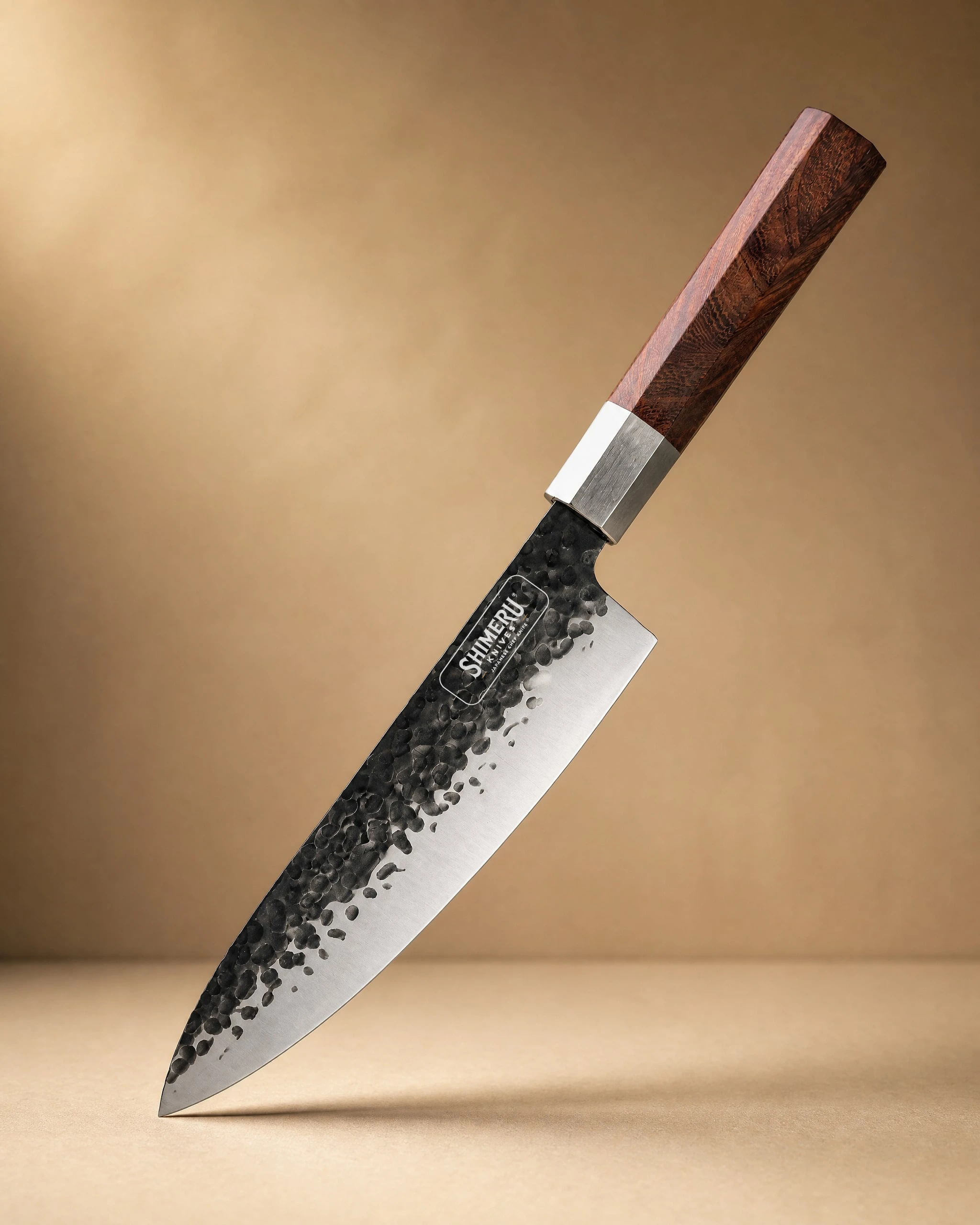 Sendai 8" Steel Gyuto Knife 牛刀£49.99View product → is an 8 inch stainless steel gyuto with an Mkuruti wood handle. It is a versatile blade that works well for vegetables, herbs, meat, and fish. The stainless steel is easy to care for and the handle offers a comfortable, warm feel.
The Sendai gyuto suits home cooks who want one do-it-all knife. Its 8 inch blade length is a standard chef’s size, good for almost any prep task. The stainless steel is less demanding than VG10, making it a forgiving first Japanese knife. Pair it with the Suma set, and you have a complete system for both cooking and serving.
For heavier tasks like chopping through bones or thick squash, a cleaver might be useful. The 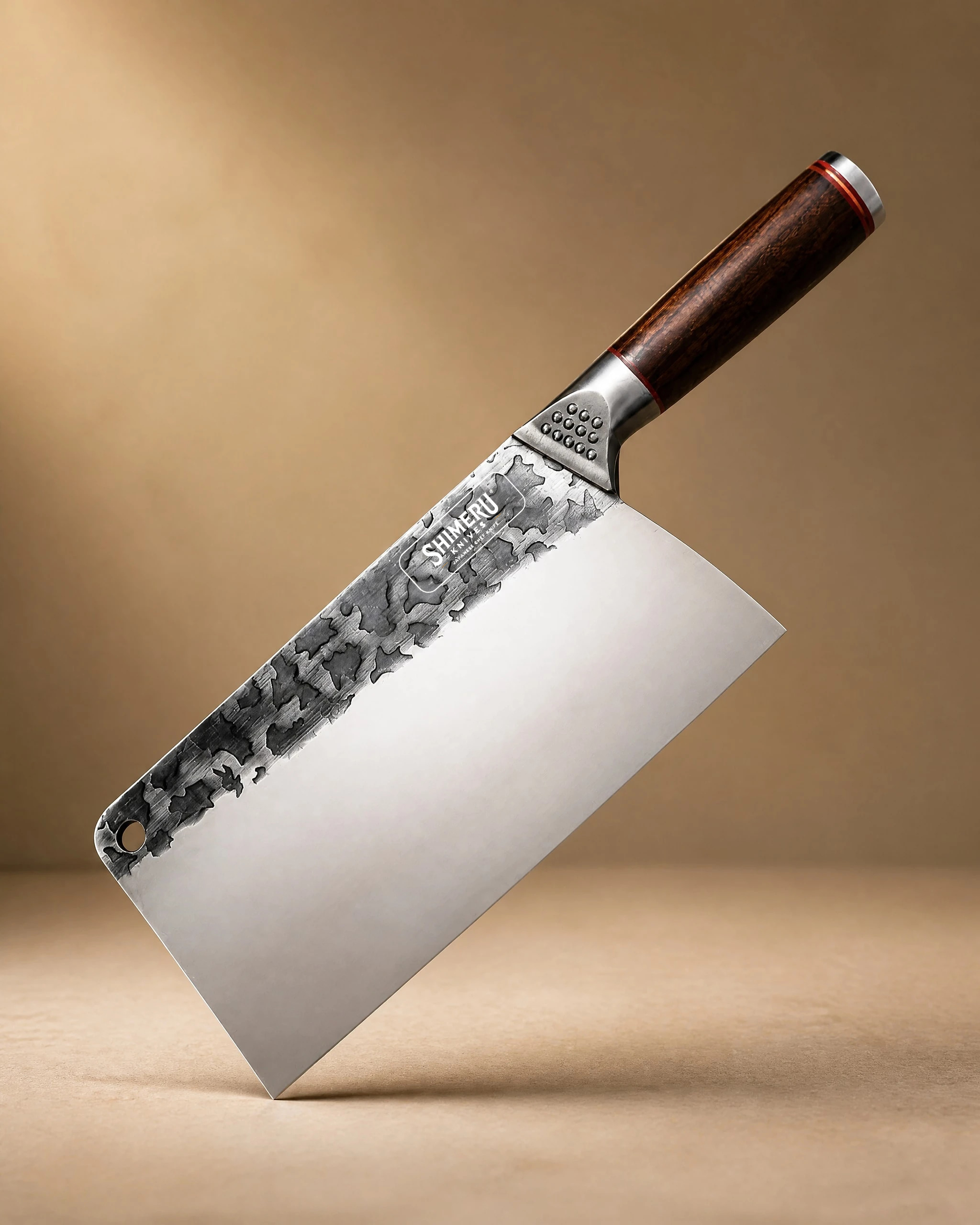 Saba 7" Stainless Steel Cleaver 中華包丁£44.99View product → is a 7 inch stainless steel cleaver with an African wedge hardwood handle. It is designed for meat, vegetables, and herbs. While not a steak knife, it can help you prepare ingredients before they hit the grill. This cleaver suits those who do a lot of vegetable prep or occasionally break down poultry.
Having a sharpener on hand is also wise. The Magnetic Rolling Knife Sharpener£59.99View product → magnetic rolling sharpener is a simple tool that can keep your steak knives and other blades in top condition. It works for both Western and Japanese edges, making it a convenient addition to any kitchen. For those who own Japanese knives with hard steel, a whetstone offers more control, but the rolling sharpener is quick and foolproof.
Caring for Your Steak Knives
Japanese steel is hard but brittle, so avoid twisting the blade or cutting on hard surfaces like ceramic or glass. Use a wooden or plastic cutting board. For steak knives, a wooden board at the table is fine. After use, wash with mild detergent and dry immediately. Dishwashers are not recommended as the heat and chemicals can damage the handle and blade.
Storing the knives in the original box or a knife block prevents accidental knocks. If you notice the edge becoming dull, a few passes on a fine whetstone or a sharpener like the Magnetic Rolling Knife Sharpener£59.99View product → will restore it. Regular maintenance ensures that every steak you cut is as enjoyable as the first. For the VG10 core, we recommend a grit around 3000 to 6000 for a refined edge. Touch up every few months with normal home use.
For more detailed advice, read our knife care guide.
Choosing the Right Set
Not everyone needs a four piece set. If you regularly host dinners, the Suma set is a solid choice. If you cook mainly for yourself, a single high quality steak knife might suffice. Consider the handle material, blade length, and steel type. The best knife is the one that feels right in your hand and fits your budget.
We stock a range of steak knives and other Japanese knives. Browse our full selection at the product page or filter by steak knives to see more options. If you need help, feel free to contact us. We are here to help you find the perfect blade, not to upsell you.
In summary, the Suma Damascus steel steak knife set delivers excellent cutting performance, attractive design, and durable construction. Paired with a good gyuto and a sharpener, you can enjoy steak night with confidence. We hope this review has given you a clearer picture of what to look for in a Japanese steak knife.
Photography: Savernake Knives via Unsplash.

