






Most Hygienic Chopping Board Materials Compared

Choosing a chopping board sounds simple. Then you start reading about bacteria, knife marks and cross-contamination, and the simple choice turns into a small research project. The most hygienic chopping board is not a single material for every kitchen task. Hygiene depends on how porous the surface is, how easily it can be cleaned, how quickly it dries, and whether you keep raw meat and ready-to-eat food separate.
The honest answer: stainless steel and high-density plastic are easiest to keep clean for raw meat, dense hardwood and bamboo suit vegetables and bread, and glass is hygienic but unkind to knife edges. The board matters. The routine matters more.
What Makes a Chopping Board Hygienic?
Bacteria need moisture, food and a surface to sit on. A board becomes a hygiene risk when food gets into cuts, scratches or pores and cleaning does not reach it. Four factors matter most.
Porosity: non-porous surfaces stop liquid and bacteria from sinking in. Scratch resistance: a board that scars deeply is harder to clean. Heat resistance: dishwasher-safe boards can be sanitised more thoroughly. Drying speed: a board that dries quickly spends less time damp. Knife friendliness matters too: a board that damages edges encourages heavy pressure.
No board is sterile. Even the cleanest cutting board needs washing after raw meat, fish or poultry. The most hygienic cutting board is the one you can clean properly and use for the right job.
Wood and Bamboo: Traditional, Dense and Misunderstood
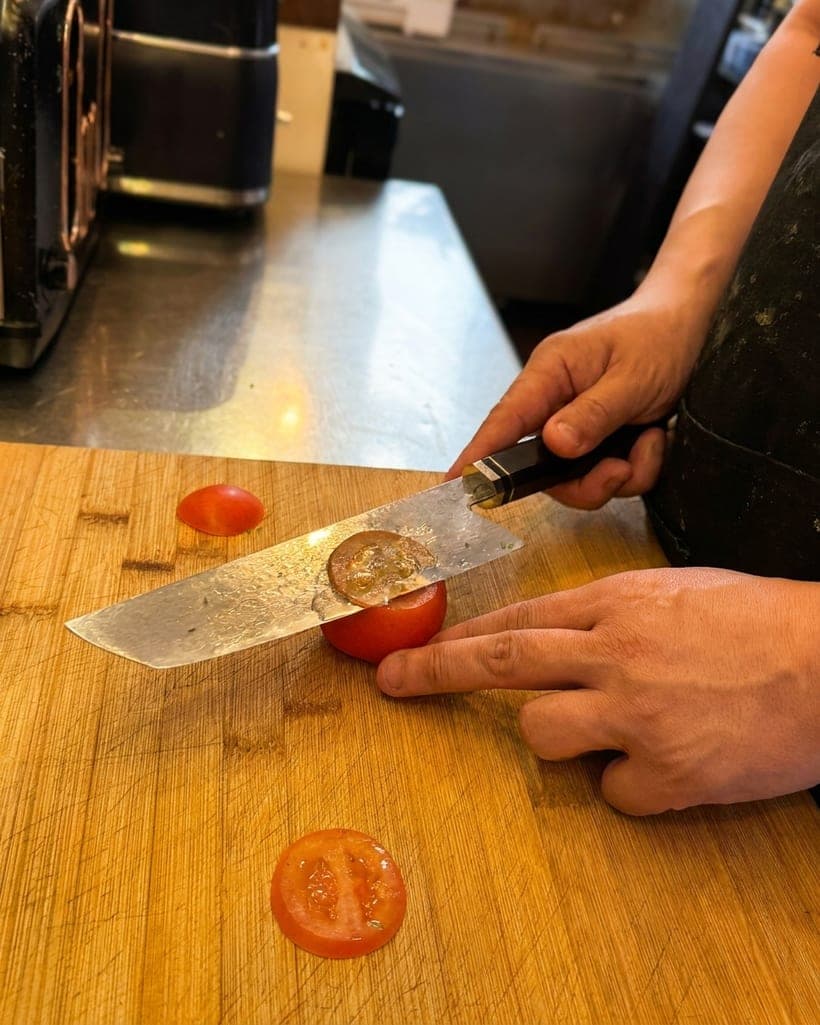
Wood has a long history in kitchens. Dense hardwoods, such as maple or beech, are less porous than soft open-grained woods. Bamboo is technically a grass, pressed into a dense board. Both can be good for vegetables, bread and dry foods. Many cooks prefer wood because it feels gentle under a knife.
Wood is not the easiest material for raw meat. It usually cannot go in a dishwasher, and it needs oiling to keep the surface sealed. Deep knife marks and prolonged dampness are the problems. If you use a wooden board for meat, keep it dedicated to meat, wash it in hot soapy water, sanitise it and dry it upright. Bamboo behaves similarly. It is dense, but it can still absorb moisture at the edges and along glue lines.
Wood and bamboo are safe when cared for. They are not the simplest answer to the question of the most hygienic chopping board for raw proteins.

Plastic: The Practical Choice for Raw Meat
Plastic boards are popular in home and professional kitchens because they are light, cheap, non-porous and often dishwasher safe. The best plastic chopping board material is high-density polyethylene, usually called HDPE. It is tough, has a closed surface and tolerates hot washing better than softer plastics. Avoid thin, soft plastic boards that score easily and warp.
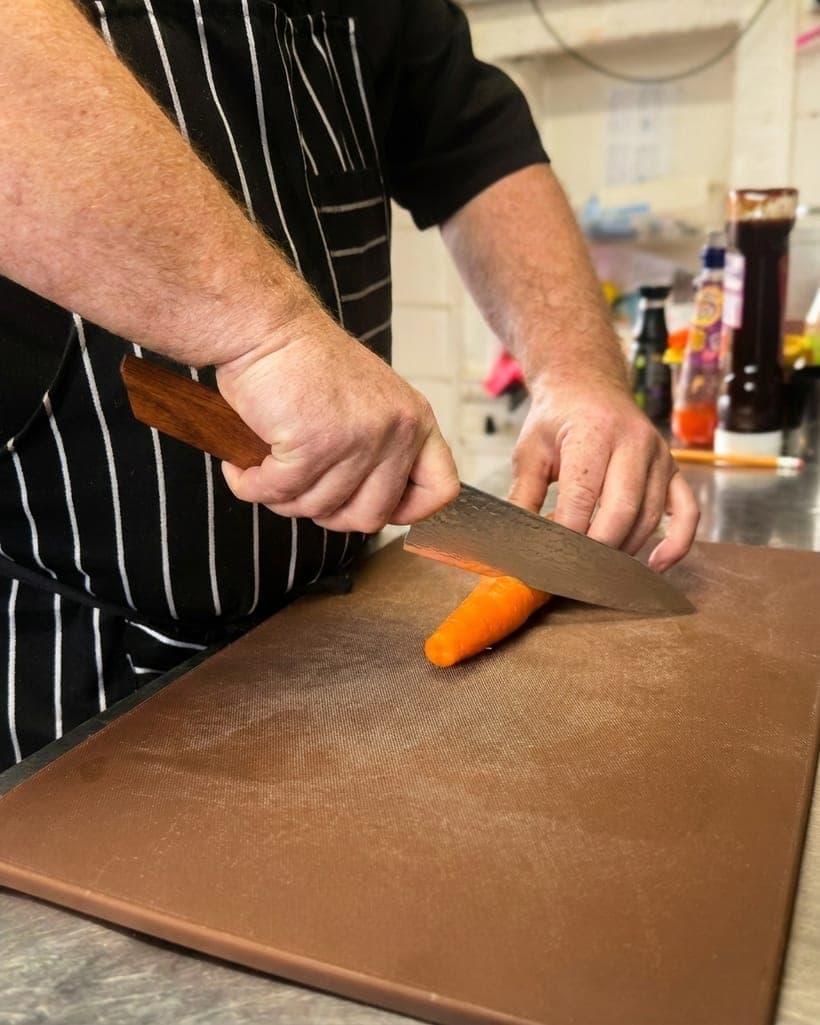
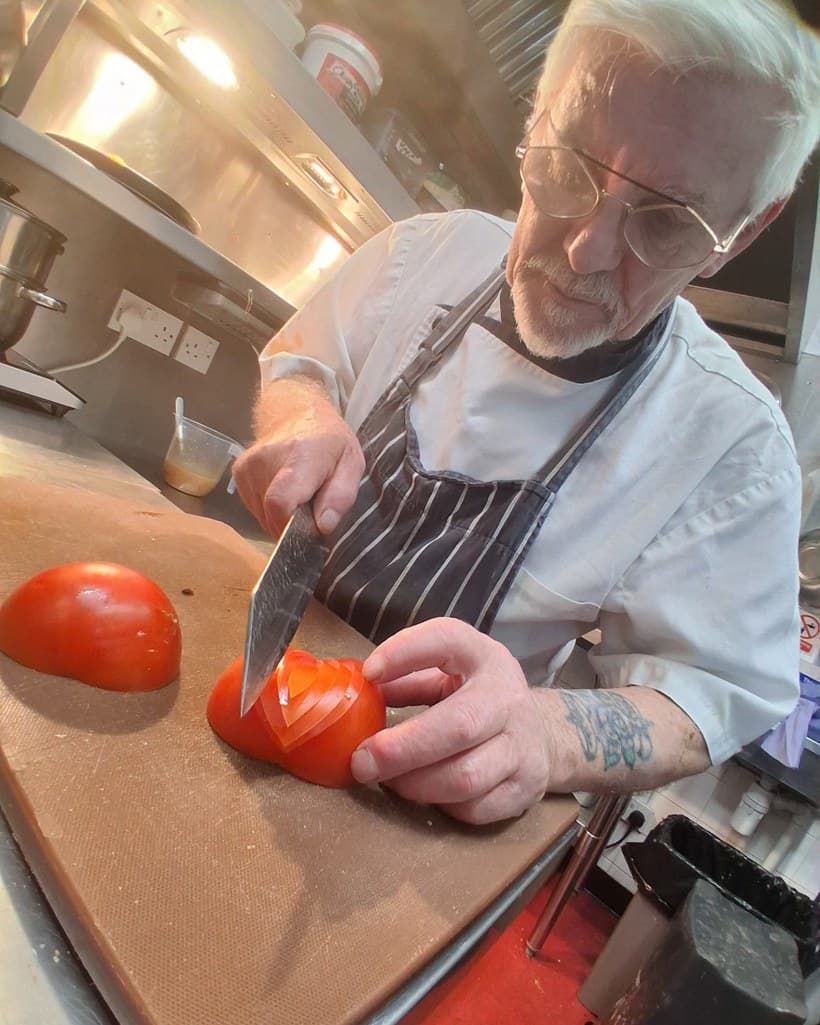
Plastic has one weakness: knife scars. A worn plastic board with deep grooves can trap food and bacteria. Dishwashing helps, but it does not make an old, heavily scarred board new. Replace plastic boards when the surface becomes rough or deeply cut. Use colour-coded boards if you handle raw meat, fish and vegetables, or keep one board for raw meat only.
For most homes, a good HDPE board used correctly is the best plastic cutting board material and the most practical hygienic option for raw meat. It is not indestructible or automatically cleaner than wood. It is simply easier to clean thoroughly and replace when worn.
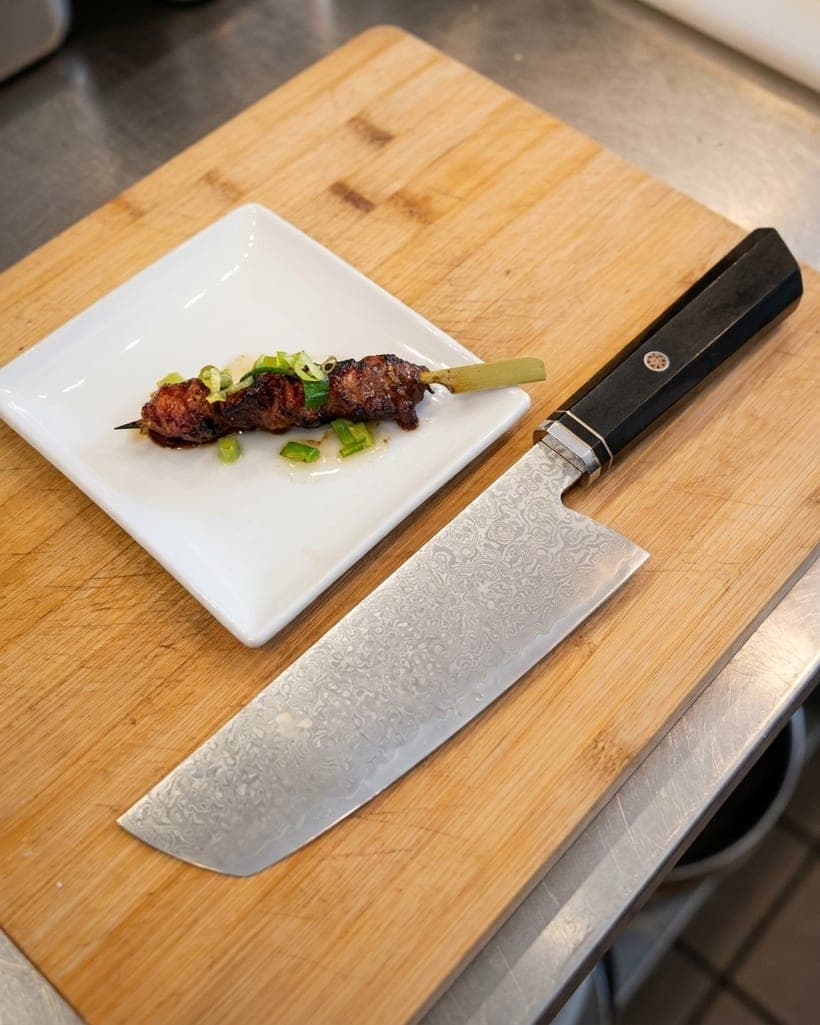
If you prep meat and vegetables on a plastic board, a cleaver with a stable edge is useful. 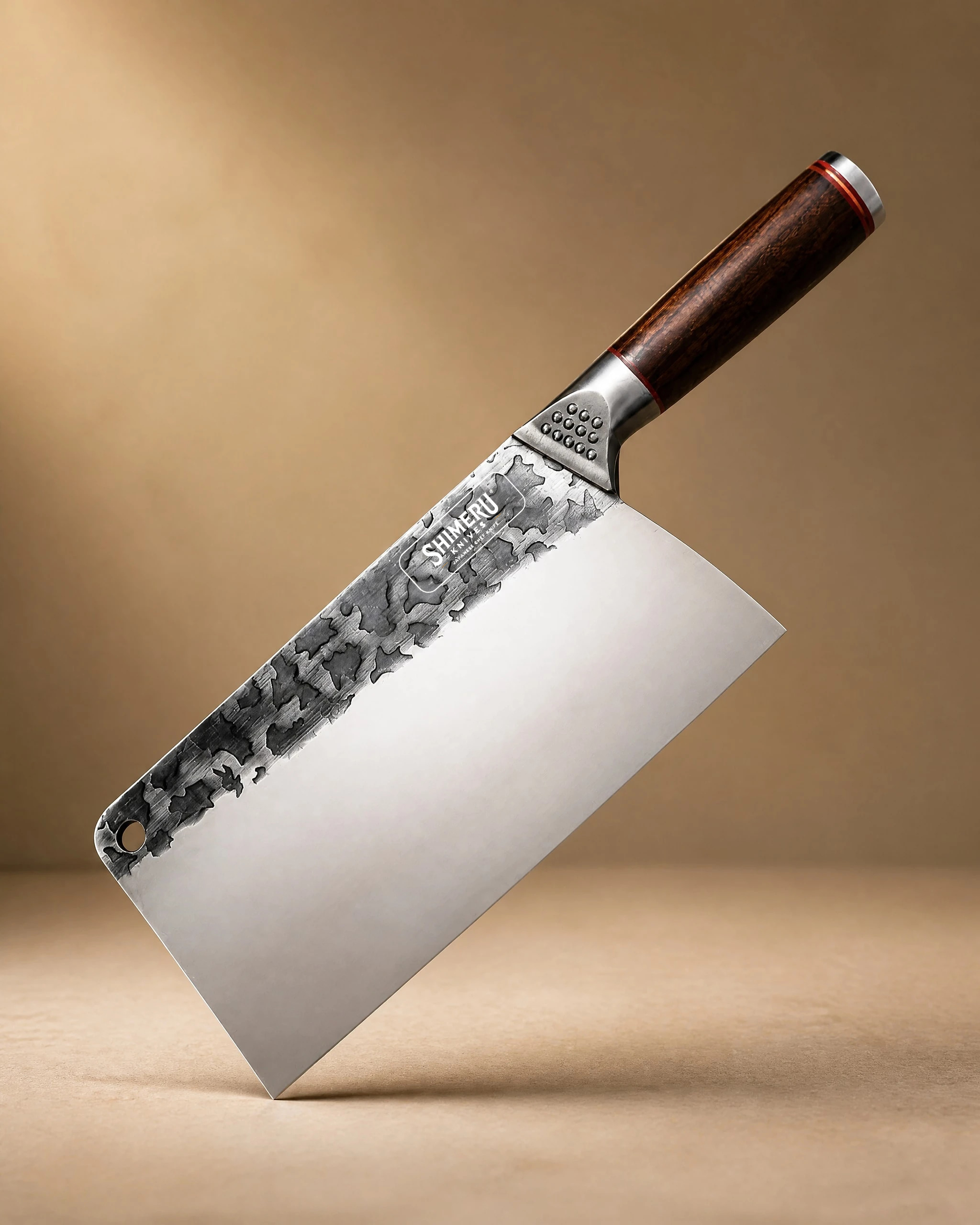 Saba 7" Stainless Steel Cleaver 中華包丁£49.99View product → has a Japanese stainless steel blade and a hardwood handle, and it is suited to meat, vegetables and herbs. Use it with a light hand and let the board take the wear.
Stainless Steel: Clean, Tough and Hard on Edges
A stainless steel chopping board is the easiest surface to sanitise. It does not absorb liquid, it does not hold food smells, and it can be washed in hot soapy water or sanitised quickly. For raw meat, fish and other high-risk foods, it is among the most hygienic chopping board materials you can buy. The best stainless steel chopping board is a solid, flat sheet with no seams or deep fixings where food can collect.
Stainless steel is hard. A fine Japanese edge meets a hard surface and loses its bite faster than it would on wood or soft plastic. Stainless steel boards are also noisy and can feel slippery when wet. Use them for raw meat and fish, not for delicate slicing. A sturdy cleaver is a better match than a thin slicer. 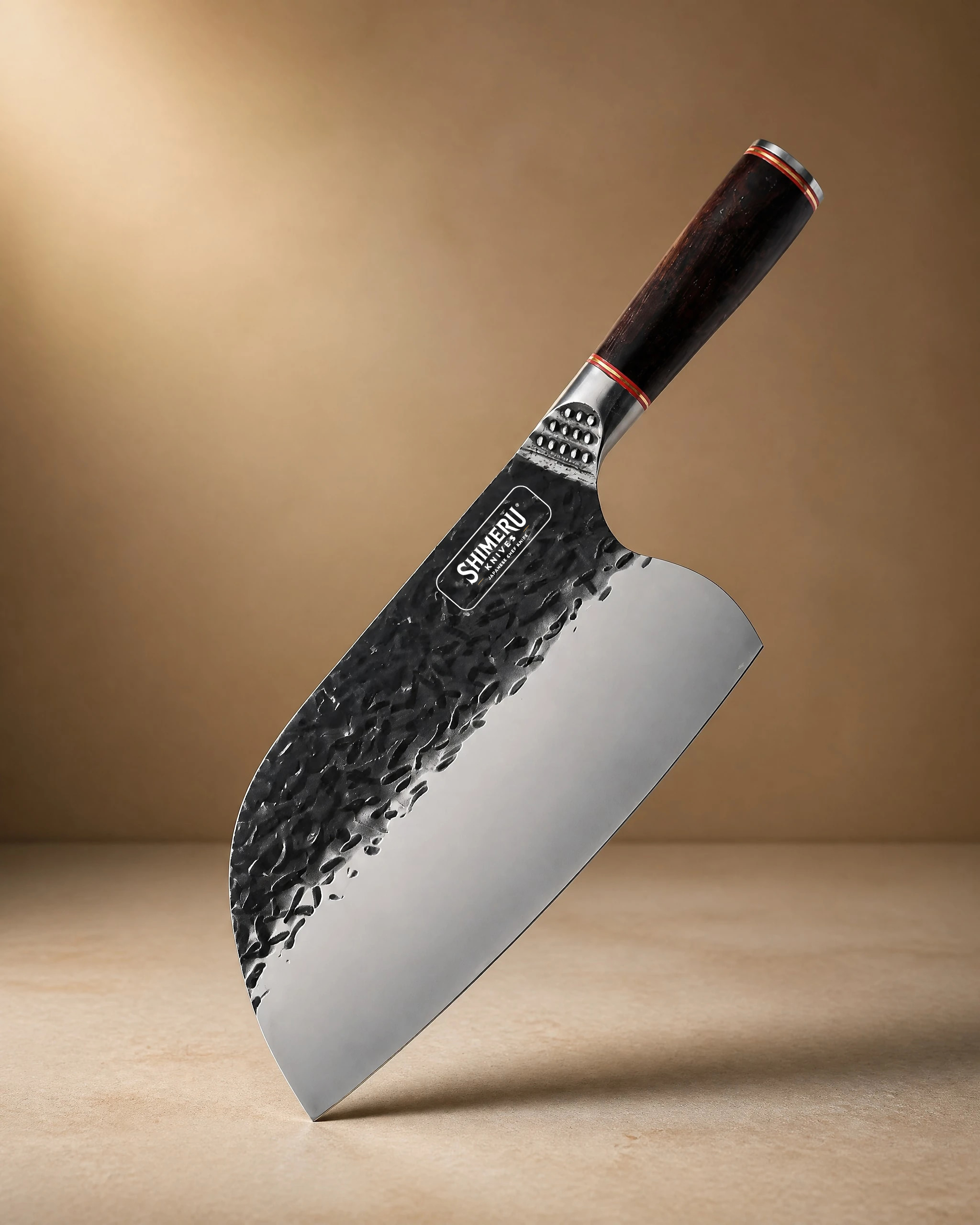 Toyo 7" Stainless Steel Cleaver 中華包丁£54.99View product → is a 7 inch stainless steel cleaver with a hardwood handle, built for chopping, slicing and dicing. It suits a tough board better than a light gyuto.
Glass: Hygienic but Knife-Unfriendly
Glass boards are non-porous, dishwasher safe and easy to wipe. They are hygienic because they do not absorb food or liquids. They are also heavy, brittle and unforgiving. Glass dulls knife edges quickly, and a dropped board can shatter. A glass board is best kept for serving or for light tasks where knife edge retention is not a priority. It is not the safest chopping board for a good Japanese knife.
Composite and Rubber Boards: The Professional Middle Ground
Rubber and composite boards are used in professional kitchens for good reason. They are non-porous, knife-friendly and often dishwasher safe. They cost more than plastic and can be heavier. A good rubber board offers a useful balance: it is easier on edges than glass or steel, and it can be cleaned thoroughly. Wash it, dry it and replace it when it wears.
If you want one board for general prep, a composite or rubber board is a sensible compromise. If you handle raw meat often, a separate plastic or stainless steel board is still the clearer choice.
Quick Comparison of Board Materials
- Stainless steel: most hygienic for raw meat and fish, hardest on knife edges.
- High-density plastic: practical, dishwasher safe, replace when deeply scratched.
- Rubber and composite: cleanable and knife-friendly, higher cost.
- Dense hardwood and bamboo: good for vegetables and bread, need dry storage and oiling.
- Glass: non-porous and easy to clean, but dulls knives and can shatter.
This ranking is about hygiene and knife care together. If your only concern is surface bacteria, stainless steel and dishwasher-safe plastic are the easiest to manage. If you care about edge retention, wood, rubber and plastic are kinder.
The Cleaning Routine That Matters More Than Material
Wash boards in hot soapy water after every use. Use a separate board for raw meat, fish and poultry. Sanitise the board after raw proteins. Dry it fully before storage. Do not put a board away damp. If a board is dishwasher safe, use the hot cycle and dry it after. If it is wooden, wash and dry it promptly and oil it when the surface looks dry.
Replace worn boards. Deep scratches, cracks and a rough surface are signs that cleaning cannot reach everywhere. This is especially important with plastic. A clean-looking board can still have a hidden problem.
Clean knives separately. Do not leave a knife soaking. Dry it after washing. Our knife care guide covers the routine. A clean board and a clean knife work together. Neither compensates for the other.
Which Board for Which Food?
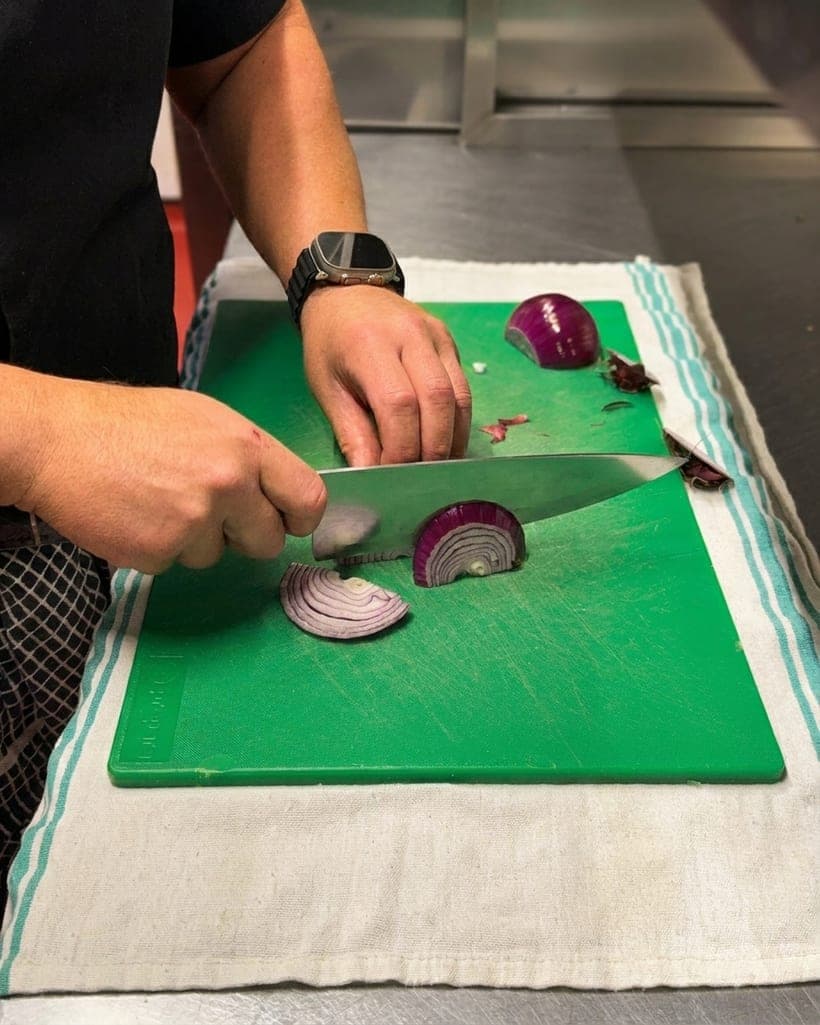
Raw meat and fish: use a dedicated plastic or stainless steel board. Keep it separate. Vegetables and fruit: use a clean board, wood, plastic or rubber. Bread and dry goods: wood is pleasant and practical. Cooked food and ready-to-eat items: use a clean board that has not held raw meat. If you use one board, wash and sanitise it between tasks. Colour-coded boards make separation easier.
Choosing a Knife for Your Board
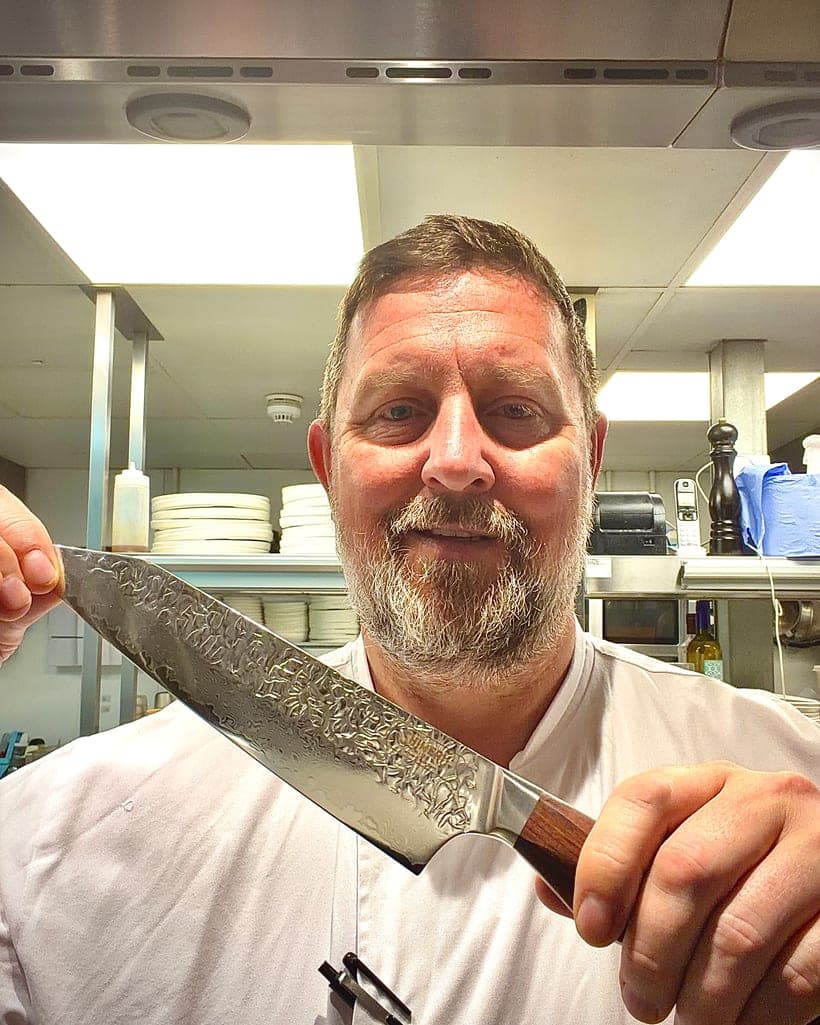
Board material affects how a knife feels and how long it stays sharp. Hard boards increase edge wear. Soft boards are gentler but scar more easily. A sharp knife needs less pressure, which is safer and kinder to both edge and board. For slicing, dicing and chopping vegetables, a gyuto is the useful all-rounder. 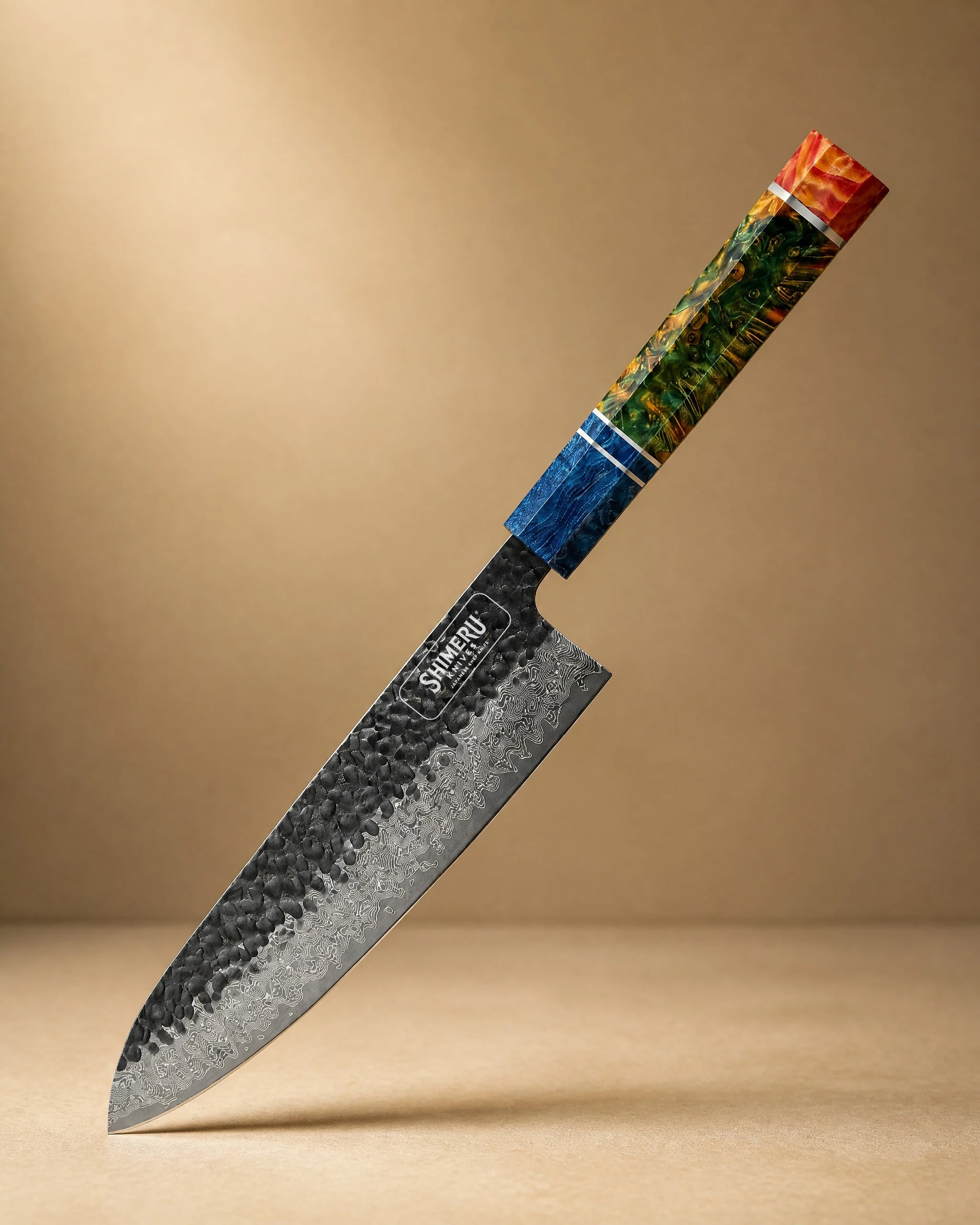 Yoshii 8″ Damascus Steel Gyuto Knife 牛刀£84.99View product → is an 8 inch Damascus steel gyuto with a wood and copper handle, suited to slicing, dicing and chopping.
 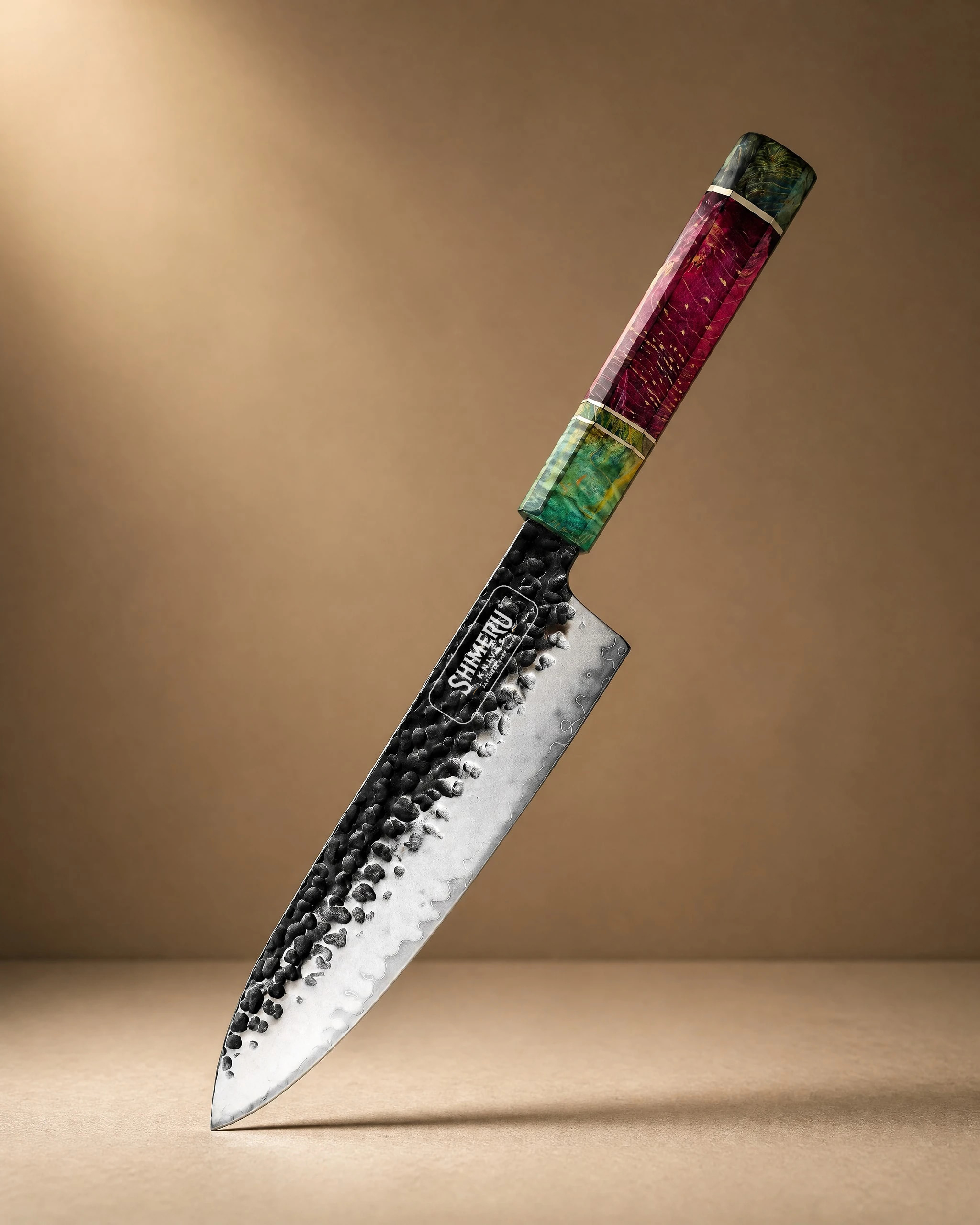 Natori 8" Gyuto Knife 牛刀£74.99View product → is an 8 inch gyuto in AUS10 stainless steel with a sandalwood and resin handle, also suited to slicing, dicing and chopping. Either suits a clean plastic, rubber or wooden board.
For heavier meat prep, a cleaver is the better shape. Saba 7" Stainless Steel Cleaver 中華包丁£49.99View product → and Toyo 7" Stainless Steel Cleaver 中華包丁£54.99View product → are both cleavers with Japanese stainless steel blades and hardwood handles. Use them on plastic or wood, not on glass. If you use a stainless steel board, accept the extra sharpening and keep a sturdy knife for the job.
If you are deciding between shapes and sizes, our knife guide explains the options. For boards and knives together, browse the chopping board category or see all knives and kitchen products.
The Practical Answer
The most hygienic chopping board is not one material for every kitchen. Use stainless steel or high-density plastic for raw meat and fish. Use dense wood, bamboo or rubber for vegetables and bread. Keep raw and ready-to-eat foods separate. Wash, sanitise and dry properly. Replace worn boards. Choose a knife that suits the task and the board, and keep it sharp.
That routine will do more for kitchen hygiene than any single board material. The best board is the one you can clean, dry and use correctly every day.
Photography: Sergey Kotenev via Unsplash.


