





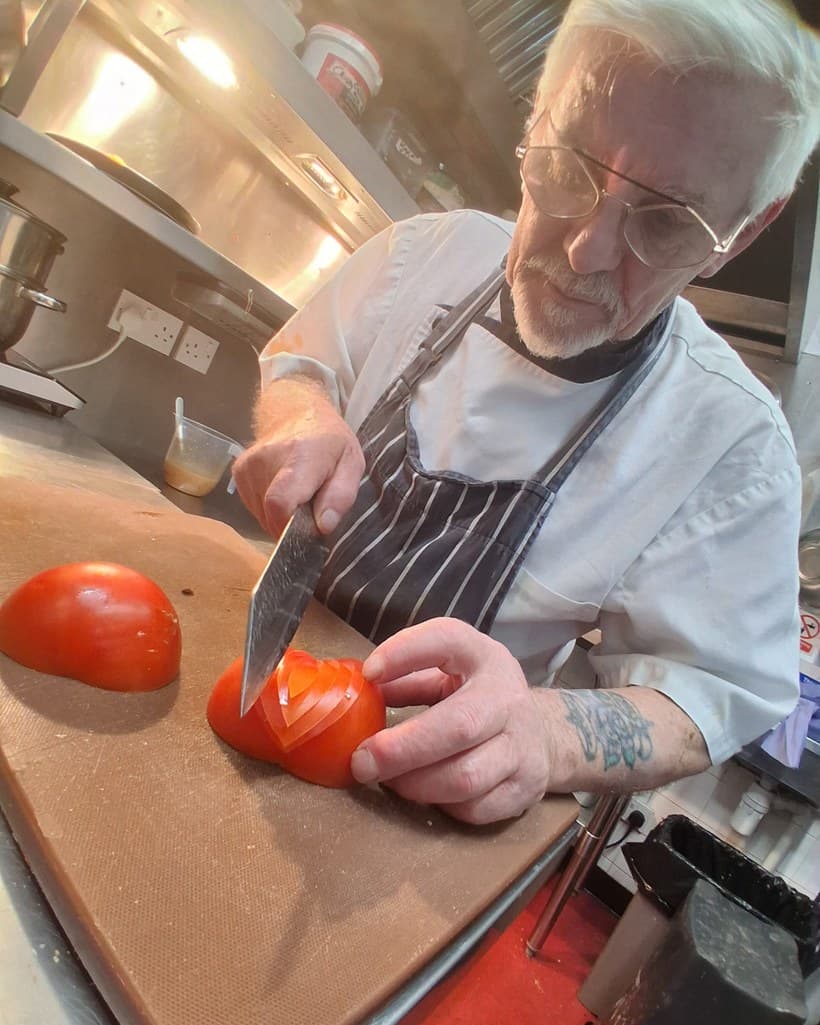
Best Quality Chopping Boards for Your Kitchen

A good knife gets the attention, but the board underneath it decides how long that edge lasts. A poor board can dull a gyuto in weeks. A good one protects the edge, stays put, and makes prep calmer. If you are searching for the best quality chopping board, the answer is not one material or one brand. It is a board that suits your knives, your cooking and your willingness to care for it.
We sell Japanese kitchen knives, so we see the results of board choices every day. Customers wonder why a knife feels less sharp after a month. Often the knife is fine. The board is the problem. You can browse our chopping boards to see the styles we keep, but this article is about helping you choose well, whether you buy from us or elsewhere.
What a high quality chopping board actually means
A high quality chopping board is not simply heavy or expensive. It has four jobs: protect the edge, stay still, clean up well, and last. A beautiful board that slides across the worktop is dangerous. A stable board that chips your knife is worse. A hygienic board that warps after a month is a false economy.
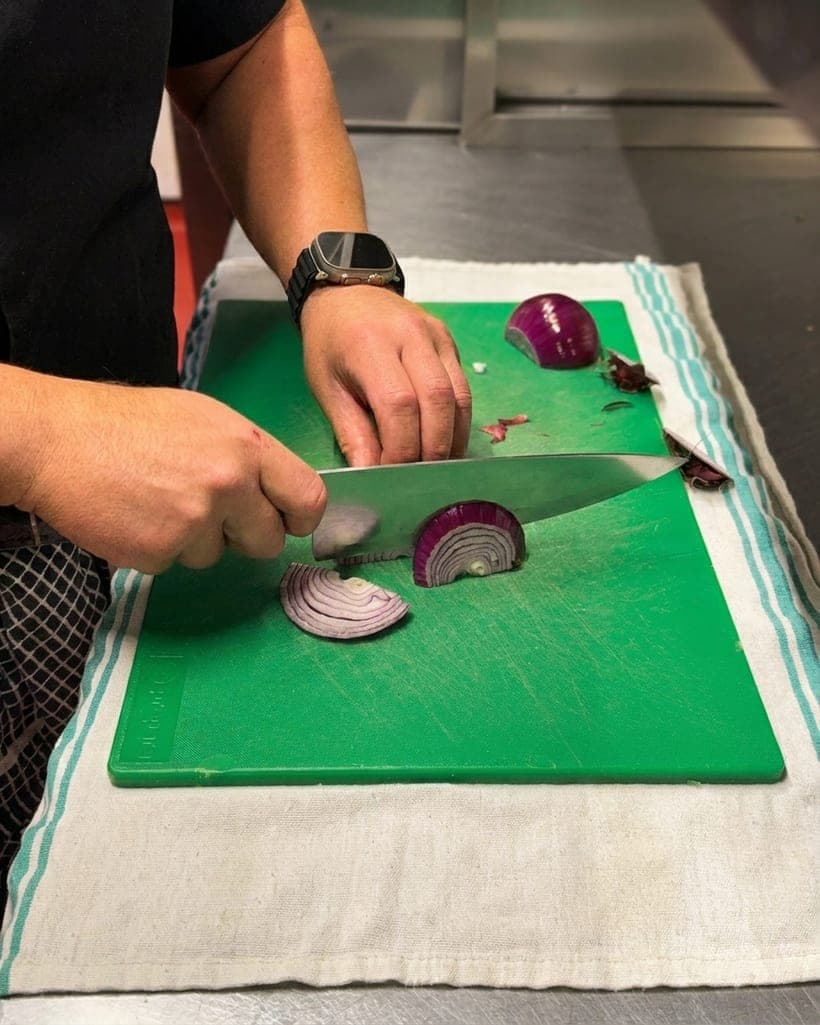
Edge protection comes from give. When a knife edge meets a hard, unforgiving surface, the edge rolls or chips. Glass, stone, ceramic and hard composite boards are harsh on Japanese steel. Wood and soft plastic have more give, so the edge sinks in slightly and stays aligned. The board is doing some of the work.
Stability matters as much as softness. A board that moves will cause more accidents than a slightly harder board that stays put. Look for weight, a non-slip base or a damp cloth underneath. If you use a small board, a rubber grip mat can transform it.
Hygiene is about surface condition, not just material. A scratched plastic board with deep grooves can hold bacteria. A cracked wooden board can do the same. A well maintained board of almost any material can be hygienic if you wash and dry it properly. Avoid deep cuts, clean promptly, and replace boards that are badly scarred.
Wood, plastic, bamboo and composite boards
Wood remains the classic choice for Japanese knives. It is kind to edges, quiet under the blade, and pleasant to use. Hardwoods such as maple, walnut, cherry and beech are common. Softer woods dent more easily and can harbour moisture if not sealed. A good quality chopping board in wood will need oiling, but it can last for decades if you treat it well.
Plastic boards are practical, cheap and dishwasher friendly. They are excellent for raw meat, fish and anything you want to sanitise quickly. Thin plastic boards can flex, and a flexing board is not ideal for precise knife work. Look for a thicker, denser plastic board with a non-slip edge. Replace it when it becomes deeply scored.
Bamboo is often sold as an eco-friendly option. It is hard, dense and resistant to water. That hardness can be less kind to a fine edge than a softer hardwood. Some cheap bamboo boards are very hard on knives. A high quality cutting board in bamboo can work well for vegetables, but it would not be our first choice for long sessions with a thin Japanese gyuto.
Composite boards, often made from wood fibre and resin, sit between wood and plastic. They are dense, non-porous-ish, and usually dishwasher safe. They can be harder than wood, so they offer less give. If edge retention is your priority, test one with care. If convenience is your priority, they can be a sensible choice.
- Wood: kind to edges, repairable, needs oiling, can be heavy.
- Plastic: hygienic, easy to clean, less kind to edges if thin.
- Bamboo: hard, affordable, can dull a fine edge faster.
- Composite: convenient, dense, less forgiving than soft wood.
End grain and edge grain explained
End grain boards are made from blocks of wood stood on end. The surface shows the end of the wood fibres. When a knife cuts, the fibres separate and close again. This gives the board a self-healing quality and makes it very kind to knife edges. End grain boards are usually thicker, heavier and more expensive. They also need more oil and can be more prone to movement if they dry out.
Edge grain boards are made from long strips of wood laid side by side. The surface shows the side of the fibres. They are more stable, lighter and cheaper than end grain. They are still much kinder than glass or stone. For most home cooks, a good quality chopping board in edge grain is the practical choice. It will protect your knives, cost less, and need less maintenance.
If you use a very thin, hard Japanese knife, end grain is a lovely luxury. If you use a robust stainless knife for everyday prep, edge grain is perfectly adequate. The difference is real, but it is smaller than the difference between wood and glass.
Size, thickness and weight
Board size should match your workspace and your knife. A board that is too small forces you to crowd ingredients, and crowded ingredients lead to clumsy cuts. A board that is too large may not fit your sink or leave room for other tasks. For a home kitchen, a board around 45cm by 30cm is a versatile size. If you cook for a family or process large vegetables, go bigger.
Thickness affects stability and weight. A thin board, under 2cm, can flex and slide. A thick board, over 4cm, stays put and feels solid, but it is heavy to lift and may not fit in a sink. A board around 3cm to 4cm is a good middle ground for most homes. If you have limited storage, a lighter board may be more useful than a beautiful heavy one that stays in a cupboard.

Hygiene and care
Wash wooden boards by hand with hot soapy water. Do not soak them. Dry them standing on edge so air can circulate. Oil them regularly with a food-safe mineral oil or a board butter. This stops water entering the grain and reduces cracking. If a board develops a deep crack or smells sour, it is time to retire it. Our knife care guide covers similar principles for blades: keep them clean, dry and maintained.
Plastic boards can usually go in the dishwasher, but check the manufacturer guidance. High heat can warp thin boards. If you use a plastic board for raw meat, wash it before using it for vegetables. Cross contamination is a real risk in any kitchen. Two boards, one for raw meat and one for everything else, is a simple habit that makes cooking safer.
Never put a wooden board in the dishwasher. The heat and water will strip the oil, open the grain and cause warping. Never leave a board soaking in the sink. Never cut directly on glass, stone or ceramic if you care about your knife edge. These surfaces are unforgiving and will shorten the life of your edge quickly.
Matching a board to your knives
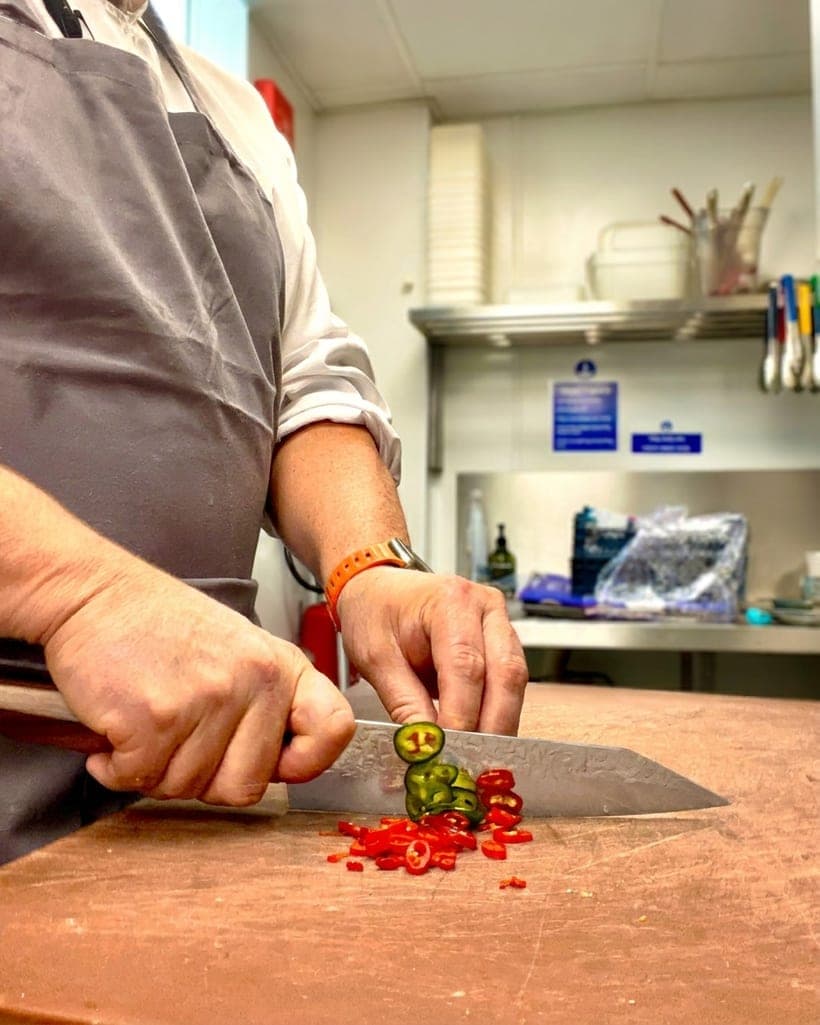
This is where the board and the blade meet. A Japanese knife is often thinner and harder than a European knife. It rewards a soft surface. If you use a hard board, you may feel the edge skate or catch. If you use a soft board, the knife will feel smoother and stay sharp longer. The right board does not make a knife sharp, but it helps keep it sharp.
For precise slicing and dicing, a large, stable board helps. A knife such as 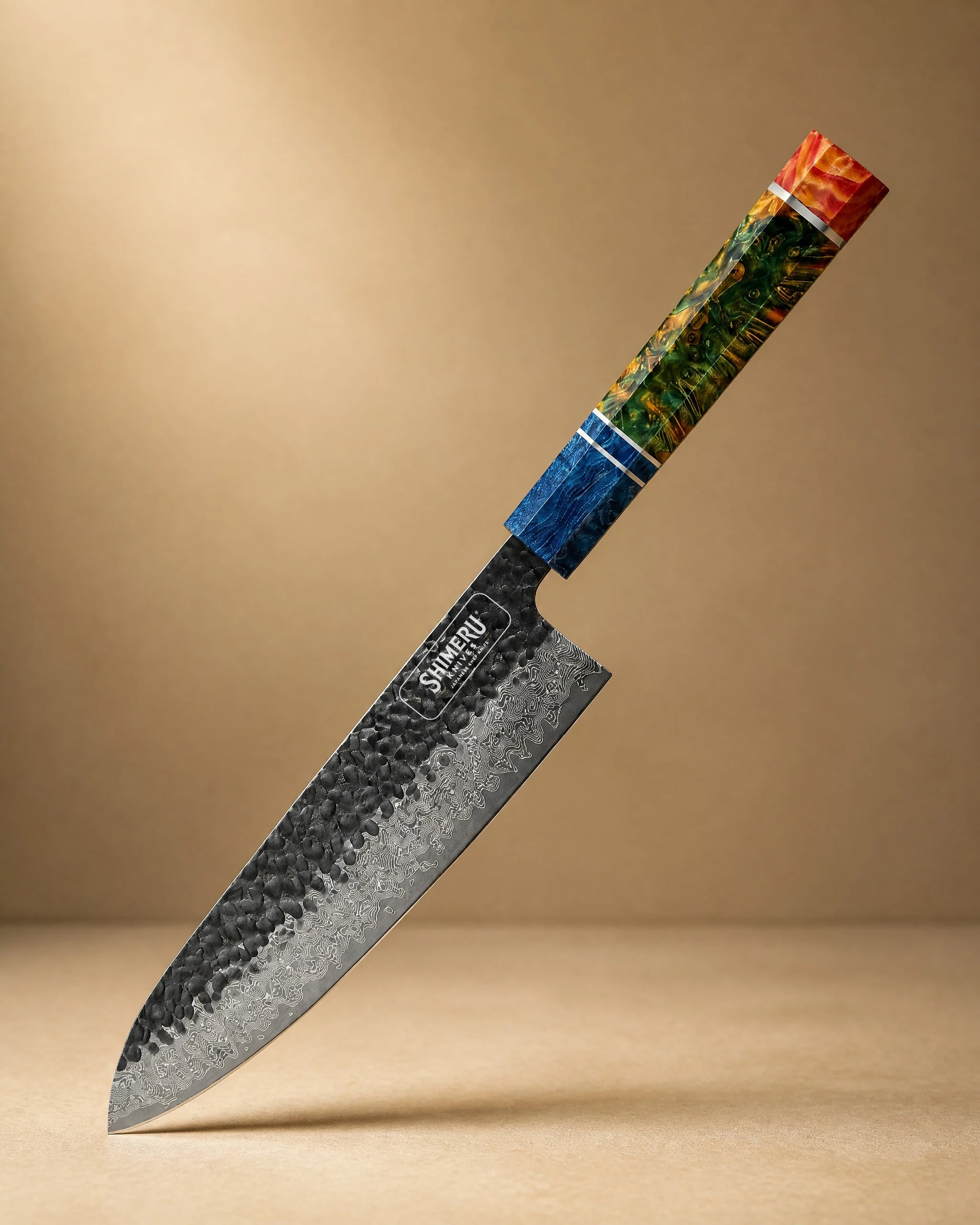 Yoshii 8″ Damascus Steel Gyuto Knife 牛刀£79.99View product → benefits from a board with enough space to work without crowding. You want the blade to move through ingredients, not stop and start. An end grain or edge grain wooden board is a natural partner here.
If you cook mostly vegetables, herbs, meat and fish, a versatile board is best. A knife like 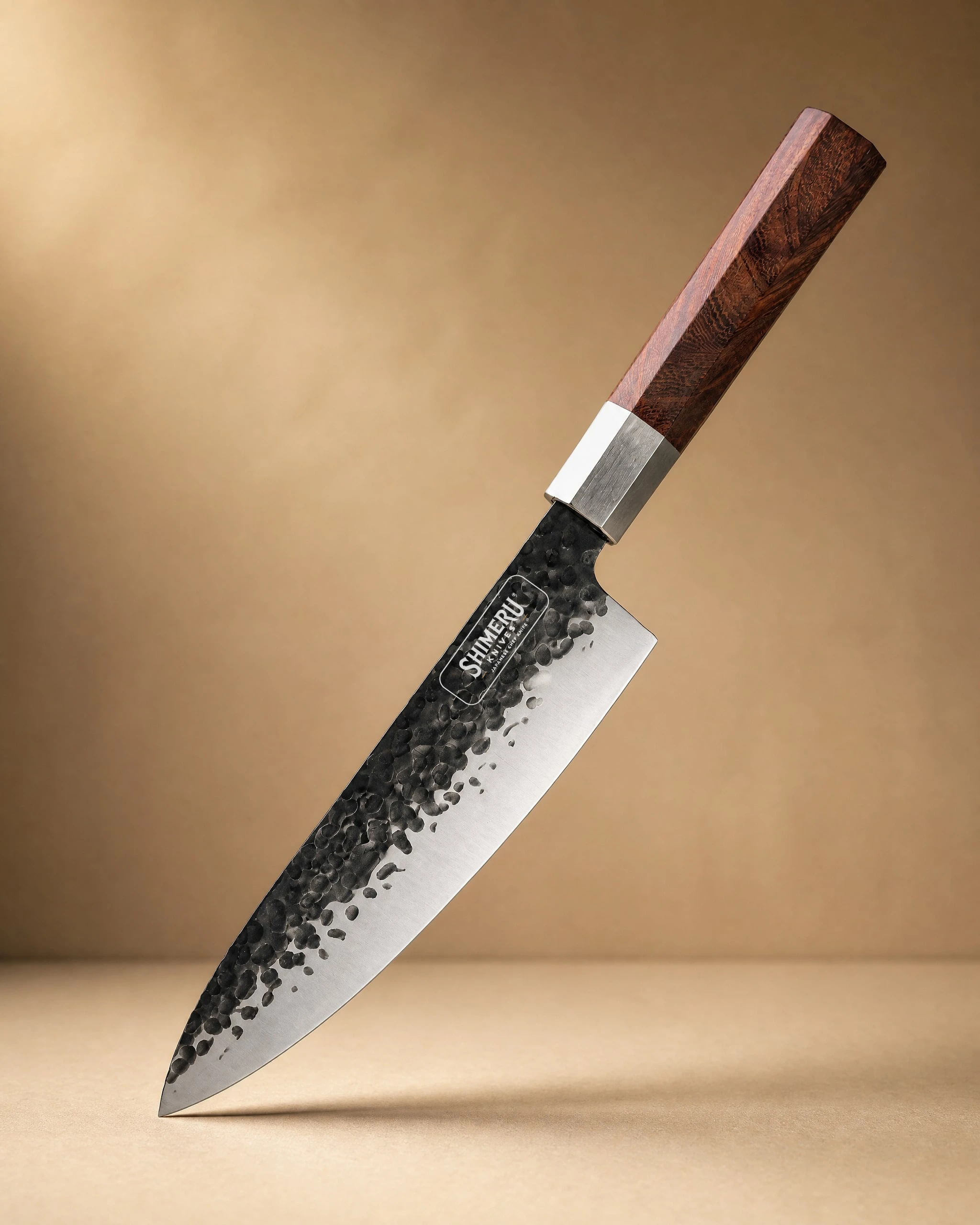 Sendai 8" Steel Gyuto Knife 牛刀£49.99View product → is an all-rounder, so it pairs well with a medium or large wooden board that you can keep on the worktop. You need one good board that stays put and one smaller board for quick jobs or raw meat.
A cleaver needs room and stability. If you use 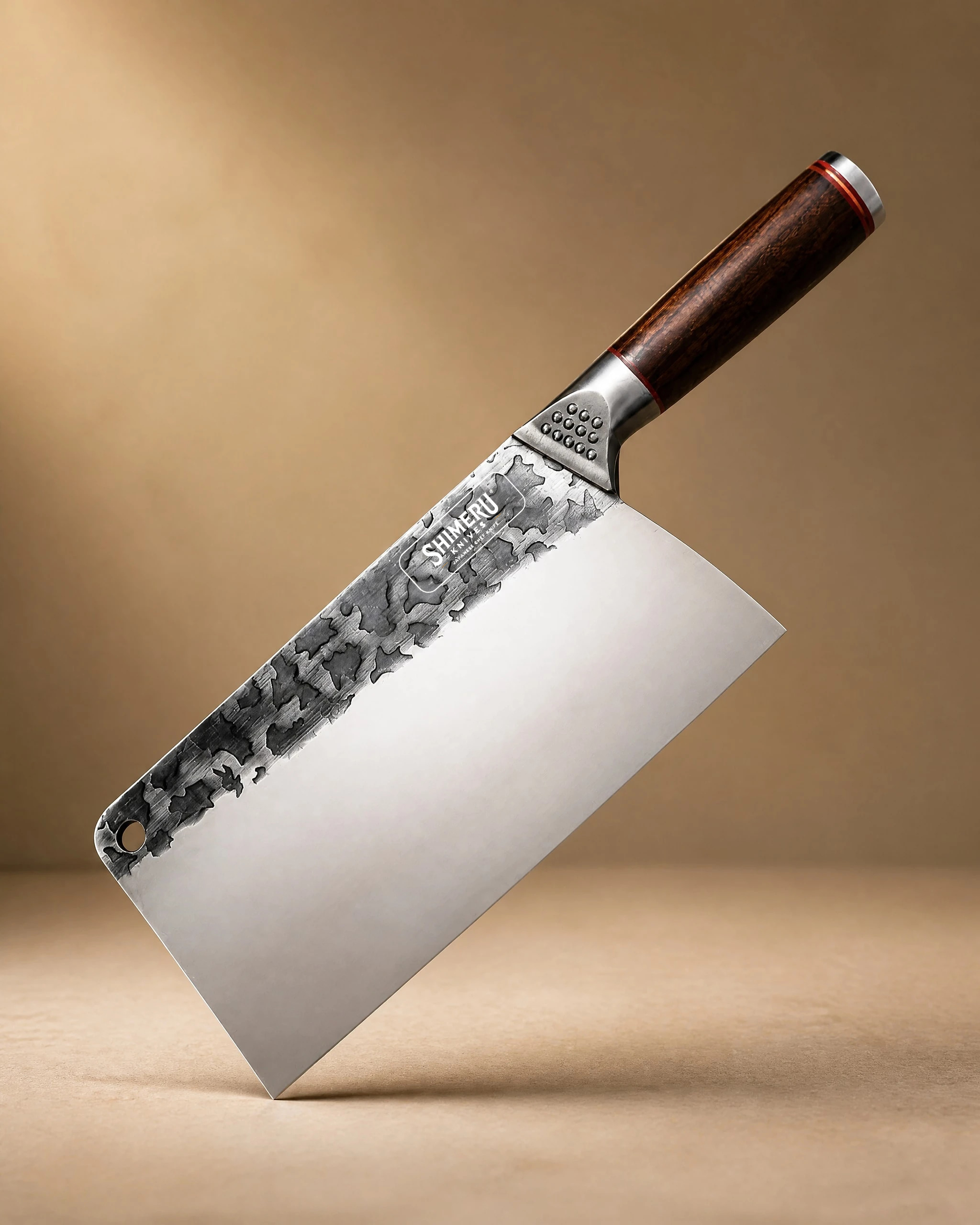 Saba 7" Stainless Steel Cleaver 中華包丁£44.99View product → for meat and vegetables, choose a board that is wide enough for the blade and thick enough to absorb a firm chop. A thin, lightweight board will bounce and slide. A heavy wooden board is safer and more efficient.
An all-round chef knife like 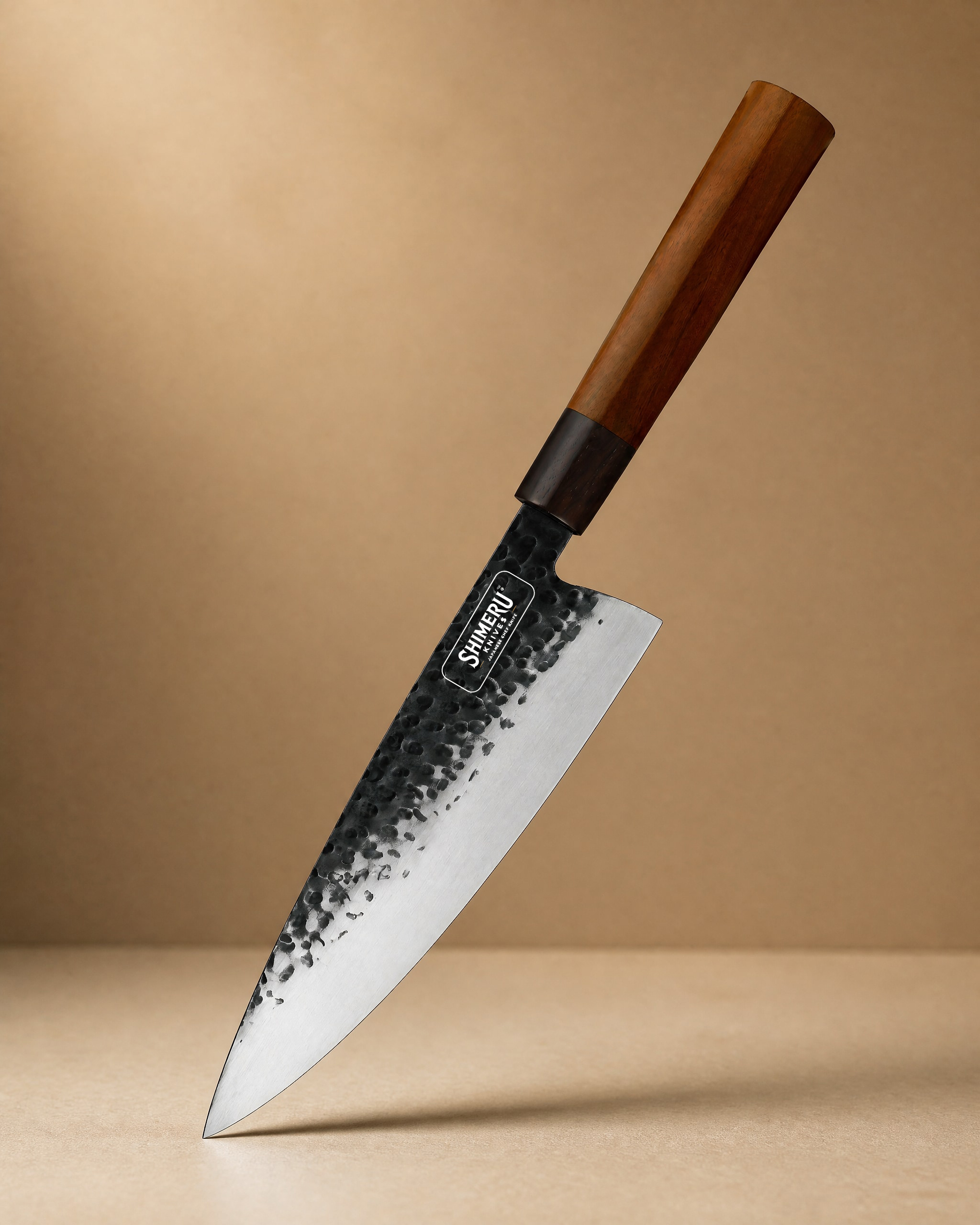 Tokachi 8.5" Gyuto Chef Knife 牛刀£59.99View product → sits in the middle. It can slice, chop and dice, so it suits a board that can do the same. A large edge grain board in a hardwood is a sensible match. Matching the board to the knife is about size and give, not brand.
A two-board setup and final thoughts
Most home cooks do not need five boards. Two good boards cover almost everything. Use a large wooden board for vegetables, herbs, bread and cooked meat. Use a smaller plastic board for raw meat and fish. This keeps cross contamination under control and gives your knives a soft surface for most of their work. The best quality chopping board for you is the one you actually use.
If you want the best quality cutting board for a Japanese knife, start with a large edge grain hardwood board. Add a smaller plastic board for raw meat. Oil the wooden board monthly. Wash both by hand where possible. When you are ready to match a board to a blade, look at our chopping boards and our full knife shop. If you are still choosing your first Japanese knife, our knife guide will help you decide between a gyuto, a santoku and a cleaver.
Photography: Sergey Kotenev via Unsplash.


