

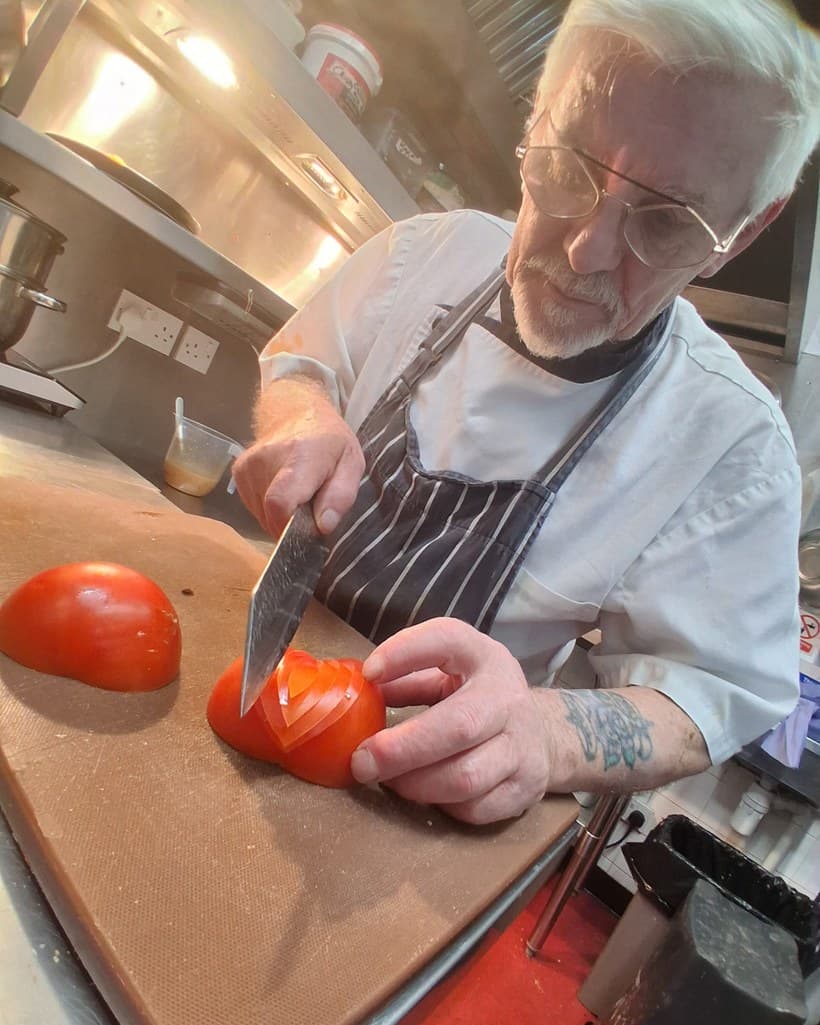
Best Santoku Knife Sets for UK Home Cooks

A santoku knife set is one of the most useful purchases a UK home cook can make. It sounds like a grand thing, a box of knives, but in practice the best santoku knife sets are small and focused. One good santoku will do most of the work in a domestic kitchen. A second knife, perhaps a paring knife or a second santoku for another cook, makes the set. The trick is choosing knives that suit how you actually cook, not how a marketing photo suggests you might cook.
This guide looks at what a santoku knife set is, why the santoku shape works so well in British kitchens, and which four santoku knives we would build a set around. We will not pretend you need ten knives. You do not. You need one or two that feel right, hold an edge, and are easy to look after.
What a Santoku Knife Set Really Means
In Japan, a santoku is a general-purpose knife. The name means three virtues, a reference to its ability to slice, dice and mince. A santoku knife set, therefore, does not have to mean a block full of blades. It can mean a single santoku paired with a smaller knife. It can also mean two santokus, one for you and one for whoever else cooks in your house.
Most UK home cooks will find that a santoku plus a paring knife covers almost everything. The santoku handles onions, carrots, cabbage, herbs, chicken and fish. The paring knife deals with shallots, garlic, strawberries and small trimming jobs. But the santoku is the core. If you want to see the full range of santoku options, start with our santoku knife category.
A good santoku set is not about matching handles or buying a wooden block. It is about two or three knives that you reach for without thinking. The best set is the one that stays on the counter because it is useful, not the one that stays in a drawer because it is too precious to use.
Why the Santoku Suits UK Home Cooking
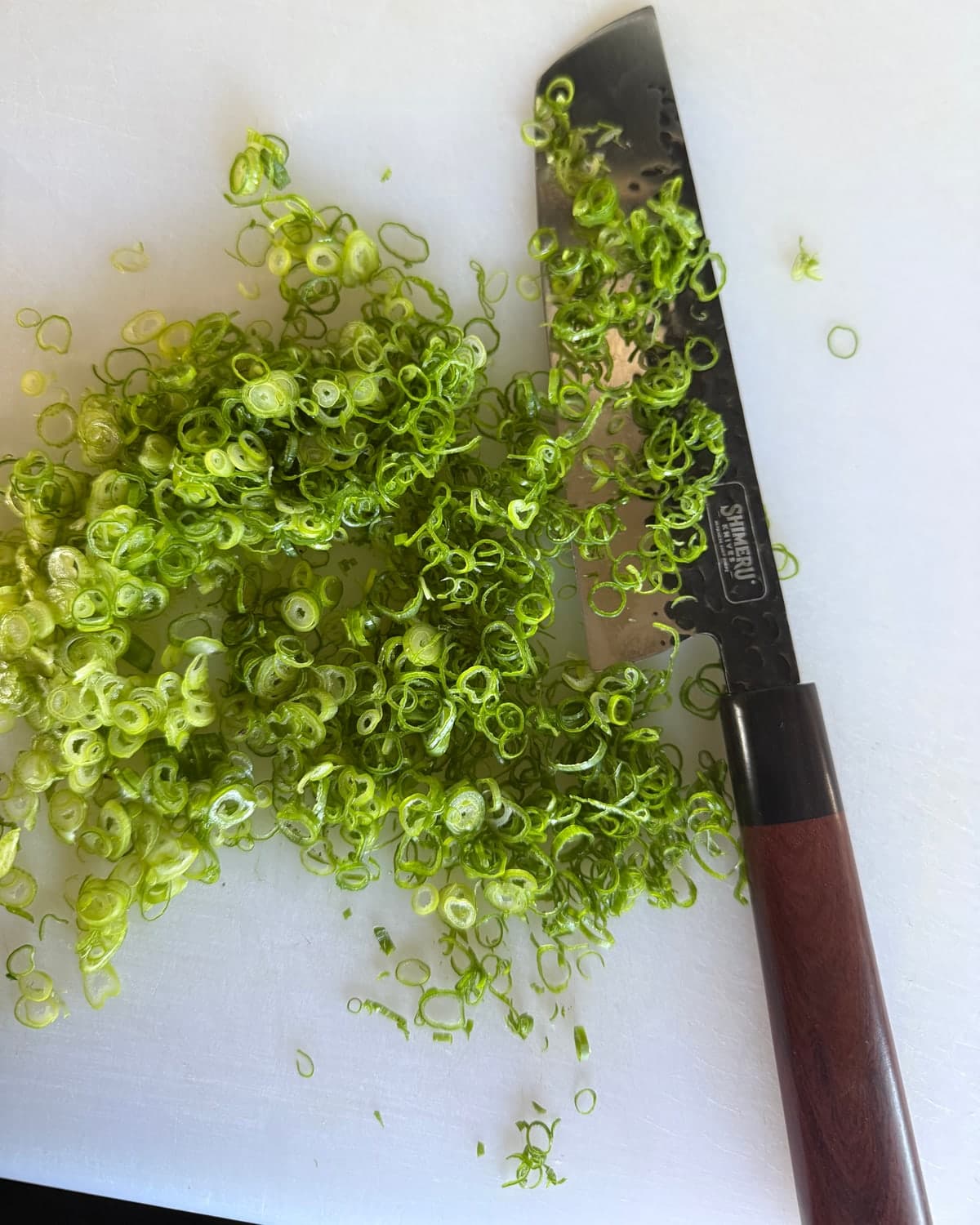
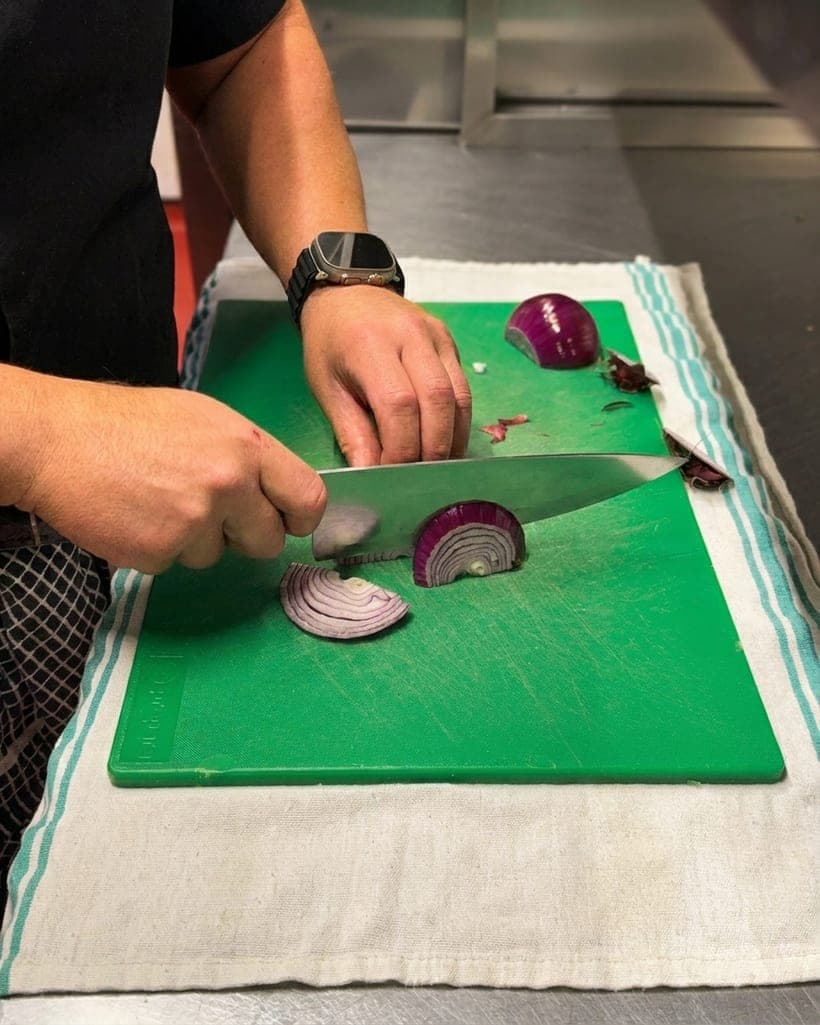
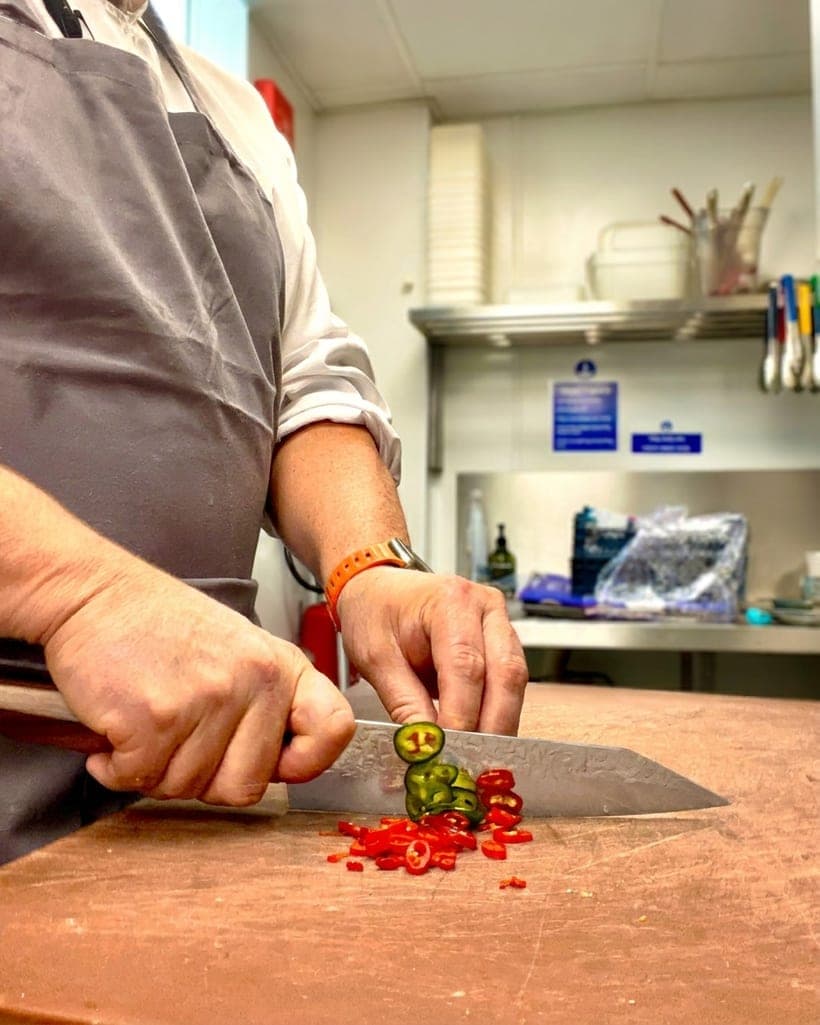
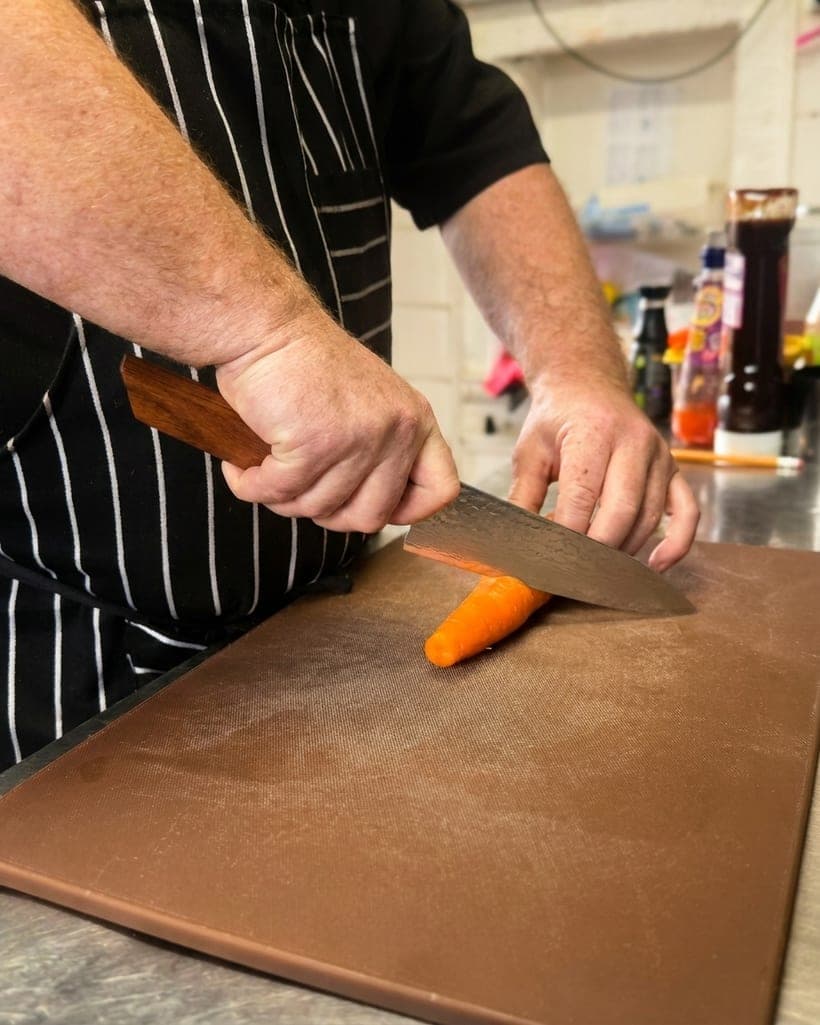
British home cooking is full of vegetables that need slicing and dicing. Onions, leeks, potatoes, carrots, courgettes, cabbage and herbs all pass through a home kitchen in a normal week. The santoku profile is excellent for these jobs. The blade is relatively tall, so your knuckles clear the board. The edge is fairly flat, which gives you a clean chop through a pile of herbs or a stack of mushrooms. The tip is not as pointy as a chef's knife, but for most domestic tasks that is not a problem.
A santoku of this size is a sweet spot for many cooks. It is long enough to cut through a decent sized cabbage or a chicken breast, but short enough to feel nimble on a small UK kitchen worktop. It rewards a gentle rocking motion and a straight push cut. It is not a cleaver, so do not force it through bones or frozen food.
If you are new to Japanese knives, our knife guide explains blade shapes, steel types and handle styles in plain English. It is a useful read before you commit to a set.

How to Build a Santoku Knife Set That Works
Start with one santoku that feels comfortable in your hand. Hold it before you buy if you can. Check that the handle fits your grip and that the blade is not too heavy at the front. A knife that feels awkward will stay in the drawer, no matter how good the steel is.
Next, decide whether you need a second knife. A paring knife is the most practical addition. It handles the small jobs that a santoku is too big for. If two people cook in your kitchen, a second santoku can be more useful than a paring knife. The knives do not have to match. They just have to work.
If you want to add a third knife, consider a serrated bread knife or a small utility knife. But keep the set small. Three knives that you use are better than seven that you do not. You can browse the wider range at our knife shop if you want to add a paring knife or a bread knife to your santoku.
Four Santoku Knives to Anchor a Set
These four santoku knives cover different preferences. They differ in handle feel, blade profile and the way they sit in the hand. The product cards below show the details. Here is how each one fits into a home kitchen.
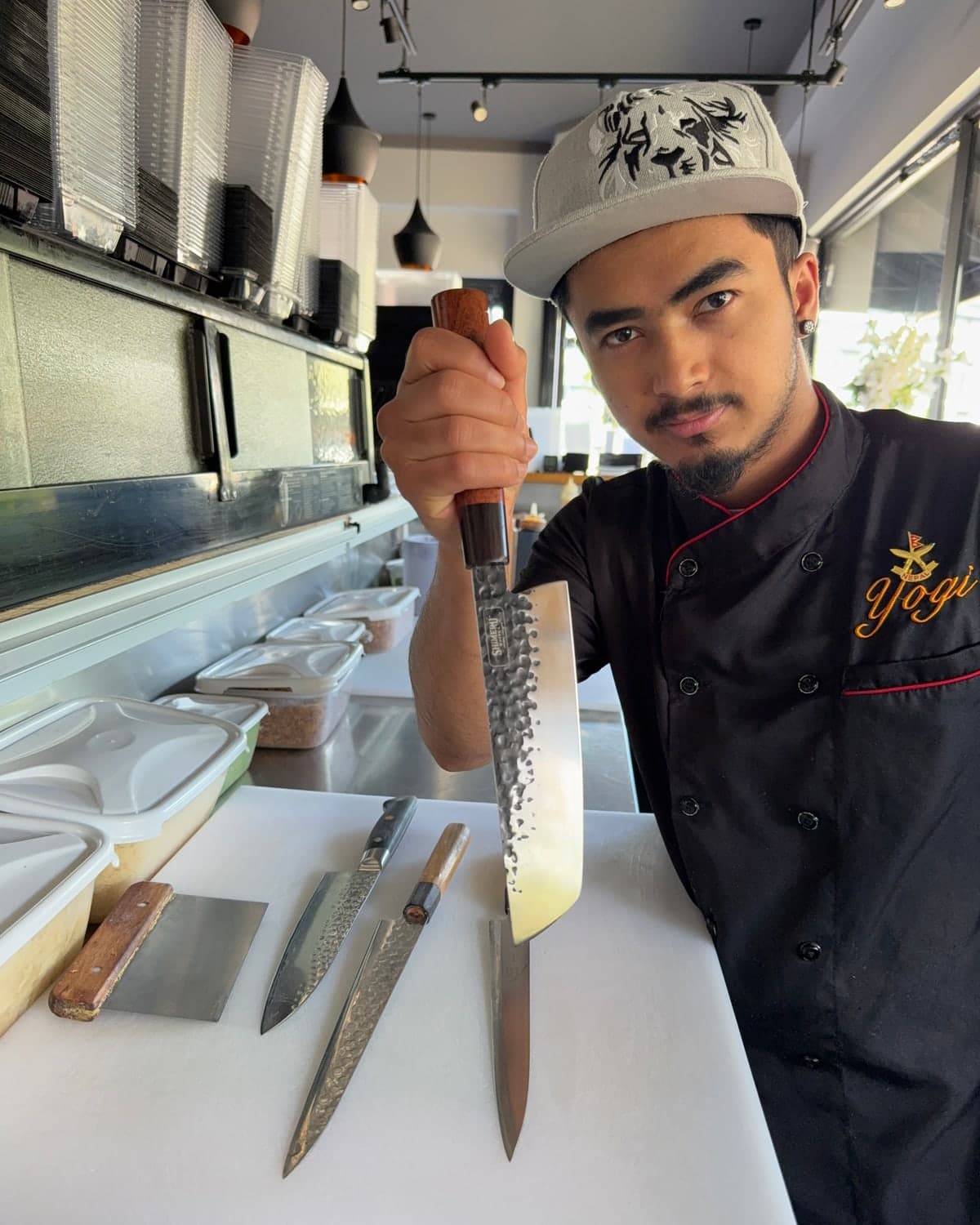
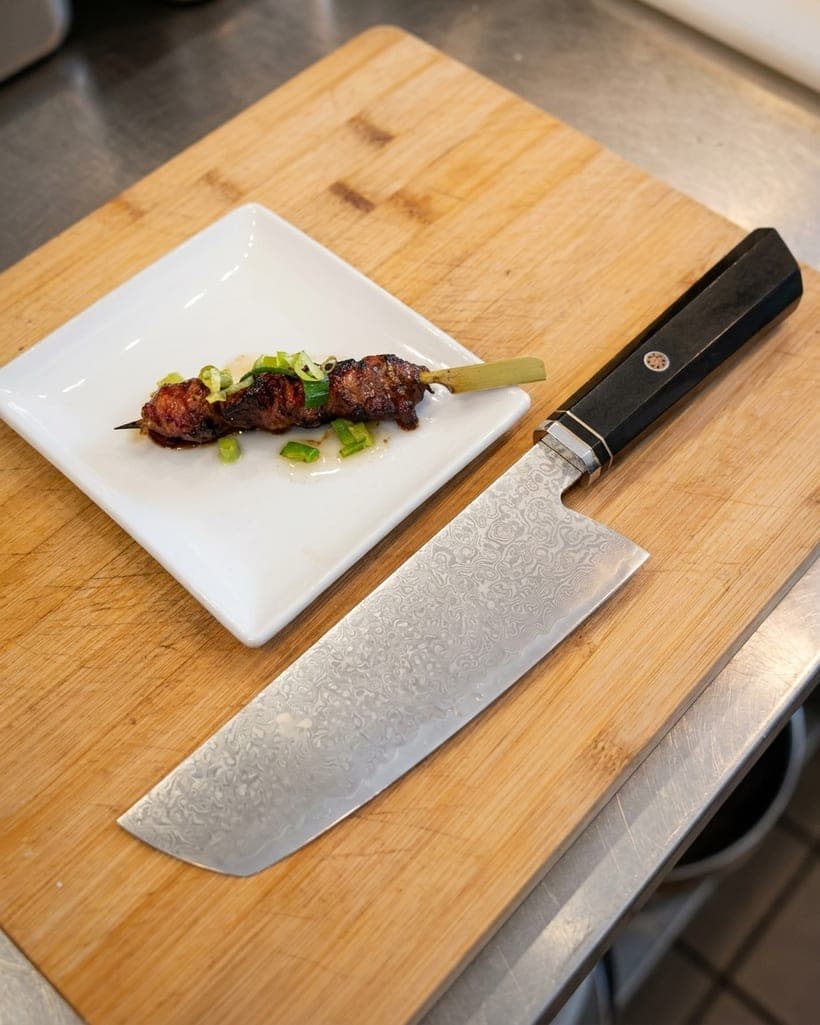
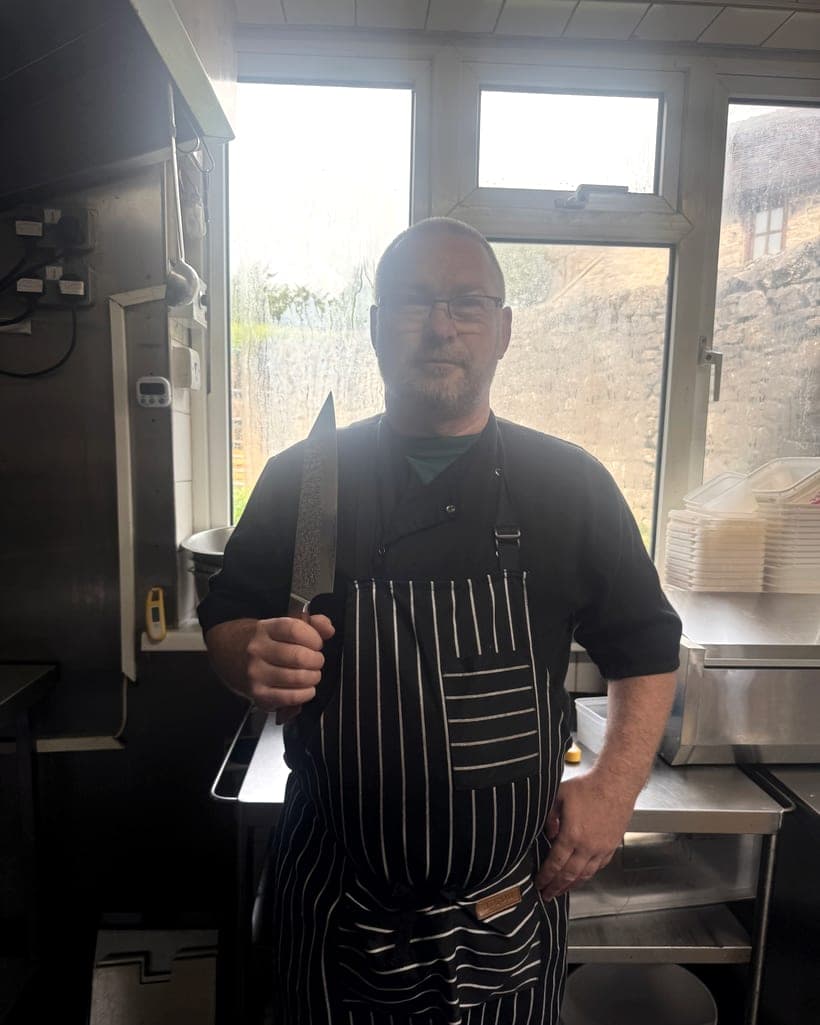
For a santoku that handles slicing, dicing and mincing with ease, 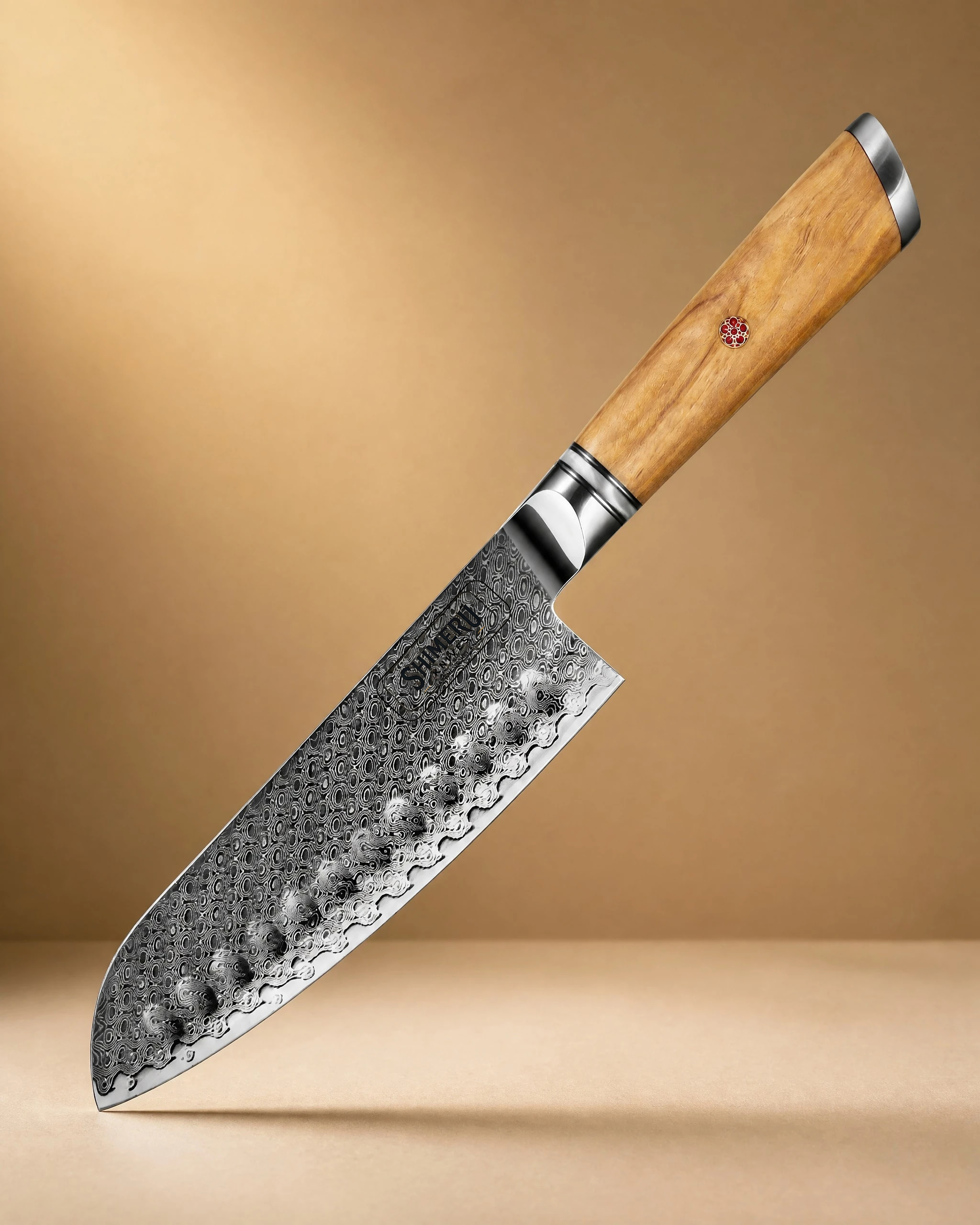 Chikuma 7" Damascus Steel Santoku Knife 三徳包丁£79.99View product → is a natural centrepiece. It has a warm, handcrafted look and a substantial feel without being clumsy. If you want one santoku to do most of the work, this is a strong first choice.
If you prefer a different handle material and a slightly different feel, 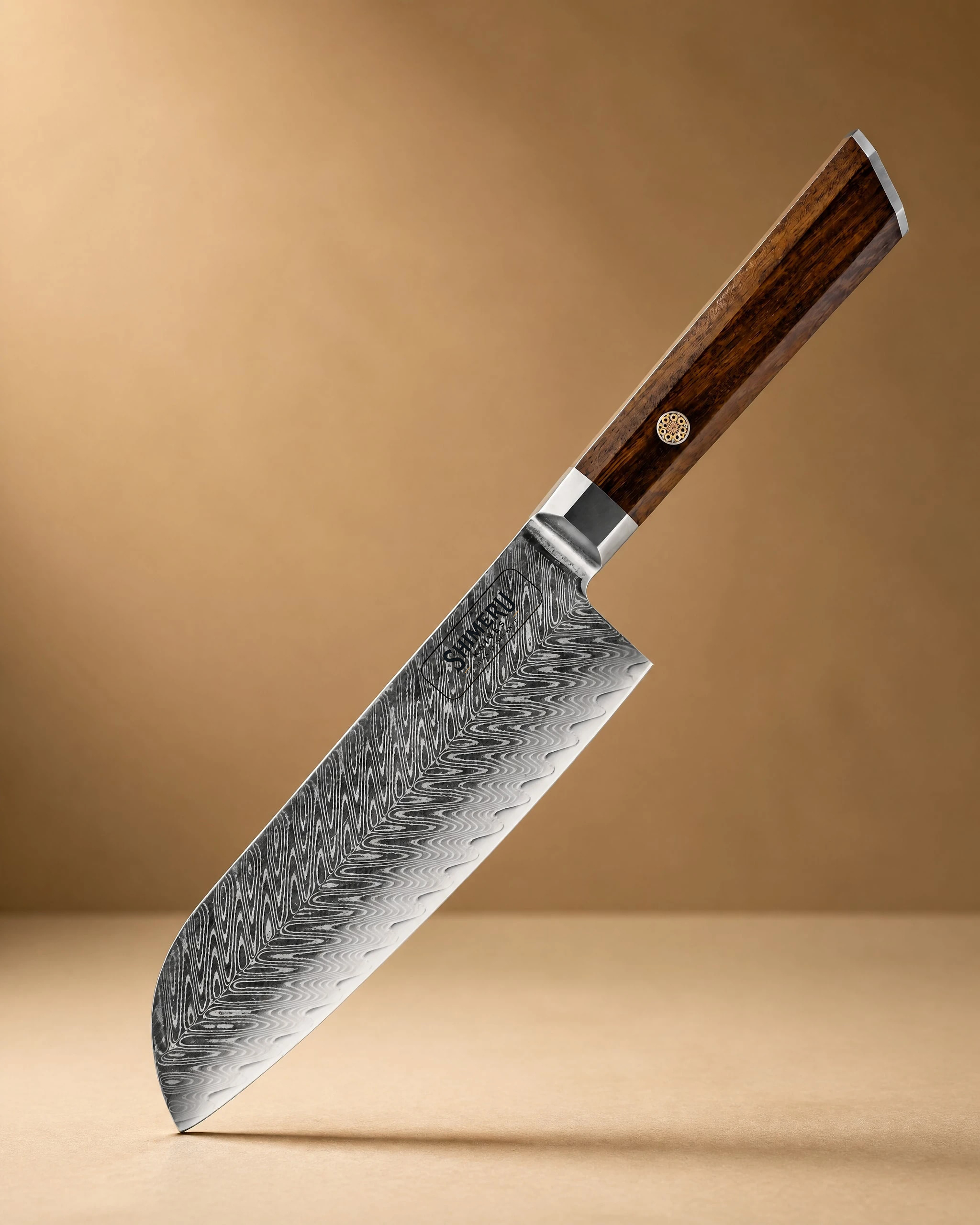 Komachi 小町 7″ Damascus Steel Santoku Knife 三徳包丁£74.99View product → is worth considering. It also covers slicing, dicing and mincing, and its construction gives it a distinctive look. This is a good option if you like a classic aesthetic and a secure grip.
For cooks who want a professional style santoku that moves easily between meats and vegetables, 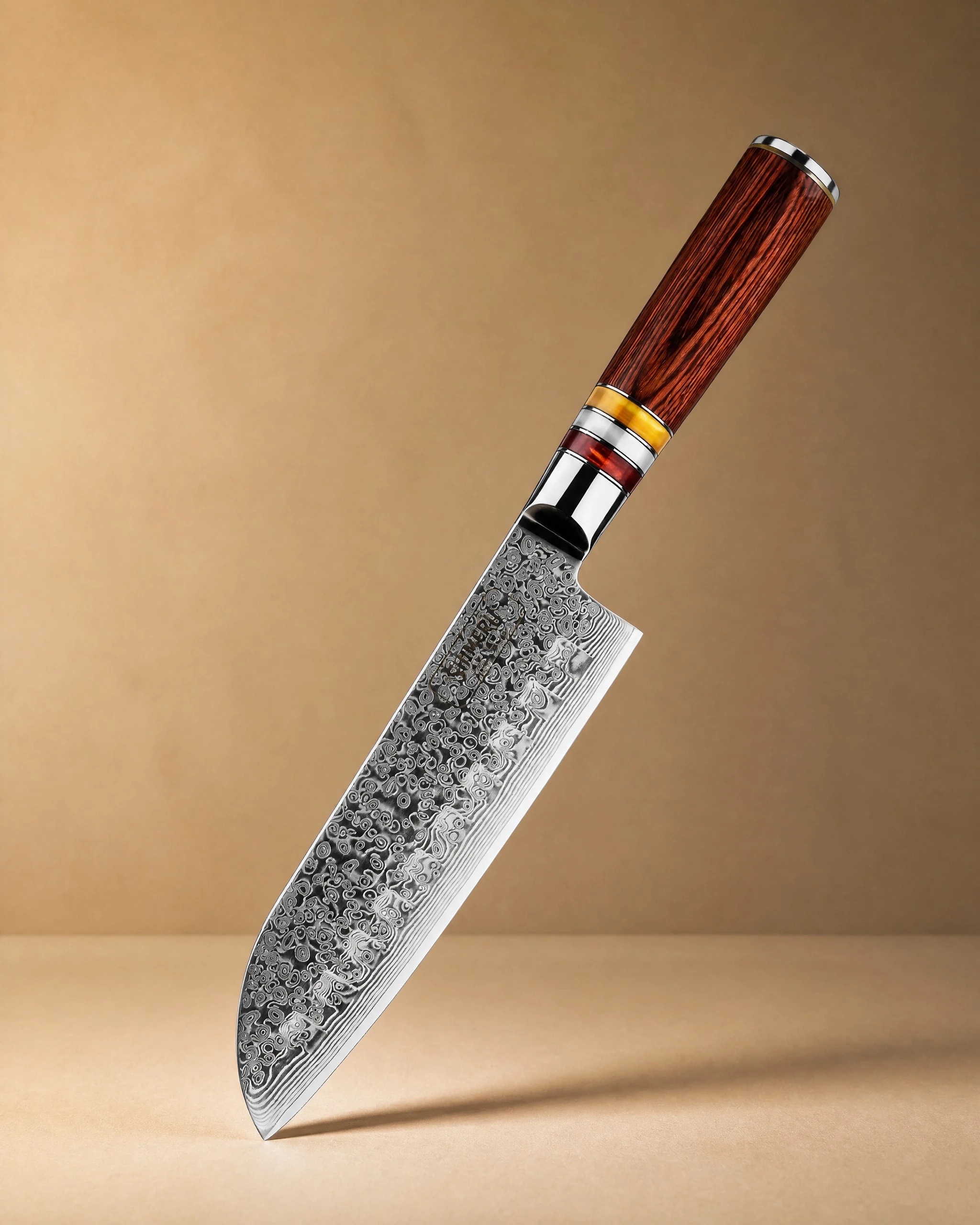 Hikari 光 7" Damacus Steel Professional Santoku Knife 三徳包丁£74.99View product → is a practical pick. It is built for everyday use and comfortable enough to leave on the board during a long cooking session.
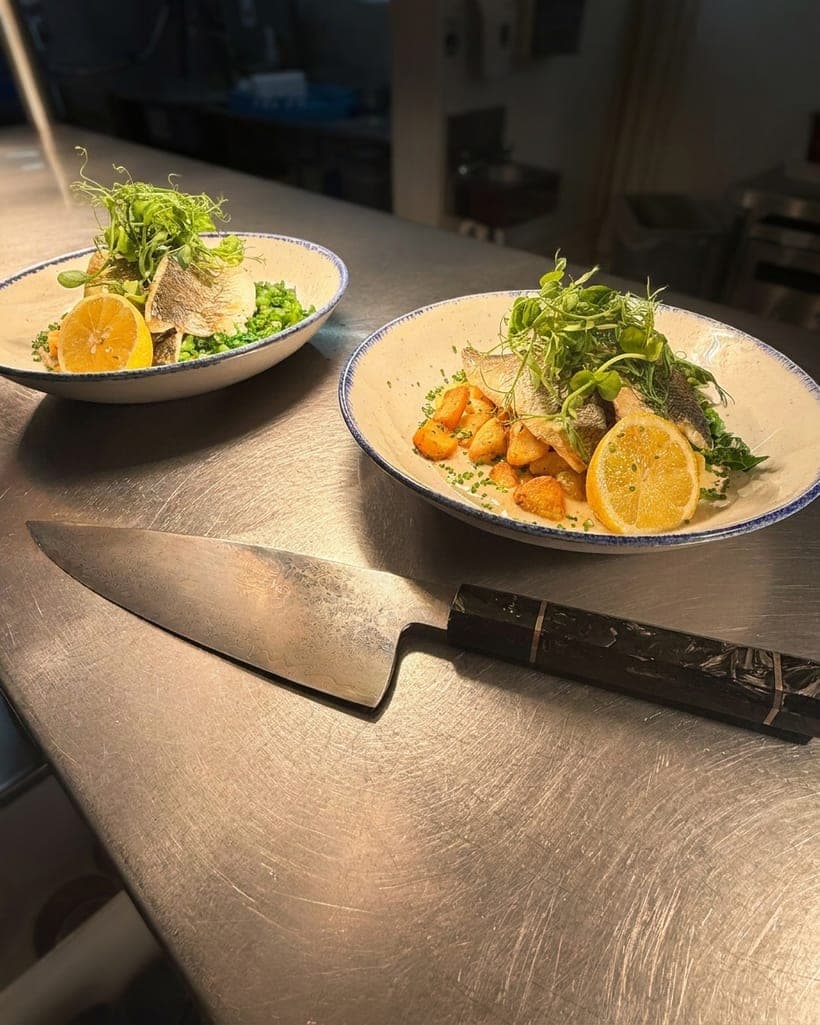
Finally, 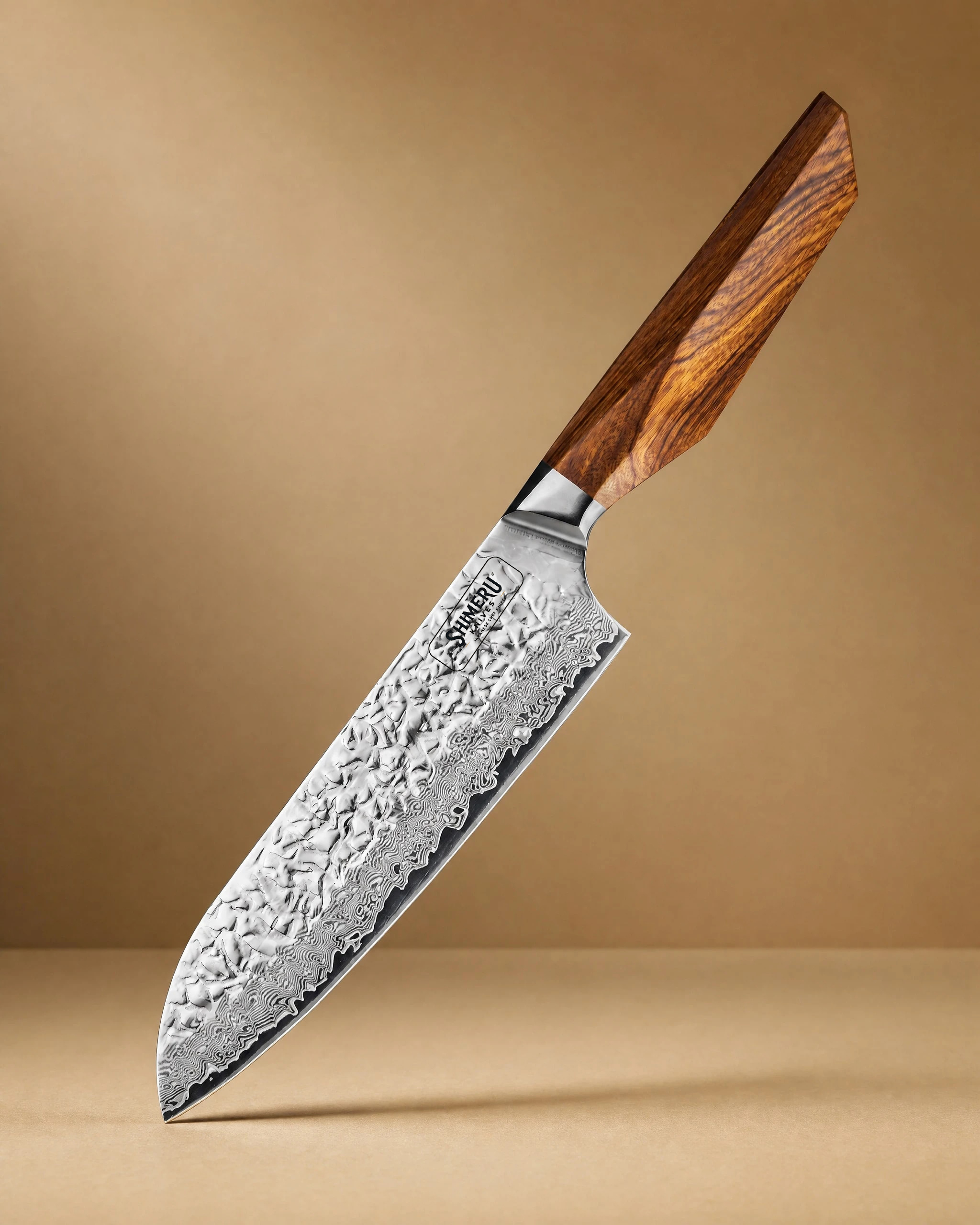 Shikoku 7" Damascus Steel Kengata Santoku 三徳包丁£79.99View product → offers a different profile, which some cooks prefer for vegetables, meats and fish. The shape is slightly different from a standard santoku, with a pointier tip that can be useful for trimming and delicate work. If you already own a standard santoku and want a second knife with a different feel, this is a good one to pair with it.
Steel, Handle and Balance: What Matters More Than Brand
When you look at a santoku knife set, it is easy to get lost in steel names and layer counts. Those things matter, but they are not the whole story. A knife is a tool. The most important question is whether it feels balanced in your hand and whether it holds an edge well enough for your cooking.
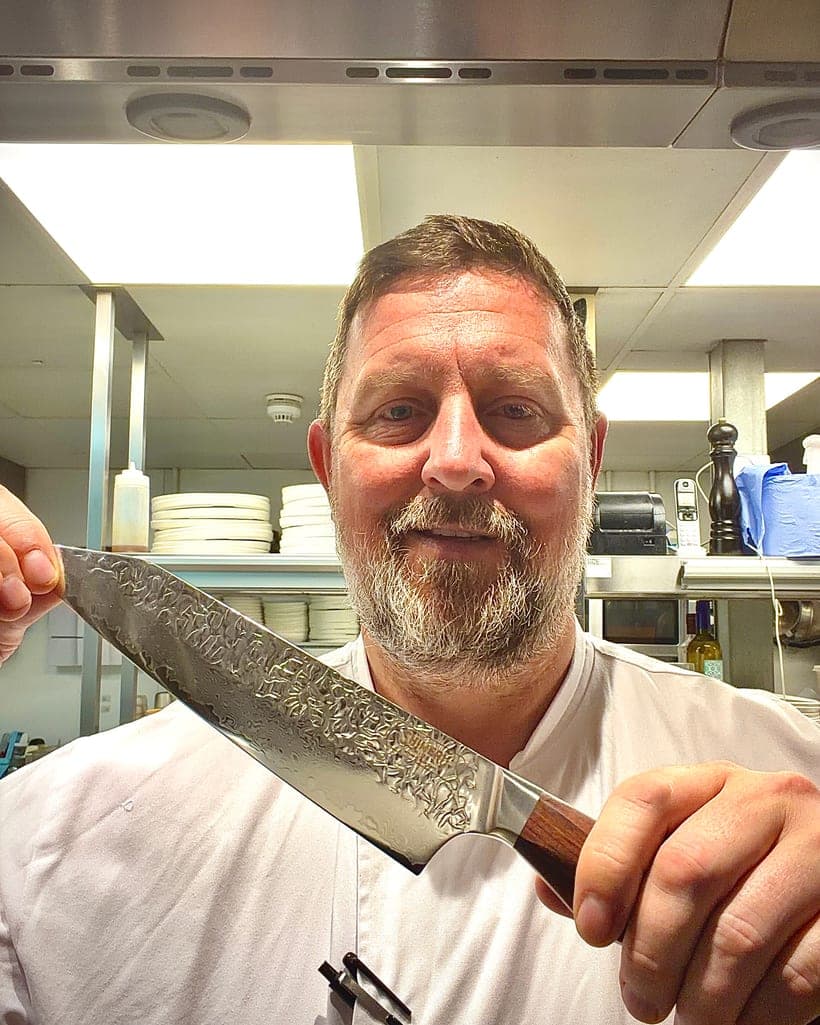
A layered blade is popular because it looks beautiful and can perform very well. The pattern is created by folding and forging different steels together. A hard core gives the edge good retention. A softer cladding protects the core and makes the blade easier to maintain.
Handle material is personal. Different woods and synthetic materials have different weights and textures. None is objectively best. A handle that feels too smooth might be slippery when wet. A handle that feels too rough might irritate your hand. If possible, hold the knife before you buy. If you cannot, choose a handle shape that looks comfortable and a material that suits your kitchen.
Balance is another personal detail. Some cooks like a blade heavy knife that does the work for them. Others prefer a lighter knife with a neutral balance. There is no right answer. A santoku that feels balanced to you will be safer and more enjoyable to use.
Care and Sharpening for a Santoku Set
A santoku knife set will last for years if you look after it. The main rules are simple. Wash and dry the knives by hand. Do not put them in a dishwasher. Store them in a knife rack, a magnetic strip or a sayas, not loose in a drawer where the edges can knock against other utensils.
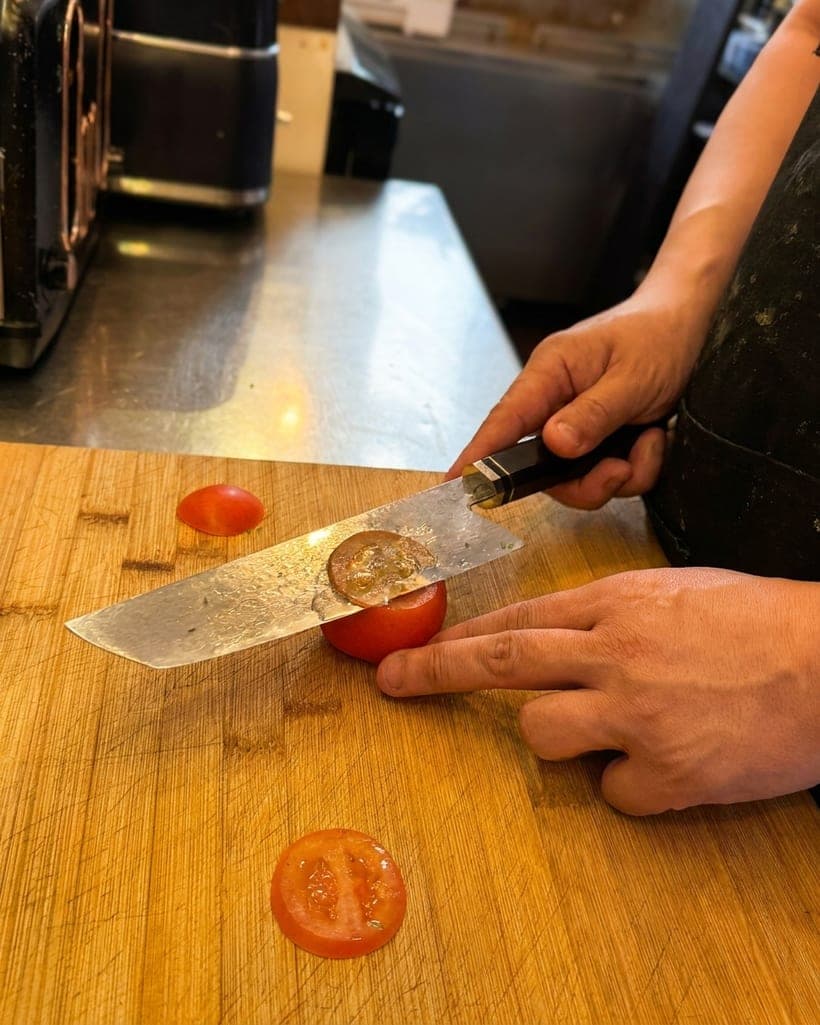
Sharpen when the knife starts to struggle with a tomato skin or a ripe pepper. Honing can realign the edge between sharpenings, but it does not remove metal. For Japanese knives with hard cores, use a whetstone or a professional sharpening service. Avoid pull through sharpeners, which can chip a hard blade. Our knife care guide covers sharpening angles, stones and daily habits in more detail.
If you are building a set, decide how you will sharpen before you buy. A knife that is easy for you to maintain will stay sharp. A knife that is difficult to maintain will become dull and frustrating. This is more important than the number of layers in the steel or the colour of the handle.
One Santoku or Two? Choosing Your Set Size
Most UK home cooks need one santoku. It is the knife that does the bulk of the work. If you cook with a partner, two santokus can be genuinely useful. If you only cook alone, a second santoku is a luxury, not a necessity. A paring knife is a better second purchase for most people.
If you are replacing an old block set, resist the urge to replace it with another block. Buy one good santoku first. Use it for a month. Then decide what else you actually miss. You might find that you only need a paring knife. You might find that you want a second santoku with a different profile. Either way, you will make a better decision after using a good knife.
If you want to compare the four knives above alongside the rest of our range, visit the santoku category or browse all products. Both pages show current availability and full specifications.
A Sensible Starting Point
A santoku knife set does not have to be complicated. One well made santoku, a paring knife and a simple care routine will cover almost everything a UK home kitchen needs. If you cook with someone else, add a second santoku. If you cook fish or want a different blade profile, consider a santoku with a different profile as your second knife.
The four knives featured here are all capable of being the centre of a set. Choose the one that feels right for your hand and your cooking. A sharp, comfortable knife that you use every day is worth more than a large set that stays in the drawer.
Photography: EMANUELE Ricciardi via Unsplash.

