










Most Hygienic Chopping Board Material

Selecting a chopping board might seem straightforward, but when you want the most hygienic chopping board, the material matters deeply. Hygiene in the kitchen is about more than visible cleanliness; it involves bacteria resistance, ease of sanitation, and how the surface affects your knives. In this guide, we explore the options to help you find the cleanest cutting board for your home, considering both science and practicality.
What makes a chopping board hygienic?
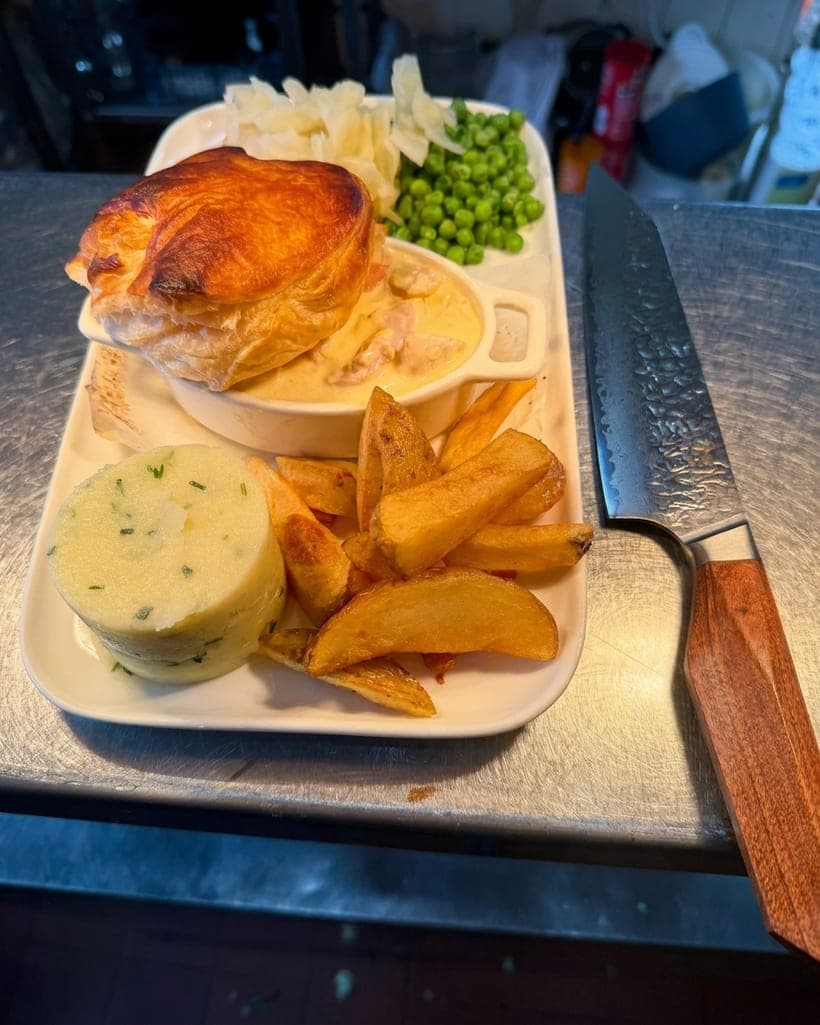
A hygienic cutting board should resist bacterial growth, be easy to clean thoroughly, and not harbour microorganisms in scratches or pores. It should also be non toxic and stable under typical kitchen conditions. The material’s hardness, porosity, and the way it interacts with knife blades all influence hygiene. For example, a surface that dulls knives quickly can cause more forceful cuts, increasing the risk of contamination from uneven chopping. A well maintained knife, like the 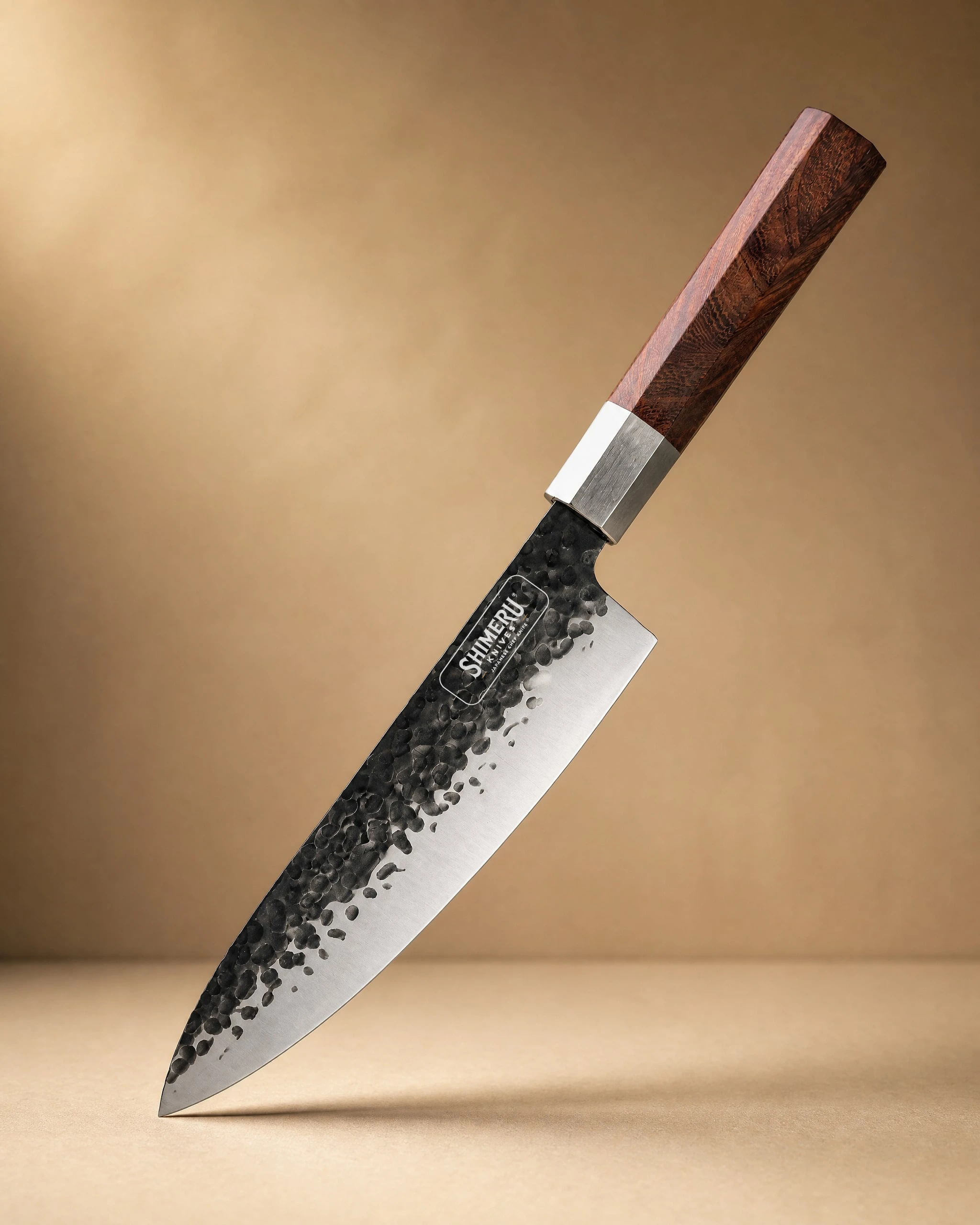 Sendai 8" Steel Gyuto Knife 牛刀£49.99View product →, paired with a suitable board creates a safer workflow. The Sendai Gyuto features a stainless steel blade and an Mkuruti wood handle, making it a versatile choice for vegetables, herbs, meat, and fish. Its 8 inch length offers good control for precise cuts, and the stainless steel is easy to maintain, which complements a wood board that demands care.
Wood: traditional but surprisingly safe
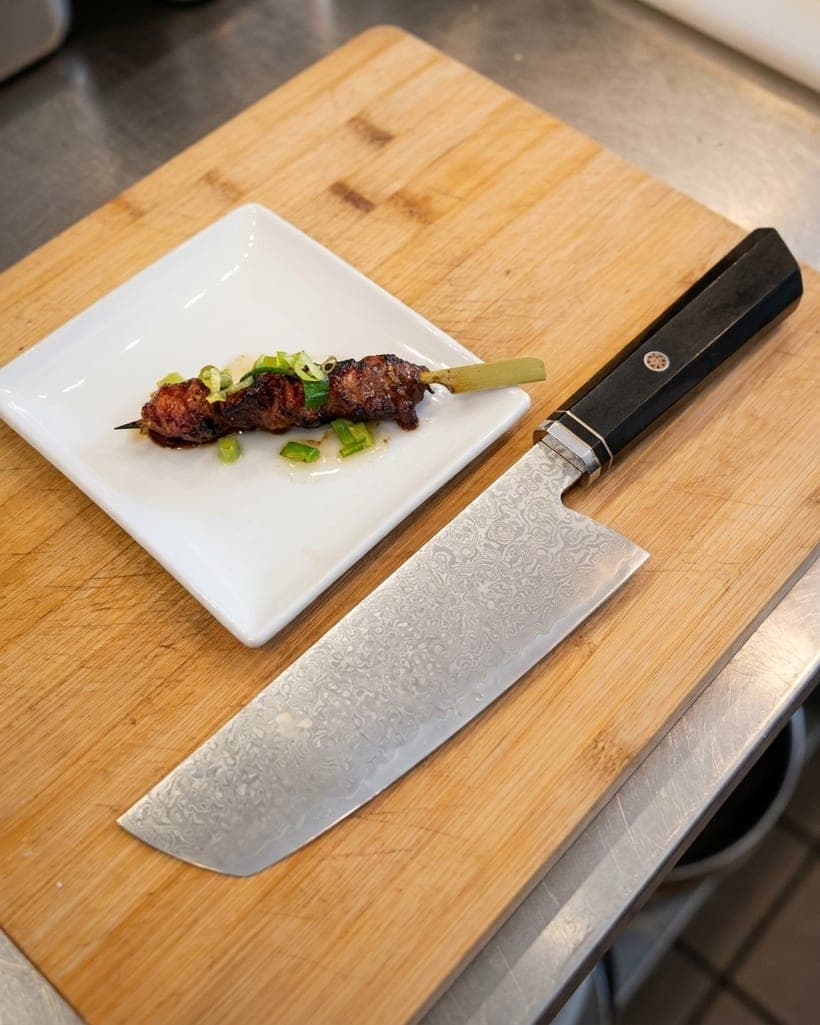
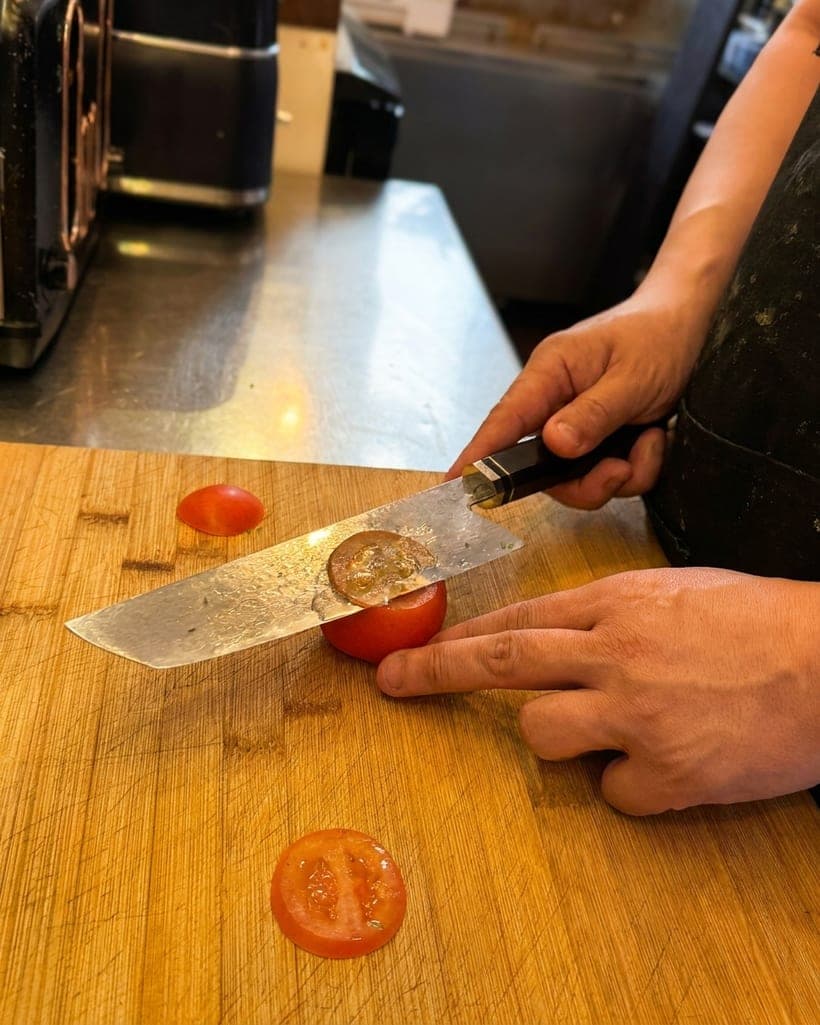
Wooden chopping boards have been used for centuries, and modern research shows they can be remarkably hygienic. Hardwoods such as maple, walnut, and teak have natural antimicrobial properties. Studies have demonstrated that bacteria like salmonella and E. coli die off more quickly on wooden surfaces than on plastic. The key is that wood is porous: it draws moisture away from the surface, and the tannins in the wood can inhibit bacterial growth. However, proper care is essential. Wood boards should be hand washed, dried thoroughly, and oiled regularly. Use food grade mineral oil or walnut oil; apply once a month or when the surface looks dry. Oiling prevents cracking and reduces deep scratches where bacteria hide. Thicker boards (at least 2.5 cm) resist warping better and provide a stable cutting platform. They are also kinder to knife edges, which is why many chefs favour them. If you use a cleaver like the 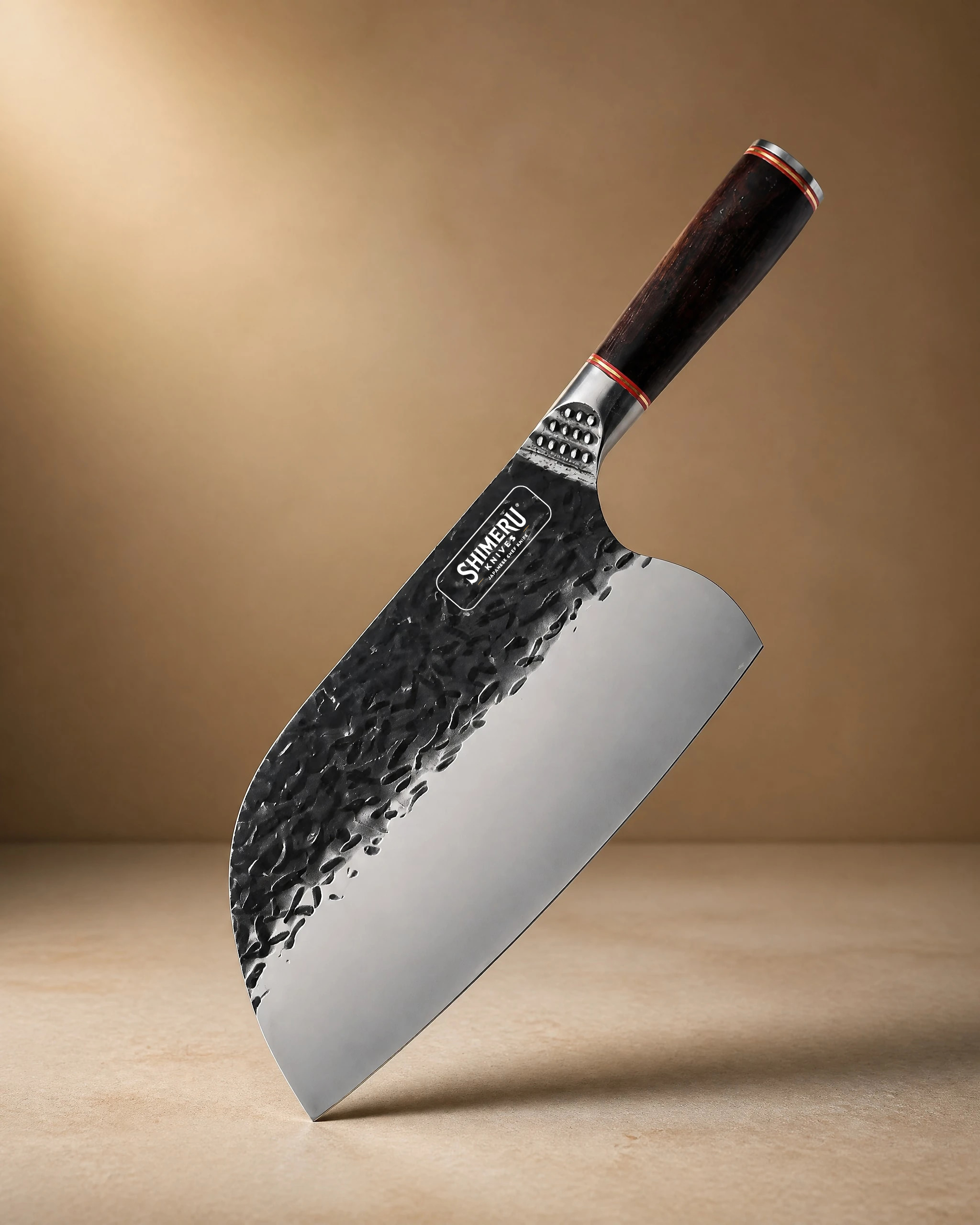 Toyo 7" Stainless Steel Cleaver 中華包丁£49.99View product → on a wooden board, you reduce wear on the blade and avoid embedding metal particles into the surface. The Toyo cleaver, with its 7 inch Japanese stainless steel blade and hardwood handle, is designed for chopping, slicing, and dicing, making it a fine partner for a sturdy wooden board.
Yet wood is not without drawbacks. Deep knife scars can become hard to clean, so a well sealed and maintained board is crucial. Never put a wooden board in a dishwasher, as heat and moisture can cause warping and cracking. Instead, scrub with hot water and a stiff brush, then towel dry. For extra sanitisation, rub with a cut lemon or a vinegar solution.
Plastic: convenient but careful needed
Plastic (polyethylene or polypropylene) boards are lightweight, dishwasher safe, and non porous. These features make them popular in commercial kitchens. A plastic board can be sanitised in a dishwasher at high temperatures, which effectively kills most bacteria. However, plastic boards are prone to deep grooves from knives. Once those grooves appear, they can trap bacteria and be difficult to clean. Colour coded plastic boards are often used to separate raw meat from vegetables, which is a good practice. But for home use, the most hygienic chopping board material might not be plastic if you want long term cleanliness. Frequent replacement is recommended once knife marks become excessive, typically every six to twelve months depending on use. Choose a hard, high density plastic rather than soft, flexible types; harder plastics resist cuts better. Plastic also tends to be harder on knife edges than wood, leading to more frequent sharpening. To keep your knives in top condition, a good sharpener such as 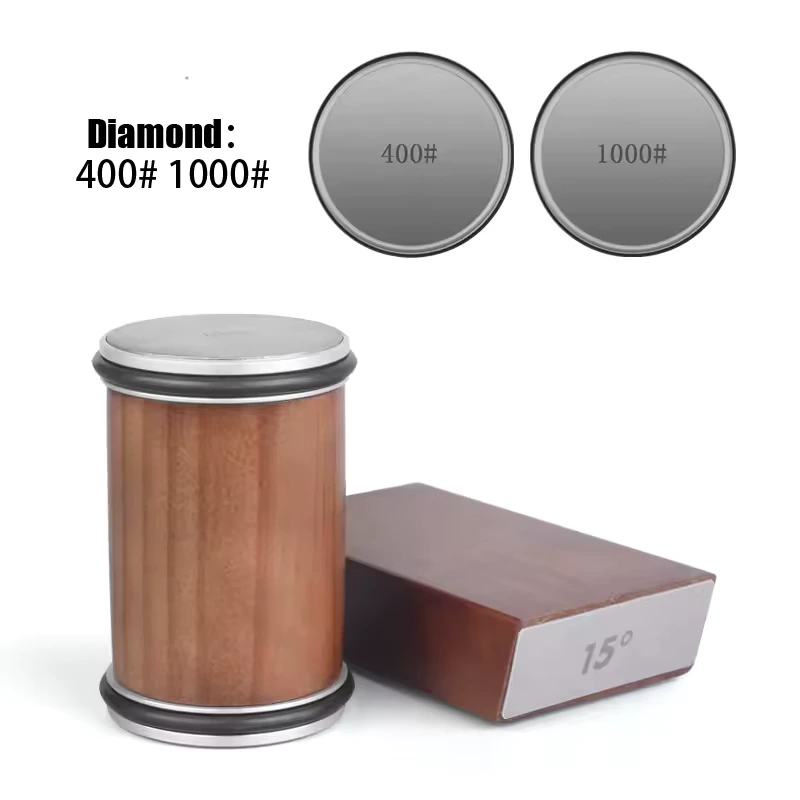 Magnetic Rolling Knife Sharpener£59.99 · currently out of stockView product → is a wise investment. However, sharpening alone cannot compensate for an overly abrasive cutting surface. A magnetic rolling sharpener is quick and easy to use, making it suitable for home cooks who want to maintain the edge of their stainless steel knives without visiting a professional.
Bamboo: eco friendly but mixed hygiene
Bamboo boards are often marketed as eco friendly alternatives. Bamboo is harder than most hardwoods, which means it is less porous and less susceptible to water damage. However, that hardness can dull knives faster. From a hygiene standpoint, bamboo boards are less forgiving: they can develop splinters or cracks over time, and the resin or glue used in construction may affect safety. While bamboo has some natural antibacterial properties, it is not as effective as maple or walnut. For the cleanest cutting board, bamboo is a decent middle ground, but not the top choice for hygiene.
Glass, stone, and steel: the hard surfaces
Glass, granite, marble, and stainless steel cutting boards are non porous and easy to sanitise. They can be washed in a dishwasher and are impervious to bacteria. On the surface, these seem like the most hygienic option. However, they are extremely hard and will rapidly dull any knife. The sound and feel are unpleasant, and the risk of chipping a glass board is real. More importantly, the very hardness that makes them cleanable also creates a surface where a knife can slip, increasing the risk of injury. In a home kitchen, these materials are generally not recommended as primary cutting boards. They might be useful for serving or for non knife tasks like rolling dough, but not for chopping.
Composite materials: a modern balance
Some composite boards combine wood fibres with resin, creating a non porous, dishwasher safe surface that is knife friendly. These boards are often called “wood composite” or “fibre board”. They resist knife marks better than plastic and are naturally antimicrobial like wood. However, they can be expensive and may require special care. They offer one of the better compromises if you seek the most hygienic cutting board for everyday use. Look for boards made with a combination of cellulose fibres and resin; they are usually heat resistant and can tolerate dishwasher temperatures up to 70 degrees Celsius.
When selecting any board, consider the maintenance routine. A board that can go in the dishwasher is convenient, but if it dulls your knives or wears out quickly, it may cost you more in knife sharpening and replacement. For serious cooks, a good quality hardwood board, properly maintained, offers the best balance of hygiene, knife care, and longevity. Pair it with a sharp knife such as the Sendai Gyuto to make chopping effortless and reduce stress on both board and blade.
How to keep any board hygienic
No matter the material, cleanliness depends on your habits. Wash boards with hot soapy water after every use. For raw meat, poultry, or fish, sanitise with a diluted bleach solution (one teaspoon per litre of water) or a food safe sanitiser. Dry boards immediately to prevent warping or mould. Use separate boards for raw proteins and ready to eat foods. Replace any board that develops deep cracks, splinters, or persistent odours. A well cared for wooden board can last for years and actually becomes more hygienic over time as the wood fibres compact.
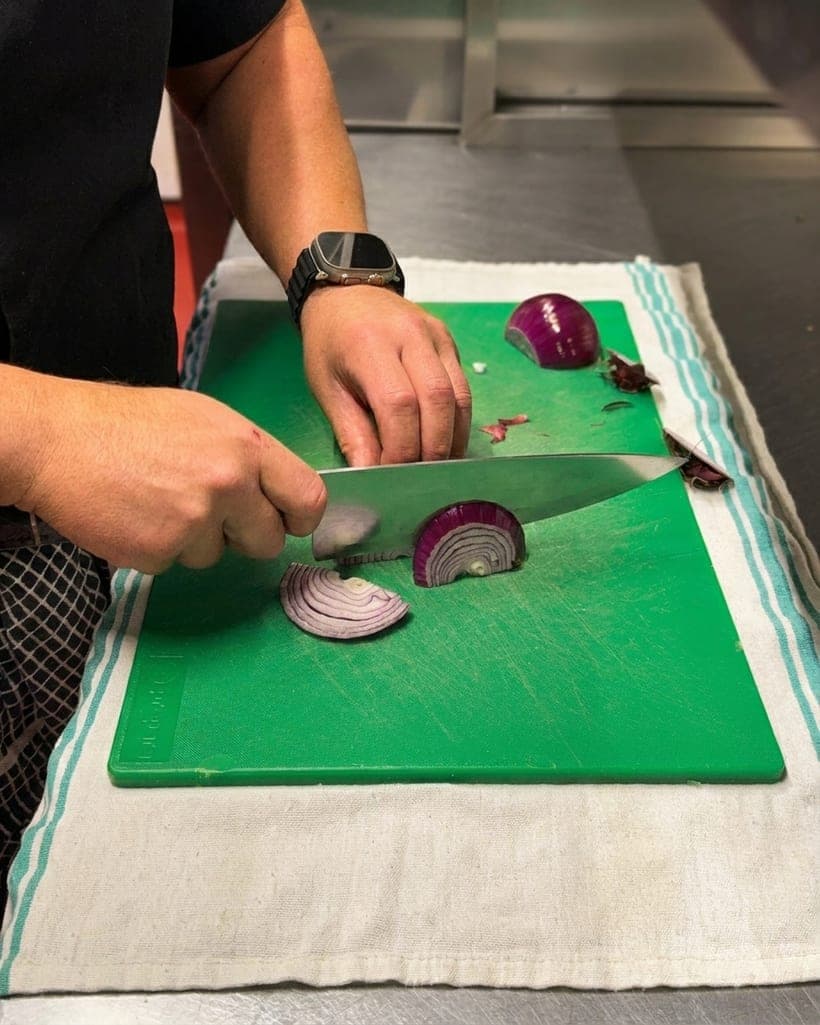
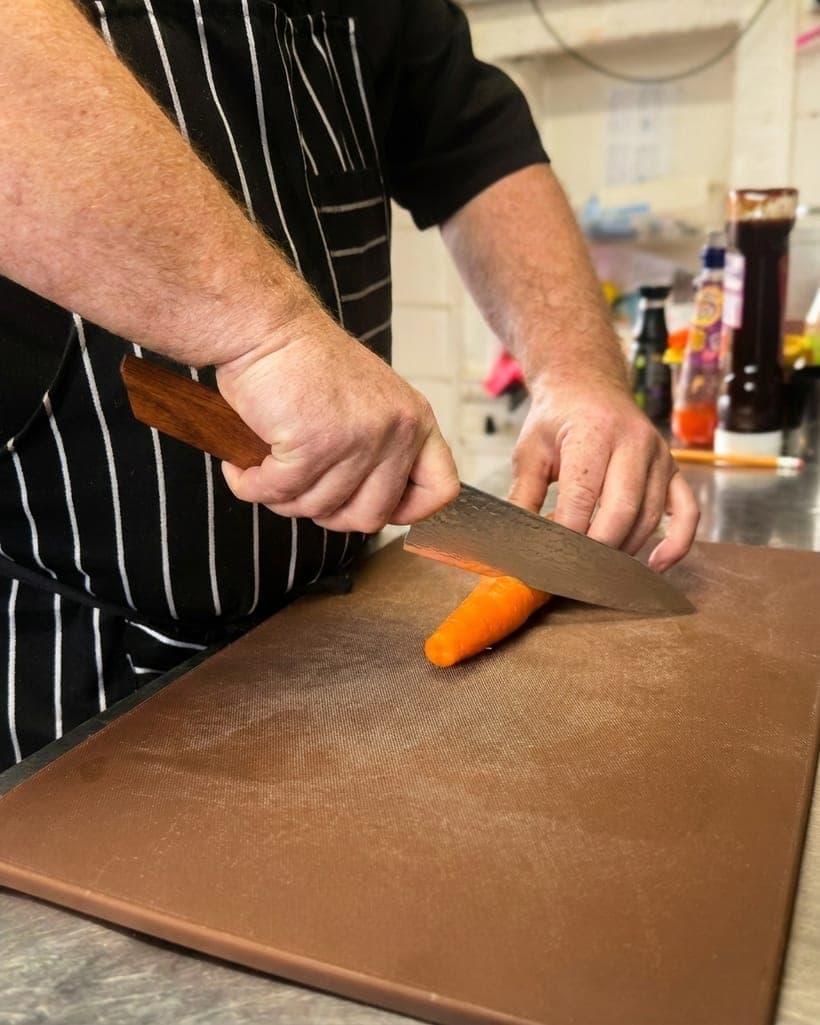
A good technique also reduces wear on your board: use a claw grip and guide the knife with your knuckles, allowing the blade to slide smoothly without gouging the surface. The harder you press, the more damage you do. A sharp knife requires less force, so keep your blade honed. For stainless steel knives like the 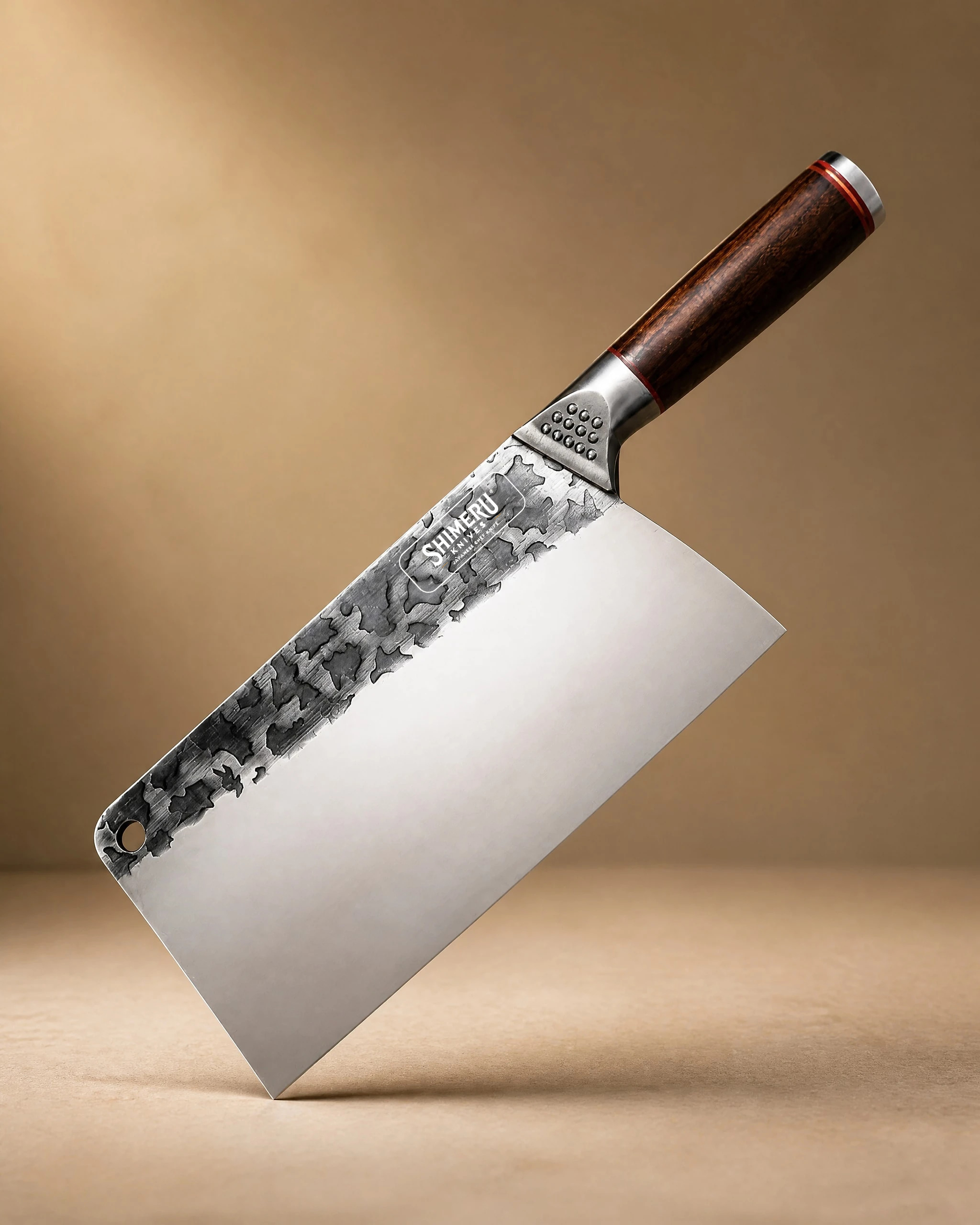 Saba 7" Stainless Steel Cleaver 中華包丁£44.99View product → (Saba 7 inch cleaver), a quick weekly honing helps maintain the edge. The Saba cleaver, with its African Wedge hardwood handle and Japanese stainless steel, excels at heavy chopping of meat, vegetables, and herbs. Its 8 inch blade provides leverage, making it ideal for cooks who routinely tackle larger ingredients.
For more tips on caring for your knives and boards, check out our knife care guide. And if you are building a complete kitchen setup, browse our range of kitchen knives at Shimeru Knives.

Conclusion: the cleanest cutting board for health
After reviewing the evidence, the most hygienic chopping board material is a high quality hardwood like maple or walnut, provided it is well sealed and maintained. Wood’s natural antimicrobial properties, combined with its gentle effect on knife edges, make it the standout choice for health conscious cooks. Plastic is a practical backup, especially for raw meat, but requires frequent replacement. Bamboo is acceptable but not optimal. Glass and stone are poor choices for actual chopping.
Ultimately, your hygiene routine matters more than the material alone. Use separate boards, clean thoroughly, and keep your tools in good shape. A sharp knife is easier to control and reduces messy cuts that can spread bacteria. For a knife that balances precision and versatility, consider the Saba 7" Stainless Steel Cleaver 中華包丁£44.99View product → (cleaver) for heavy chopping or the Sendai Gyuto for delicate slicing. Both complement a clean wooden board beautifully. The Toyo cleaver is also an excellent choice for those who primarily chop, slice, and dice. And a reliable sharpener like our magnetic rolling model will keep your knives in peak condition, reducing the need for frequent professional sharpening.
Remember: the safest chopping board is the one you clean properly every time. Choose a material that fits your habits, and you will enjoy a healthier kitchen.
Photography: Sergey Kotenev via Unsplash.


