


Japanese Knives for Meat Preparation

A Japanese meat knife is not a single tool. It is a family of blades shaped by Japanese kitchen practice, and the right one for you depends on what you actually cut. If you prepare beef, lamb, pork or poultry at home, the most useful starting point is a gyuto. If you break down whole fish, a deba or a fillet knife may matter more. If you want one knife that handles trimming, portioning and slicing without fuss, a good gyuto will do most of the work.
This guide is written for UK kitchens. It explains what each type does, where a Japanese knife should stop, and how to choose without turning a purchase into a hobby. For a wider view of blade shapes and steel types, read our knife guide.
What a Japanese meat knife actually means
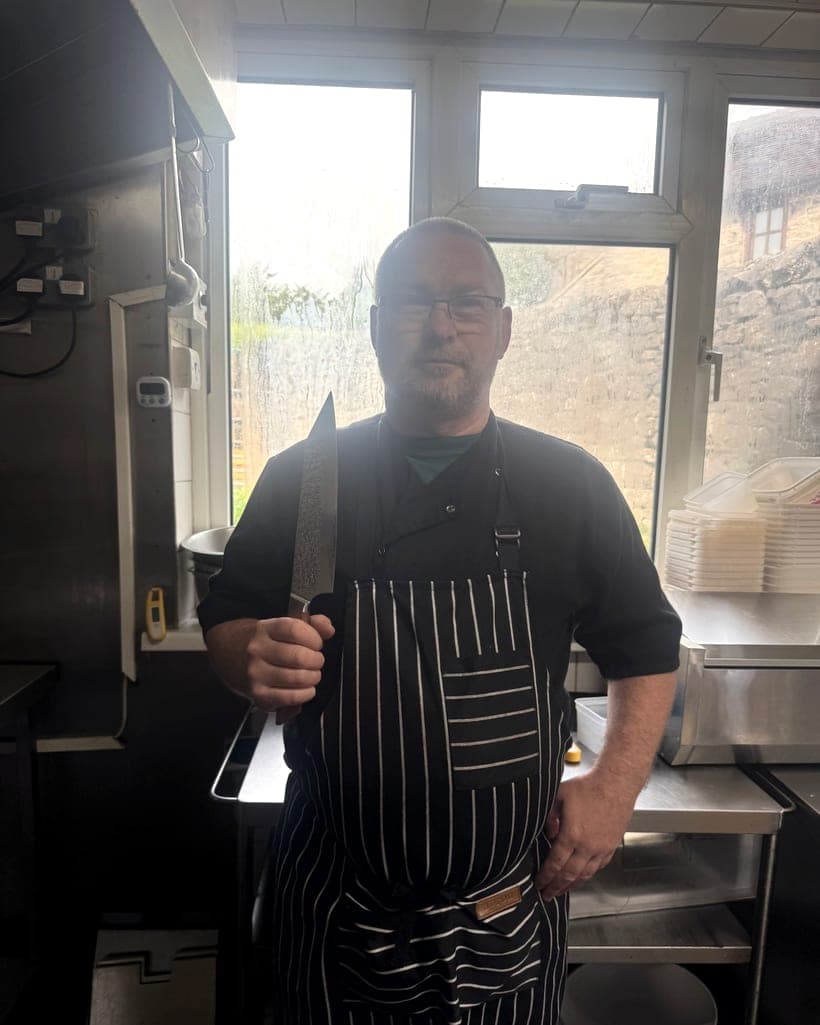
In Japanese knife vocabulary, the gyuto is the closest thing to a Western chef's knife. The name means cow blade, which tells you its original purpose. A gyuto has a broad heel, a gentle belly and a pointed tip. That profile allows a cook to trim fat, cut steaks, dice onions and slice cooked meat with one blade. For most homes, a gyuto is the Japanese meat knife worth buying first.
Other Japanese knives are more specialised. A sujihiki is a long slicer for clean cuts of roast or sashimi. A honesuki is a small, stiff knife for poultry. A deba is a heavy fish knife for breaking down whole fish. A yanagiba is a long single bevel slicer for sashimi. Japanese butcher knives in the traditional sense are not one model but a set of task specific blades. You do not need all of them. You need the one that matches your cooking.
Why geometry matters more than the label
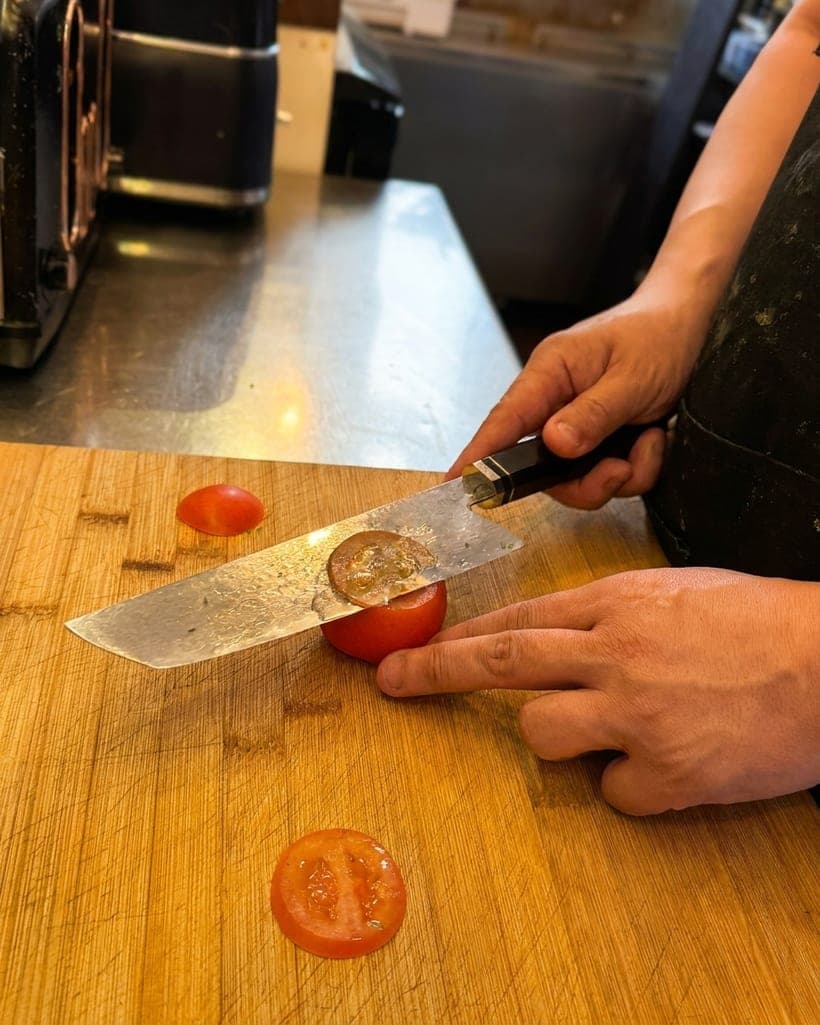
Japanese knives for meat are usually thinner behind the edge than European kitchen knives. That thinness reduces resistance when you cut, so a sharp gyuto can portion a chicken breast or slice a joint of beef with less pressure. The trade-off is that the edge is less forgiving. You should not cut through bone, frozen food or tough packaging with a Japanese kitchen knife. A heavy cleaver or a dedicated bone knife is the correct tool for those jobs.
Steel also matters, but not in the way marketing often suggests. A hard steel edge can feel wonderfully crisp, yet it can chip if you twist it in a cut. A softer steel may need more frequent attention but tolerate rougher handling. The best choice is the one you will look after. Read our knife care guide before you buy, because maintenance is part of the purchase.
Choosing the right blade length and profile
An eight inch gyuto is the most practical size for most homes. It slices a large cabbage or portions a joint, yet feels controlled. A longer blade suits large roasts. A shorter blade suits small hands or a compact kitchen. Do not choose by bravado. Choose a length you can use safely for twenty minutes.
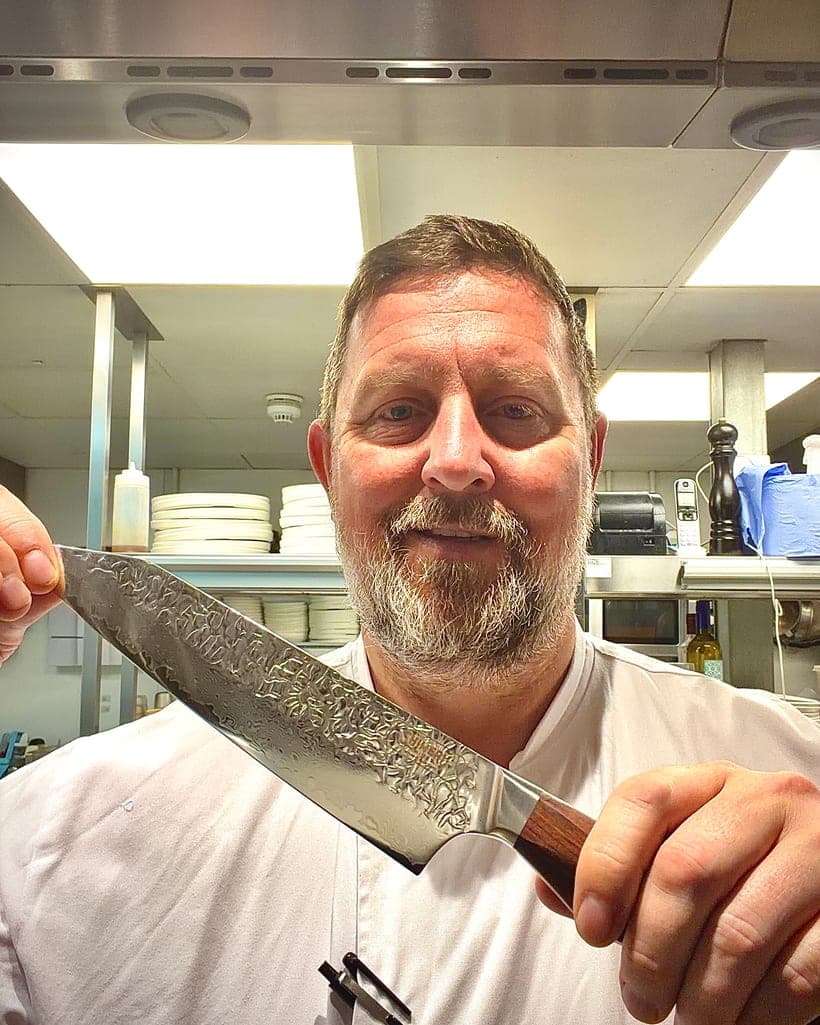
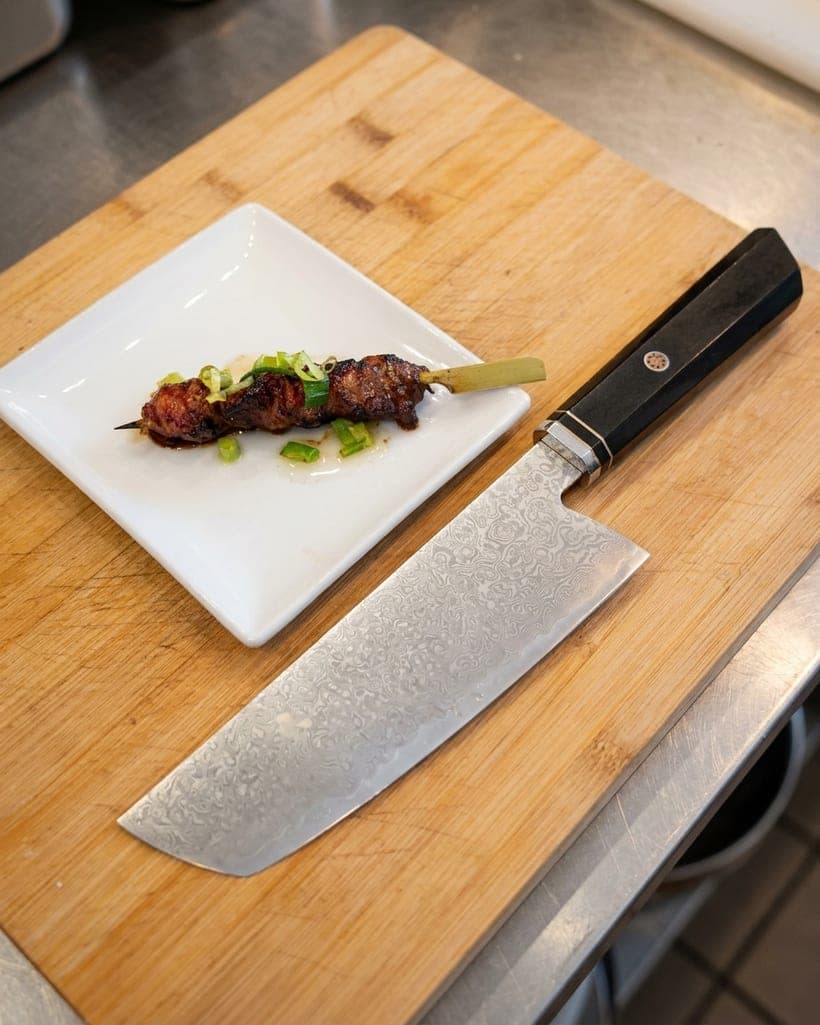
Profile matters too. A gyuto with a flatter belly is good for push cutting and chopping. A gyuto with more curve is better for rock chopping herbs. For meat, the key area is the heel and the middle of the blade, where you apply firm, straight pressure. The tip should be thin enough for trimming silverskin and precise work. If you want a gyuto with more visual character, consider 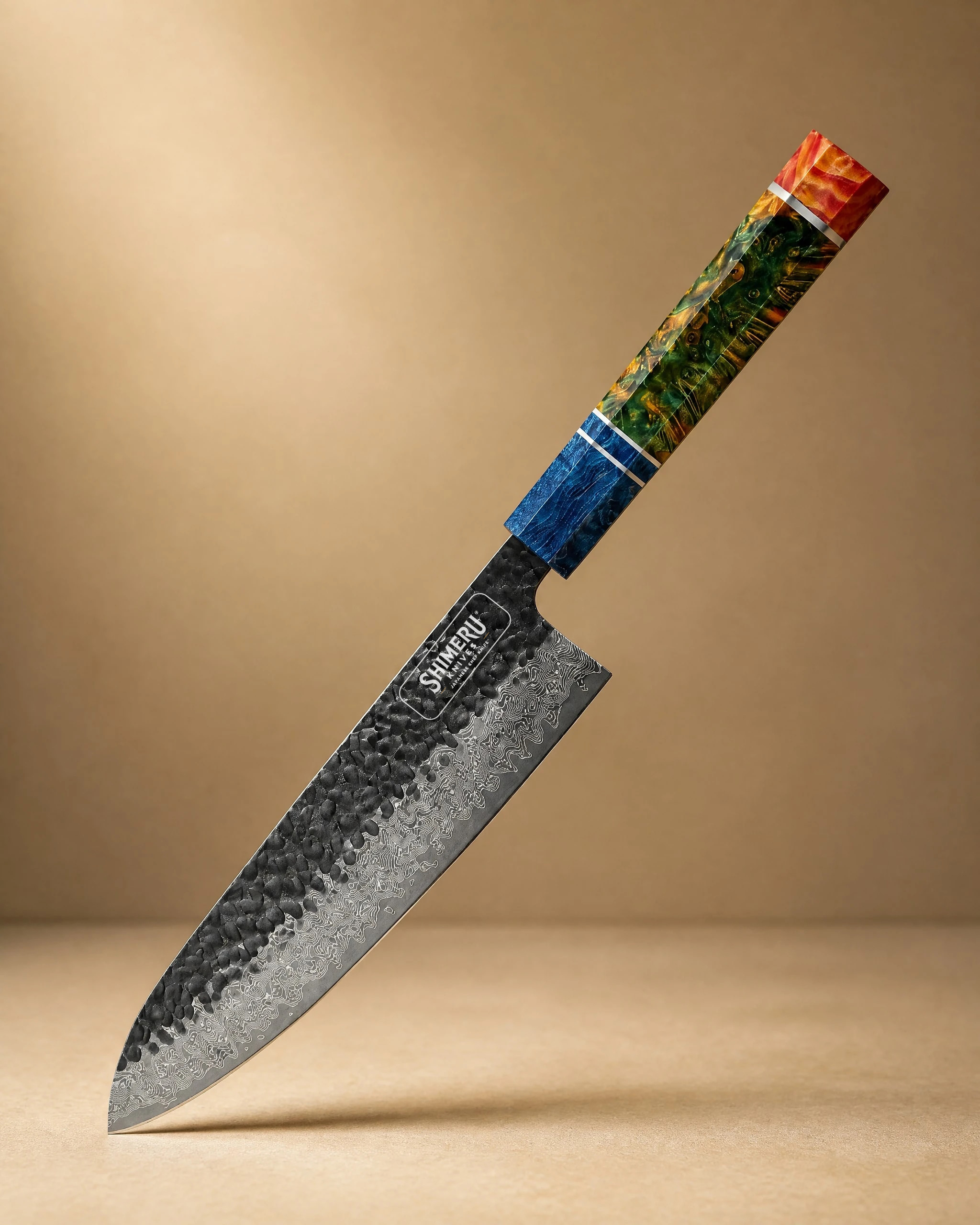 Yoshii 8″ Damascus Steel Gyuto Knife 牛刀£79.99View product →. It is listed for slicing, dicing and chopping, which covers most meat prep.
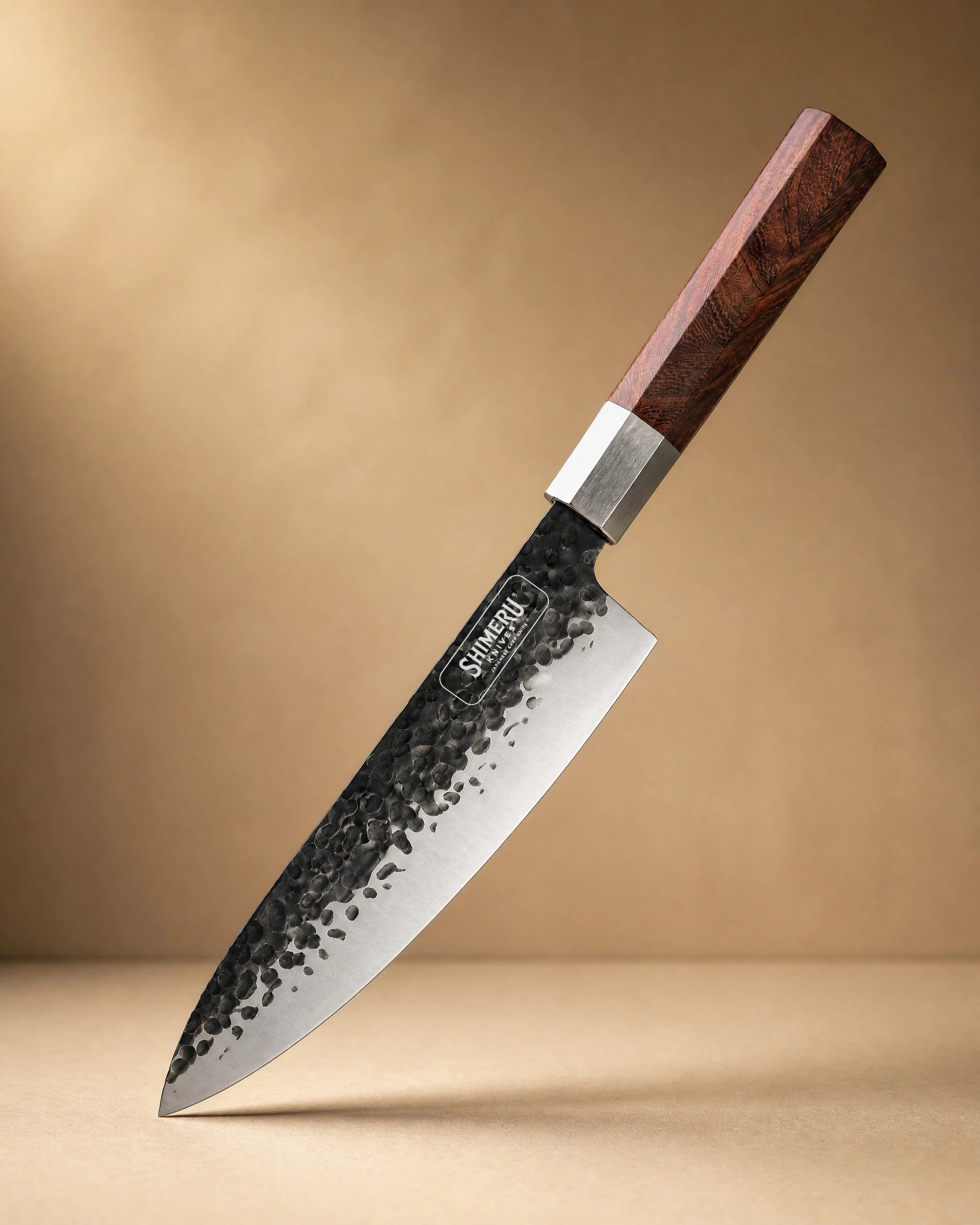 Sendai 8" Steel Gyuto Knife 牛刀£49.99View product → is a straightforward all rounder, listed for vegetables, herbs, meat and fish.
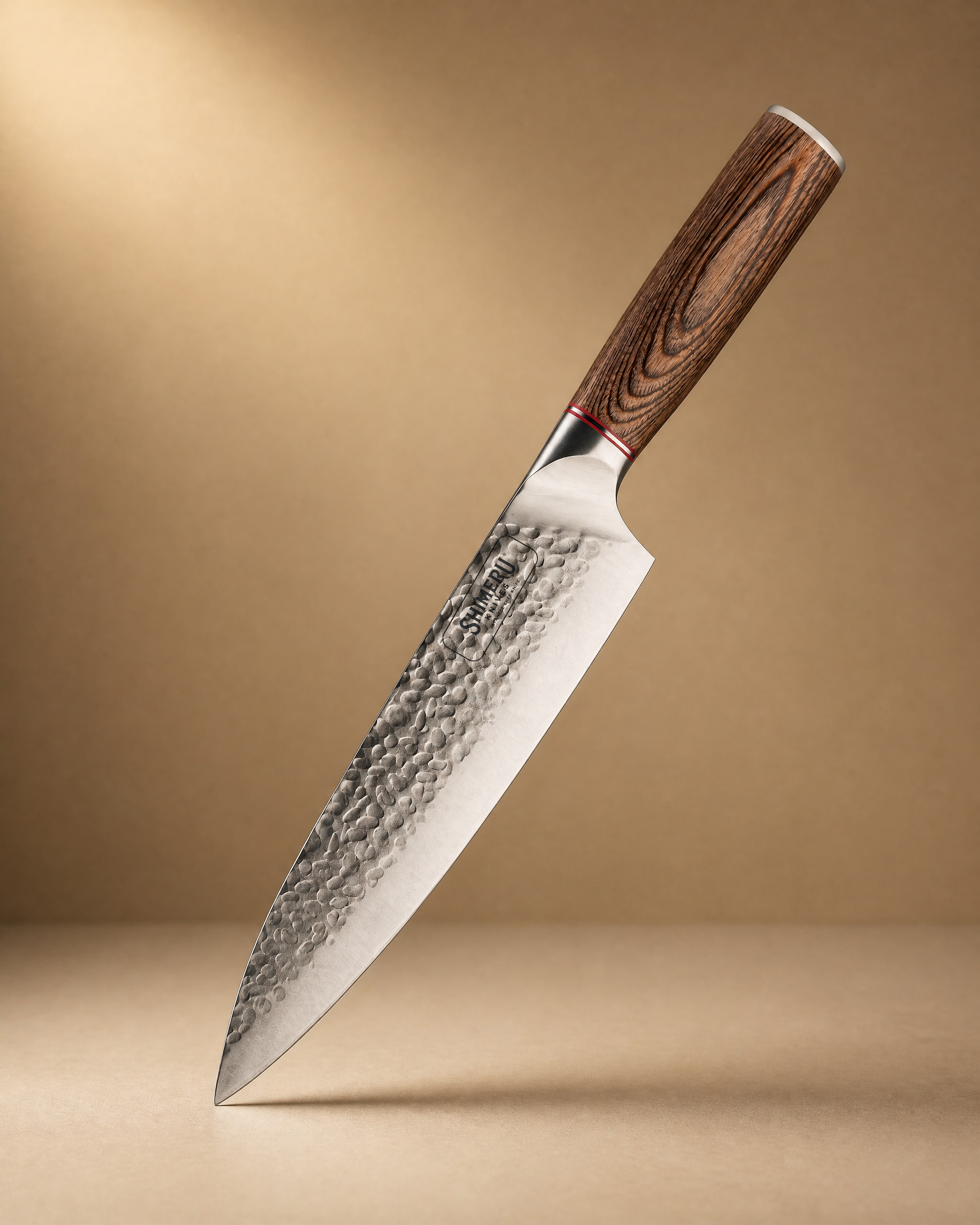 Akan 8'' Gyuto Knife 牛刀£49.99View product → is another gyuto, listed for meats, fish, vegetables and fruit. These are working knives for a domestic kitchen, and each will handle a Sunday roast or a weeknight stir fry with the right technique.
Gyuto technique for meat preparation
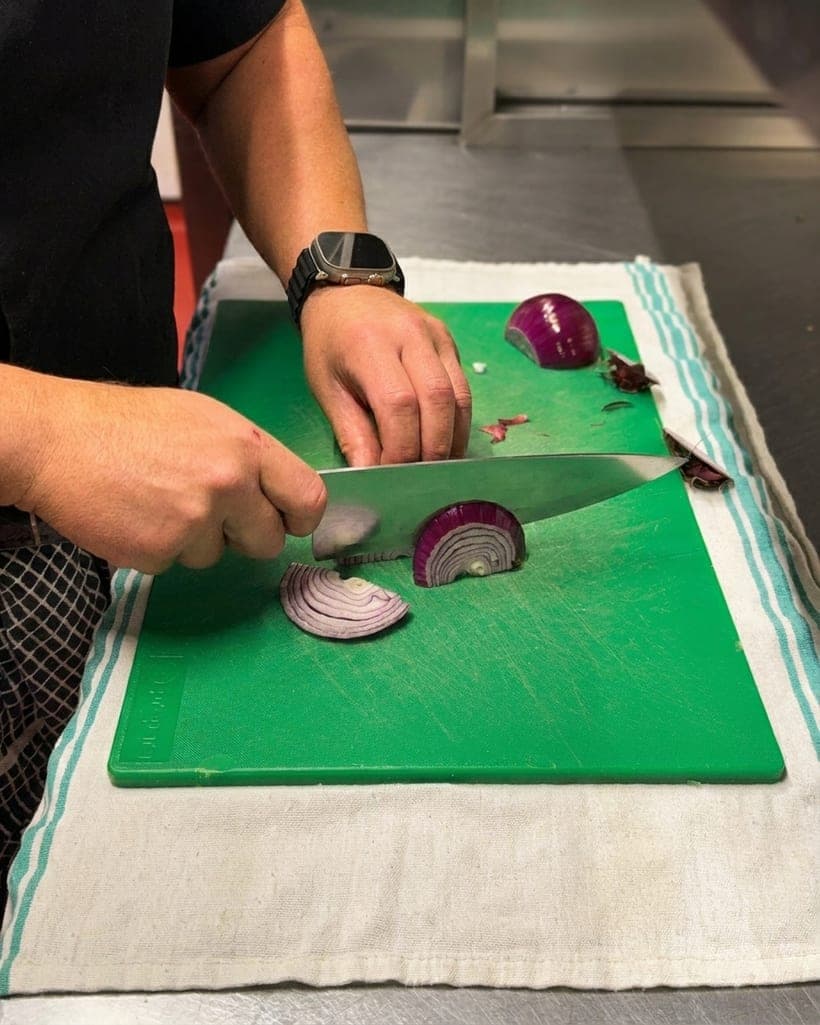
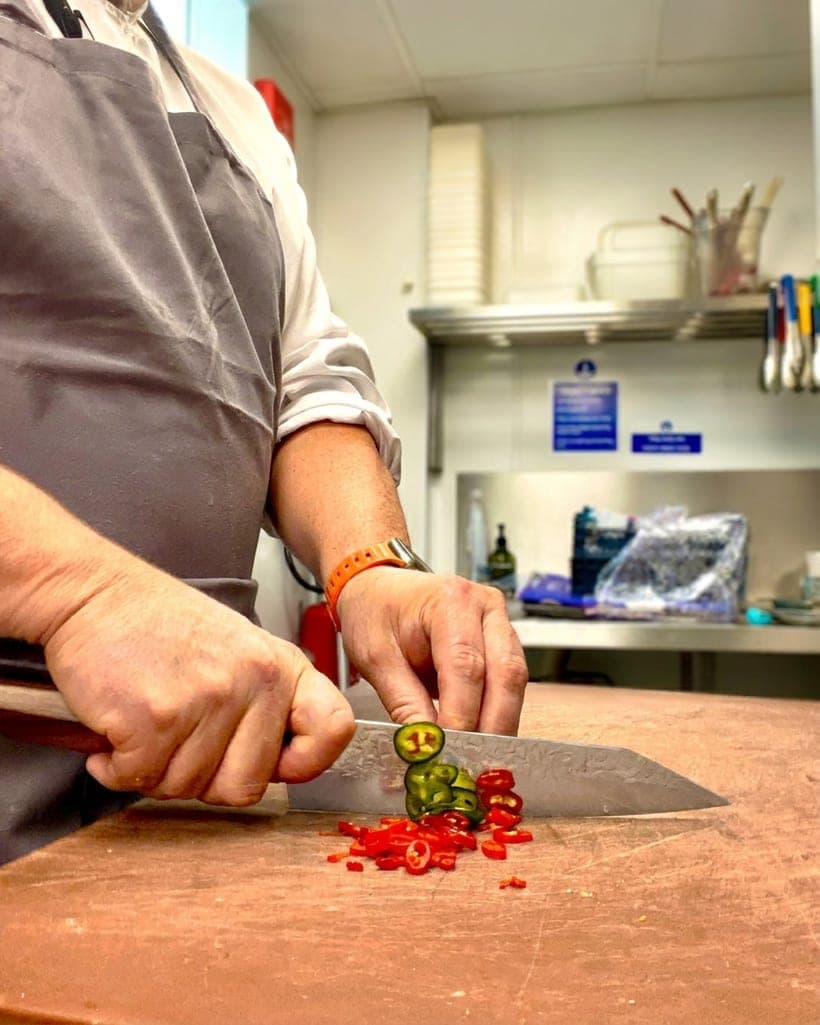
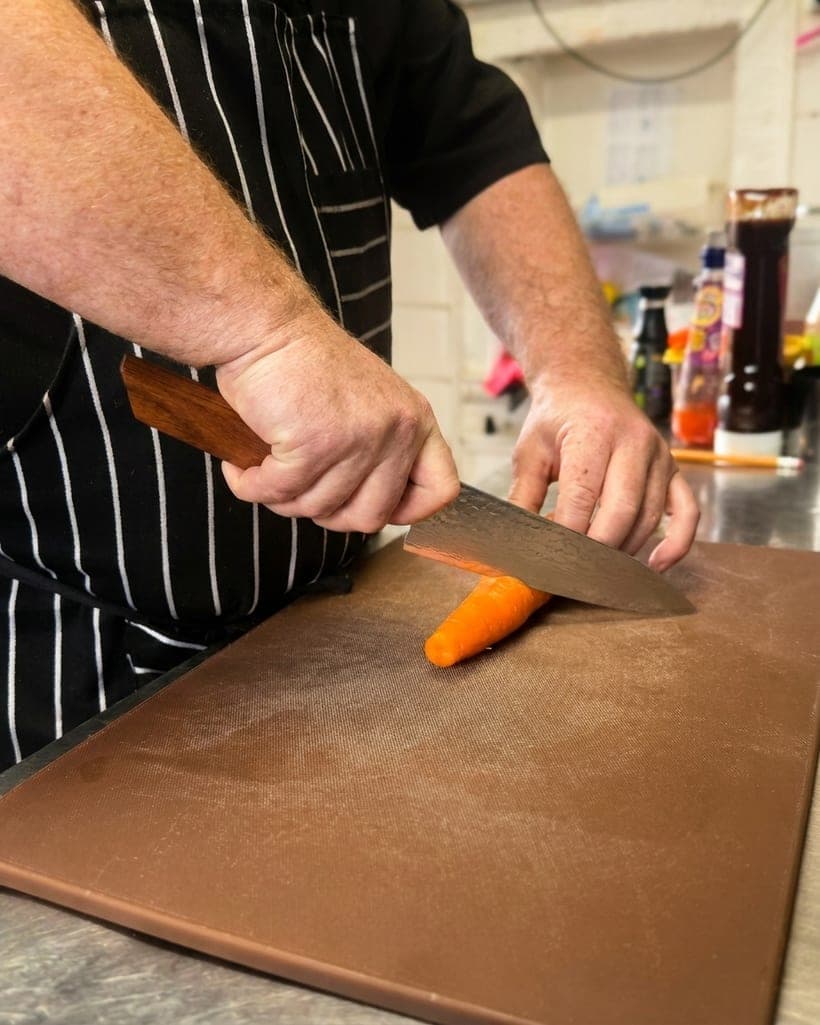
Use the heel for firm cuts. Place the heel on the meat, keep the tip slightly raised, and draw the blade back and forward without twisting. Use the middle of the blade for portioning steaks. Use the tip for trimming fat and silverskin, with short, controlled strokes. Let the edge do the work. If you find yourself pressing hard, the knife needs sharpening or the meat needs to come out of the fridge for a few minutes.
For poultry, a gyuto can joint a chicken if you cut through skin and cartilage at the joints, not through bone. If you regularly break down whole chickens, a honesuki is better, but a gyuto will manage occasional tasks. For cooked meat, slice across the grain with a gentle sawing motion. For raw meat, cut cleanly and avoid sawing, because a clean surface helps the meat cook evenly.

Filleting and fish: where Japanese knives differ
Japanese fish knives are built around the structure of fish. A deba has a thick spine and a stout edge for heads and ribs. A fillet knife has a flexible or narrow blade for following the backbone. A yanagiba slices raw fish, not heavy butchery. Japanese fillet knives and Japanese fish knives can overlap, but they are not the same as a Western boning knife. The Japanese approach favours clean separation of flesh from bone.
Deba, fillet knife or gyuto?
If you fillet small flat fish or portion fillets, a gyuto can do the job with care. If you regularly buy whole fish, a deba or a dedicated fillet knife will be safer and more efficient. Japanese fishing knives are usually a separate outdoor category, made for anglers rather than kitchen prep. Do not buy a fishing knife and expect it to replace a kitchen fillet knife. For most homes, the practical answer is a gyuto for kitchen fish prep and a dedicated knife later if fish becomes a regular habit.
Sendai 8" Steel Gyuto Knife 牛刀£49.99View product → is listed for fish as well as meat, so it can bridge those tasks if you want one blade. Akan 8'' Gyuto Knife 牛刀£49.99View product → is also listed for fish and meat. Neither is a deba, and neither should be used to chop through fish heads. Use them for fillets, trimming and portioning, and keep a heavier tool for the frame.
Butchery tasks where a gyuto should stay on the board
Japanese butcher knives are specialist tools, and a gyuto is not a cleaver. Do not cut through bone. Do not chop frozen meat. Do not pry apart joints with the tip. Do not scrape the board with the edge. These rules apply to every thin Japanese knife. If you need to break down a whole lamb or split chicken backs, buy a cleaver or ask your butcher. A gyuto is for precise work after the carcass has been broken down.
Keep raw and cooked tasks separate where you can. Wash and dry a knife after raw chicken before it touches cooked beef. This is food safety, not knife snobbery. A clean, dry knife also performs better.
Steel and maintenance in a UK kitchen
Stainless steel is the practical choice for most homes. It tolerates a little neglect and does not demand immediate drying. High carbon steel can take a keen edge, but it needs more attention. Dry a high carbon knife after every use and keep it away from the dishwasher. Wooden handles can look superb, but they should not be left soaking.
If you want a set rather than a single knife, 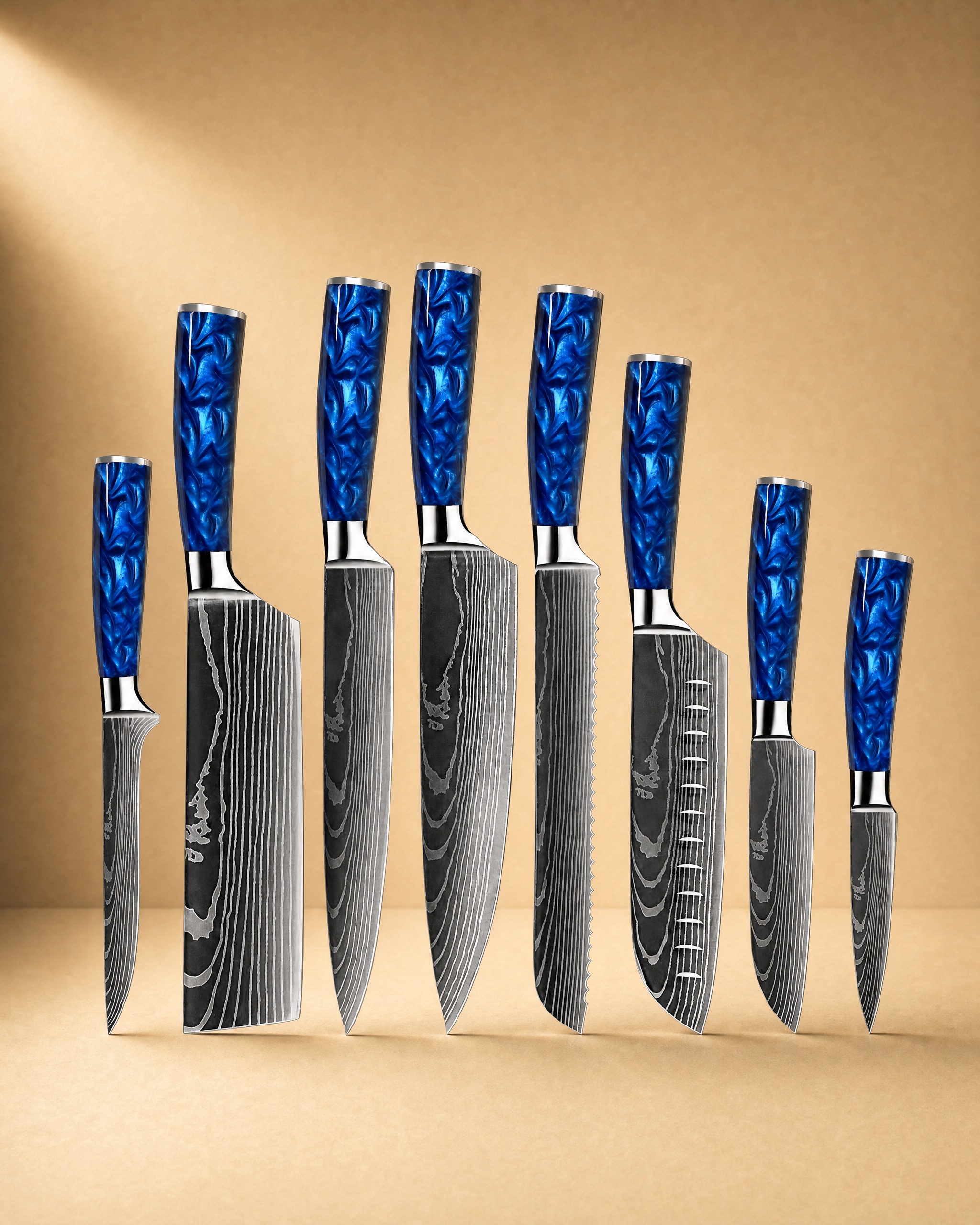 Shinano 信濃川 Damascus Pattern Stainless Steel Kitchen 8 Knife Set£149.99View product → is a set option. It is a different proposition from buying one gyuto. A set suits a household that wants a consistent look and a range of sizes, but it also asks you to maintain every blade. Before you choose a set, decide whether you will sharpen and care for all of it, or whether one good gyuto is the more honest purchase.
For a full view of what we stock, browse the knife shop. Do not buy a knife you will not maintain. A simple gyuto, a ceramic hone and a few minutes of care will outperform a neglected set every time.
How to choose your first Japanese meat knife
Start with an eight inch gyuto if you cook meat several times a week. It is the most versatile Japanese meat knife for trimming, portioning and slicing. Choose a low maintenance model for an easier routine. Choose more visual character if the finish matters and you will still dry it. Choose a set only if you have the space and routine to care for every knife.
If you already own a chef's knife and want a dedicated slicer, look at a sujihiki next. If you cook whole fish, look at a deba or a fillet knife. If you are unsure, read our knife guide and then choose one blade for the work you do most. That is the honest route to a knife you will actually use.
Quick checklist before you buy
- Decide whether you need a gyuto, a slicer or a fish knife.
- Choose a length you can control safely.
- Pick stainless for easier care, high carbon if you will maintain it.
- Check that the handle suits your grip.
- Accept that a Japanese knife is not for bones or frozen food.
- Set aside time each week for sharpening and care.
A good Japanese knife for meat is a tool, not a trophy. Buy for the cuts you make, keep it sharp, and it will repay you every time you cook.
Photography: Madie Hamilton via Unsplash.

