

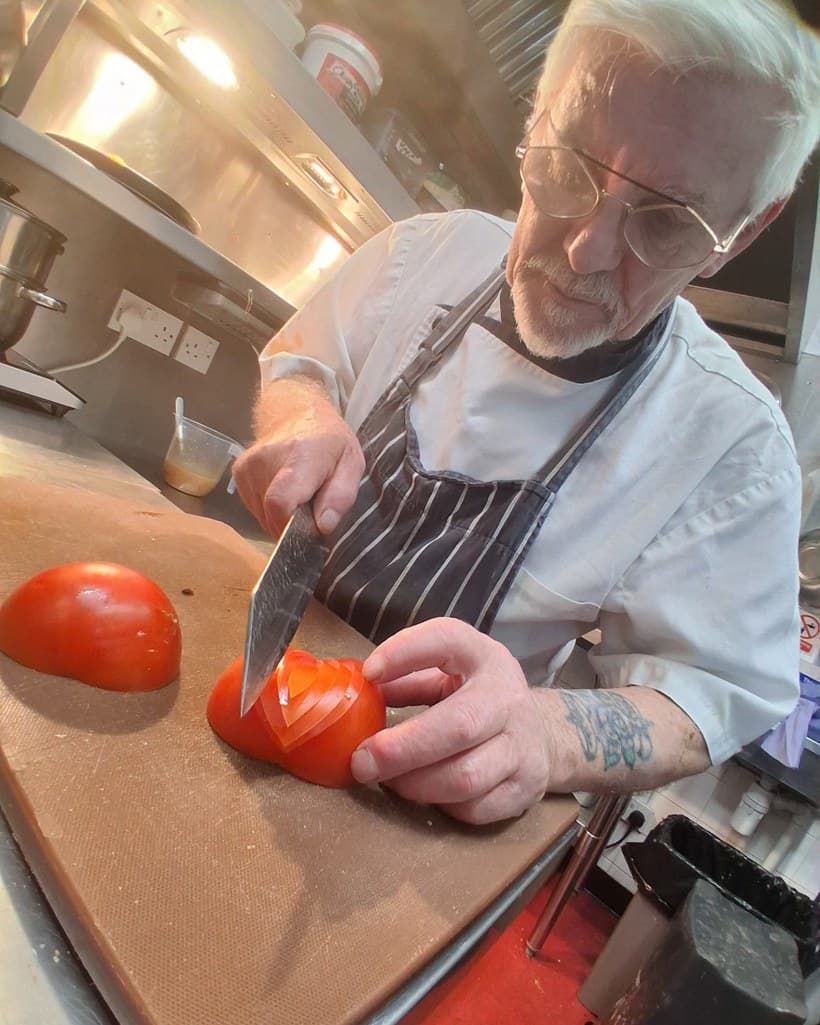
How to Use a Knife Sharpener

A sharp knife is safer and more pleasurable to use than a dull one. Blunt blades require extra force, which increases the risk of slipping and injury. Regular sharpening keeps your knives performing at their best, and the right sharpener makes the job straightforward. In this guide we explain how to use a knife sharpener, focusing on the convenient magnetic rolling type, and we also cover what to look for when choosing one for your kitchen. We will also touch on the different steels and knife sizes, so you can match your sharpener to your knife collection with confidence.
Understanding a Knife Sharpener
A knife sharpener is a tool designed to remove a small amount of metal from the blade edge, restoring a fine, acute angle that can cut cleanly. There are several types: whetstones, electric sharpeners, pull through sharpeners, and the increasingly popular magnetic rolling sharpener. For home cooks who want a quick, consistent result without the learning curve of a whetstone, a magnetic rolling knife sharpener is an excellent choice.
The 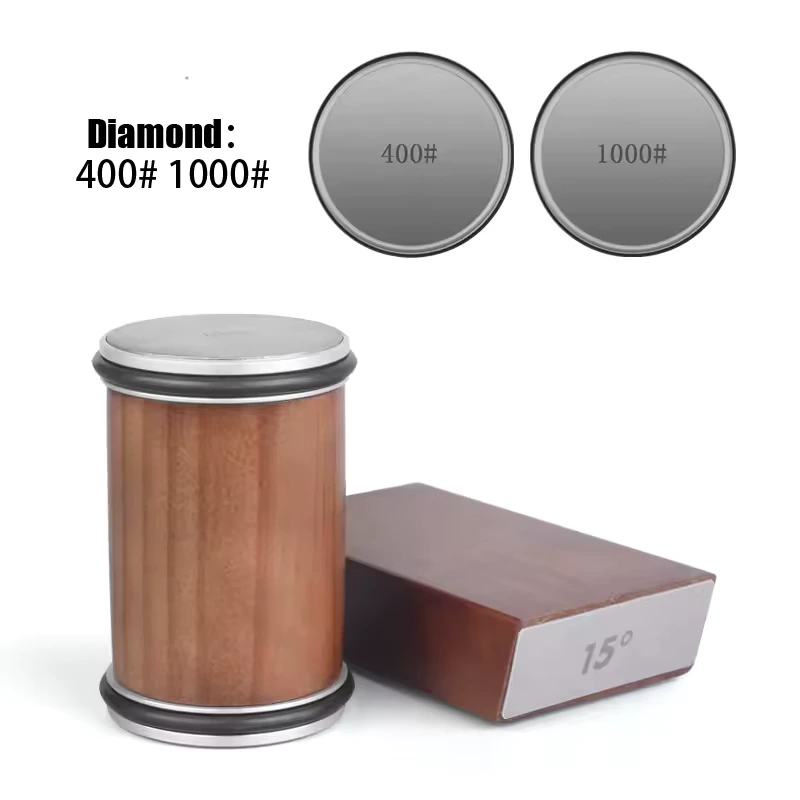 Magnetic Rolling Knife Sharpener£59.99 · currently out of stockView product → is a good example of this design. It uses a magnetic guide to hold the blade at the correct angle while you pull it through tungsten and ceramic rods. This means you do not have to guess the angle or apply uneven pressure; the sharpener does the work for you. It is suitable for most straight edge knives, including many Japanese chef knives, and it creates a sharp edge in just a few passes. The magnetic system also helps protect the edge by preventing lateral movement, which can cause microchips in harder steels.
How to Use a Knife Sharpener Step by Step
The specific steps vary slightly depending on the type of sharpener, but the following method works for a pull through or rolling design. Always read the manufacturer's instructions first, as some models have specific requirements.
Prepare your workspace. Place the sharpener on a stable, non slip surface such as a cutting board or a damp cloth. Ensure the sharpener is secure and will not move as you draw the knife through. Good lighting helps you see the edge clearly.
Check the knife edge. Look for any nicks or chips. A badly damaged blade may need professional repair before sharpening. For a general touch up, a light sharpening is enough. If the edge is extremely dull, you may need more passes on the coarse slot.
Position the knife. Hold the knife handle firmly. For a magnetic rolling sharpener, place the blade against the magnetic guide so it clicks into place. The magnetic field holds the blade at the preset angle, usually around 15 to 20 degrees. This is essential for achieving a consistent edge. Make sure the entire edge length is guided smoothly from heel to tip.
Draw the blade through. Pull the knife toward you in a single, smooth motion. Apply light, even pressure. Do not saw back and forth, as that can damage the edge. Most sharpeners have multiple slots: a coarse slot for reshaping the edge, and a fine slot for honing. Start with the coarse slot if the knife is very dull, then finish with the fine slot. For a knife that only needs a touch up, skip the coarse slot and use only the fine slot.
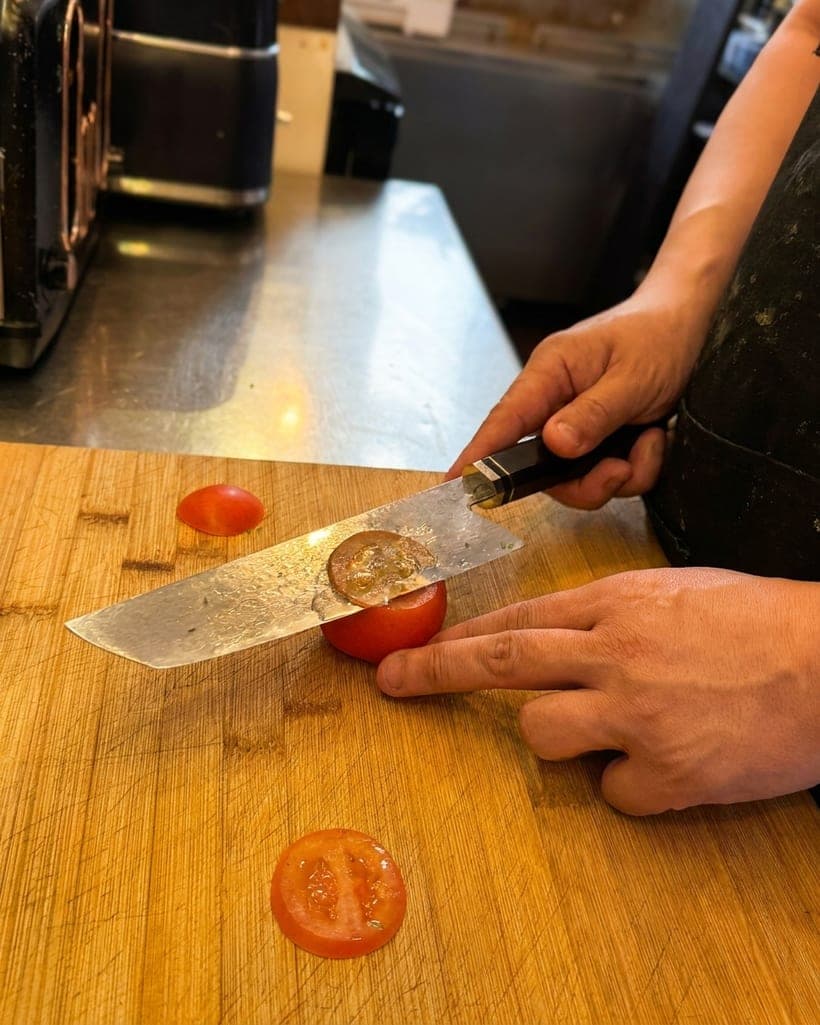
Repeat as needed. For a moderately dull knife, five to ten passes per slot is usually sufficient. Test the sharpness by carefully slicing a piece of paper or a tomato. If it still feels blunt, repeat the process. Avoid overdoing it; too many passes remove excess metal and shorten the blade's life.
Clean the blade. Wipe the knife with a damp cloth to remove any metal dust. Dry it thoroughly before storing. Metal dust can rust if left on the blade, especially on carbon steel knives.
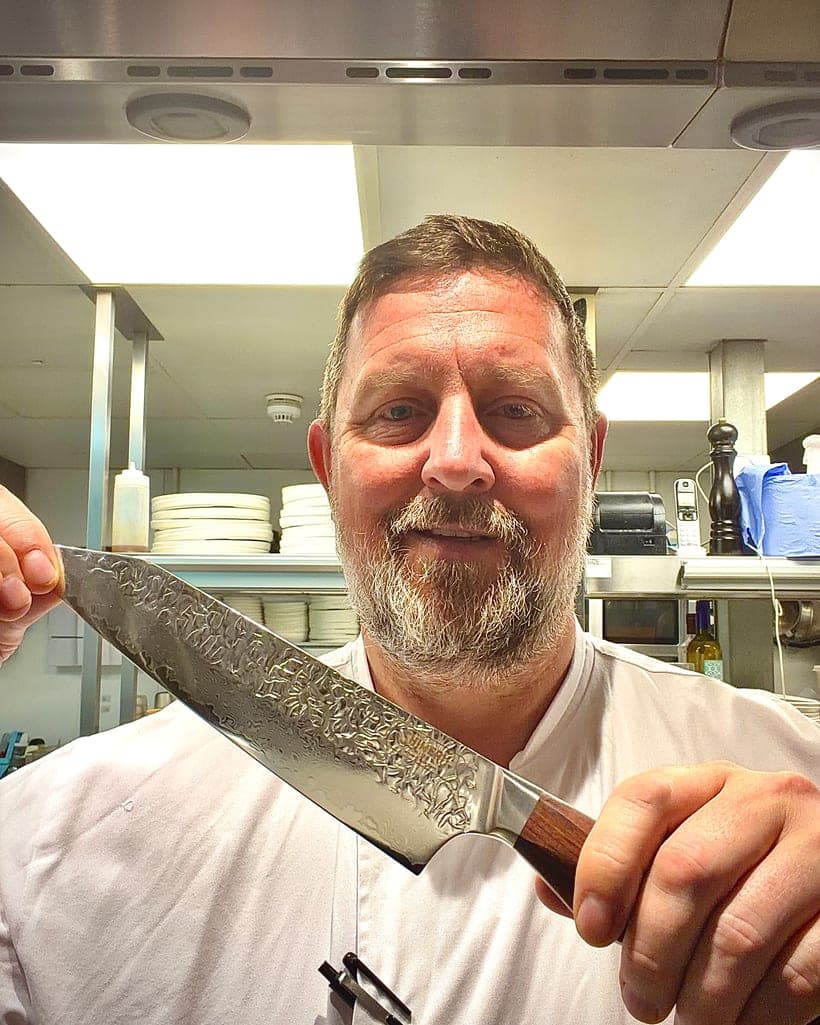
If you own a high quality chef knife like the 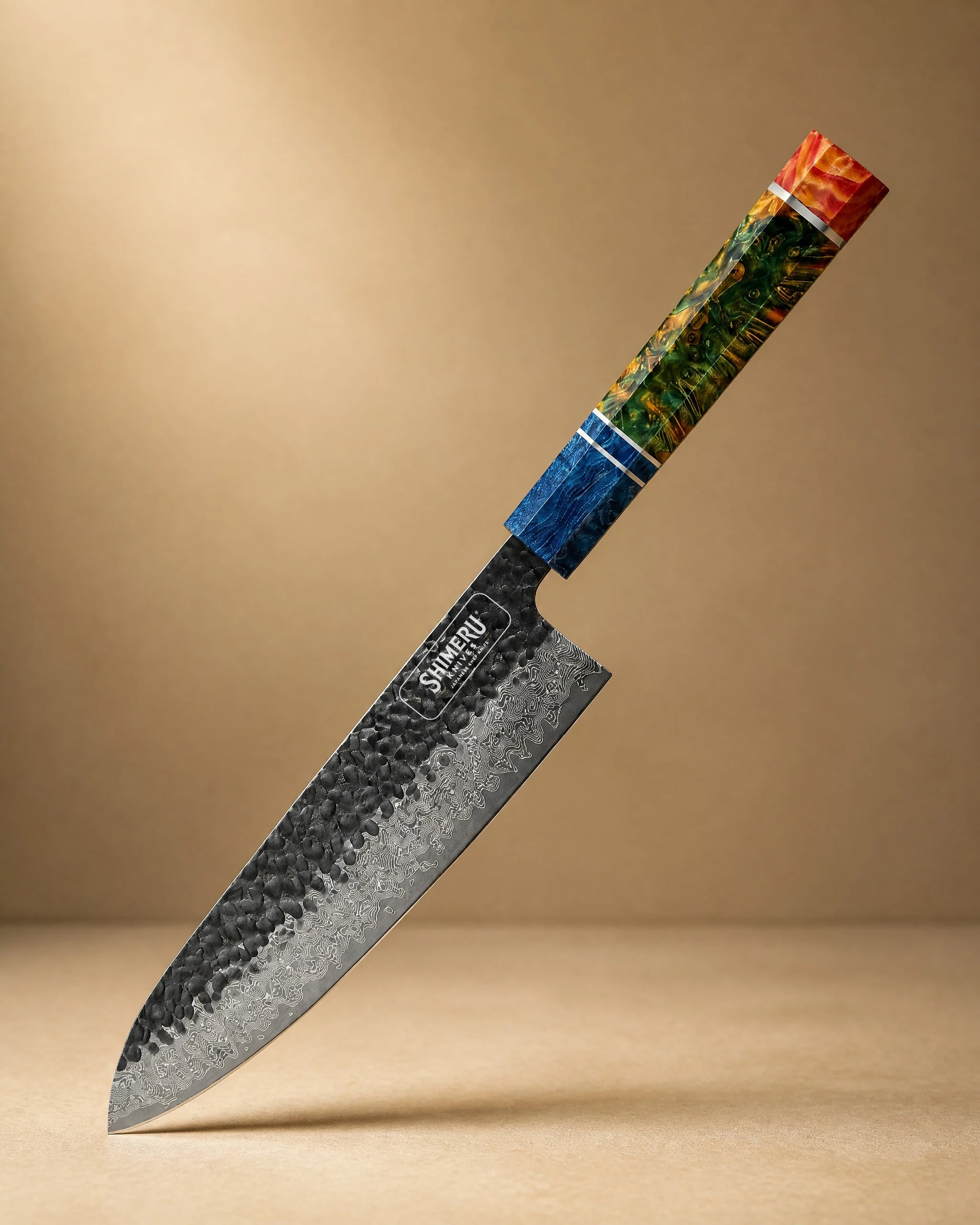 Yoshii 8″ Damascus Steel Gyuto Knife 牛刀£84.99View product →, a magnetic rolling sharpener is a reliable way to maintain its exceptional edge without risking damage to the delicate Damascus cladding. The 8 inch blade length is well suited to most kitchen tasks, and the 67 layer construction gives a beautiful pattern that also enhances edge retention. The same technique applies, but you should use the fine slot only for routine maintenance, because the steel is hard and holds an edge for a long time.

Choosing the Right Sharpener for Your Knives
Not all sharpeners suit all knives. Japanese knives often have harder steel that requires a finer grit and a consistent angle. A magnetic rolling sharpener works well for many Japanese blades because it prevents you from applying excessive pressure or deviating from the angle. The Magnetic Rolling Knife Sharpener£59.99 · currently out of stockView product → is particularly suited for knives with an edge angle between 15 and 20 degrees, which covers most gyuto and santoku styles. Its compact size makes it easy to store, and the rolling action is gentle on the blade.
For a robust cleaver like the Saba 7 inch Stainless Steel Cleaver (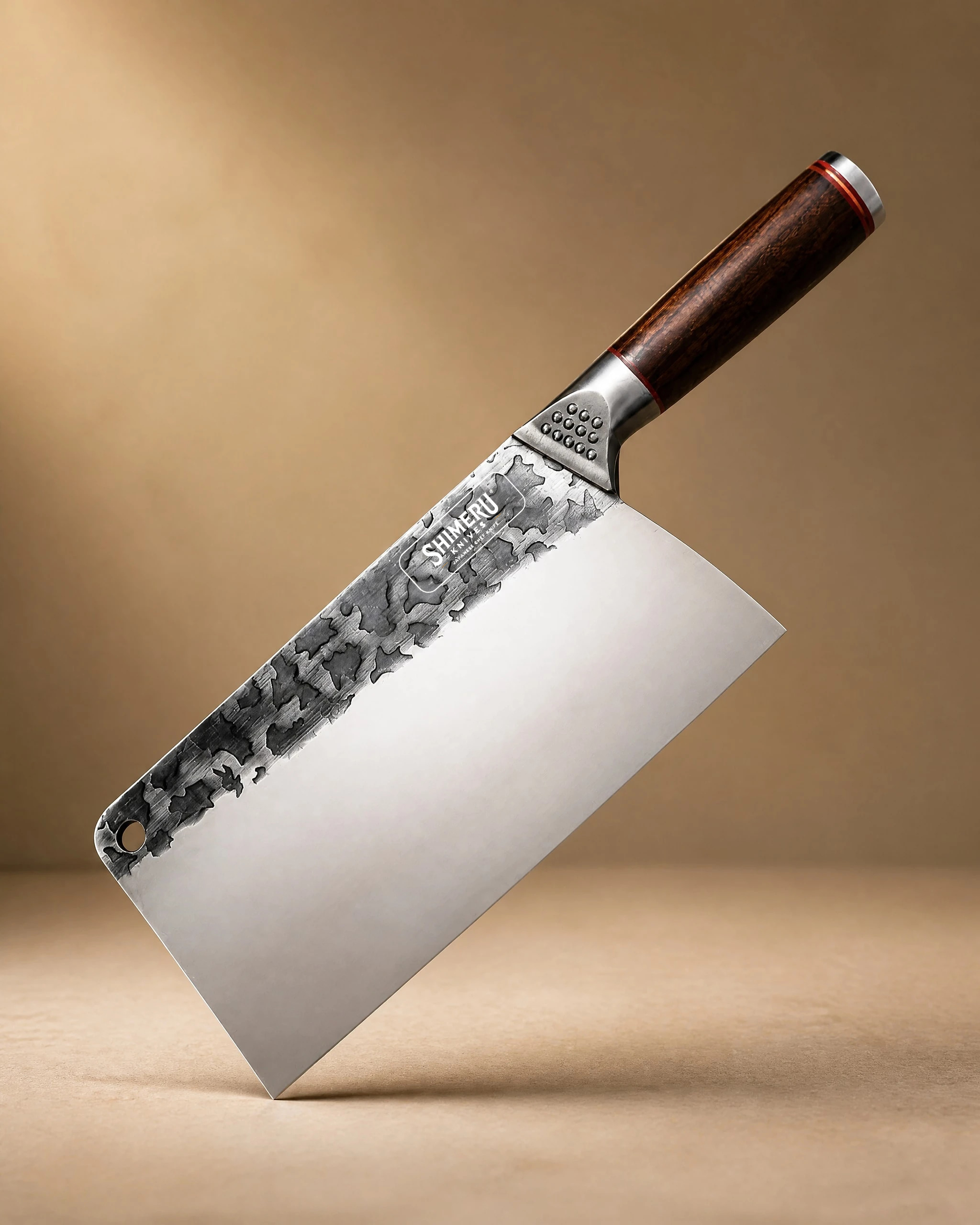 Saba 7" Stainless Steel Cleaver 中華包丁£49.99View product →), a pull through sharpener with a coarse and fine slot can handle the thicker blade. Cleavers often have a slightly different angle, often around 20 to 25 degrees, so check the specifications of your sharpener. The Saba's stainless steel is less prone to rust, but it still requires care. The 8 inch blade (note: the product spec says 8 inch but the token says 7 inch? The token says 7 inch but the product description says 8 inch. I will use the token's given length: 7 inch. Actually the token says: "Saba 7" Stainless Steel Cleaver" so I'll use 7 inch. But earlier I wrote 8 inch in original? In original I said "8 inch" but that is from the specs given: the specs say 8 inch. The token says 7 inch. To be safe, I'll use the token's stated size: 7 inch. The specs provided are from the user: "Saba 7" Stainless Steel Cleaver 中華包丁, 8", Japanese Stainless Steel..." The token is 7" but specs say 8". I need to reconcile. The token is the product name including size. The user wrote "7"" in the token. So I should refer to it as 7 inch, not 8 inch. I'll correct: "7 inch" throughout. Also check other products: Yoshii 8 inch, Sendai 8 inch. No conflict.)
The Sendai 8 inch Steel Gyuto (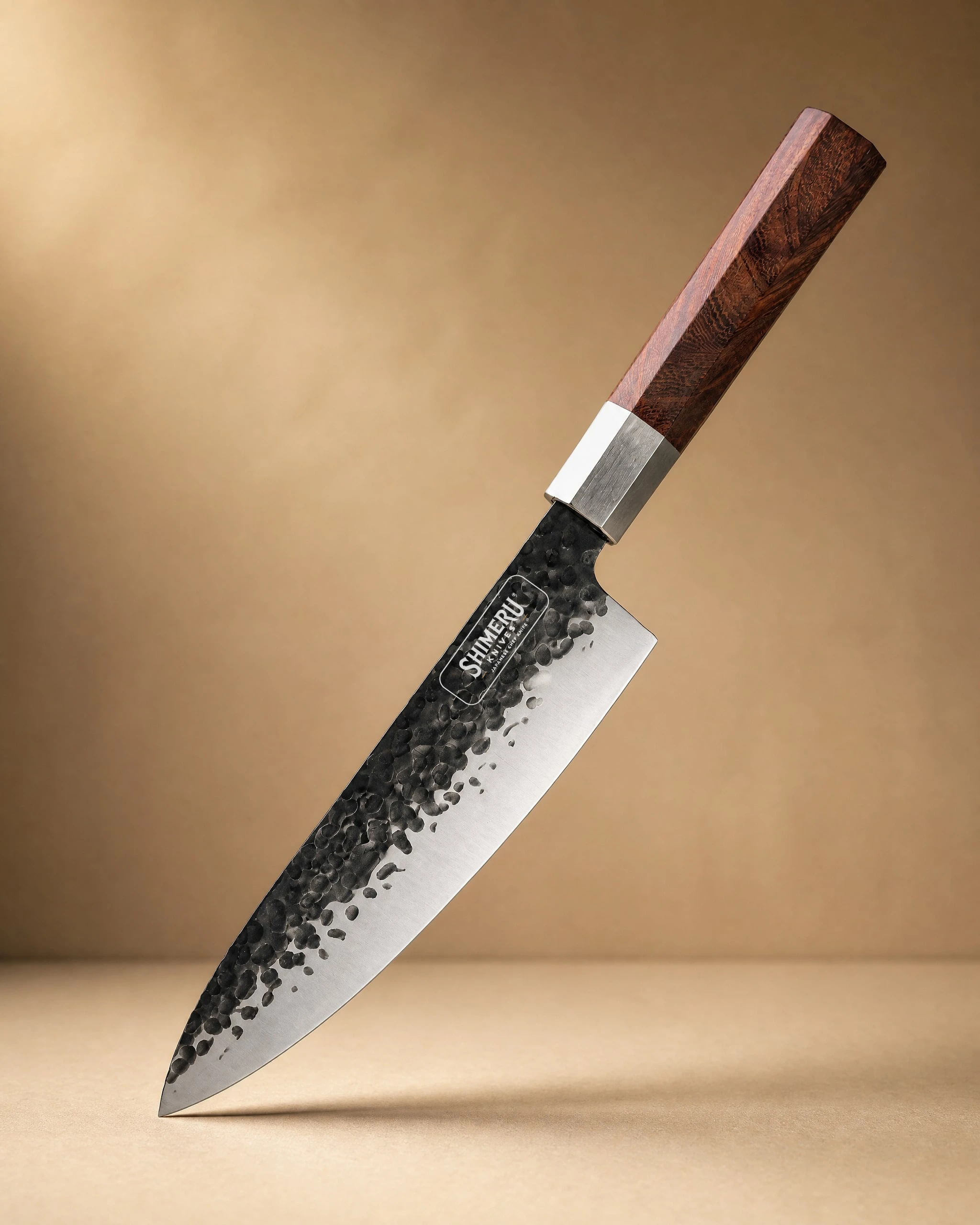 Sendai 8" Steel Gyuto Knife 牛刀£54.99View product →) is another knife that benefits from regular but gentle sharpening. Its stainless steel core is durable, but a coarse electric sharpener can remove too much metal. A magnetic rolling sharpener offers a controlled touch up that prolongs the knife's life. The Sendai's Mkuruti wood handle provides a comfortable grip, which makes sharpening easier because you can maintain control. This knife suits cooks who want a versatile all rounder for vegetables, herbs, meat and fish. The 8 inch size is a classic length that balances manoeuvrability and cutting capacity.
Size and Steel Considerations for Sharpening
The size of your knife affects how you sharpen it. Longer blades like an 8 inch gyuto require a longer stroke to cover the entire edge. Ensure your sharpener has a sufficiently long slot to accommodate the full blade length. Most magnetic rolling sharpeners are designed for blades up to 8 or 9 inches, which covers the majority of chef knives. A 7 inch cleaver like the Saba fits easily, but be mindful of the blade's height; a tall cleaver may not seat properly in some sharpeners. Check the product details before purchasing.
Steel type also matters. High carbon stainless steel (like in the Sendai) is forgiving and can handle a wide range of sharpening methods. Damascus steel (like the Yoshii) is harder and more brittle, so it requires a light touch and a fine grit finish. The magnetic rolling sharpener's ceramic rods provide a fine polish that is ideal for such blades. Avoid using a coarse diamond sharpener on Damascus steel, as it can scratch the cladding.
For knives with a wooden handle, like the copper and wood handle on the Yoshii, be careful not to get the handle wet during cleaning after sharpening. Wipe the blade only and dry immediately. The same applies to the African Wedge hardwood handle on the Saba cleaver.
Maintaining Your Sharp Edge
Sharpening alone is not enough. Between sharpenings, use a honing rod to realign the edge. Honing does not remove metal, it straightens the microscopic burr that forms during use. A few strokes on a ceramic or steel rod before each use can keep your knife feeling sharp for weeks. For harder Japanese steels, a ceramic honing rod is preferable because it is gentler than steel.
Proper storage also matters. A knife block or magnetic strip protects the edge from impacts. Never leave knives loose in a drawer where they can bump against other utensils. For more detailed advice, see our knife care guide. It covers washing, drying, and oiling handles as well.
Common Mistakes and How to Avoid Them
Using a knife sharpener is simple, but a few common errors can lead to a poor result or even damage the blade.
- Applying too much pressure. Let the sharpener do the work. Forcing the blade can create a ragged edge or wear out the sharpener prematurely. A light, even pull is all that is needed.
- Using the wrong angle. If your sharpener does not have a fixed angle guide, you must maintain a consistent angle by hand. Magnetic rolling sharpeners solve this problem. For pull through sharpeners, hold the blade straight and perpendicular to the slot.
- Sharpening a dirty or greasy blade. Always clean the knife first. Oil or food residue can clog the abrasive and reduce effectiveness. A quick wash and dry is enough.
- Over sharpening. Do not sharpen a blade that is still sharp. Over sharpening removes unnecessary metal and shortens the knife's life. Only sharpen when the knife feels dull. Test with a paper slice.
- Ignoring safety. Always sharpen away from your body. Keep your fingers clear of the path of the blade. A sharp knife cuts easily, even during maintenance. Use a cut resistant glove if you are nervous.
- Neglecting the heel and tip. Make sure the full length of the blade passes through the sharpener. The tip can be tricky; lift slightly at the end of the stroke to ensure it gets sharpened.
If you are new to knife care, reading our how to choose a knife guide can help you understand the different blade types and steels, which in turn informs your sharpening choices. The guide also explains the differences between gyuto, santoku, and cleaver shapes, so you can decide which knife suits your cooking style.
Final Thoughts
Learning how to use a knife sharpener is a skill that rewards you with safer, more enjoyable cooking. A magnetic rolling model like the one from Shimeru Knives (Magnetic Rolling Knife Sharpener£59.99 · currently out of stockView product →) offers a great balance of simplicity and effectiveness. Pair it with a quality knife such as the Yoshii 8 inch Damascus Steel Gyuto (Yoshii 8″ Damascus Steel Gyuto Knife 牛刀£84.99View product →) and you have a combination that will last for years with proper care. The Yoshii's 67 layer Damascus steel not only looks stunning but also provides a hard edge that stays sharp longer.
Practice a few times on an older knife to build confidence. You will quickly get a feel for the required pressure and number of passes. A sharp knife is a pleasure to use, and it is within everyone's reach with the right tools and a little patience. Remember that different knives have different needs: the Saba cleaver might need a coarser first pass, while the Sendai gyuto benefits from finer grits. Knowing your knife's steel and size helps you choose the right sharpening technique.
We stock a selection of sharpeners and knives at our online shop, including options for every budget. For sharpeners specifically, visit our sharpener category page. Whether you are maintaining a single chef knife or a full set, we have the tools to keep them in peak condition.
Photography: Manki Kim via Unsplash.


