


How to Sharpen Knives with a Knife Sharpener

Sharpening a knife might seem like a chore reserved for professional chefs, but it is a skill every home cook should master. A dull blade makes chopping harder and more dangerous, because you have to force it through food. The best way to maintain a sharp edge is to learn how to sharpen knives with a knife sharpener. This guide will take you through the process step by step, using a magnetic rolling sharpener that is simple and effective.
Why Sharpening Matters
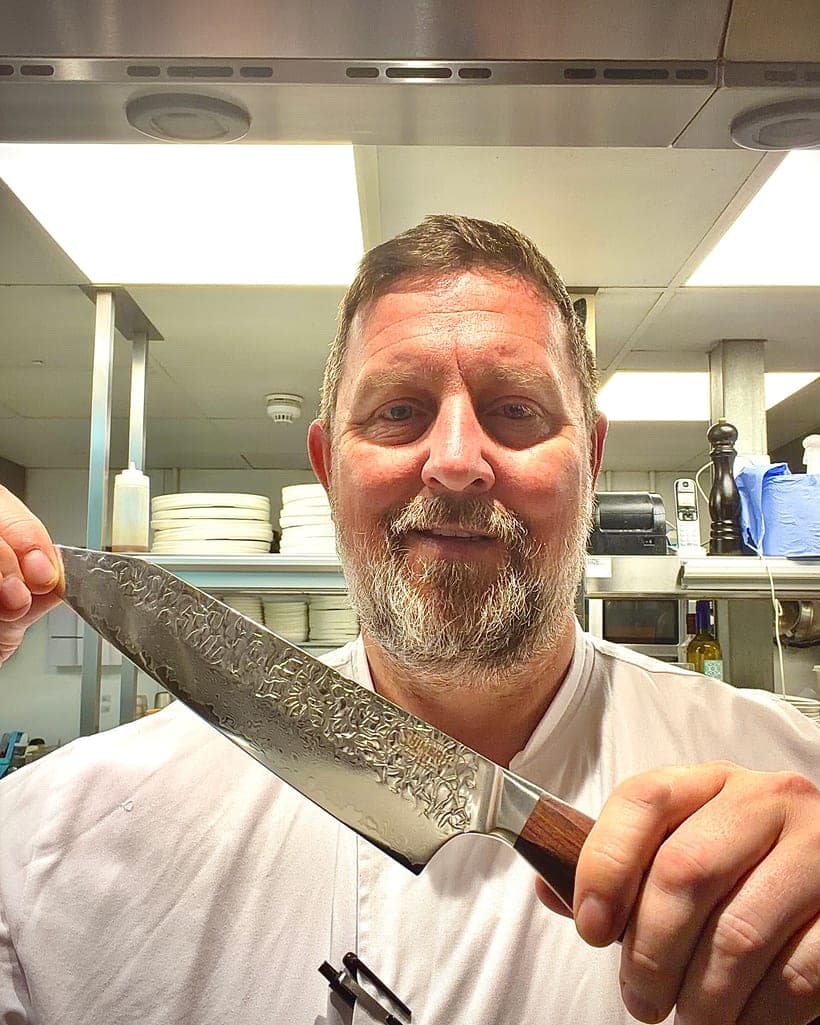
Keeping your kitchen knives sharp is not just about performance. A sharp knife cuts cleanly, preserving the texture of herbs, vegetables and meat. It requires less force, which means you are far less likely to slip and cut yourself. Regular sharpening also extends the life of your blade. Even the finest Japanese steel, such as that found in the 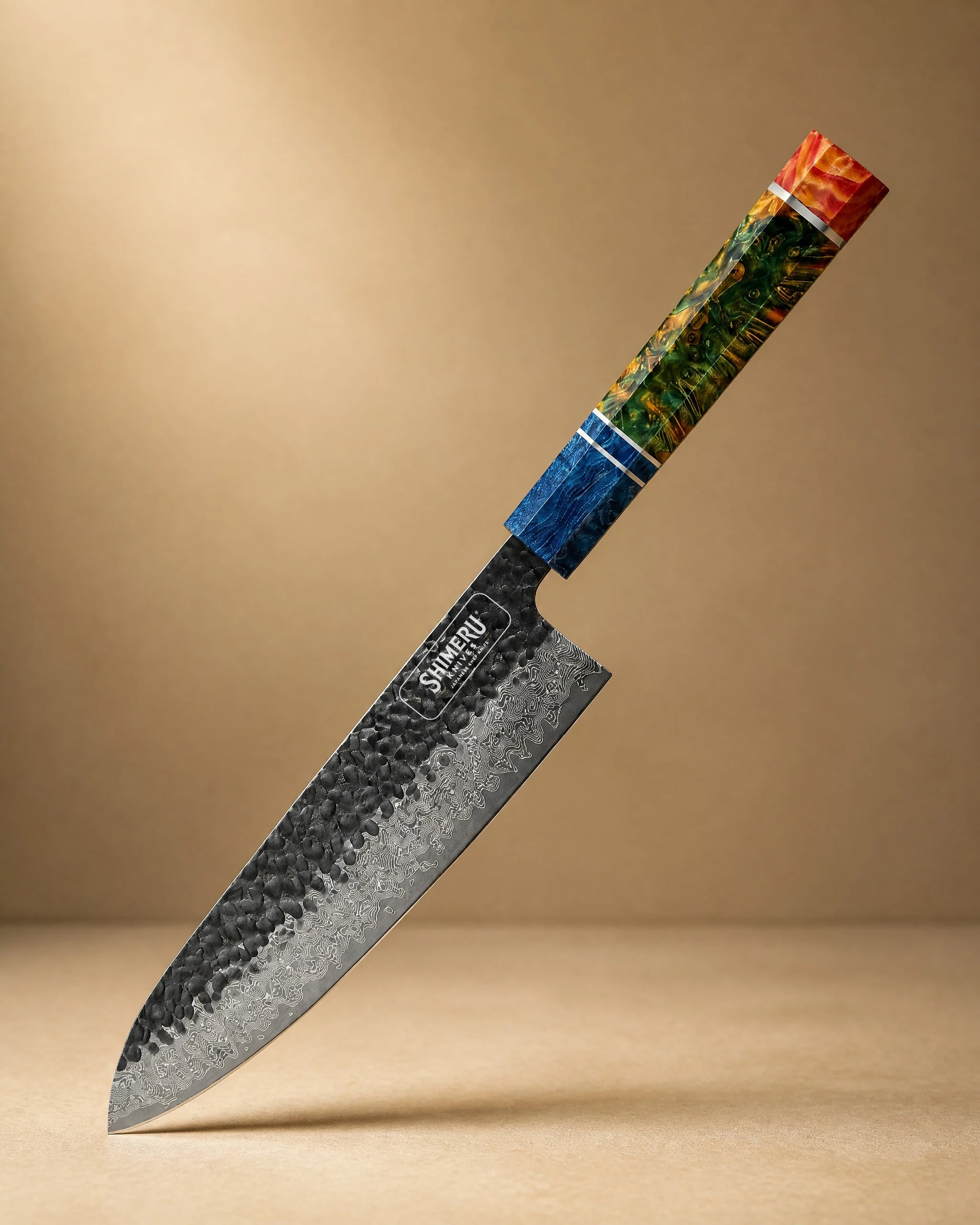 Yoshii 8″ Damascus Steel Gyuto Knife 牛刀£79.99View product →, will eventually dull. The key is to sharpen before the edge becomes completely blunt. A few light passes with a good sharpener every few weeks is far better than waiting until you cannot slice a tomato.
Types of Knife Sharpeners
There are several ways to sharpen a kitchen knife. Each has its own benefits and drawbacks. To help you choose, here is a quick overview of the most common types.
- Electric sharpeners: They are fast but often remove too much metal. They can overheat the blade, damaging the temper of high quality steel. Not recommended for fine Japanese knives.
- Whetstones: These give you the finest edge. They require practice and angle control. Many enthusiasts use them, but they are not the most convenient option for quick maintenance.
- Magnetic rolling sharpeners: These are easy to use and gentle on the blade. You simply pull the knife through a slot that holds two abrasive wheels at a fixed angle. The magnetic guide keeps the blade aligned. This is the best choice for most home cooks who want a reliable, repeatable method. We will focus on this type for the rest of this guide.
- Pull-through sharpeners: They are similar to rolling sharpeners but use fixed carbide blades. They can be aggressive and may chip fine edges. Our recommendation is the
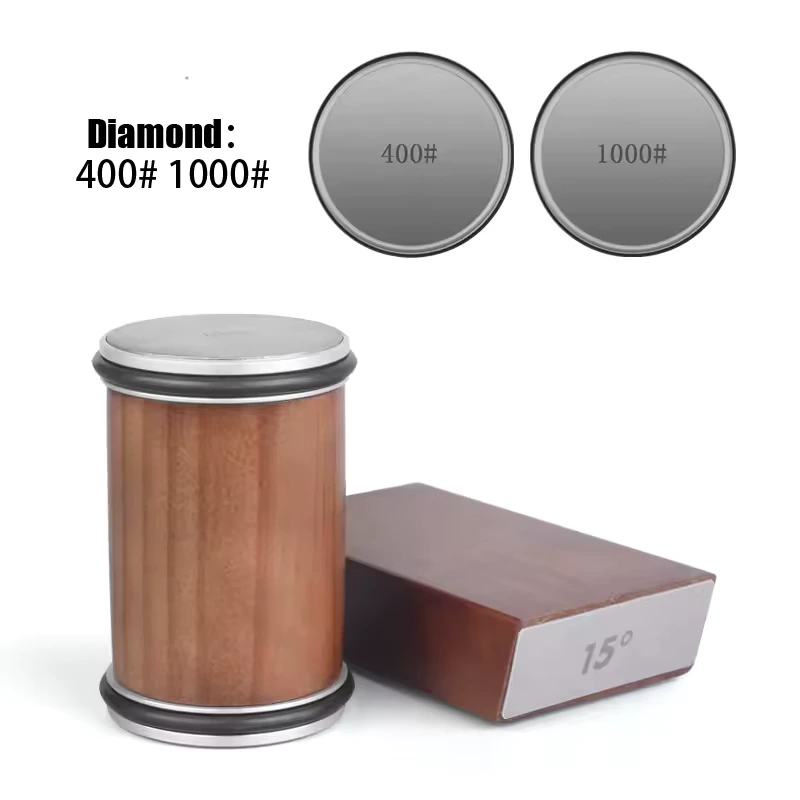 Magnetic Rolling Knife Sharpener£59.99View product →, which uses abrasive wheels instead of blades, giving a finer finish.
How to Sharpen a Kitchen Knife with a Magnetic Rolling Sharpener
Now, let us walk through the actual process of how to sharpen a kitchen knife using a magnetic rolling sharpener. The steps are simple, but you must follow them carefully to avoid damaging the blade or the sharpener.
What You Will Need
You need a sharpener like the Magnetic Rolling Knife Sharpener£59.99View product →, a damp cloth, and a clean knife. The sharpener should be placed on a stable, non slip surface. Most magnetic rolling sharpeners have a suction base; press it down firmly onto your countertop or chopping board.
Step 1: Prepare the Knife
Wipe the blade clean. Any food residue can clog the abrasive wheels. Also, check for any nicks or very blunt areas that might need heavier work. For general maintenance, a few passes will suffice.
Step 2: Select the Correct Slot
Magnetic rolling sharpeners typically have two slots: one for coarse sharpening (to restore the edge) and one for fine honing (to polish and refine). If your knife is very dull, start with the coarse side. For a knife that just needs a touch up, use the fine side only. The Magnetic Rolling Knife Sharpener£59.99View product → uses diamond coated wheels in the coarse slot and ceramic wheels in the fine slot, offering a clear progression.
Step 3: Position the Knife
Hold the knife by the handle. Place the heel of the blade into the slot, ensuring that the blade is perpendicular to the sharpener. The magnetic guide will pull the blade into the correct angle automatically. Do not force it. Let the magnet do its work.
Step 4: Pull Through Smoothly
Pull the knife through the slot towards you, keeping a steady, moderate speed. Do not rock the blade. The magnet holds the angle, so you only need to pull straight. Use gentle pressure, just the weight of the knife and your hand. Repeat this pull 3 to 5 times for each side. Some sharpeners have two separate slots for left and right handed users, but many have a single slot that handles both sides simultaneously. The Magnetic Rolling Knife Sharpener£59.99View product → has a single slot that sharpens both sides in one pull, making it very fast.
Step 5: Switch to the Fine Slot
After using the coarse side, move to the fine side and do the same number of pulls. This removes any burr and polishes the edge to a razor sharp finish. Run your finger lightly along the blade (carefully) to feel for any roughness. If it feels smooth, you are done.
Step 6: Clean and Test
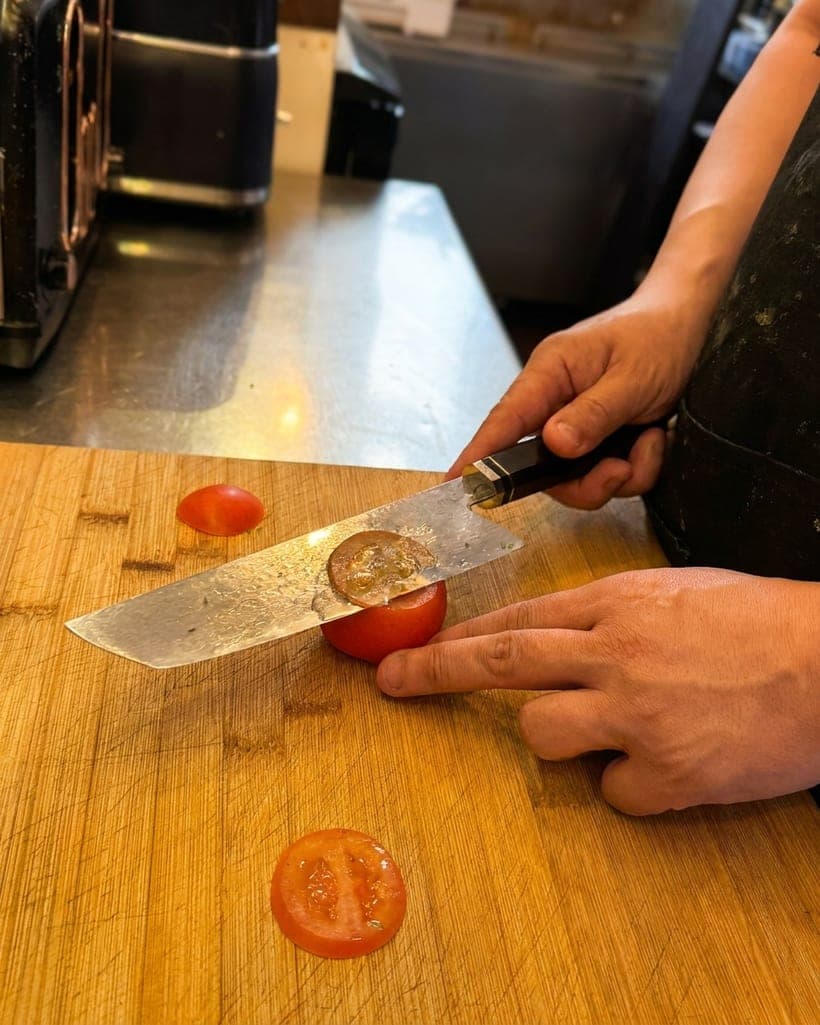
Wipe the knife again to remove any metal dust. Test the edge on a piece of paper or a ripe tomato. A properly sharpened knife should cut smoothly without tearing. If it struggles, you may need one or two more passes on the fine side.
Common Questions About Sharpening
Here are some frequently asked questions that cover the main concerns people have when they ask, 'how do you sharpen kitchen knives?'
How often should I sharpen my kitchen knife?
That depends on use. If you cook daily, a quick touch up every two to four weeks is ideal. With a magnetic rolling sharpener, it takes only a minute. For knives that see less use, once a month is enough. Avoid waiting until the knife cannot slice through a pepper; it will take more work to restore.
Can I sharpen any knife with a rolling sharpener?
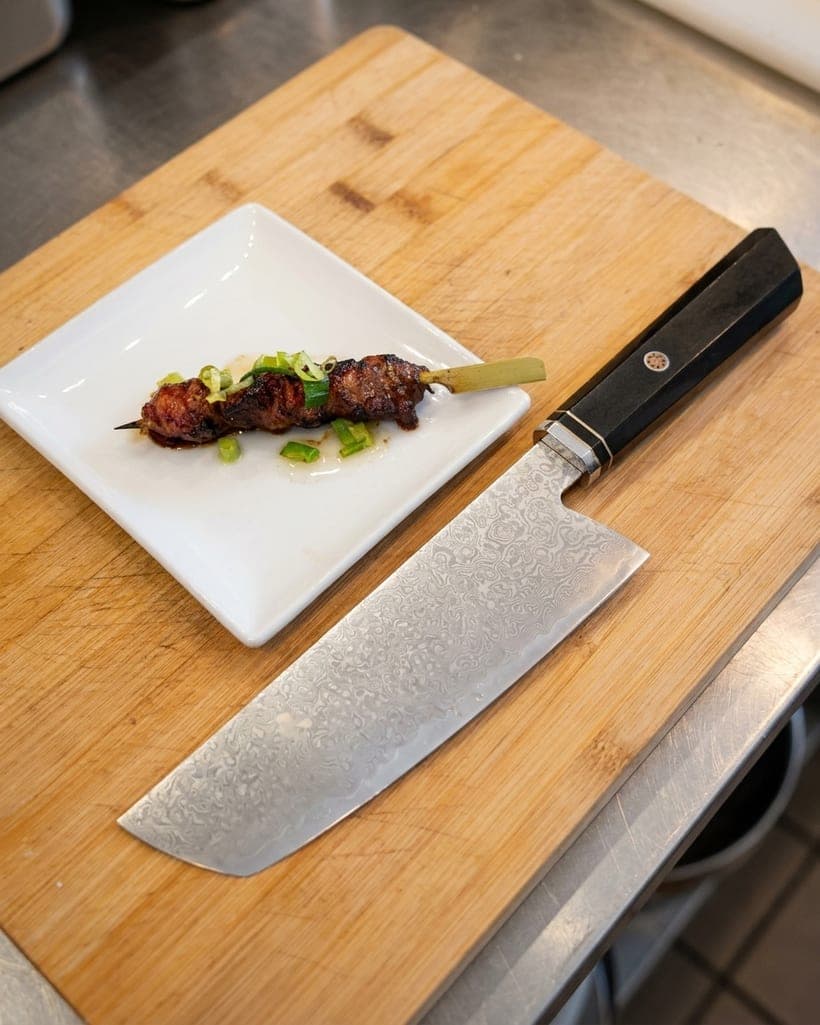
Most kitchen knives with a straight edge work well. Serrated knives require a different tool. For very hard Japanese knives (62 HRC and above), a magnetic rolling sharpener with diamond wheels is safe because it does not generate heat. The Magnetic Rolling Knife Sharpener£59.99View product → is designed for all kitchen knives, including high carbon steel and Damascus patterns like those on the Yoshii 8″ Damascus Steel Gyuto Knife 牛刀£79.99View product → and 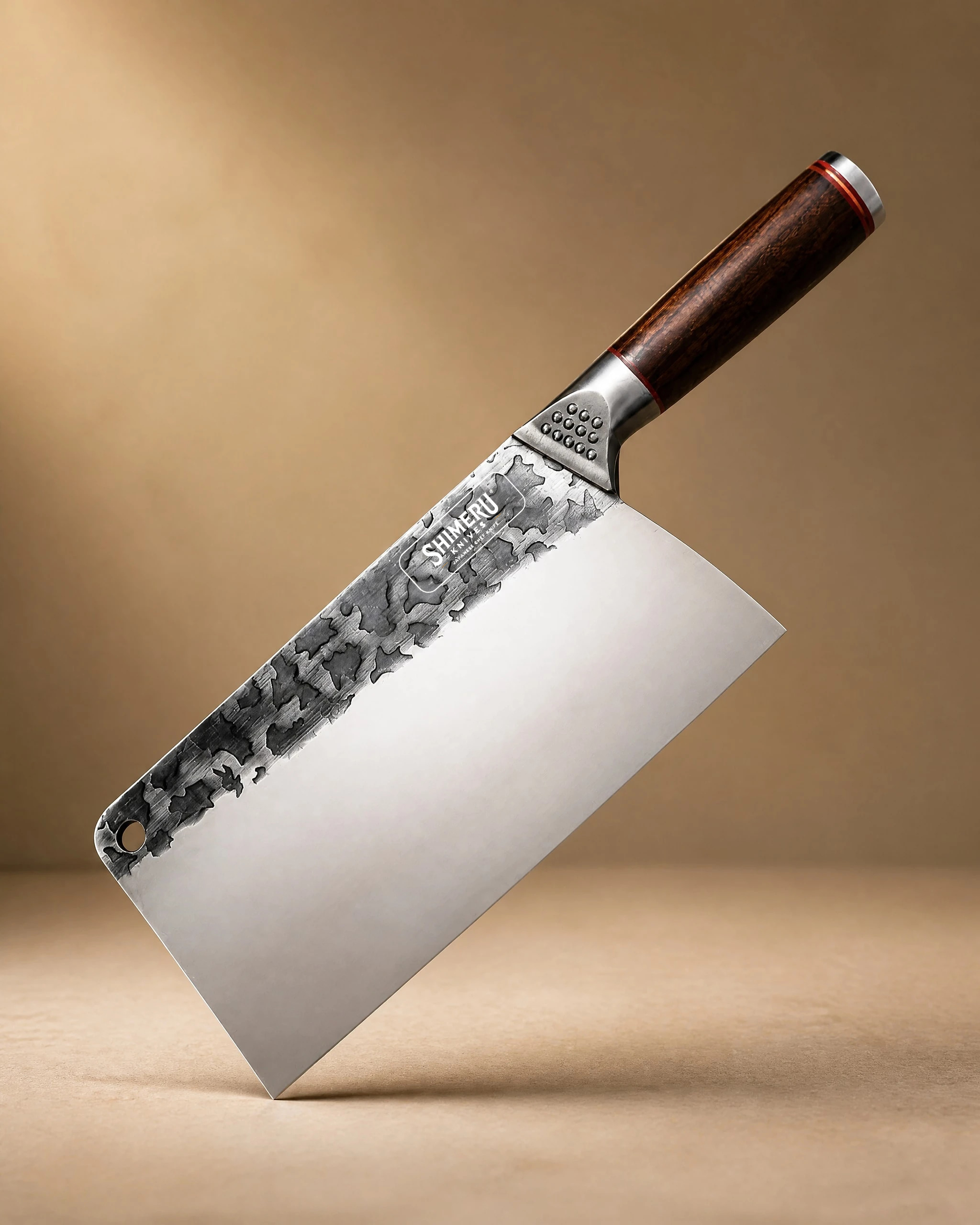 Saba 7" Stainless Steel Cleaver 中華包丁£44.99View product →.
What if my knife is extremely dull?
For a knife that has been neglected, you may need to repeat the coarse side process 8 to 10 times. You can also use a honing rod between sharpenings to maintain alignment. If the edge is chipped, you may need professional sharpening first.
Do I need water or oil with a magnetic sharpener?
No. These sharpeners are designed for dry use. The wheels are self lubricating. Using water or oil can damage the mechanism. Just pull the knife through clean and dry.
Choosing the Right Knife for Your Kitchen
Sharpening is only part of the equation. The knife itself matters. If you are looking for a versatile all rounder, a gyuto like the Yoshii 8″ Damascus Steel Gyuto Knife 牛刀£79.99View product → is an excellent choice. Its 8 inch blade and 67 layer Damascus steel make it ideal for slicing, dicing, and chopping. The wood and copper handle provides a secure grip. For heavier tasks like cutting through squash or thick meat, consider a cleaver such as the Saba 7" Stainless Steel Cleaver 中華包丁£44.99View product →. It is 8 inches of Japanese stainless steel with an African wedge hardwood handle, designed for meat, vegetables, and herbs. If you want a full set, the 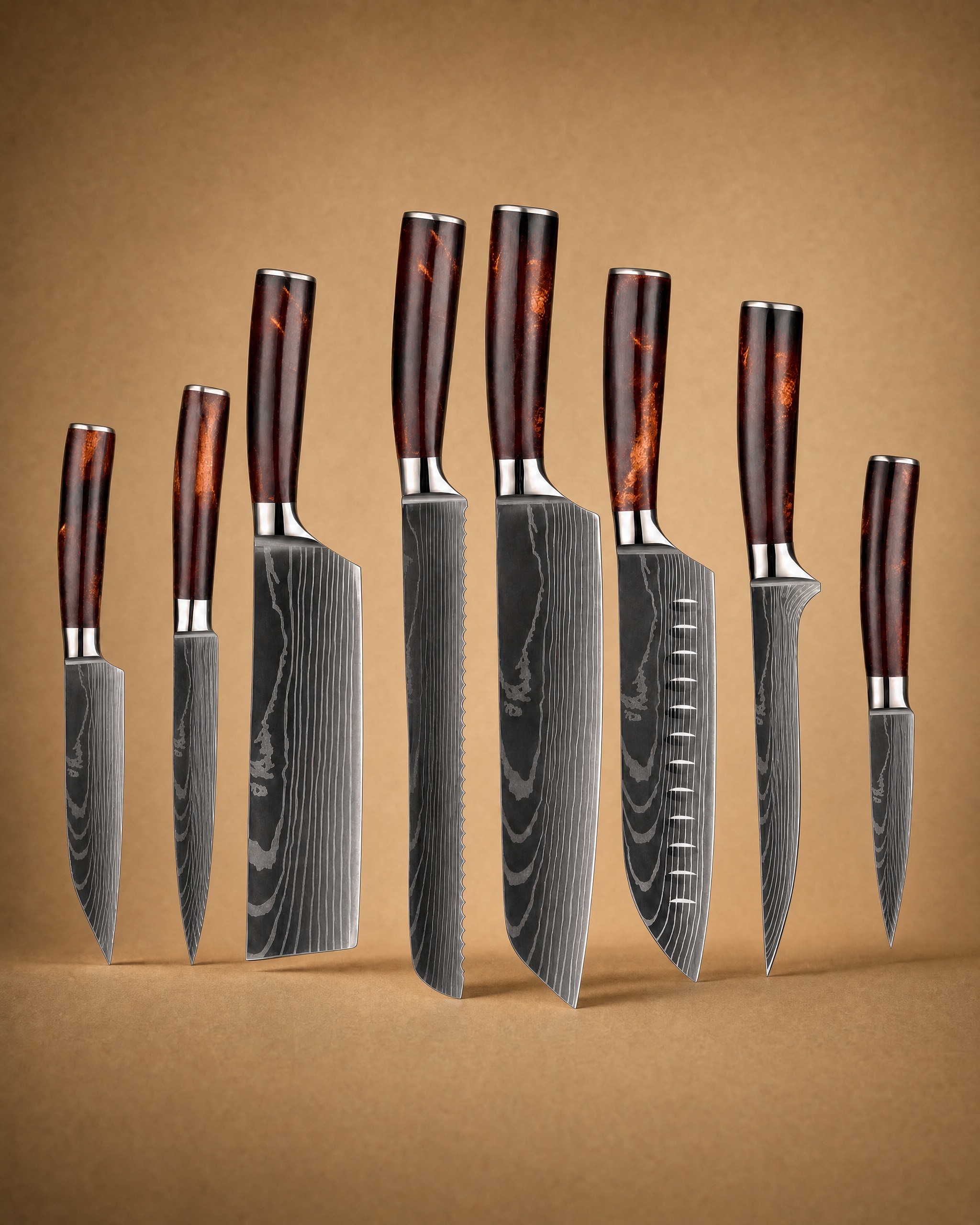 Asahi 朝日川 Damascus Pattern Stainless Steel Kitchen 8 Knife Set£154.99View product → offers a red resin handled set with high carbon steel, though we recommend starting with a single good knife and learning to sharpen it well.
No matter which knife you own, a reliable sharpener is essential. You can browse all our sharpening tools and knives on our main shop page or go directly to our sharpener category. For more tips on caring for your blades, see our knife care guide. And if you are unsure which knife to buy, our guide to choosing a knife will help.

Final Tips for a Lasting Edge
Sharpening your knives is a skill that becomes easier with practice. Here are a few extra pointers to get the most from your sharpener and your blade.
- Always pull the knife through the sharpener, do not push. Pushing can damage the edge or the abrasive wheels.
- Clean the sharpener after use. Many magnetic sharpeners have removable wheels that can be rinsed. Check the instructions for your model.
- Store your knives separately. A knife block or magnetic strip is far better than a drawer where blades can knock against other utensils.
- Use a cutting board that is kind to edges. Wood or soft plastic are best. Glass or stone boards will dull your knife very quickly.
Remember, a sharp knife is a safe knife. By learning how to sharpen a knife with a sharpener, you are investing in your cooking skills and your safety. Take a few minutes every few weeks to maintain your blades, and they will reward you with precise, effortless cutting for years.
Our final recommendation is to choose a sharpener that matches your skill level and the knives you own. The Magnetic Rolling Knife Sharpener£59.99View product → is a fantastic starting point. It is simple, fast, and gentle on expensive Japanese steel. Pair it with a high quality chef knife, and you will never struggle with a dull blade again.
Photography: Ksenia Makagonova via Unsplash.


