




How to Choose a Whetstone

Why a Whetstone is Essential for Kitchen Knives
A sharp knife is safer and more enjoyable to use than a dull one. While many sharpening tools exist, a whetstone (often called a knife sharpening stone) remains the preferred choice for achieving a truly razor-like edge. Unlike pull-through or electric sharpeners, a whetstone gives you precise control over the angle and finish, preserving the geometry of your blade. For Japanese kitchen knives in particular, which often have harder steel and thinner edges, a good whetstone is the best way to maintain performance without damaging the blade.
Whether you own a single gyuto or a full set of kitchen knives, understanding how to choose a whetstone will save you time, money, and frustration. This guide covers the key factors to consider so you can select the best whetstone for your knives and sharpening style.
Understanding Grit Levels
Whetstones are graded by grit, which indicates the size of the abrasive particles. Lower grit numbers are coarser, higher grit numbers are finer. For kitchen knife sharpening, you typically need a progression from coarse to fine.
Coarse Grit (200-600)
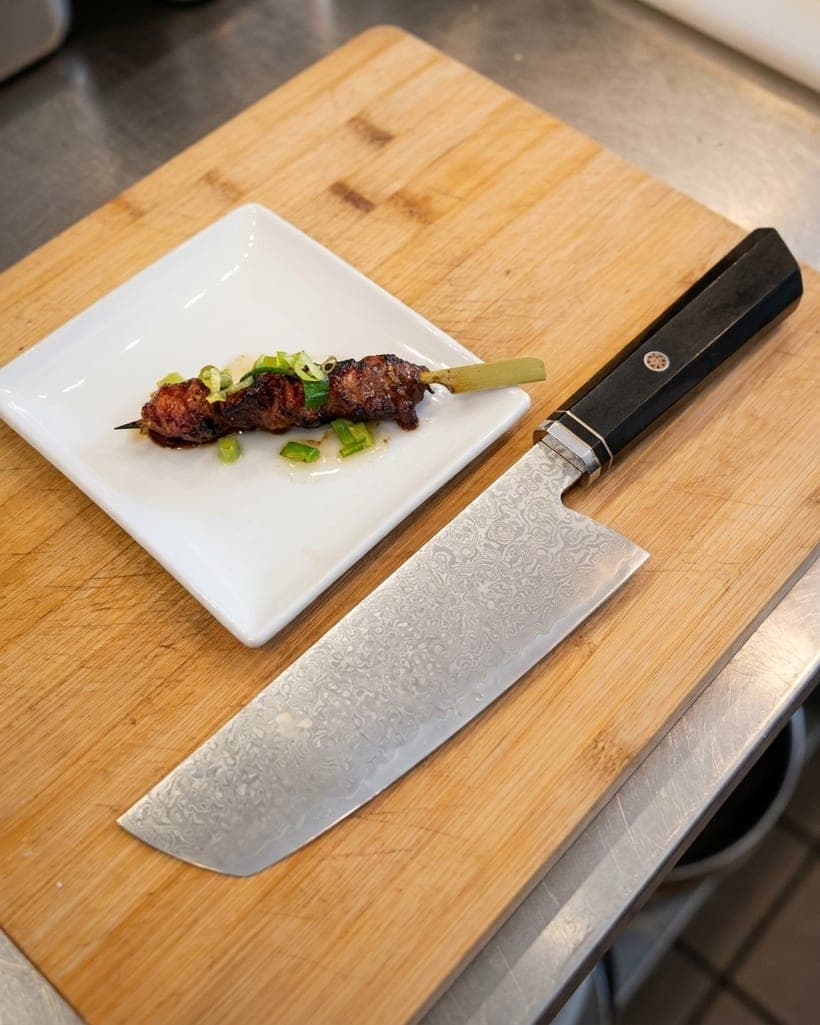
Use a coarse stone to repair damaged edges, remove chips, or reshape a badly dulled blade. This grit removes metal quickly to create a new edge. If your knife has been neglected or has visible nicks, start with a coarse stone around 300 to 400 grit. For a heavily used cleaver like the Saba (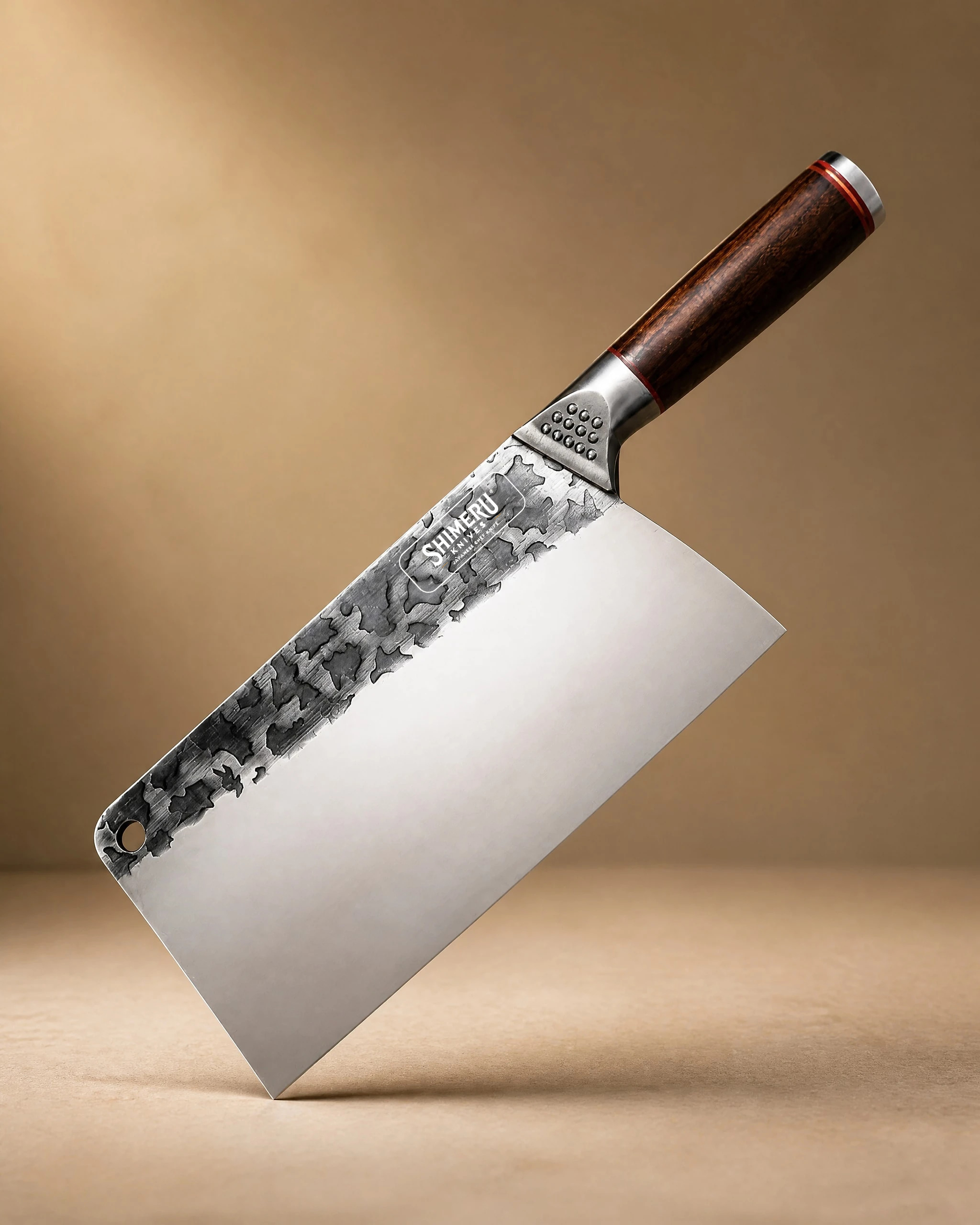 Saba 7" Stainless Steel Cleaver 中華包丁£49.99View product →), which may encounter bones or tough squash, a coarse stone is invaluable for re-profiling the bevel. Take care not to overuse coarse stones on thin Japanese knives, as they can remove too much steel.
Medium Grit (800-2000)
A medium grit stone is the workhorse of kitchen sharpening. It refines the edge after coarse sharpening and is sufficient for routine maintenance of moderately dull knives. For most home cooks, a 1000 grit stone is the ideal starting point. It balances cutting speed with a smooth finish, suitable for both stainless and carbon steel knives. The Yoshii (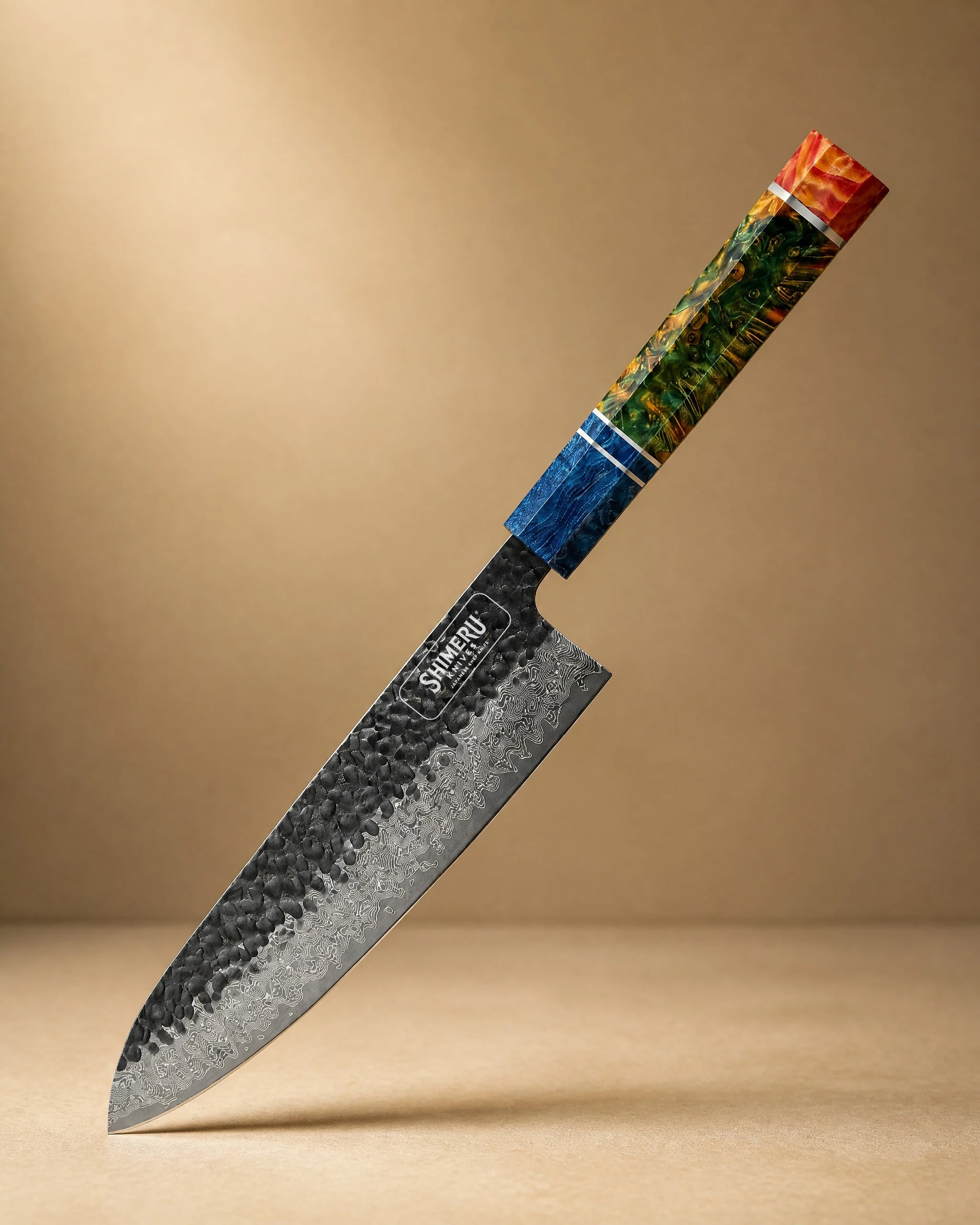 Yoshii 8″ Damascus Steel Gyuto Knife 牛刀£84.99View product →) with its 67-layer Damascus steel responds beautifully to a 1000 grit stone, achieving a keen edge without excessive scratching. Similarly, the Sendai (
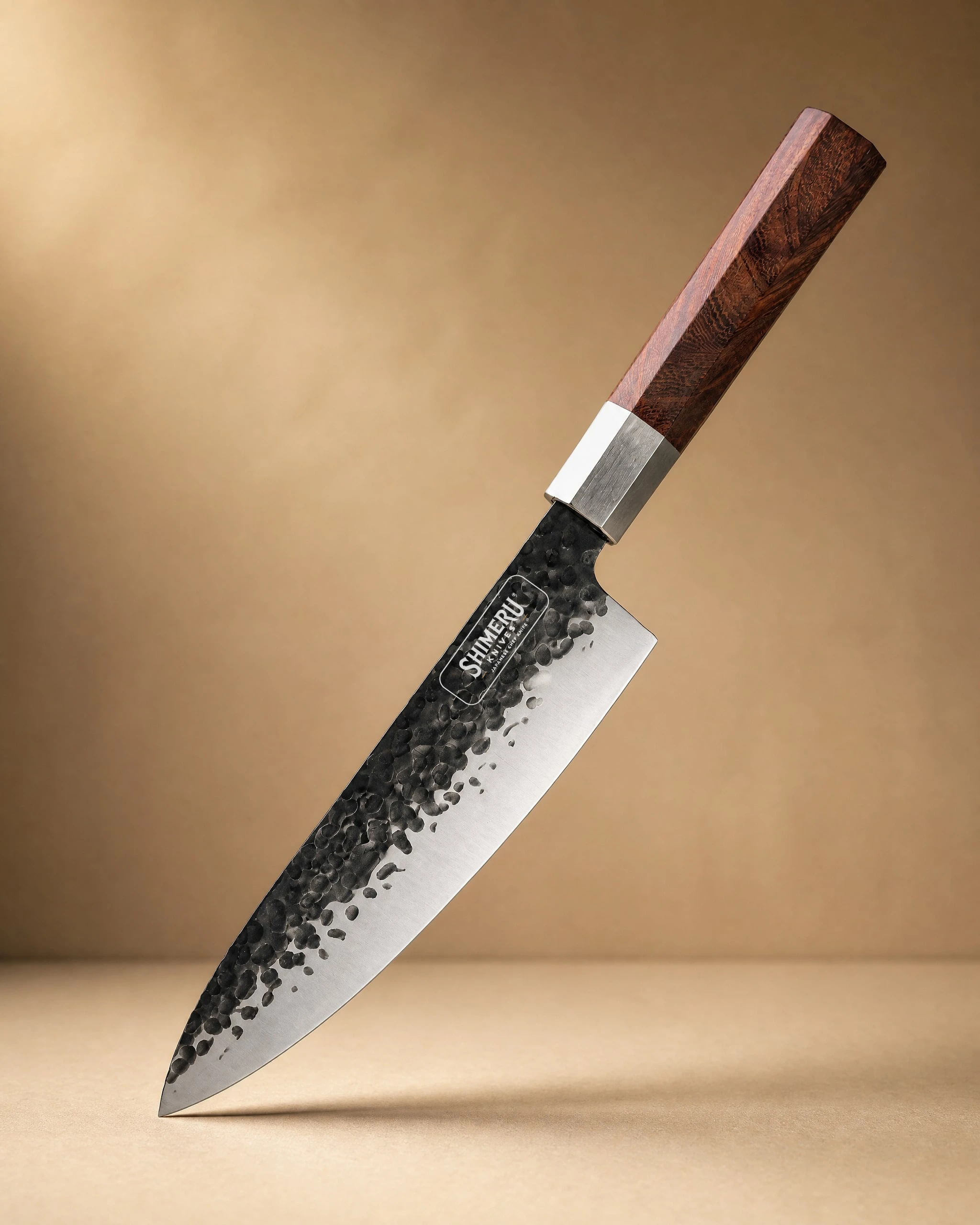 Sendai 8" Steel Gyuto Knife 牛刀£54.99View product →) benefits from a medium stone to bring out its versatile performance across vegetables and meat.
Fine Grit (3000-8000+)
Fine grit stones polish the edge to a mirror finish and remove the burr left by earlier steps. A 3000 to 6000 grit stone will give you a sharp, smooth edge that glides through food. For knives used for precision slicing, such as a sashimi knife, an even finer stone (8000 grit) can be used, though most home kitchens do not need to go beyond 6000. The Shinano set (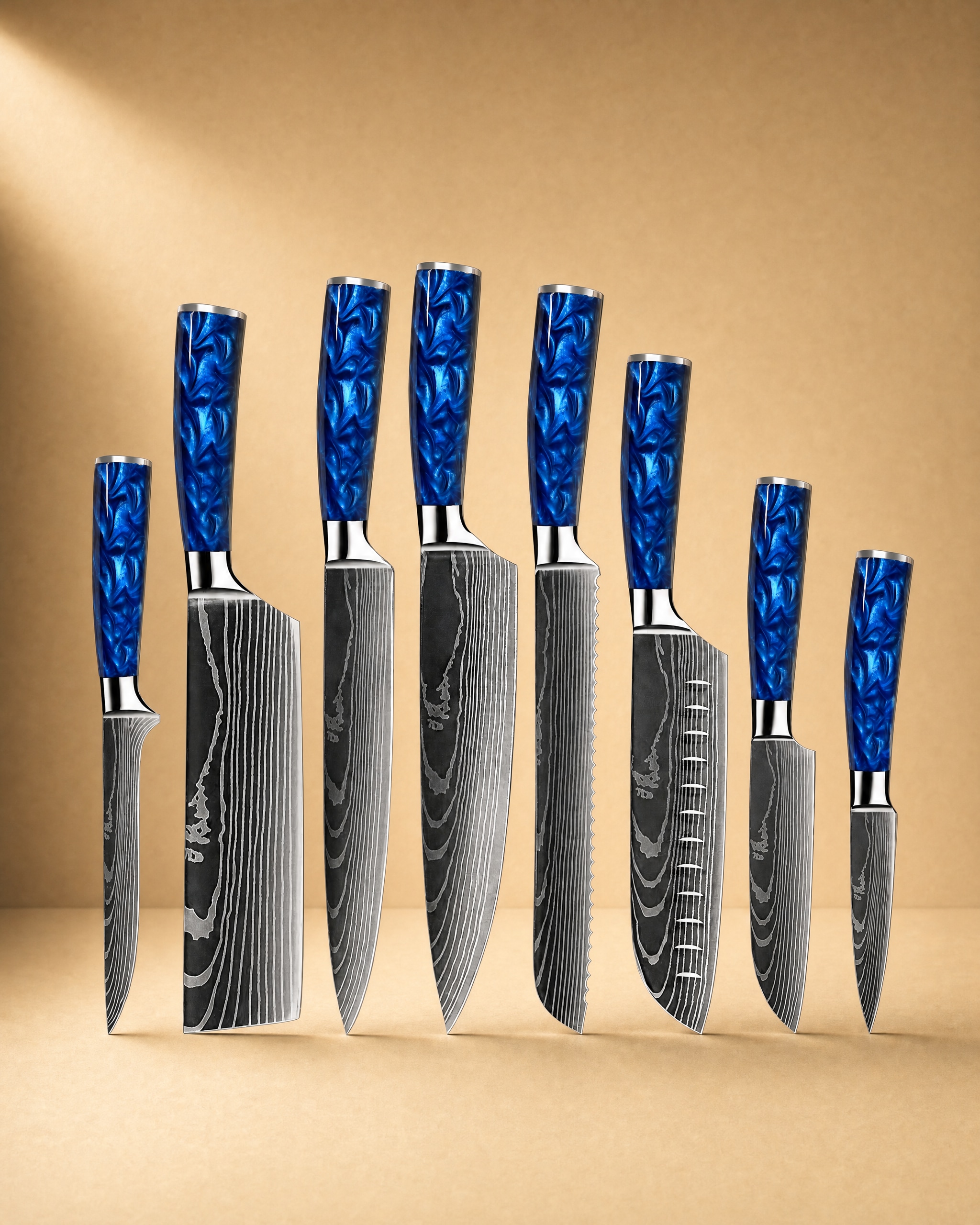 Shinano 信濃川 Damascus Pattern Stainless Steel Kitchen 8 Knife Set£154.99View product →), with its high-carbon stainless steel, will shine after a 6000 grit polish, producing a burr-free edge perfect for delicate tasks.
Types of Whetstones: Water Stones, Oil Stones, and Diamond Stones
While the term "whetstone" technically covers any natural or synthetic sharpening stone, the most common type for Japanese knives is the water stone. Oil stones are also available but are less popular for kitchen knives today because they require oil, which can be messy and less compatible with Japanese steel. Diamond stones offer fast cutting but require careful handling as they can be overly aggressive on fine edges.
Water stones are porous and must be soaked in water before use. They release abrasive particles during sharpening, creating a slurry that aids cutting and polishes the edge. They are available in a wide range of grits and are suitable for nearly all kitchen knives. Soaking times vary from a few minutes to 30 minutes depending on the stone. A good water stone will maintain its flatness longer than a cheaper alternative.
Some modern water stones are "splash-and-go," meaning they require only a quick spray of water and do not need soaking. These are convenient for quick touch-ups but can be more expensive than traditional soaking stones. Both types work well; choose based on your workflow and whether you prefer to plan ahead.
Key Factors When Choosing a Whetstone
Beyond grit and type, consider these practical factors:
- Stone size: A stone should be longer than the length of your knife blade. Standard kitchen stones are around 200x70mm. Larger stones (e.g., 250mm) make sharpening easier and reduce the need to adjust the stroke, especially for longer blades like a 210mm gyuto. If you own multiple knives, a larger stone is a worthwhile investment.
- Hardness: Softer stones release grit faster, cutting quickly but wearing down sooner. Harder stones last longer but feel smoother. For beginners, a medium-hard stone (e.g., 1000 grit with a JIS hardness of around 3-4) is a good compromise. For stainless steel knives like the Sendai (Sendai 8" Steel Gyuto Knife 牛刀£54.99View product →) or the Saba cleaver, a harder stone reduces gouging. For Damascus steel like the Yoshii (Yoshii 8″ Damascus Steel Gyuto Knife 牛刀£84.99View product →), a slightly softer stone can produce a finer slurry to reveal the pattern.
- Soaking requirement: If you want convenience, choose a splash-and-go stone. If you don't mind planning ahead, a soaking stone often offers better value and performance. Soaking stones also tend to be more forgiving for beginners because they release grit more generously.
- Budget: You can find decent entry-level stones for around £20-30. For a complete set (coarse, medium, fine), expect to spend £60-100. The best whetstone for you is one that fits your knife set and sharpening frequency. If you only sharpen once a month, a single medium stone may be enough.
Matching Your Whetstone to Your Knives
The knives you own influence the grit progression and stone type you should choose. For example, a high-carbon Damascus steel knife like the Yoshii 8″ Damascus Steel Gyuto Knife 牛刀£84.99View product → has a very hard edge (around 60-62 HRC). It needs a sharpening stone that cuts effectively without causing micro-chipping. A medium grit water stone (1000) followed by a fine stone (3000-6000) will keep this gyuto performing beautifully. Avoid coarse stones unless the edge is damaged. The wood and copper handle of the Yoshii also means you should avoid soaking the entire knife; use a wet cloth on the blade only if the handle is not fully sealed.
For a stainless steel cleaver such as the Saba 7" Stainless Steel Cleaver 中華包丁£49.99View product →, which is used for chopping through bones and dense vegetables, a coarser stone (400-800 grit) may be more practical for initial shaping, followed by a medium stone for a working edge. The African Wedge hardwood handle of the Saba is robust and can handle occasional moisture, but still wipe it dry after sharpening. This knife suits heavy-duty users who need a tough, forgiving edge.
If you own a versatile knife like the Sendai 8" Steel Gyuto Knife 牛刀£54.99View product → (which handles vegetables, herbs, meat, and fish), a single 1000 grit stone may be sufficient for most maintenance. Add a 3000 grit stone for a finer finish if you prefer. The Mkuruti wood handle is attractive but can be sensitive to prolonged soaking; keep water away from the handle. This knife is ideal for home cooks who want one knife to do everything and need a straightforward sharpening routine.
Those who have a set like the Shinano 信濃川 Damascus Pattern Stainless Steel Kitchen 8 Knife Set£154.99View product → will benefit from a two-stone combination: a medium for sharpening and a fine for honing. The Blue Resin handle is waterproof and low-maintenance, so you can focus on technique. The high-carbon steel takes a keen edge but may stain if not dried immediately. This set suits cooks who like to prepare a variety of foods and enjoy a polished edge.
For more guidance on selecting the right knife for your needs, see our knife guide. And once you have a whetstone, proper maintenance will extend its life, learn how in our knife care advice.
Caring for Your Whetstone
A whetstone is an investment. To keep it flat and effective, you need to flatten it periodically using a flattening stone or a diamond plate. A dished stone will produce an uneven edge, making it difficult to maintain a consistent angle. Flattening after every three to five uses is a good habit. Store your stone in a dry place, and never leave it soaking for extended periods (unless the manufacturer says it is safe). After use, rinse off the metal and abrasive residue, and allow it to air dry before storing. For stones that come with plastic cases, always dry the stone before putting it back inside to prevent mould.
Also consider the stone's base: use a non-slip mat or damp cloth underneath to keep it from sliding during sharpening. This small step improves control and safety.
A Brief Note on Technique
Sharpening on a whetstone requires practice. The basic motion is to hold the knife at a consistent angle (usually 15 degrees for a Japanese knife) and draw it across the stone from heel to tip. Start with the coarsest stone needed, work on one side until a burr forms, then repeat on the other side. Progress to finer grits, always removing the burr with each step. Use light, even pressure. Over time, you will develop a feel for the process. Beginners should aim for a consistent angle rather than speed.
For a detailed walkthrough of technique, our knife care guide has step-by-step instructions. Remember that a good whetstone only performs as well as the technique applied to it. Practice on a cheap knife first if you are unsure.

Final Thoughts
Choosing a whetstone is not complicated once you understand the basics. Start with a good quality medium grit stone (1000) and add a finer stone (3000-6000) as your skills grow. Consider the steel and hardness of your knives, and decide whether you prefer a soaking stone or a splash-and-go option. A well-chosen whetstone will keep your Japanese kitchen knives sharp for years, making every prep session more enjoyable. For a full selection of knives to pair with your new stone, browse our knife collection.
Photography: Alexey Demidov via Unsplash.


