

Handmade Japanese Kitchen Knives Guide

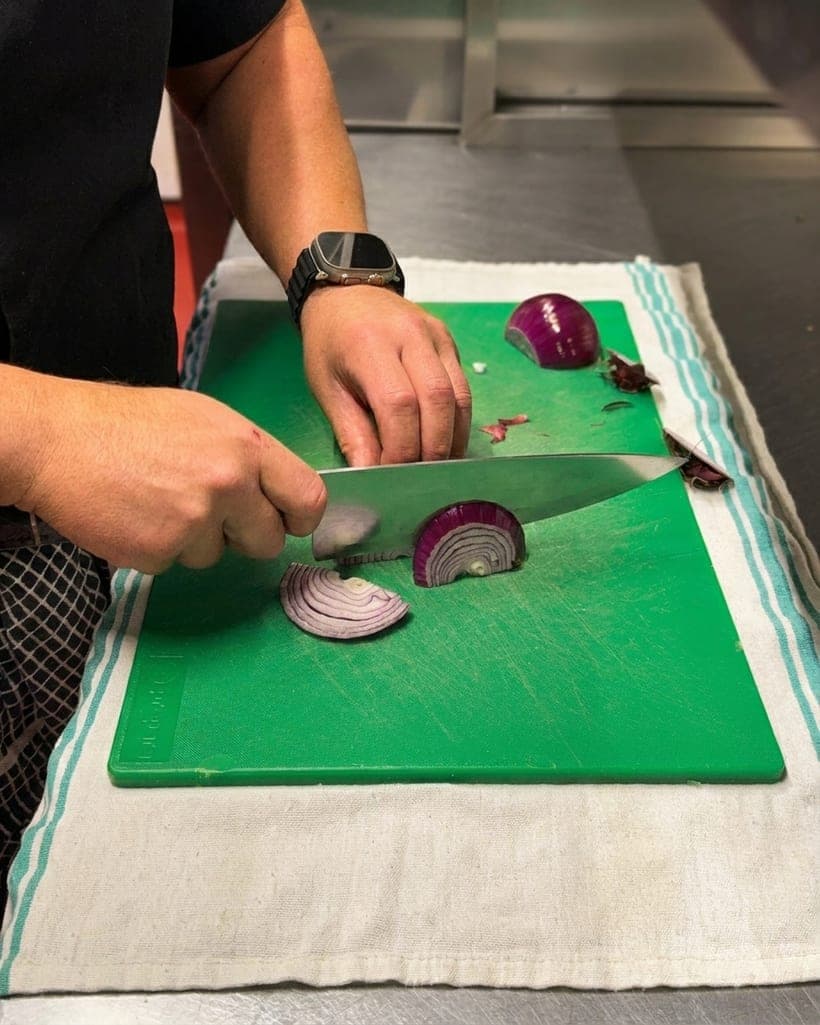
There is a moment, somewhere around the third onion, when a knife stops feeling like a tool and starts feeling like part of your hand. It does not happen with every knife. It happens when the blade is thin enough, hard enough and balanced in the right place, and that combination is much easier to find among handmade Japanese knives than among mass produced ones.
This guide explains what you are actually paying for, how to read the differences between blades, and which styles suit which jobs. No hype and no mystique, just the things that matter when you are deciding where to spend your money.
What handmade really means in Japan
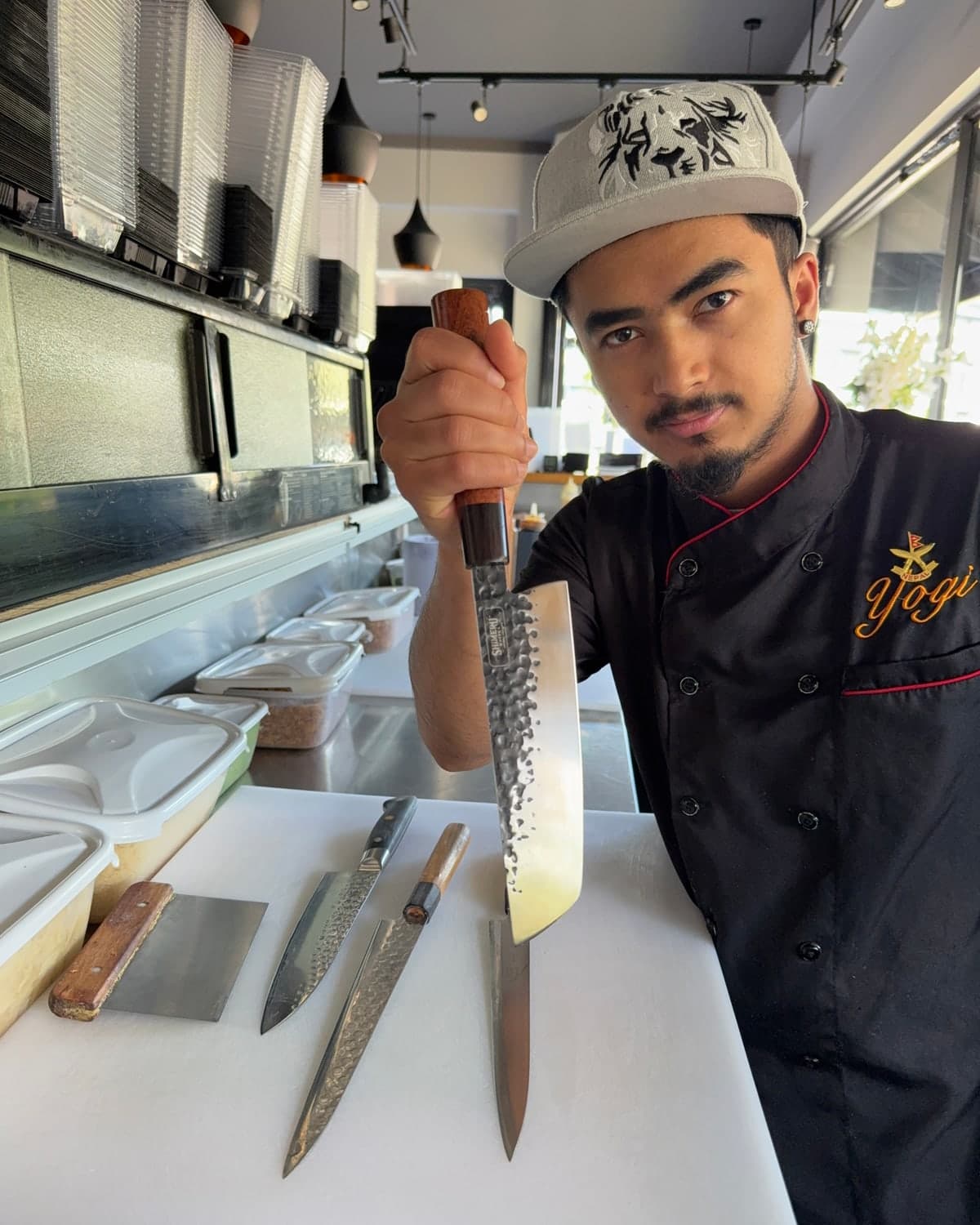
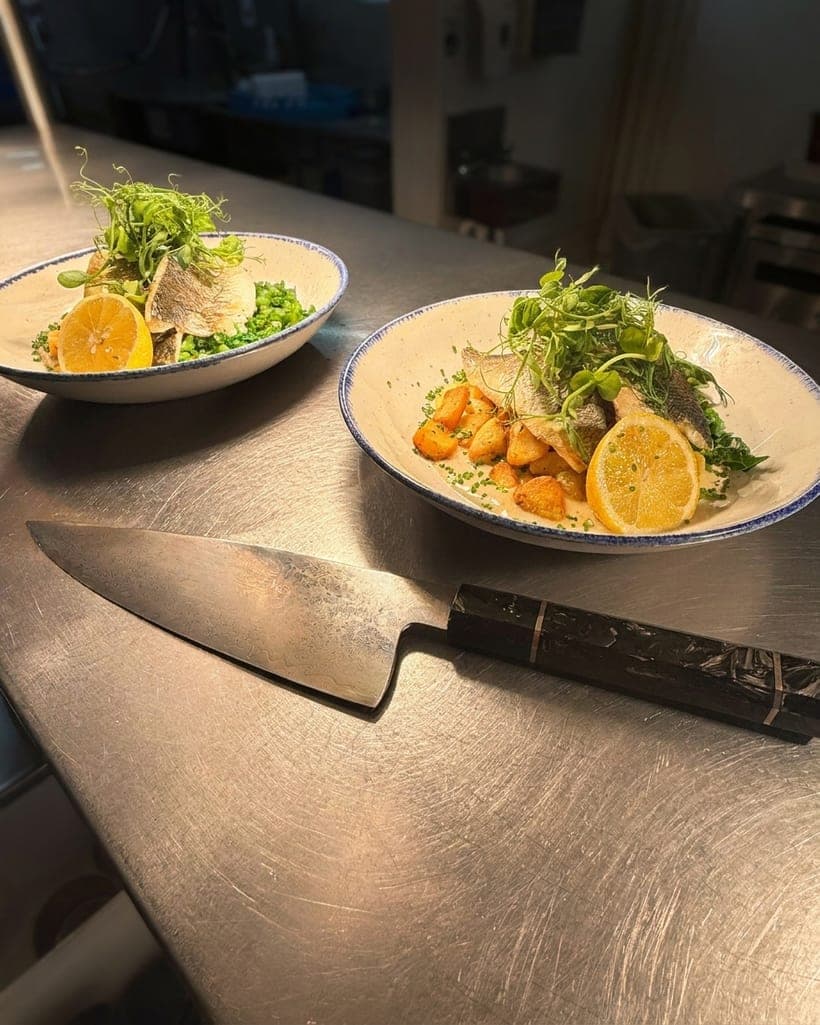
The word covers more than you might expect. Very few Japanese knives come from one person working alone. Most come from a small workshop where the work is divided between specialists: one person forges and heat treats the blade, another grinds the bevels, another fits the handle, and a final sharpener puts the cutting edge on. That chain of hands is what people mean by handmade Japanese knives, and it is the reason a well made blade can cost several times more than a factory knife of the same size.
The money does not buy romance. It buys a thinner edge, harder steel, a grind that has been checked by eye rather than by a machine, and a handle fitted to a particular blade rather than pulled from a bin. Those things show up in the cut.
Regions have their own reputations as well. Seki is known for stainless steel and Western style blades, Sakai for traditional single bevelled knives, Sanjo and Tsubame for heavier, harder working blades, and Tosa for value at the more accessible end. None of that is an absolute rule, but knowing where a knife was made tells you something about the assumptions behind its design.
The steel is only part of the story
Roughly speaking, you will meet three families of steel.
Carbon steels, often named with colour codes such as white paper or blue paper, take the keenest edge and are the easiest to sharpen. They also discolour and can rust if you leave them wet. A grey or blue patina forms with use, and most owners stop worrying about it once they have seen it develop.
Stainless steels give up a little of that ultimate sharpness in exchange for far less maintenance. They are the sensible starting point if you know you will not dry a blade the moment you finish with it.
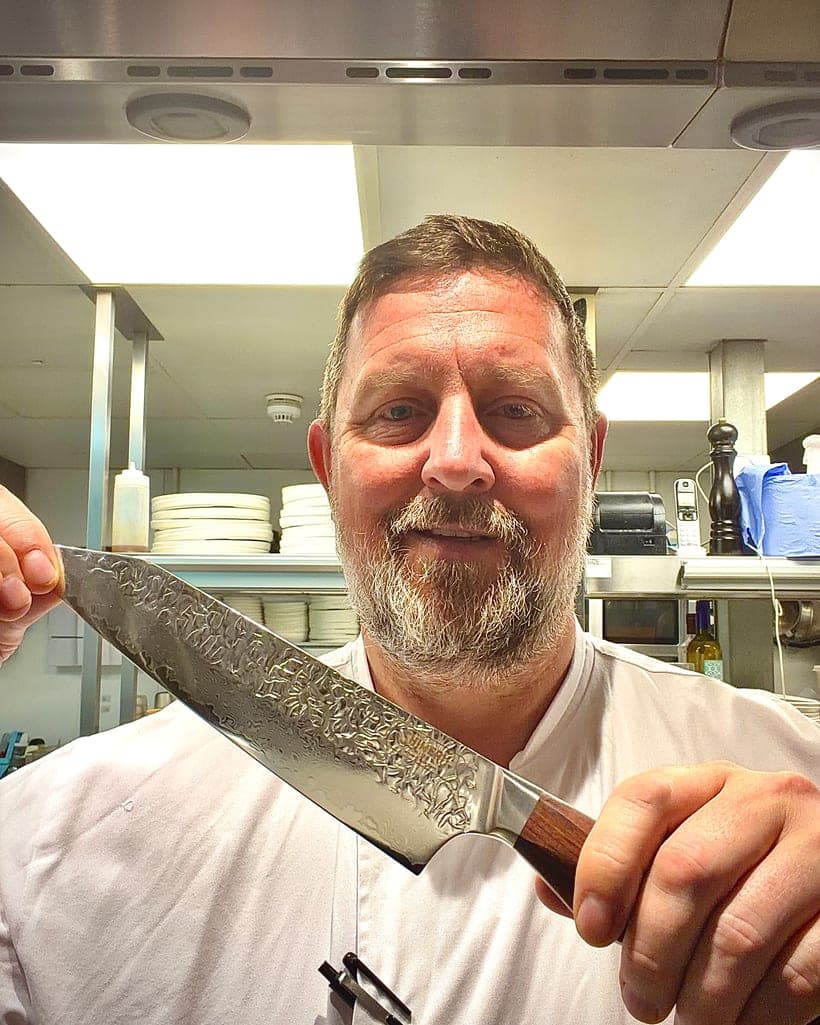
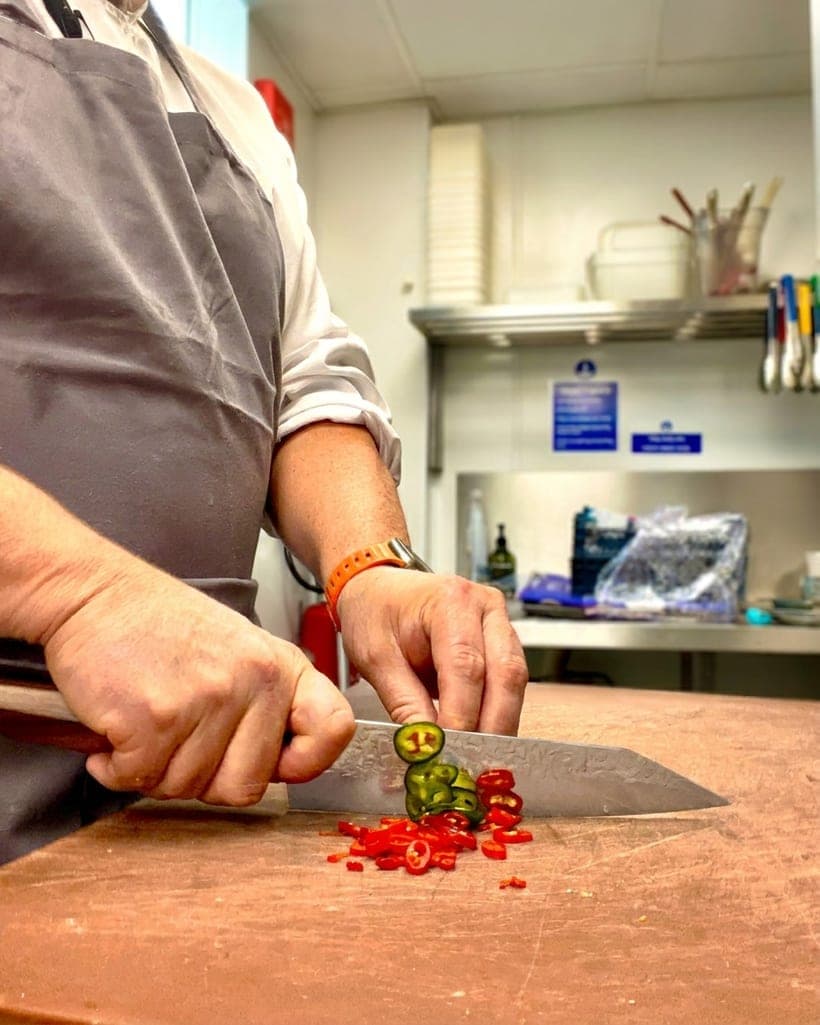
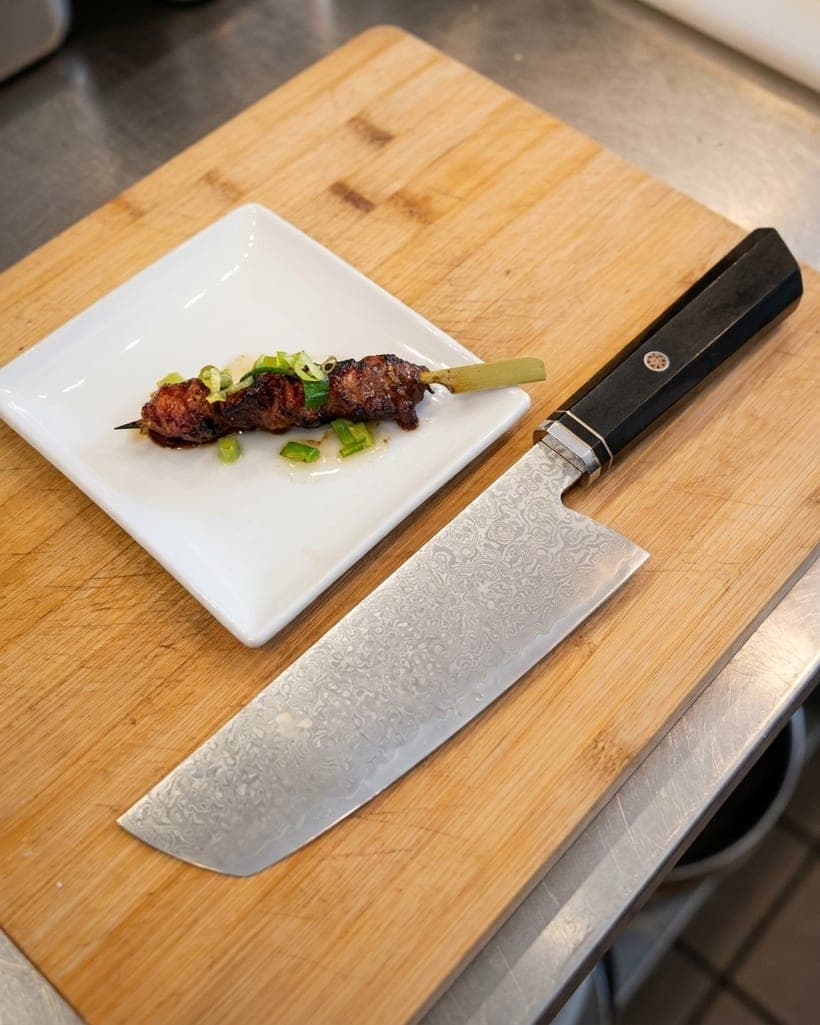
Clad blades, sometimes called san mai, sandwich a hard core between softer layers of steel. You get the hard cutting edge with a tougher, more forgiving body, and the layering is often what produces the wavy patterns you see on a finished blade. The pattern is a result of how the steel was forged, not a coating applied afterwards.

Grind and geometry decide how a knife cuts
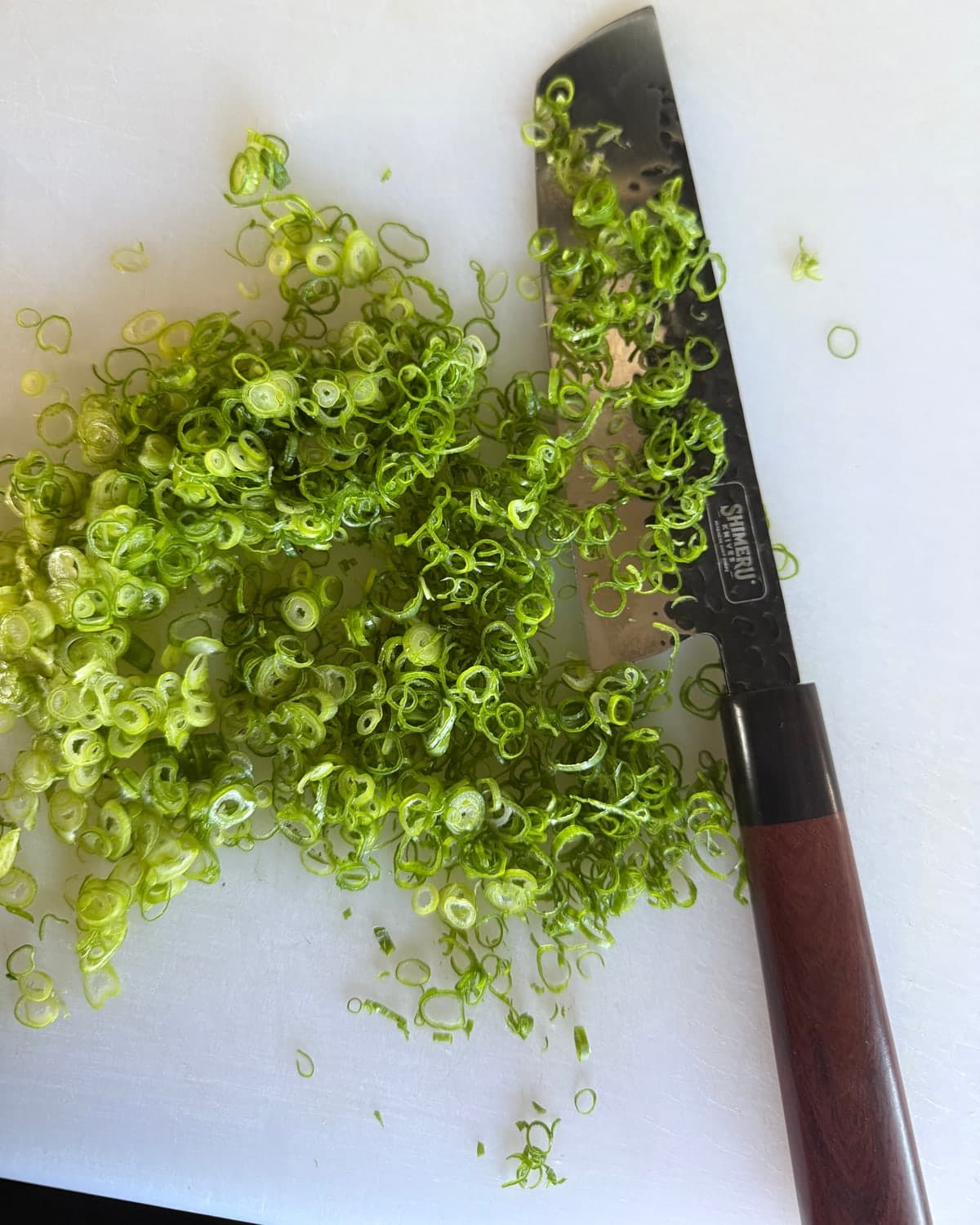
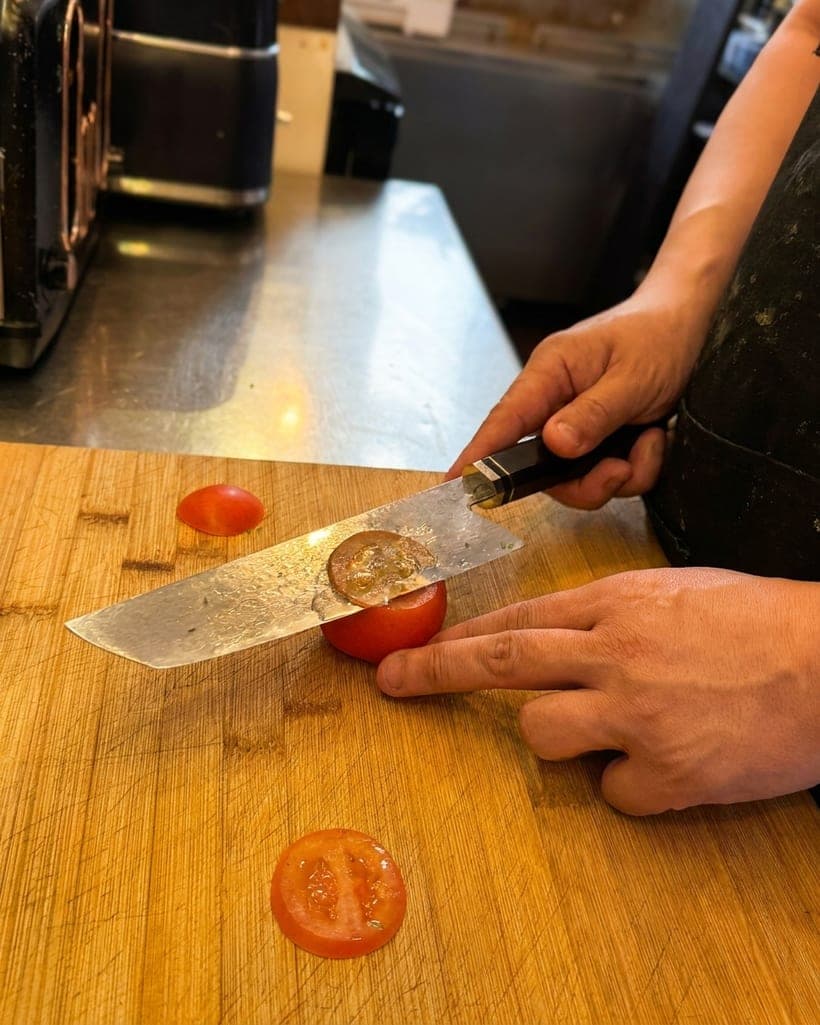
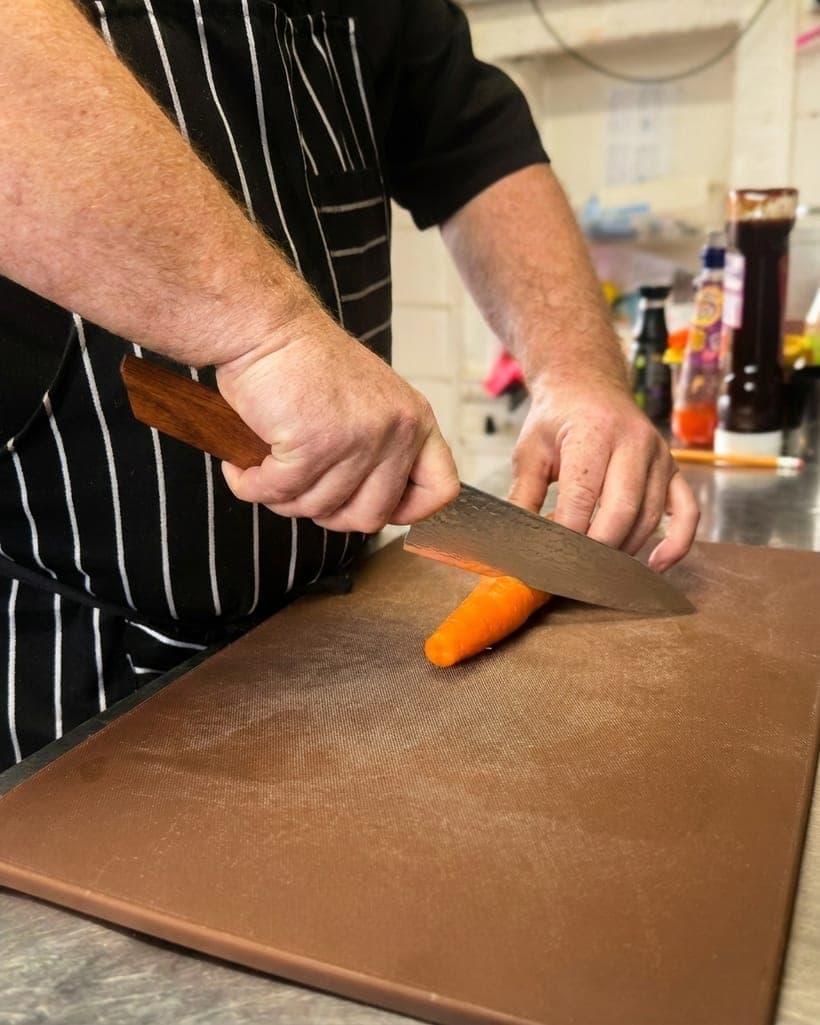
Steel gets the attention, but geometry does most of the work. Two knives of identical steel can behave completely differently depending on how thin the blade is behind the edge and how the bevels are shaped. A thin blade with a gentle convex grind falls through onions and carrots with almost no resistance. A thicker, more robust blade will not cut quite as freely, but it will survive contact with a butternut squash without chipping.
Most Japanese kitchen knives are double bevelled, meaning both sides are ground symmetrically. Traditional single bevelled knives, used for slicing fish and for some vegetable work, are a specialist purchase and need a different sharpening technique. If you are building a general kitchen knife collection, double bevelled blades are where you should start.
Handles, balance and the feel in the hand
Japanese handles, usually called wa handles, are lighter than Western ones and shift the balance of the knife forward, towards the blade. That forward weight encourages a pinch grip and a slicing motion rather than a rocking chop. Western style handles push the balance back into the palm and suit a firmer, more downward cut.
Neither is better. What matters is that the handle suits your hand and that the balance point sits where your grip naturally falls. A knife that is technically excellent but feels wrong in your hand will spend its life in the drawer.
Handle materials vary widely, from simple magnolia to dense tropical hardwoods, and each has its own weight and grain. If you want a handle that is as individual as the blade, pay attention to this part of the specification rather than treating it as decoration.
Matching the blade to the job
A single knife can do a great deal, but some jobs are much easier with the right shape, and a few minutes spent thinking about your own cooking will narrow the field quickly.
For heavy work, the 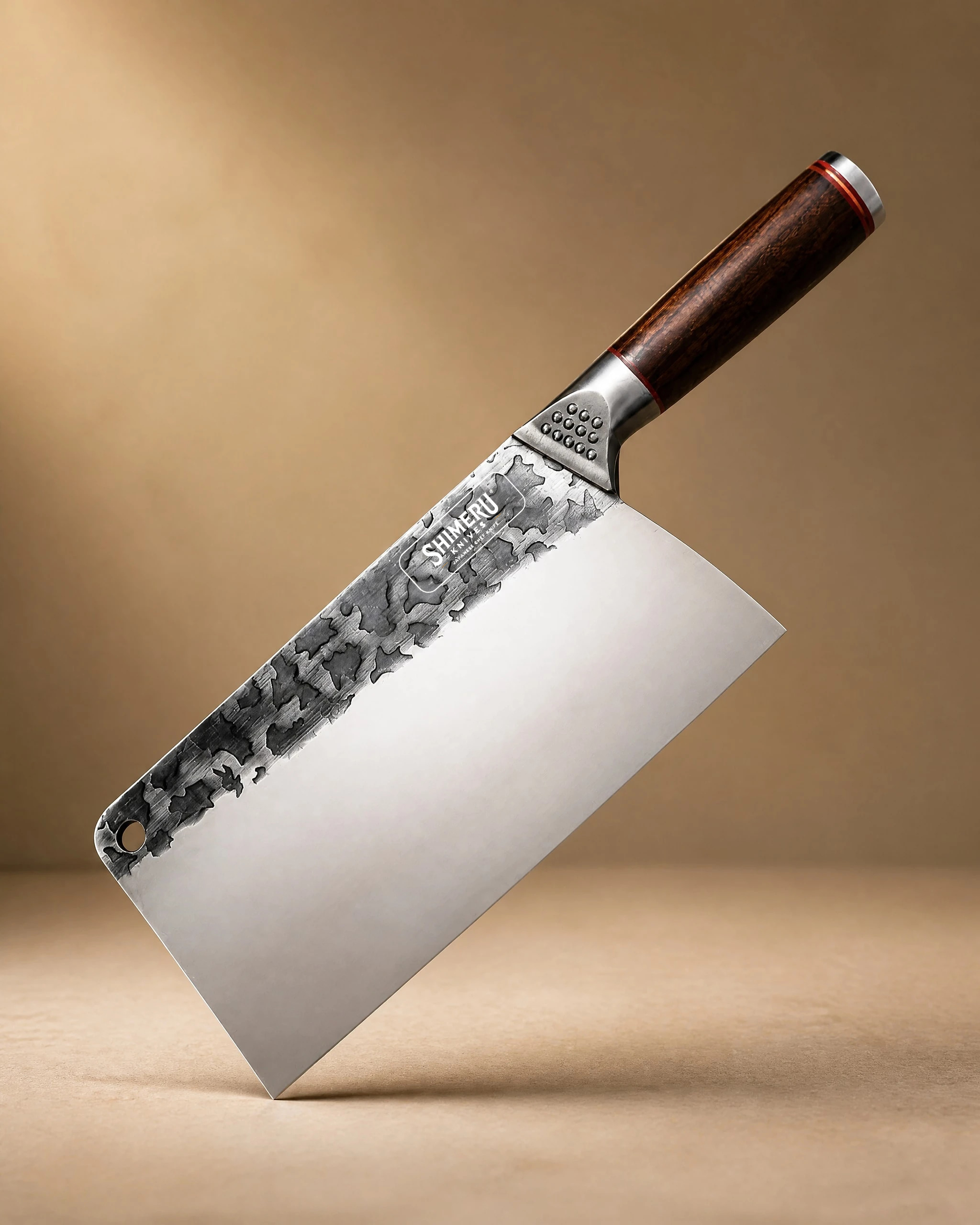 Saba 7" Stainless Steel Cleaver 中華包丁£44.99View product → is a Chinese style blade that handles meat, vegetables and herbs with equal ease. The deep body gives you room to gather what you have chopped, which is why cooks who use one tend to keep using one.
For bread, the 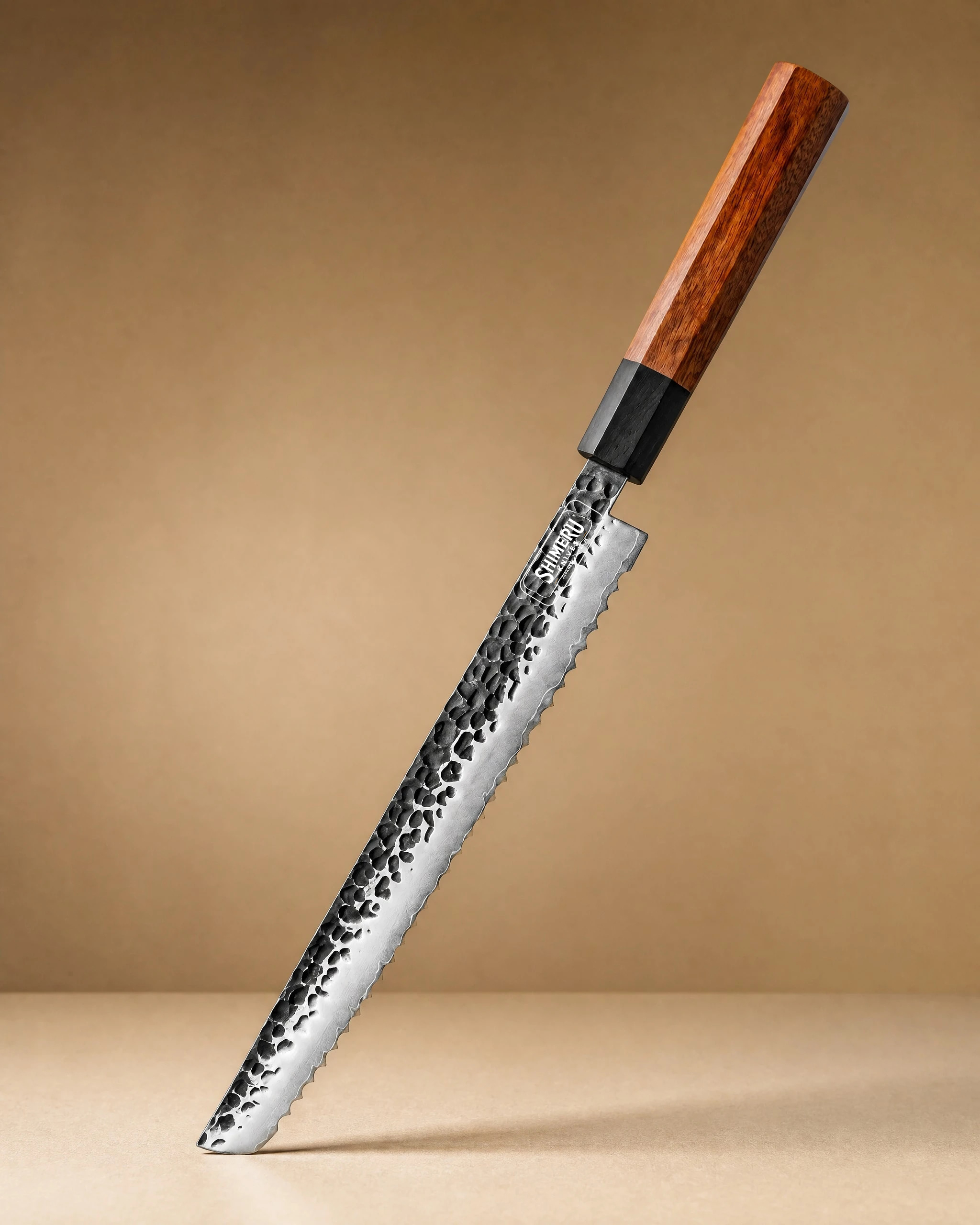 Rumoi 10" Japanese Bread Knife パン切りナイフ£59.99View product → gives you the length and the edge to get through a hard crust without crushing the soft crumb inside. Anyone who has flattened a sourdough loaf with the wrong knife will understand why a proper bread knife earns its place.
If you would rather not build a collection one knife at a time, the 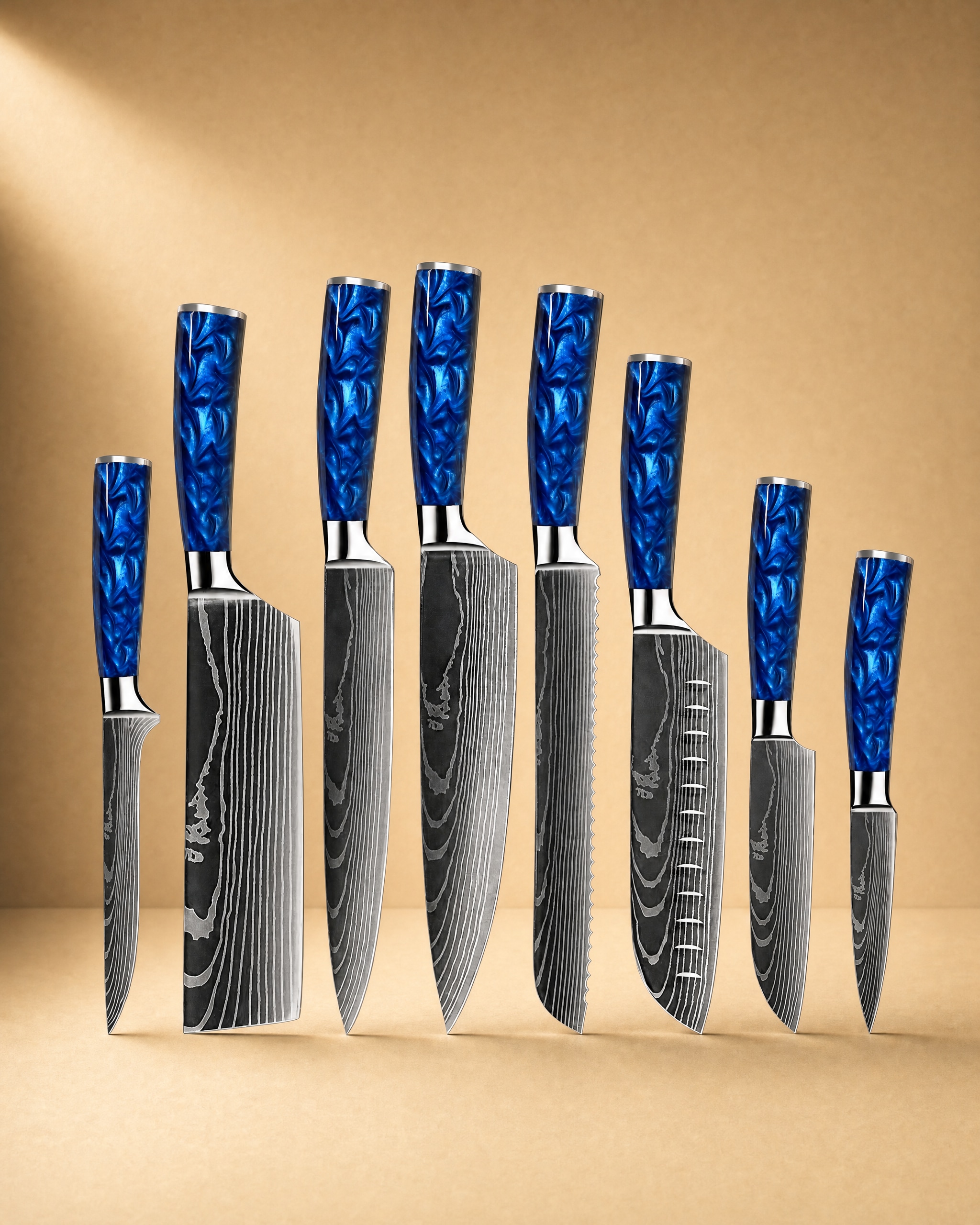 Shinano 信濃川 Damascus Pattern Stainless Steel Kitchen 8 Knife Set£149.99View product → brings eight pieces together, which suits a busy household where several people cook and different jobs come up in the same evening.
And for keeping all of it in condition, the 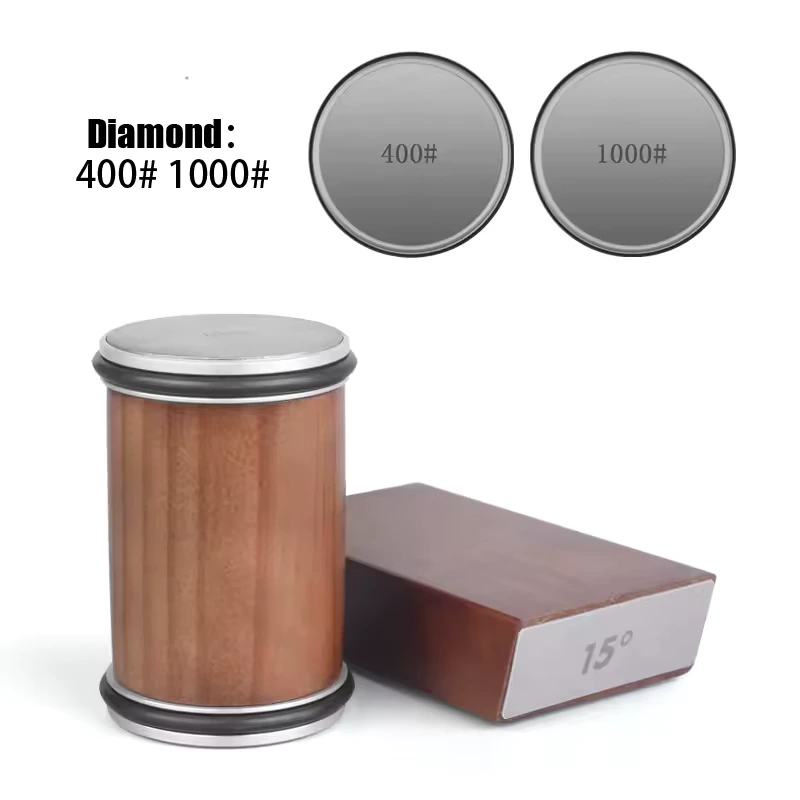 Magnetic Rolling Knife Sharpener£59.99 · currently out of stockView product → is a guided option for anyone who would rather not learn freehand sharpening on water stones straight away. It will not teach you the feel of a stone, but it removes some of the guesswork in the meantime.
How to choose your first handmade Japanese knife
Start with one knife rather than a set. A chef's knife of around 180mm to 210mm handles the overwhelming majority of what a home kitchen asks for: long enough for cabbage, short enough for shallots.
Decide first whether you want carbon or stainless. If you are honest with yourself about maintenance, the choice makes itself. Then think about weight. A light knife rewards a gentle, deliberate technique, while a heavier one tolerates a more relaxed approach. There is no prize for choosing the lighter blade.
If you want help narrowing it down, our knife guide walks through the main shapes and what each one is for.
Looking after a handmade knife
Handmade knives are not fragile, but they do ask for a few habits.
Wash and dry the blade by hand straight after use. A dishwasher will ruin a wooden handle and can corrode a carbon edge in a single cycle.
Cut on wood or soft plastic. Glass and stone boards will roll or chip an edge that took real work to put there.
Store the knife somewhere it is not knocking against other metal. A magnetic strip, a drawer insert or a saya all do the job, and a wooden handle will appreciate a little oil now and then.
Carbon steel will change colour with use. If a spot of orange rust appears, remove it with a little gentle abrasive and keep the blade dry from then on. It is a small job if you catch it early.
Sharpening deserves its own routine. A light touch up every few weeks keeps a blade working well and means you remove far less steel over the years than if you wait until the knife is blunt and then grind it back. Our knife care guide covers the details.
A word on price and honesty
Handmade does not automatically mean better. There are excellent factory made Japanese knives, and there are hand forged blades that are simply not ground well. What you are looking for is a maker who cares about the whole process, from the steel to the final edge, and a blade whose geometry matches the work you actually do.
It is also worth remembering that a knife is a consumable in the very long term. Every sharpening removes a little steel. A good blade, used and maintained sensibly, will last for decades, but it will not last forever, and treating it as a tool rather than an ornament is the healthiest attitude you can take.
Where to start
If you are ready to choose, browse the full range at our knife shop. Read the specifications carefully, check the steel and the handle, and think about the food you cook most often. A knife that suits your hand and your habits will always beat one that simply looks impressive.
If you are still deciding, that is fine too. A handmade Japanese knife is a considered purchase. Take your time, ask questions, and buy the one that fits your kitchen. Looked after properly, it will reward you every single day.
Photography: Richard Iwaki via Unsplash.

