

Diamond Sharpening Stones: What UK Cooks Should Know
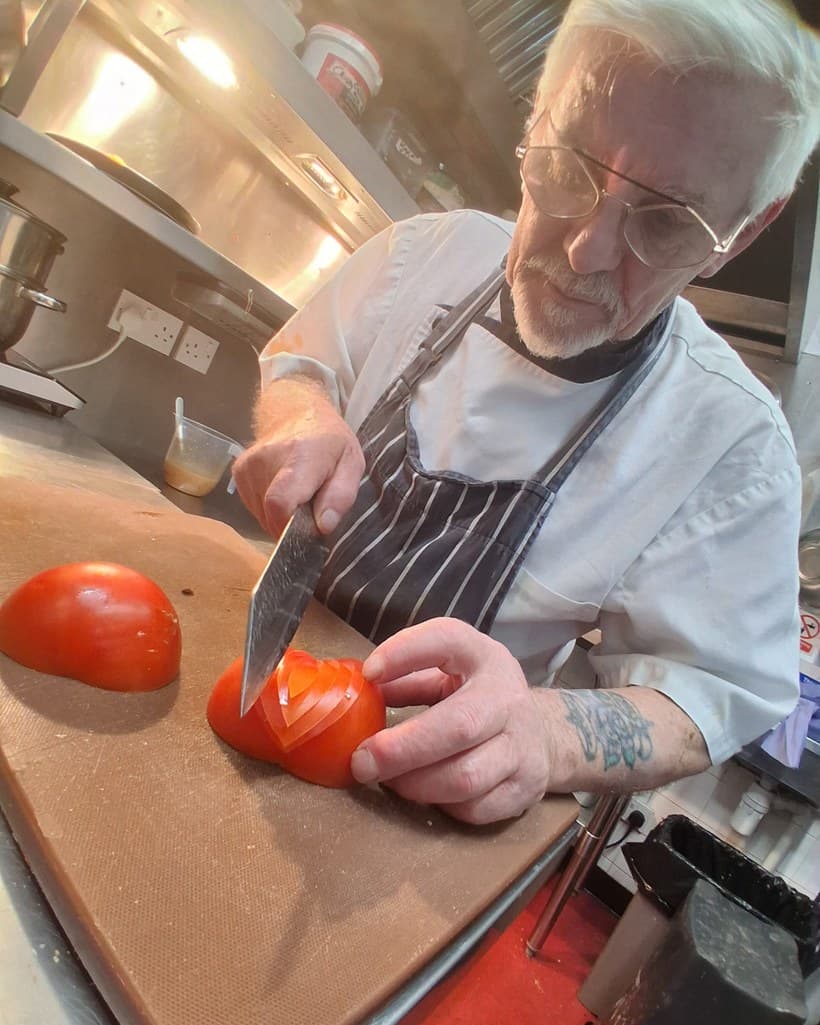
Diamond sharpening stones have quietly become one of the most useful additions to a home kitchen. You will see them sold as plates, bench stones, pocket cards and combination blocks, and the marketing around them is often louder than it needs to be. This guide explains what a diamond knife sharpening stone does well, where it struggles, and how to choose one that suits the knives you actually own.
None of it is complicated. Diamond is a very hard abrasive, and hardness is what removes steel. Once you understand how that behaves on a kitchen knife, the buying decisions get much easier.
What a diamond knife sharpening stone actually is
A diamond whetstone is not a stone in the geological sense. It is a steel plate, or sometimes a resin block, with diamond particles bonded to the working surface. The abrasive sits on top of the body rather than being the body itself, and that single difference explains most of the behaviour you will notice in use.
Waterstones work by wearing. The stone releases abrasive as you sharpen, and it dishes in the middle over time. A diamond plate does not dish in the same way. It stays close to flat until the diamond layer itself wears through, which takes a long while in a home kitchen. This is why so many cooks keep one diamond plate around purely to flatten their waterstones.
You also do not need to soak one. A splash of water is enough to carry away the swarf.
Why diamond cuts quickly
Diamond is harder than the abrasives used in conventional stones, which are typically aluminium oxide, silicon carbide or natural stone. Harder abrasive means the edge is cut rather than persuaded, so it takes fewer strokes to raise a burr and fewer still to remove one.
The practical benefit shows up on harder steels. Some modern kitchen knives resist a waterstone quite stubbornly, and a diamond whetstone gets through them without you leaning on the blade. It is also the sensible choice for real repair work: taking out a chip, resetting a tip, or thinning behind the edge after years of use.
Where diamond whetstones fall short
Honesty matters more than sales copy here. A diamond whetstone is a fast cutter, and fast cutters leave rougher scratches. A coarse diamond plate will strip metal quickly and leave an edge that feels toothy until you refine it on something finer. You cannot skip that step and expect a clean result.
The feel is another matter. Many cooks like the muddy feedback of a waterstone and find diamond sterile by comparison: the blade seems to skate rather than settle. That is a preference, not a fault, but it is real.
New plates also cut more aggressively than broken in ones. Expect the character of the stone to change slightly over the first few sessions. Very coarse diamond used with heavy pressure on a thin, hard Japanese edge can cause small chips, so let the abrasive do the work instead of forcing it.
Finally, cheap unbranded plates can shed grit. A loose diamond particle rolling under the edge achieves nothing useful, and it is the main reason a very inexpensive plate can feel like a bargain and then disappoint.
Plates, whetstones and the naming confusion
The words are used loosely. Diamond plate usually means a thin steel sheet. Diamond whetstone can mean a thicker bench block, a combination stone on a plastic base, or a resin bonded stone that feels closer to a traditional waterstone. Diamond sharpening stone is the catch-all term for all of them.
What matters is not the label but three things: flatness, even grit distribution, and a bond that holds. Size matters too. Something in the region of 150mm to 200mm gives you enough room to keep a steady angle, while very small pocket stones are better suited to hooks and garden tools than to an 8 inch gyuto.
Choosing a grit for a kitchen knife
You do not need a rack of five stones. Two will cover almost everything a home kitchen asks for.
Think in terms of jobs rather than numbers. A coarse grade handles dull blades, chips and bevel setting. A medium grade is the workhorse that sharpens a knife that is merely tired. A fine grade refines the edge and is the one you would use if you sharpen little and often to keep knives in condition.
If your knives are in reasonable shape, a medium and a fine is a sensible pair. If you own one very dull knife and one good one, buy the medium first and add the fine later. Buying a coarse stone you never need is a common mistake.
The names UK cooks will recognise
Search for diamond stones in the UK and you will keep meeting two names: the trend diamond whetstone and the faithfull diamond whetstone. Both brands come out of the tool and workshop world, and their diamond products are common in builders merchants, tool shops and online retailers.
That heritage is neither a problem nor a promise. A diamond abrasive does not care whether it is sharpening a chisel or a gyuto, so a tool grade plate can work perfectly well on kitchen knives. What matters is whether the plate is flat, the grit is applied evenly and the bonding survives repeated use. Check the grit, check the size, and treat any claim of a miracle edge with suspicion.
Diamond stones and Japanese knives
Japanese kitchen knives often use harder steels and thinner geometry than European ones, and that combination rewards a light touch. Diamond will cut them, but technique matters more than abrasives. Keep the pressure gentle, keep the angle steady, and avoid dragging a coarse plate across a finished edge.
For a knife such as the 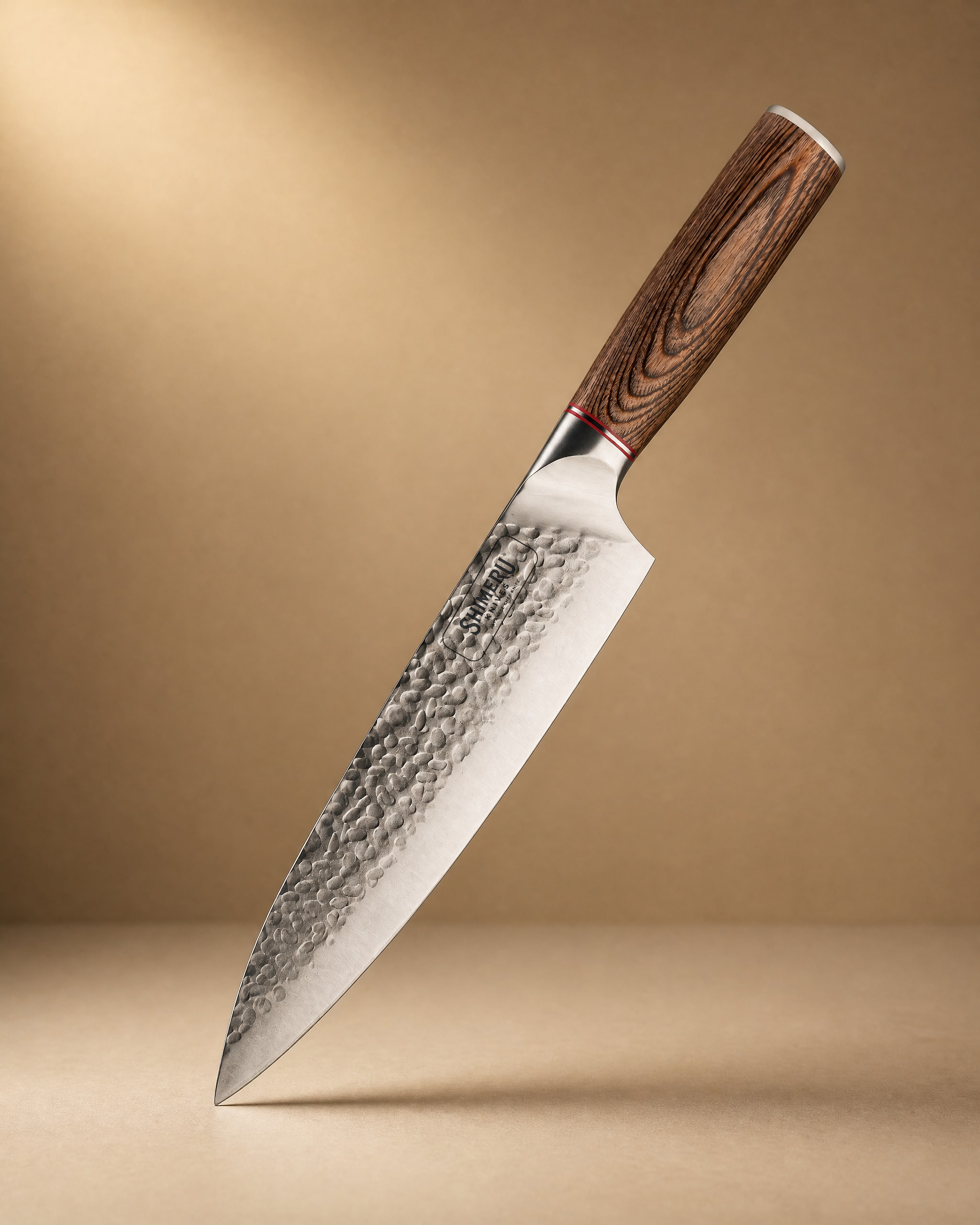 Akan 8'' Gyuto Knife 牛刀£49.99View product →, the
 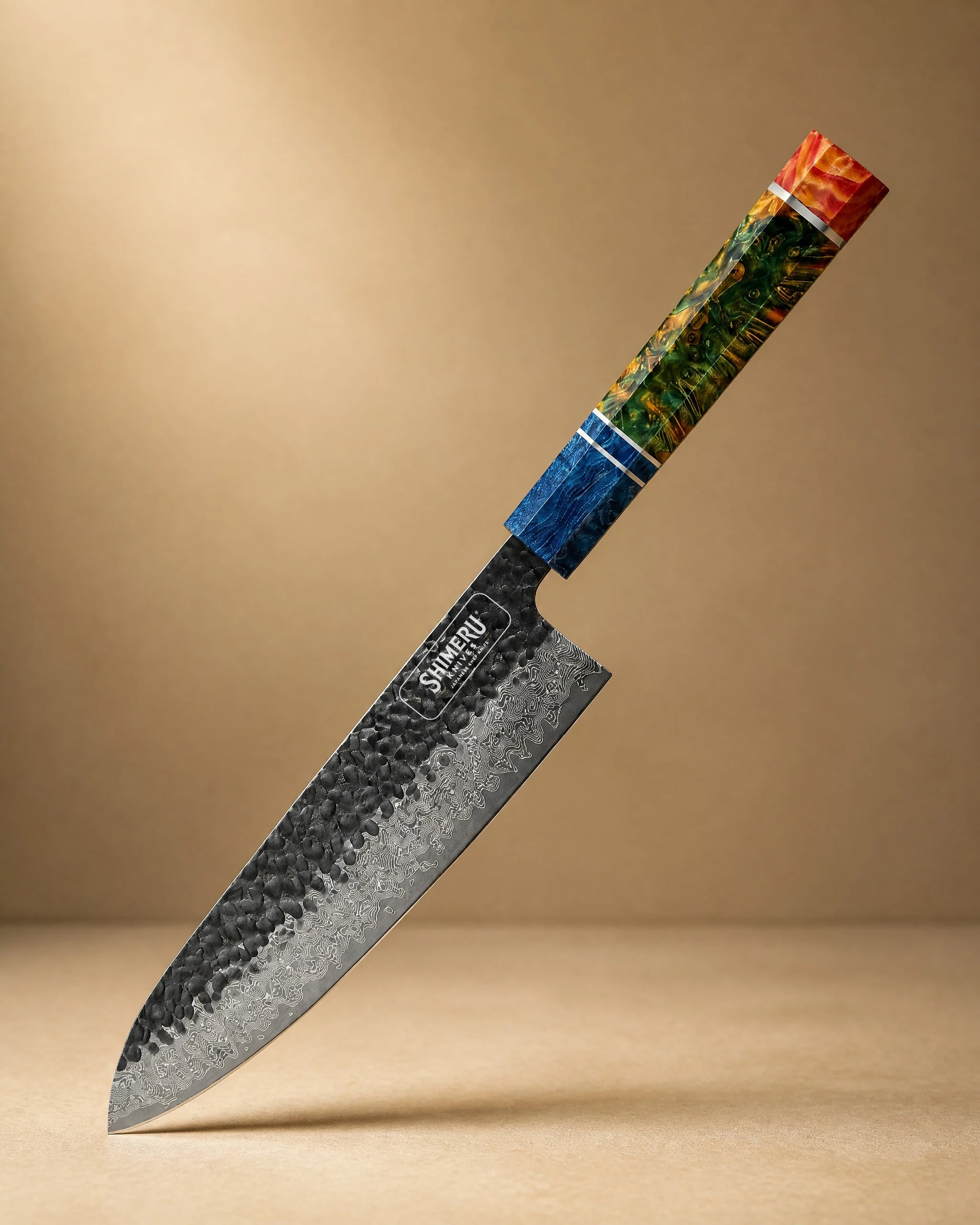 Yoshii 8″ Damascus Steel Gyuto Knife 牛刀£79.99View product → or the
 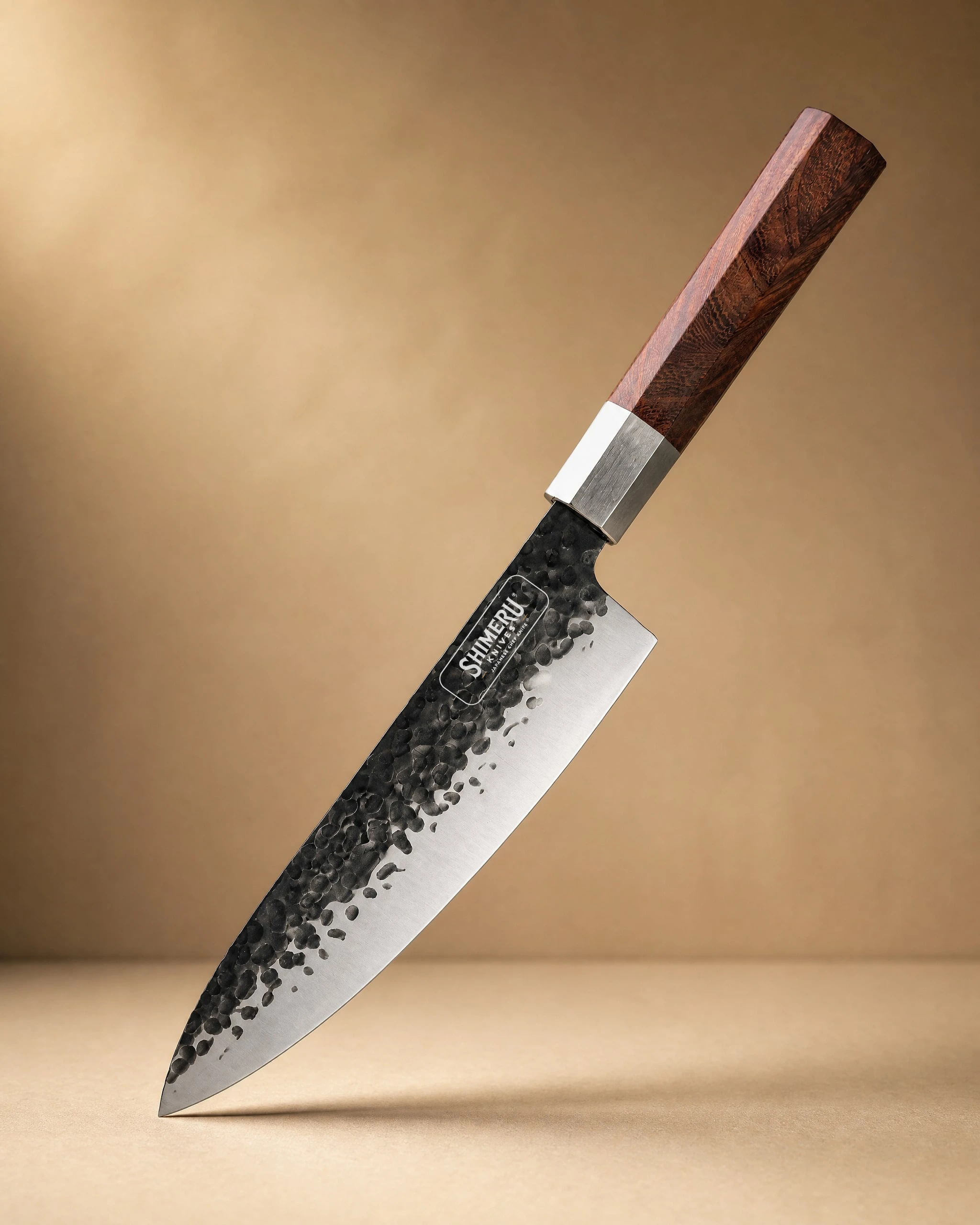 Sendai 8" Steel Gyuto Knife 牛刀£49.99View product →, a medium diamond whetstone followed by a fine stone is ample. If you are still deciding which blade shape suits you, our knife guide covers the differences before you commit.
When a stone is not the right answer
Freehand sharpening is a skill, and some cooks never enjoy it. If you want a dependable edge with almost no learning curve, a guided system holds the angle for you and removes the variable that ruins most home sharpening.
A magnetic rolling sharpener such as 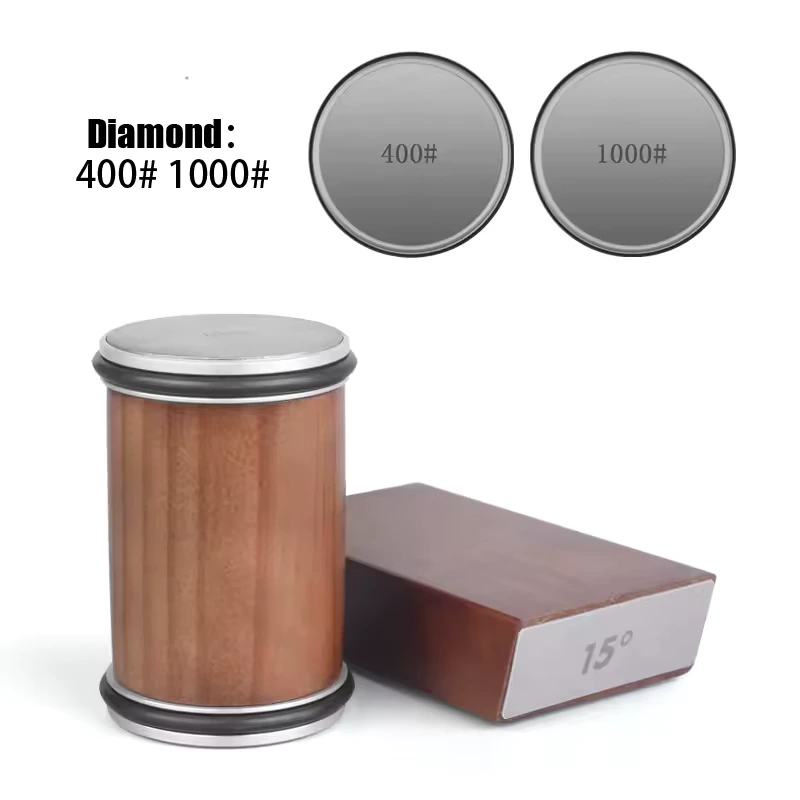 Magnetic Rolling Knife Sharpener£59.99View product → is worth a look if your knives are good and your free time is short. You can see the full range in our sharpeners section.
A routine that works
- Sharpen little and often rather than waiting for a knife to go blunt.
- Use water on a diamond plate, both as lubrication and to flush away metal particles.
- Keep the pressure light, especially on thin Japanese blades.
- Work both sides evenly so the edge stays centred.
- Finish on a finer grit, or strop on leather or newspaper, before you use the knife.
Looking after a diamond whetstone
Rinse the plate under warm water after use and dry it properly. Most diamond plates are used with water rather than oil, and adding oil to a plate designed for water only makes it harder to clean. Store it flat and do not drop it, since a bent plate is a plate that sharpens unevenly.
Avoid scrubbing with heavy pressure in the hope of cutting faster. It does not speed anything up, it wears the bond and it risks the edge you are trying to improve. Let the diamond work and give it a moment.
Should you buy one?
A diamond knife sharpening stone earns its place if you sharpen regularly, if you own hard steel knives, and if you value speed and flatness over feel. It is also the sensible first purchase if you already use waterstones and need something to flatten them and something to do the coarse work.
It is less appealing if you sharpen for pleasure and love the muddy feedback of a natural stone, or if you want a mirror polished bevel. In that case, keep a diamond plate for repair and flattening and finish on waterstones.
A good route for most UK kitchens: one medium diamond whetstone, one finer stone or a strop, and a habit of touching up little and often. Browse the full range in our knife shop, and if you want to keep your blades in condition between sharpening, our knife care guide covers the daily habits that matter.


