
Diamond Knife Sharpening Stones for Japanese Knives

Diamond stones have moved from specialist tool catalogues into the everyday kit of many home sharpeners, and for Japanese knives they make a persuasive case. They cut quickly, they stay flat, and they do not care much whether the steel in front of them is simple stainless or something much harder. But they are not a universal answer. A diamond knife sharpening stone is a tool with a particular character, and it rewards a particular approach. Used well, it can bring a tired edge back into service in a few minutes. Used badly, it can leave a thin Japanese edge rough, over-thinned or simply less pleasant to use.
This guide is about what diamond stones do well, where they stop making sense, and how to use one on a Japanese knife without treating the blade as scrap steel. It is written for cooks who sharpen at home, not for production sharpeners chasing mirror finishes. If you want the broader picture on edge maintenance, the knife care guide covers the daily habits that matter just as much as the stone itself.
Why diamond stones suit Japanese knives
Japanese knives often have thin edges and hard steel. That combination gives clean cuts and good edge retention, but it also means the edge can be less forgiving of a stone that dishes or a sharpener who leans too hard. A diamond whetstone addresses the first problem well. The abrasive is diamond, fixed to a plate, and the plate stays flat in normal use. You are not chasing a hollow in the middle of a water stone, and you are not dressing the surface every few sessions. For a thin blade, that flatness is useful because it helps you keep a consistent angle across the whole edge.
Diamond also cuts hard steel without the slurry and soak times that some water stones need. That makes it convenient. A few passes can restore a working edge, and you can keep the stone by the sink or in a drawer without planning a long session. For a cook who sharpens little and often, that convenience matters. The stone gets used because it is easy to use.
There is a limit to this. Diamond is aggressive. It removes metal quickly, and Japanese knives do not always need much metal removed. The skill is in using that speed with restraint. A diamond stone is not a reason to press harder. It is a reason to use lighter passes and check your work sooner.
What a diamond knife sharpening stone does well
Most of the case for diamond rests on four practical strengths. They are not glamorous, but they are the reasons people keep one on the shelf.
- It cuts fast, so a dull edge can be brought back without a long session.
- It stays flat, which helps maintain a consistent angle on thin Japanese blades.
- It handles hard steels that can feel slow on softer stones.
- It needs less preparation than a soaking water stone, which makes routine sharpening more likely to happen.
Those strengths explain why a diamond whetstone has become a common first upgrade for people who have struggled with dished stones or slow cutting. It is also why you see names such as trend diamond whetstone and faithfull diamond whetstone in UK shops and online listings. They are not magic, and brand alone does not make a good stone, but they represent a sensible category: a flat plate, a usable grit, and a base that does not slide around. If you are buying one, judge the plate for flatness, the grit for the job, and the size for the blades you actually sharpen.

Where diamond stones fall short
The honest downside is the scratch pattern. Diamond cuts by scratching, and a coarse or even medium diamond plate can leave an edge that feels sharp but rough. On a Japanese knife, that roughness is not always what you want. A gyuto used for precise vegetable work benefits from a cleaner edge, and a rough edge can feel less controlled through herbs or soft proteins. Diamond is excellent for setting the geometry and bringing a neglected edge back, but it is not the final word for every knife.
The second issue is feedback. A good water stone tells you a lot through sound and feel. A diamond plate can feel hard and somewhat mute, especially when new. That makes it harder for a beginner to judge whether the edge is meeting the stone properly. You can learn to read it, but the learning curve is different. The stone does not reward pressure with a pleasant mud; it rewards consistency with a fast cut.
The third issue is wear. Diamond plates do not stay identical forever. They can lose aggression over time, and a worn plate may still feel flat while cutting more slowly. That is normal. It is also why you should not treat a diamond stone as a lifetime heirloom. It is a working tool. Buy a sensible one, use it with light pressure, and accept that it has a service life.
Choosing a diamond whetstone for a Japanese knife
The first decision is grit. For most home sharpeners, a medium diamond stone is the useful one. It is fast enough to reset a tired edge but not so coarse that every session leaves deep scratches. A coarse plate has its place for repair or for a badly neglected blade, but it is not the stone to use every week on a thin Japanese knife. A fine diamond plate can be useful for finishing, but if you want a refined edge, a water stone or a loaded strop may be the better final step.
The second decision is size. A longer and wider plate gives you more room to make a controlled pass, especially on a gyuto or a cleaver. A small plate is portable and fine for touch-ups, but it can encourage short, scrubbing strokes that are harder to keep consistent. If you sharpen at home, buy the largest plate your storage and budget allow, within reason.
The third decision is flatness. A diamond stone is only an advantage if the plate is actually flat. A cheap plate with a dished surface defeats the purpose. Check reviews for comments about flatness, and avoid any stone that arrives visibly bowed. The base matters too. A stone that slips is a stone that encourages hesitation, and hesitation is what rounds an edge.
A trend diamond whetstone or a faithfull diamond whetstone can both be sensible starting points if the plate is flat and the grit is in the medium range. Do not buy on brand alone. Buy on the physical qualities that affect the sharpening: flatness, size, grit and stability. The rest is marketing.
Matching the stone to the knife you actually own
A diamond stone is most useful when it matches the blade in front of you. On a thin gyuto such as 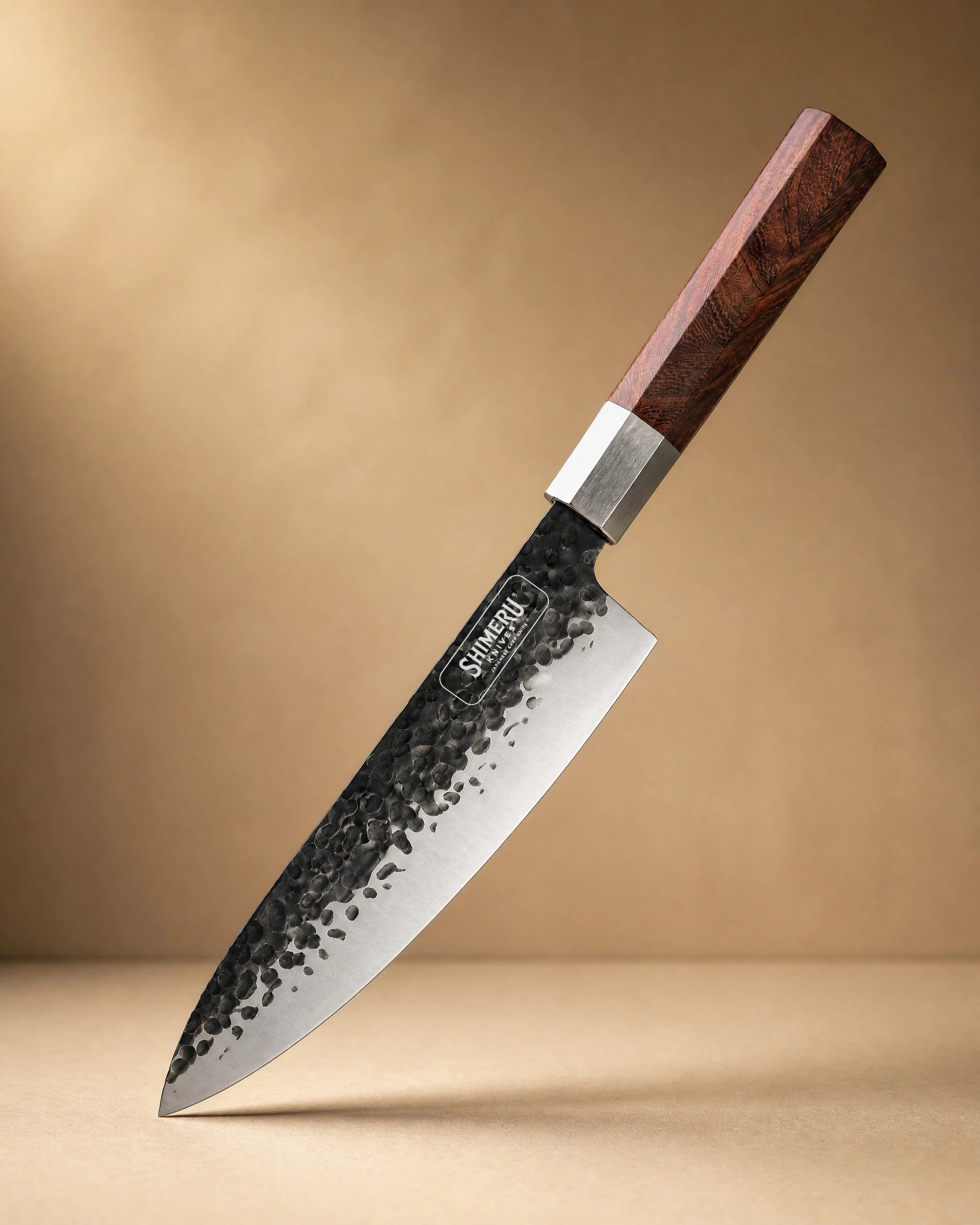 Sendai 8" Steel Gyuto Knife 牛刀£49.99View product → or
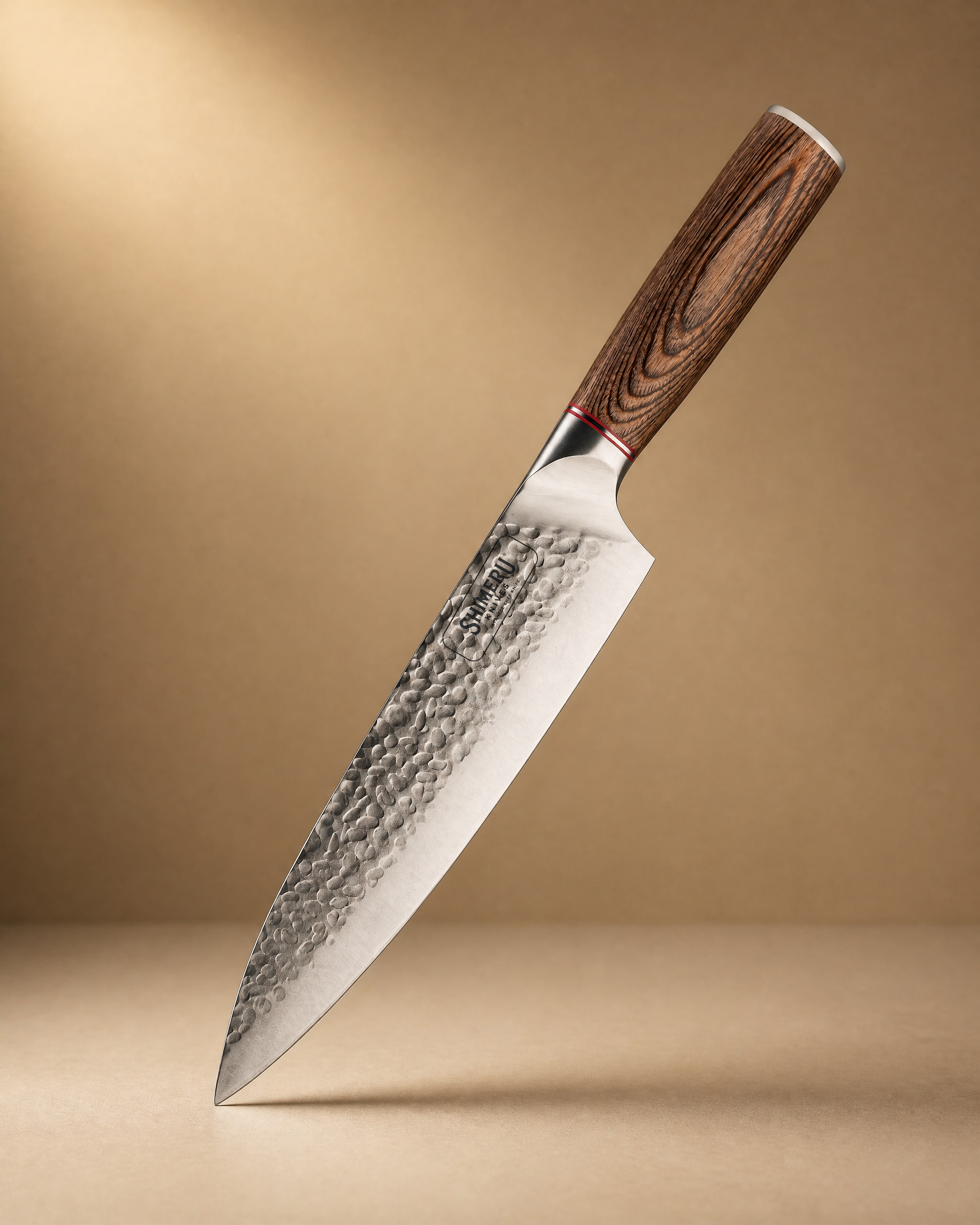 Akan 8'' Gyuto Knife 牛刀£49.99View product →, a medium diamond plate is best used for quick resets and for edges that have lost their shape. Keep the pressure light and do not chase a burr for longer than you need. The aim is a clean apex, not a thinner blade. For a broader blade such as
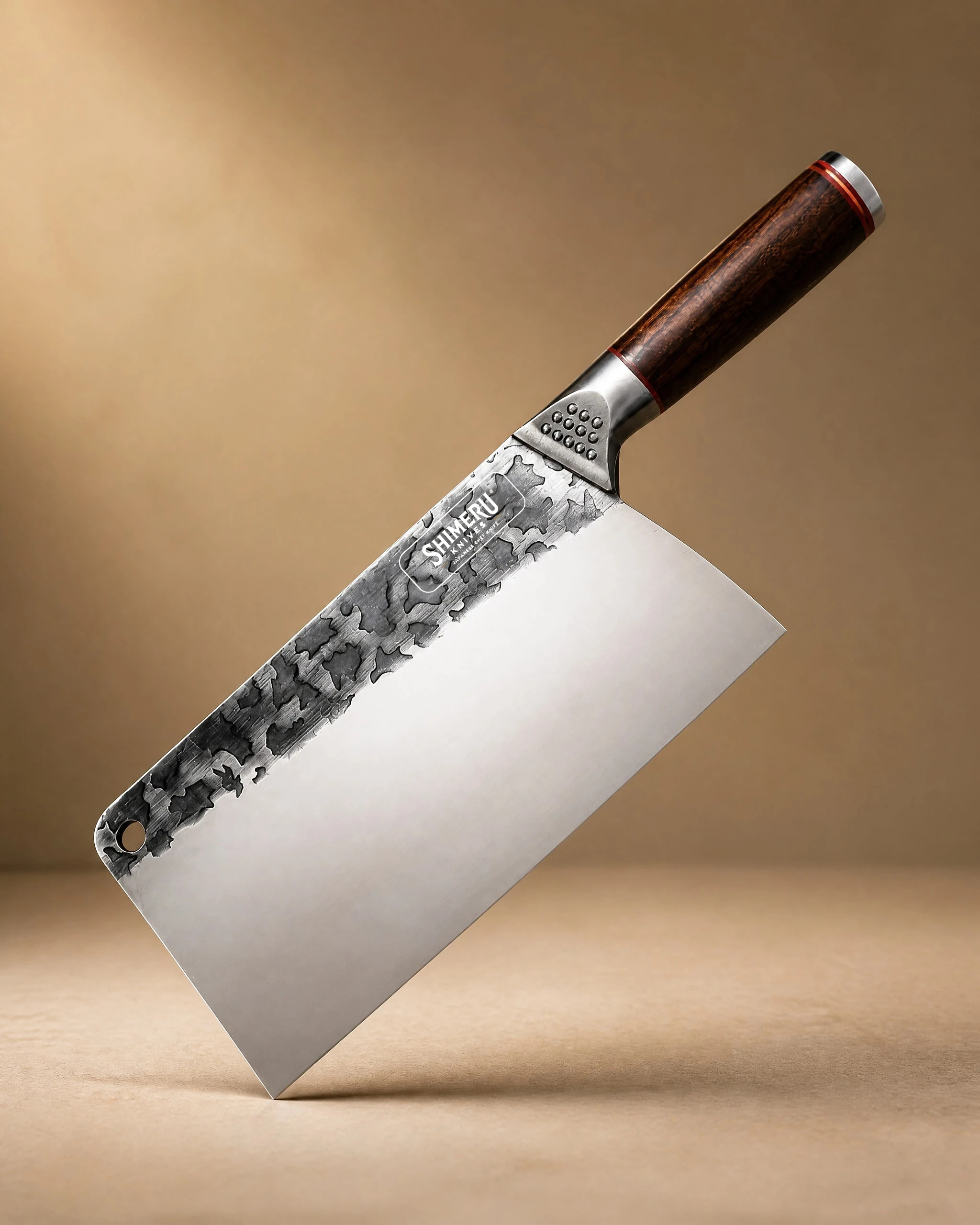 Saba 7" Stainless Steel Cleaver 中華包丁£44.99View product →, the same stone can cover the edge in fewer passes, but keep the pressure even across the whole length. If you maintain a set,
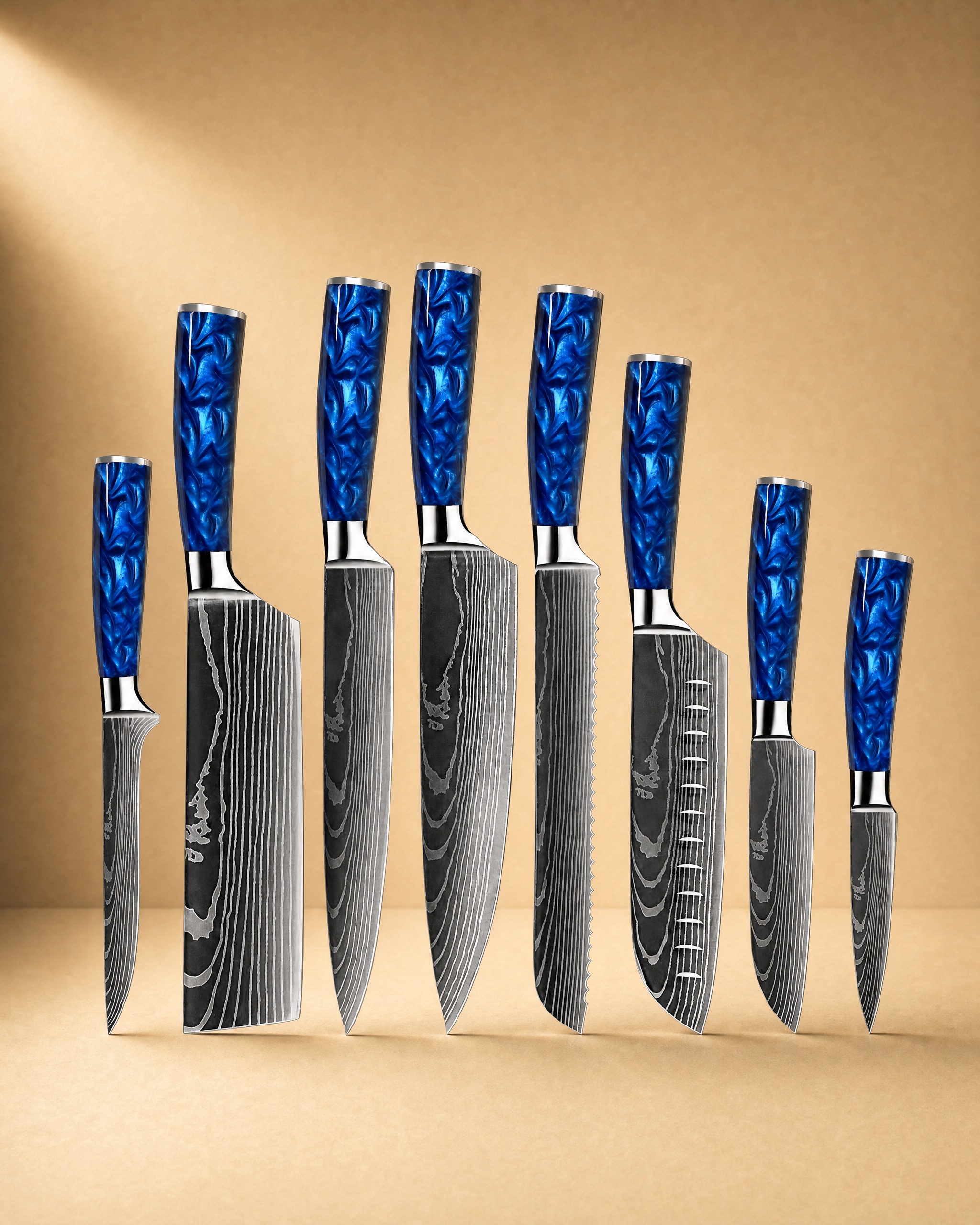 Shinano 信濃川 Damascus Pattern Stainless Steel Kitchen 8 Knife Set£149.99View product → gives you several knives to keep in order, and a diamond stone earns its place as the one you reach for when an edge has gone properly dull rather than merely tired.
If you are choosing between knives as well as stones, the knife guide will help you match blade shape and steel to the way you cook. The stone should follow the knife, not the other way around. A very thin, highly refined blade may deserve a gentler finishing stone. A robust all-purpose knife can live happily with a medium diamond plate and a little discipline.
Using a diamond stone without damaging a thin edge
Start with a clean blade and a stable stone. If your diamond plate is designed to be used with water, a light splash is enough. You are not trying to create a slurry. Set the angle by feel or with a guide, then lock your wrists and move the blade across the stone with light, even pressure. Let the diamond do the cutting. If you press hard, you will remove more metal than you need and you will likely round the edge as the angle changes.
Work in small sections. On a Japanese knife, the edge is often thin and the bevel is narrow, so a few controlled passes tell you more than a long scrubbing session. Check the burr on the opposite side, then alternate. Keep the passes short and deliberate. If the stone feels like it is grabbing, reduce pressure rather than speeding up. If the blade starts to skate, you may have lost the angle. Stop, reset, and continue.
Finish with a light pass on each side to remove the burr. If you want a cleaner edge, move to a finer stone or a strop. Do not expect a medium diamond plate to leave a polished bevel. That is not its job. Its job is to restore geometry and get the knife back to work. After use, clean the plate as the maker advises and dry it. Do not leave it sitting in water for long periods.
Where diamond fits in a sensible routine
For most home cooks, a diamond stone is a repair and reset tool, not the only stone they will ever need. Use it when an edge has gone properly dull, when you need to establish a fresh bevel, or when you want a flat reference surface to learn on. Then use a finer stone or a strop for routine maintenance. This is also why the knife care guide matters. Honest boards, prompt cleaning, proper drying and sensible storage all reduce the amount of metal you need to remove. If you are ready to choose a knife that suits your routine, the full knife shop is the place to compare shapes and handles. A diamond knife sharpening stone is a practical addition to a home kitchen, but it is not a shortcut to a perfect edge. Used with light pressure and a clear aim, it will serve a Japanese knife well.
Photography: Zhao Wenjie via Unsplash.


