
Choosing a Whetstone Knife Sharpener for Your Kitchen

A whetstone knife sharpener is the most honest sharpening tool in a kitchen. It does not hide the work behind plastic guides or a pull-through slot. It asks you to learn a small skill, then rewards you with an edge you can feel, control and repeat. For cooks who care about their knives, that trade is usually worth making.
This guide is about choosing a whetstone setup that suits your knives and your habits. It covers grit, stone size, soaking, holding, flattening and the small kit that makes sharpening easier. It is also a guide to buying with a clear head. A whetstone shop can sell you many things. You need very few of them to start.
What a whetstone knife sharpener does
A whetstone is an abrasive block. When you draw a blade across it at a consistent angle, the stone removes a tiny amount of steel and forms a fresh apex at the edge. This is different from a honing steel, which realigns an edge that is still sound, and different from a pull-through sharpener, which cuts or scrapes a new edge with fixed carbide or ceramic slots. A wet stone knife sharpener gives you control over angle, pressure and finish. That control is why professional cooks and keen home cooks use one.
Water stones are the common choice in Japanese knife care because they cut quickly and leave a clean finish. Oil stones work too, but they need a different routine and a different mess. Most people buying their first whetstone knife sharpener should look at water stones. They are easy to understand, easy to maintain and widely supported.
Grit is the first decision
Grit numbers describe how coarse or fine a stone is. Lower numbers cut faster and leave deeper scratches. Higher numbers polish and refine. A coarse stone around 220 to 400 grit is for repairing chips, setting a new bevel or bringing a very dull knife back into shape. A medium stone around 800 to 1200 grit is the workhorse for routine sharpening. A fine stone around 3000 to 6000 grit refines the edge and gives a cleaner cut on soft foods.
For most kitchens, one medium stone and one fine stone are enough. A combination stone with a medium grit on one side and a fine grit on the other is a sensible first buy. If you sharpen often, separate stones are more durable and easier to flatten. If you buy only one stone, choose a medium grit. It will not repair a damaged edge quickly, but it will keep a healthy knife sharp.
The best whetstone knife sharpener for you is not the one with the highest grit number. A very fine stone used on a dull knife is slow and frustrating. Matching the stone to the job matters more than chasing a polished edge you do not need.
Stone size, thickness and feel
A bench stone needs to be long enough for the blade to travel across it without falling off the edge. For most home knives, a stone around 180mm to 210mm long and 60mm to 70mm wide is comfortable. Thicker stones last longer and feel more stable. Thin stones can be fine for travel, but they need a steady holder.
The feel of a stone matters. Some stones feel hard and glassy, others feel softer and muddier. A softer stone cuts quickly and gives good feedback, but it wears faster and needs flattening more often. A harder stone lasts longer but can feel less communicative. There is no universal winner. If you can, buy from a shop that will talk you through the options and let you understand what you are getting.
Soaking and splash-and-go stones suit different routines. A soaking stone needs ten to fifteen minutes in water before use. A splash-and-go stone only needs a splash on the surface. Soaking stones are often pleasant to use and can offer good value. Splash-and-go stones are convenient if you sharpen in short bursts. Neither is better in every kitchen. Choose the routine you will actually keep.
What you are sharpening
Your knives should shape your choice. A thin Japanese gyuto benefits from a medium stone and a fine stone, used with light pressure. A heavier cleaver may need a coarser start if it has seen hard work. A set of knives may need a simple, repeatable progression rather than a single specialist stone.
If your main knife is a gyuto such as 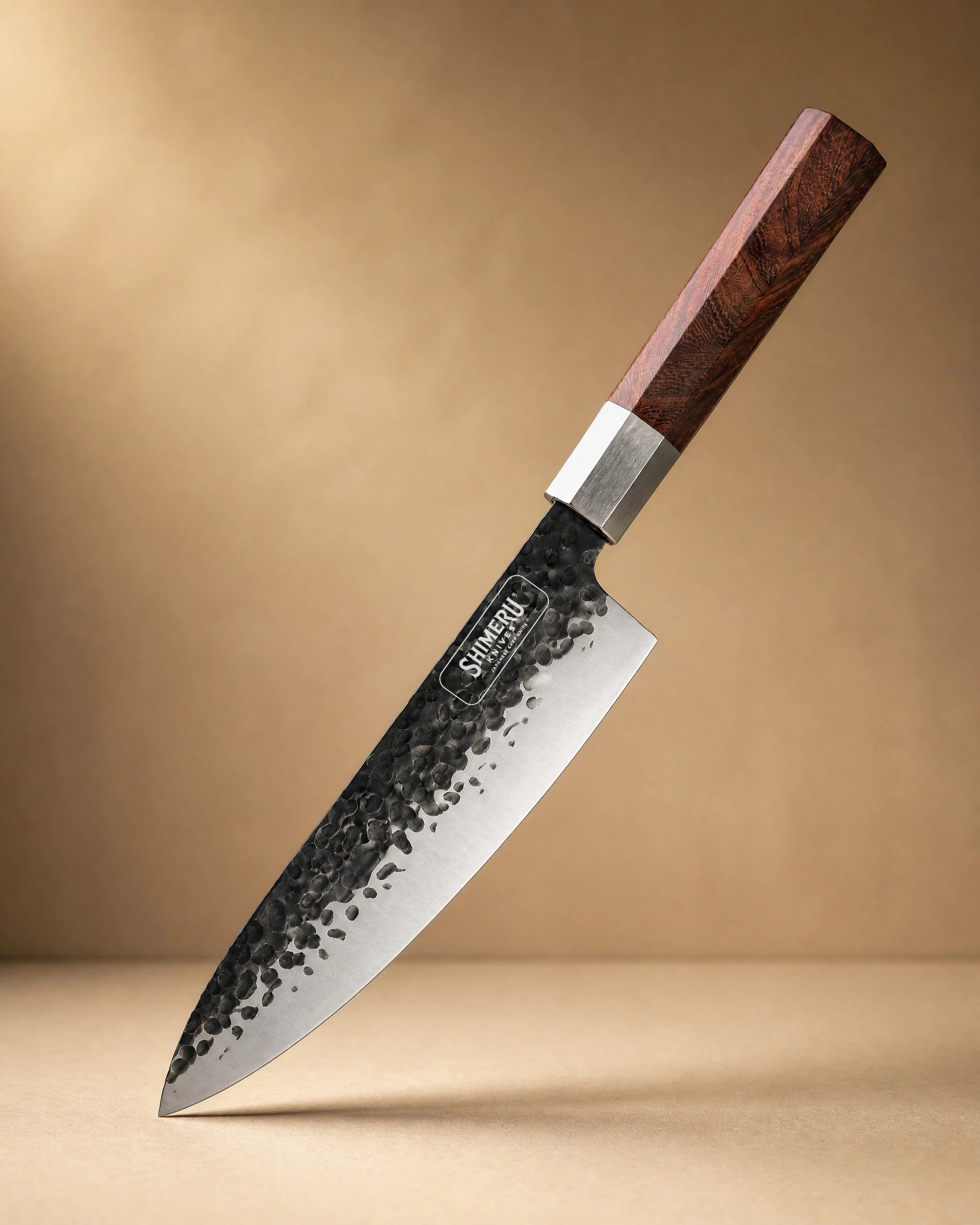 Sendai 8" Steel Gyuto Knife 牛刀£49.99View product →, a medium stone followed by a fine stone is a practical pairing. The knife is a general kitchen tool, and a clean medium edge will handle most prep. If you prefer a different handle and feel,
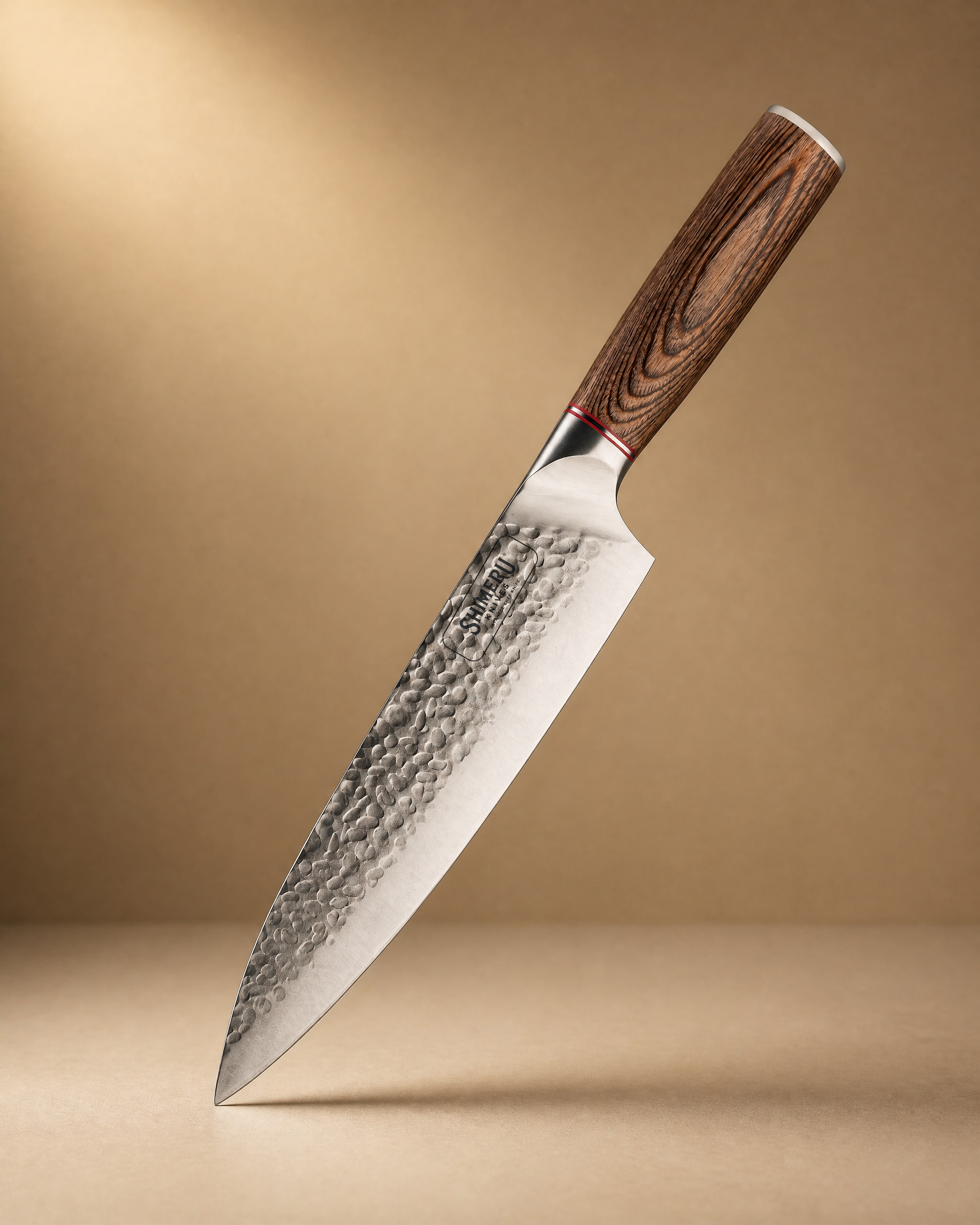 Akan 8'' Gyuto Knife 牛刀£49.99View product → is another gyuto option to consider. The same sharpening logic applies: keep the angle steady, use light pressure and finish on a finer stone only if you want a more refined edge.
For households with several knives, 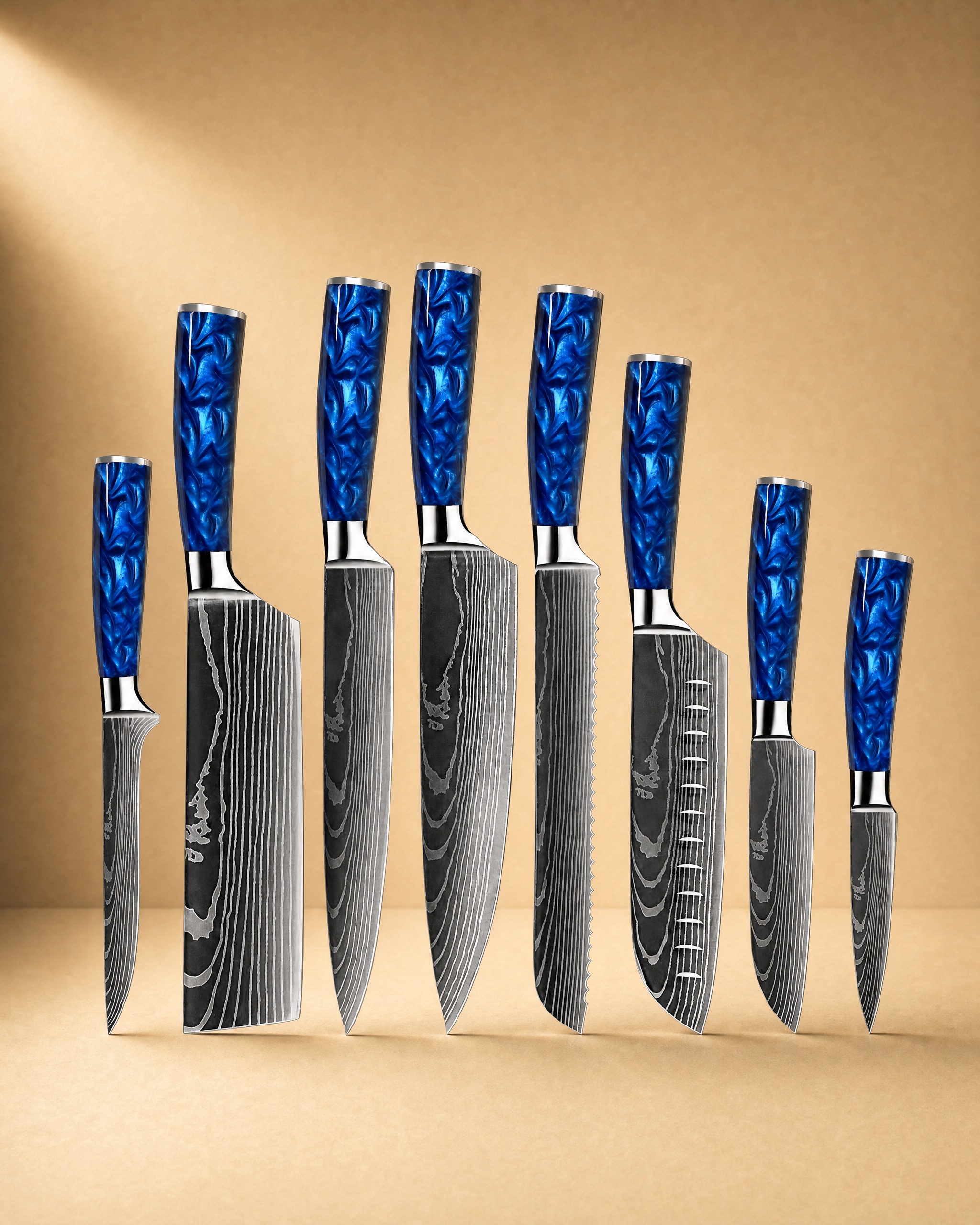 Shinano 信濃川 Damascus Pattern Stainless Steel Kitchen 8 Knife Set£149.99View product → is the kind of set that makes a simple whetstone routine useful. You can keep one medium stone on the bench and sharpen each knife as it needs it. A cleaver such as
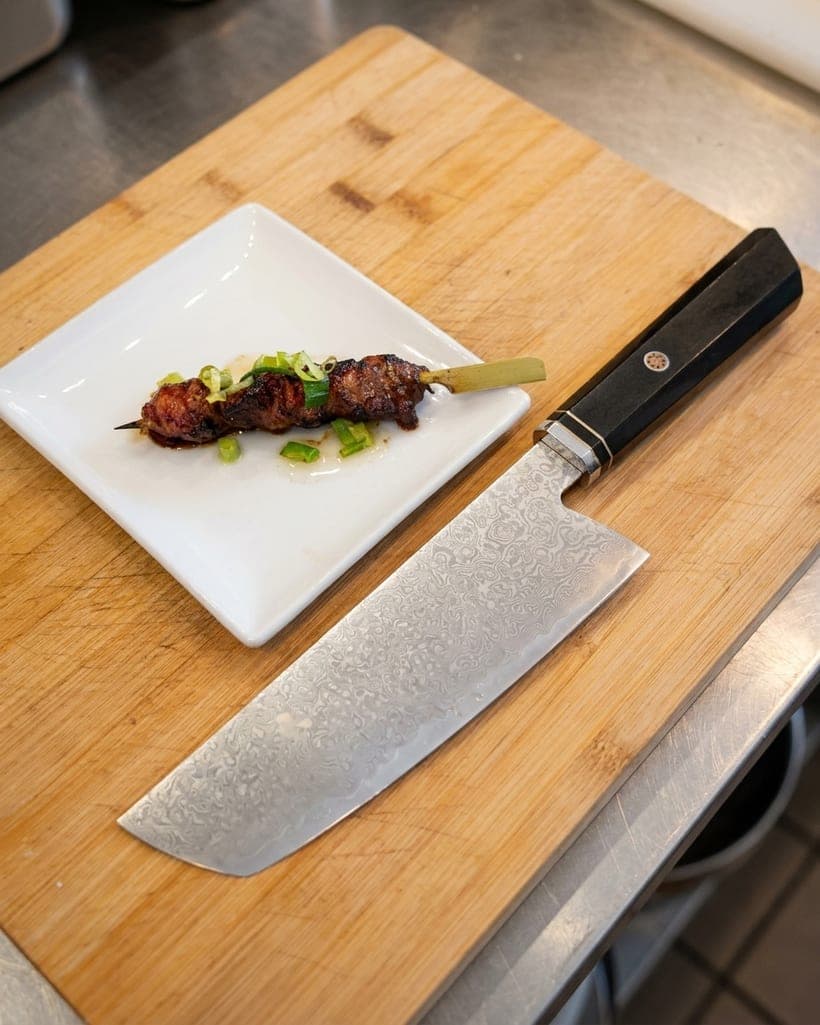
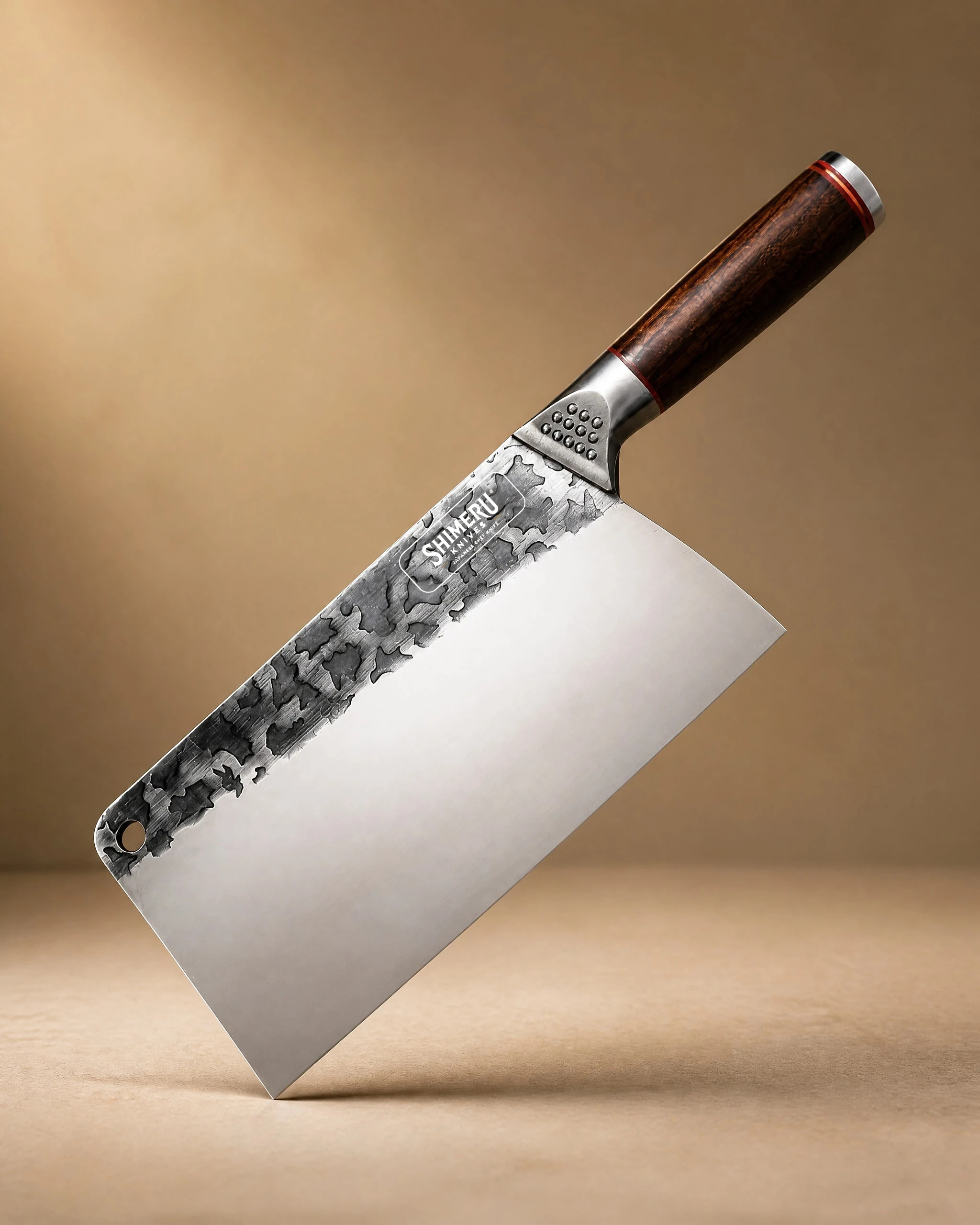 Saba 7" Stainless Steel Cleaver 中華包丁£44.99View product → benefits from a steady hand and a stone wide enough to support the blade. Its weight means you can let the stone do the work rather than pressing hard.
If you are still deciding which knives to own, read our knife guide before you buy more stones. The right knife and the right stone should support each other, not compete for attention.
Holding the stone and keeping it flat
A stone holder is not a luxury. It keeps the stone from sliding and lifts it off the bench so your fingers have room. A simple rubber or wooden holder is enough. Some stones come with a base. If yours does not, buy a holder before you buy a third stone.
Stones wear unevenly. Over time, the middle hollows out and the stone stops cutting as it should. A flattening stone or a diamond plate fixes this. Flatten your stone after a few sharpening sessions, or more often if the stone is soft. A flat stone gives you a consistent angle and a cleaner result. This is one of the quiet skills of knife care, and it is easy to learn.
A simple sharpening routine
Start with a clean knife and a stone that is ready to use. Soak a soaking stone if needed. Set the stone on a stable surface. Find your angle, keep it steady and use light pressure. Work one side until you feel a burr along the opposite edge, then repeat on the other side. Finish with a few light passes on a finer stone if you are using one. Clean the knife, dry it and put it away.
Do not press hard. Pressure bends the edge and makes it harder to keep a consistent angle. Let the abrasive do the work. Short, controlled sessions are better than one long session once a month. A few minutes on a medium stone every couple of weeks will keep a healthy knife in good order.
Building a small whetstone kit
A sensible first kit is a medium stone, a fine stone, a holder and a flattening plate. Add a coarse stone only if you repair chips or sharpen very dull knives. Add a nagura stone only if your stone benefits from one. Add more stones only when you understand what your current stones are doing.
You can browse the whetstone and sharpener collection to see the shapes and types available. Buy for the work you do, not for the shelf you want to fill. A small kit used well will outperform a large kit used badly.
Mistakes to avoid
The common mistakes are easy to name. Using a fine stone on a dull knife wastes time. Using a coarse stone on a healthy edge removes more steel than needed. Skipping flattening makes every later sharpening harder. Sharpening at a changing angle rounds the edge. Leaving a water stone soaking for days can damage it. Drying a knife slowly or putting it away wet can cause problems that have nothing to do with sharpening.
It also pays to match the stone to the knife. A very coarse stone is not the first choice for a thin gyuto. A very fine stone is not the first choice for a cleaver that needs a reset. Read our knife care guide for the cleaning, drying and storage habits that keep an edge healthy between sharpening sessions.
Choosing from a whetstone shop
A good whetstone shop will ask what you sharpen, how often you cook and whether you have used a stone before. It will not push a ten stone progression at a beginner. It will explain soaking, flattening and grit in plain terms. It will also be honest about what a stone can and cannot do.
If you are buying your first whetstone knife sharpener, start with a medium stone and a holder. Add a fine stone when you want a cleaner finish. Add a coarse stone when you need to repair damage. If you are buying knives at the same time, look at the full knife shop and choose a blade that suits your cooking. A whetstone is a long term tool. Buy once, learn it properly and it will serve you for years.
Photography: wu yi via Unsplash.


