


Choosing the Best Knife Sharpener for Your Kitchen

A sharp knife is safer and more precise than a dull one. Yet many home cooks put off sharpening because they are unsure which tool to buy or how to use it. This article cuts through the confusion. We will look at the main types of knife sharpeners, explain how to sharpen a knife with a knife sharpener, and help you choose the right one for your kitchen. Whether you own a classic chef’s knife or a specialist blade, a good sharpener keeps it performing at its best. For a full view of our range, visit /product.
Understanding Knife Sharpening Basics
Sharpening removes a small amount of metal to create a new, keen edge. Over time every knife edge rolls or dulls through normal use. A sharpener restores that edge by grinding or abrading the steel. The goal is a consistent, even angle on both sides of the blade. Different sharpeners achieve this in different ways, and the right choice depends on your knife’s steel, your skill level, and how often you cook.
The sharpening angle matters. Most Western knives use a 20 degree angle per side, while Japanese knives often use 15 degrees or even less. Harder steels can hold a finer angle, but they are also more brittle and require a gentler sharpening method. A knife sharpener that cannot adjust angle may not suit every blade. If you own a mix of steels, a versatile sharpener is wise.
A common question is: how do i use a knife sharpener? The answer varies by type, but the principle remains the same. You draw the blade across an abrasive surface at the correct angle, applying light pressure. Regular maintenance with a sharpener will extend the life of your knives and make every slice easier. The frequency depends on usage, but a weekly touch-up keeps most kitchen knives in good order.
Types of Knife Sharpeners
There are several categories, each with its own strengths and weaknesses.
Manual Pull-Through Sharpeners
These are the most common for home kitchens. They have preset slots with abrasive rods or ceramic wheels. You simply pull the knife through the slot a few times. They are quick and easy, but they remove more metal than necessary and cannot set a precise angle. They work best for soft stainless steel knives that do not need a razor edge. For a high-end blade, they risk scratching the blade face or changing the geometry unevenly.
Electric Sharpeners
Electric models use motorised abrasive wheels. They are faster than manual options and often include multiple stages for coarse sharpening and honing. However, they can be aggressive on high-carbon steel and are less suitable for expensive Japanese knives with hard, brittle edges. They also generate heat, which can affect the temper of the steel if used too long.
Whetstones
Whetstones (water stones) offer the finest control and are the choice of professional chefs. They require practice to hold a consistent angle and need soaking in water before use. For a home cook who wants the sharpest possible edge and is willing to learn, a whetstone is unbeatable. But they take time and patience. A typical set includes a coarse (around 1000 grit) and a fine (3000 to 6000 grit) stone. With practice, you can achieve a mirror-polished edge.
Rolling Sharpeners
A newer design, rolling sharpeners use a guided roller that runs along the blade, which automatically sets the angle. They are simple to use and less aggressive than pull-through models. One example is the 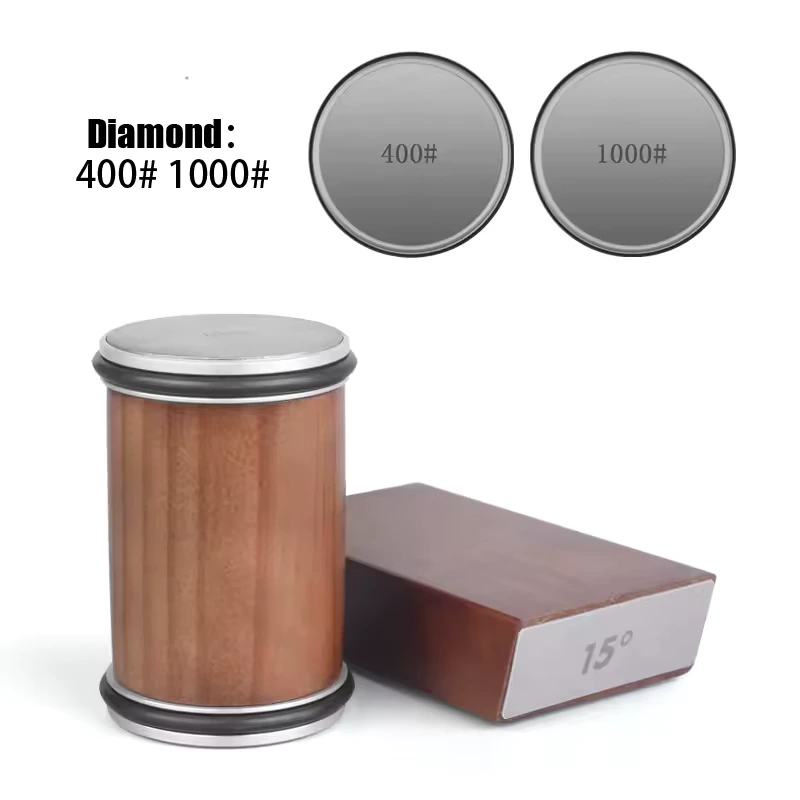 Magnetic Rolling Knife Sharpener£59.99 · currently out of stockView product →, which is a magnetic rolling knife sharpener. It attracts the blade and rolls it across diamond abrasives, giving a consistent edge with little effort. Its best use is for quick, regular touch‑ups on a variety of knives, from gyutos to cleavers. The magnetic guide holds the blade at the ideal angle, removing the guesswork.
How to Use a Knife Sharpener
Many people search for “how to sharpen knives with a knife sharpener” because they want step‑by‑step guidance. Here is a general method that applies to most manual pull-through and rolling sharpeners.
First, read the instructions for your specific model. Place the sharpener on a stable, non‑slip surface. For a pull‑through sharpener, hold the handle firmly and draw the blade from heel to tip through the coarse slot, using gentle, even pressure. Repeat five to ten times on each side if the design allows. Then move to the fine or honing slot for a polished edge. Always pull slowly and steadily; rushing can cause uneven abrasion.
For a rolling sharpener like the Magnetic Rolling Knife Sharpener£59.99 · currently out of stockView product →, place it on the counter, set the knife on the guide, and roll the sharpener along the blade from heel to tip. The magnet holds the edge at the correct angle. Repeat two to three times, then test on a piece of paper. It is one of the simplest ways to learn how to sharpen a knife with a kitchen knife sharpener without fear of damaging the blade. The diamond abrasive is fine enough for most steels but still cuts quickly.
If you use a whetstone, soak it for 10-15 minutes. Place it on a damp cloth to stop it slipping. Hold the knife at the correct angle (you can use a guide clip initially) and push the blade across the stone in a sweeping motion. Repeat on each side until a burr forms, then switch to a finer stone. This method takes practice but gives the best result.
Always sharpen in one direction, not back and forth, to avoid uneven wear. After sharpening, rinse the knife to remove metal dust and dry it thoroughly.

Choosing the Right Sharpener for Your Knives
Your choice of sharpener should match your knife collection. Harder steels, such as those used in Japanese knives, require a gentler abrasive and a precise angle. Softer European steels can tolerate coarser abrasives and less precision.
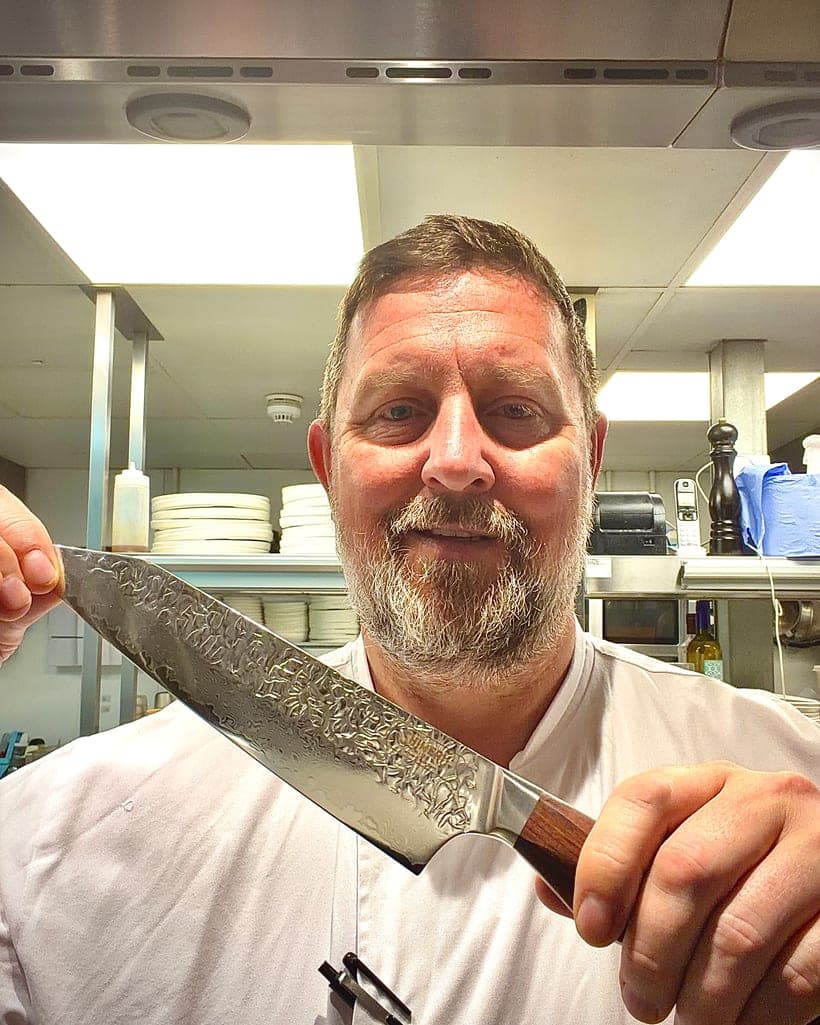
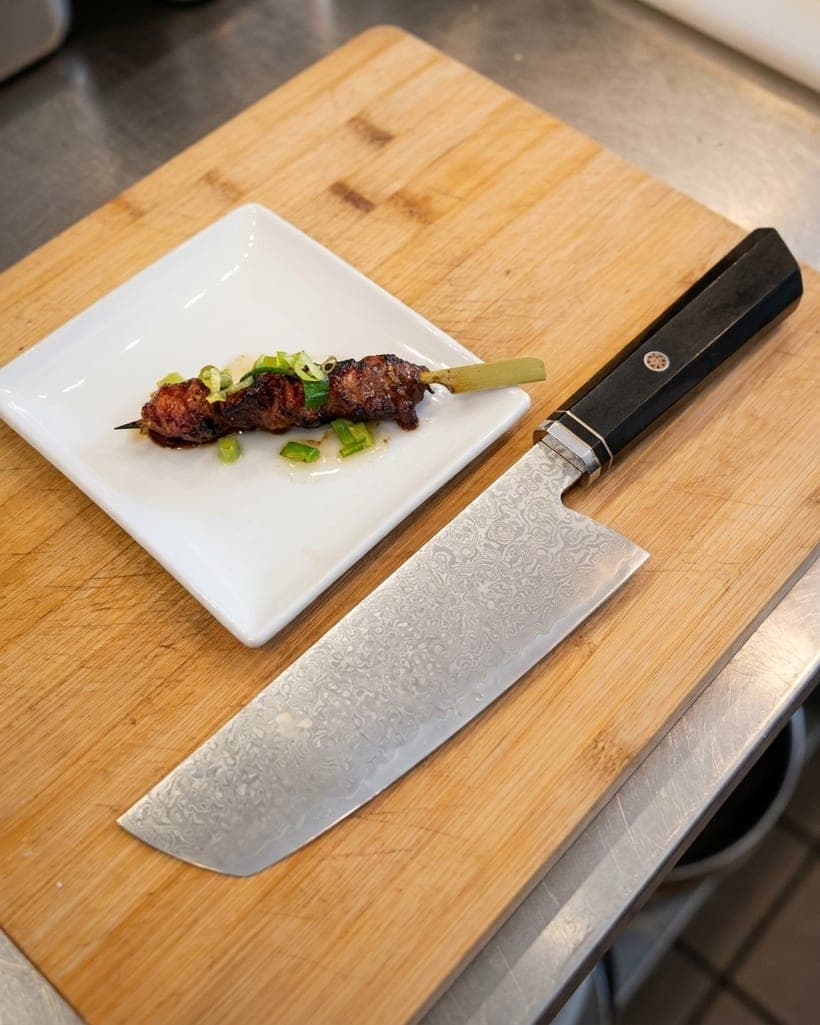
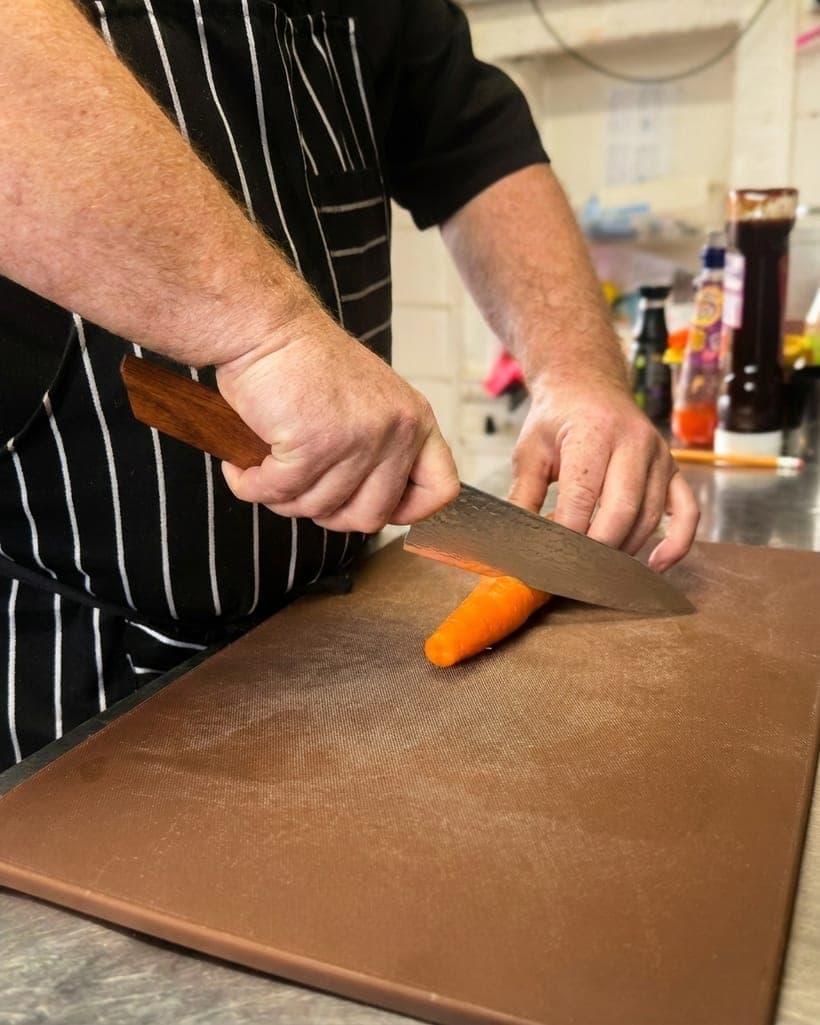
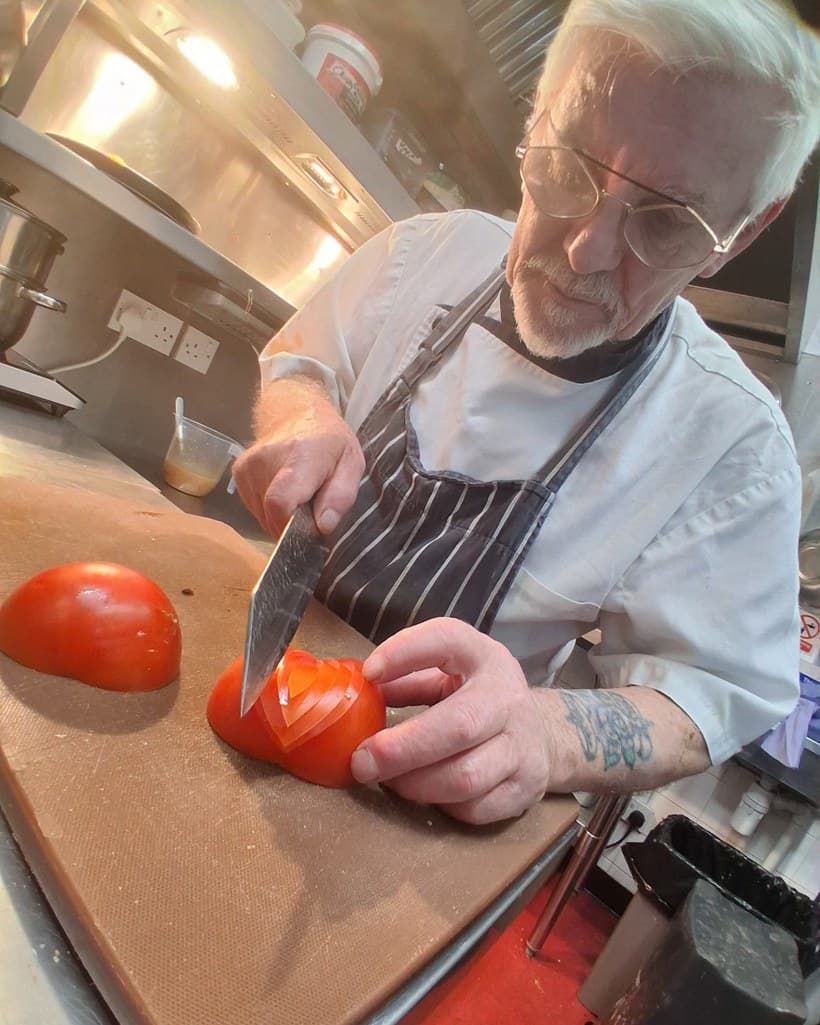
If you own a high‑end Japanese gyuto like the 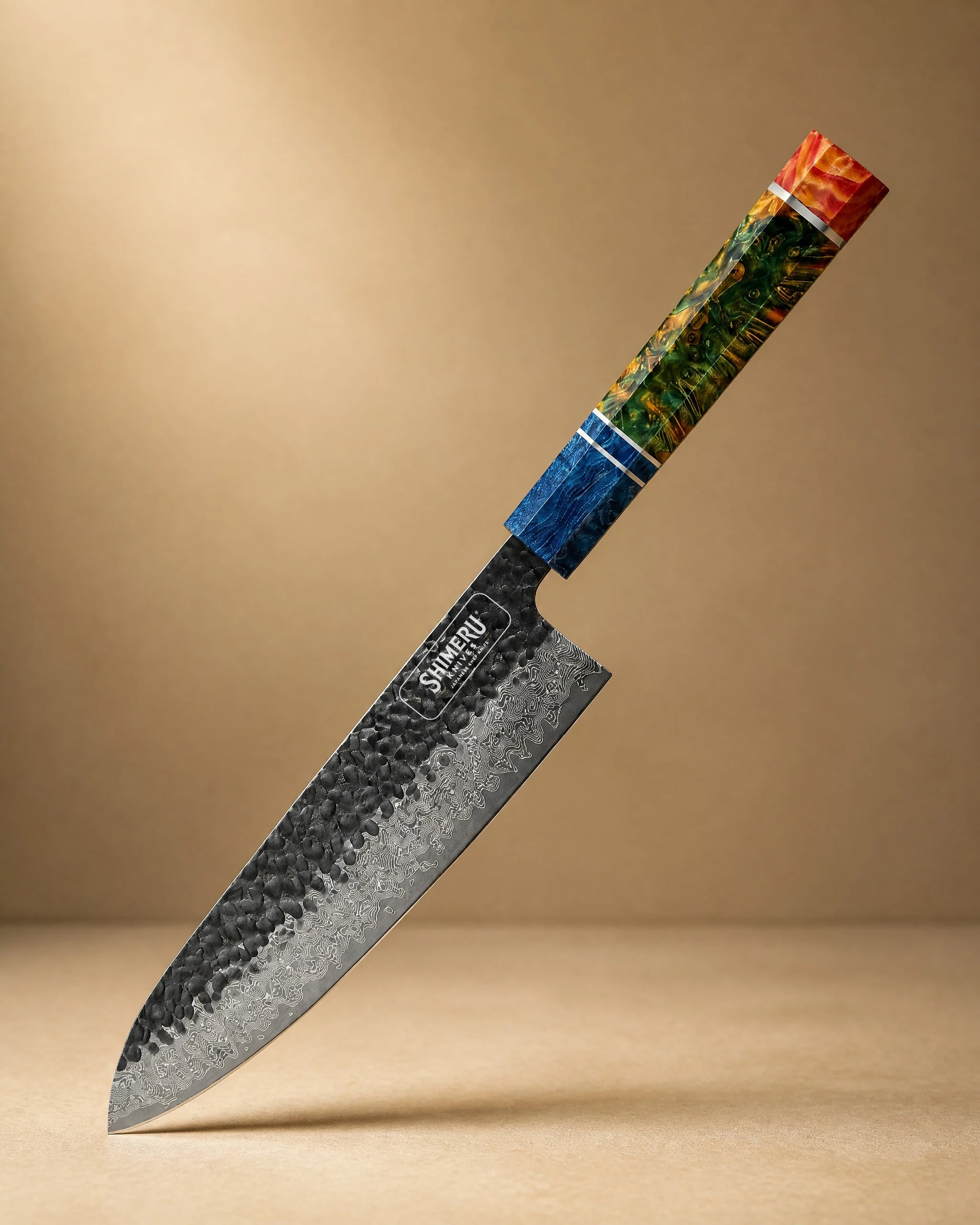 Yoshii 8″ Damascus Steel Gyuto Knife 牛刀£84.99View product →, a rolling sharpener or a fine whetstone is ideal. The Yoshii 8 inch Damascus Steel Gyuto has a 67‑layer blade that is hard and brittle; a pull‑through sharpener could chip the edge. This knife excels at slicing, dicing, and chopping, thanks to its sharp edge and thin profile. It suits a cook who values precision and is willing to invest in proper maintenance.
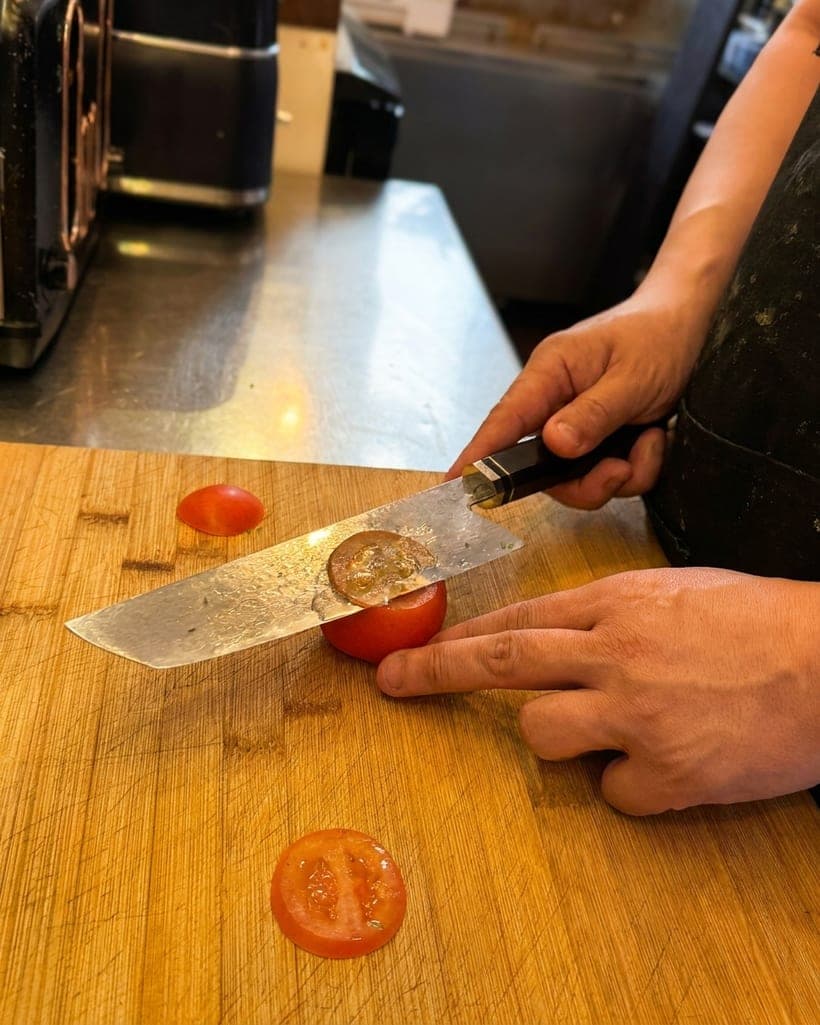
For a robust cleaver such as the 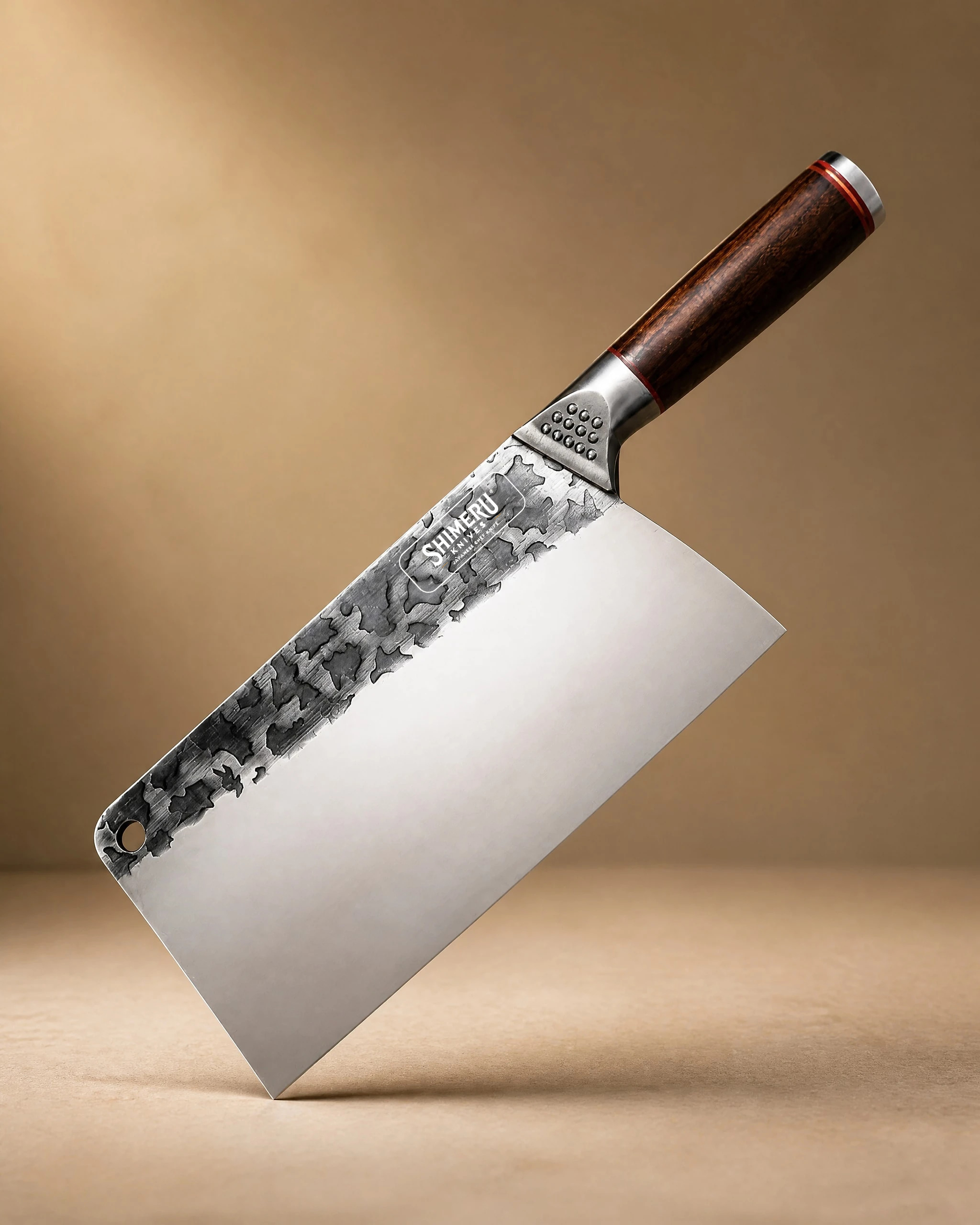 Saba 7" Stainless Steel Cleaver 中華包丁£49.99View product →, which is made from Japanese stainless steel and is used for meat, vegetables, and herbs, a coarser sharpener may suffice. The Saba 7 inch stainless steel cleaver has a wider blade that can take a more robust edge. It works well for heavy chopping tasks. A magnetic rolling sharpener or a medium whetstone (around 1000 grit) will keep it in good shape without over-grinding.
The 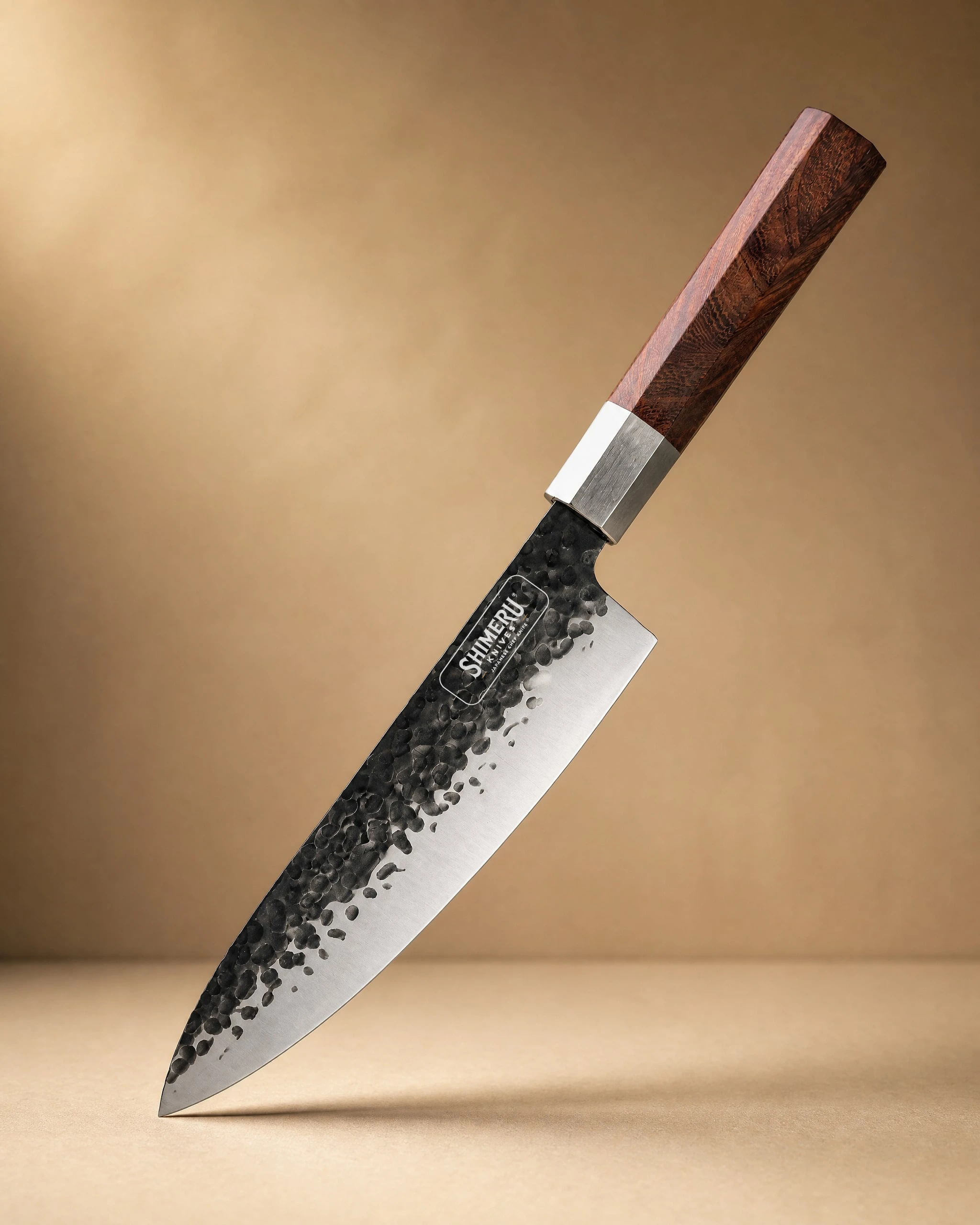 Sendai 8" Steel Gyuto Knife 牛刀£54.99View product → (Sendai 8 inch Steel Gyuto) offers a balanced option for vegetables, herbs, meat, and fish. Its stainless steel is moderately hard, making it versatile for home cooks who want one knife for many tasks. A rolling sharpener is a safe choice here, as it maintains the edge without risking damage.
If you have a mix of knives, a versatile sharpener like the Magnetic Rolling Knife Sharpener is a practical choice. Alternatively, you could invest in a good whetstone set and learn to use it. Take a look at our knife selection at /product to see the range of steels. For more on matching steels to sharpeners, see our knife guide at /knife-guide.
Caring for Your Knives and Sharpener
Sharpening is only part of knife maintenance. Honing (using a steel rod) realigns the edge between sharpenings and reduces how often you need to remove metal. Honing should be done every few uses, while sharpening might be monthly. Wash knives by hand with mild soap and dry them immediately. Dishwashers are harmful because the heat and detergent can dull edges and damage handles.
Store knives properly: in a block, on a magnetic strip, or with blade guards. Loose in a drawer is a common cause of nicks and dulling. For wooden handles like those on the Saba (African Wedge hardwood) or Sendai (Mkuruti wood), avoid prolonged soaking and dry them thoroughly to prevent cracking. The Yoshii has a wood and copper handle that benefits from occasional mineral oil treatment.
Also look after your sharpener. Clean it according to the manufacturer’s instructions. Most pull‑through and rolling sharpeners can be wiped with a damp cloth. Avoid dropping them, as the abrasive surfaces can crack. Replace the sharpener when the abrasives wear down, usually after several years of regular use. For more tips, see our knife care guide at /knife-care.
Final Thoughts
A good knife sharpener is an investment in your cooking. The best one is the one you will actually use. If you want a quick, foolproof solution, a rolling sharpener like the Magnetic Rolling Knife Sharpener is a solid choice. If you prefer a hands‑on approach and have high‑carbon knives, a whetstone rewards you with a superior edge. For a balanced collection of kitchen knives, we offer a range of options at /product?category=sharpener. Remember that any sharpener is better than none, and keeping your knives sharp makes every meal easier to prepare.
Photography: Manki Kim via Unsplash.


