






Japanese Damascus Kitchen Knives Buying Guide

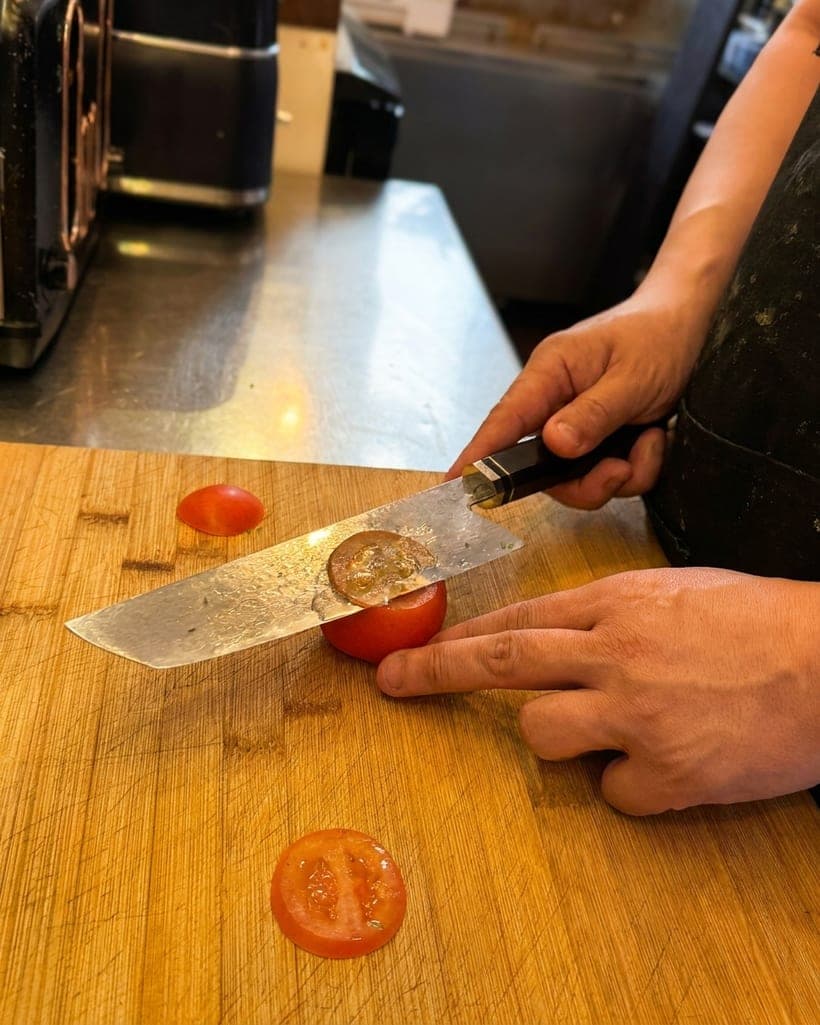
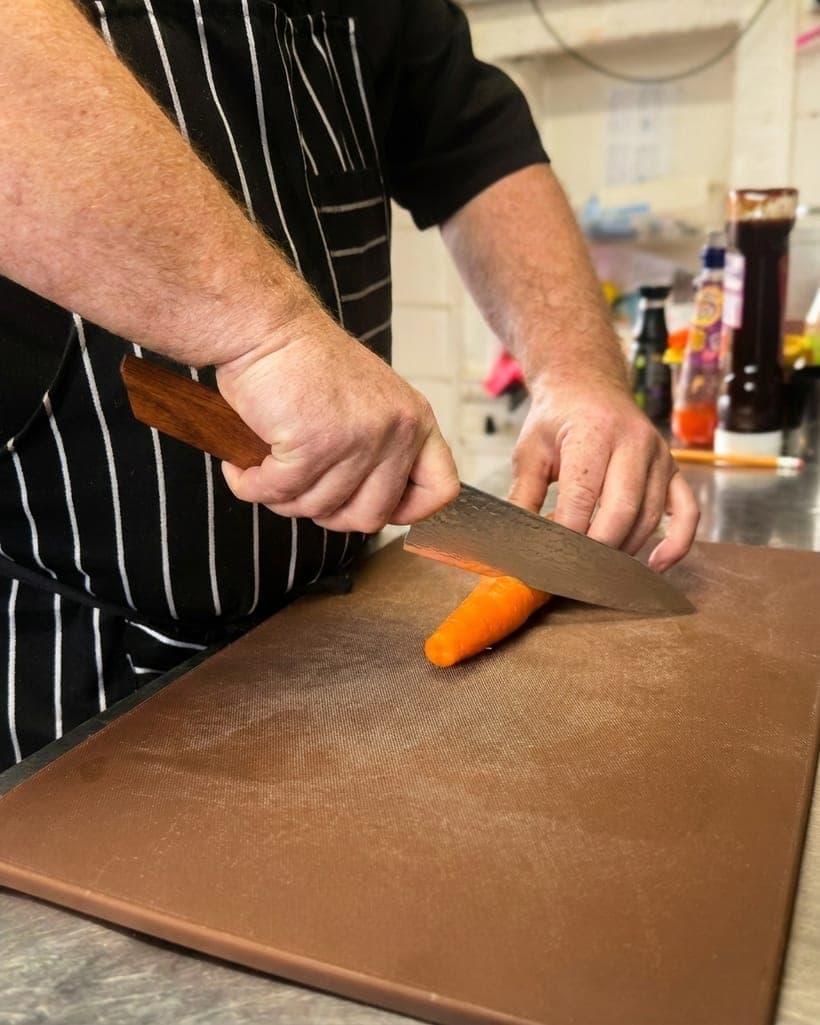
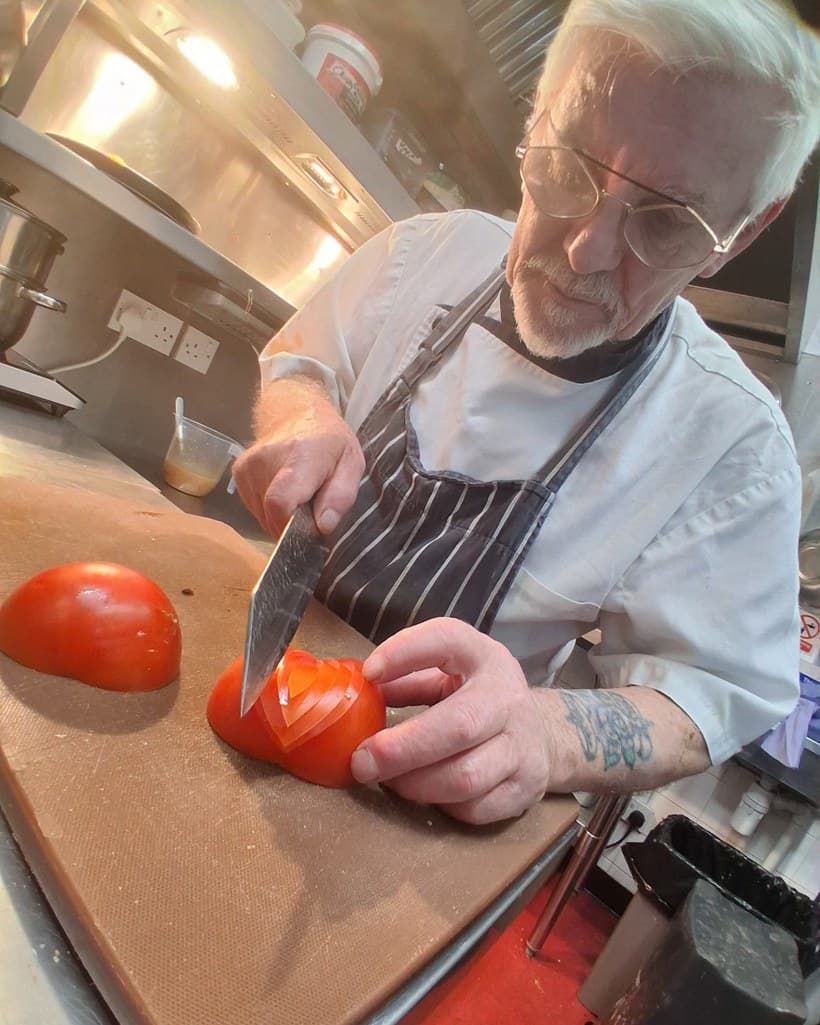
Japanese Damascus kitchen knives are among the most revered tools in the culinary world. Their distinctive wavy patterns, combined with exceptional sharpness, have made them a favourite of professional chefs and home cooks alike. But what exactly sets a Damascus kitchen knife apart from a standard blade? And how do you choose the right one for your kitchen? In this buying guide, we break down everything you need to know, from the metallurgy behind the pattern to the practical considerations of handle materials and blade shapes. Whether you are buying your first high‑end knife or adding to a collection, this guide will help you make an informed decision.
What is Damascus Steel?
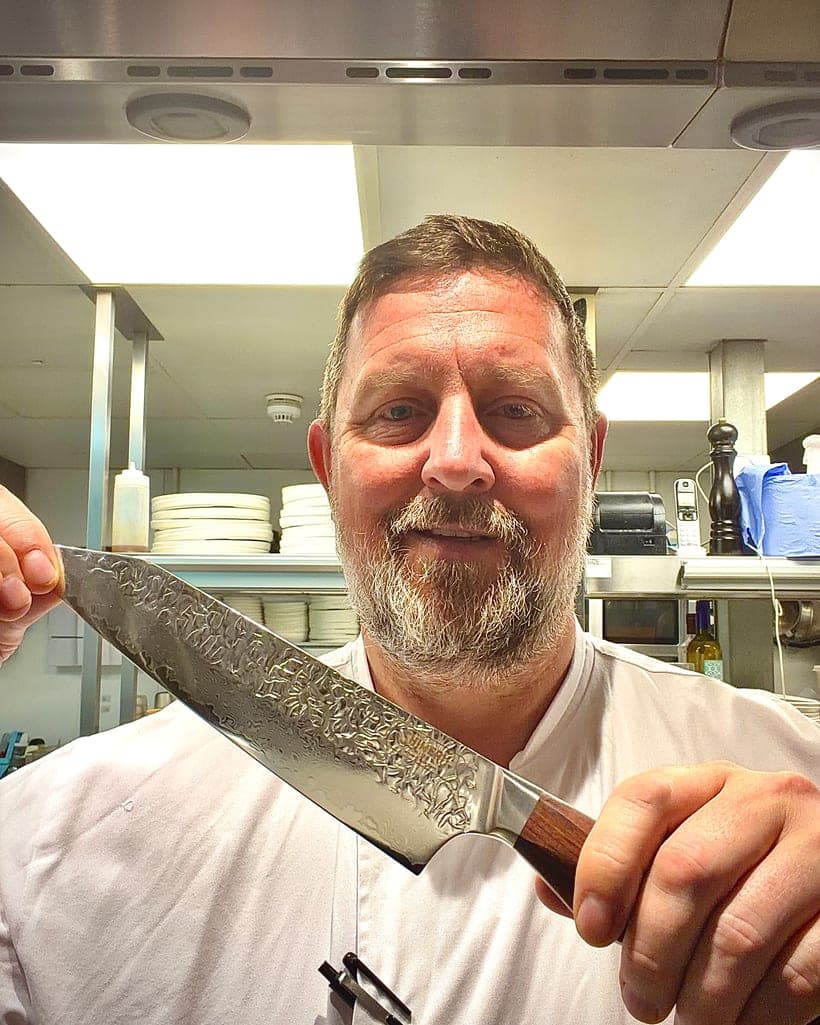
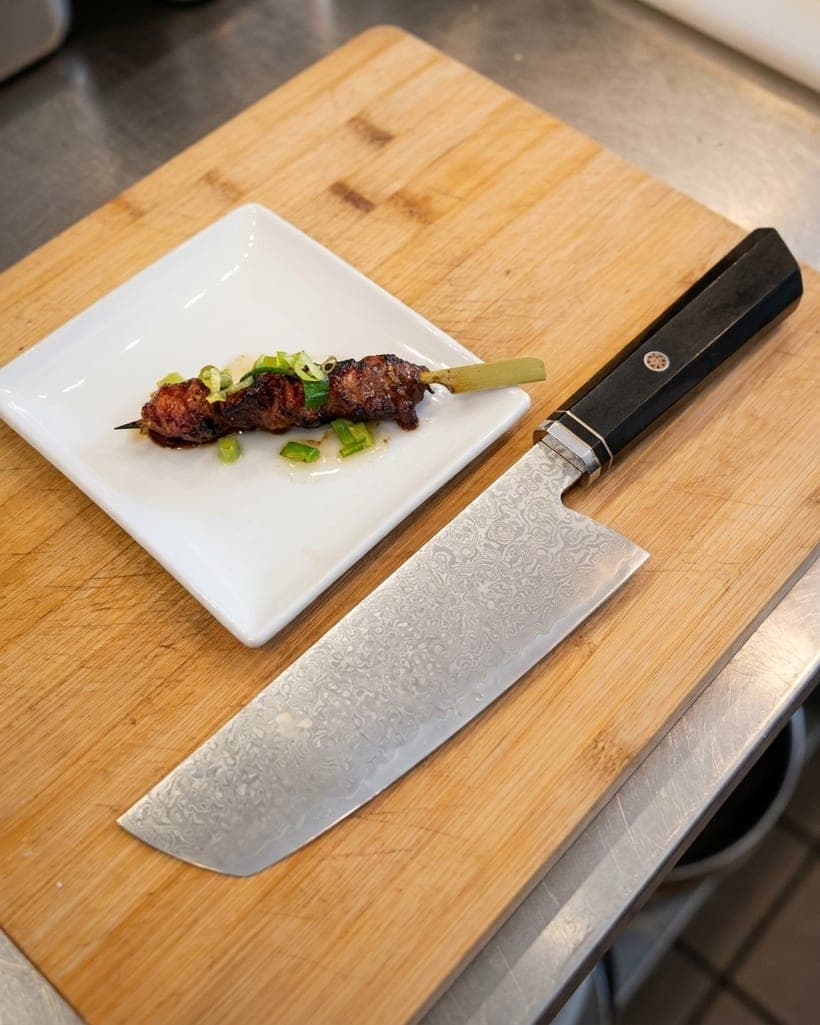
Damascus steel refers to a method of forging where multiple layers of steel are folded and forge‑welded together. This process creates a blade with a visible pattern, often resembling water ripples or flowing lines. Historically, true Damascus steel was produced in the Middle East from wootz steel, but modern Japanese Damascus knives use a technique known as pattern welding. Layers of hard, high‑carbon steel are combined with softer, more flexible steel to produce a blade that is both hard and tough. The result is a knife that holds a fine edge yet is resilient enough to withstand everyday use.
The term “Damascus” in the context of Japanese knives usually refers to a decorative cladding applied over a core of high‑performance steel. The core does the cutting, while the Damascus cladding adds visual appeal and some corrosion resistance, depending on the materials used. Many Japanese Damascus kitchen knives are stainless, but some are carbon steel, which requires more care but can achieve even sharper edges. The core steel is often a high‑carbon stainless alloy such as VG‑10, Aogami (blue steel), or Shirogami (white steel). VG‑10 is a popular choice because it combines good edge retention with reasonable stain resistance. Aogami Super offers even greater hardness but is more prone to rust. Knowing the core steel helps you understand how the knife will perform and how much maintenance it needs.
Benefits of Japanese Damascus Kitchen Knives
There are several reasons why cooks choose a Damascus kitchen knife over a plain‑bladed option.
- Exceptional sharpness: The hard core steel can be ground to a very acute angle, allowing for effortless slicing through meat, vegetables, and fish.
- Edge retention: High‑carbon Damascus blades stay sharp for longer, reducing the frequency of honing and sharpening.
- Unique aesthetics: No two Damascus patterns are exactly alike. The swirling layers make each knife a one‑of‑a‑kind piece of functional art.
- Reduced friction: The micro‑serrations along the Damascus layers can help food release from the blade more easily, though this effect is subtle.
However, it is important to note that not all Damascus knives are created equal. The number of layers, the type of core steel, and the heat treatment all play a role in performance. When shopping for a Japanese Damascus kitchen knife, pay close attention to the core steel specification and the reputation of the maker.
How to Choose a Damascus Kitchen Knife
Blade Shape and Size
The most versatile shape for a Damascus kitchen knife is the Gyuto, the Japanese equivalent of a Western chef’s knife. Gyutos typically range from 7 to 10 inches, with 8 to 8.5 inches being the most popular for general use. A 8‑inch Gyuto can handle everything from dicing onions to carving a roast. For those who frequently work with smaller ingredients, a Santoku shape might be preferable, but Gyuto remains the best all‑rounder because its curved profile allows for a rocking motion, ideal for chopping herbs and mincing garlic. A longer blade like 8.5 inches gives you extra reach, which is helpful for slicing large pieces of meat or watermelon. Shorter blades around 7 inches offer more control for intricate work but require more passes to cut through larger items. Think about the tasks you do most often: if you cook for a family and often handle roasts or large vegetables, an 8‑inch or 8.5‑inch Gyuto is a solid choice.
Handle Material
Handle materials affect grip, comfort, and maintenance. Traditional Japanese wa‑handles are often made from magnolia or chestnut, but modern composite handles offer greater durability and moisture resistance. Common materials include resin‑stabilised wood like Pakkawood, burlwood, and exotic hardwoods such as olive wood or Mkuruti. For example, the 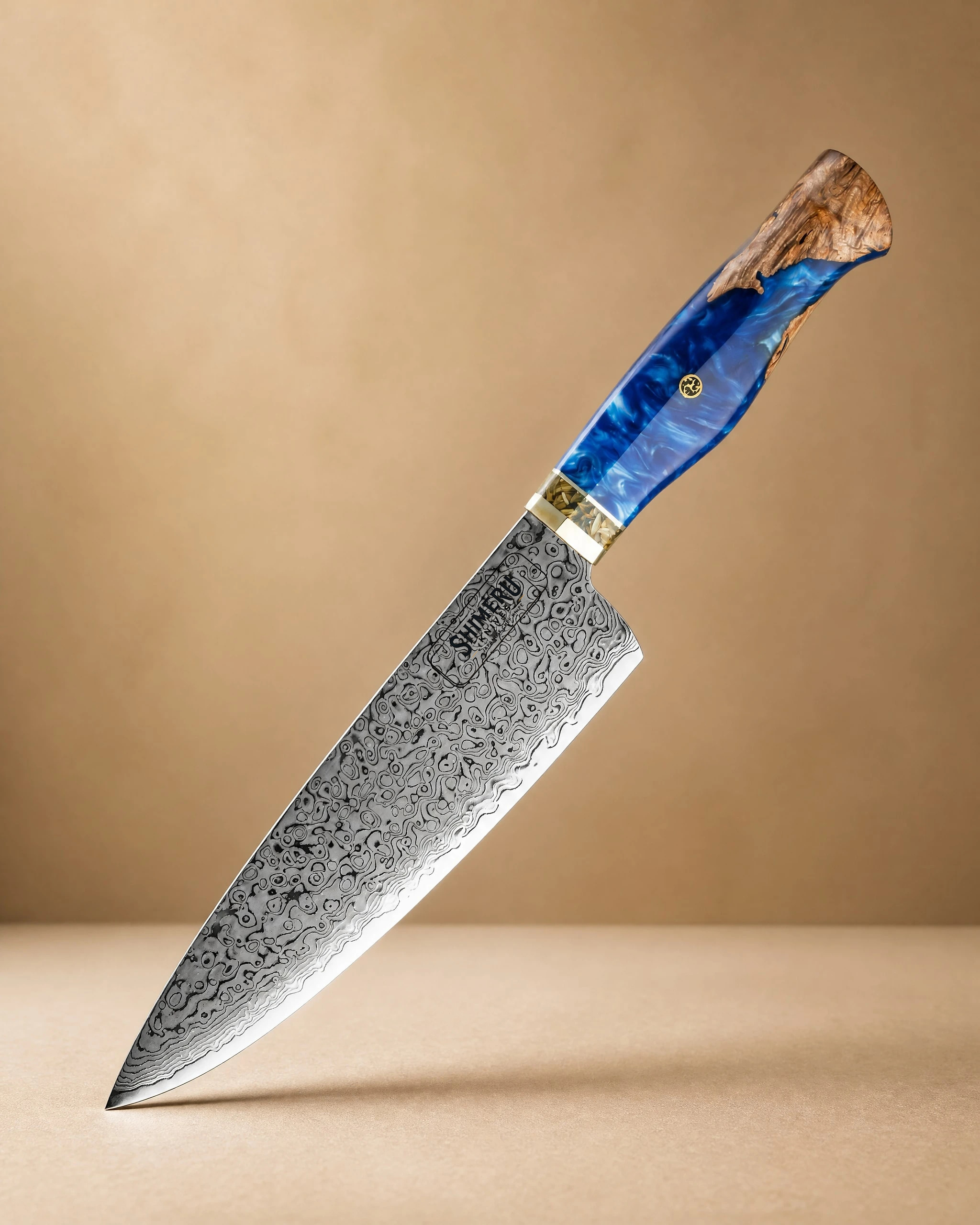 Yamato 8" Damascus Steel Gyuto Knife 牛刀£84.99 · currently out of stockView product → features a blue resin and natural burlwood handle, which is both attractive and comfortable to hold. The resin stabilisation prevents the wood from expanding or cracking, making it a practical choice for a busy kitchen. The
 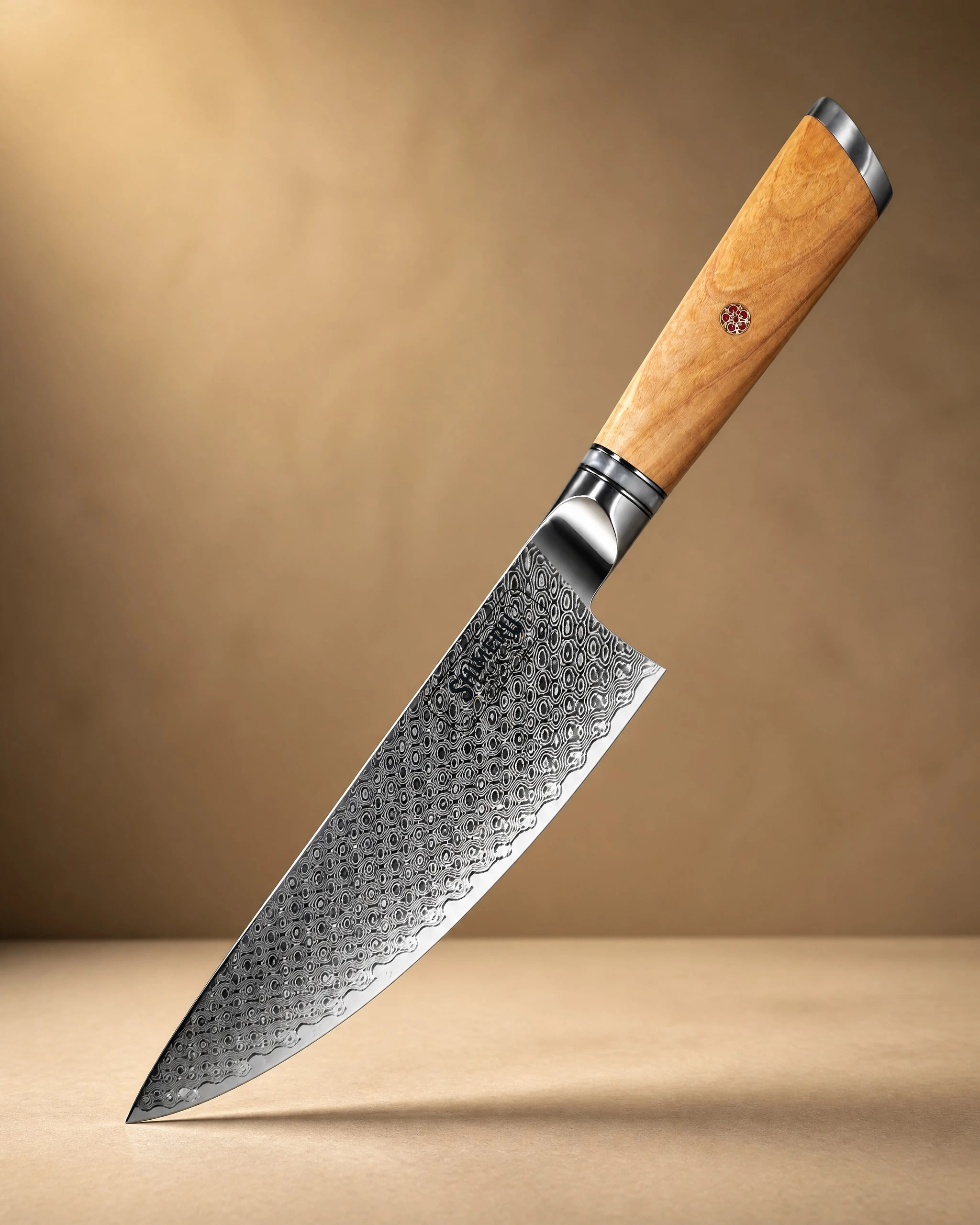 Maruyama 8'' Damascus Steel Gyuto Knife 牛刀£84.99View product → uses olive wood, a dense, oily wood that naturally resists moisture and feels warm in the hand. Pakkawood, found on the
 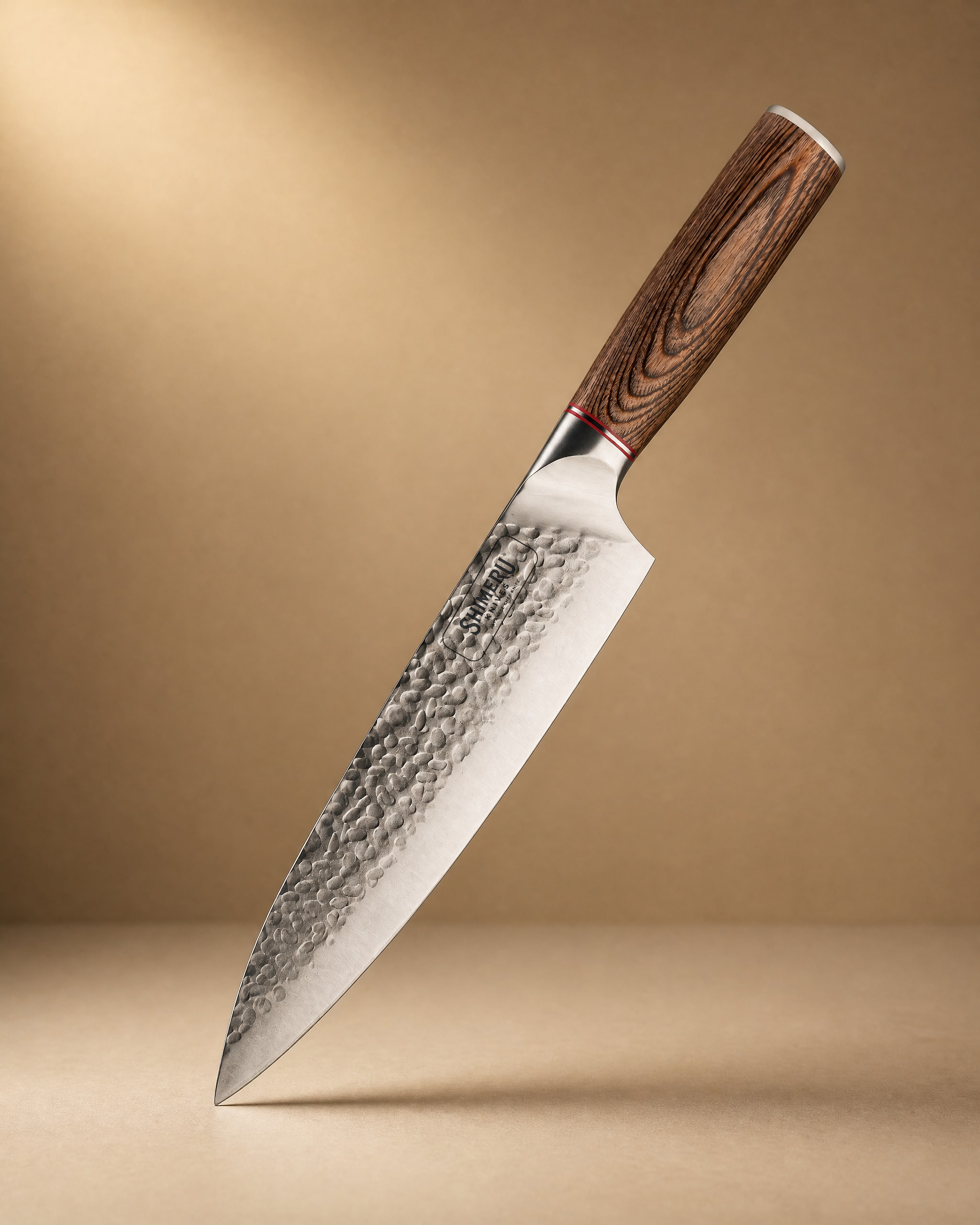 Akan 8'' Gyuto Knife 牛刀£54.99 · currently out of stockView product →, is a resin‑impregnated wood that is highly durable and easy to clean. Mkuruti, used on the
 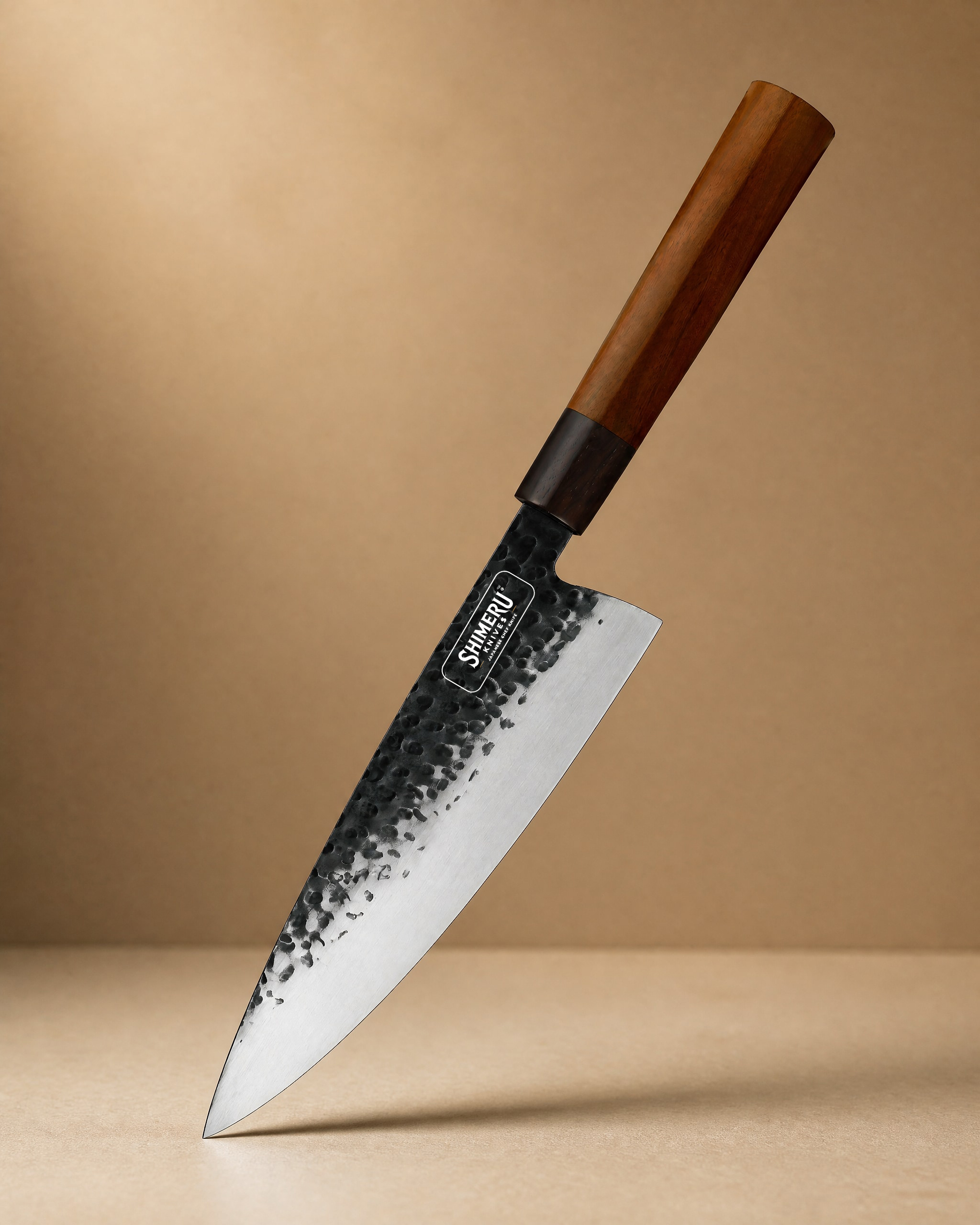 Tokachi 8.5" Gyuto Chef Knife 牛刀£64.99View product →, is a tropical hardwood with a smooth, dense grain that provides a secure grip even when wet. Each handle material offers a slightly different tactile experience, so consider whether you prefer a lighter or heavier feel, and how much maintenance you are willing to do. Wood handles generally need occasional oiling to keep them from drying out, while resin‑stabilised handles are more forgiving.
Stainless steel handles are also available, but they can become slippery when wet. Wood or resin handles usually offer a more secure grip. The shape of the handle also matters: octagonal wa‑handles are ergonomic and help you maintain a consistent grip during long prep sessions. All the knives we feature here have carefully designed handles that balance weight and comfort.
Steel Layer Count and Core Material
The number of Damascus layers can range from a few dozen to over a hundred. More layers generally create a finer, more intricate pattern, but the performance is largely determined by the core steel. A 67‑layer blade like the Yamato 8" Damascus Steel Gyuto Knife 牛刀£84.99 · currently out of stockView product → offers a good balance of pattern visibility and structural integrity. The 73‑layer Maruyama 8'' Damascus Steel Gyuto Knife 牛刀£84.99View product → provides a slightly more complex pattern, which some cooks find aesthetically pleasing. However, the type of core steel matters more than the layer count. For instance, the core steel in the Tokachi 8.5" Gyuto Chef Knife 牛刀£64.99View product → is stainless steel, which is less prone to rusting and easier to maintain, though it may not hold an edge as long as a high‑carbon core. The Akan 8'' Gyuto Knife 牛刀£54.99 · currently out of stockView product → also uses stainless steel, making it a low‑maintenance option for home cooks who want the Damascus look without the extra care. If you prioritise maximum sharpness and are happy to wipe the blade dry after each use, a high‑carbon core might be preferable. But for most people, a stainless core offers the best balance of performance and convenience.
Cutting Performance and Edge Geometry
A Japanese Damascus knife is typically ground with a thinner edge than Western knives, which allows it to glide through ingredients with minimal resistance. Most Gyuto knives have a double bevel (symmetrical edge) that suits both right‑ and left‑handed users. The width of the blade also affects performance: a wider blade provides more knuckle clearance and better balance, while a narrower blade is lighter and more nimble. The Yamato 8" Damascus Steel Gyuto Knife 牛刀£84.99 · currently out of stockView product → and Maruyama 8'' Damascus Steel Gyuto Knife 牛刀£84.99View product → both have a classic Gyuto profile that excels at slicing and push‑cutting. The Tokachi 8.5" Gyuto Chef Knife 牛刀£64.99View product → with its slightly longer 8.5‑inch blade gives you extra leverage for cutting through dense vegetables like squash. Consider the types of food you prepare most. If you frequently cut through bones or hard squash, you might want a slightly thicker blade, but for most fruit, vegetables, and boneless meat, a standard Gyuto is ideal.
Our Recommended Japanese Damascus Kitchen Knives
At Shimeru Knives, we have curated a selection of Damascus Gyuto knives that suit different preferences and budgets. Below are three models we believe offer excellent value.
The Yamato 8" Damascus Steel Gyuto Knife 牛刀£84.99 · currently out of stockView product → is an 8‑inch Gyuto with a 67‑layer Damascus steel blade. The blue resin and natural burlwood handle provides a solid grip and a striking contrast with the steel. This knife excels at cutting meats, vegetables, and fish, making it a great all‑purpose choice for both professional and home kitchens. It suits cooks who appreciate a combination of modern materials and traditional craftsmanship. The resin‑stabilised handle means you do not have to worry about water damage, and the Damascus pattern is both beautiful and functional.
If you prefer a slightly longer blade, the Tokachi 8.5" Gyuto Chef Knife 牛刀£64.99View product → measures 8.5 inches and is made from stainless steel with an Mkuruti wood handle. Although not a Damascus cladding, this knife offers a clean look and excellent corrosion resistance, ideal for cooks who prefer low‑maintenance knives. It is well suited for vegetables, meats, and fish. The extra half‑inch gives you more reach, and the Mkuruti handle is comfortable for extended use. This knife is a good choice for those who want a Gyuto with a classic, understated appearance and easy care.
For those who want a Damascus pattern at an accessible price, the Akan 8'' Gyuto Knife 牛刀£54.99 · currently out of stockView product → is an 8‑inch Gyuto with a stainless steel Damascus blade and a Pakkawood handle. This knife handles meats, fish, vegetables, and fruit with ease, and the Pakkawood handle is durable and easy to clean. It is versatile enough for a wide range of tasks and suits home cooks who want a reliable everyday knife with a striking appearance. The stainless core means less worry about rust, and the Damascus pattern adds elegance without breaking the bank.
Finally, the Maruyama 8'' Damascus Steel Gyuto Knife 牛刀£84.99View product → is a premium option featuring 73 layers of Damascus steel and an olive wood handle. The extra layers create a more intricate pattern and contribute to a hard, long‑lasting edge. It is especially good for slicing vegetables, carving meats, and chopping herbs. The olive wood handle is naturally rich in oils, making it resistant to moisture and comfortable to hold. This knife is ideal for the enthusiast who values both performance and aesthetics and is willing to invest in a piece that will last a lifetime with proper care.
Caring for Your Japanese Damascus Kitchen Knife
To keep your Damascus kitchen knife in peak condition, follow these simple care steps. Hand wash the blade with mild soap and warm water immediately after use, then dry it thoroughly with a soft cloth. Never leave a Damascus knife soaking in water or put it in the dishwasher, as moisture can damage the handle and cause the blade to dull or corrode. For cutting surfaces, always use a wooden or plastic cutting board; glass or stone boards will dull even the finest edge. Store your knife in a blade guard, a magnetic strip, or a knife block to protect the edge. Regular honing with a ceramic rod will keep the edge aligned between sharpenings. For a deeper understanding of knife maintenance, read our knife care guide.
If you are new to high‑end knives, we also recommend our guide to choosing a knife for tips on selecting the right style and size for your cooking habits. Additionally, consider the environment where you live. If you are in a humid area, stainless Damascus knives like the Tokachi 8.5" Gyuto Chef Knife 牛刀£64.99View product → or Akan 8'' Gyuto Knife 牛刀£54.99 · currently out of stockView product → may be easier to maintain. For carbon steel cores, be diligent about drying the blade after every use and applying a thin layer of mineral oil if you plan to store it for a while. Over time, carbon steel blades develop a natural patina that protects against further corrosion, but this requires patience and proper handling.
Where to Buy Japanese Damascus Kitchen Knives
You can explore our full collection of Japanese Damascus kitchen knives at our shop. We stock a curated range of Gyuto knives, including the models featured above. For those specifically interested in Gyuto shapes, our Gyuto category offers a focused selection. We ship from the UK and take pride in sourcing authentic, high‑quality knives from reputable Japanese makers.

Investing in a Japanese Damascus kitchen knife is a decision that will pay dividends every time you cook. The combination of artistry and performance is unmatched, and with proper care, a Damascus blade can last a lifetime. Whether you choose the intricate 73‑layer Maruyama or the robust 67‑layer Yamato, you will be adding a tool that makes slicing, dicing, and carving a genuine pleasure. Browse our collection and experience the difference a well‑crafted Damascus knife can make in your kitchen. Take your time to consider the handle material, blade length, and core steel that best match your cooking style. A well‑chosen knife will serve you faithfully for years, turning every meal preparation into a more enjoyable experience.
Photography: Kevin Doran via Unsplash.


