

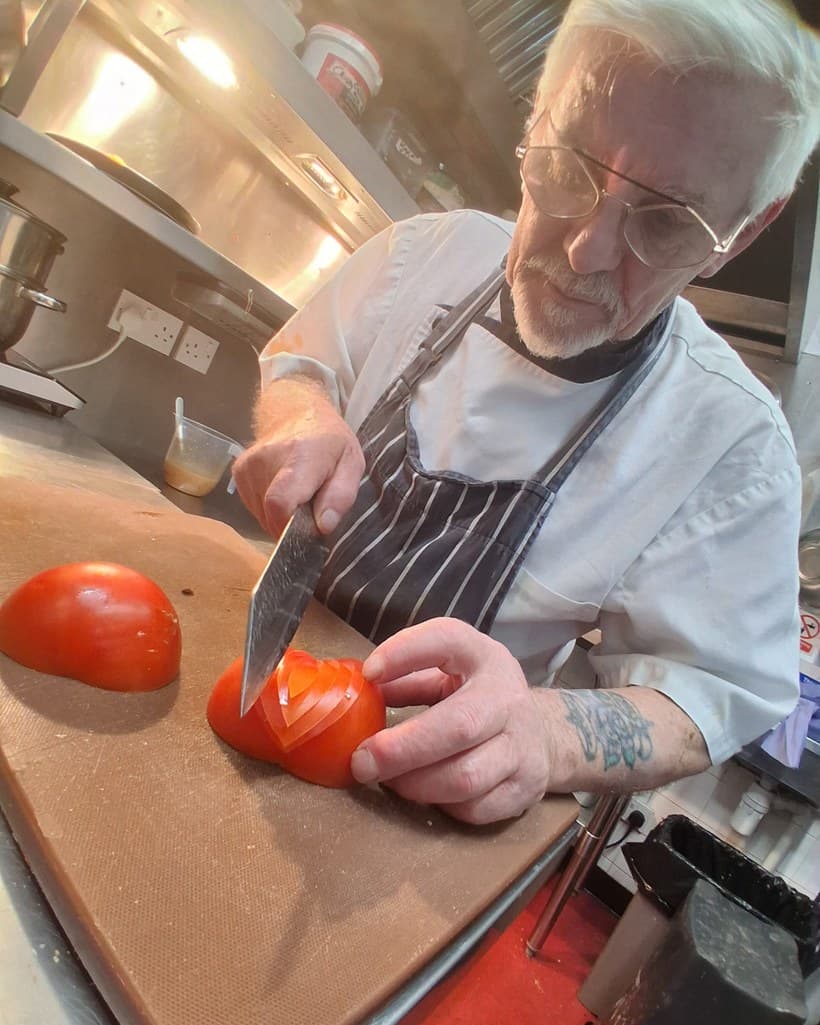
Bunka Knife: The Versatile Japanese Blade

If you have been exploring Japanese kitchen knives, you will have encountered the santoku, the gyuto, and perhaps the nakiri. But there is another shape that deserves your attention: the bunka knife. This article explains what a bunka knife is, why it is so versatile, how it compares to other popular blade styles, and which steel types suit different cooking needs. We will also offer practical advice on technique, maintenance, and who each knife suits best.
What Is a Bunka Knife?
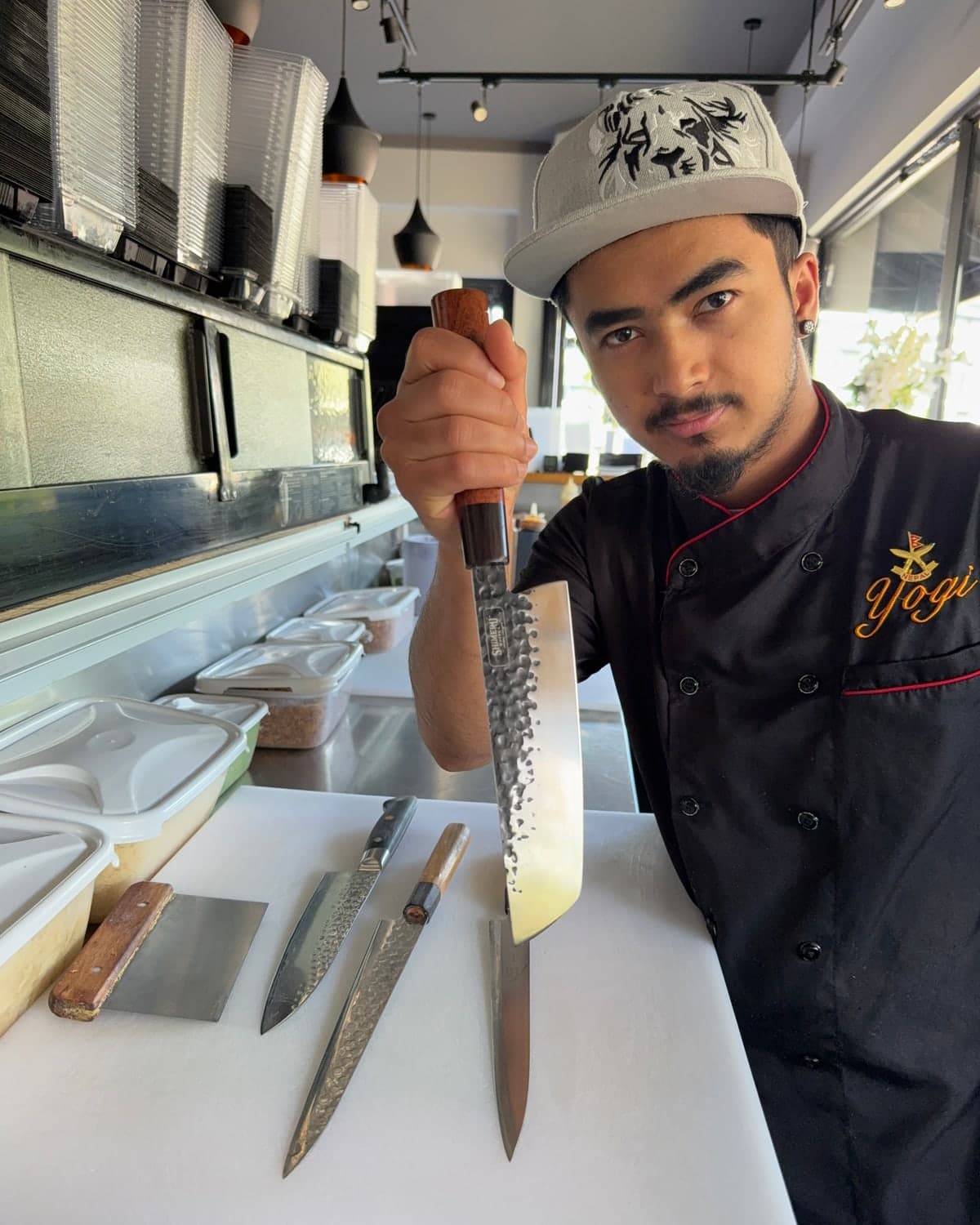
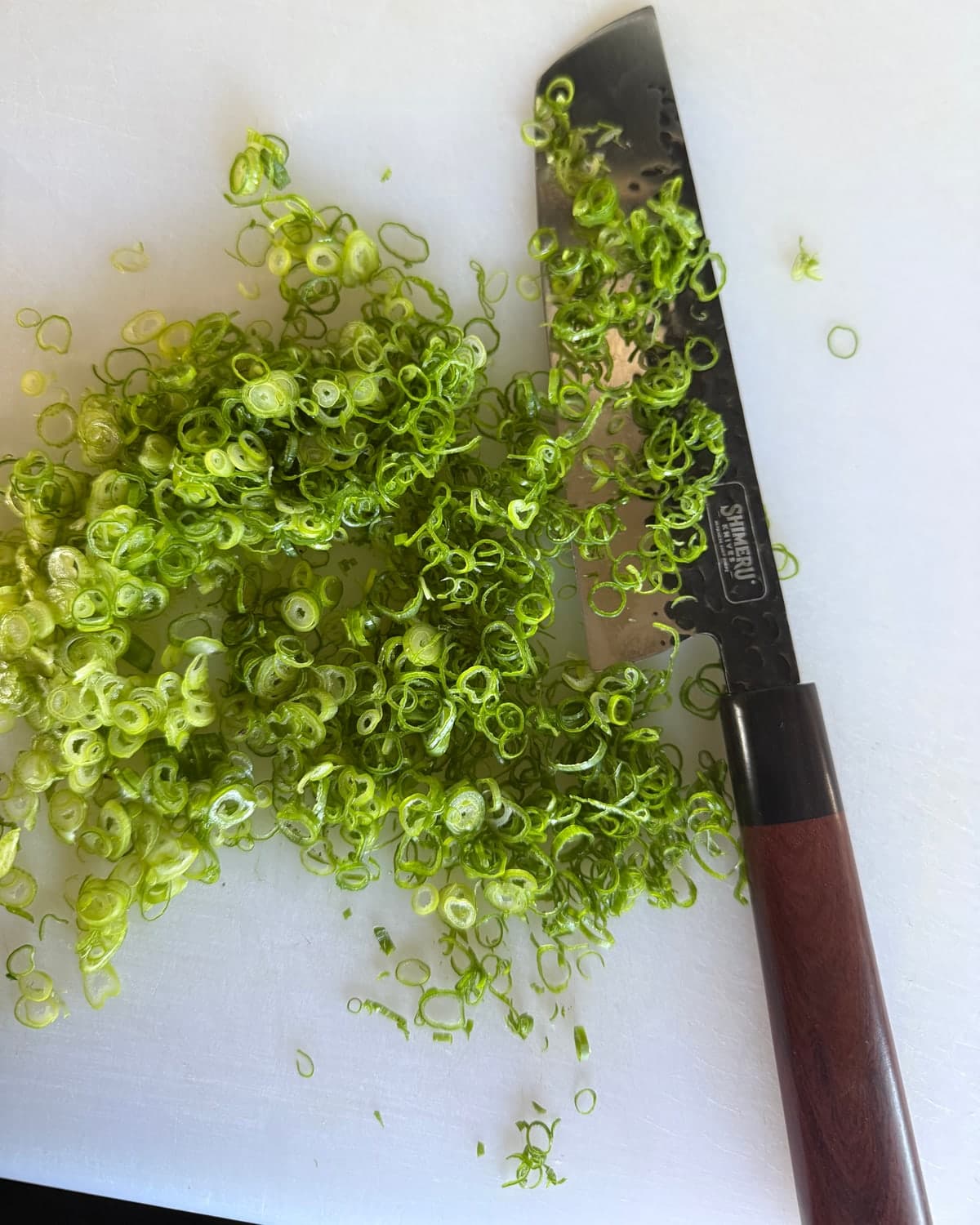
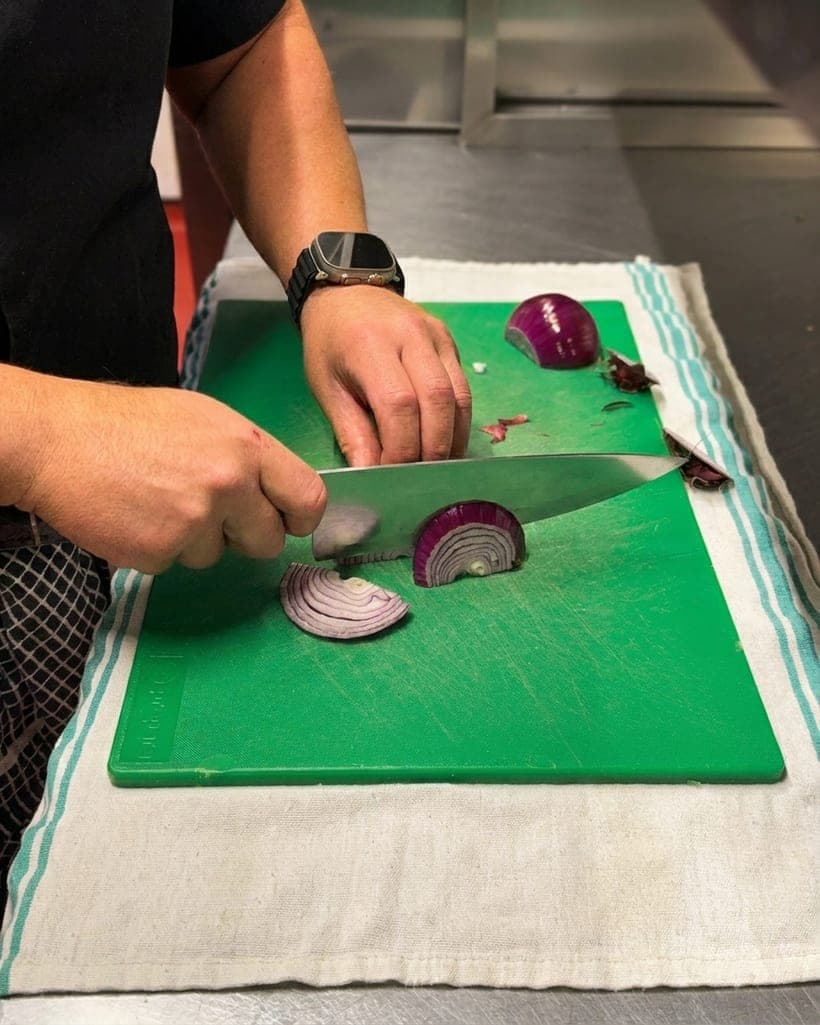
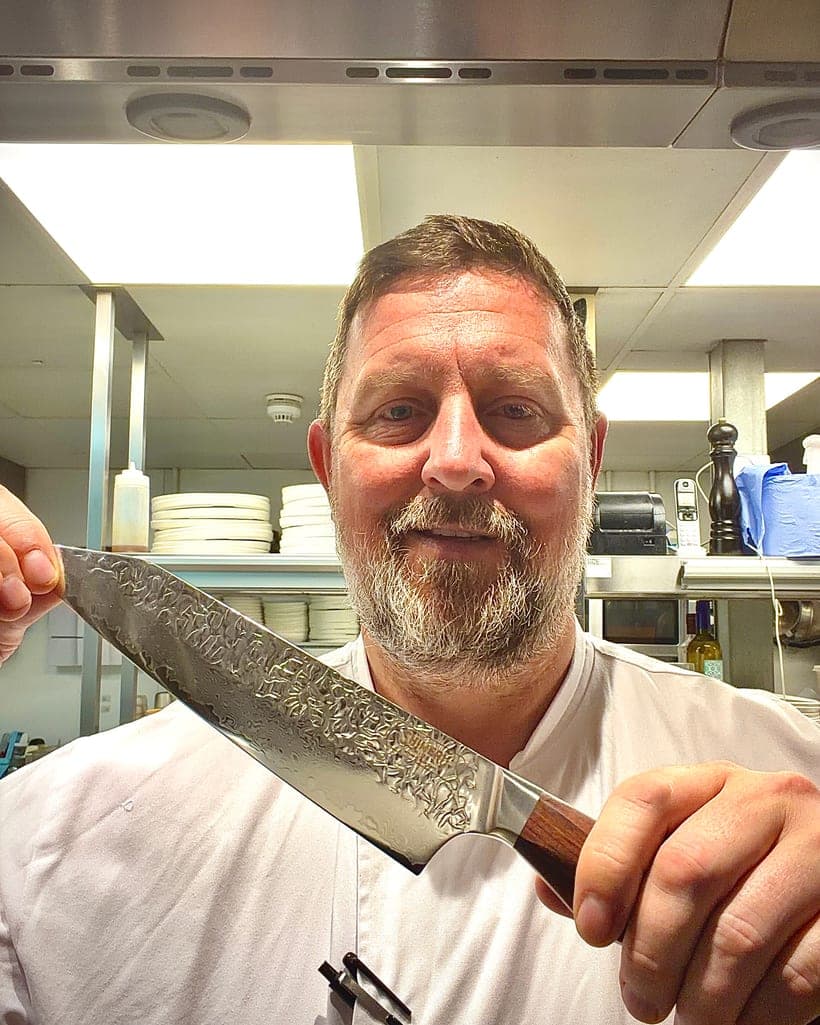
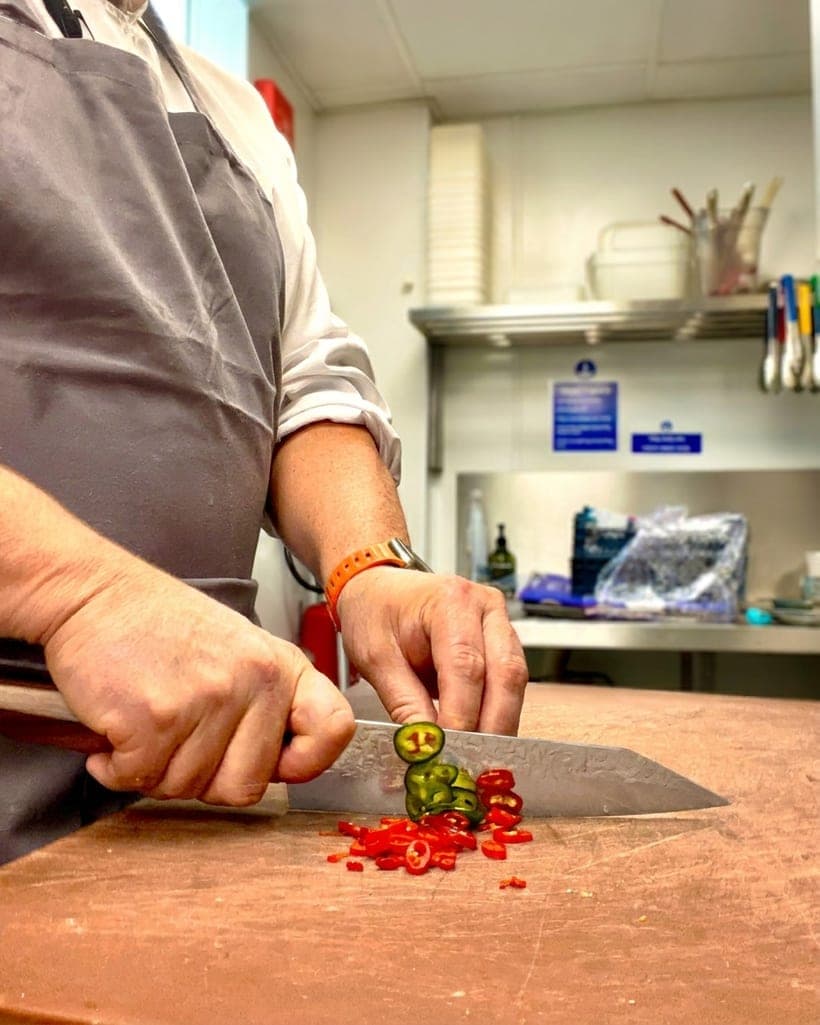
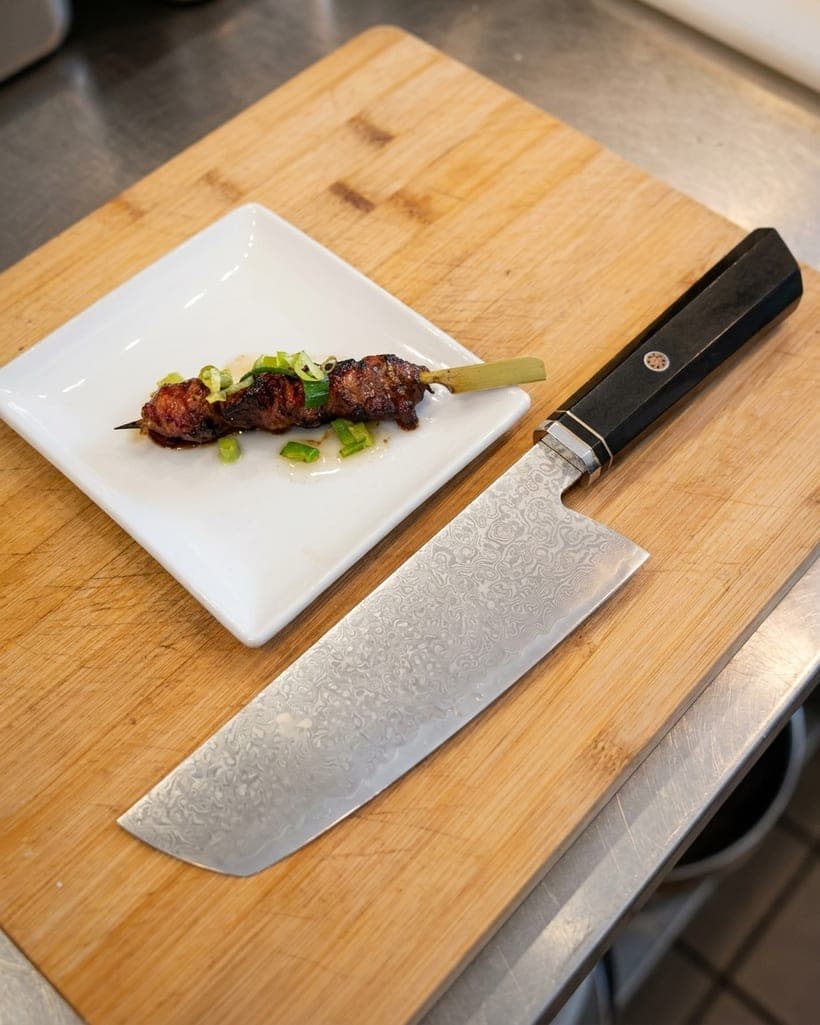
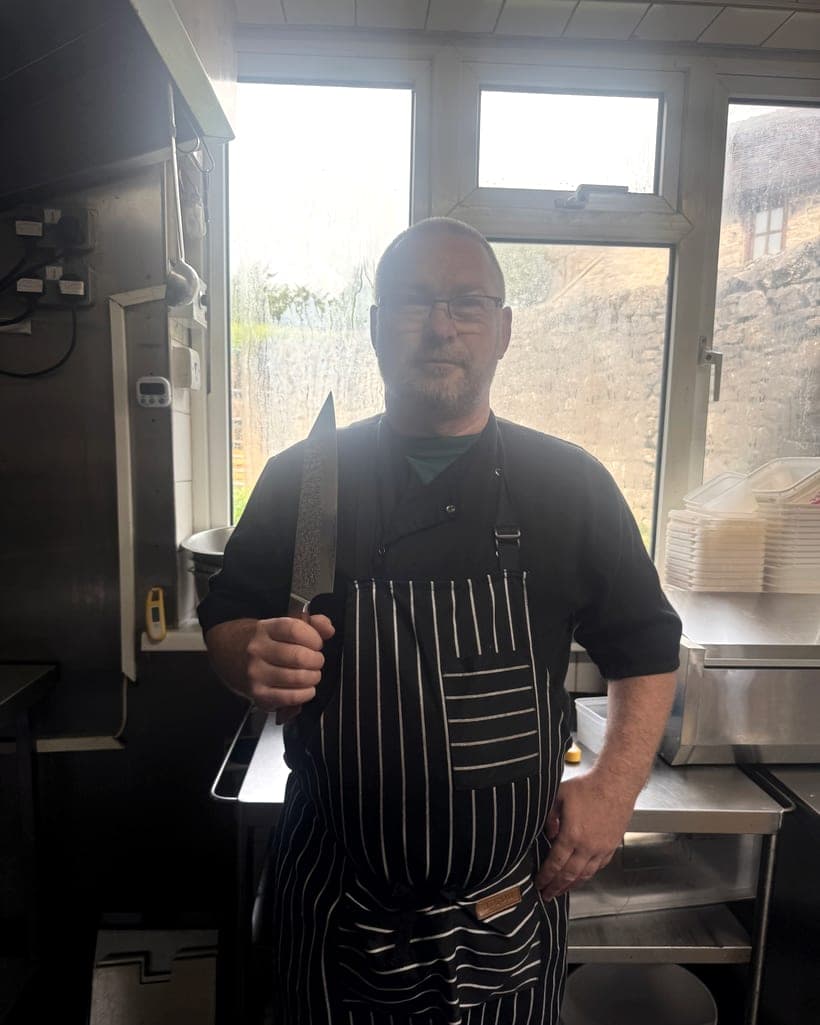
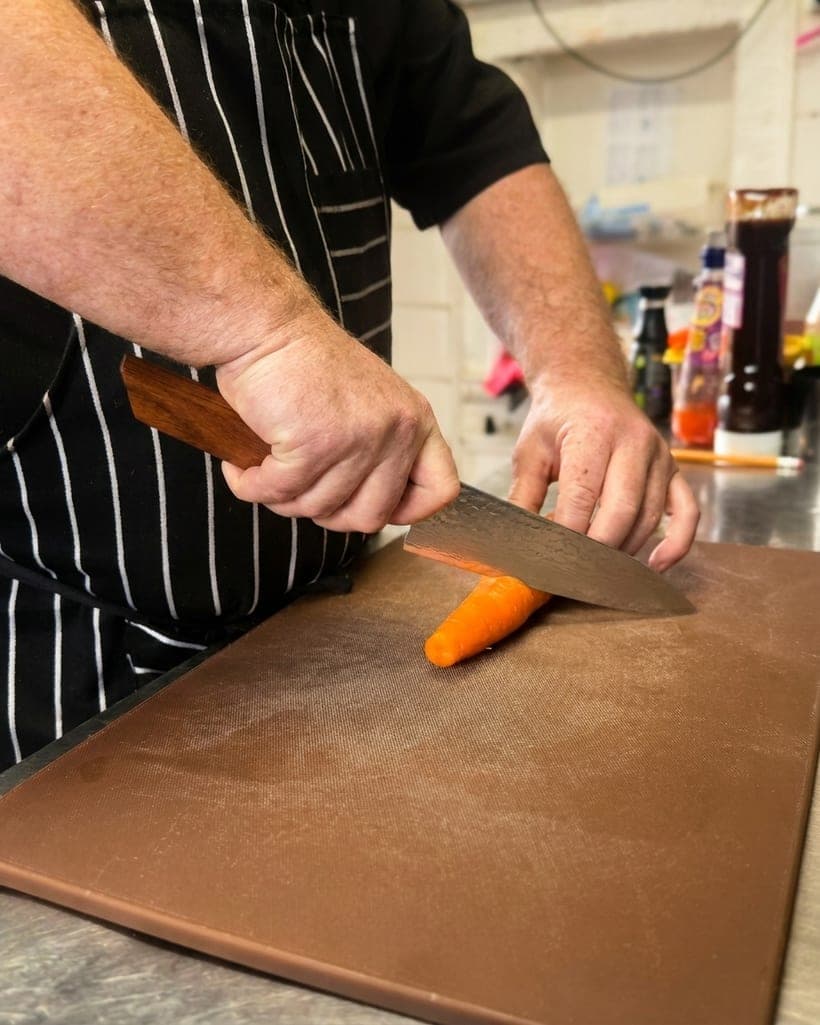
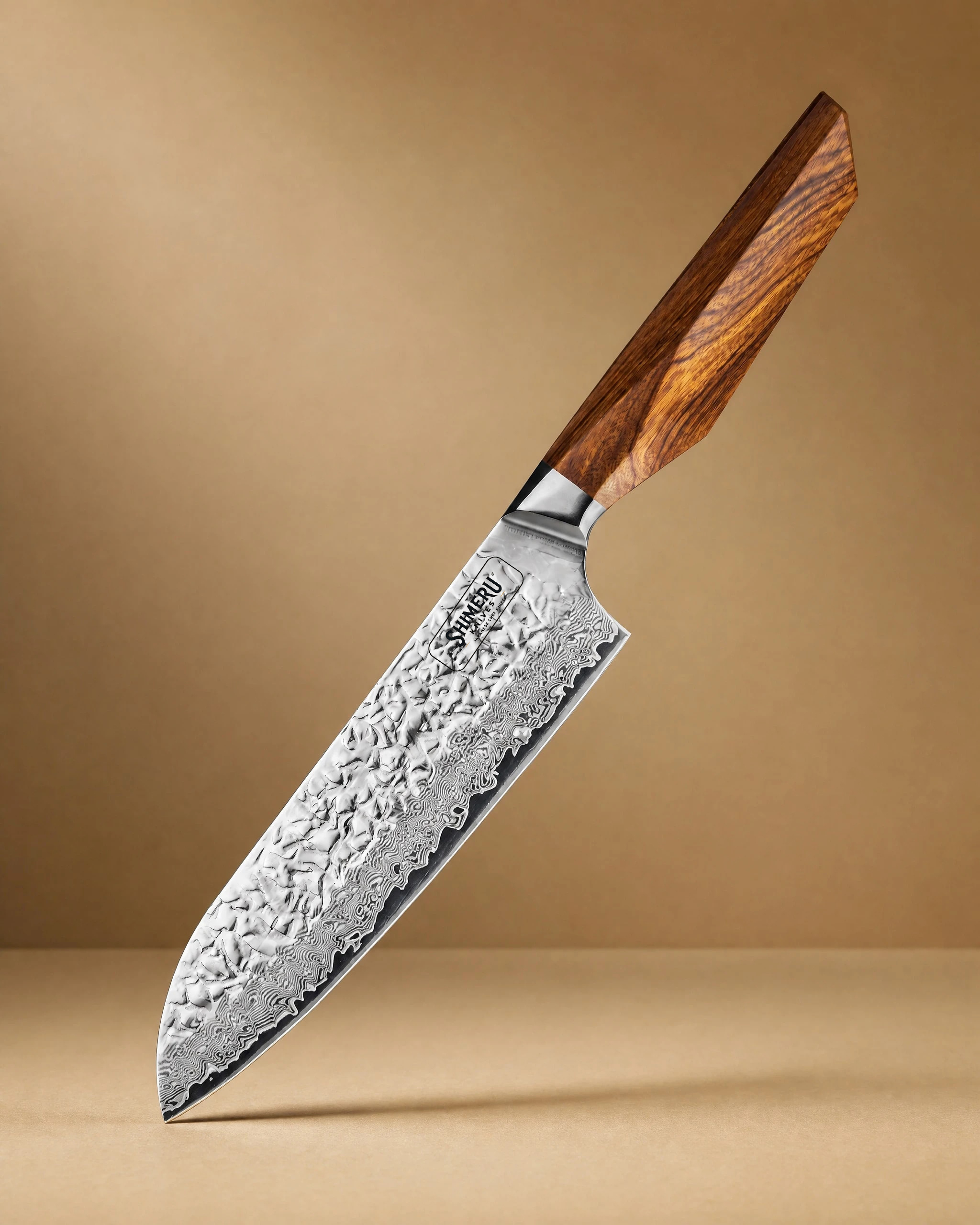
A bunka knife is a Japanese chef's knife characterised by a k-tip (also called a sheep's foot or reverse tanto tip) and a flat edge. The blade is typically between 165mm and 180mm long, making it slightly shorter than a typical gyuto but longer than a nakiri. The name 'bunka' translates to 'culture' or 'cultural', reflecting its role as a general purpose tool. The flat edge allows for clean push cuts, while the pointed tip enables detailed work such as scoring fish or slicing herbs. Many home cooks and professionals appreciate the bunka for its balance of size and agility. Unlike a curved gyuto, the bunka's flat edge makes it excellent for chopping vegetables without accordion cuts, as the entire edge contacts the board at once. This design is particularly effective for tasks like dicing onions or mincing garlic, where a consistent slice is more important than a rocking motion.
How Does It Compare to a Santoku?
The santoku knife is another all rounder, often described as a 'three virtues' blade for slicing, dicing, and mincing. Both the bunka and the santoku share a similar wide blade and a flat edge, but the bunka has a more pronounced tip. This makes the bunka better for tasks that require precision, such as trimming meat or coring fruit. The santoku's tip is typically curved, which is excellent for rock chopping but less agile for tip work. If you already own a santoku, the bunka can be a complementary knife; if you are choosing between them, consider your cutting style. For those who prefer a rounded profile, a santoku such as 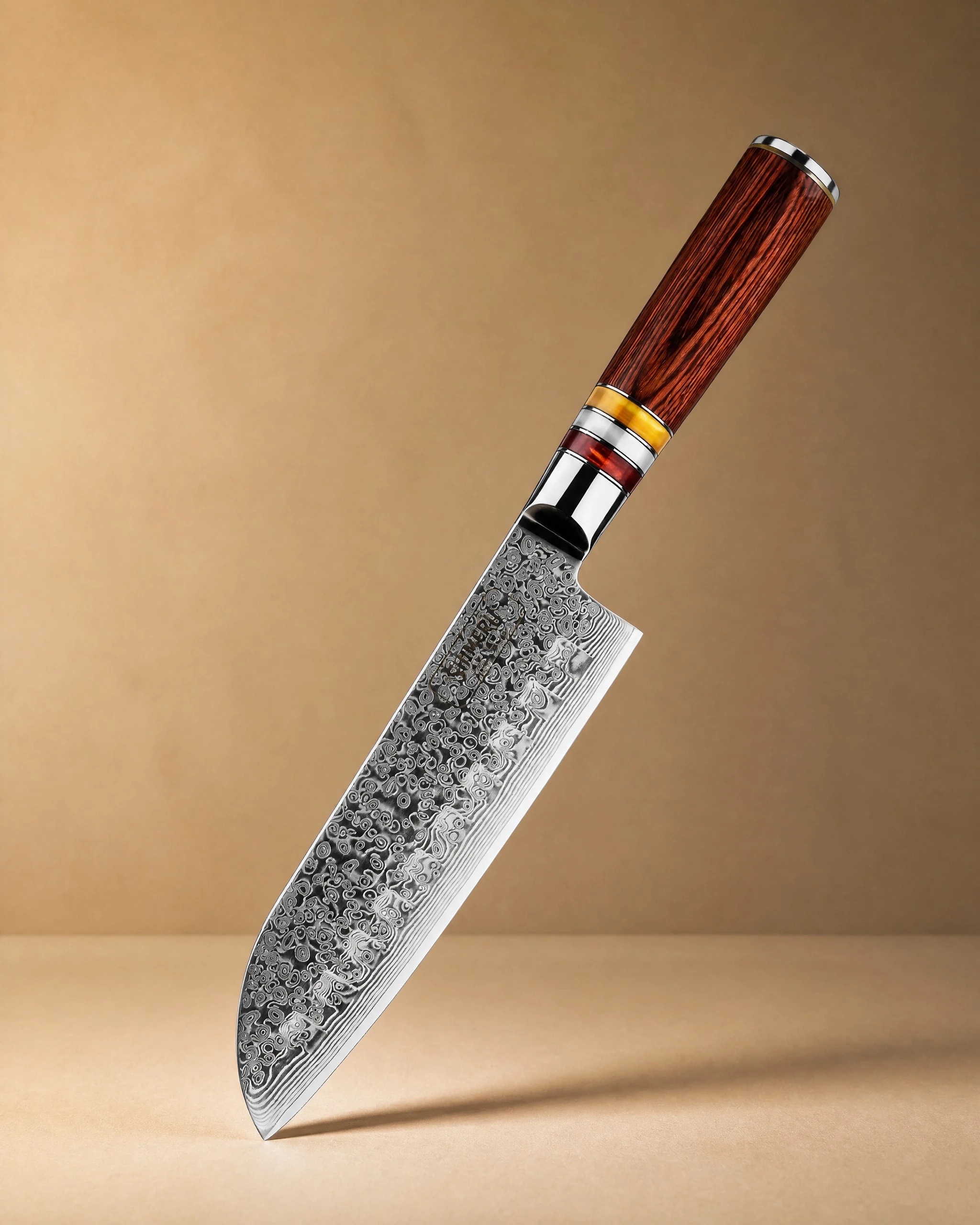 Hikari 光 7" Damacus Steel Professional Santoku Knife 三徳包丁£74.99View product → is a tried and tested choice. It has a 7 inch blade of VG10 core Damascus steel, excellent for meat and vegetables. The VG10 steel holds a sharp edge for a long time and is corrosion resistant, making it a favourite among home cooks who want a low maintenance premium blade. The 67 layer Damascus cladding not only looks beautiful but also adds toughness and helps the steel glide through ingredients.
Why Choose a Bunka?
The bunka's design offers several practical advantages. The pointed tip gives you greater control for intricate cuts, while the wide blade still provides ample surface area for scooping up chopped ingredients. The flat edge means you can use the entire length of the blade for chopping without needing to rock, which is especially useful for vegetables and herbs. Many cooks find the bunka less tiring to use than a gyuto for extended prep sessions. It also looks striking in the hand, with a profile that feels purposeful. If you want a smaller blade for lighter tasks, you might consider a compact santoku like 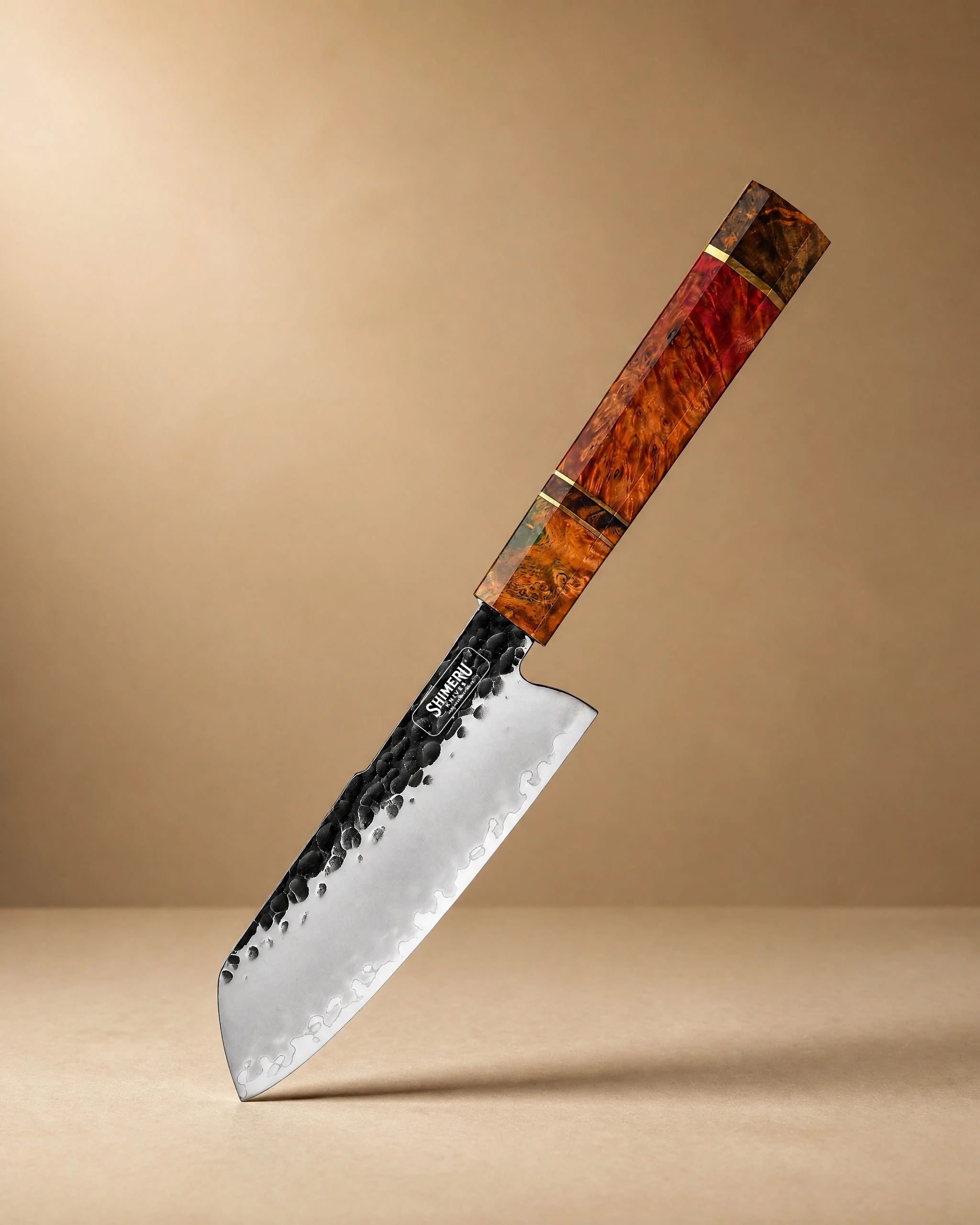 Ishikari 5" Santoku Knife 三徳包丁£64.99View product →. Its 5 inch AUS stainless steel blade is nimble and easy to handle, making it a good secondary option. AUS stainless steel is a reliable, forgiving steel that takes a sharp edge and is easy to sharpen on a whetstone. It is less hard than VG10 but also less brittle, so it is a great choice for cooks who are new to Japanese knives or who prefer a blade they can touch up quickly at home. The smaller size of this knife also suits cooks with smaller hands or those who do a lot of detail work.
Bunka vs Gyuto vs Nakiri
To understand the bunka, it helps to place it alongside its relatives. A gyuto is a chef's knife with a curved edge, ideal for rocking cuts and slicing larger pieces of meat. A nakiri is a vegetable knife with a straight edge and a square tip, excellent for push cutting but not for working with meat or fish. The bunka sits between these two: it has the pointed tip of a gyuto for precision and the flat edge of a nakiri for efficient chopping. It is essentially a k-tipped gyuto with a shorter blade, sometimes called a kiritsuke gyuto. This versatility makes it a favourite among those who want a single knife that can handle most tasks in a home kitchen. For more guidance on selecting a knife, visit our knife guide. The guide breaks down blade shapes, steel types, and handle materials to help you find the right fit.

What Can You Use a Bunka For?
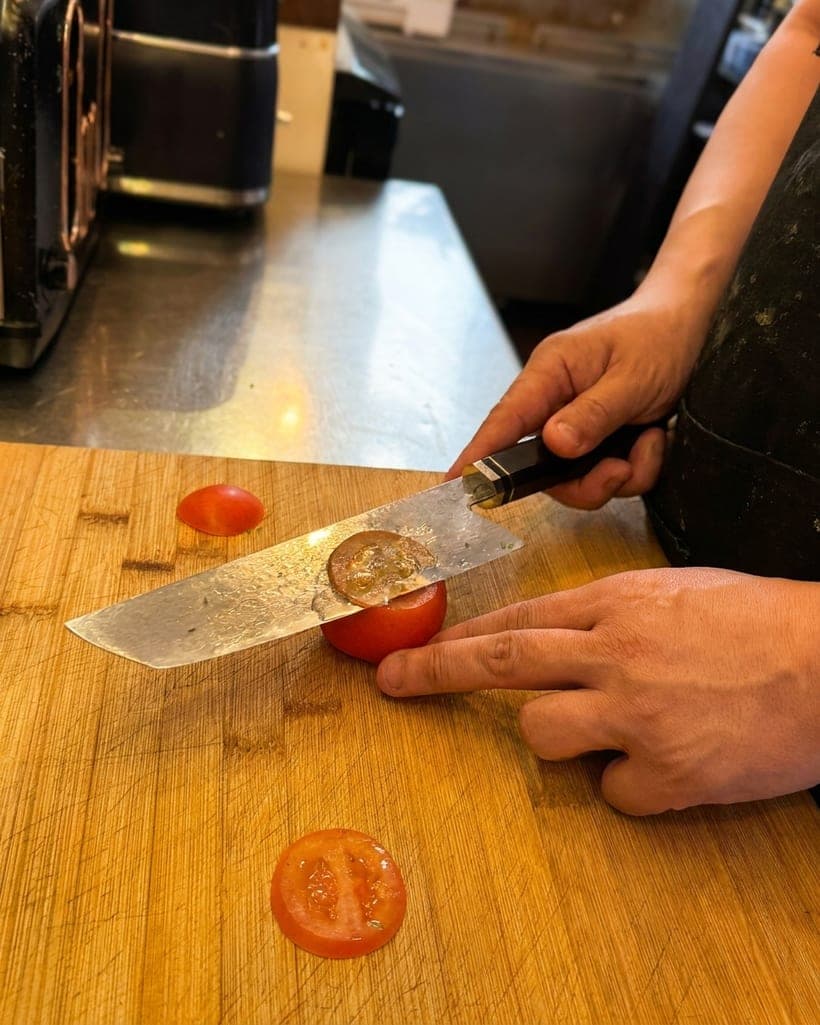
A bunka knife can handle a wide range of ingredients. Use it for slicing tomatoes, dicing onions, chopping herbs, or cutting boneless meat. The tip is useful for scoring patterns on fish skin or for trimming fat. Because the blade is relatively short, it is also good for smaller hands or for those who prefer a lighter knife. The absence of a belly means you cannot rock chop with the same ease as a gyuto, but the flat edge gives you a clean, straight cut that many chefs prefer for vegetables. If you work mainly with vegetables and fish, the bunka is an excellent choice. For those who also handle large cuts of meat, a gyuto might be more suitable, but you can always pair a bunka with a longer blade. The flat edge also makes it easier to slice through soft ingredients like ripe tomatoes without crushing them, as there is no need to drag the edge through the skin.
Steel Comparisons: VG10, AUS10, and AUS Stainless
Steel choice is a key factor when choosing a bunka or a similar knife. The bunka is often made from high carbon stainless steels like VG10 or AUS10. VG10 is a premium steel that holds a very sharp edge and is resistant to corrosion, but it can be brittle if the blade is too thin. AUS10 is similar in performance but slightly less hard, offering a good balance of edge retention and toughness. AUS stainless steel, found in some entry level knives, is softer and easier to sharpen but will need more frequent honing. The santokus we stock show these differences: Hikari 光 7" Damacus Steel Professional Santoku Knife 三徳包丁£74.99View product → uses VG10 core Damascus steel, ideal for those who want maximum edge retention and a stunning pattern. 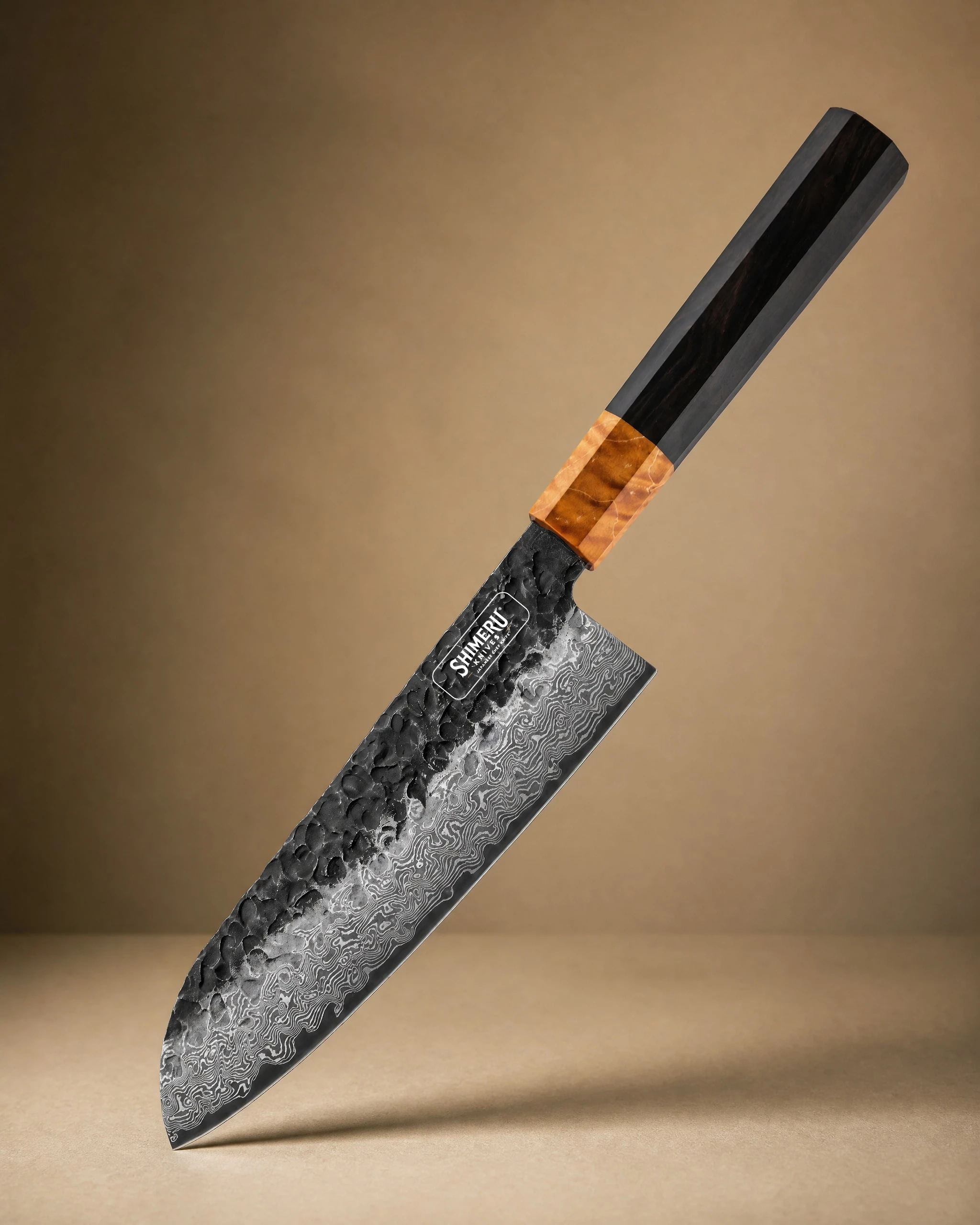 Dark Grain 7" Damascus Steel Santoku Knife 三徳包丁£79.99View product → and
  Shikoku 7" Damascus Steel Kengata Santoku 三徳包丁£79.99View product → use AUS10 Damascus steel, which is slightly tougher and still holds an edge well. Both are excellent for all round kitchen work. The choice between them often comes down to budget and how comfortable you are with a harder, more brittle steel. If you plan to use the knife for heavy tasks like cutting through small bones or hard squash, a tougher steel like AUS10 might be more forgiving. For precise slicing of vegetables and boneless meat, VG10 can be the better performer.
Care and Maintenance
Like all fine Japanese knives, a bunka requires proper care to stay sharp and perform well. Hand wash it with mild soap and dry it immediately after use. Avoid cutting on glass, stone, or hard plastic boards; instead use wood or soft plastic. Store the knife in a saya, a knife roll, or on a magnetic strip to protect the edge. Regular honing with a ceramic rod will keep the edge aligned, and occasional sharpening on a whetstone will restore the blade to its original sharpness. For detailed care instructions, refer to our knife care guide. A well maintained bunka can serve you for decades. Damascus steel knives, in particular, benefit from gentle care because the layered pattern can be affected by harsh abrasives or acidic foods left on the blade. Wipe the blade dry after cutting acidic fruits like lemons or tomatoes, and avoid leaving it in the sink. The pakka wood and ebony wood handles used on our santoku knives require occasional oiling to prevent drying and cracking, especially in dry climates.
Bunka Knife Recommendations
While we do not currently stock a dedicated bunka, the santoku knives in our range share many of the same qualities. If you value a k-tip profile, you may also like the look of a kengata santoku, a hybrid of a santoku and a bunka. Two such options are Dark Grain 7" Damascus Steel Santoku Knife 三徳包丁£79.99View product → and Shikoku 7" Damascus Steel Kengata Santoku 三徳包丁£79.99View product →. Both are 7 inch blades made from 67 layer AUS10 Damascus steel. The Dark Grain has an ebony wood handle, while the Shikoku uses rosewood. Both are suited to vegetables, meats, and fish, making them versatile choices for everyday cooking. You can explore all our santoku knives in the santoku category. For cooks who prefer a longer blade, a 7 inch santoku gives you more edge length for larger ingredients, while the bunka's typical 165mm length is more compact. Consider your cutting space and the size of the ingredients you most often handle.
Is a Bunka Right for You?
Consider your cutting habits. If you often find yourself switching between slicing, dicing, and fine detail work, a bunka can reduce the need for multiple knives. Its flat edge encourages a clean chopping technique that is efficient and less strenuous. The pointed tip gives you the control you would expect from a utility knife. Many home cooks who try a bunka find it becomes their go to blade. However, if you frequently rock chop herbs or slice large roasts, a gyuto or a longer santoku might serve you better. The best way to decide is to handle a few different shapes and see what feels natural in your hand. If you already own a santoku, you might notice that the bunka's tip allows you to do finer work, such as cutting around seeds or making precise garnishes. If you are new to Japanese knives, the bunka's balance of flat edge and tip makes it a forgiving shape to learn.
Final Thoughts
The bunka knife is a versatile addition to any kitchen, offering a unique combination of precision and utility. Its design has earned a loyal following among Japanese chefs and enthusiasts alike. Whether you are a seasoned cook or just starting to build your knife collection, the bunka is worth serious consideration. If the shape appeals to you, remember that a well made santoku with a similar profile can also be a fine choice. Explore the full range of Japanese kitchen knives at our product page to find the blade that suits you best. We hope this article has helped you understand the bunka and its place among Japanese knives. Happy cooking.
Photography: Sergey Kotenev via Unsplash.


