





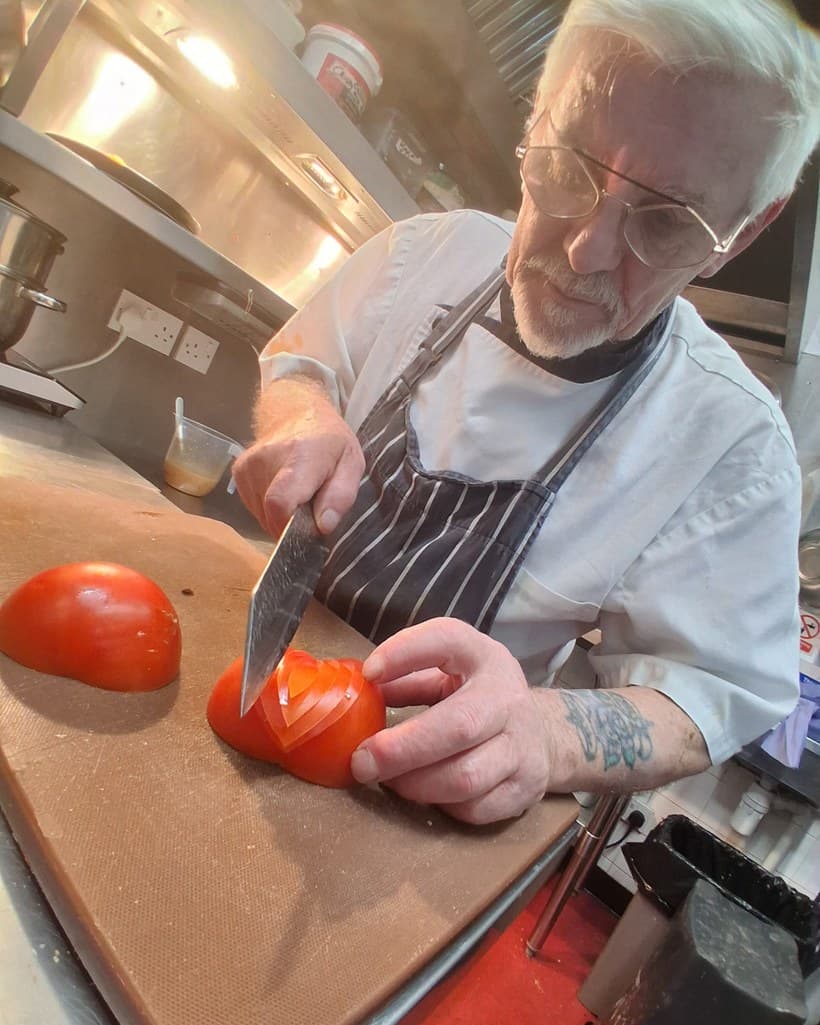
Kiritsuke Knife: Uses and Buying Guide

The kiritsuke knife is one of the most distinctive tools in Japanese cuisine. Its long, flat edge and angular tip give it a profile that sits between a chef’s knife and a slicer, making it a favourite among professional chefs and home cooks alike. But what exactly is a kiritsuke knife used for? And how do you choose the right one? In this guide we cover the key uses, the differences from other knife types, and what to look for when buying. Whether you are new to Japanese knives or looking to expand your collection, this article will help you decide if a kiritsuke is right for you.
What is a Kiritsuke Knife?
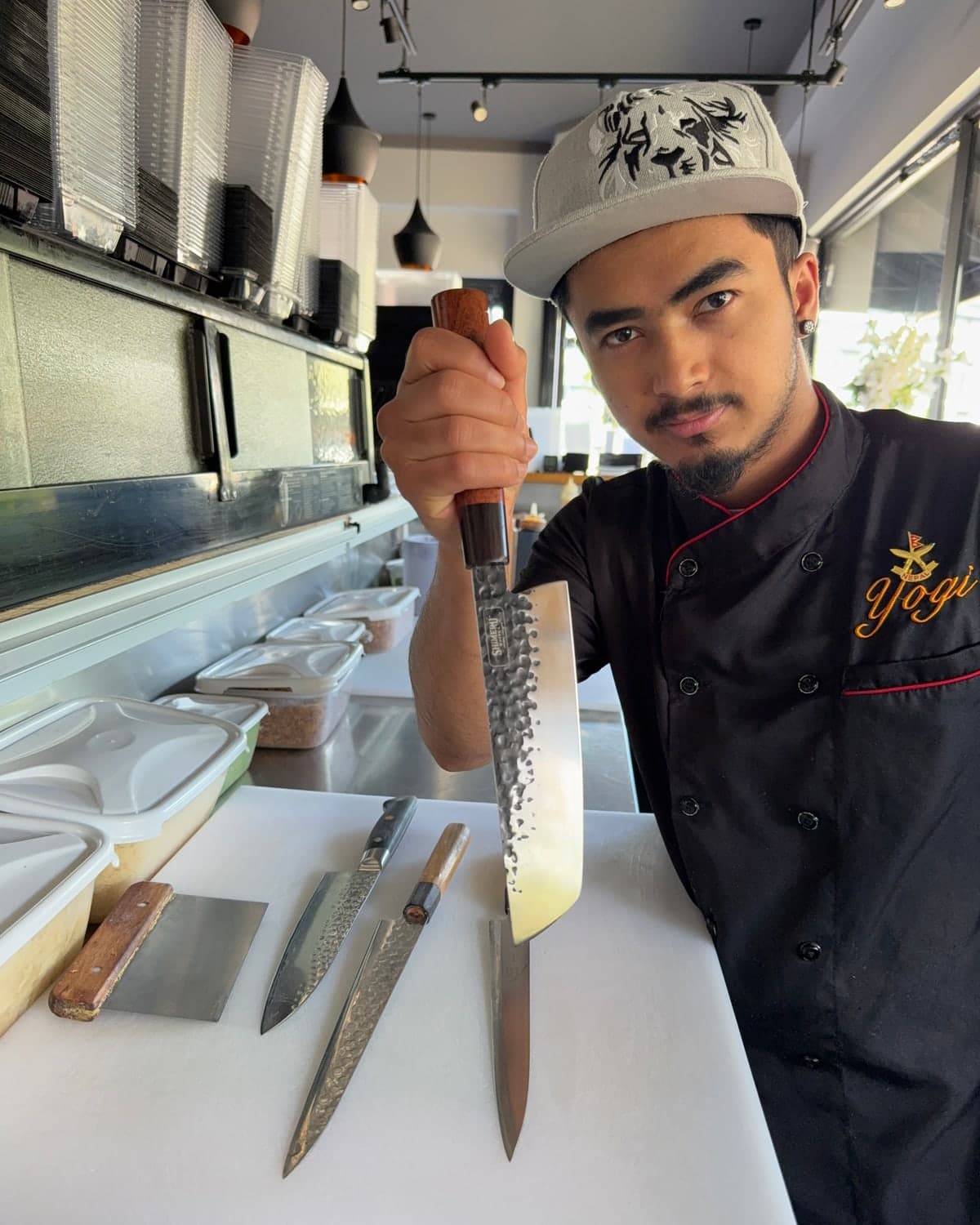
The kiritsuke knife (also written as kiritsuke bōchō or kiritsuke knife in English) is a traditional Japanese blade that originated in the Edo period. It was originally used by sushi chefs and other professionals for both slicing fish and cutting vegetables. The knife has a distinctive flat profile with a straight edge and a sharply pointed tip. Unlike a gyuto or chef’s knife, the kiritsuke has no belly; the entire cutting edge is flat, which means the user must lift the knife’s heel off the board to create a rocking motion. This design makes it excellent for precise, straight cuts and for slicing through delicate ingredients without tearing.
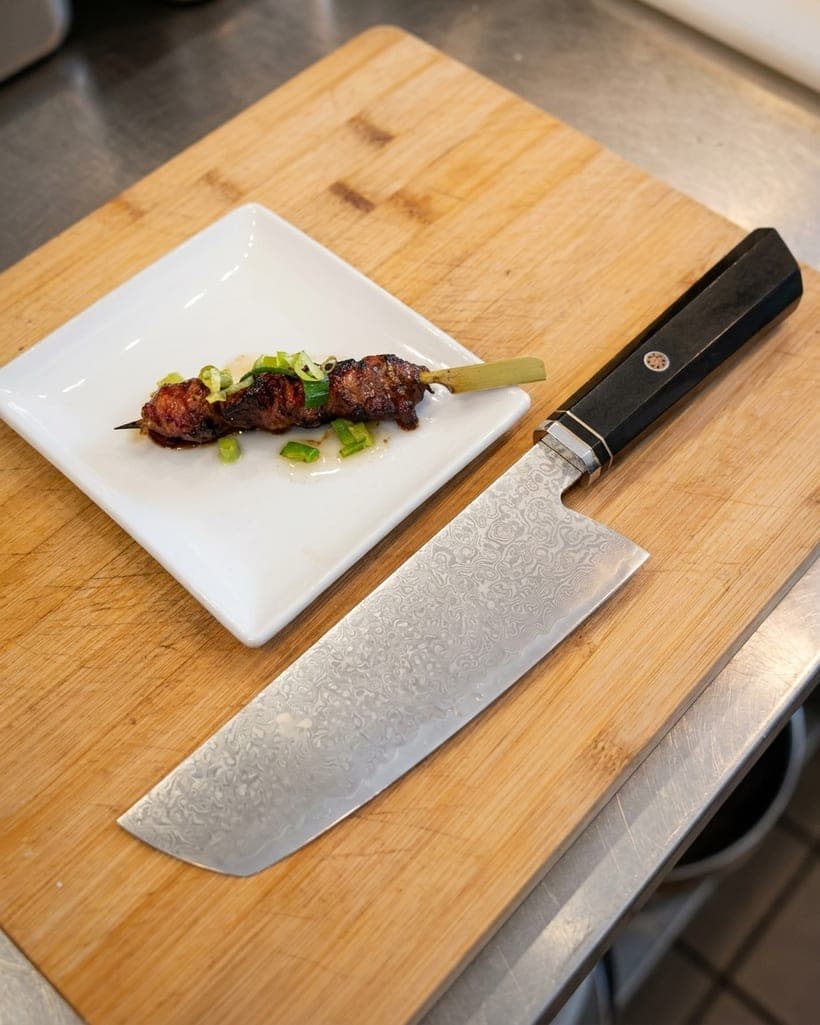
Modern kiritsuke knives often blend the best of several styles. Many are made with stainless or Damascus steel, and they typically feature a single or double bevel. The blade length usually ranges from 8 to 10 inches, offering a good balance between control and reach. The handle is often octagonal or D-shaped, made from materials like magnolia, ebony, or Mkuruti wood. Because of its versatility, the kiritsuke is sometimes called a “multi-purpose” knife, but it is not a replacement for a heavy cleaver or a boning knife. It excels in tasks that require accuracy and a clean finish.
Kiritsuke Knife Uses
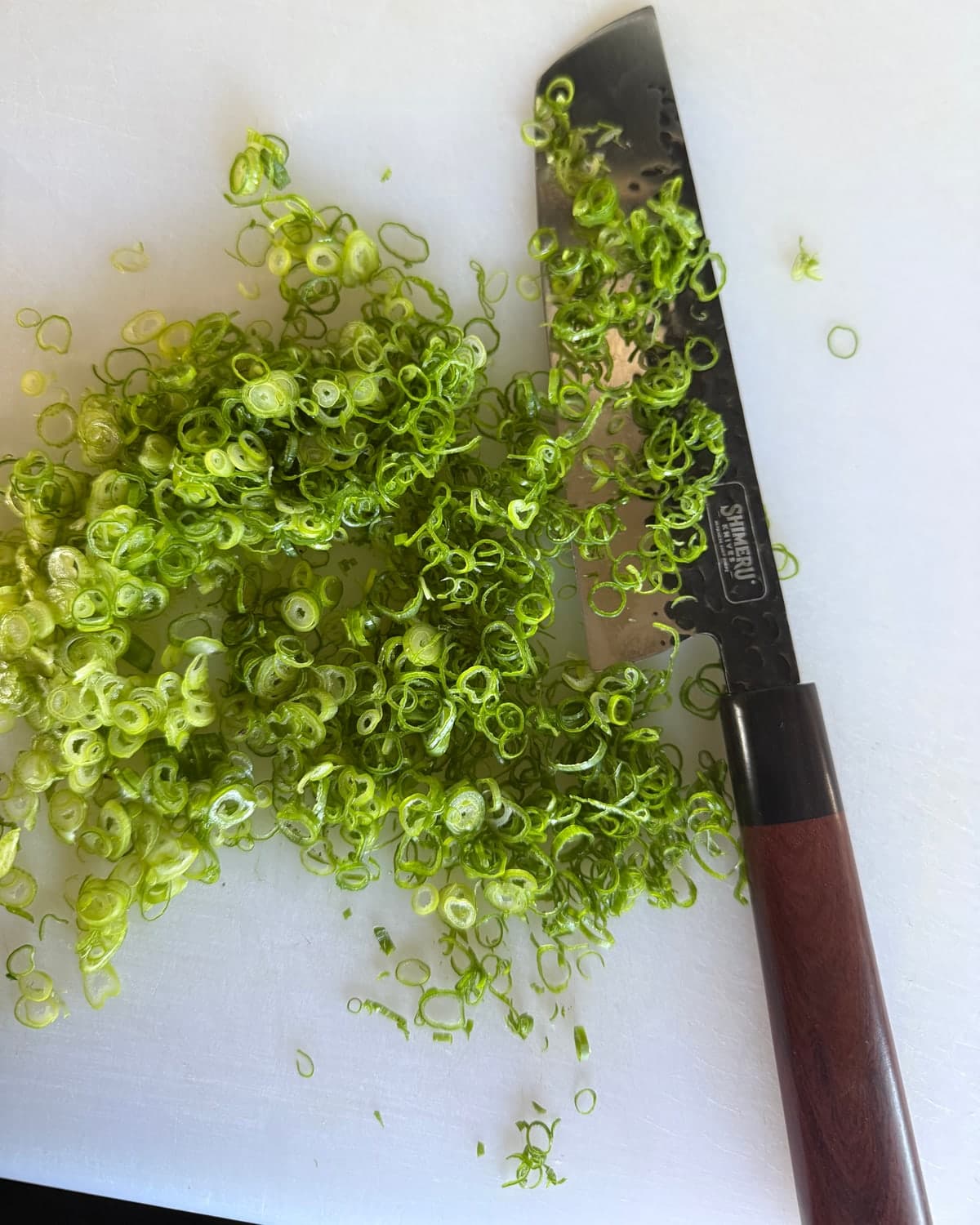
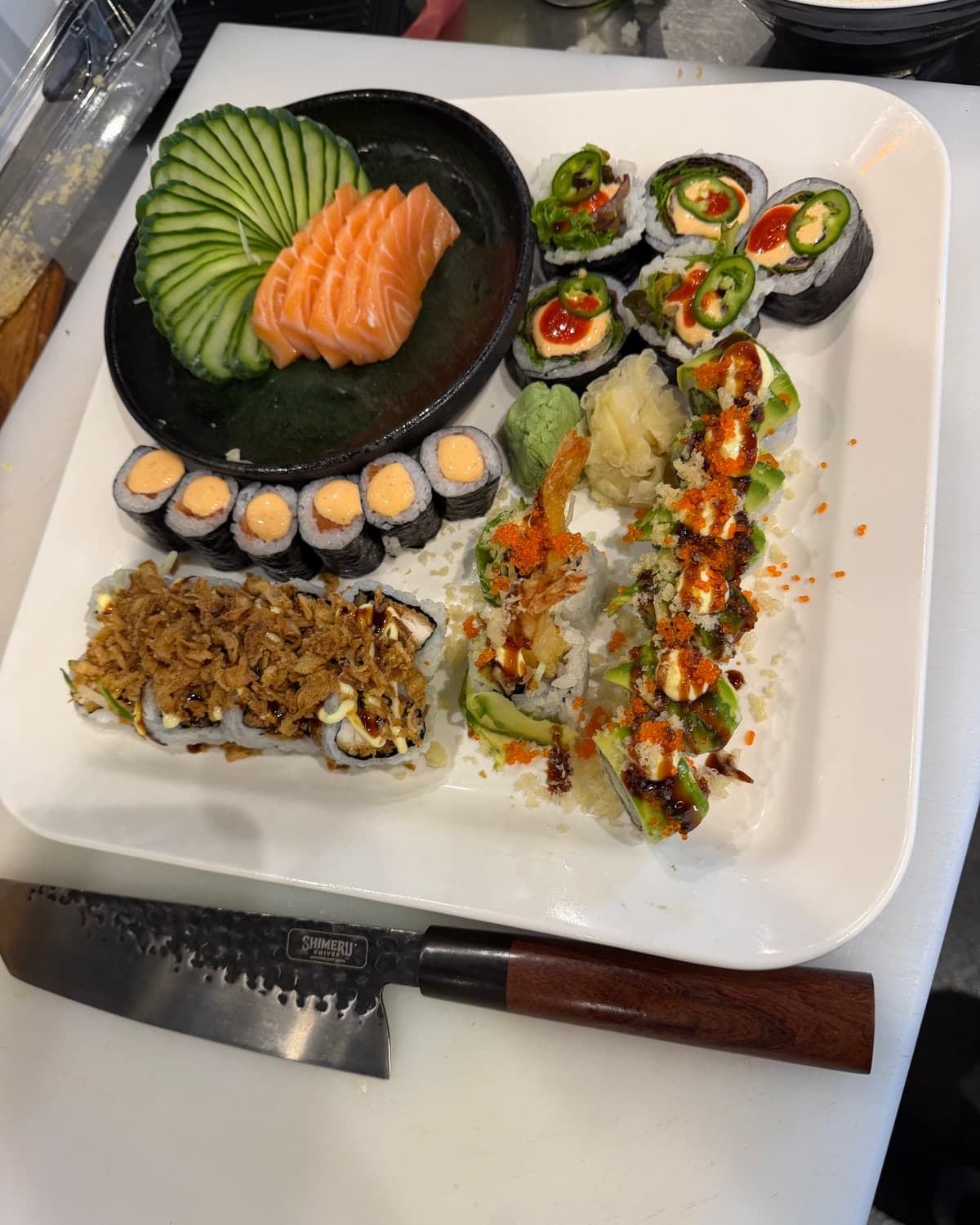
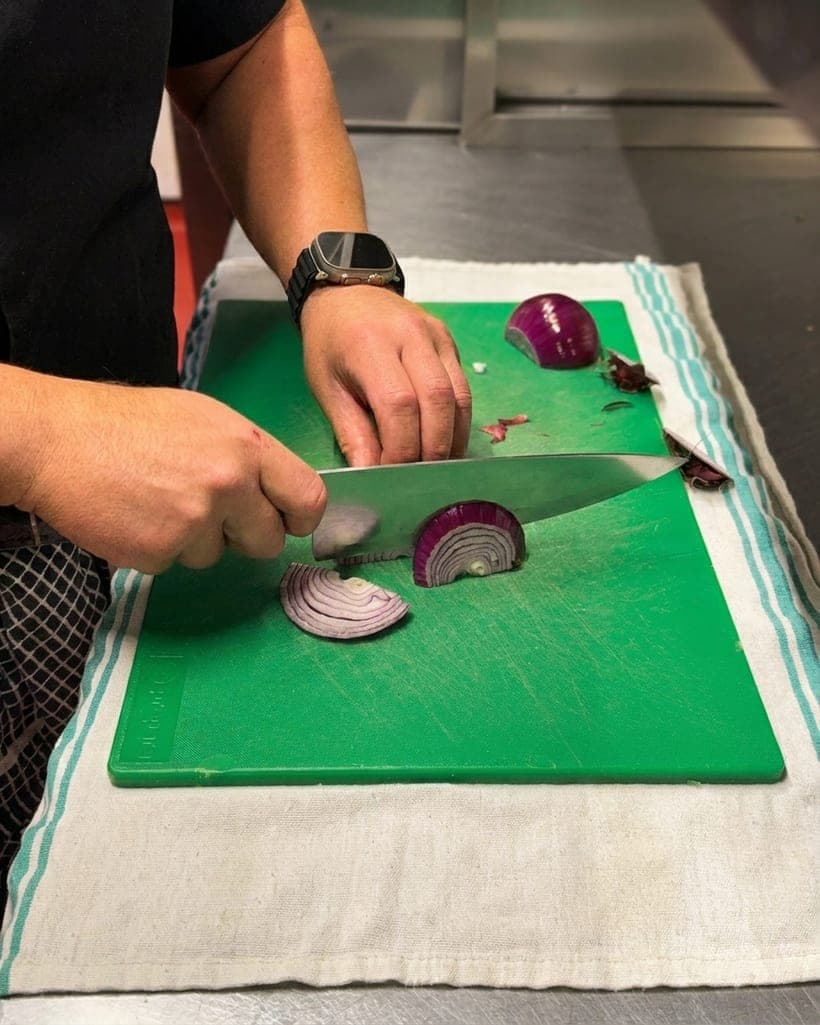
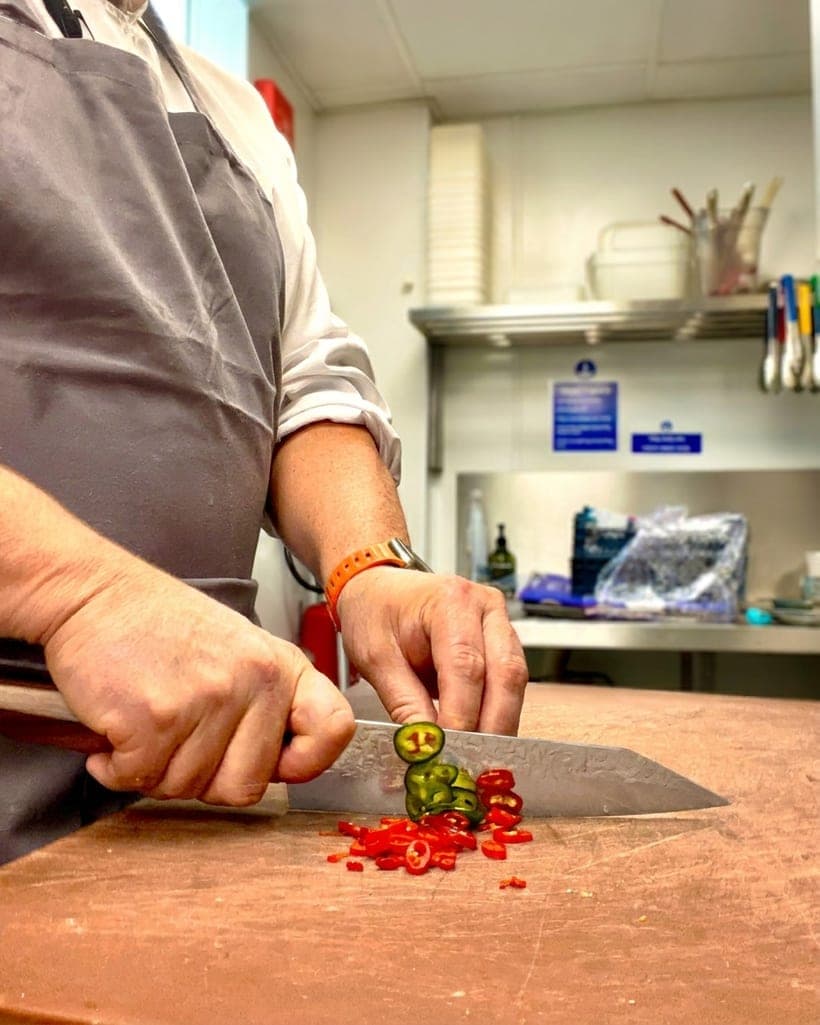
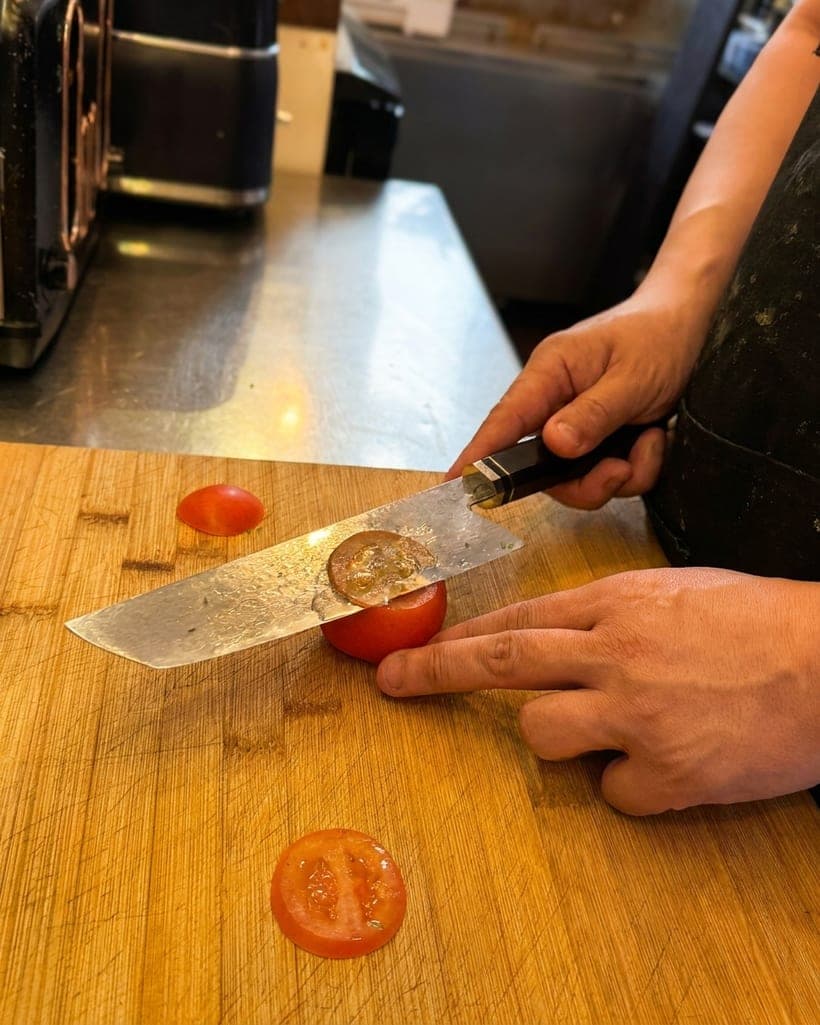
The main use of a kiritsuke knife is for slicing, dicing, and chopping vegetables, meat, and fish. Its flat edge allows for clean cuts through soft ingredients like tomatoes or fish fillets, and its pointed tip is ideal for delicate work such as removing skin or making fine garnishes. Because the knife is long and slender, it can also be used for carving cooked meat or slicing large pieces of fish for sashimi. However, it is not designed for heavy tasks like cutting through bone or frozen food. The kiritsuke is best for precision work where you need a straight, even cut.
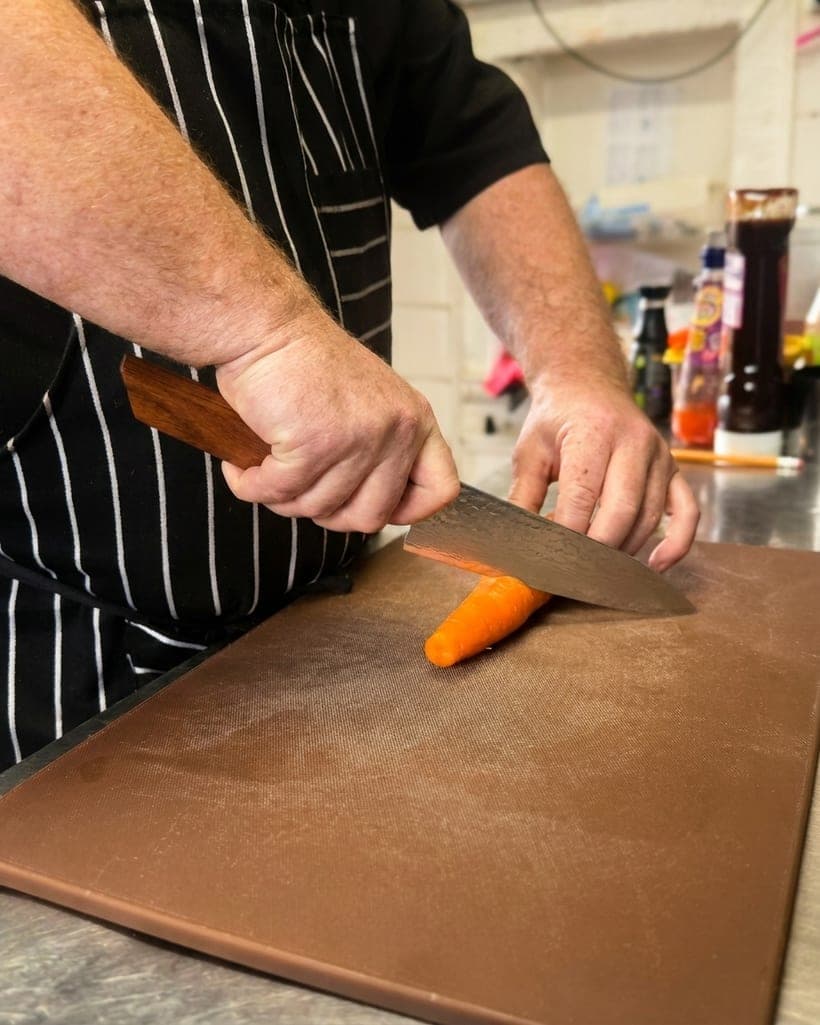
One common usage in Japanese kitchens is for cutting vegetables into uniform strips or slices. The flat blade makes it easy to achieve consistent thickness, which is important for dishes like stir-fries or salads. For fish, the kiritsuke can be used for filleting and portioning, though a dedicated yanagiba is often preferred for raw fish. On meat, it works well for slicing cooked roasts or carving poultry. The knife is also useful for cutting herbs, trimming fat, and any task that benefits from a long, straight edge.
If you are looking for a versatile knife that can handle a wide range of ingredients, the kiritsuke is a strong candidate. Our 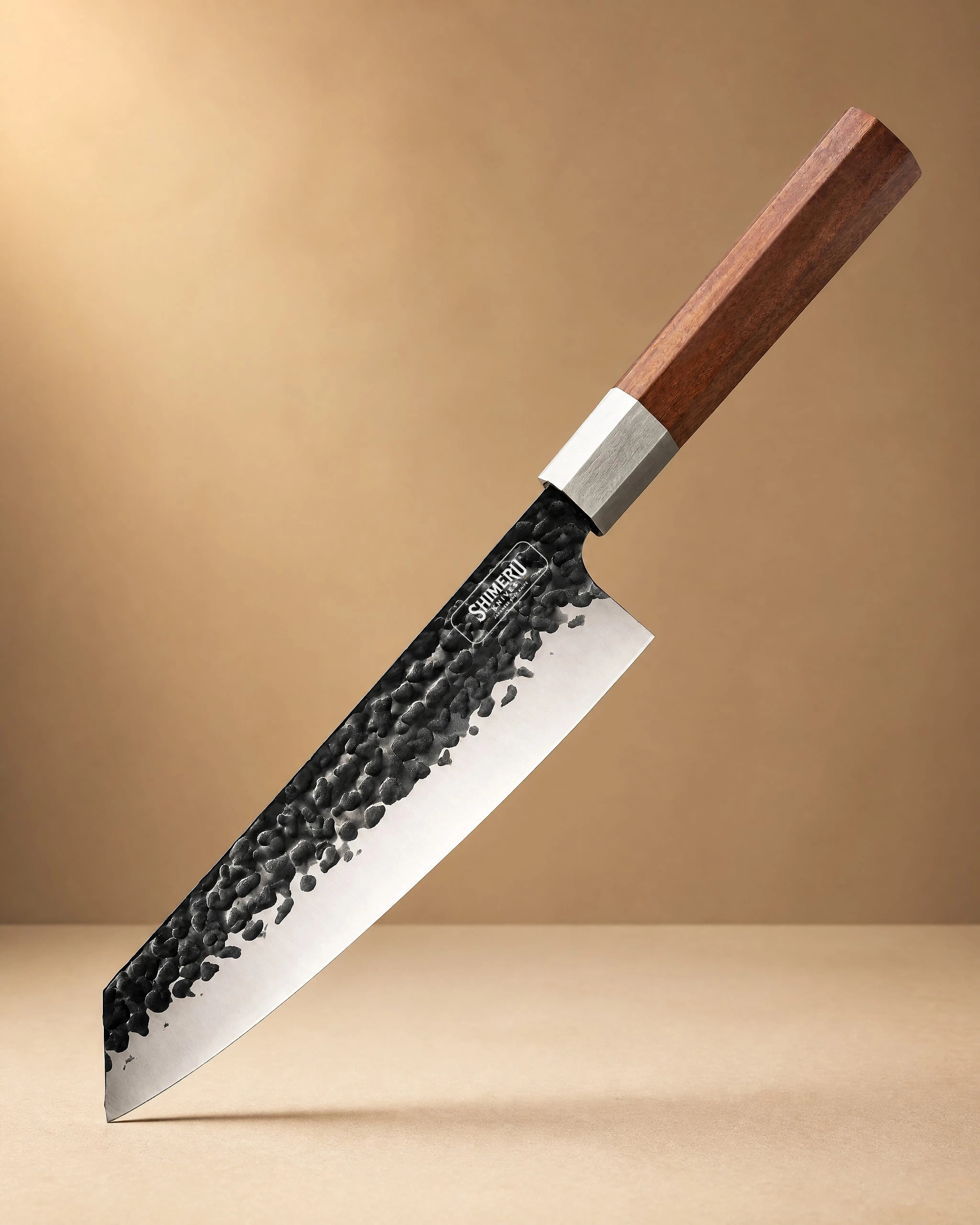 Yubestu 8.5" Kiritsuke Knife 切り付け包丁£54.99View product → is an excellent starting point. With an 8.5-inch AUS10 stainless steel blade and a comfortable Mkuruti wood handle, it offers good edge retention and a balanced feel. It is well suited for vegetables, meats, and fish, and it works well for both home cooks and professionals.

How to Choose a Kiritsuke Knife
When selecting a kiritsuke knife, there are several factors to consider: blade length, steel type, handle material, and balance. The right choice depends on your cooking style and experience. Here is a breakdown.
Blade Length
Kiritsuke knives typically come in lengths from 8 to 10 inches. A shorter blade, like 8 inches, offers more control and is easier to manoeuvre, making it a good choice for smaller hands or for detailed work. A longer blade, such as 9.5 inches, provides more cutting surface for large ingredients like watermelons or big roasts. If you mainly work with smaller vegetables and fish, an 8-inch or 8.5-inch blade will suffice. If you frequently cook large cuts of meat or whole fish, a longer blade is beneficial.
Steel and Construction
Stainless steel is low maintenance and resists rust, making it ideal for everyday use. AUS10 steel is a popular choice because it holds a sharp edge well and is easy to sharpen. Damascus steel knives have a layered construction that not only looks beautiful but also adds strength and a slightly sharper edge due to the harder core steel. If you value aesthetics and performance, a Damascus kiritsuke is a worthwhile investment. Our 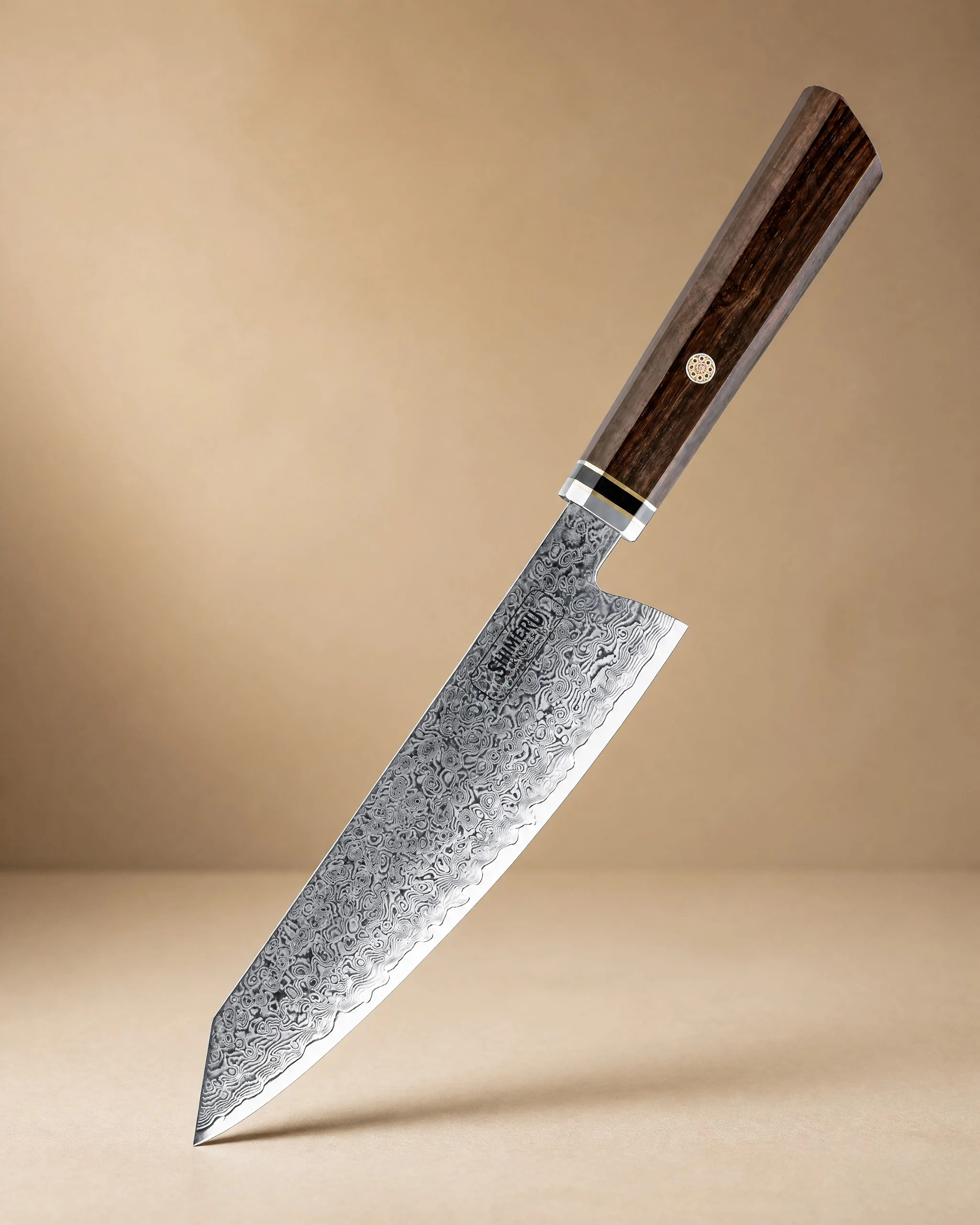 Tenryu 8" Damascus Steel Kiritsuke Knife 切り付け包丁£74.99View product → features an 8-inch 67-layer Damascus blade with an AUS10 core and an ebony wood handle. It is particularly good for slicing vegetables and carving roast meat. For those who prefer a longer blade, the
 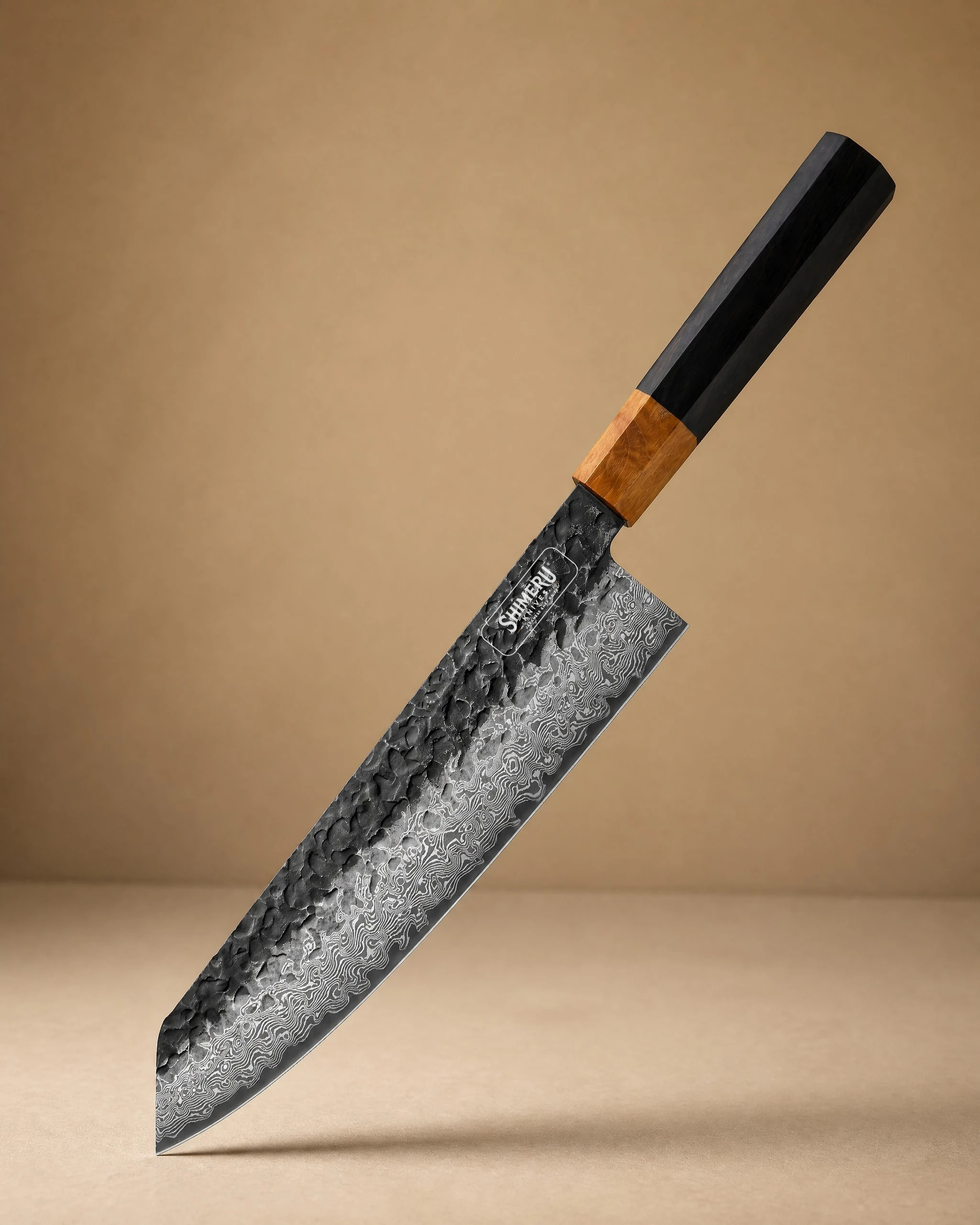 Kurobe 9.5" Damascus Steel Kiritsuke Knife 切り付け包丁£79.99 · currently out of stockView product → offers a 9.5-inch Damascus blade with a handle made from ebony and natural wood, capable of handling vegetables, fish, and meat.
Handle and Balance
The handle should feel comfortable in your hand and provide a secure grip. Traditional Japanese handles are often made from magnolia or ebony, but modern variations use Mkuruti or other dense woods. Octagonal handles are common and allow for a pinch grip. The balance point should be at or just in front of the bolster for precise control. A well-balanced knife reduces fatigue during extended use. If possible, try holding a few models to see which feels best.
Kiritsuke vs Other Knife Types
It helps to compare the kiritsuke with other common Japanese knives to understand its place in the kitchen. A gyuto is a Japanese chef’s knife with a curved belly, designed for rocking cuts and general chopping. A santoku is shorter and wider, often used for vegetables, meat, and fish but with a flatter edge than a gyuto. A yanagiba is a long, single-bevel knife used exclusively for slicing raw fish. The kiritsuke sits between a gyuto and a yanagiba: it has the length of a gyuto but the flat profile of a yanagiba, making it a hybrid that is excellent for slicing but less suited for rocking. Some chefs consider the kiritsuke a more specialised tool, while others use it as their daily driver because of its versatility. For most home cooks, a kiritsuke can replace both a chef’s knife and a slicer, but you will need to adjust your cutting technique to avoid the flat edge.
Caring for Your Kiritsuke Knife
A kiritsuke knife, especially one made with high-carbon steel or Damascus, requires proper care to stay sharp and rust-free. Always hand wash and dry the blade immediately after use. Do not put it in a dishwasher. Store it in a wooden block, a magnetic strip, or a knife guard to protect the edge. Regular honing with a steel rod helps maintain the edge, but you will also need to sharpen the knife on whetstones every few months. For detailed instructions, read our knife care guide.
Where to Buy a Kiritsuke Knife
When shopping for a kiritsuke knife, quality matters. Look for a reputable seller that offers genuine Japanese blades. At Shimeru Knives, we curate a selection of kiritsuke knives to suit different preferences and budgets. You can browse our full range of kiritsuke knives at /product?category=kiritsuke or view all our products at /product. Each knife is listed with detailed specifications and photos to help you compare. We are not a dropshipper; we hold stock in the UK and ship quickly. If you have questions about which kiritsuke knife is right for you, our team is happy to help.
To summarise, the kiritsuke knife is a versatile and elegant tool that excels at slicing and precision cutting. Its flat edge and pointed tip make it suitable for a wide range of ingredients, from vegetables to meat and fish. When choosing one, consider blade length, steel type, and handle comfort. Whether you opt for the practical AUS10 of the Yubestu 8.5" Kiritsuke Knife 切り付け包丁£54.99View product →, the Damascus beauty of the Tenryu 8" Damascus Steel Kiritsuke Knife 切り付け包丁£74.99View product →, or the longer reach of the Kurobe 9.5" Damascus Steel Kiritsuke Knife 切り付け包丁£79.99 · currently out of stockView product →, you will be adding a capable knife to your kitchen. Happy cooking.
Photography: Richard Iwaki via Unsplash.


