





Choosing a Damascus Kitchen Knife: What to Look For

When you start looking for a new kitchen knife, the sheer range of options can feel overwhelming. Among the most striking and sought after designs are those with a damascus finish. A japanese damascus kitchen knife is not just a tool: it is a piece of craftsmanship that blends tradition with modern performance. The swirling patterns on the blade are more than decorative; they often indicate a layered steel construction that can offer a fine balance of hardness and flexibility. But what should you actually look for when choosing a damascus kitchen knife? This guide breaks down the important factors so you can make a confident decision, whether you are a home cook or a professional.
Understanding Damascus Steel
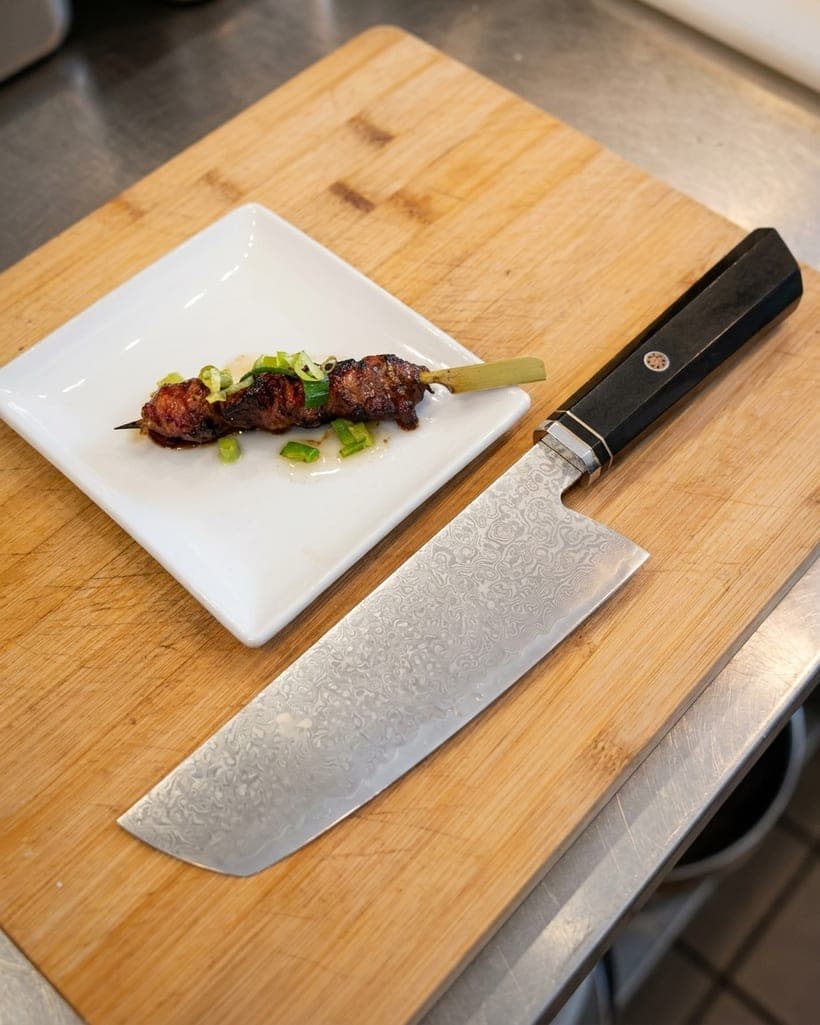
Damascus steel refers to a method of forging where multiple layers of different steel alloys are folded or forge welded together. This process creates the characteristic wavy pattern on the blade. Historically, true damascus steel was made from wootz steel from India, but modern japanese damascus kitchen knives use a similar layering technique with high carbon stainless or carbon steels. The result is a blade that can be very hard at the core (for a sharp, long lasting edge) yet tougher on the outside (to reduce brittleness). Not all damascus knives are created equal: the number of layers, the quality of the core steel, and the heat treatment all matter. When you see a knife marketed as damascus, ask about the core steel and the layer count, as these details significantly affect performance. Most high quality damascus blades use a core of VG10 stainless or Aogami (blue) carbon steel, clad in softer stainless layers. The core provides the cutting edge; the cladding adds protection and the pattern.
Blade Construction and Layers
The heart of any japanese damascus kitchen knife is its steel. Most high quality gyuto knives use a hard core steel, such as VG10 or Aogami Super, clad in a softer damascus outer layer. The number of layers can range from a few dozen to over a hundred. More layers often produce a finer, more intricate pattern, but the real measure is the quality of the core and the forging. For example, the 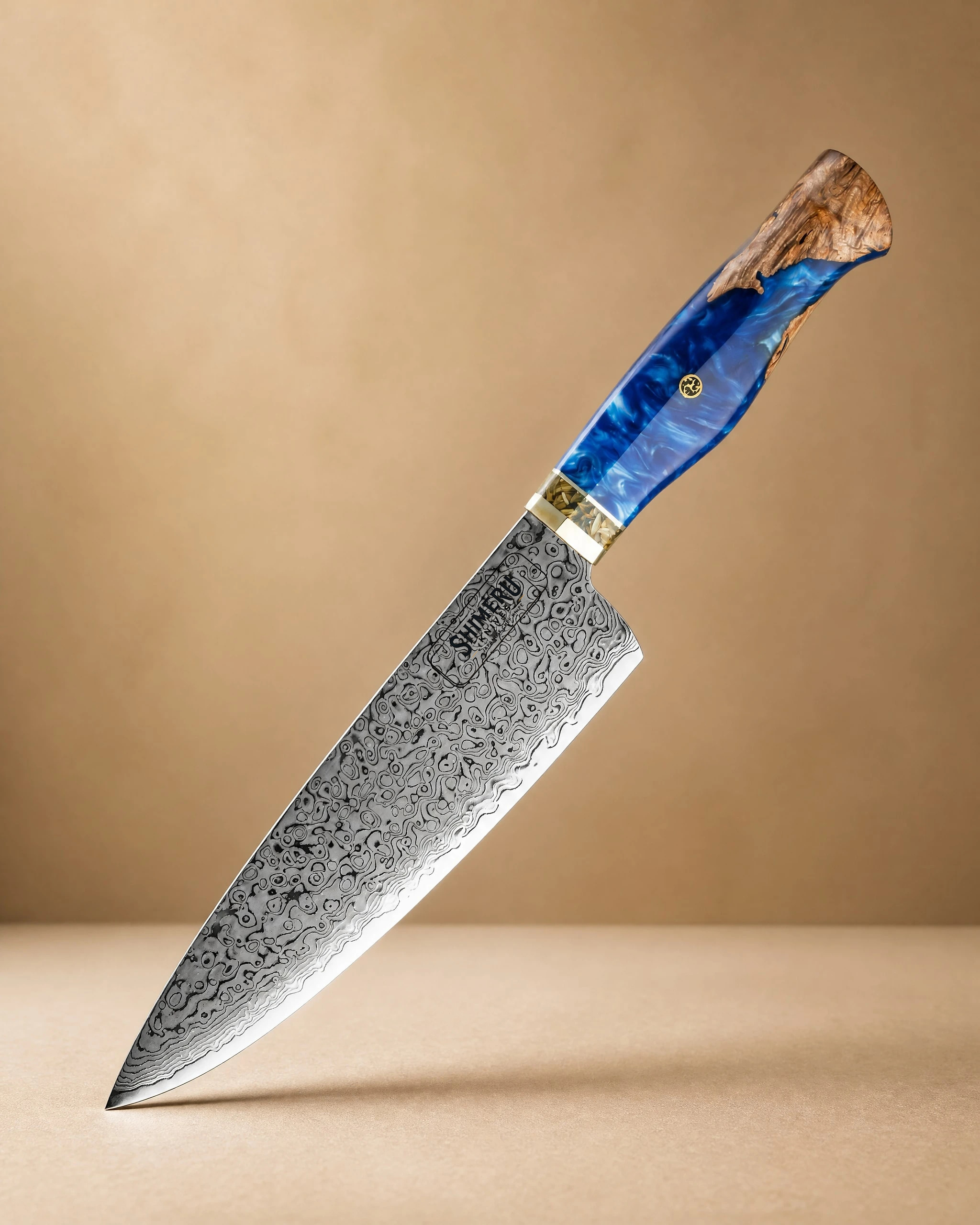 Yamato 8" Damascus Steel Gyuto Knife 牛刀£79.99 · currently out of stockView product → features 67 layers of damascus steel, giving it a beautiful appearance and a robust edge. Similarly, the
 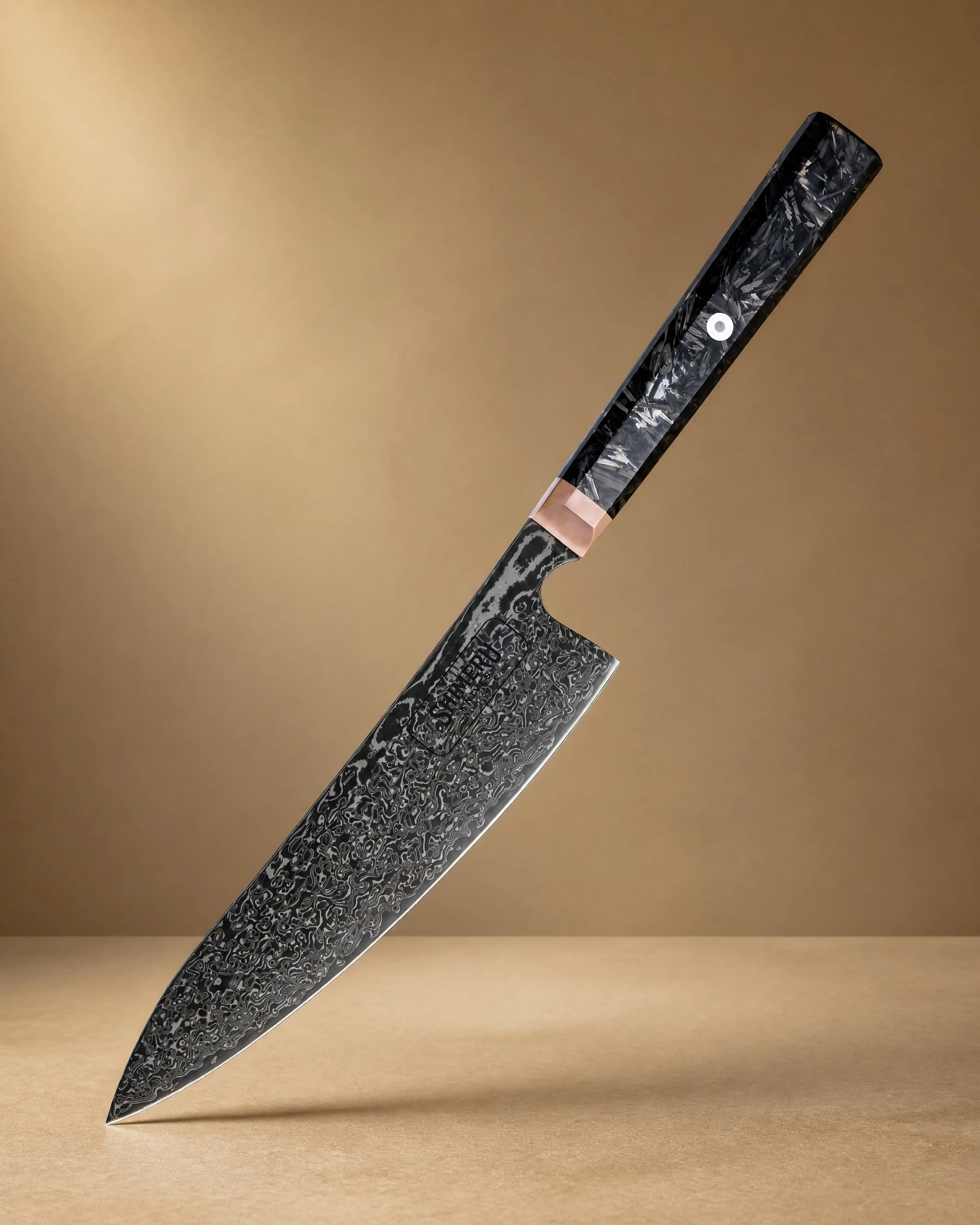 Kushiro 8.3" Damascus Steel Gyuto Knife 牛刀£79.99 · currently out of stockView product → has 69 layers, indicating careful construction. These layer counts are typical for well made japanese damascus kitchen knives; they provide a good balance of aesthetics and performance. Look for a knife whose core steel is known for holding a sharp edge, and whose damascus cladding is well integrated without visible voids or inconsistencies. The thickness of the spine also matters: a thicker spine gives more weight and stability for heavy cutting, while a thinner spine offers agility. Both the Yamato and Kushiro have a medium spine that suits all around use.
Handle Materials and Ergonomics
A knife may have a superb blade, but if the handle is uncomfortable, you will not enjoy using it. The handle affects grip, balance, and fatigue over long prep sessions. Common materials include traditional wood, resin stabilised wood, and modern composites like carbon fibre. Each has its own feel. The Yamato model uses a Blue resin and natural burlwood handle, which offers a warm, organic grip with a subtle texture. This handle is slightly heavier, shifting the balance toward the rear, which some chefs prefer for controlled slicing. The Kushiro uses Carbon Fibre, which is lightweight, durable, and resistant to moisture. Carbon fibre handles are ideal if you work in a humid environment or want a lighter overall knife that feels nimble. Meanwhile, the Tokachi and Akan knives come with Mkuruti wood and Pakkawood handles respectively. Mkuruti is a dense African wood that resists cracking and has a beautiful grain; it provides a secure grip even when wet. Pakkawood is a resin impregnated hardwood that is very stable and easy to maintain. When choosing a damascus kitchen knife, consider whether you prefer a heavier, more traditional handle or a lighter, modern one. Also check the shape: a Western style handle (full bolster) versus a Japanese wa handle (octagonal or D shaped) can change how the knife sits in your hand. For more guidance on handle types, see our knife guide.

Choosing the Right Gyuto Size
Most japanese damascus kitchen knives in a chef's collection are gyuto knives, the Japanese equivalent of a Western chef's knife. A typical gyuto ranges from 18cm to 24cm (7 to 9.5 inches). For many home cooks, an 8 to 8.5 inch blade (roughly 20 to 21.5 cm) is the sweet spot: long enough to slice through large vegetables or roasts, yet nimble enough for precise work. All four knives we feature are around this size: the Yamato is 8 inches, the Kushiro 8.3 inches, the Tokachi 8.5 inches, and the Akan 8 inches. This range gives you flexibility. If you have smaller hands or prefer a lighter blade, the 8 inch options might suit you. If you want a little extra length for longer cuts, the 8.5 inch Tokachi could be a good choice. The difference of half an inch may seem small, but it can affect how the knife pivots on the board. A longer blade also offers more clearance for knuckles when chopping. Ultimately, the right size depends on your typical tasks and cutting style.
Steel Types and Performance
Beyond the damascus cladding, the core steel determines how the knife performs. The Yamato and Kushiro both use a high carbon stainless core (likely VG10 or equivalent), which offers excellent edge retention and corrosion resistance. Stainless damascus knives are easier to maintain because they are less prone to rust. In contrast, some traditional japanese damascus kitchen knives use a carbon steel core, which can achieve a sharper edge but requires more care. For example, if you choose a carbon core knife, you must dry it immediately after use and avoid acidic foods for long periods. Both the Tokachi and Akan are stainless steel throughout, so they are more forgiving. The Tokachi uses a full stainless blade with a Mkuruti handle, making it a low maintenance option for busy kitchens. The Akan is also stainless with a Pakkawood handle, offering similar ease. When deciding, consider your willingness to care for a carbon steel blade versus the convenience of stainless.
Balance and Weight
A well balanced knife feels like an extension of your arm. The point of balance is usually just in front of the handle, allowing the blade to do the work without forcing your wrist. When you hold a prospective damascus kitchen knife, pay attention to how it sits in your hand. A blade that is too heavy can cause fatigue; one that is too light may lack authority through dense ingredients. The weight of a gyuto is influenced by the steel, the thickness of the spine, and the handle material. For instance, a carbon fibre handle (like on the Kushiro) tends to be lighter than a dense wood handle, shifting the balance slightly forward. Conversely, the Yamato's burlwood handle with resin adds some heft to the rear, giving a more balanced feel overall. The Tokachi, with its Mkuruti wood handle, is likely mid weight. The Akan, with Pakkawood, is also well balanced. There is no single correct balance: it is about personal preference. If you can, handle the knife before buying or read reviews that mention balance.
Caring for a Damascus Knife
A japanese damascus kitchen knife is an investment, and it demands proper care. The layered steel can be susceptible to rust if neglected, especially if the core is carbon steel. Always hand wash your knife with mild detergent and dry it immediately. Never put it in a dishwasher, as the high heat and harsh detergents can damage the handle and the blade's finish. For storage, use a magnetic strip, a knife block, or a blade guard. Some damascus blades develop a light patina over time, which is normal and can add character. To maintain the edge, use a honing rod regularly and sharpen on whetstones when needed. For detailed advice, refer to our knife care guide. With proper maintenance, your damascus kitchen knife will serve you for many years.
Who Each Knife Suits
To help you decide, consider your cooking habits and preferences. The Yamato (Yamato 8" Damascus Steel Gyuto Knife 牛刀£79.99 · currently out of stockView product →) is ideal for cooks who appreciate traditional aesthetics and a slightly heavier handle; its burlwood and resin handle offers a secure grip and the 67 layer blade is versatile for meats, vegetables, and fish. The Kushiro (Kushiro 8.3" Damascus Steel Gyuto Knife 牛刀£79.99 · currently out of stockView product →) suits those who want a lighter, modern tool; the carbon fibre handle reduces weight and resists moisture, making it a great choice for frequent use. The Tokachi (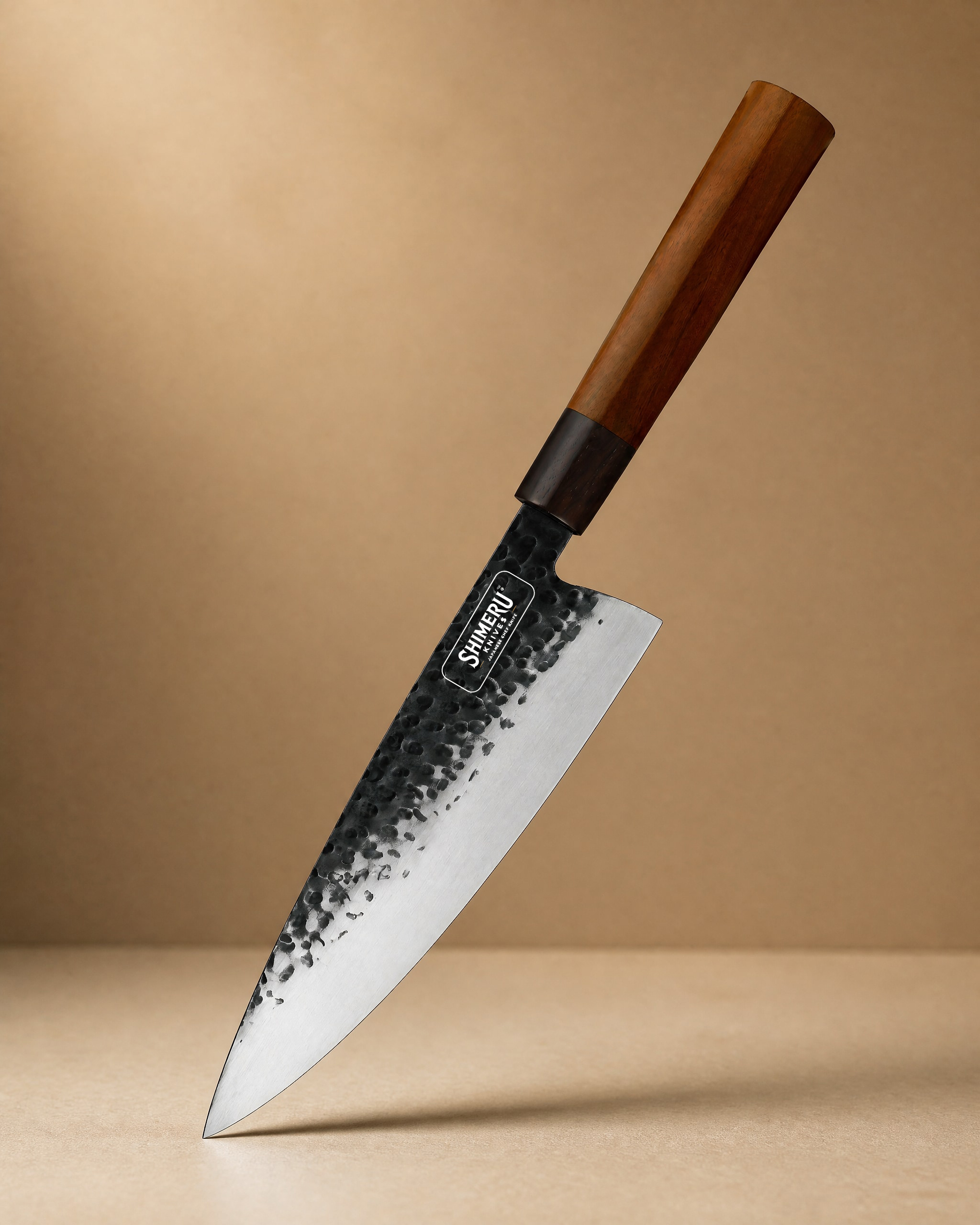 Tokachi 8.5" Gyuto Chef Knife 牛刀£59.99View product →) is perfect for home cooks who want a longer blade and a natural wood handle that is both durable and attractive; its stainless steel construction requires minimal upkeep. The Akan (
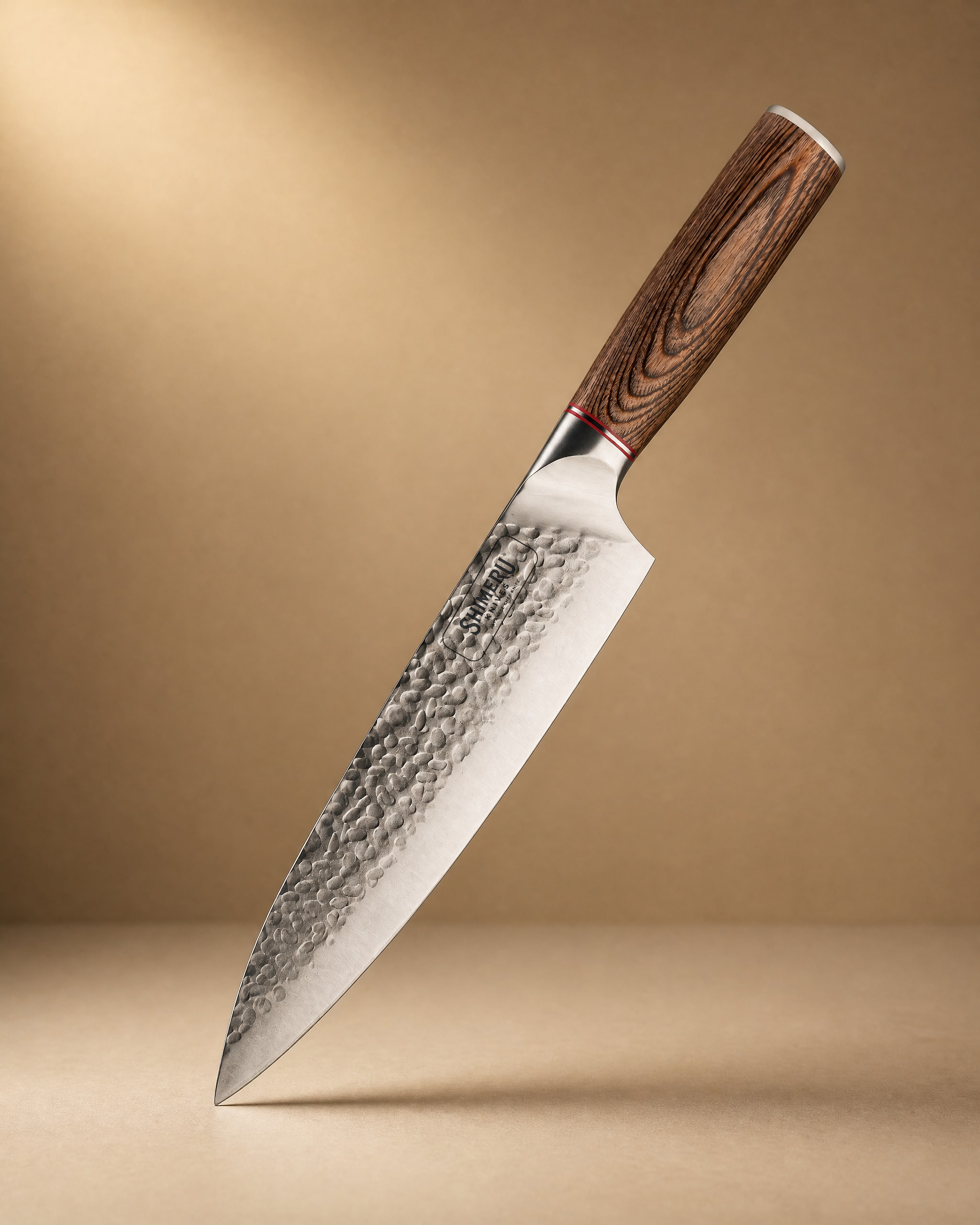 Akan 8'' Gyuto Knife 牛刀£49.99 · currently out of stockView product →) offers a balanced stainless blade with a comfortable Pakkawood handle, ideal for beginners or anyone wanting a reliable all rounder. All four knives are excellent, but the right one depends on your personal feel.
Making Your Choice
Selecting the right damascus kitchen knife comes down to a few key considerations: the blade's construction and layer count, the handle material and ergonomics, the size that fits your hand, and the overall balance. Think about what you cook most often and what feels comfortable. A japanese damascus kitchen knife should inspire confidence every time you pick it up. We invite you to browse our full range of gyuto knives, including the four we have discussed, to see which one appeals to you. Explore the gyuto category for more options, or view all Japanese kitchen knives in our shop.
Photography: Joseph Van via Unsplash.


