



Best Steak Knives for UK Dining Tables

A steak knife is the one piece of cutlery your guests handle with real intent. They pick it up, press it into a rested sirloin, and either the blade glides or it tears. That moment is decided long before dinner: by the steel, by the grind, and by how well the edge has been looked after. This guide explains what separates a good steak knife from a frustrating one, and which knives we would happily put on a British dining table.
What a steak knife actually has to do
Three jobs, and only three. It has to part cooked muscle cleanly rather than crushing it, it has to feel secure in the hand when the plate is hot and the room is loud, and it has to keep a usable edge for years rather than months. Everything else, the handle colour, the box, the branding, is decoration.
The third requirement is where most household steak knives quietly fail. A knife bought on price usually has a soft blade and a coarse edge. It cuts well for the first dozen meals, then starts to bruise the meat instead of slicing it. By the following summer it is tearing at the crust on a ribeye and leaving ragged edges on every slice. You can sharpen a soft blade back into service, but you will be doing it constantly, and you will feel the difference every time you sit down to eat.
Blade length is a smaller decision than most buyers think. Anything between four and five inches suits a dinner plate, and the difference between them is mostly about hand size. What matters more is the handle. It should fill your palm without forcing your fingers into a fist, and it should have enough shape to stop your hand sliding forward when the blade meets resistance.
Serrated or straight edge?
Most British kitchens still run on serrated steak knives, and there is a reason. A serrated blade will still cut something when it is blunt. The points do the work, so the knife keeps going long after a plain edge would have given up. The trade is a torn cut. A serrated blade saws through the fibres, which is acceptable for a well done sausage and disappointing for a properly rested piece of beef.
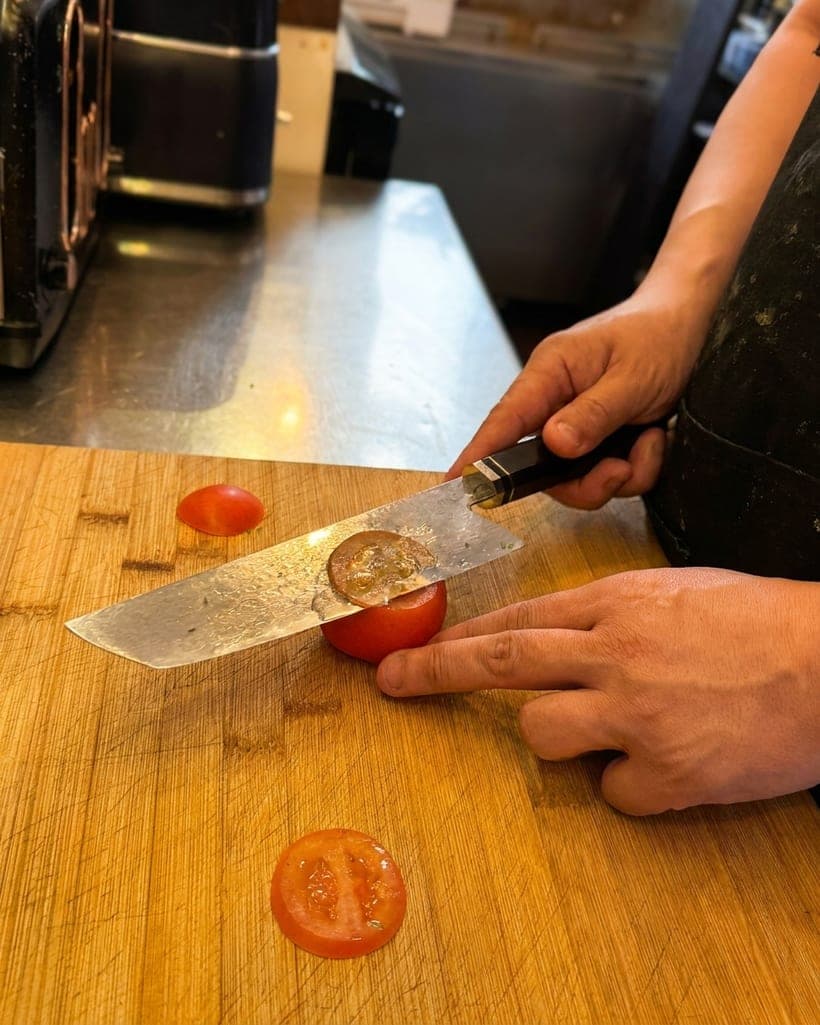
A straight, plain edge slices. Pressed lightly across a rested steak, it separates the muscle and leaves that clean, glossy face you see in good restaurants. It also sharpens properly, which means it can be brought back to full sharpness rather than quietly retired. If you eat steak regularly, plain edged knives are the better long term purchase. If your knives live loose in a drawer, never see a stone and occasionally meet a plate at the wrong angle, serrated will be more forgiving of that life.
Japanese steak knives and why the steel matters
Japanese kitchen knives are built around thin, hard blades, and that approach translates well to the dining table. A harder steel takes a keener edge and holds it through a long run of dinners. A thinner blade behind the edge meets less resistance, so you need less pressure and the meat stays intact. The trade off is that thin, hard blades dislike being dropped into a sink or used to lever apart a chop.
On a table knife you also want a handle that copes with the reality of a dining room: damp hands, hot plates and the occasional trip through a dishwasher by a helpful guest. Dense composites and stabilised woods handle that far better than untreated natural timber, which will eventually move, crack or darken. If you are weighing up steels, grinds and handle materials, our knife guide sets out the differences without jargon.
A dedicated steak knife set for the table
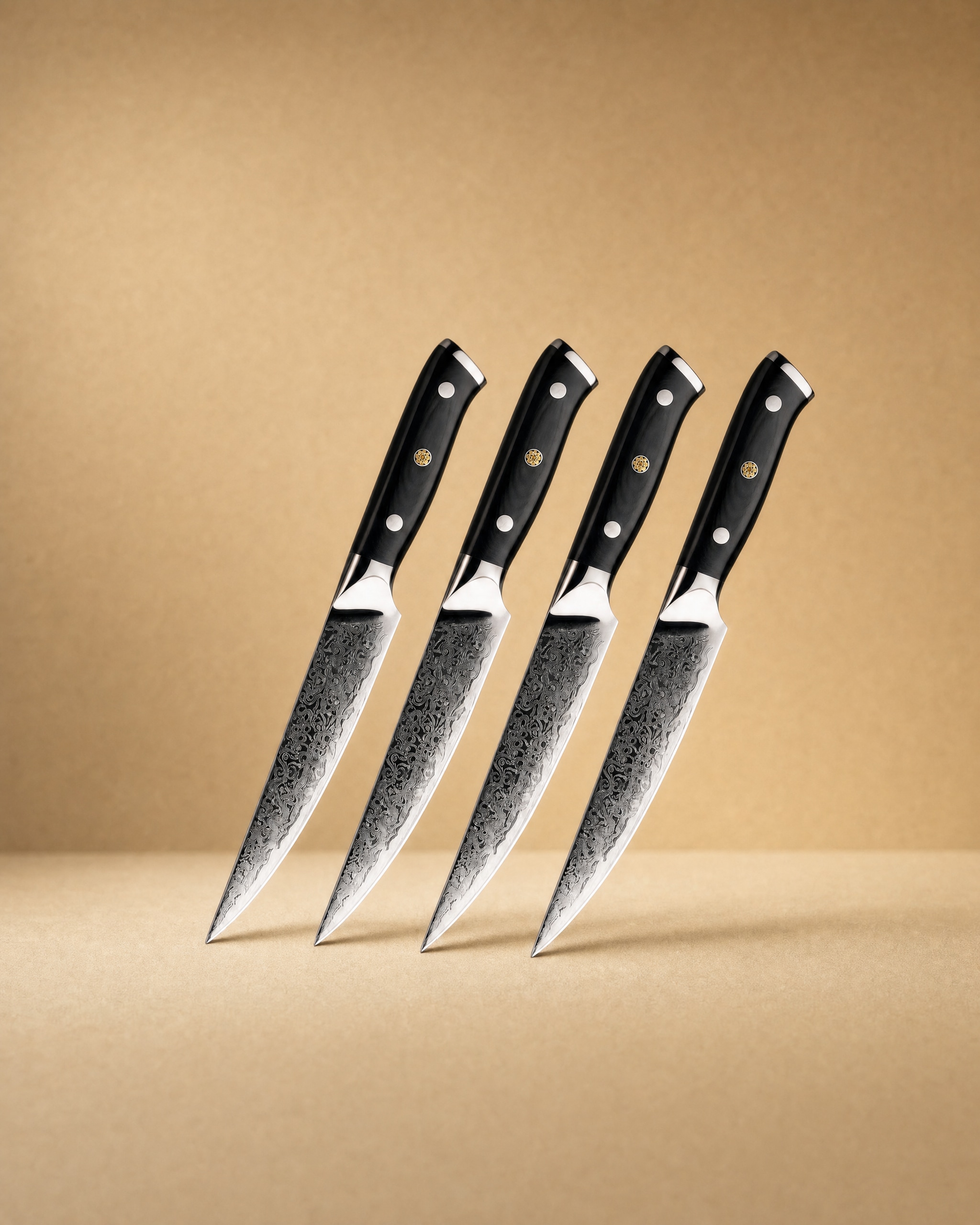 Suma 4.5" Damascus Steel Steak Knife Set 4 pieces ステーキナイフ£114.99View product →
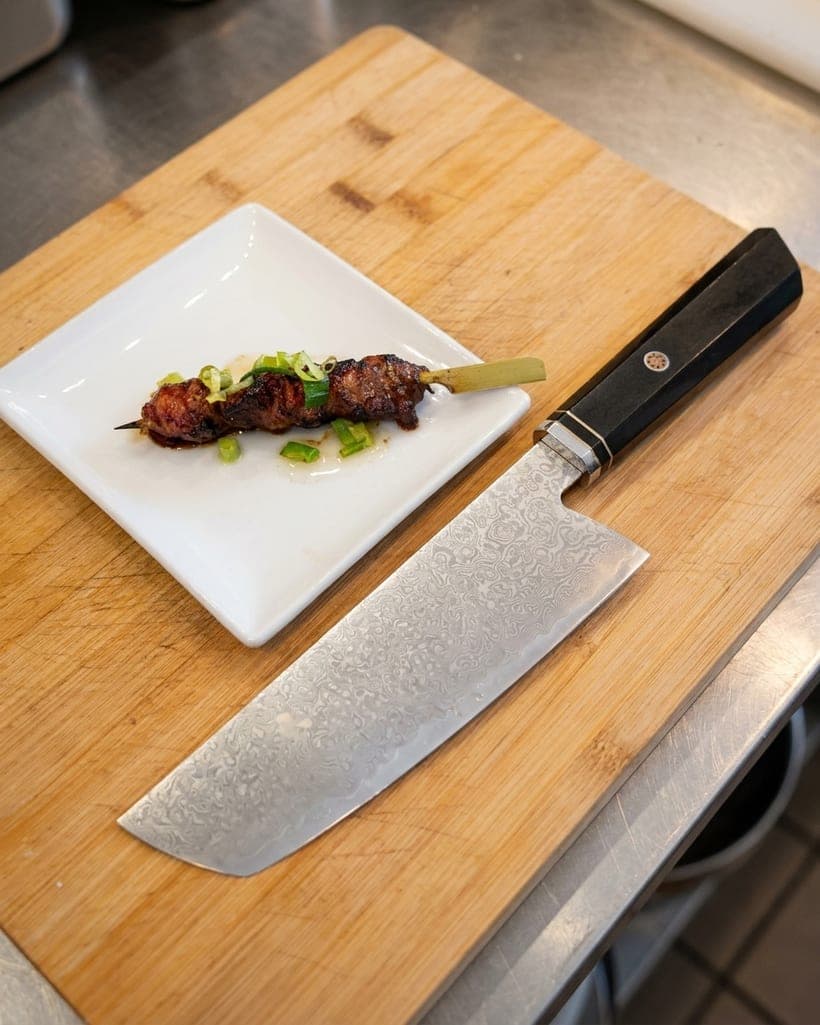
This is the set we would point most people towards first. It is built for the table rather than borrowed from the kitchen block, which matters more than it sounds. A dedicated steak knife gets the blade length and the handle shape right for a seated diner, and the Damascus construction gives you a hard cutting core with softer, tougher steel around it. The G10 fibre handle is the practical part: dense, stable and untroubled by moisture, so it will not swell or crack after a few years of Sunday roasts.
Four knives cover a normal family table, or two couples sharing dinner. Buy a second set if you host larger groups, because nothing undermines a meal faster than handing one guest a proper knife and the next a bent old standby from the back of the drawer.
If you would rather have one knife that does everything
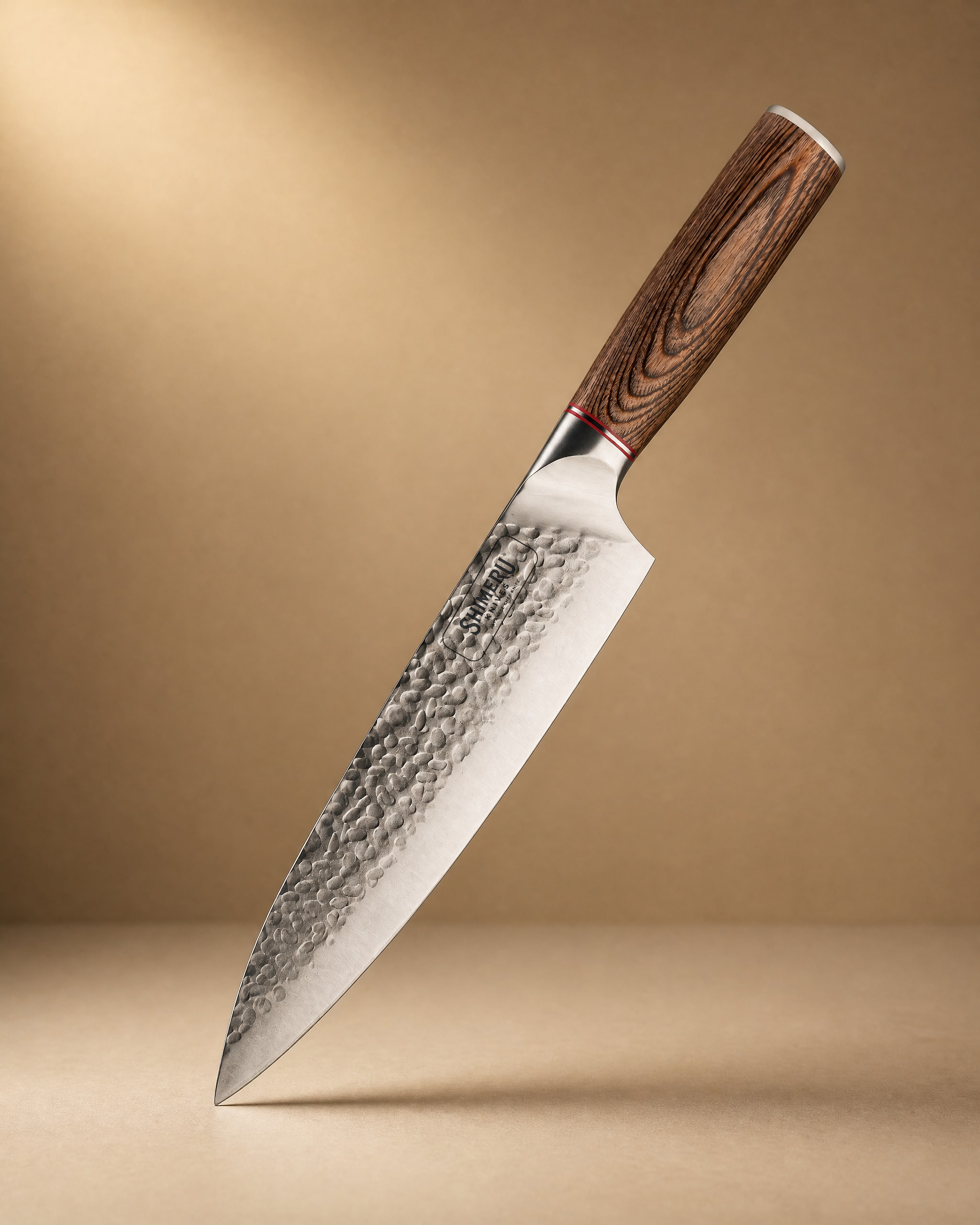 Akan 8'' Gyuto Knife 牛刀£49.99View product →
Some households prefer a single do-it-all blade to a dedicated set, and an eight inch Gyuto is the classic Japanese answer. It is a chef's knife rather than a table knife: long enough to break down a joint, thin enough to slice a roast neatly, and versatile enough for fish and vegetables through the week. We would not hand one to every guest, because a long blade at a crowded table is awkward, but for a couple eating steak twice a week it covers more ground than a set of four.
If you are rebuilding the whole block
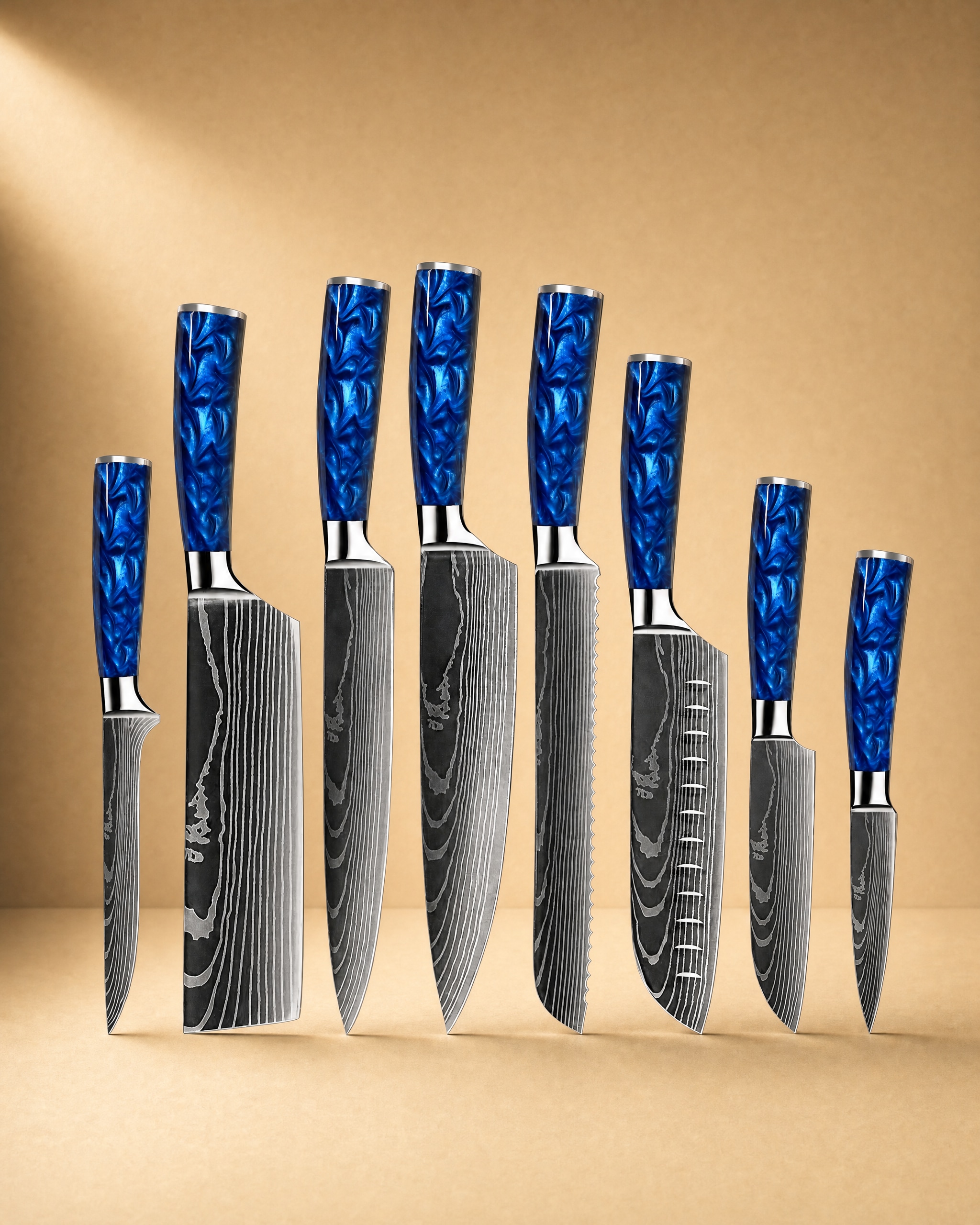 Shinano 信濃川 Damascus Pattern Stainless Steel Kitchen 8 Knife Set£149.99View product →
Replacing a tired knife block is a different job from adding one good item to it. A matched set keeps the drawer consistent, usually costs less than buying the same knives one at a time, and means every blade in the kitchen has had the same amount of thought put into it. The resin handled knives in this set look striking and wipe clean easily. Just be honest about what you will actually use. Half of the knives in most British blocks have not been touched in three years.

Keeping the edge between sharpenings
Even a hard Japanese blade will dull. Not because the steel disappears, but because the fine edge rolls over with use, and ceramic plates are hard on knives. The fix is smaller and cheaper than most people expect: a light realignment every week or two, and a proper sharpening once or twice a year.
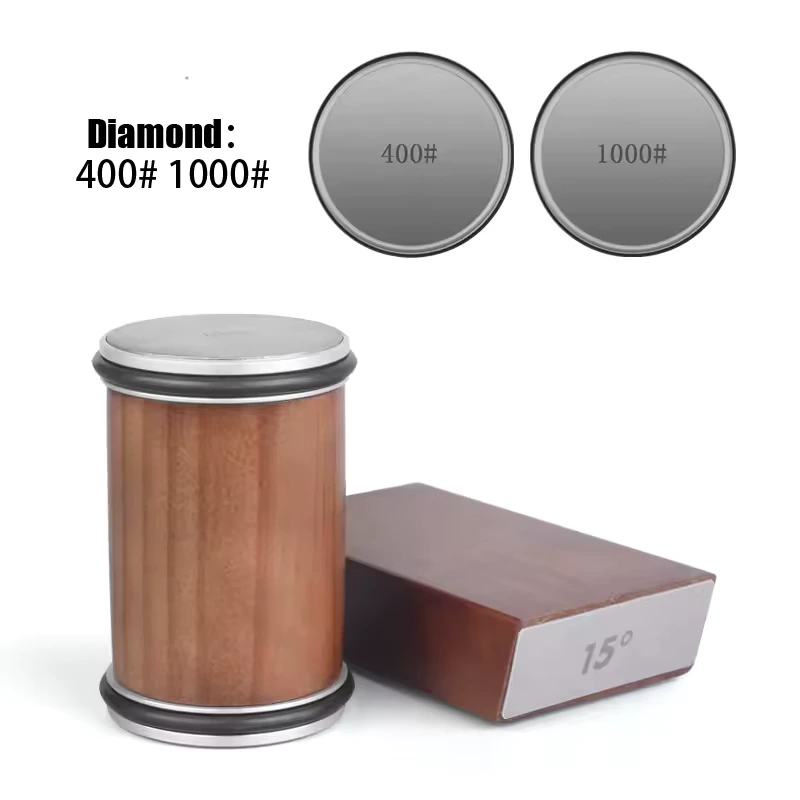 Magnetic Rolling Knife Sharpener£59.99View product →
A rolling sharpener is the low effort option for anyone who does not want to learn freehand stone work. It holds the angle for you, so a few passes restore a working edge without the risk of tipping the blade and rounding the bevel. Keep it near where the knives live, or it will not get used. For the full routine, including what a hone does and does not do, read our knife care guide.
How many knives do you actually need?
- Two of you: a set of four is plenty, and leaves spares in the wash.
- Four to six at the table: two sets, or one set plus a carving knife for the joint.
- Regular entertaining: buy eight matching knives once rather than assembling a mismatched drawer over five years.
- Small kitchens: one good Gyuto and two steak knives often beats a full block.
Plates, drawers and the two habits that ruin knives
Two habits do more damage than everything else combined. The first is cutting on ceramic plates. A glaze fired at high temperature is harder than most knife steels, so every slice drags the edge across something that will win. If you want a knife to stay sharp, cut on wood or composite and let the plate hold the food, not the blade. The second is the dishwasher. Heat, moisture and detergent attack handle materials and edge geometry, and knife tips knock against everything else in the basket. Ninety seconds at the sink is a better investment than any sharpening gadget.
Storage matters too. A magnetic strip, a knife block or an in-drawer tray all keep edges away from other metal. Thrown loose into a cutlery drawer, a good steak knife becomes a blunt one within a season, no matter what it cost.
Buying steak knives that will still be good in five years
Judge a steak knife on three things: whether the blade is thin enough to slice rather than saw, whether the handle will still be tight and comfortable in five years, and whether the edge can be brought back when it dulls. A set that passes all three will outlast several cheap replacements and will make every roast dinner calmer and more enjoyable.
If you are shopping for a set of four, or replacing a whole drawer at once, browse our full selection of steak knives. If you would rather see everything we stock, from table knives to Gyutos, the whole range is on the shop page. Either way, buy fewer knives and buy better ones. Your Sunday sirloin will thank you.
Photography: Clark Douglas via Unsplash.


