






Best End Grain Cutting Boards for Your Kitchen

A good cutting board is the one piece of kit that touches every meal you make. It sits under the knife for the onions, the Sunday roast and the last minute herb chop, and it quietly decides how much work your edges need. End grain boards have a reputation for being the gentle option, and mostly that reputation is earned. They are not magic, and they are not right for every kitchen. Here is an honest guide to choosing the best end grain cutting board, including which woods actually work, what to check before you spend, and how to keep one in good condition for years.
What End Grain Actually Means
Wood has a grain direction. In an edge grain board, the blocks are laid so the long grain faces up, which is how most inexpensive boards are built. In an end grain board, the blocks are turned so the cut ends of the fibres face the surface, which is why you see the checkerboard pattern of little squares. The surface is essentially a bundle of tiny straws standing upright.
That matters for two reasons. First, a knife edge can part those fibres rather than slicing across them, so the board gives a little under the blade. Second, the fibres close back up after the knife passes, which is why end grain boards show fewer obvious cut marks over time. Neither effect makes a knife sharp, but both reduce the small, constant wear that dulls an edge in normal use.
A Quick Word on How They Are Built
End grain boards are glued up in stages. Strips are cut, turned on their side and glued again, so the finished block has fibres running vertically. All that gluing makes them heavier and more expensive than a plain board of the same size, and it also makes them more sensitive to bad treatment. A well made board has tight, even glue lines and a flat surface. A poorly made one will cup or split within a year or two, however carefully you oil it.
The Best Wood for an End Grain Cutting Board
Hard, closed grain woods from temperate climates are the usual choice, and there is a reason the same few species keep appearing.
Hard maple is the benchmark. It is dense, pale, tasteless and takes oil well. It is hard enough to resist scoring but not so hard that it damages edges, which is why most professional end grain boards are maple.
Walnut is softer than maple and much darker, which makes it a popular contrast stripe. On its own it is a little soft for heavy chopping, but in a mixed board it works well.
Cherry is medium hard, warm in colour and closes up nicely after cuts. It darkens with age, which some people love and others do not.
Beech is common in European boards. It is tough, affordable and perfectly serviceable, though it is more open than maple and benefits from regular oiling.
Oak is where I would hold back. It is hard, but it is open grained and contains tannins that react with steel, and it can leave marks on a blade if the board stays damp. It is a fine material for furniture and a mediocre one for a chopping surface.
Acacia and similar very hard exotics look striking and resist water well, but some are hard enough to feel unforgiving under a thin Japanese edge. If you own a laser thin gyuto, softer maple or cherry is the kinder choice. Whatever the species, avoid boards built from unidentified mixed offcuts: you cannot judge the hardness or stability of wood you cannot name.

What to Check Before You Buy
Wood species gets all the attention, but these details matter just as much.
- Thickness: 40 mm or more is the practical minimum for end grain, because thin boards move and crack.
- Size: big enough for a whole cabbage, small enough to wash in your sink. Measure your worktop first.
- Construction: tight glue lines, no visible gaps, and feet or a recessed base so air can circulate underneath.
- Finish: food safe oil or wax, not a thick lacquer that will flake under a knife.
- Weight: end grain is heavy, so plan for where it will live.
- Provenance: a maker who names the species and the finish usually knows what they are selling.
End Grain and Your Knives
A board is only half of the cutting equation. An end grain surface suits a well ground Japanese blade because it lets the edge sink very slightly rather than skating across a hard, unyielding face. If you are shopping for a knife to go with the board, our knife guide walks through blade shapes and lengths, and the full range sits on the shop page.
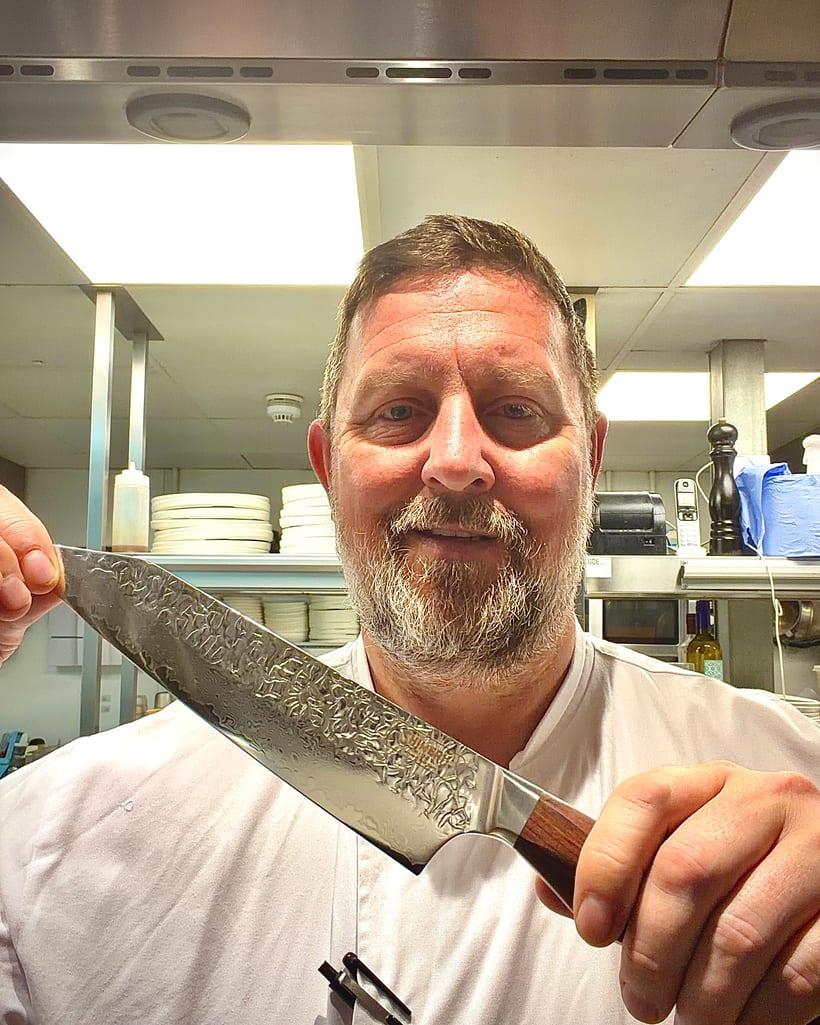
Two sensible pairings. The 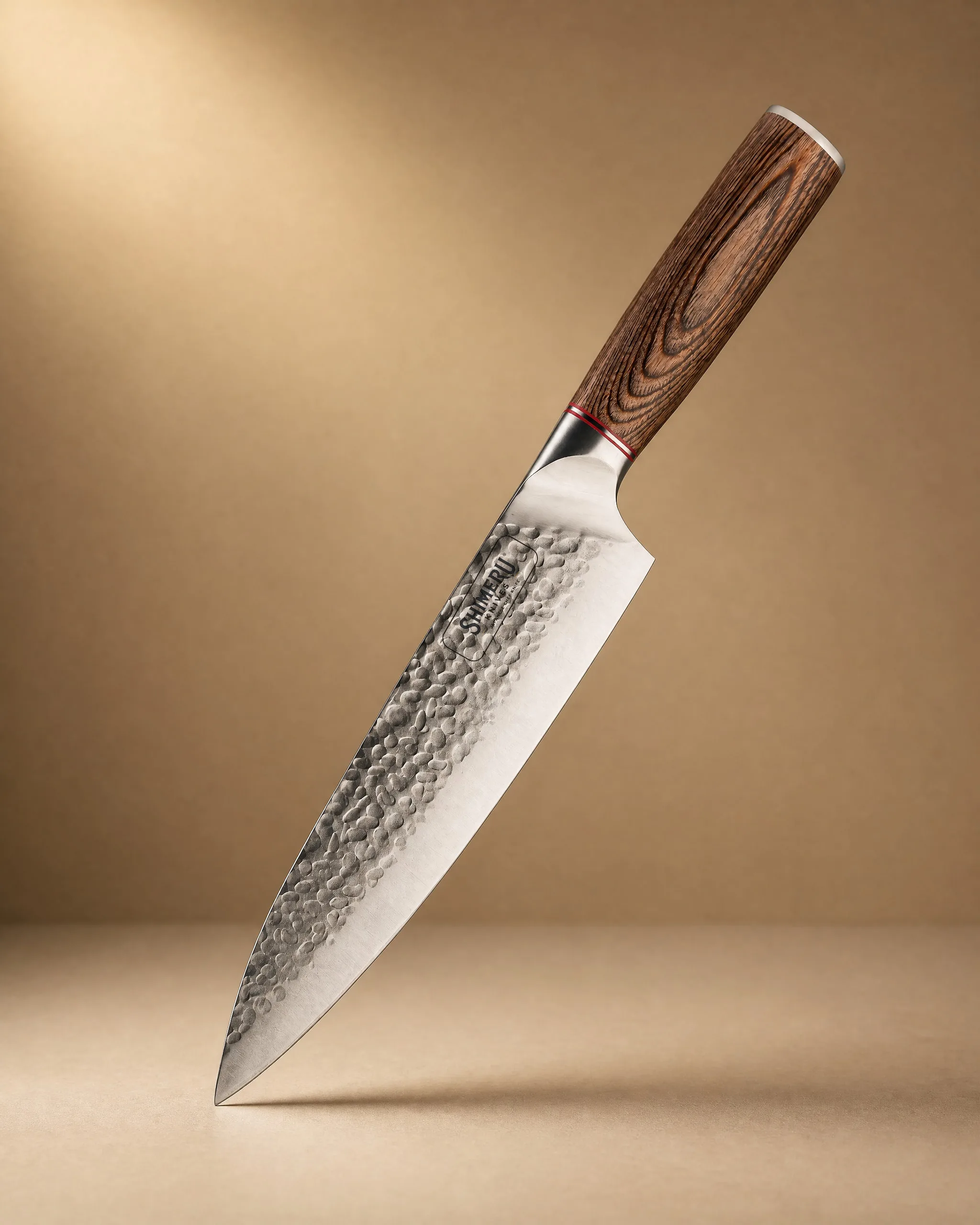 Akan 8'' Gyuto Knife 牛刀£49.99View product → is an 8 inch gyuto in stainless steel with a pakkawood handle, and it covers meat, fish, vegetables and fruit without fuss, which is exactly what most people want from a single board and knife setup. The
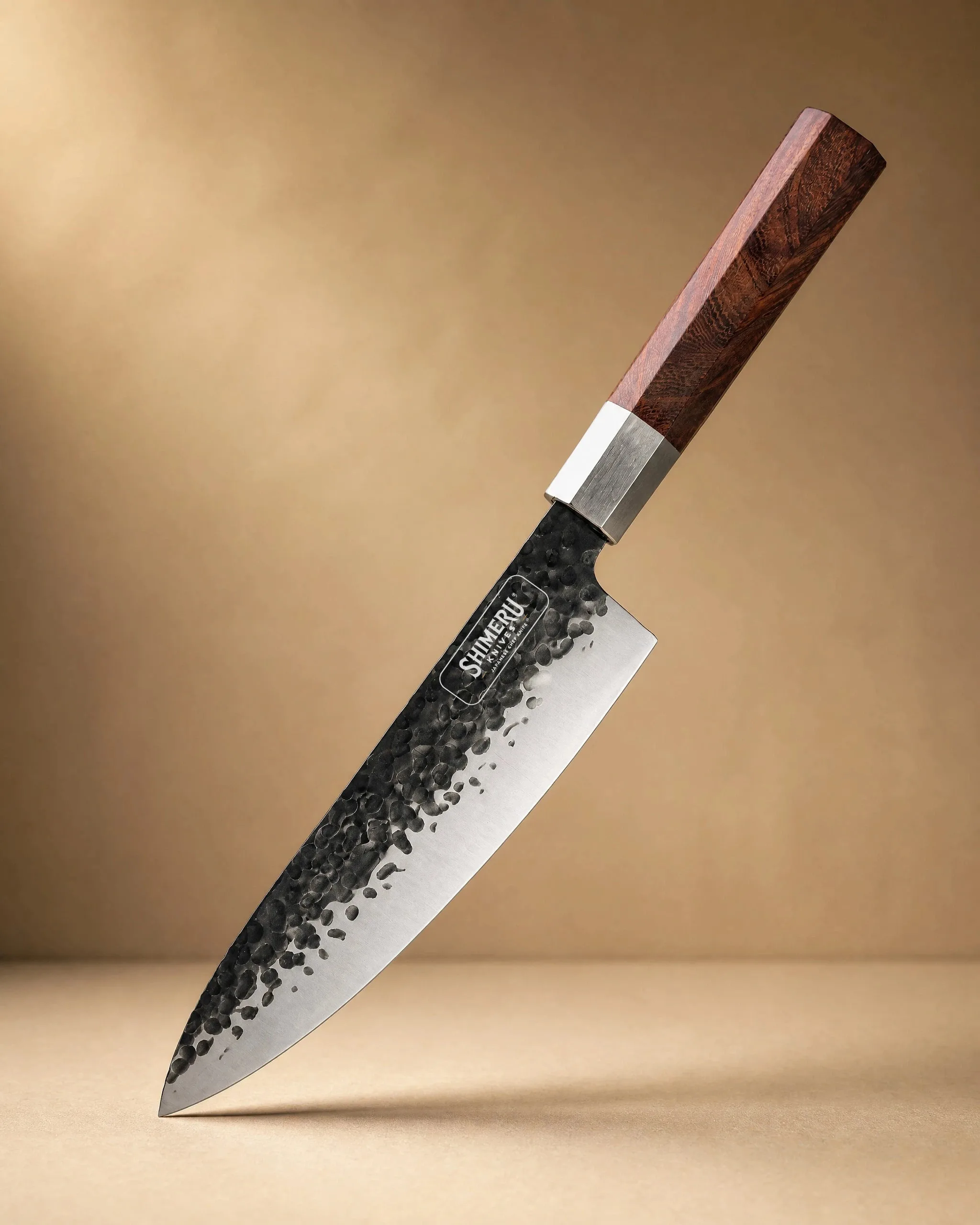 Sendai 8" Steel Gyuto Knife 牛刀£49.99View product → is the same length in stainless steel with an Mkuruti wood handle, and it handles vegetables, herbs, meat and fish well. Either will feel at home on a maple end grain board, and neither needs a board that is harder than the blade.
Keeping the Edge in Shape
Even on a gentle board, an edge dulls with use, and the honest answer is that most home cooks wait too long between sharpenings. A simple roller sharpener is fine for holding a working edge on a stainless knife between proper sessions, and the 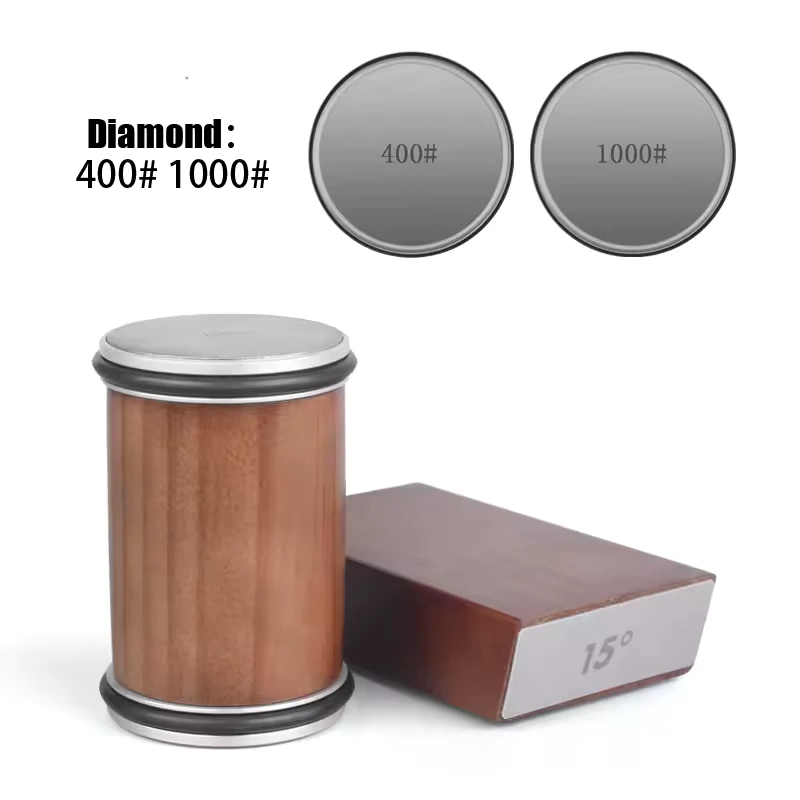 Magnetic Rolling Knife Sharpener£59.99View product → is the sort of tool that lives in a drawer for that job. It is not a substitute for learning to sharpen on a stone, but it is better than hacking away with a blunt edge and blaming the board.
Care That Actually Matters
End grain boards are not fragile, but they respond badly to two things: prolonged soaking and heat. Wash by hand in warm water with a little washing up liquid, scrub, rinse and dry immediately with a cloth, then stand it on edge so both faces get air. Never put it in a dishwasher and never leave it soaking in the sink overnight.
Oil monthly for the first year, then whenever the surface starts to look dry or pale. A food safe mineral oil or a purpose made board butter is right. Wipe on a thin coat, leave it overnight, buff off the excess. Wax on top helps slow water uptake. If a small cut or scratch appears, a light sanding with fine grit followed by re-oiling will bring it back. There is more on looking after blades in our knife care guide.
The Honest Downsides
End grain boards cost more, weigh more and need more attention than a plastic sheet. They can split if left wet or stored flat in a puddle, and they will eventually need refinishing. They also take up worktop space. If you prepare a lot of raw chicken and want to put the board in a dishwasher, buy a separate plastic board for raw meat and keep the wooden one for vegetables, bread and cooked food. That is not a compromise, it is good practice.
Matching the Board to the Rest of Your Kit
If you are building a kitchen rather than buying a single board, think about the whole setup. A large end grain board for vegetables and a smaller one for meat and fish covers most needs. If you are also upgrading your knives, a set such as the 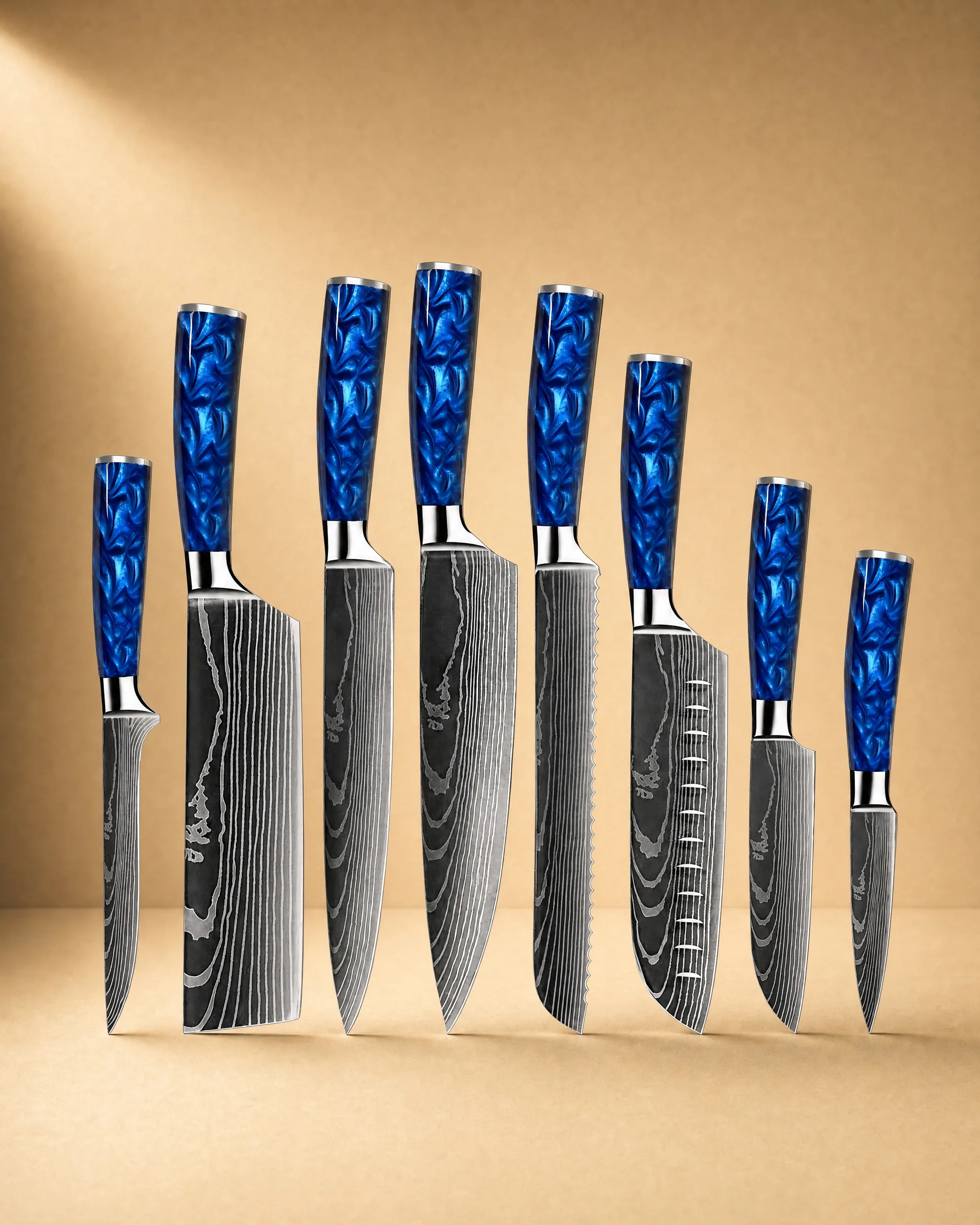 Shinano 信濃川 Damascus Pattern Stainless Steel Kitchen 8 Knife Set£149.99View product →, a Damascus pattern stainless set with blue resin handles, gives you an everyday block to work from, and a board that treats those edges kindly will pay for itself in fewer sharpenings. Boards and knives age together, and a well maintained pair will outlast several rounds of cheaper kit.
A Short Buying Summary
Choose hard maple, cherry or beech from a maker who names the wood and the finish. Insist on at least 40 mm of thickness and a flat, well glued surface. Size it to your worktop and your sink. Expect to oil it, expect to lift it, and expect it to last a decade if you treat it properly. That is the whole case for the best end grain chopping board: not that it is fashionable, but that it is kind to your knives and pleasant to use every single day. Browse the knives that suit it on our product page, or read the knife guide first if you are still deciding what to buy.
Photography: Pawel Wertel via Unsplash.


