






Japanese Cleaver Knife Buying Guide

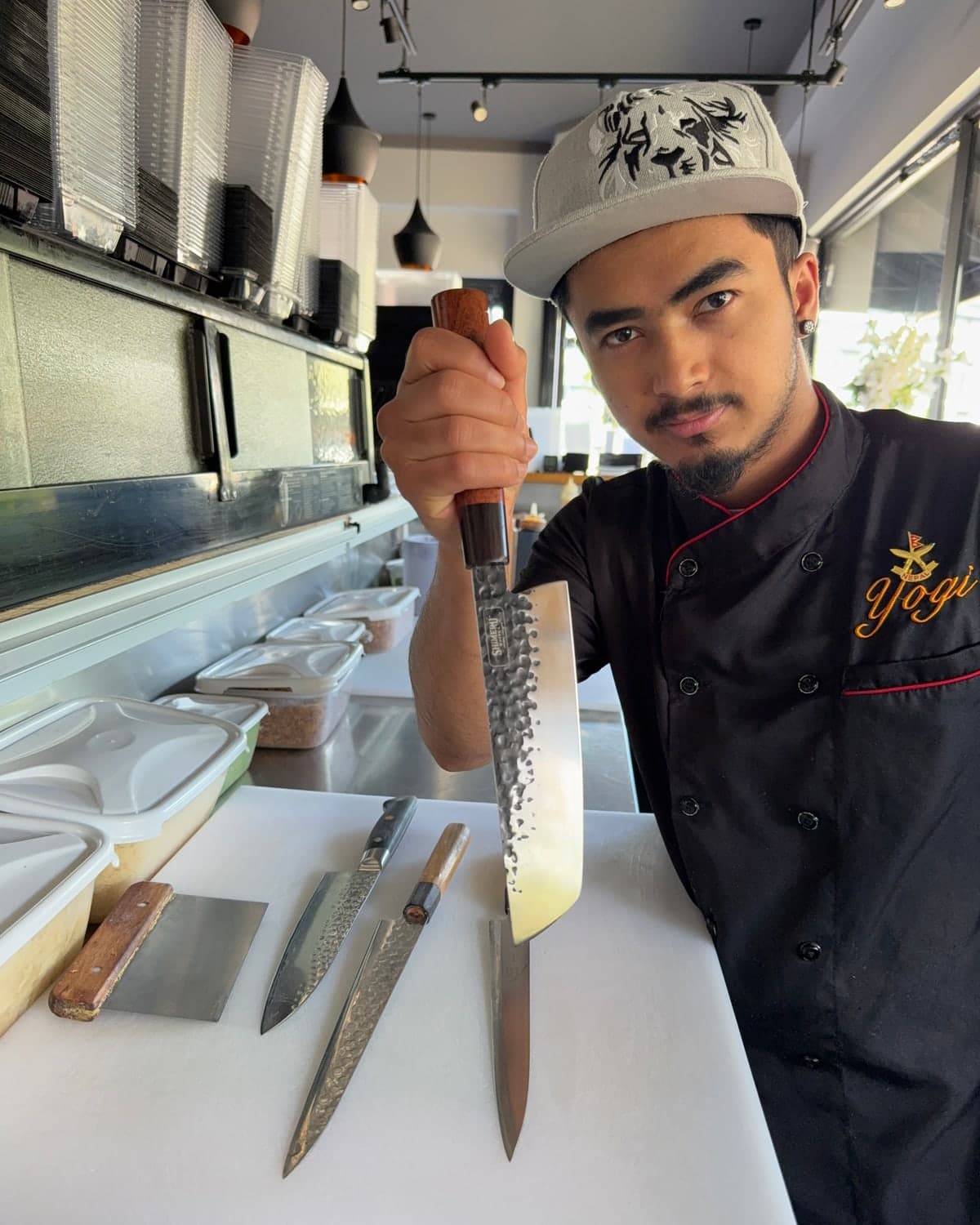
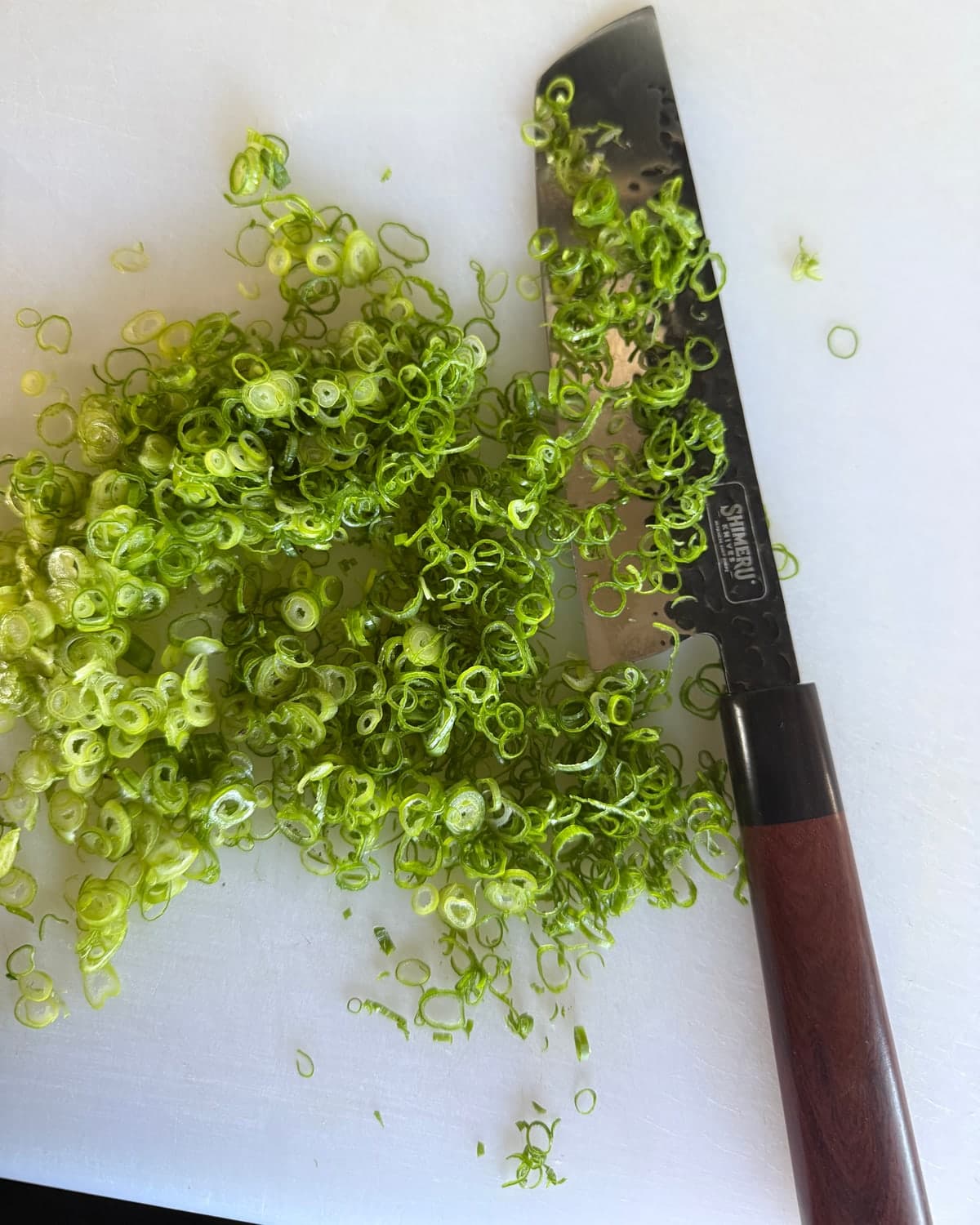
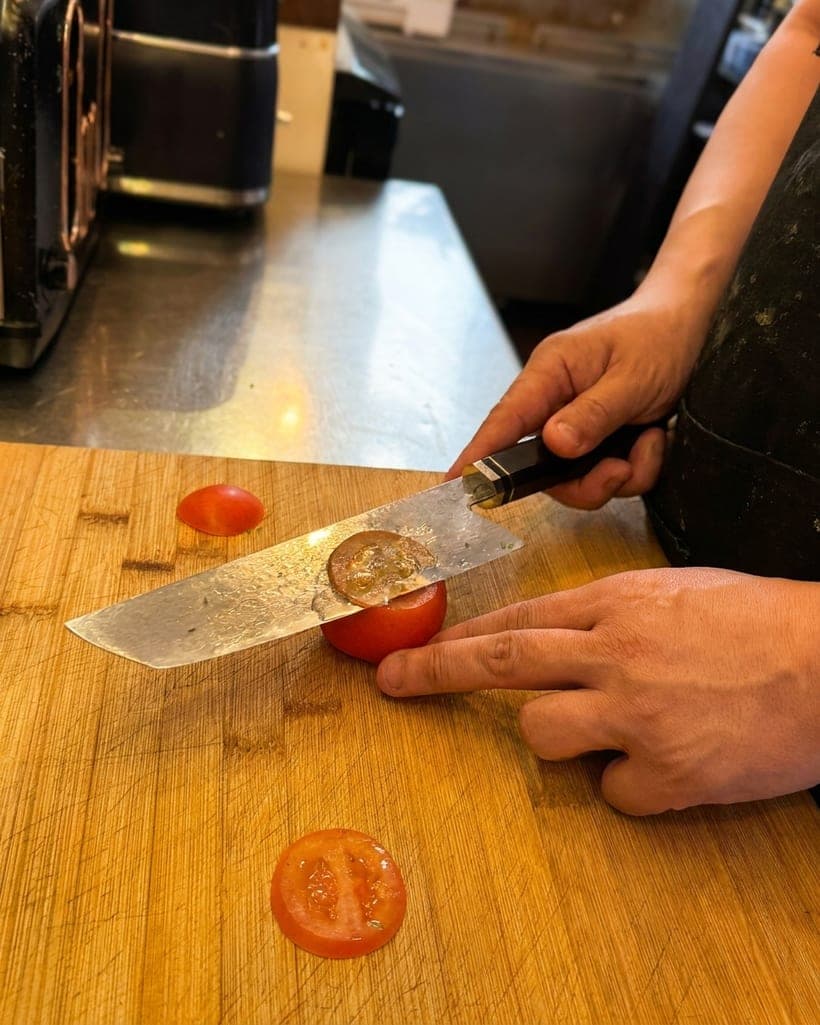
A Japanese cleaver is often misunderstood. Many home cooks see a large, rectangular blade and assume it is only for smashing through bone. In fact, the Japanese cleaver, known in Japanese kitchens as a chuka bocho, is one of the most versatile knives you can own. It is light, precise and surprisingly nimble. It can slice fish, dice vegetables, mince herbs and work through small joints of meat. It is an everyday workhorse that rewards a careful approach.
If you have not considered a cleaver for your kitchen, this guide will help you decide. We will look at the different styles, the materials used, the handle shapes and the sizes available. We will also point you towards some of the best Japanese cleavers in our own range, so you can see what suits your cooking style.
What Is a Japanese Cleaver Knife?
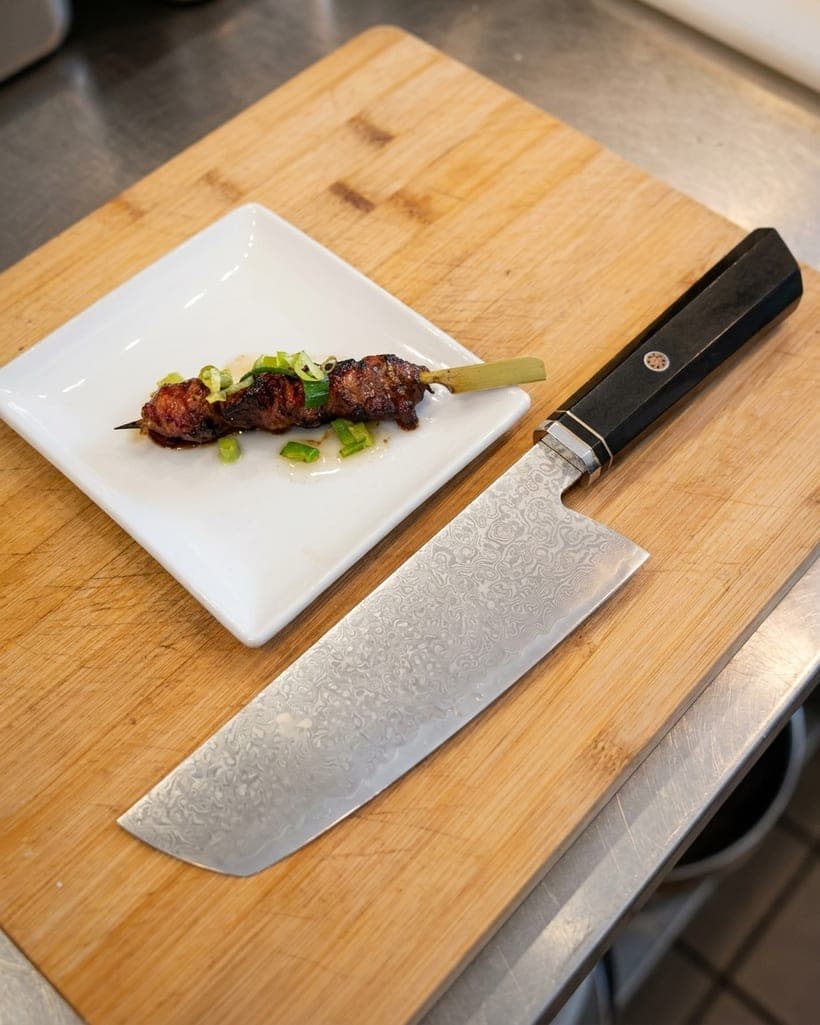
The Japanese cleaver is a descendant of the Chinese cleaver, and it shares that broad, rectangular profile. The Japanese take on it often uses a harder steel and a thinner edge. The result is a knife that feels like a large sporting knife rather than a heavy wedge. The flat profile of the blade makes it excellent for chopping, while the broad side can be used to scoop up ingredients and transfer them to a pan.
Unlike a Western cleaver, which tends to be thick and heavy, a Japanese cleaver is usually lighter and more responsive. It is designed for precision work as much as for power. This makes it a favourite in professional kitchens where speed and accuracy matter. For home cooks, it can replace several other knives, because it handles both fine slicing and more robust chopping tasks.
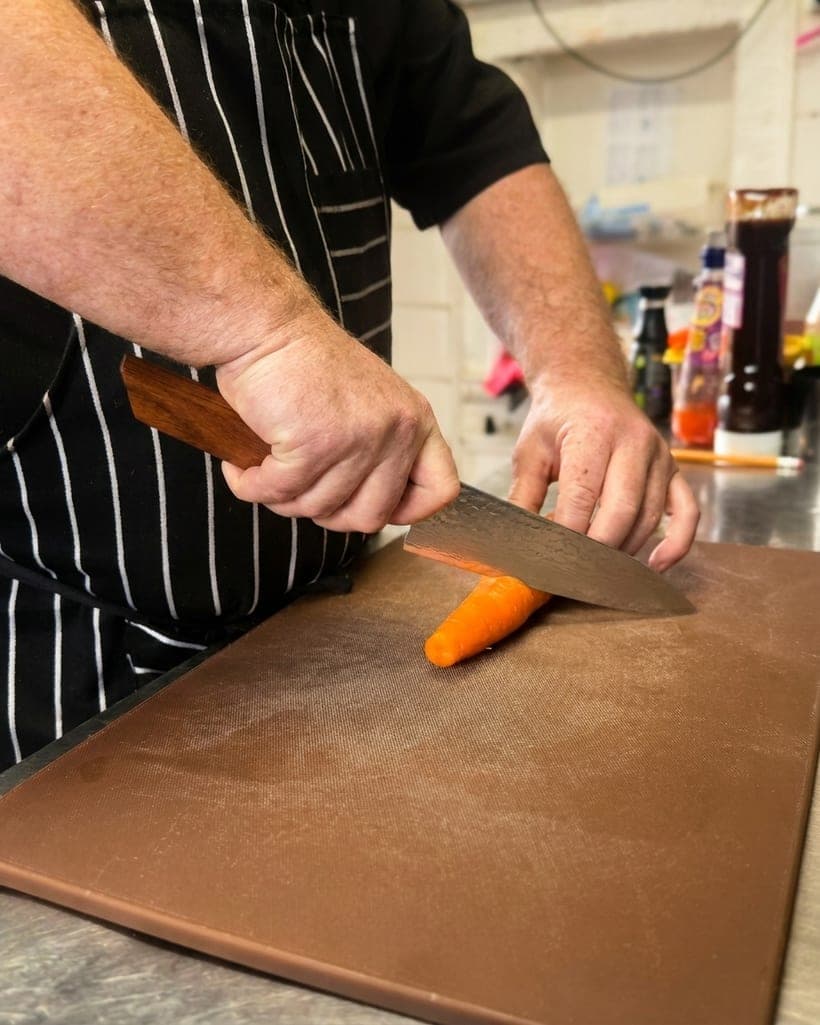
If you are new to this style of knife, you might find the size intimidating. But once you hold one, you will notice how balanced it feels. The weight sits comfortably in the hand, and the tall blade keeps your knuckles clear of the board. You can see all the Japanese cleavers we stock in our cleaver category, but first let us talk about what matters most when choosing one.
Blade Material: Stainless Steel vs Carbon Steel
The most important decision when buying any Japanese knife is the steel. Japanese knives are traditionally made from carbon steel, which takes a very sharp edge and is easy to sharpen. However, carbon steel rusts if it is not dried and oiled after use. It can also react with acidic foods, leaving a metallic taste. For many home cooks, stainless steel is a more practical choice.
Stainless steel Japanese cleavers offer better corrosion resistance while still holding a sharp edge. They are easier to look after, and they do not need the same level of attention as carbon steel. If you cook regularly and want a knife that you can use without worrying about the weather or the washing up, stainless steel is the way to go.
For a dependable stainless steel cleaver that can handle chopping, slicing and dicing, the 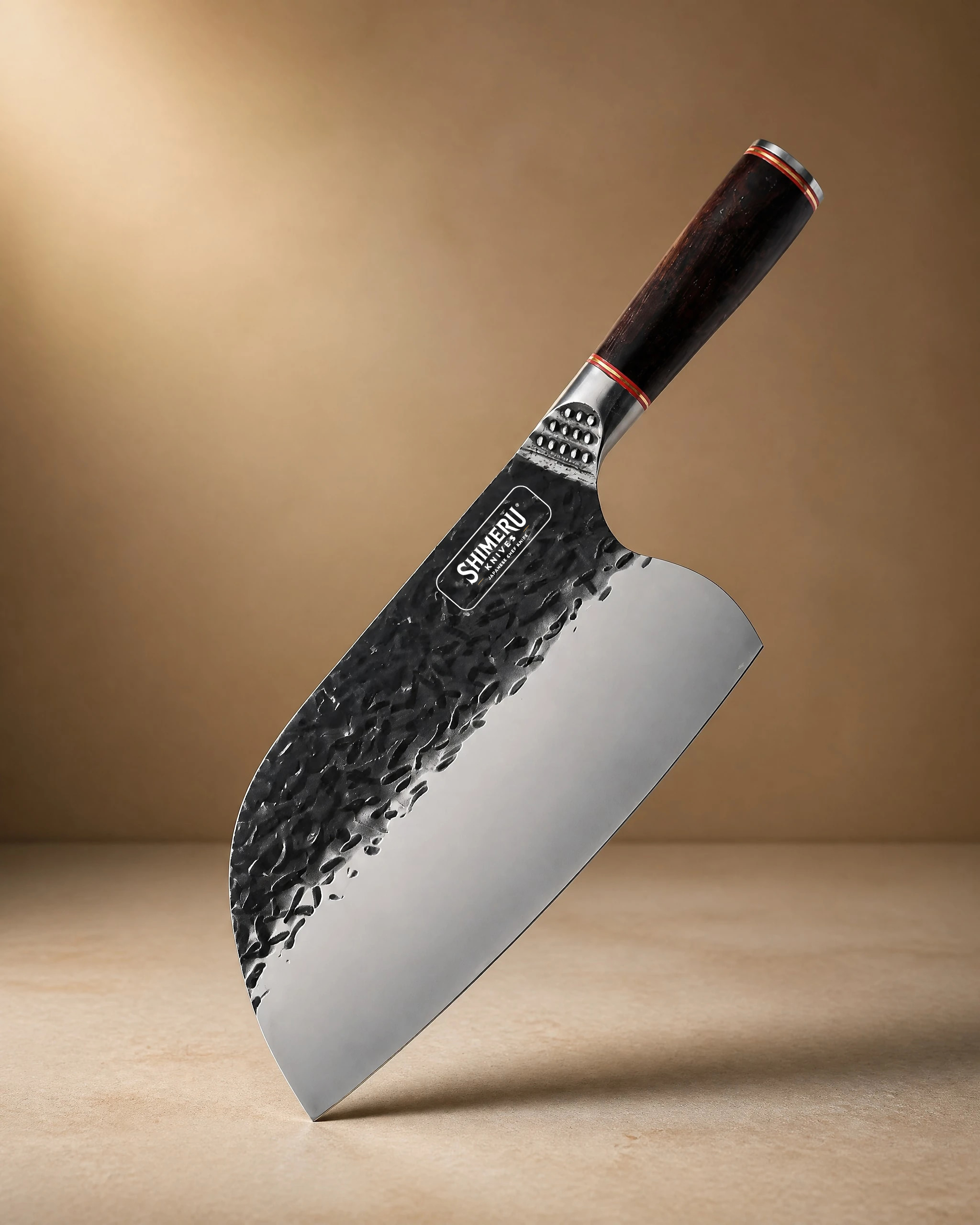 Toyo 7" Stainless Steel Cleaver 中華包丁£49.99View product → is a strong choice. It features a 7 inch blade made from Japanese stainless steel, which is a great all round size for most kitchens. The blade is stiff enough for heavy work, yet thin enough for clean, precise cuts.

Handle Shape and Comfort
The handle of a Japanese cleaver is just as important as the blade. Traditional Japanese handles are often made from magnolia wood and shaped in an oval or a rounded octagon. This design fits naturally in the hand and allows for a relaxed grip. Many modern cleavers use western style handles with a full tang and riveted scales. These can feel more substantial, especially for those with larger hands.
We look for handles that are comfortable over long periods of use. A knife should feel like an extension of your arm, not a tool you are fighting against. The material matters too. Hardwood handles are durable and develop a pleasant patina over time. They also offer a warm, natural feel that synthetic materials often lack.
For a cleaver with a particularly comfortable hardwood handle, the 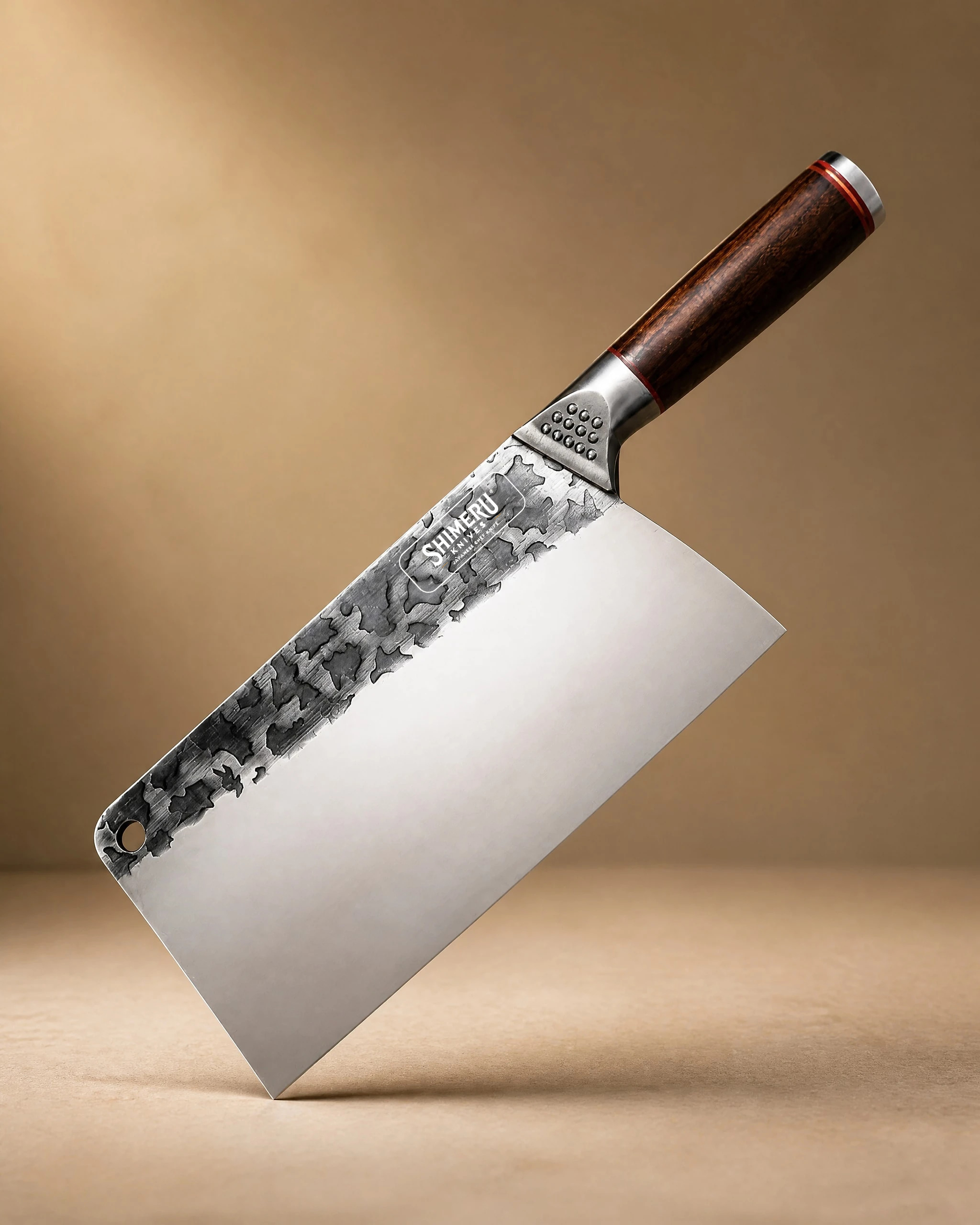 Saba 7" Stainless Steel Cleaver 中華包丁£44.99View product → is worth attention. It uses a Japanese stainless steel blade and has an African Wedge hardwood handle. The shape is designed to fill the hand nicely, giving you good control whether you are chopping through vegetables or slicing herbs. It is a versatile option that works well for meat, vegetables and herbs.
Size and Weight: Which Cleaver Is Right for You?
Japanese cleavers come in a range of sizes. The most common are around 6 to 8 inches, but you will also find smaller butcher style knives and larger heavy duty versions. The right size depends on what you cook most often. If you mostly prepare vegetables and want an all purpose kitchen blade, a 7 inch cleaver is ideal. It is long enough to slice a cabbage or break down a chicken, but not so large that it feels awkward.
If you work with large pieces of meat, or if you do a lot of outdoor cooking, a smaller cleaver might be more practical. A shorter blade gives you greater control and manoeuvrability. This is particularly useful when you are breaking down a large cut or carving roasted meat at the table.
For butchery and grilling, the 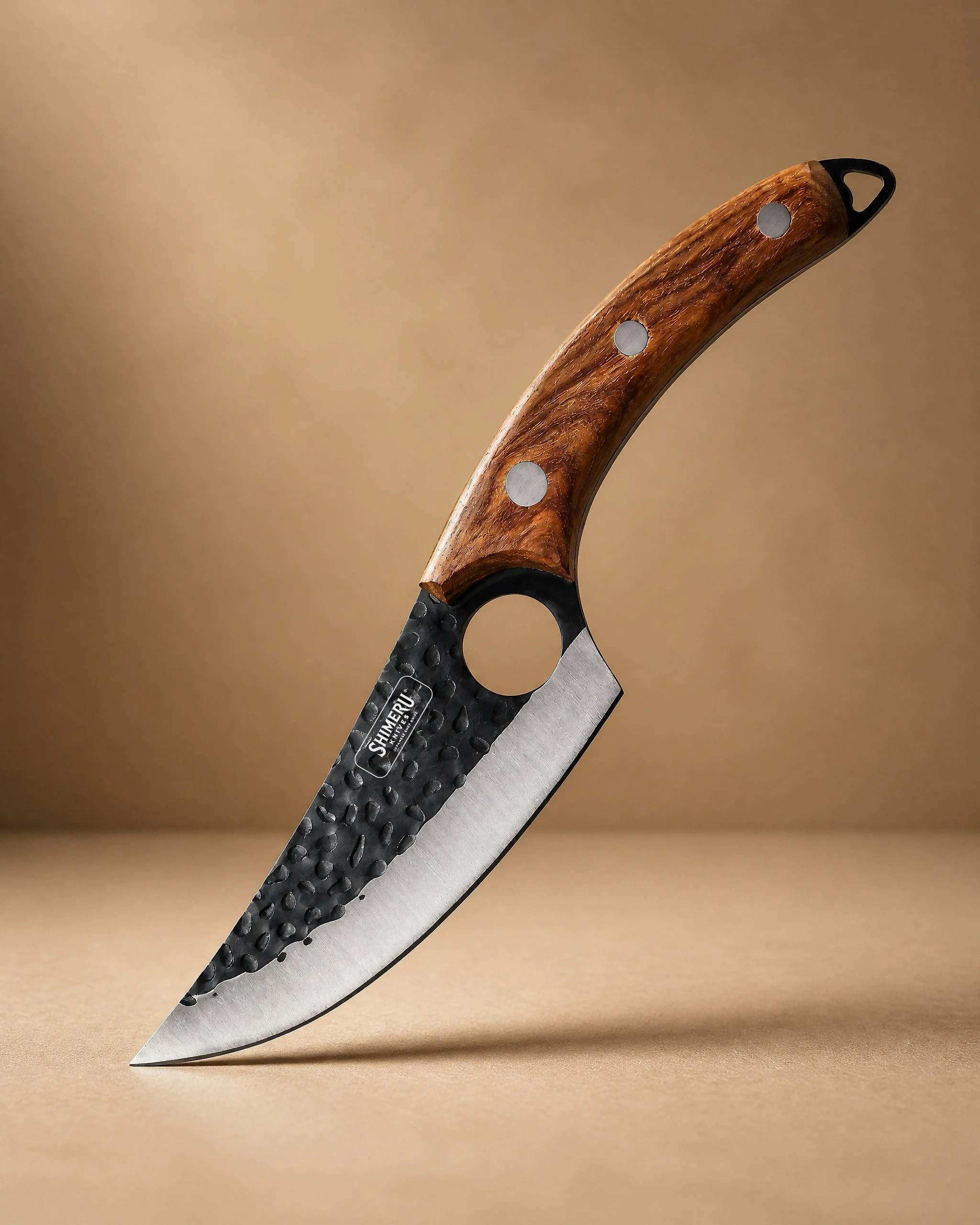 Tetsuya 5.7" Butcher Knife with Leather Sheath£44.99 · currently out of stockView product → is a superb choice. It has a 5.7 inch blade made from 5Cr15MoV stainless steel, which is tough and easy to maintain. The rosewood handle gives a secure grip even when your hands are a little slippery. It comes with a leather sheath, which is great if you want to store it in a drawer or take it to a barbecue. This is not a knife for delicate work, but it excels at butchery, breaking down large cuts and carving cooked meats.
How to Care for a Japanese Cleaver
Whatever cleaver you choose, you need to treat it with respect. Japanese knives are sharp, and they stay sharp if you look after them. Always wash the knife by hand with warm water and mild soap. Dry it immediately with a soft cloth. Never put it in the dishwasher, as the heat and detergents will damage the edge and the handle.
Honing is important for maintaining the edge. Use a honing rod or a whetstone regularly to keep the blade aligned. For a deeper sharpening, a whetstone is the best option. You can read our knife care guide for a full walkthrough of how to look after your Japanese knives.
Store the cleaver in a knife block, on a magnetic strip or in a blade guard. Do not leave it loose in a drawer, as it can scratch other utensils and pose a safety risk. If you are new to Japanese knives, it is also worth reading our how to choose a knife article. It covers the basics of knife types and uses, so you can make an informed decision.
Quick Buying Checklist
- Decide on steel: stainless steel is lower maintenance, carbon steel gives a more traditional feel.
- Consider the handle: choose a shape and material that feels comfortable in your hand.
- Think about size: 7 inch is a great all round size, 5.7 inch offers more control for meat.
- Check the balance: the knife should feel weighted in your hand, not blade heavy or handle heavy.
- Plan your storage: a wall magnet, knife block or sheath will protect the edge.
A Final Word
A Japanese cleaver is a joy to use. It brings a different rhythm to cooking, one that is calm, deliberate and efficient. It might take a little practice to get used to the tall blade and the flat profile, but once you do, you will wonder how you managed without one.
We hope this guide has helped you understand what to look for in a Japanese cleaver knife. If you are ready to add one to your collection, take a look at our full range of Japanese knives on our product page. And remember, the best knife is the one that fits your hand and your cooking style. Choose carefully, look after it well, and it will serve you for decades.
Photography: Savernake Knives via Unsplash.


