




Choosing the Best Nakiri Knife for Vegetables

If you spend any time preparing vegetables, you will know that a good knife can transform the task from a chore into a pleasure. Among the many Japanese knife styles, the nakiri stands out as a dedicated vegetable knife. Its straight blade and flat edge are designed to make chopping, slicing and dicing both efficient and precise. In this guide, we explain what a nakiri knife is, why it excels with vegetables, and how to choose the best one for your kitchen. We also feature two excellent options from our range: the 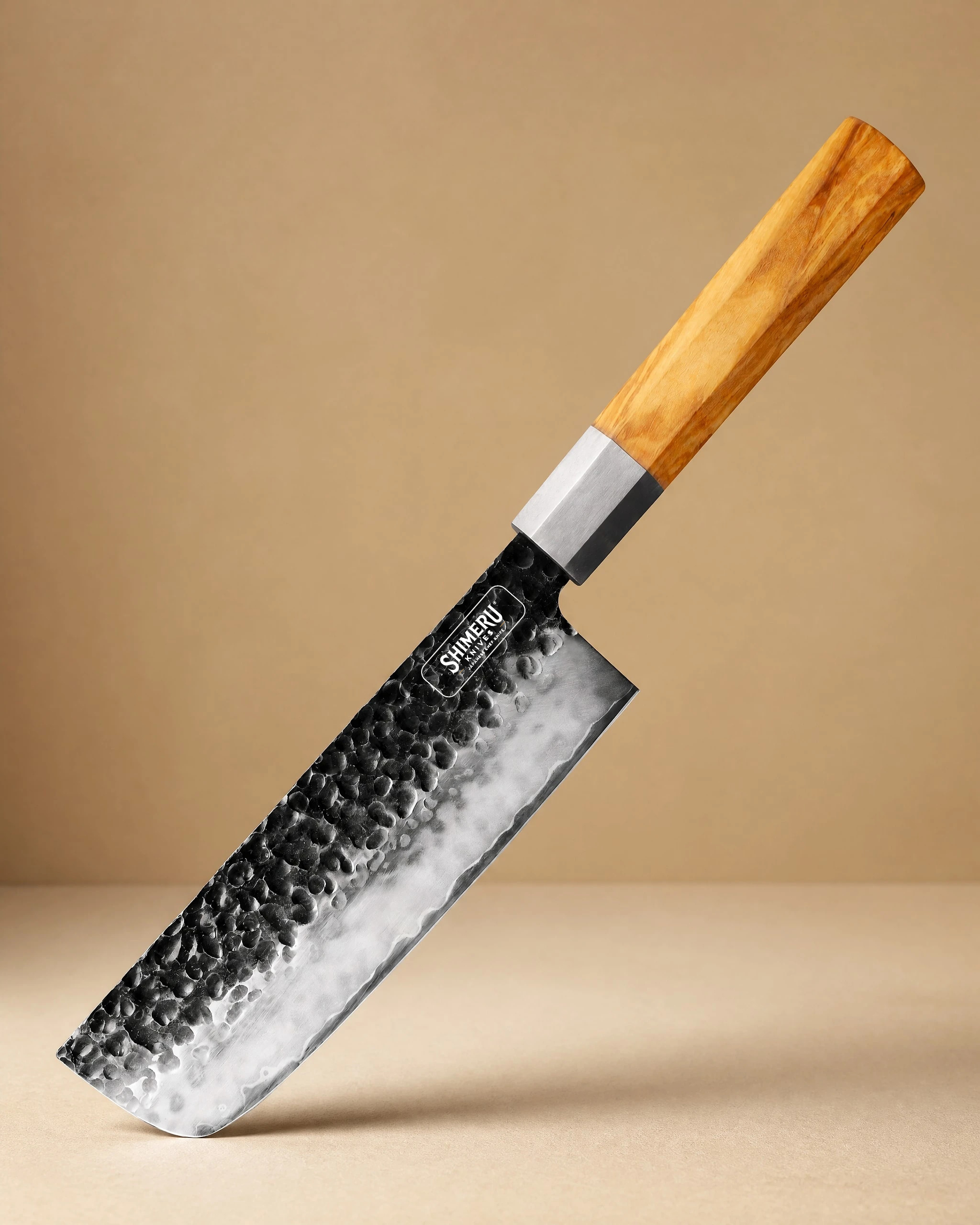 Chitose 7" Nakiri Knife 菜切り包丁£59.99View product → and the
 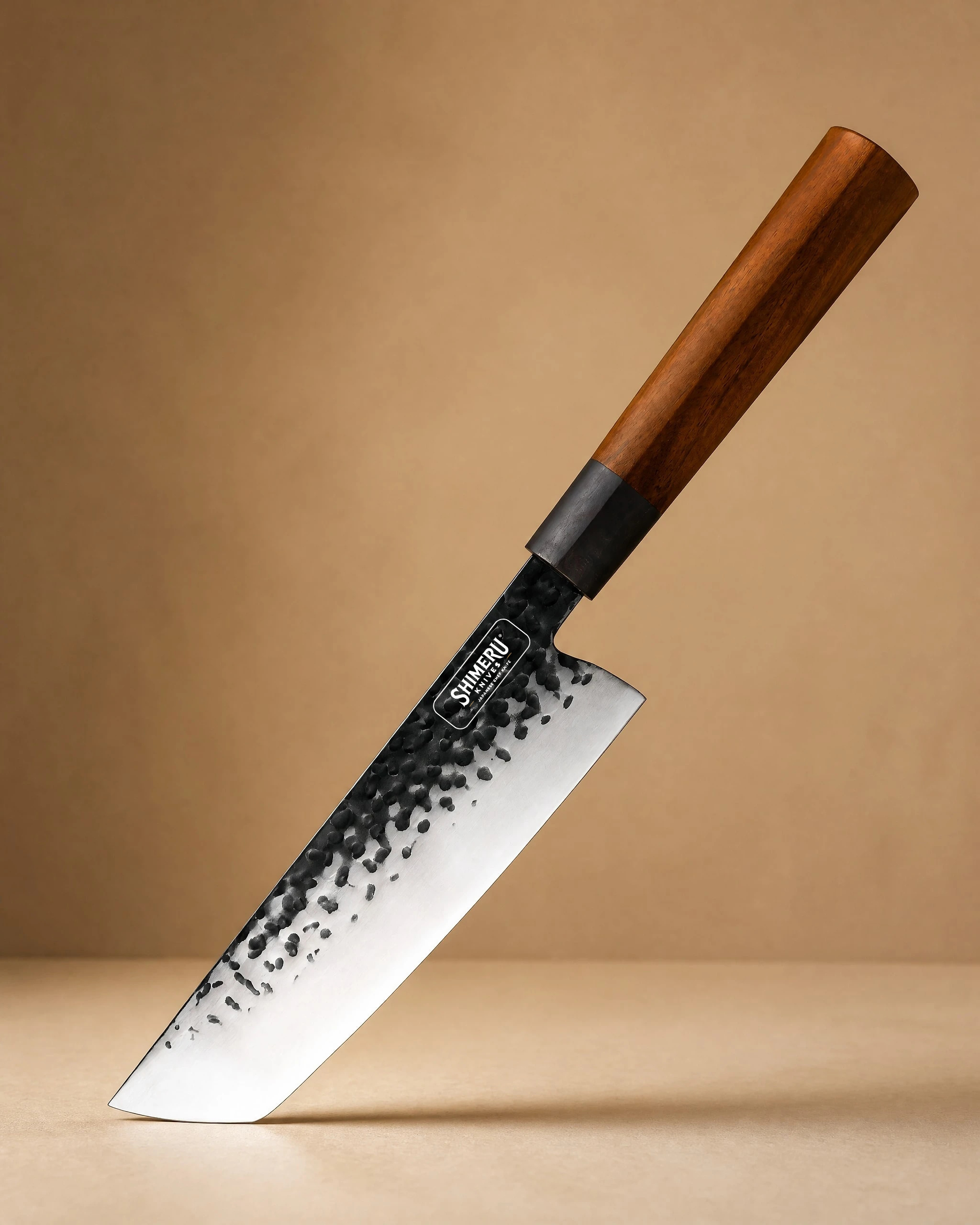 Ginsui 7" Nakiri Knife 菜切り包丁£54.99View product →.
What is a Nakiri Knife?
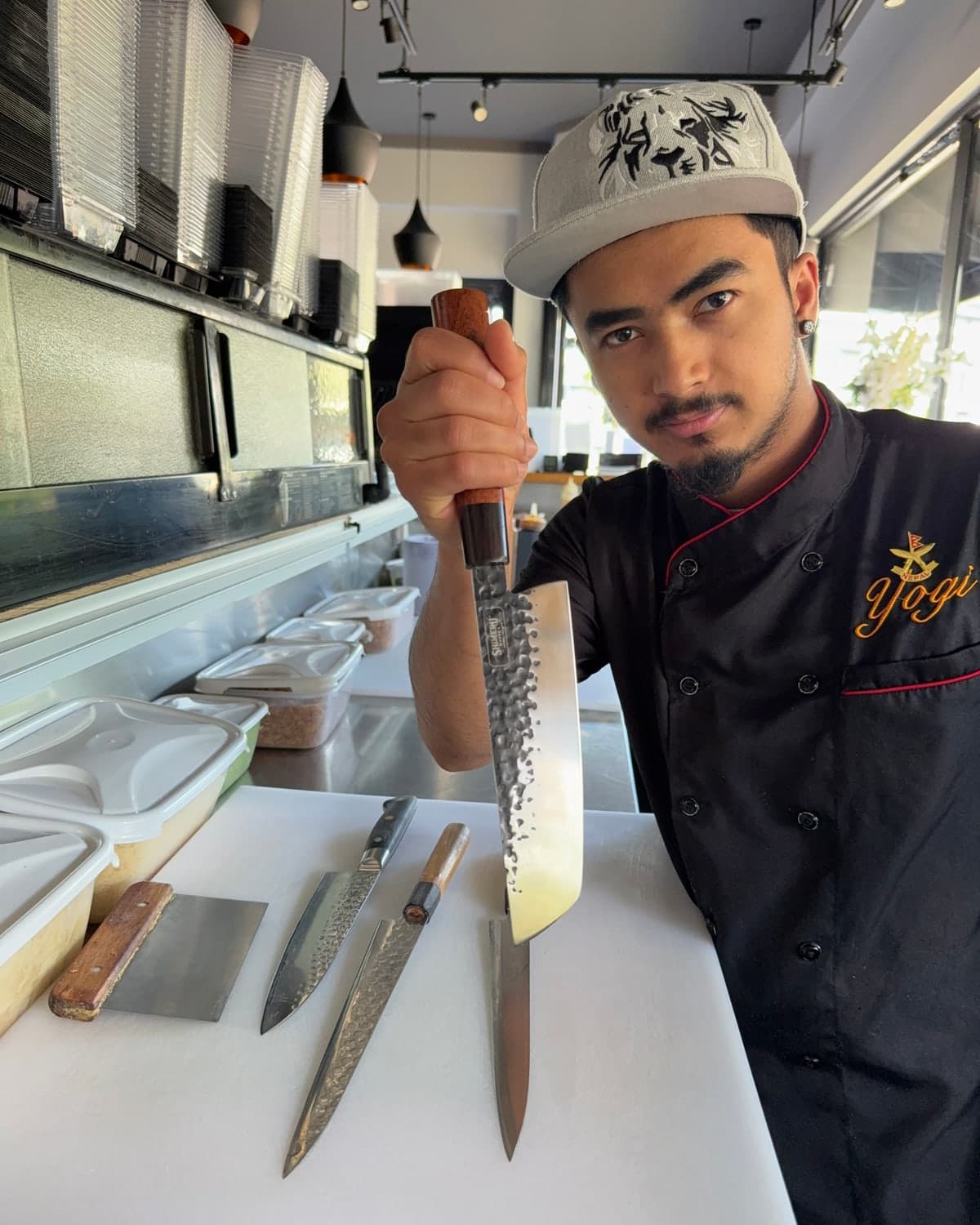
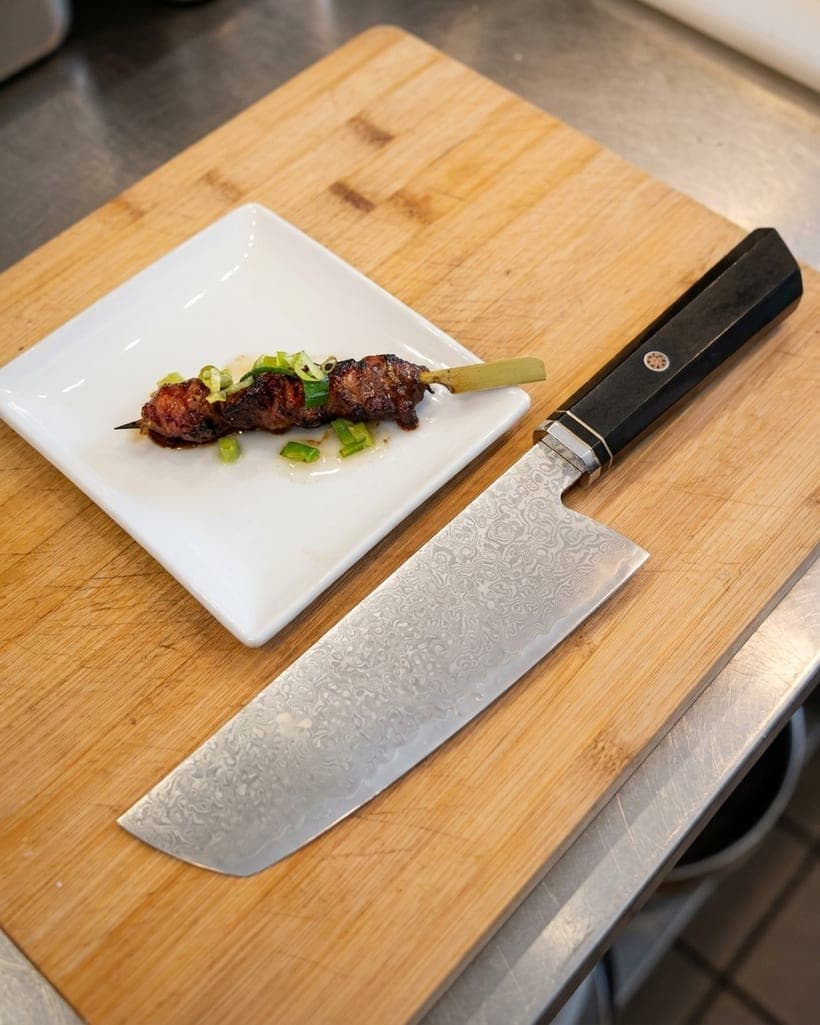
A nakiri knife, often called a nakiri Japanese knife, is a traditional vegetable knife from Japan. Its name literally means 'leaf cutter', which hints at its purpose. The blade is rectangular with a blunt, flat tip and a straight cutting edge. Unlike a chef's knife or a gyuto, a nakiri has no curved belly. This flat edge allows you to make clean, full-length cuts from heel to tip without any rocking motion. The blade is typically double‑bevelled, meaning it is sharpened on both sides, making it comfortable for right‑ and left‑handed users alike.
The typical nakiri blade is between 6 and 7 inches long, and around 2 inches wide. This width gives you plenty of knuckle clearance, and the straight profile makes it ideal for cutting straight down through vegetables such as carrots, cucumbers and courgettes. The thin blade reduces wedging, so dense vegetables like sweet potatoes or squash are sliced with minimal resistance. In terms of geometry, most nakiri blades have a relatively thin edge bevel, which enhances cutting ease but requires careful handling to avoid chipping on very hard items like frozen produce or bones. Some nakiri knives also feature a slight convex grind, known as an 'asymmetric convex' or 'hamaguri' edge, which improves food release. However, the two models we recommend use a standard flat or slightly convex grind for reliable performance.
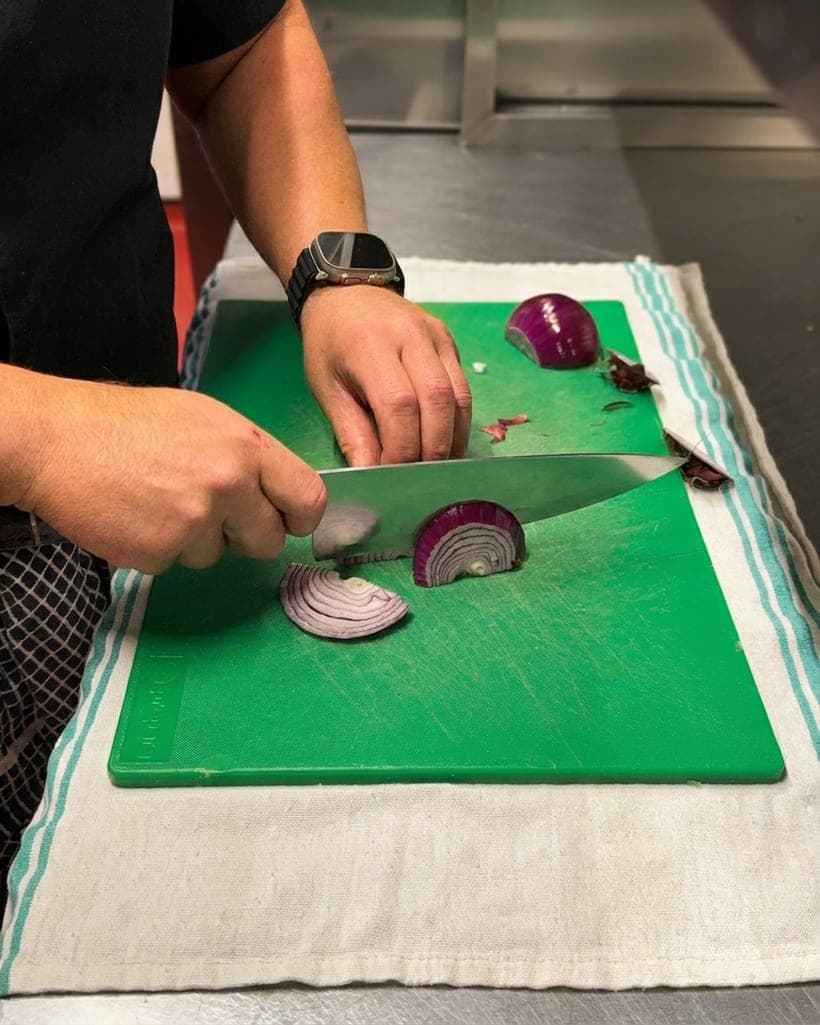
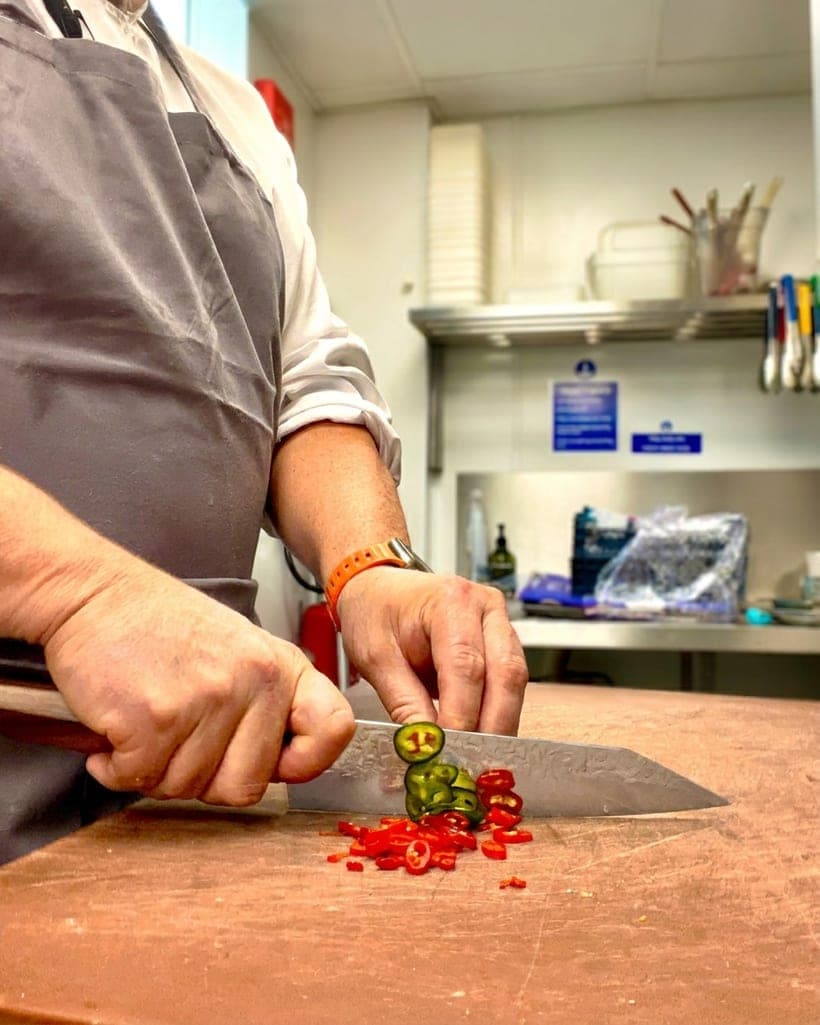
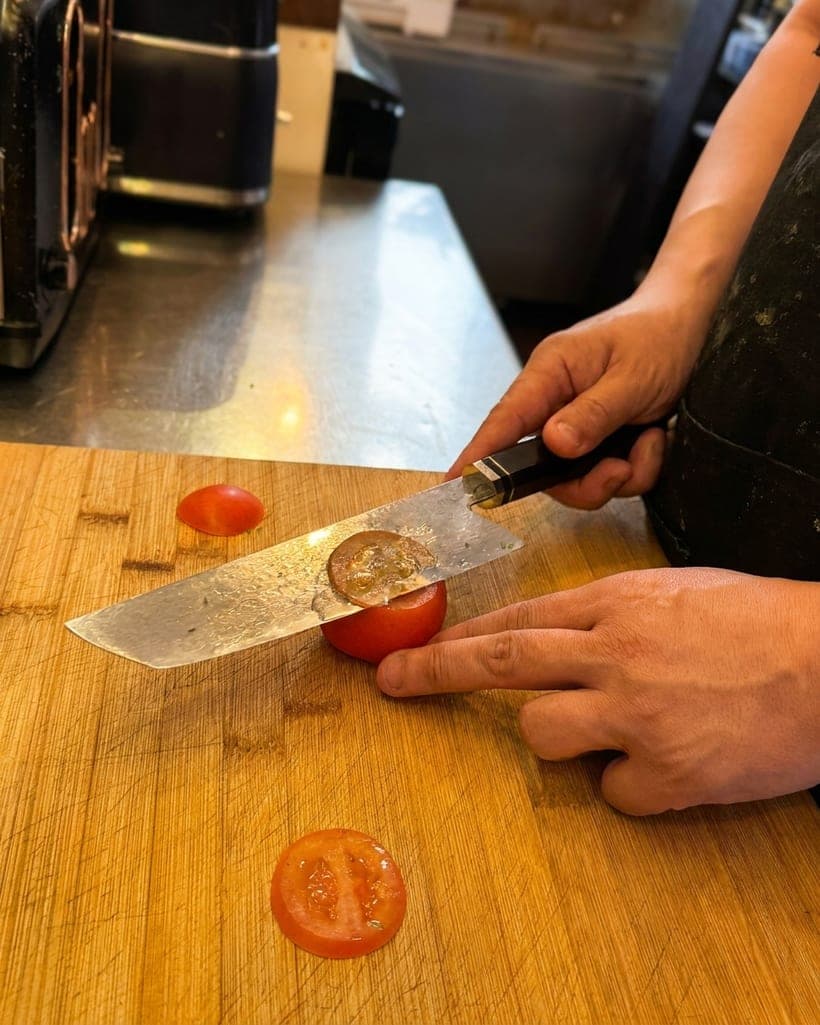
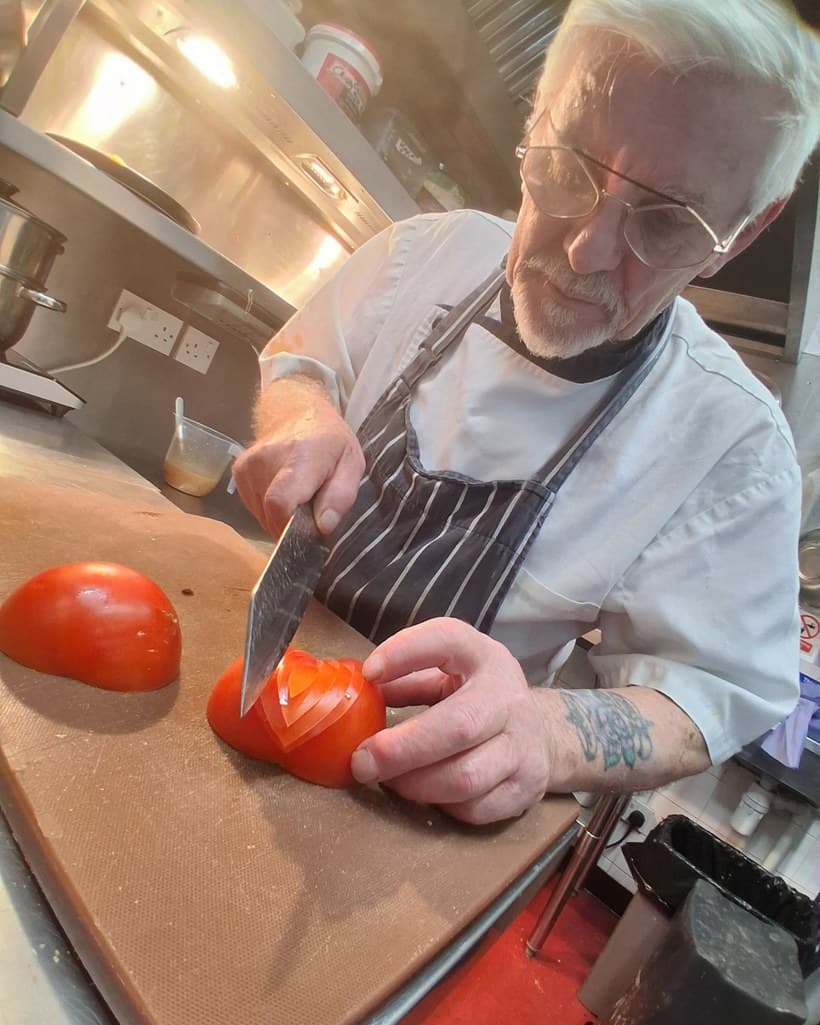
Using a nakiri knife requires a different technique from a Western chef's knife. Instead of rocking, you lift the knife and bring it straight down. This action is both fast and safe, as the flat blade does not catch on the board. Many home cooks and professional chefs find that using a nakiri knife for vegetable prep is faster and more precise than using a general‑purpose knife.
Why Choose a Nakiri for Vegetables?
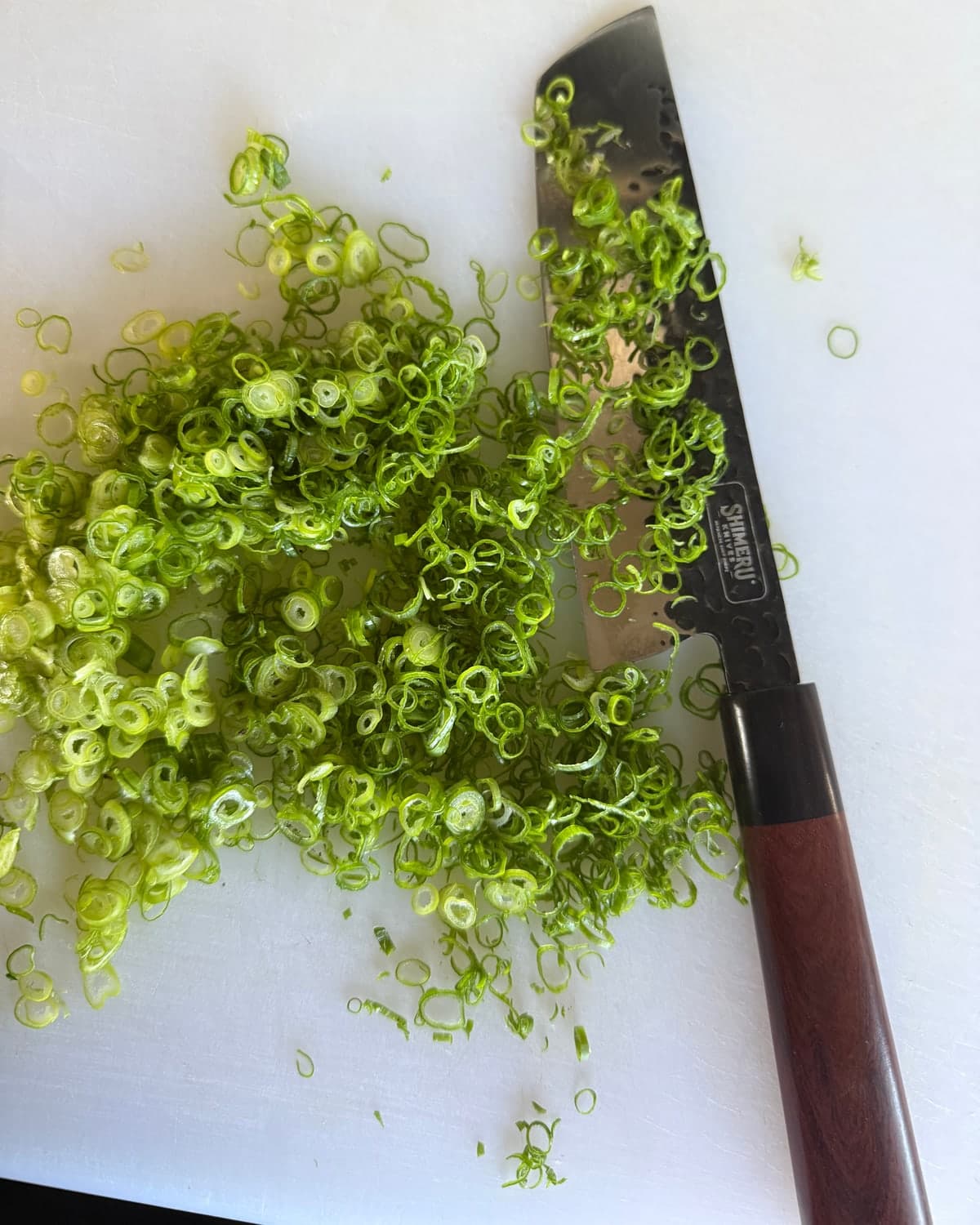
The primary reason to choose a nakiri is its specialised design for vegetables. The straight edge gives you a full contact cut, which means each slice is uniform. This is especially useful when you need consistent pieces for stir‑fries, salads or garnishes. The flat tip also allows you to scoop up chopped vegetables easily, moving them from board to pan without extra tools.
Another key advantage is the blade height. A typical nakiri is tall enough that your knuckles never touch the board, reducing fatigue during long prep sessions. The thin blade geometry also means less effort is needed to push through food. You will find that using a nakiri knife for large volumes of vegetables is noticeably easier on your wrist and shoulder. Compared to a rock‑chopping motion used with a chef's knife, the straight up‑and‑down action of a nakiri places less strain on the wrist and avoids repetitive twisting. This makes it an excellent choice for those with wrist or joint concerns.
Nakiri knives are also excellent for herbs. The flat blade can be used for a quick chop of soft herbs like parsley or coriander, though a mezzaluna or herb knife might be even better for huge amounts. Overall, if you are a vegetable‑centric cook, a nakiri should be a strong contender for your next knife. For a closer look at other vegetable knife options, visit our nakiri category page.

Key Features to Consider When Choosing a Nakiri
Not all nakiri knives are the same. Differences in steel, handle material, weight and balance affect performance and comfort. Here are the most important factors to consider.
Steel Type
The steel determines how sharp the knife can get, how long it holds an edge, and how easy it is to maintain. Common options include high‑carbon stainless steel, which resists rust and is simple to sharpen, and AUS10 steel, which is a high‑carbon stainless alloy known for good edge retention and toughness. For a home cook, stainless or high‑carbon stainless is often the best balance. AUS10, used in the Chitose 7" Nakiri Knife 菜切り包丁£59.99View product →, offers a hardness around 58-60 HRC, providing a keen edge that lasts well between sharpenings. The high‑carbon stainless steel in the Ginsui 7" Nakiri Knife 菜切り包丁£54.99View product → is similar in performance, with slightly different alloy composition that can be easier to sharpen for some users. Both steels are stain‑resistant but not fully stainless; regular drying and oiling of the blade is recommended.
Handle Material
Traditional Japanese handles are made from magnolia or ho wood, often with a buffalo horn ferrule. Many modern nakiri use Western‑style handles made from materials like olive wood or Mkuruti wood. The handle affects grip and balance. Olive wood, as on the Chitose 7" Nakiri Knife 菜切り包丁£59.99View product →, is dense and oily, giving a warm feel and excellent resistance to moisture. Mkuruti wood, used on the Ginsui 7" Nakiri Knife 菜切り包丁£54.99View product →, is an African hardwood known for its durability and subtle grain patterns. Both handles are ergonomically shaped to suit a pinch grip, which is the recommended way to hold a nakiri. A wood handle is lightweight and comfortable, while a resin‑infused wood adds extra longevity.
Blade Length and Weight
Most nakiri knives are 7 inches long. This length suits the majority of home kitchens. Some prefer a slightly longer blade for large cabbages or watermelons, but 7 inches is versatile. The Chitose 7" Nakiri Knife 菜切り包丁£59.99View product → and Ginsui 7" Nakiri Knife 菜切り包丁£54.99View product → both have a 7-inch blade. Weight matters too: a heavier knife provides momentum for dense vegetables, while a lighter one allows fast, delicate work. The Shikoku has a balanced weight that suits all‑round vegetable prep, while the Ginsui is slightly lighter, ideal for those who prioritise speed and precision. It comes down to personal preference. You can compare both knives alongside others at our main product page.
Edge Geometry and Thickness
Nakiri knives are typically flat‑ground or slightly convex. A flat edge is easiest to keep sharp and gives a straight cut. Some have a slight convex curve to reduce sticking. Thickness behind the edge also matters: a thinner blade reduces wedging but may be more fragile. Both recommended knives have a thin edge with a robust spine, offering a good compromise. For cutting hard squash, you may need to use a gentle twisting motion to avoid binding; this is standard technique with any thin vegetable knife.
Our Top Two Nakiri Knife Recommendations
We have selected two nakiri knives that represent excellent value and performance. Both are 7 inches long and designed for vegetable prep.
Chitose 7" Nakiri Knife 菜切り包丁£59.99View product →, This knife features AUS10 steel, a high‑carbon stainless alloy that offers a good balance of hardness and ease of sharpening. The blade is finished with a classic Japanese profile. The olive wood handle is warm and ergonomic, providing a secure grip whether you have dry or wet hands. The knife is best for chopping and slicing vegetables, root vegetables and herbs. Its weight is moderate, giving you control without being too light. This nakiri suits the home cook who wants a durable, low‑maintenance knife that can handle daily vegetable prep and occasional heavy tasks like chopping butternut squash.
Ginsui 7" Nakiri Knife 菜切り包丁£54.99View product →, Made from high‑carbon stainless steel, this knife is designed for durability and edge retention. The handle is made from Mkuruti wood, a dense African hardwood that resists moisture and feels smooth in the hand. The blade geometry is slightly thinner than the Shikoku, making it ideal for delicate slicing of herbs and soft vegetables. It also handles hard root vegetables like carrots and potatoes with ease. This nakiri is perfect for the enthusiast who enjoys a lighter, more nimble knife and appreciates the natural beauty of a unique wood handle. Both knives are excellent, but your choice may come down to handle feel and steel preference.
For a complete overview of all our knives, visit the main product page.
How to Use and Maintain Your Nakiri Knife
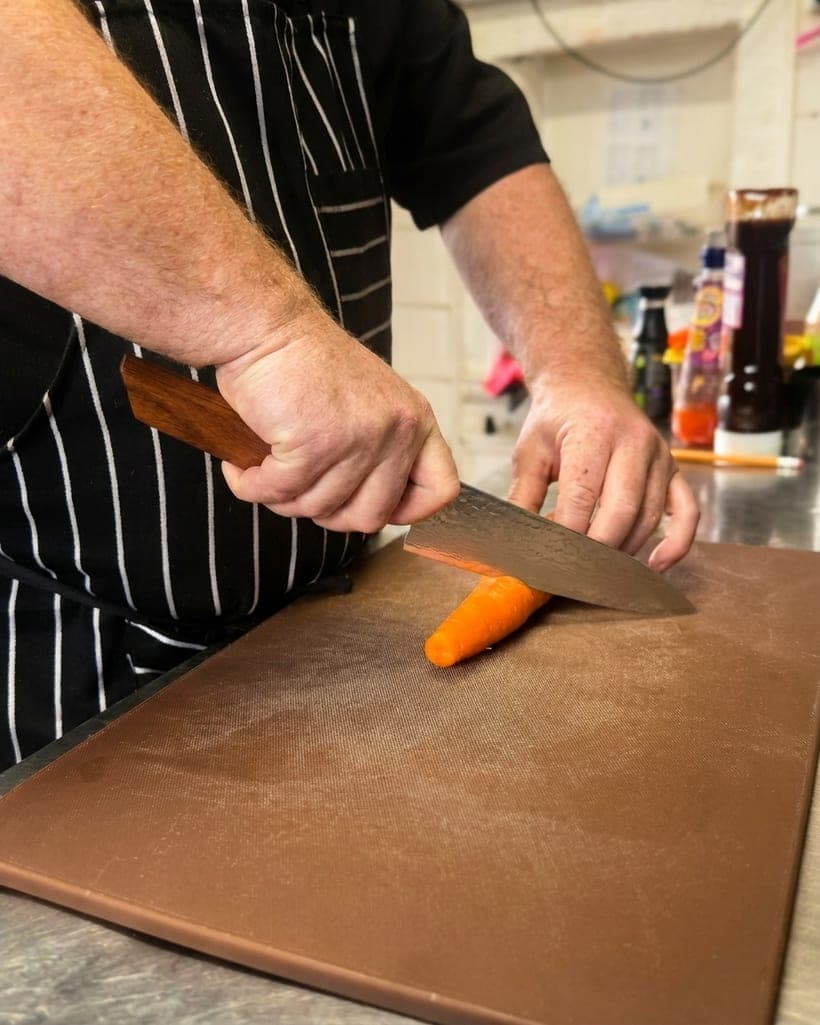
To get the best from your nakiri knife, you need to use and care for it properly. The technique is straightforward: hold the handle with your dominant hand, and use a pinch grip on the blade for control. When cutting, lift the knife straight up and bring it down firmly. Avoid sawing motions, as these dull the edge faster. For large items like cabbage, you can rock the knife slightly at the heel to start the cut, then continue with straight chops. For herbs, use a very light touch and let the blade's weight do the work.
Cleaning is simple. Hand wash the knife with warm water and mild detergent, then dry immediately. Never put a nakiri in the dishwasher, as the high heat and detergents can damage the handle and blade. Store it in a knife block, on a magnetic strip, or with a blade guard to protect the edge. The wood handles on both models benefit from occasional oiling with mineral oil to maintain their appearance and prevent cracking.
Sharpening is essential to maintain performance. Use a whetstone of around 1000 grit for regular honing, then a finer 3000 to 6000 grit for a polished edge. For AUS10 steel (Chitose 7" Nakiri Knife 菜切り包丁£59.99View product →), a medium‑grit stone followed by a fine stone keeps the edge keen. The high‑carbon stainless steel of the Ginsui 7" Nakiri Knife 菜切り包丁£54.99View product → responds similarly, though it may be slightly easier to deburr. If you are new to sharpening, our knife care guide offers detailed instructions. Regular honing with a steel can also help align the edge between sharpenings, but avoid using a diamond steel as it can be too abrasive for thin edges.
Final Thoughts
Choosing the best nakiri knife for vegetables comes down to matching the knife to your cooking style and preferences. Whether you favour the robust AUS10 steel and olive wood of the Chitose 7" Nakiri Knife 菜切り包丁£59.99View product → or the high‑carbon stainless and Mkuruti wood of the Ginsui 7" Nakiri Knife 菜切り包丁£54.99View product →, both knives will serve you well for years. Remember to use the correct technique, maintain the edge, and enjoy the precision that a dedicated vegetable knife brings. If you are still exploring options, have a look at our full nakiri collection and our general knife buying guide to help you decide.
Photography: Savernake Knives via Unsplash.


