








Best Wooden Chopping Board Buying Guide

Choosing the best wooden chopping board is one of the most important decisions for any kitchen, especially if you value your knives. A good board protects your blade edges, provides a stable work surface, and lasts for years with proper care. In this guide, we will walk through the key factors: wood species, grain orientation, size, maintenance, and how to match your board with the right knife. Whether you need a best wood cutting board for daily use or a board to complement a collection of Japanese knives, this guide will help you make a confident choice.
Why Wood Matters for Your Cutting Board
Wood is the traditional and often preferred material for chopping boards. Unlike glass, stone, or hard plastics, wood is gentle on knife edges. The natural fibres give slightly under a blade, reducing wear and preserving the sharpness of high carbon steel knives. Wood also has natural antibacterial properties: studies show that wooden boards can actually reduce bacterial contamination compared to plastic boards. For the best kitchen cutting boards, solid hardwood is the gold standard. Wood’s ability to absorb impact is also important: when you chop, the board compresses microsomically, which prevents the knife edge from deforming. This is crucial for premium Japanese knives that are hardened to higher HRC levels.
Best Wood Materials for Cutting Boards
Not all wood is equal. The best wood material for cutting board should be hard enough to resist deep scoring, but not so hard that it dulls knives quickly. The Janka hardness scale provides a useful benchmark. Maple typically scores around 1450 lbf, walnut 1010 lbf, cherry 950 lbf, teak 1000 lbf, and acacia 1750 lbf. The best hardwood cutting board uses wood in the range of 950 to 1450 lbf for a good balance. Walnut and cherry are more forgiving on edges, while maple is a classic workhorse. Teak’s silica can accelerate dulling, so reserve it for utility boards. Acacia is harder but can be brittle if dried poorly. Exotic woods like African padauk or ipe are also used, but ensure they are food safe and free of toxic oils.
Maple
Maple is the most common wood for professional kitchens. It is hard, tight grained, and does not impart flavour into food. It resists water absorption well. A maple board is a sensible choice for a high quality chopping board that will last decades with care. Its light colour shows stains easily, but regular oiling helps.
Walnut
Walnut is slightly softer than maple, which makes it even gentler on knife edges. Its rich dark colour hides stains well and adds a warm aesthetic. Walnut is a premium choice for the best quality chopping board, especially for cooks who value edge retention on expensive Japanese blades.
Teak
Teak naturally contains oils that make it water resistant. It is excellent for boards that may see a bit of moisture, but the high silica content can dull knives faster. It is a top gourmet chopping board material for those who prioritise durability over knife care.
Acacia
Acacia is a fast growing hardwood that is moderately hard, attractive, and affordable. It is a good cutting board material if you want something sustainable and unique looking. However, it may be prone to cracking in dry environments if not oiled regularly.
The ideal wood for cutting board depends on your priorities: if you want maximum edge protection, choose walnut or cherry. For a classic workhorse, maple is best. The best cutting board material for heavy use is end grain maple. Ensure the wood is sustainably sourced and bonded with food safe adhesive.
Grain Orientation: Edge Grain vs End Grain
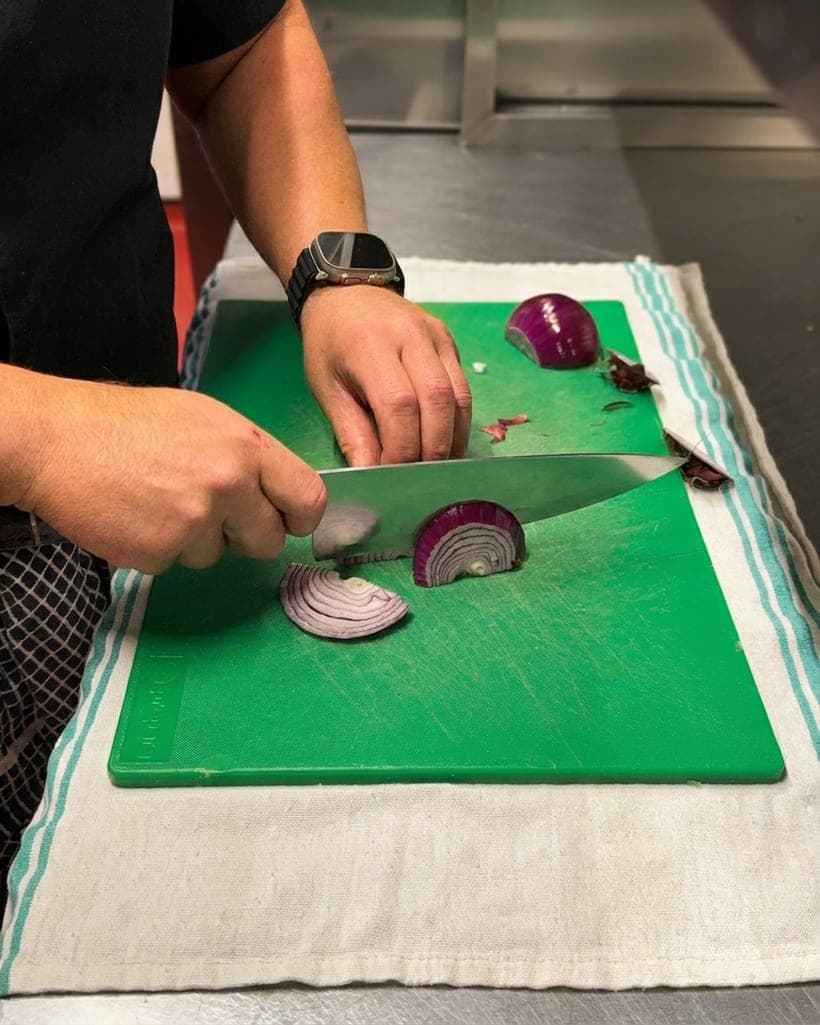
Grain orientation is a critical factor. Most boards are edge grain (long fibres running along the surface) or end grain (the fibres point upward). The best end grain wood cutting board has the wood fibres aligned perpendicular to the blade. This allows the knife to cut between the fibres rather than through them, which self heals the surface and is far gentler on edges. End grain boards are also more durable for heavy chopping. The best end grain cutting board is the gold standard for serious cooks. Edge grain boards are less expensive and still excellent, but they will show knife marks more and dull blades slightly faster. For the best type of chopping board, choose end grain if you have high end Japanese knives. The manufacturing process for end grain boards involves cutting blocks of wood cross section and gluing them together, which creates a mosaic pattern. This also makes the board less prone to warping because the internal stresses are balanced.

Size and Thickness: Finding the Right Dimensions
A good chopping board should be large enough to work on comfortably, typically at least 40 by 30 centimetres for a general purpose board. Thickness matters too: a board at least 3 centimetres thick will be stable and not warp easily. Thicker boards also provide weight so they do not slide. The best kitchen chopping boards are often around 4 to 5 centimetres thick. If you have limited space, a best chopping board set with multiple sizes can be practical. For a high quality wooden chopping board, look for one that is big enough to hold your ingredients and your knife comfortably. A board that is too small forces you to work near the edge, increasing the risk of the board tipping or the knife slipping. For heavy cleaver work, a larger board around 50 by 35 centimetres gives you ample room to swing the blade safely.
Care and Maintenance: Extending the Life of Your Board
To keep your best wooden chopping board in top condition, you must oil it regularly. Use food grade mineral oil or a beeswax blend. Apply a coat every month or when the wood appears dry. Never submerge it in water; hand wash with warm soapy water and dry immediately. Avoid harsh detergents and dishwasher cycles. To remove odours, rub with coarse salt and lemon. Sanding will refresh the surface when it becomes too scored. Use fine grit sandpaper (220 to 320) and then re oil. A well cared for hardwood board will last decades. For deeper restoration, you can plane or sand the surface flat if it develops a dish shape over time. For more detailed advice, read our knife care guide, which includes board maintenance tips and how to prevent bacterial growth.
Pairing Your Board with the Right Knives
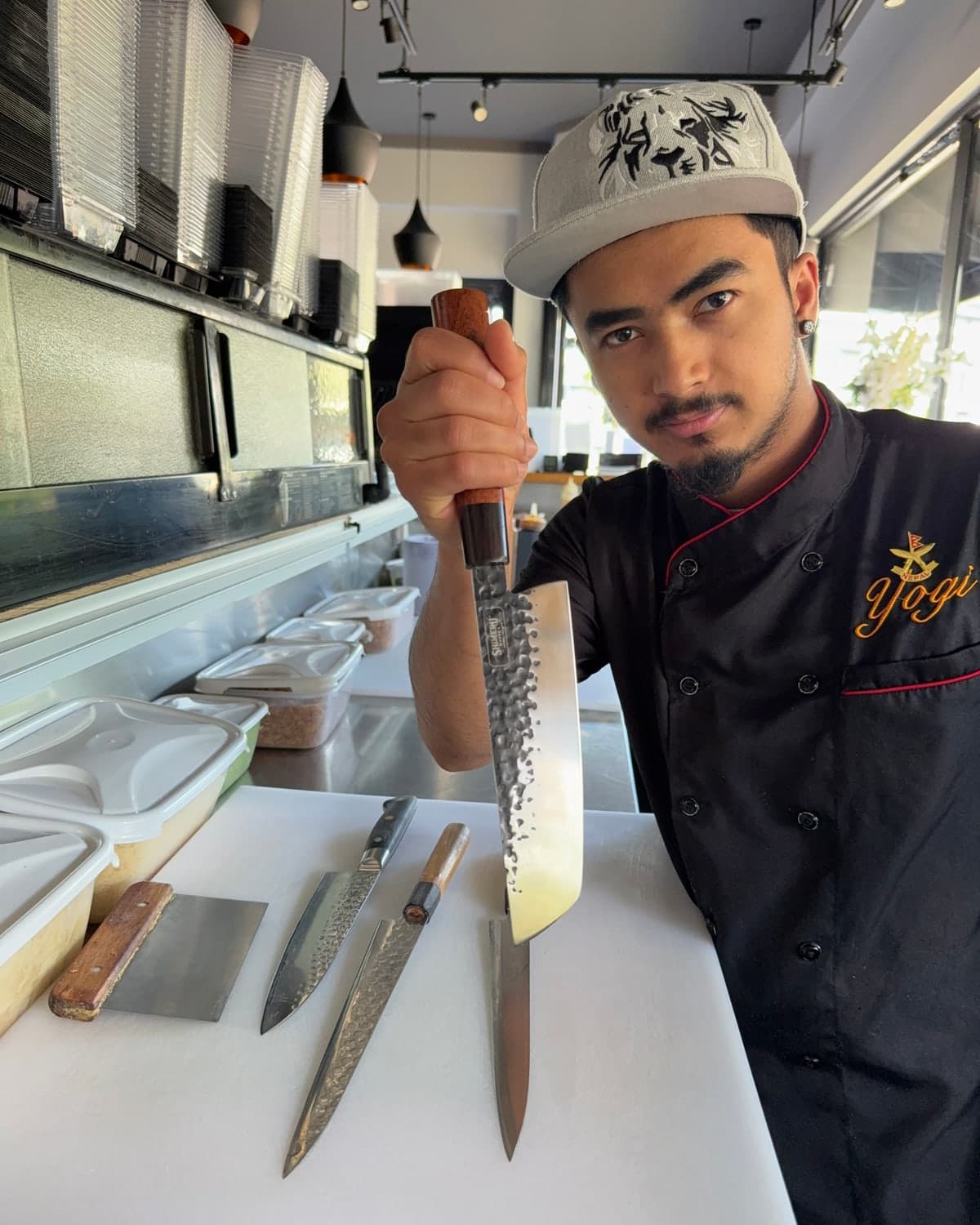
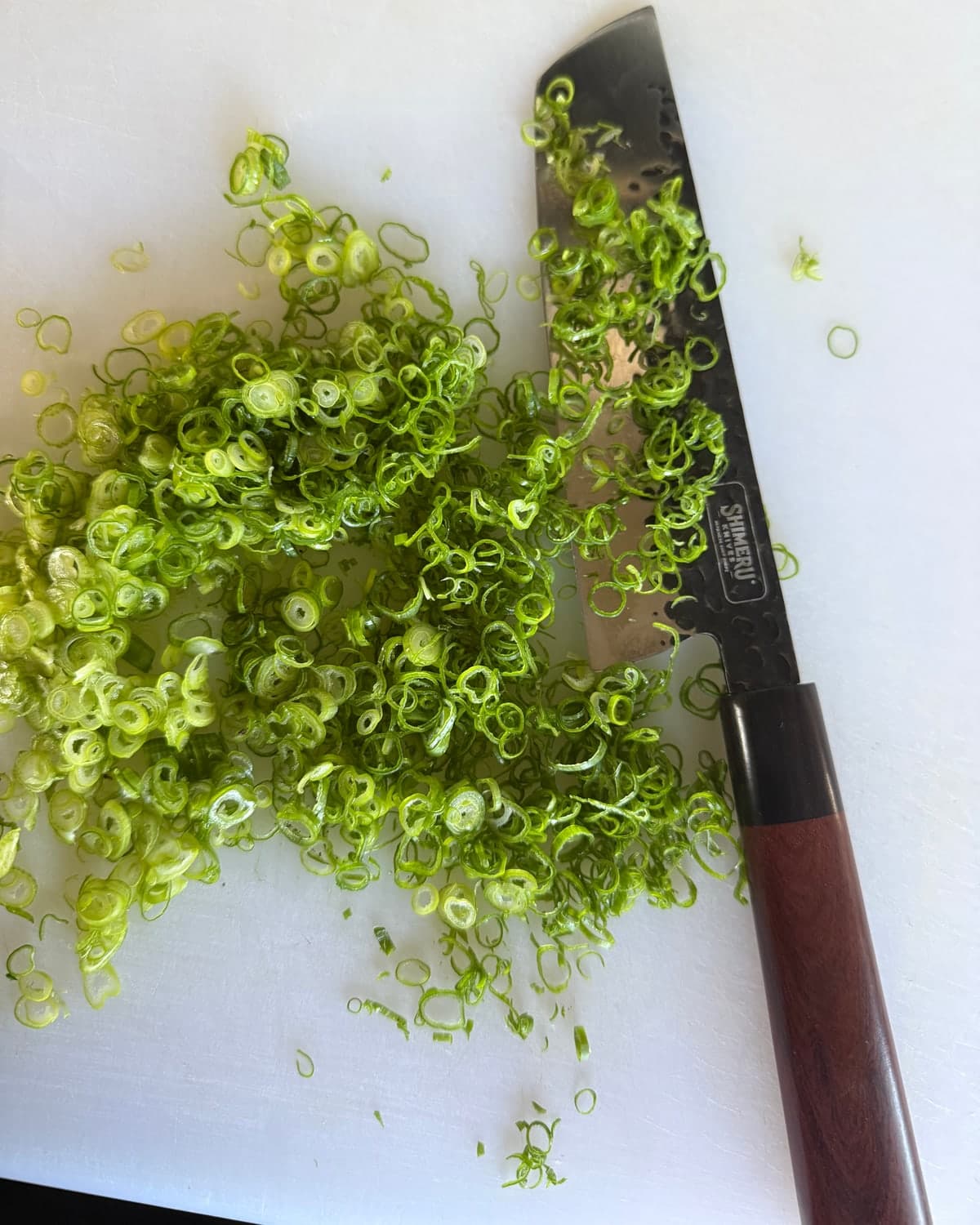
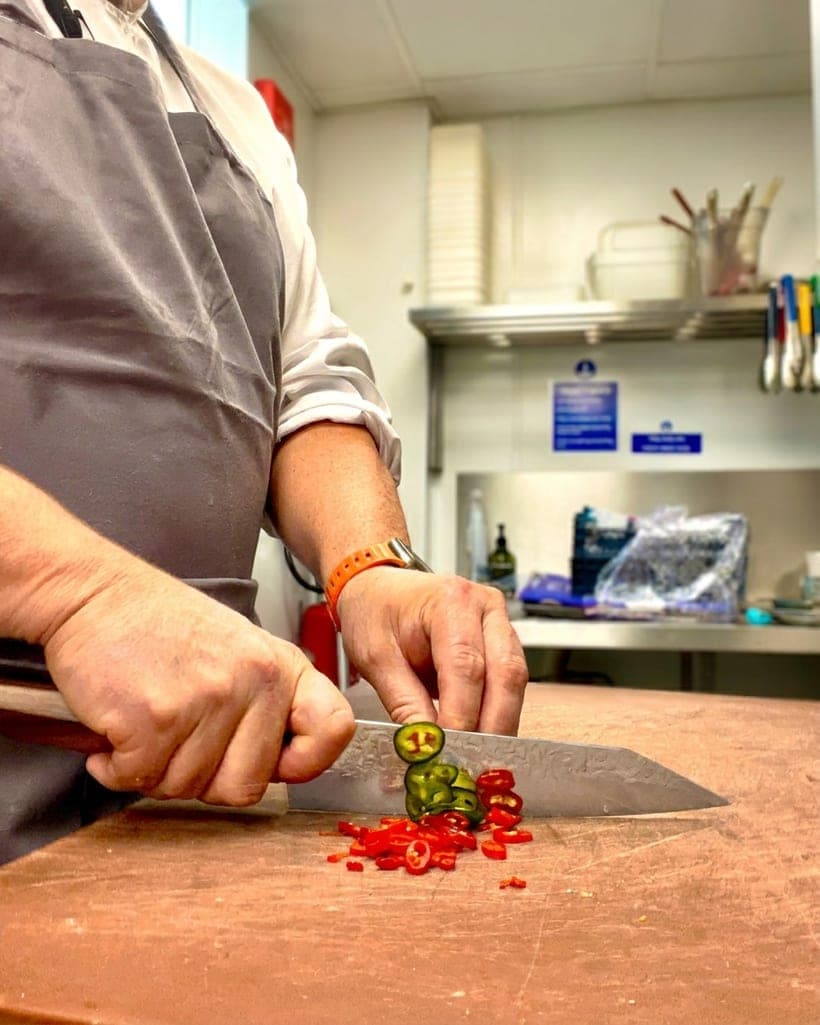
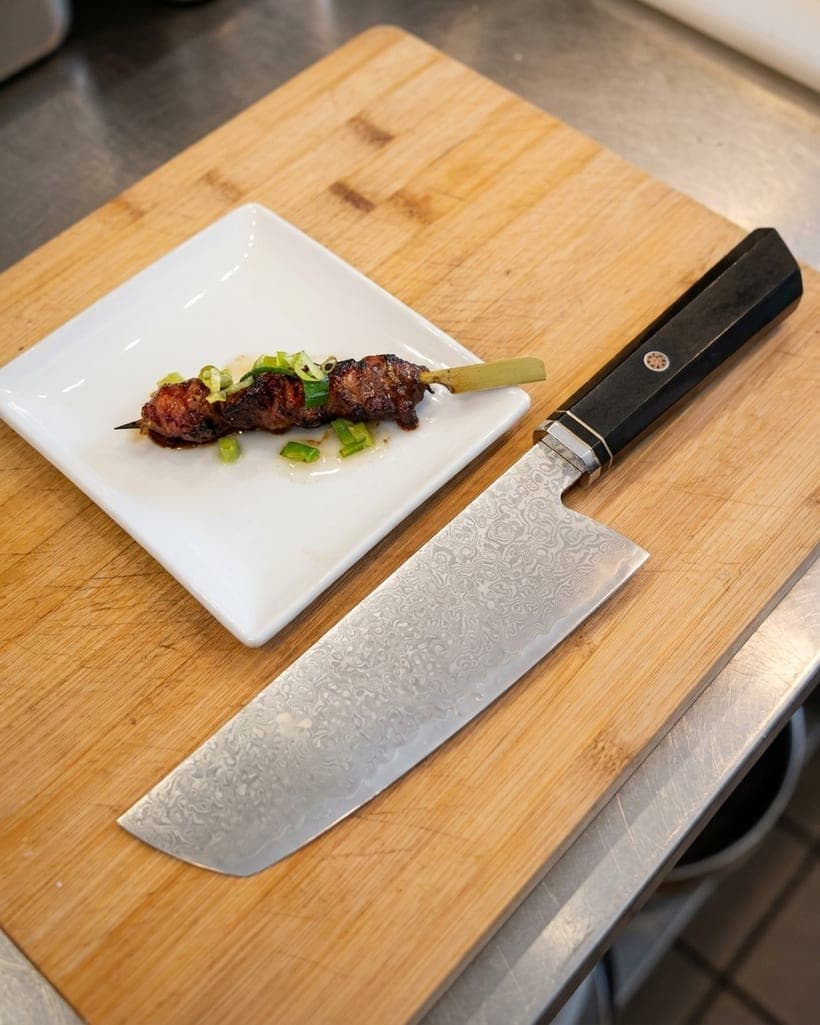
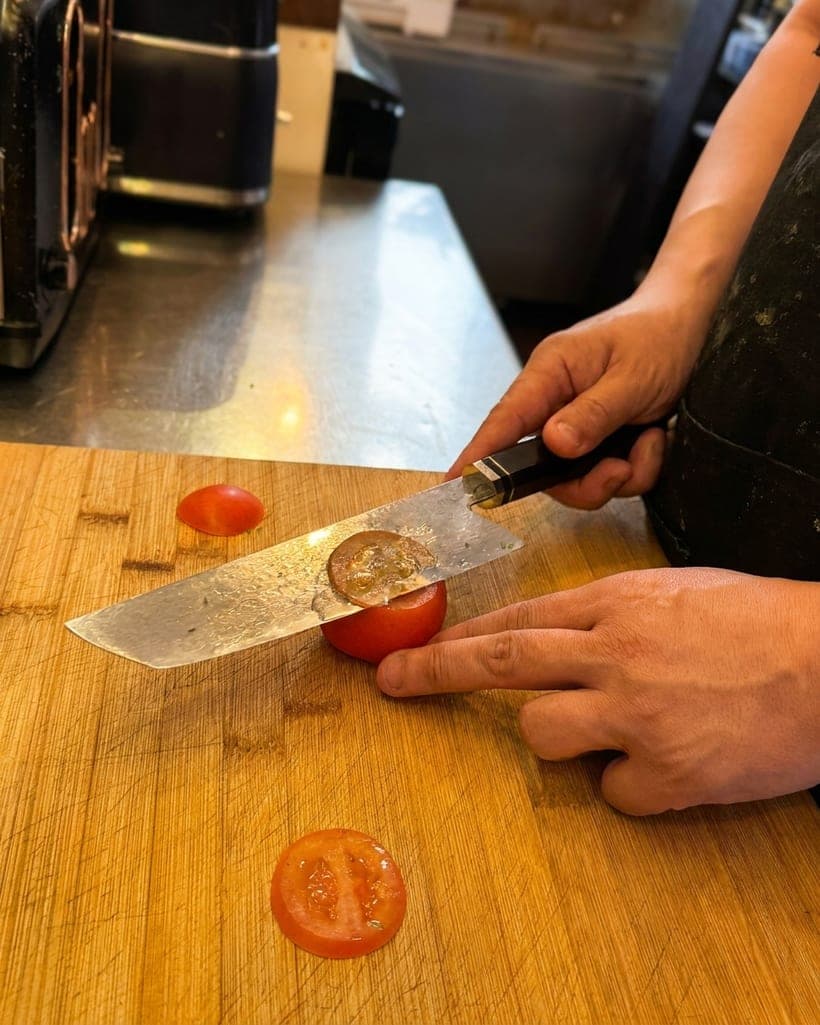
A great board deserves great knives. The combination of a best wood cutting board with a quality Japanese knife is transformative. For tasks like chopping vegetables, herbs, and meat, a broad blade like the Saba Stainless Steel Cleaver is excellent. This 7 inch cleaver, made from Japanese stainless steel with an African Wedge hardwood handle, is designed for heavy work yet remains nimble. 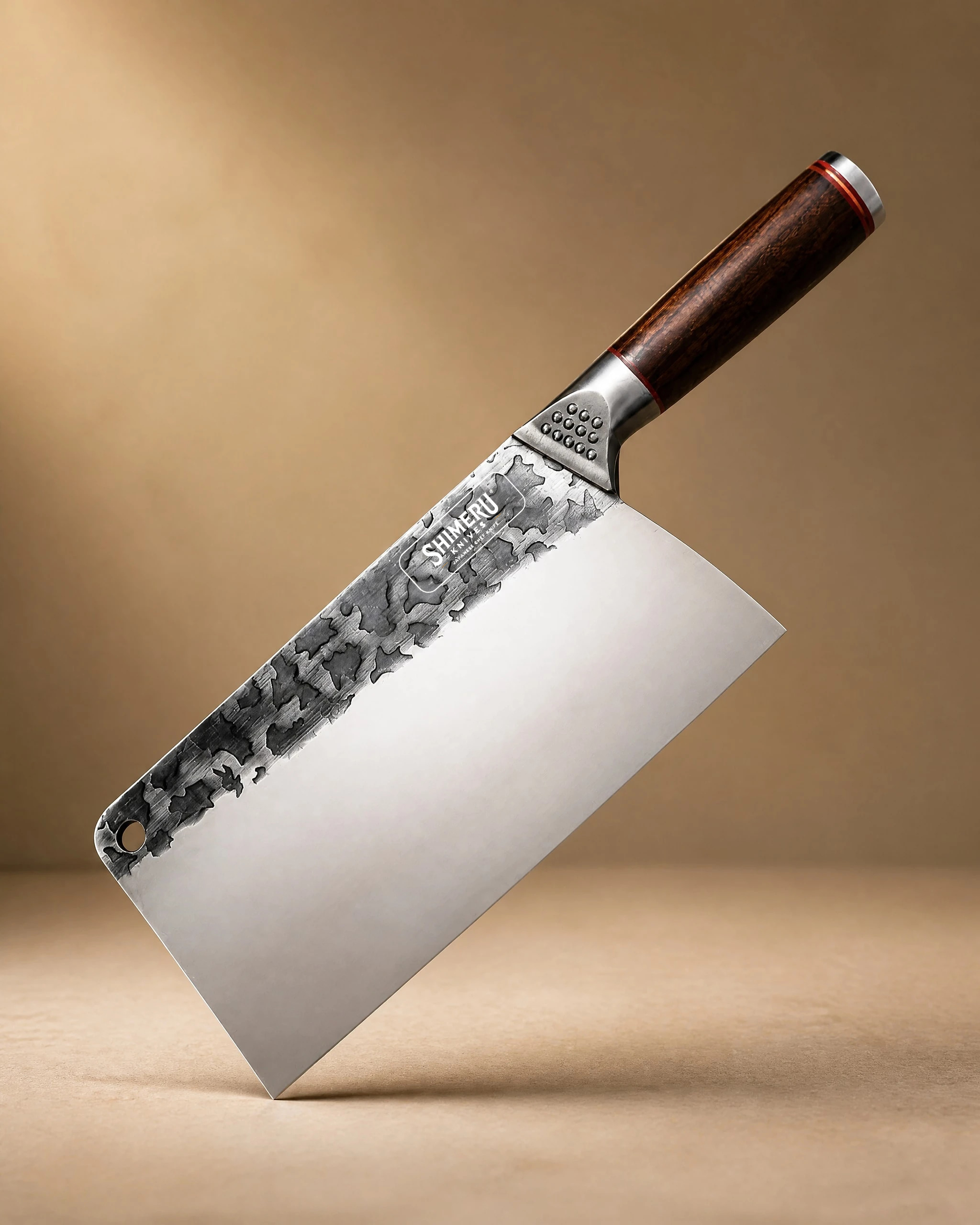 Saba 7" Stainless Steel Cleaver 中華包丁£44.99View product → suits cooks who regularly process large quantities of produce or meat, as its rectangular profile allows for efficient transfer of food from board to pan. The stainless steel resists staining and is easy to sharpen, making it ideal for daily use. For precision cutting and slicing, a gyuto is the classic choice. The Asahi 旭川 8 inch Damascus Steel Gyuto Knife offers a 67 layer Damascus blade with a resin and burlwood handle.
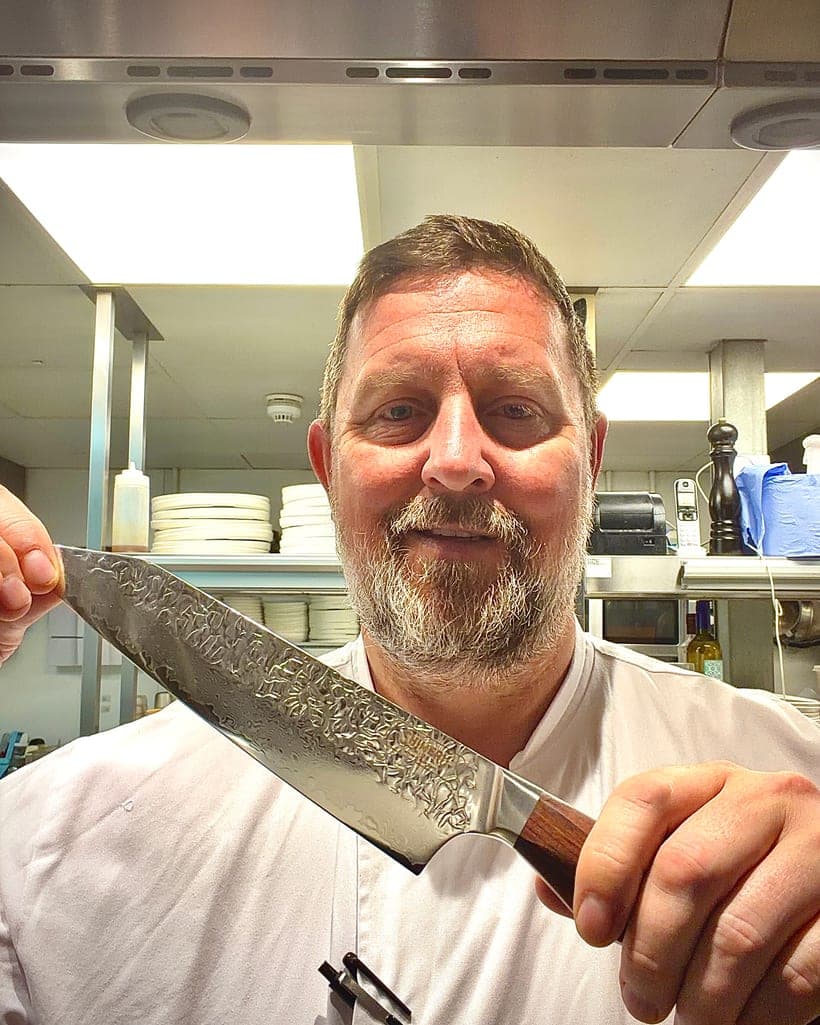
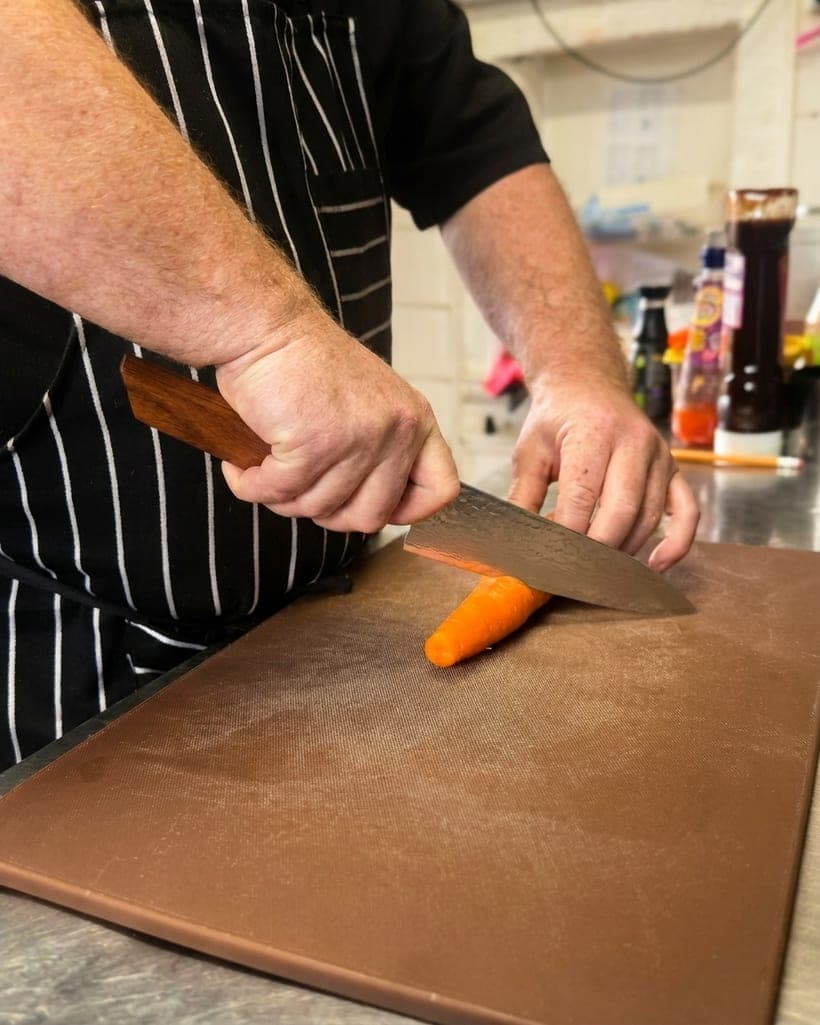
 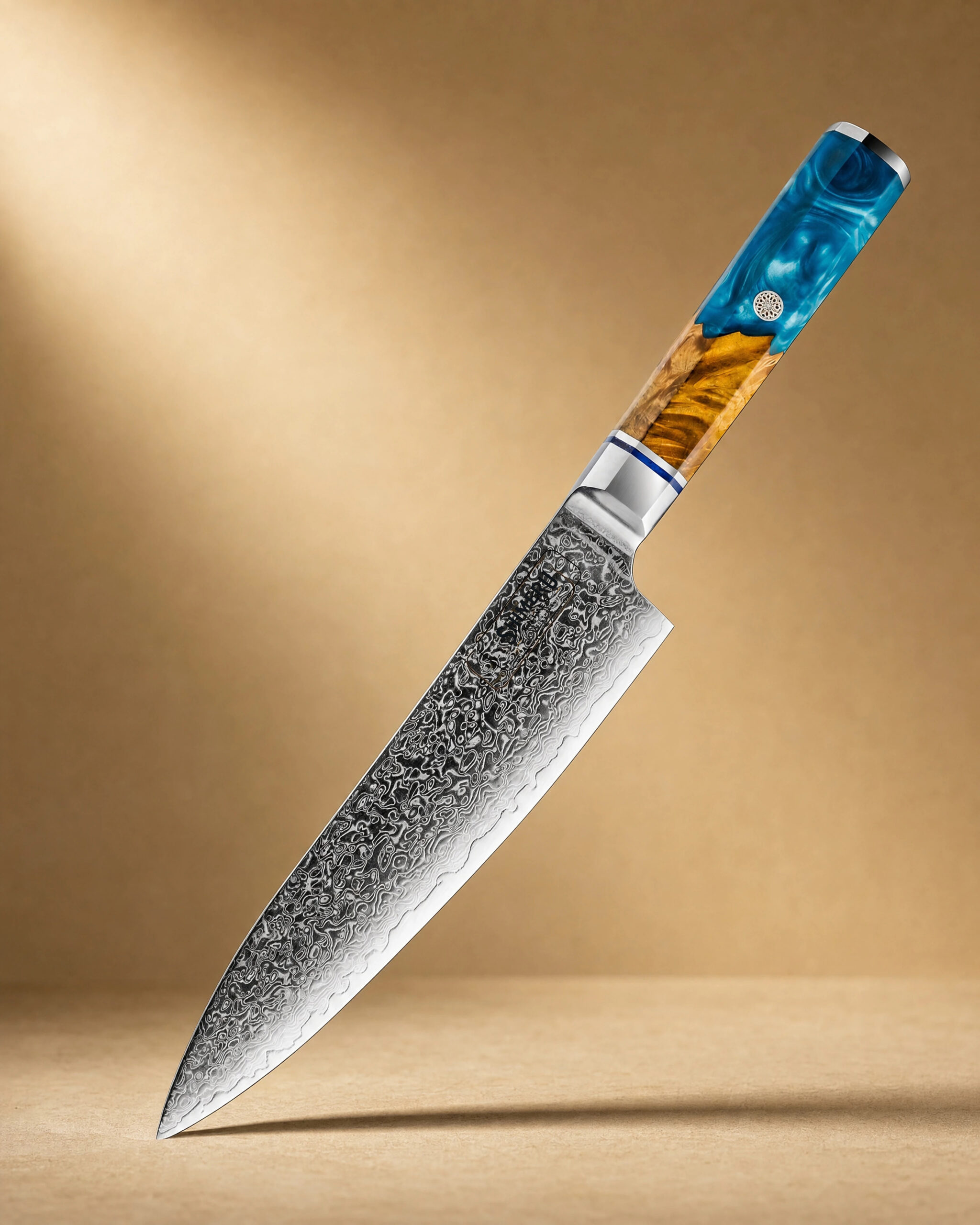 Mogami 最上川 8" Damascus Steel Gyuto Knife 牛刀£79.99 · currently out of stockView product → is a versatile all rounder that will feel smooth on a walnut or maple end grain board. Its Damascus layers add visual appeal and help food release from the blade, while the burlwood handle provides a comfortable grip for extended use. This gyuto is best suited for cooks who value aesthetic beauty and want a knife that excels at slicing fish, trimming meat, and chopping vegetables. If you are assembling a full kitchen set, explore our complete knife shop to see options for every skill level. Both knives benefit from an end grain board, especially the gyuto with its thinner edge geometry.
Additional Considerations
Look for boards with juice grooves for carving meat, or a hole for hanging storage. Some cooks prefer a reversible board for convenience. The best quality chopping board will have a smooth, sanded finish without cracks or voids. Avoid boards made from glued strips of bamboo: bamboo is very hard (around 1400 to 1800 Janka) and can dull blades quickly due to its high silica content. Stick to solid hardwoods like those discussed. If you are looking for the best kitchen cutting boards, consider buying from reputable brands that use sustainable forestry. A good quality wooden chopping board is an investment that pays off in meal prep enjoyment and knife longevity. Also consider the board’s weight: heavier boards stay put better, but if you have limited counter space, a slightly thinner board may be acceptable.
Final Thoughts
Selecting the best wooden chopping board comes down to understanding wood species, grain orientation, and size. Prioritise end grain hardwood from maple or walnut for the best cutting board material. Care for it properly, and it will serve you for years. When you combine a top quality board with well crafted Japanese knives such as the ones we offer, your kitchen work becomes precise and pleasurable. Whether you choose a cleaver for heavy duty tasks or a gyuto for delicate slicing, a good board is the foundation of good cooking. Take your time to select the board that fits your space, your technique, and your knives, and you will elevate every meal you prepare.
Photography: Sergey Kotenev via Unsplash.


