
Best Japanese Chef Knives UK Cooks Should Know
If you are searching for the best Japanese chef knives UK shoppers can buy, the real question is not which knife looks most impressive. It is which knife will make dinner prep feel easier on a Tuesday, cleaner on a Sunday roast, and more enjoyable every time you reach for the board. A great Japanese knife should feel precise, balanced, and dependable - not delicate, intimidating, or reserved for restaurant kitchens.
That matters because many home cooks start this search after years of putting up with a heavy Western knife that crushes herbs, slips through tomatoes, or feels blunt again a week after sharpening. Japanese-style knives promise something better: finer edges, lighter handling, and a sharper, more controlled cutting experience. But there is a catch. The category is full of terms, shapes, and steel names that can make a straightforward upgrade feel oddly complicated.
How to judge the best Japanese chef knives UK shoppers see online
The best knife is rarely the one with the most layers of Damascus or the hardest steel on paper. For most home cooks, performance comes from the balance between edge retention, comfort, weight, profile, and ease of care.
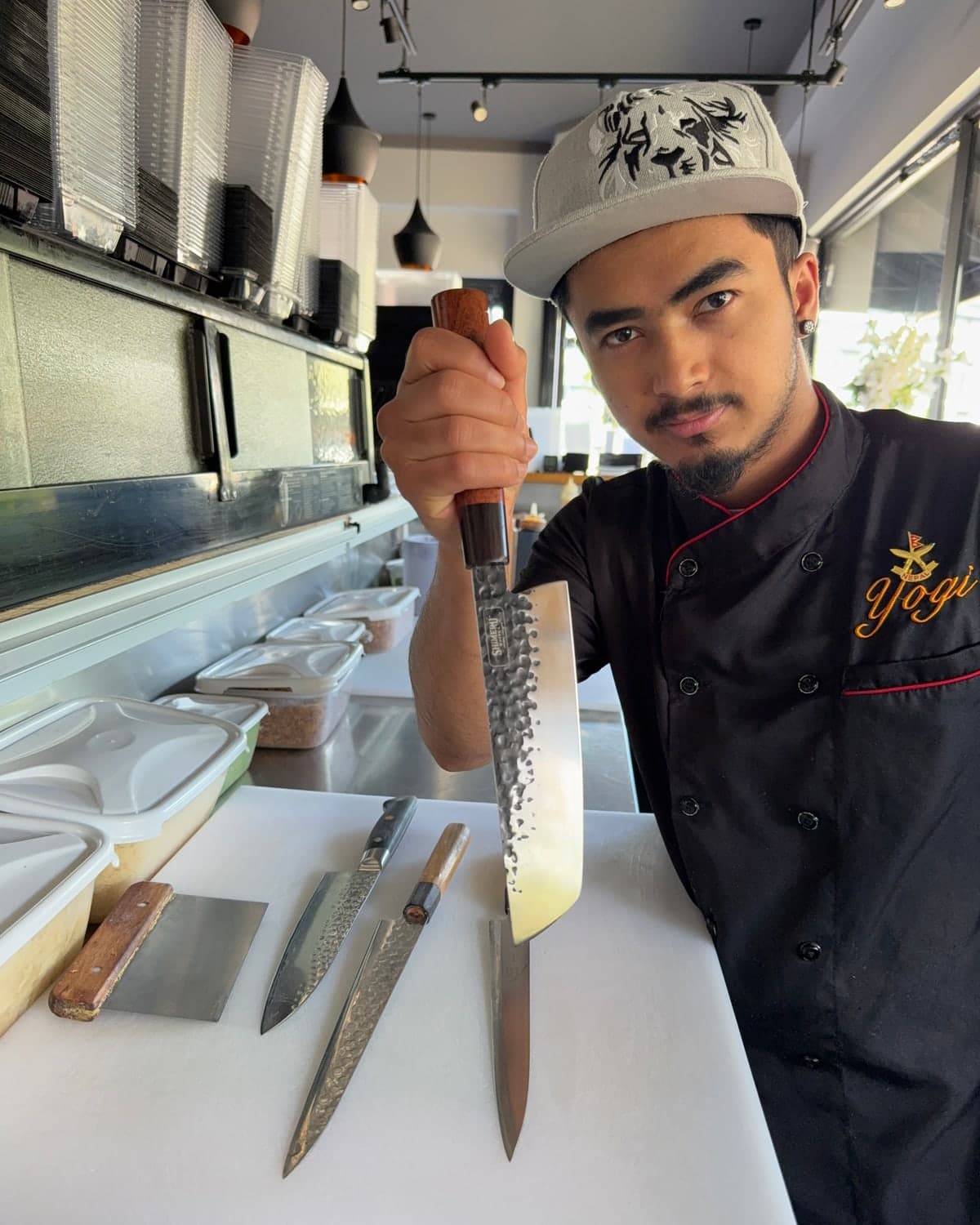
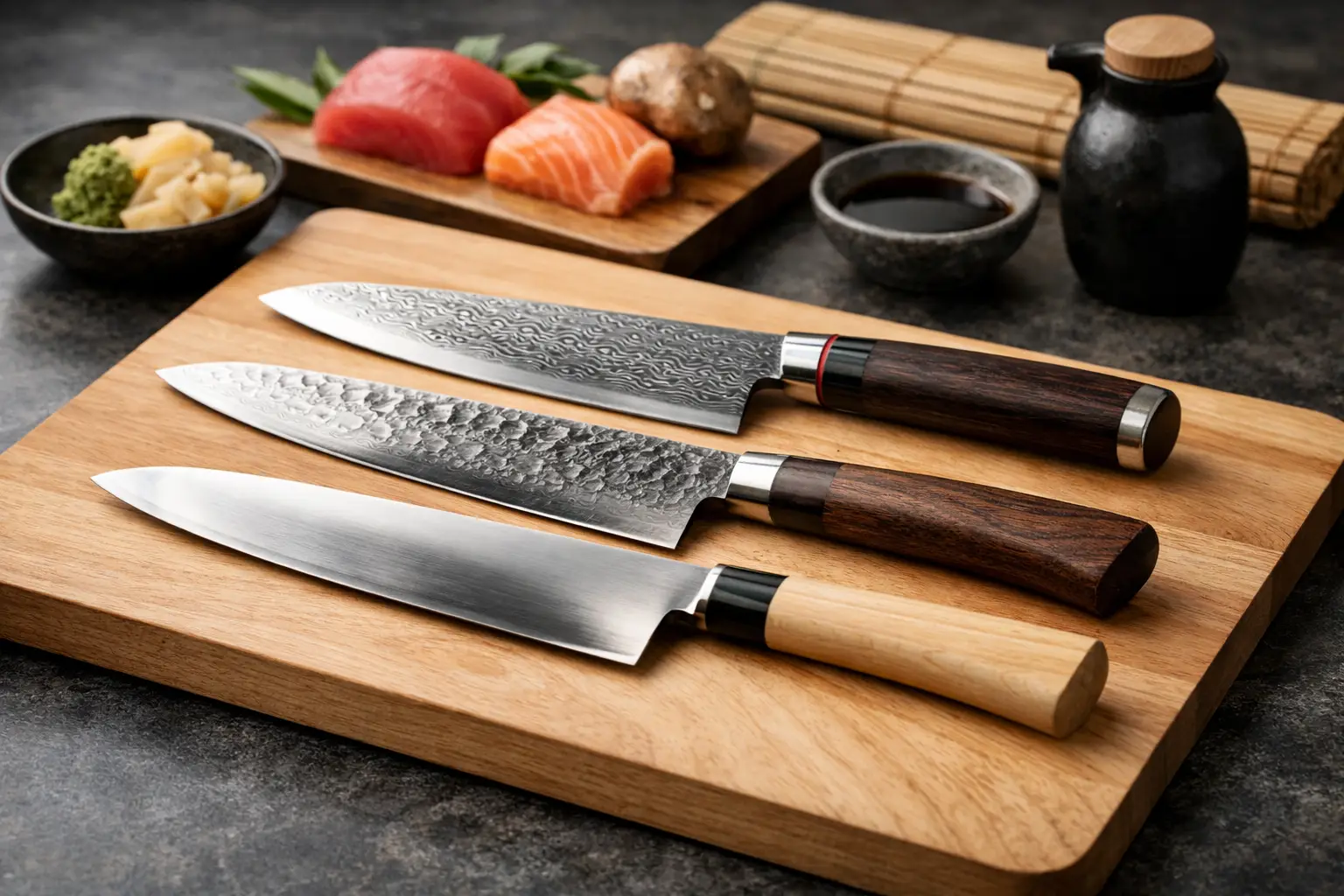
Start with blade shape. A Gyuto is the closest Japanese answer to a classic chef’s knife, and for many people it is still the best all-around choice. It handles onions, proteins, herbs, and most prep tasks with ease. A Santoku is shorter and often feels more approachable, especially in smaller kitchens or for cooks who prefer a compact blade. A Nakiri is brilliant for vegetables but less versatile if you want one knife to do nearly everything.
Then consider steel. Harder Japanese steels tend to hold a sharper edge for longer than many entry-level Western knives. That is one of the biggest reasons people make the switch. The trade-off is that very hard steel can be less forgiving if you twist the blade, hack through bones, or leave it rattling around the sink. For everyday cooking, the sweet spot is a knife that gives you excellent sharpness and retention without demanding collector-level care.
Weight matters too. Many people associate quality with heft because that is what they are used to. Japanese knives often feel lighter and more agile. That does not make them flimsy. It usually means the knife is doing more of the cutting through sharpness and geometry, rather than brute force.
What makes Japanese knives feel better in daily cooking
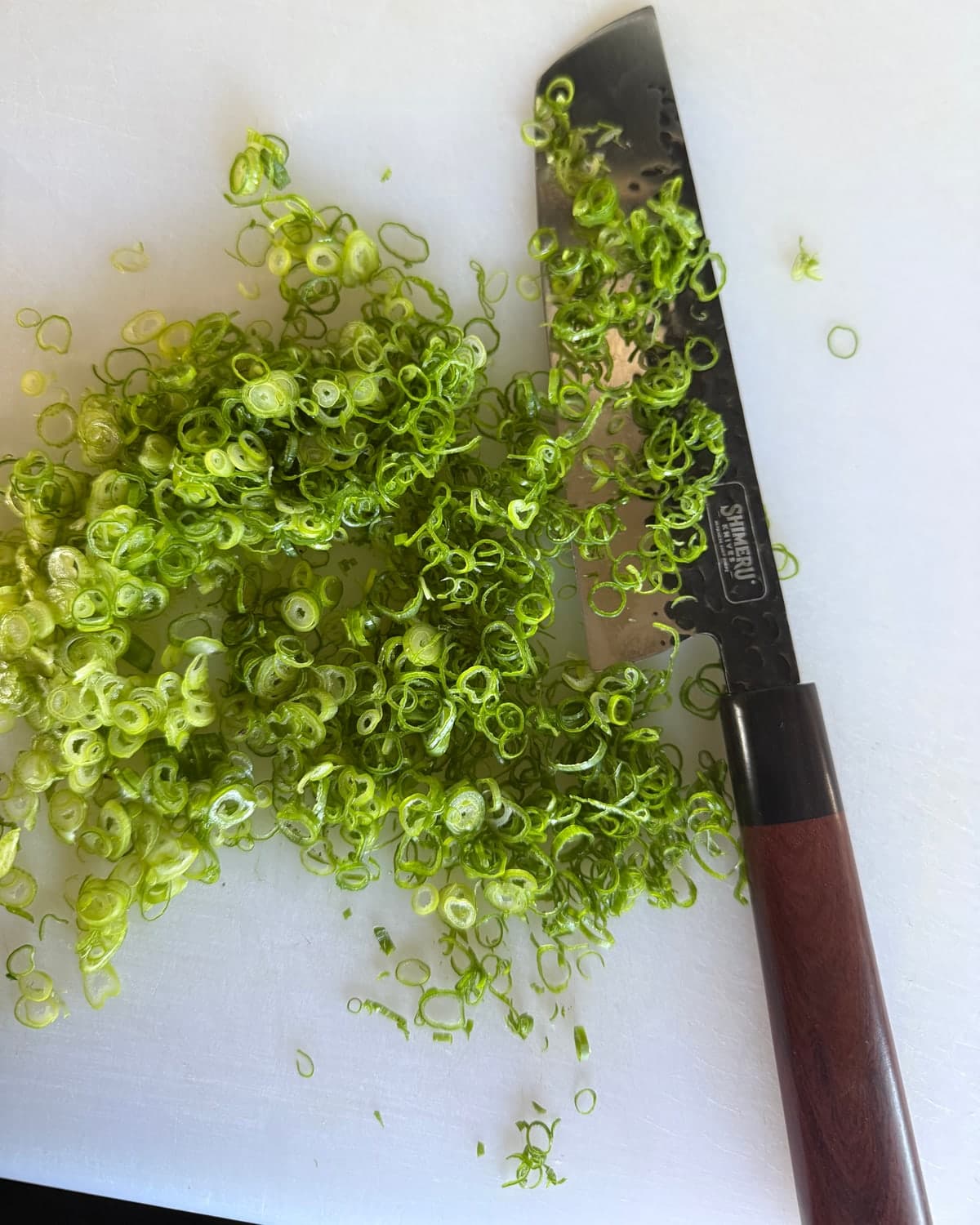
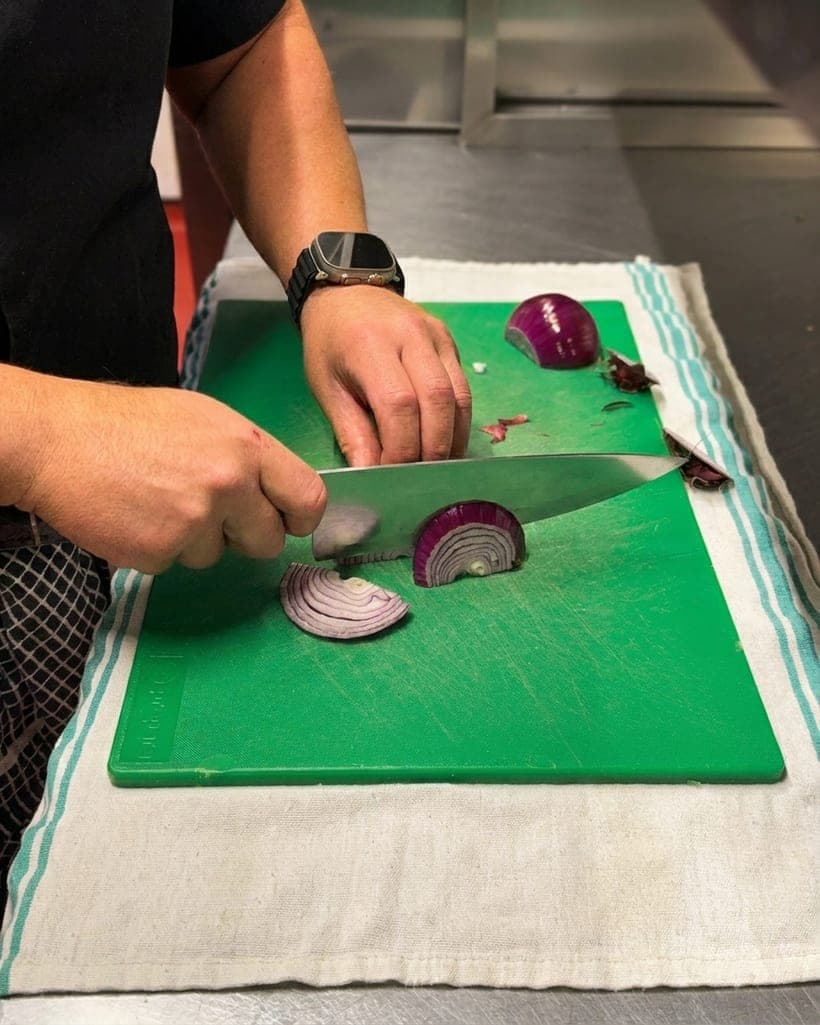
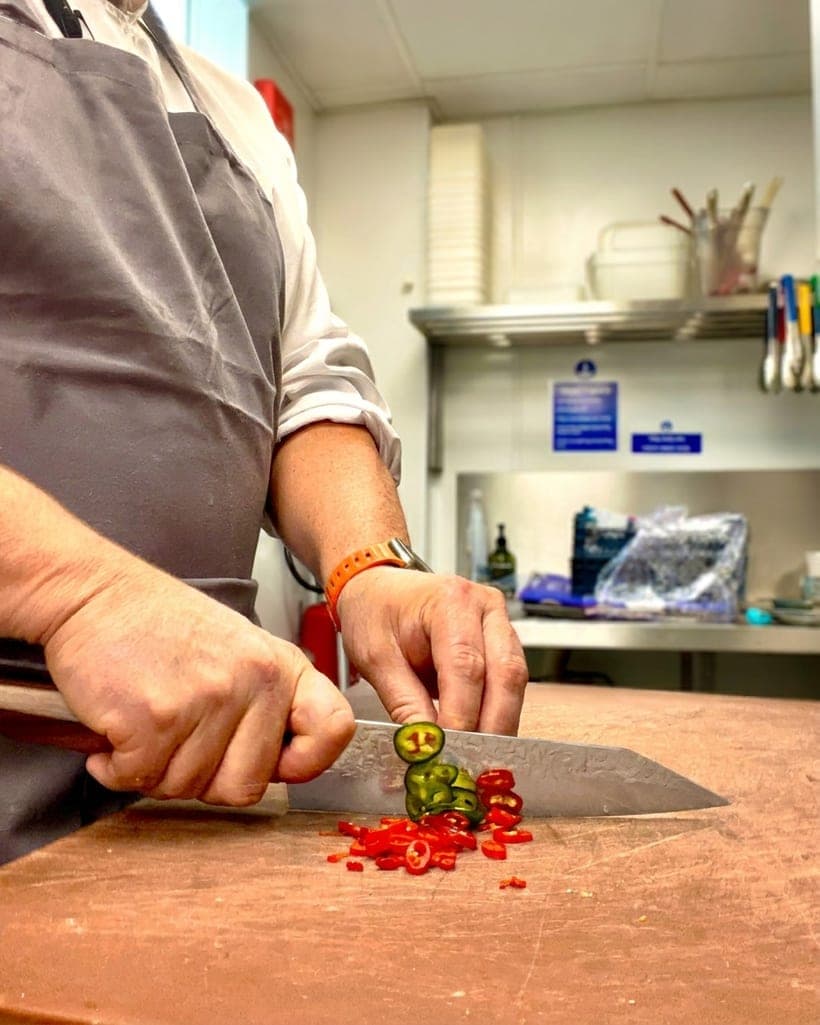
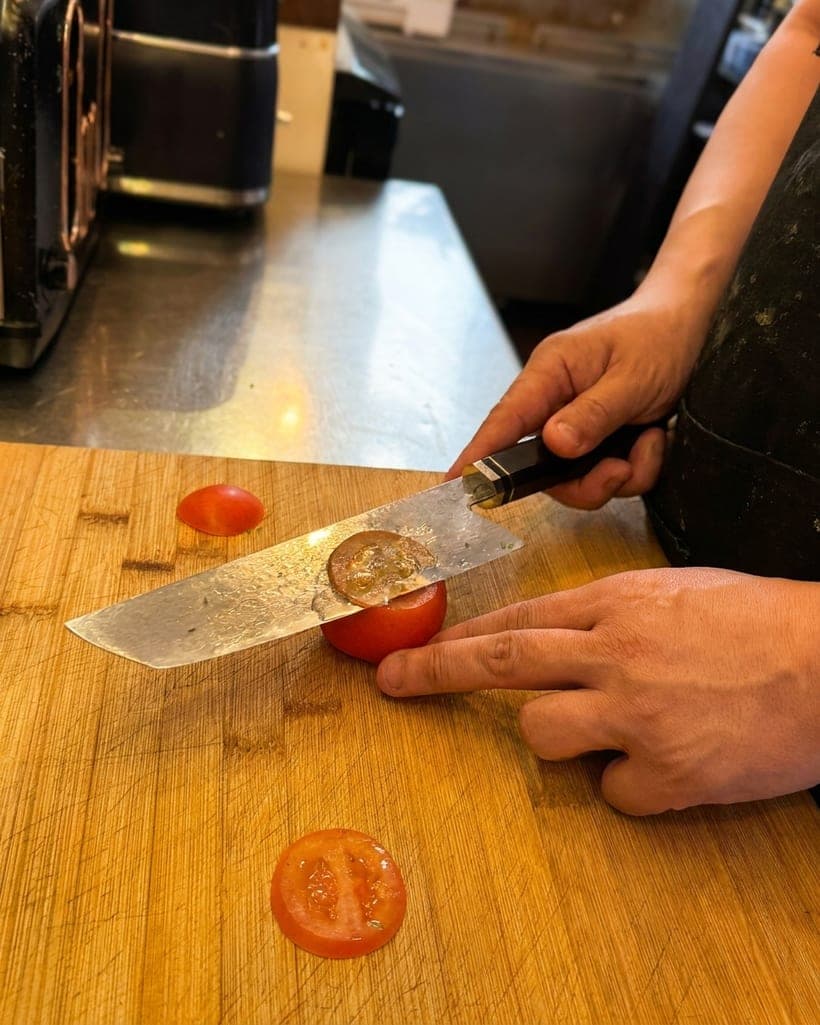
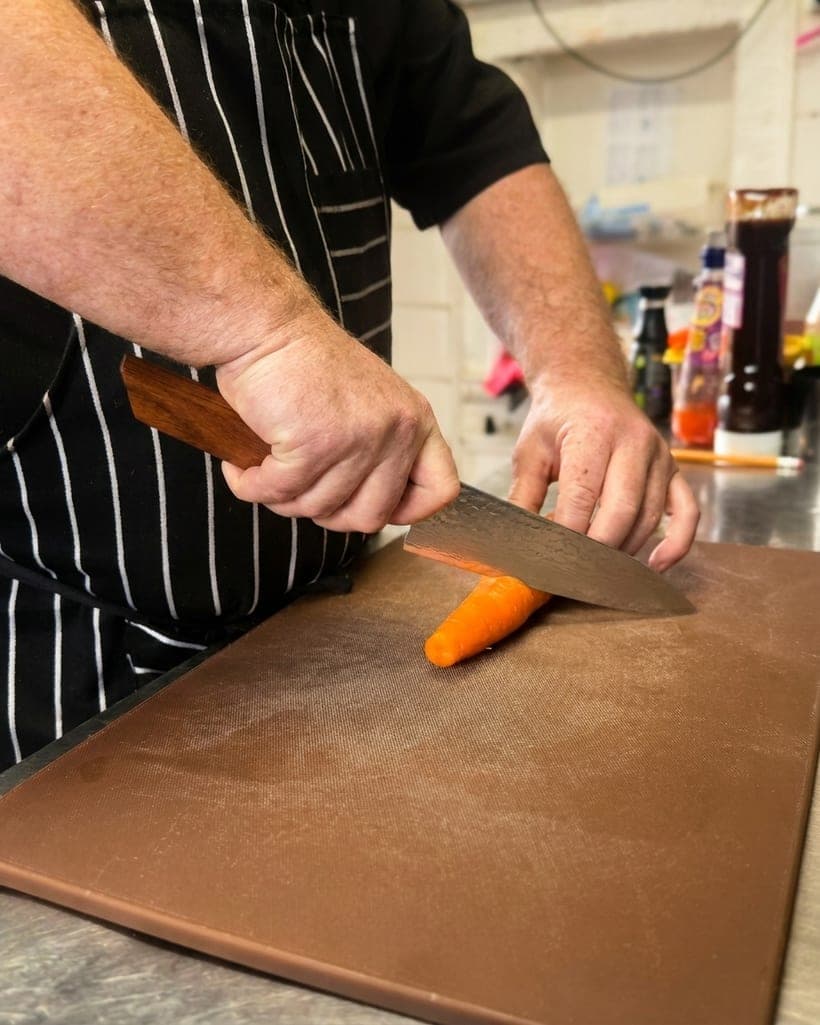
The appeal is not just heritage. It is performance you notice immediately. A thinner, sharper blade glides through ingredients with less resistance, which means neater slices, less bruising, and less fatigue during prep. Herbs stay greener. Onions cut cleaner. Fish and meat portion with more control.
That difference is especially noticeable for home cooks who are already comfortable in the kitchen and want tools that keep up with them. If you cook a few nights a week, a good Japanese knife does not sit in a drawer as a special-occasion purchase. It earns its place quickly.
There is also the matter of balance. A well-made Japanese chef knife often feels more neutral in hand than a bulky Western alternative. That gives you finer control for detail work while still handling larger jobs confidently. For many buyers, that sense of control is what turns a knife from a utility into a favourite tool.
Best Japanese chef knives UK buyers should consider by type
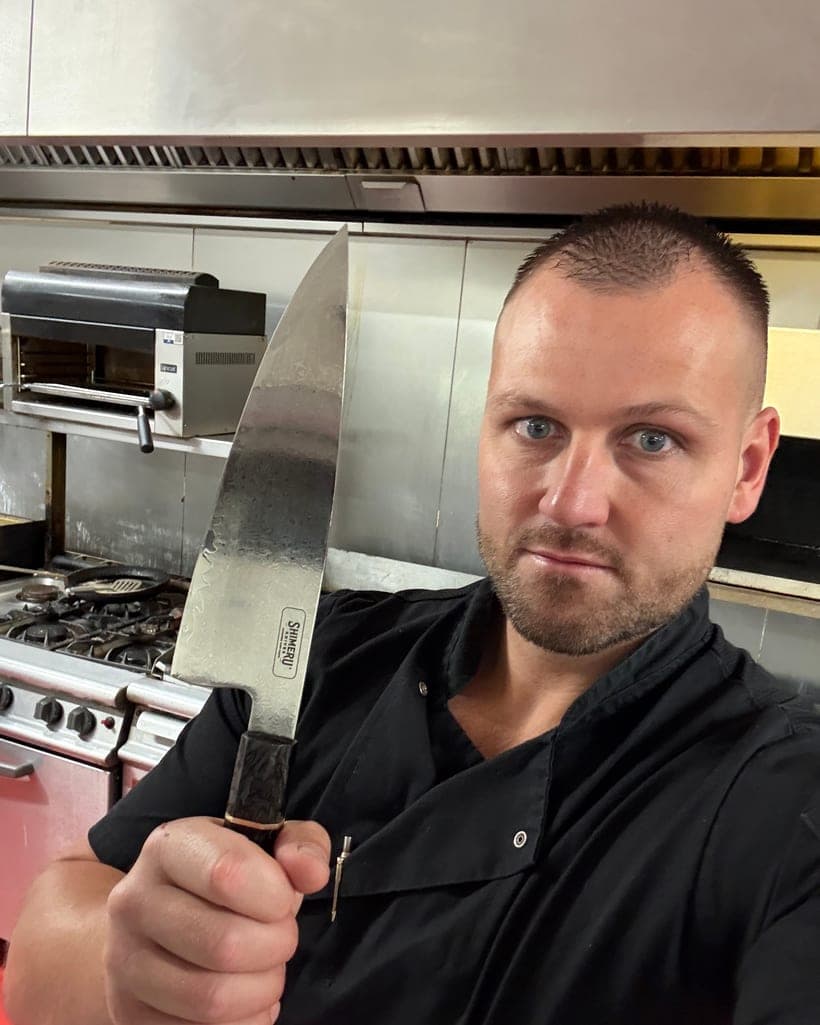
For a first upgrade, the Gyuto is usually the safest and smartest choice. It has the reach and versatility of a chef’s knife but with the cleaner feel that draws people to Japanese blades in the first place. If you cook a wide range of meals and want one knife that can genuinely do most of the work, start here.
A Santoku makes sense if you want something slightly shorter, lighter, and easier to manoeuvre. It is often the right fit for smaller hands, smaller boards, or cooks who value confidence over maximum blade length. It gives up a little tip utility and slicing length compared with a Gyuto, but many home kitchens never notice that compromise.
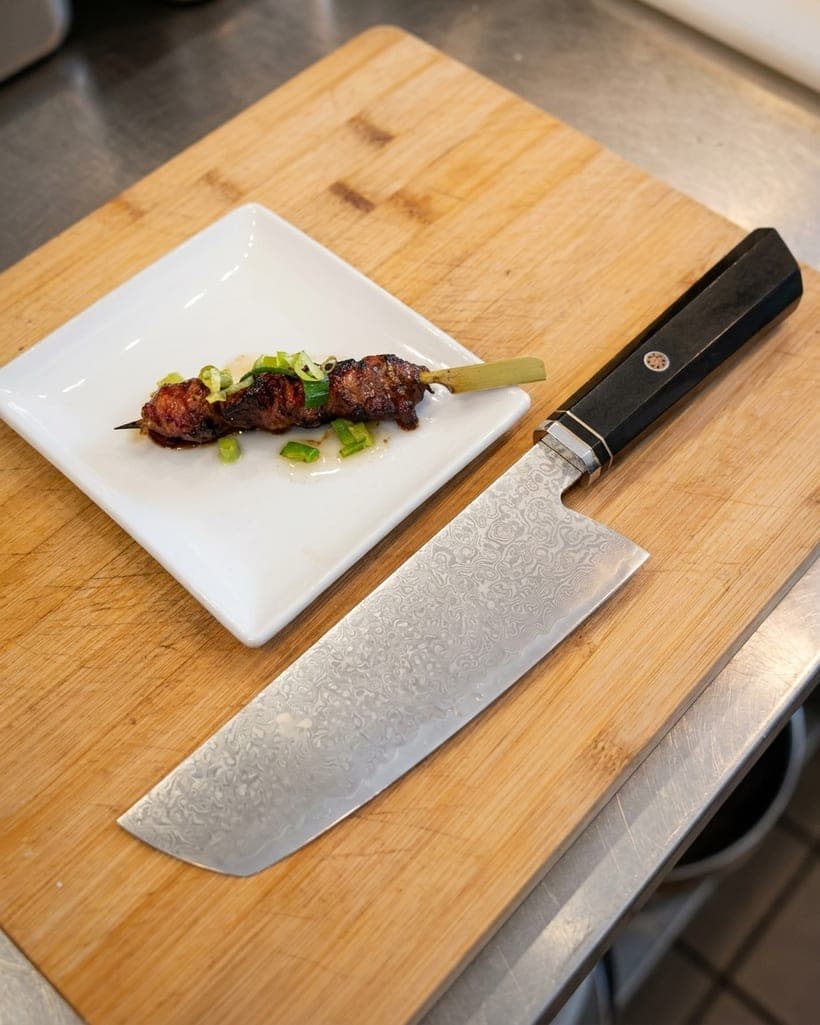
A Nakiri is ideal for vegetable-heavy cooking. If your weekly routine includes piles of cabbage, carrots, onions, herbs, and greens, it can be a joy to use. Still, it is more specialised. As a second knife, it is excellent. As your only knife, it depends on how often you prep meat or want a pointed tip.
A Bunka or Kiritsuke-style blade appeals to buyers who want a more distinctive profile and extra tip precision. They can be excellent, but they are not always the most intuitive first purchase. If you are upgrading from a basic department store set, a classic Gyuto or Santoku is usually the smoother step up.
Steel, sharpness, and the trade-offs worth knowing
This is where shoppers often get stuck. They read about VG-10, AUS-10, SG2, high carbon cores, Damascus finishes, and hardness ratings, then assume more expensive automatically means more suitable. It does not.
For most home cooks, a premium stainless Japanese steel is the most practical choice. It delivers strong edge retention, good corrosion resistance, and easier ownership. You get the sharpness Japanese knives are known for without worrying as much about staining or reactive maintenance.
Higher-end powdered steels can offer longer edge life and an even finer feel on the board. They are impressive, but the benefits are most noticeable if you cook often and care enough to maintain them properly. If you want a knife that performs beautifully with less fuss, simpler premium stainless options are often the smarter buy.
Carbon steel deserves a quick mention because enthusiasts love it for good reason. It can take an exceptional edge and develops character over time. It also asks more from you. Dry it promptly, avoid acidic contact sitting on the blade, and accept that patina is part of the experience. For some people that is romance. For others, it is work.
What to avoid when shopping
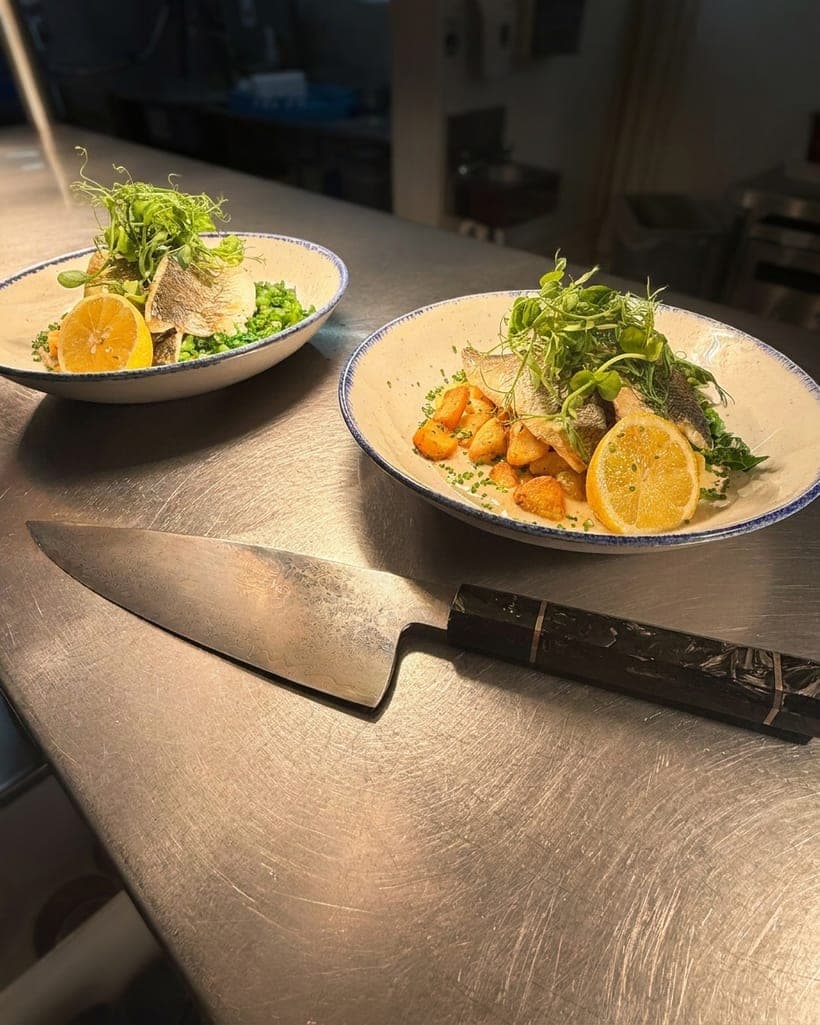
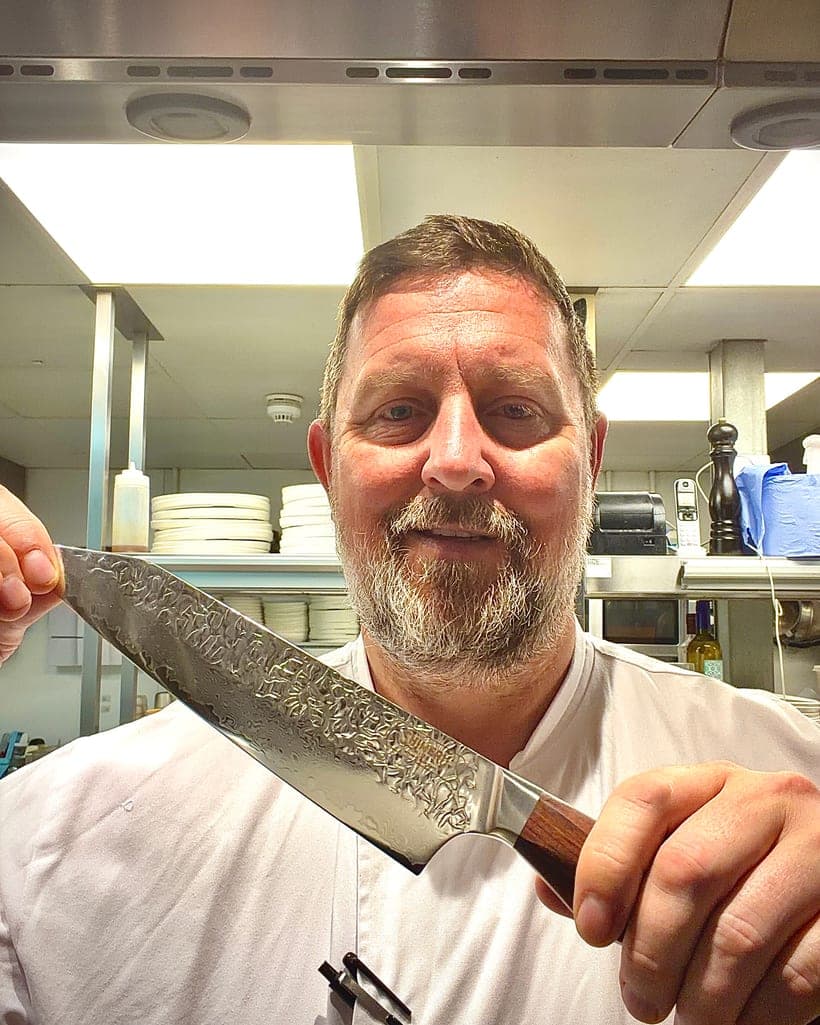
The first trap is buying on appearance alone. A dramatic Damascus pattern can be beautiful, but it does not guarantee cutting performance. Geometry, grind, heat treatment, and fit in the hand matter more.
The second is buying too specialised too early. A long kiritsuke, a single-bevel knife, or an ultra-hard laser can sound exciting, but many home cooks are better served by a versatile blade they can use daily without second-guessing technique.
The third is ignoring handle comfort. Japanese knives can come with different handle styles, and preference is personal. A knife may have excellent specs but still feel wrong if the balance or grip does not suit you.
Finally, do not assume the best Japanese chef knives UK stores offer are always the most expensive ones. The right knife is the one that matches how you cook, what you cut, and how much maintenance you are willing to do.
How to choose the right knife for your kitchen
If you want one knife for almost everything, choose a Gyuto around 8 inches. It is the most complete upgrade for most kitchens. If you prefer a slightly more compact, easygoing feel, choose a Santoku around 7 inches.
If your cooking leans heavily towards vegetables and plant-based meals, a Nakiri may be the most satisfying tool you buy. If you are shopping for a gift, versatility usually wins. A Gyuto or Santoku feels premium, useful, and accessible even for someone new to Japanese knives.
This is where an approachable specialist brand matters. Clear guidance, honest comparisons, and practical care advice are often more useful than endless technical specs. Shimeru Knives positions Japanese craftsmanship in exactly that everyday way - premium, yes, but built for real kitchens and real cooks, not just collectors.
Care matters, but it does not need to be complicated
A Japanese knife rewards simple habits. Hand wash it. Dry it promptly. Use a wood or quality synthetic board. Skip glass, stone, and dishwasher cycles. Store it so the edge is protected.
Sharpening also sounds more daunting than it is. You do not need to become a sharpening purist overnight. What matters is understanding that a finer knife deserves proper upkeep. A little attention keeps performance high and protects your investment.
The best Japanese chef knife is the one that makes you want to cook more because it feels good every single time you use it. Choose for the meals you actually make, not the fantasy version of your kitchen, and you will feel the difference from the first cut.