
Chef Ambassadors
Real head chefs across the UK put Shimeru blades to work on the pass, service after service.
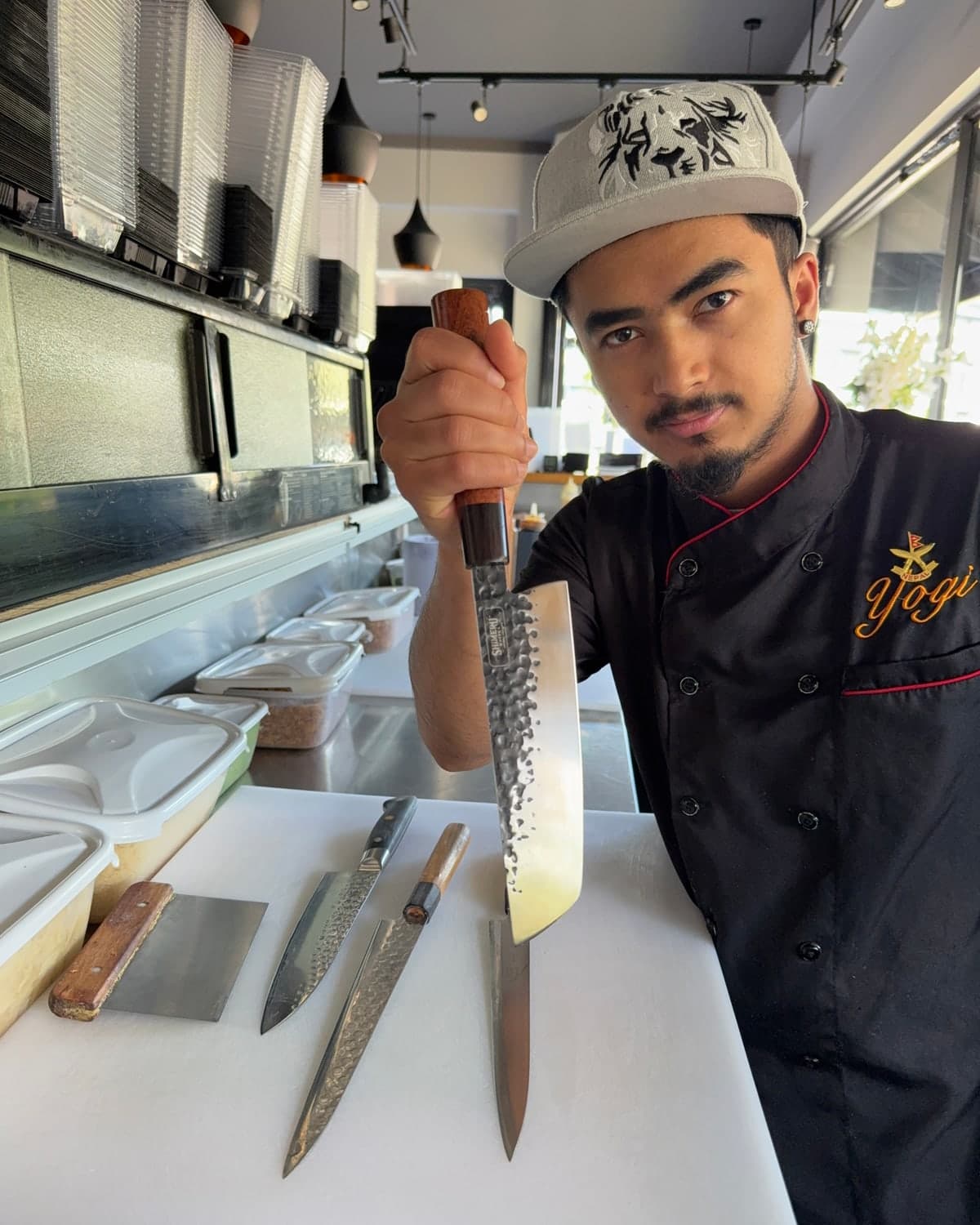
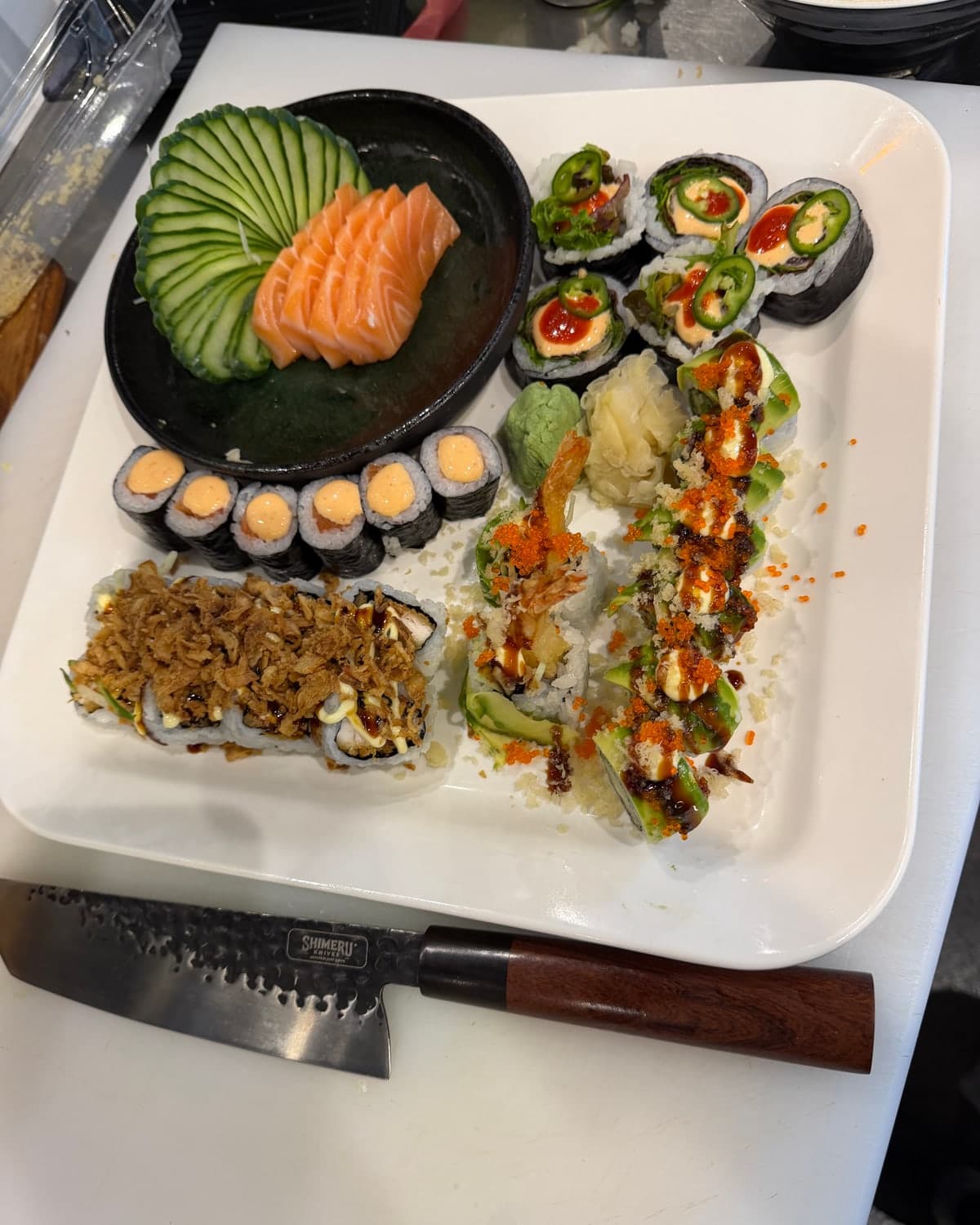
Head Chef at Kiyoto Sushi
London
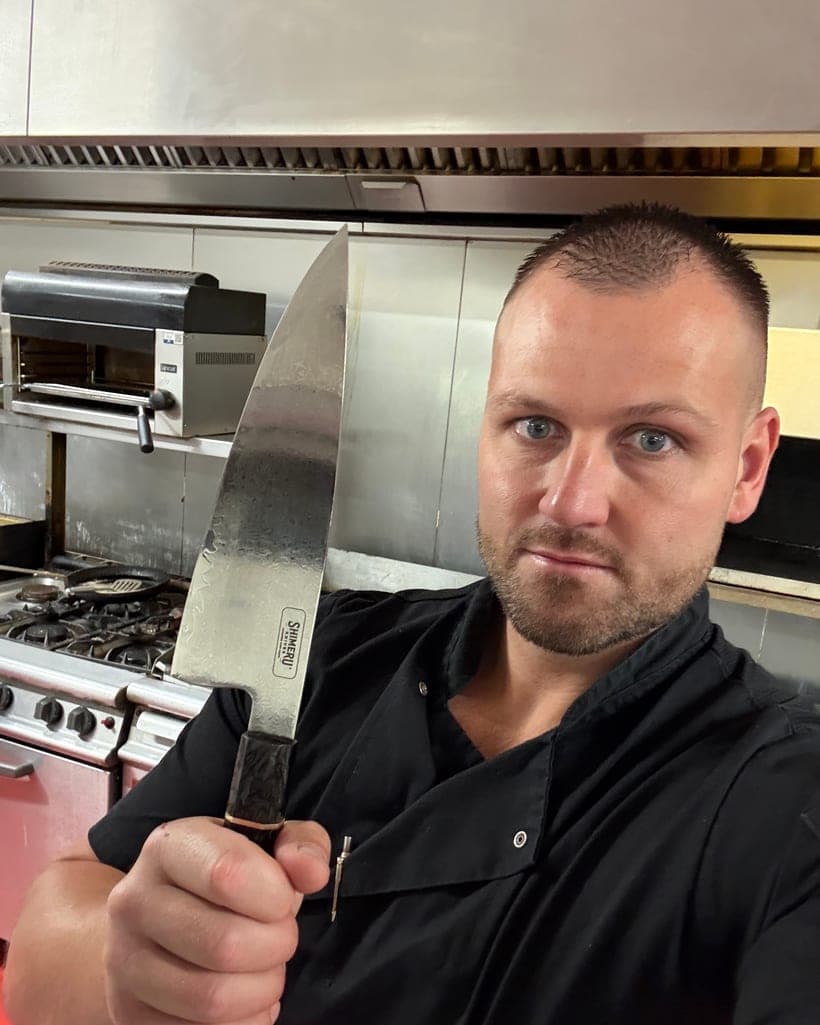
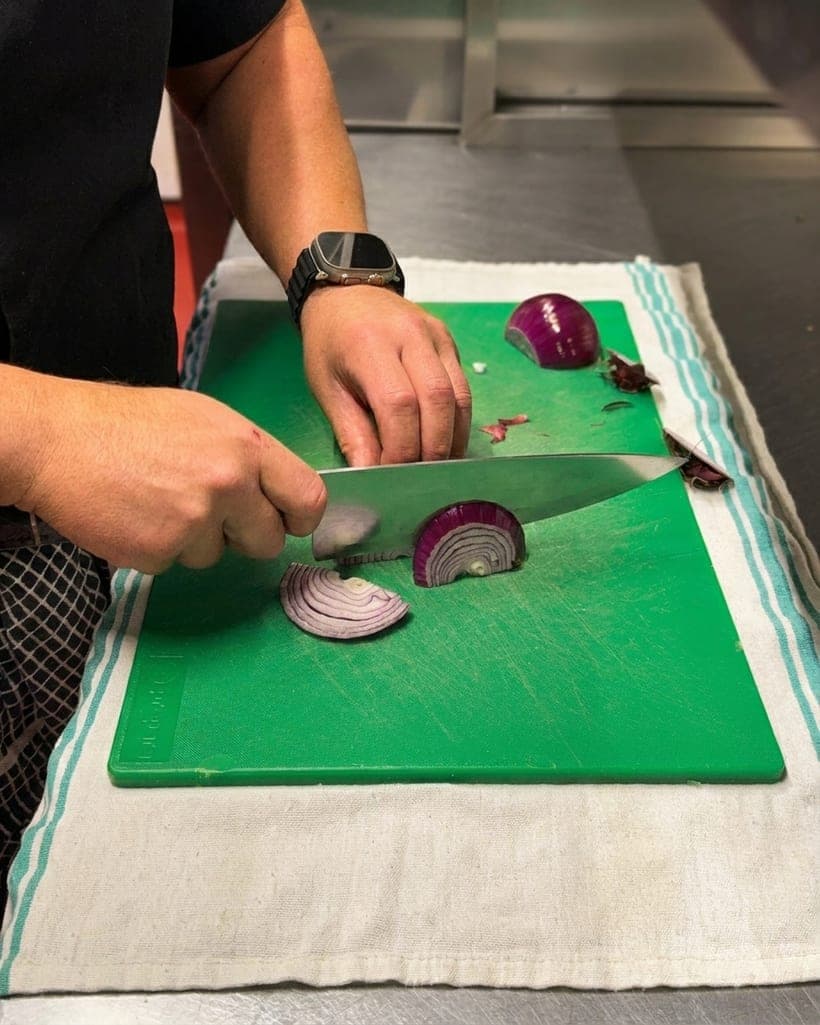
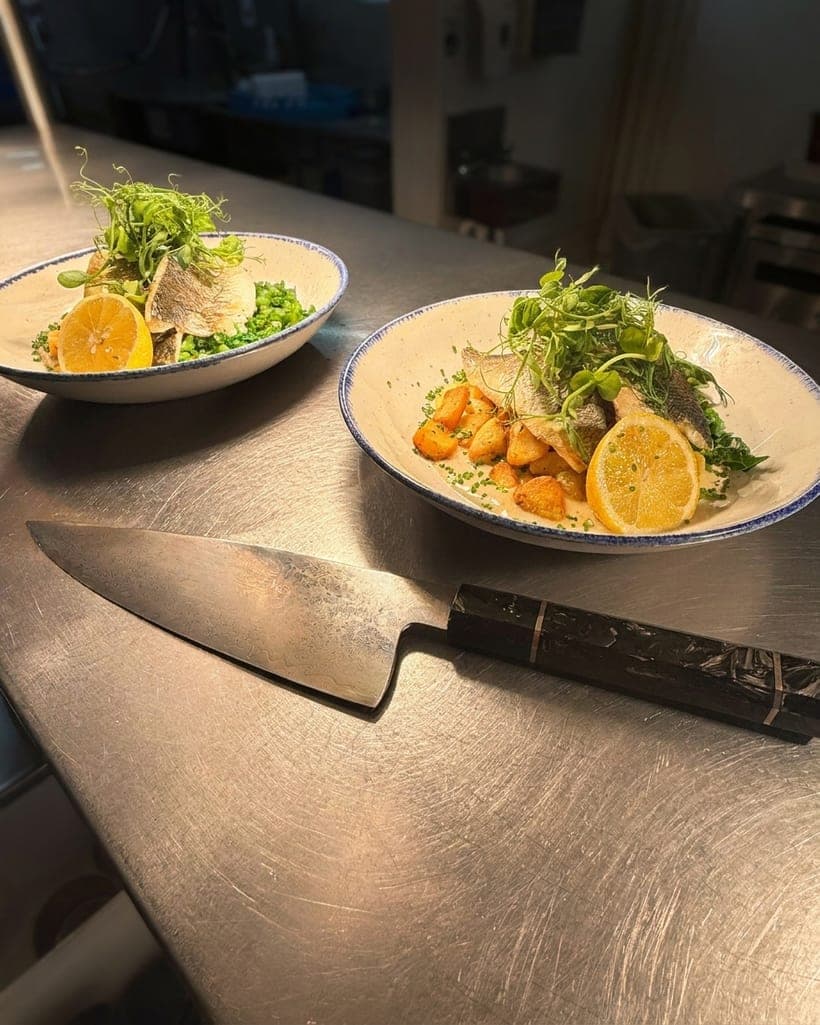
Head Chef at The Grazing Cow
Telford
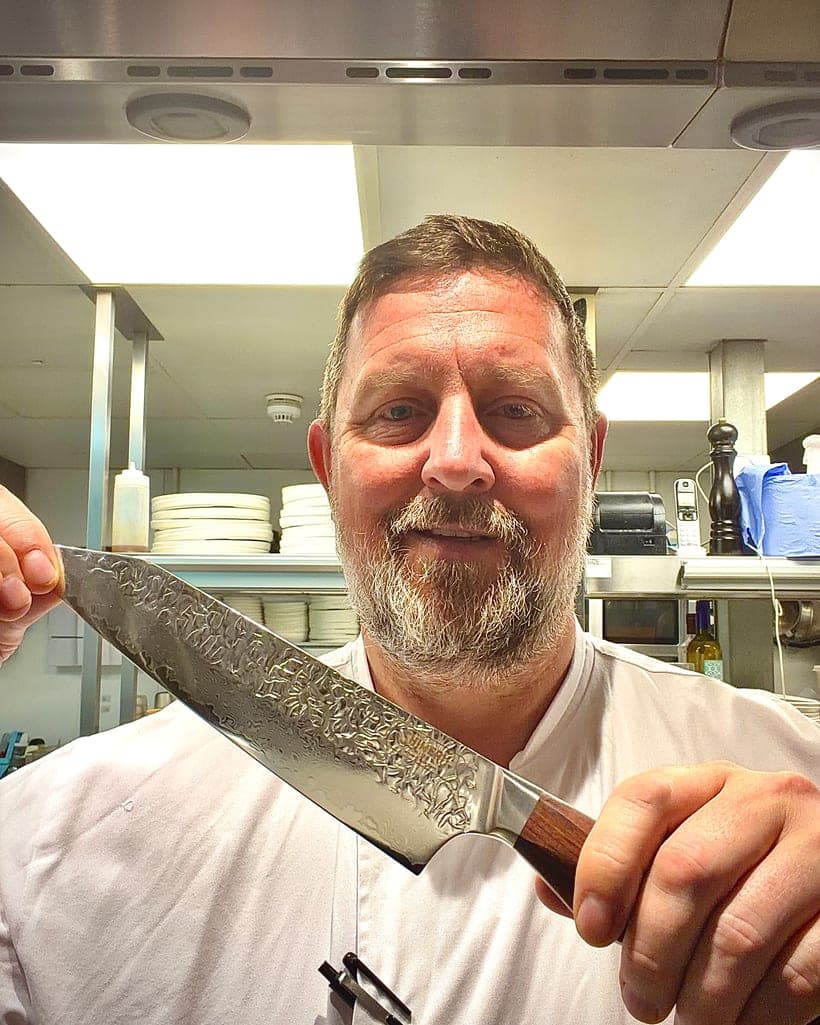
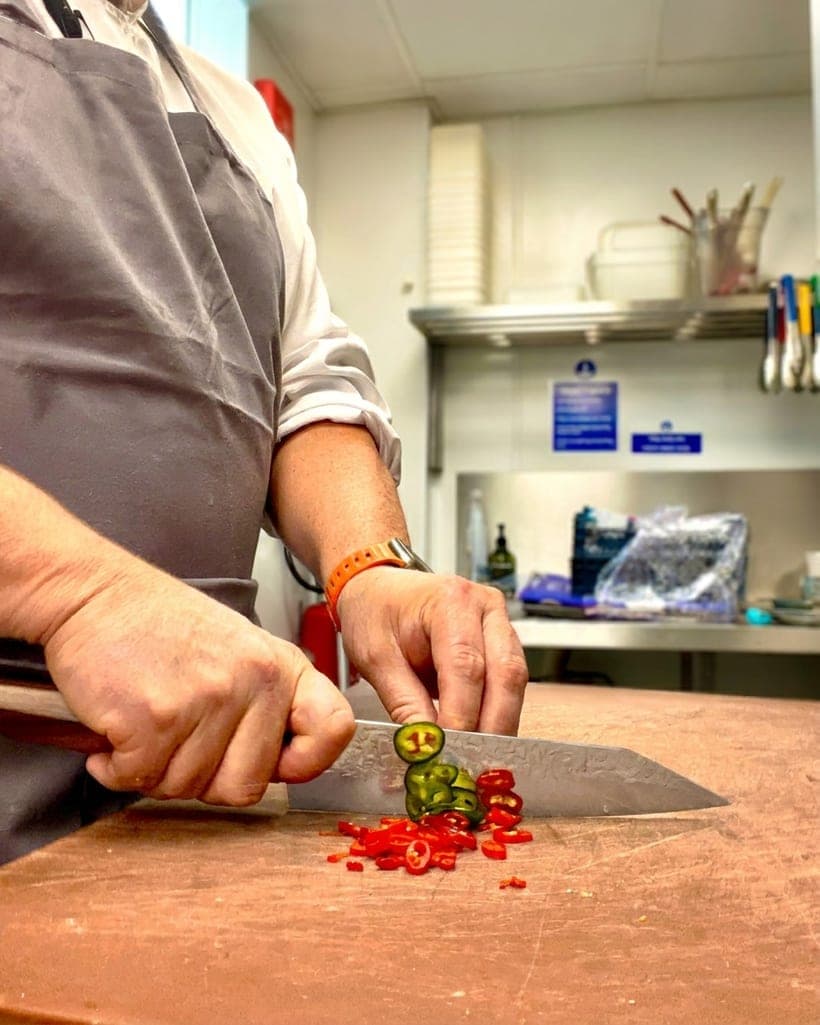
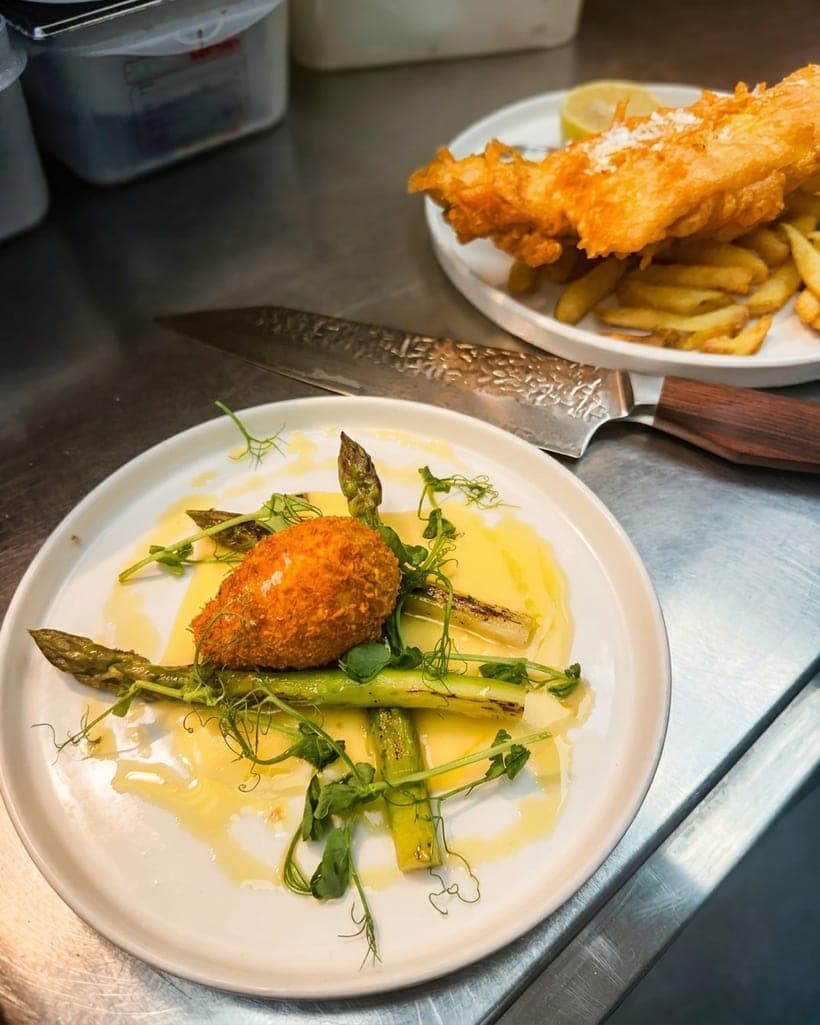
Head Chef at Duke of Wellington
London

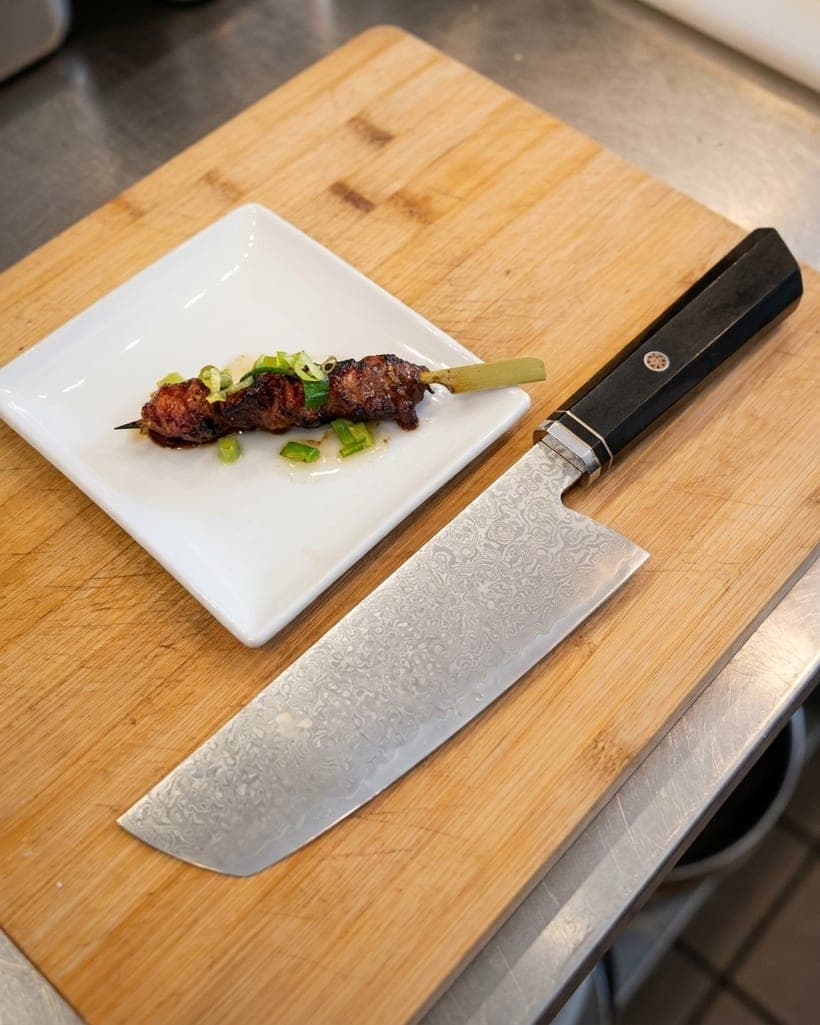
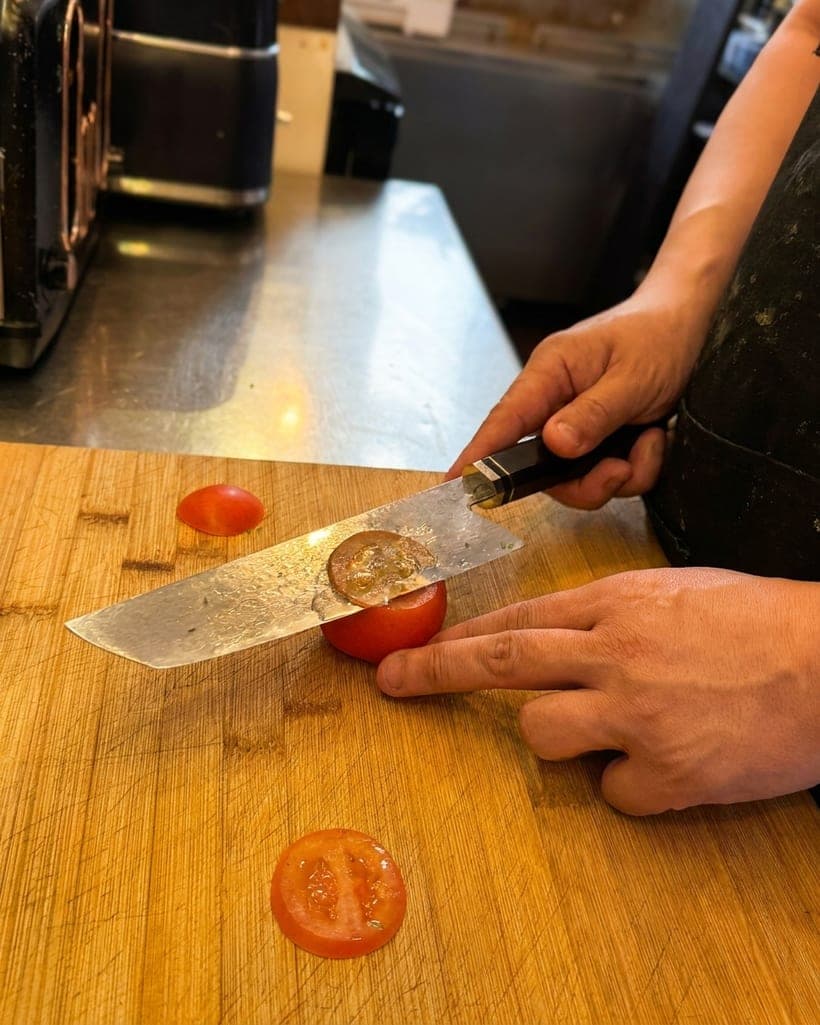
Head Chef at Niwa Yakitori
Manchester

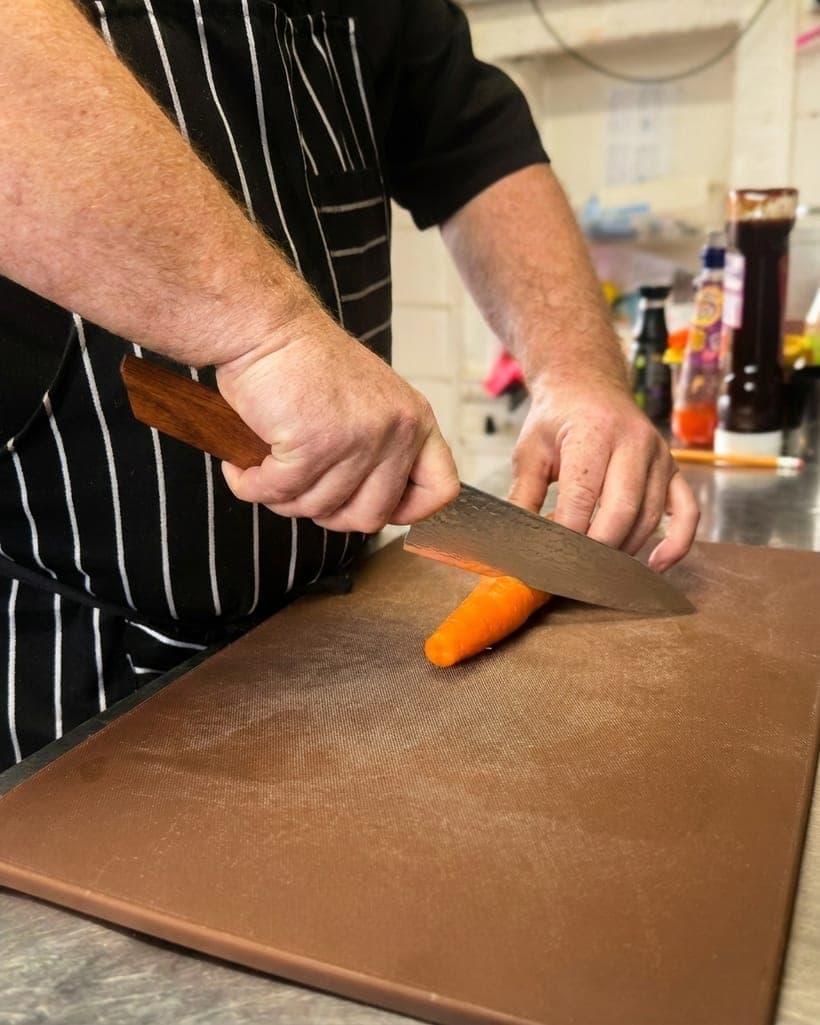
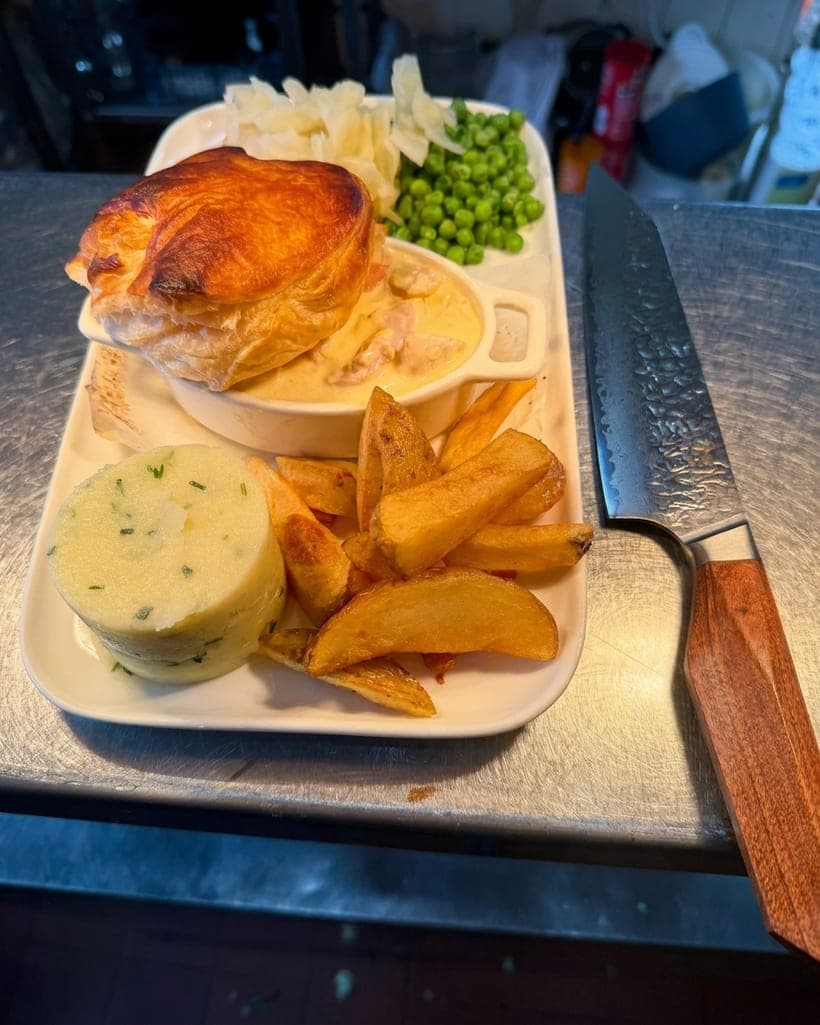
Head Chef at The Royal Oak
Ashbourne

Head Chef at Hintlesham Hall
Ipswich

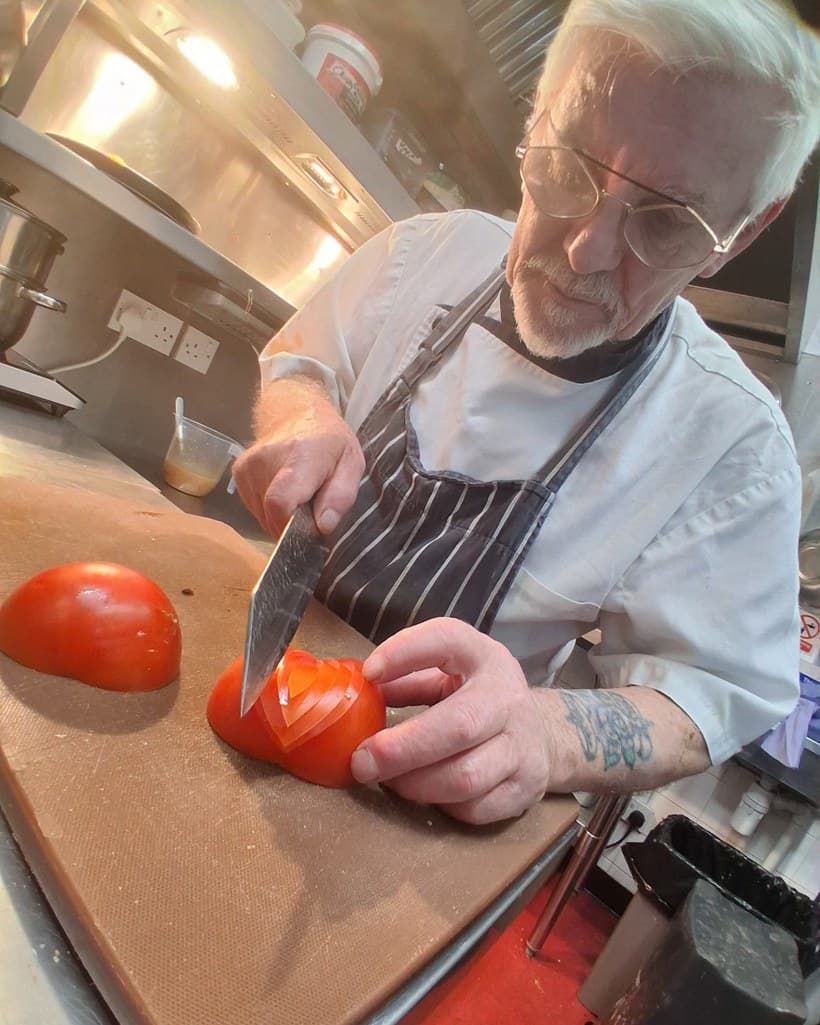
Head Chef at 1260 Hoylake
Wirral
Collection
Even the hardest steel dulls eventually. Keep your Japanese knives at their original edge with whetstones, honing rods, and the maintenance gear we use ourselves. A Japanese knife at 60+ HRC will hold its edge for months of regular use, but it will eventually need honing and, less often, sharpening. We stock the maintenance gear we recommend to our own customers: combination whetstones (1000/3000 grit covers most needs), finishing stones for a polished edge, and ceramic honing rods for between-sharpenings touch-ups.
0 knives
No knives found
Try adjusting your filters or search terms.
Avoid pull-through sharpeners on Japanese steel, the fixed angle is wrong for most Japanese blades and the abrasive aggressively removes metal you don't need to lose. If you'd rather not sharpen yourself, our lifetime sharpening service is included with every knife purchase.
Not sure which knife?
Answer a few quick questions about how you cook, and we'll match you with the perfect blade.
Common questions
For home use, once every 6–12 months on a whetstone is plenty. Hone weekly with a ceramic rod between sharpenings to realign the edge.
We don't recommend it. Pull-through sharpeners use a fixed angle (usually 20°) that's wrong for most Japanese knives (15–17°), and they remove far more steel than necessary, shortening your knife's life.
A 1000/3000 combo stone covers 90% of home use. The 1000 side handles routine sharpening; the 3000 side polishes the edge to a finer finish. Add a 6000+ finishing stone if you want a mirror polish.