

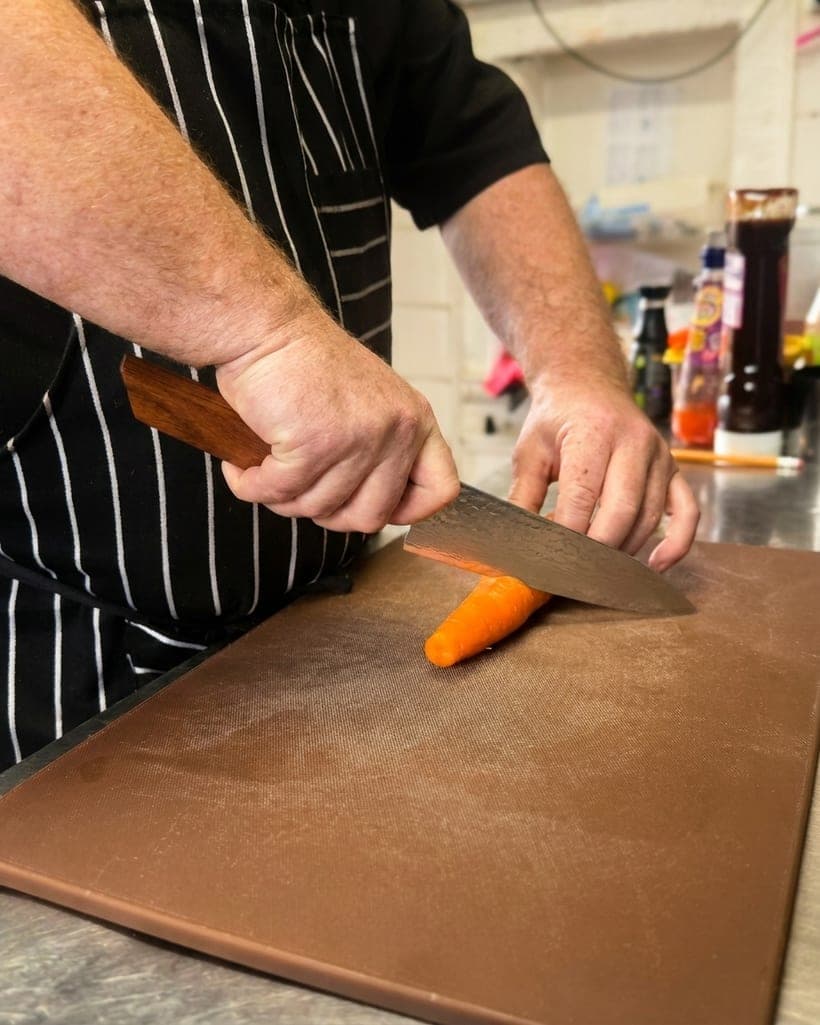


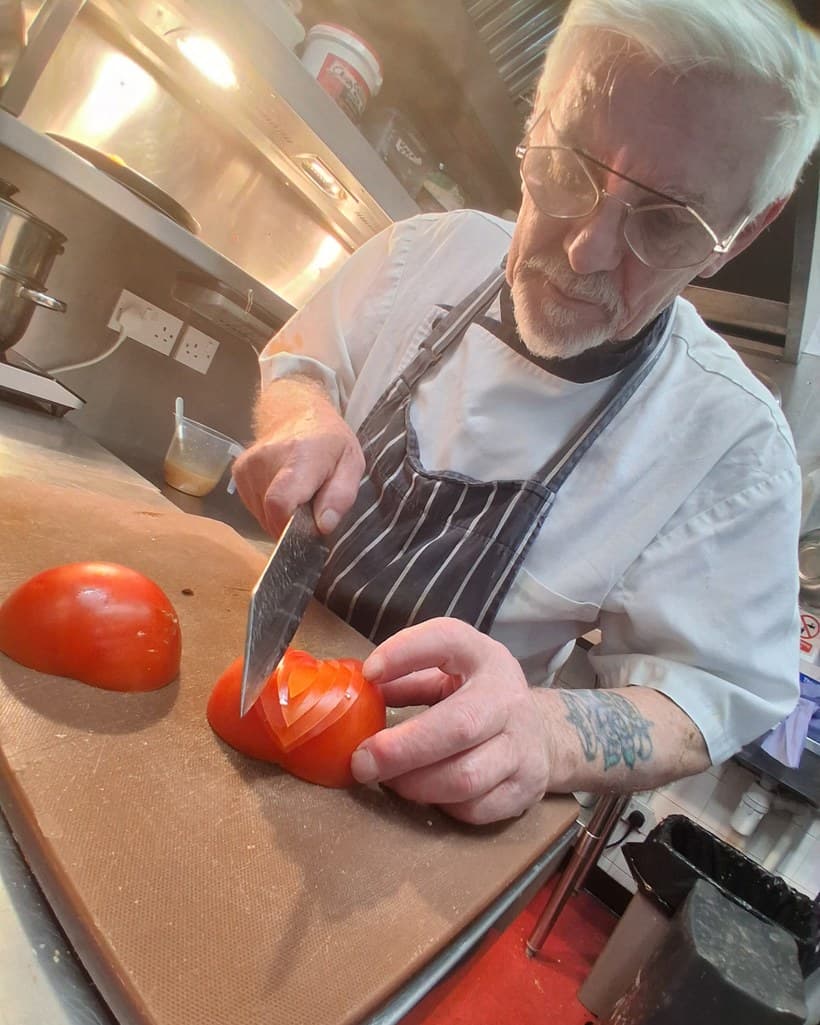
4 Top Japanese Knives for Vegetables at Home
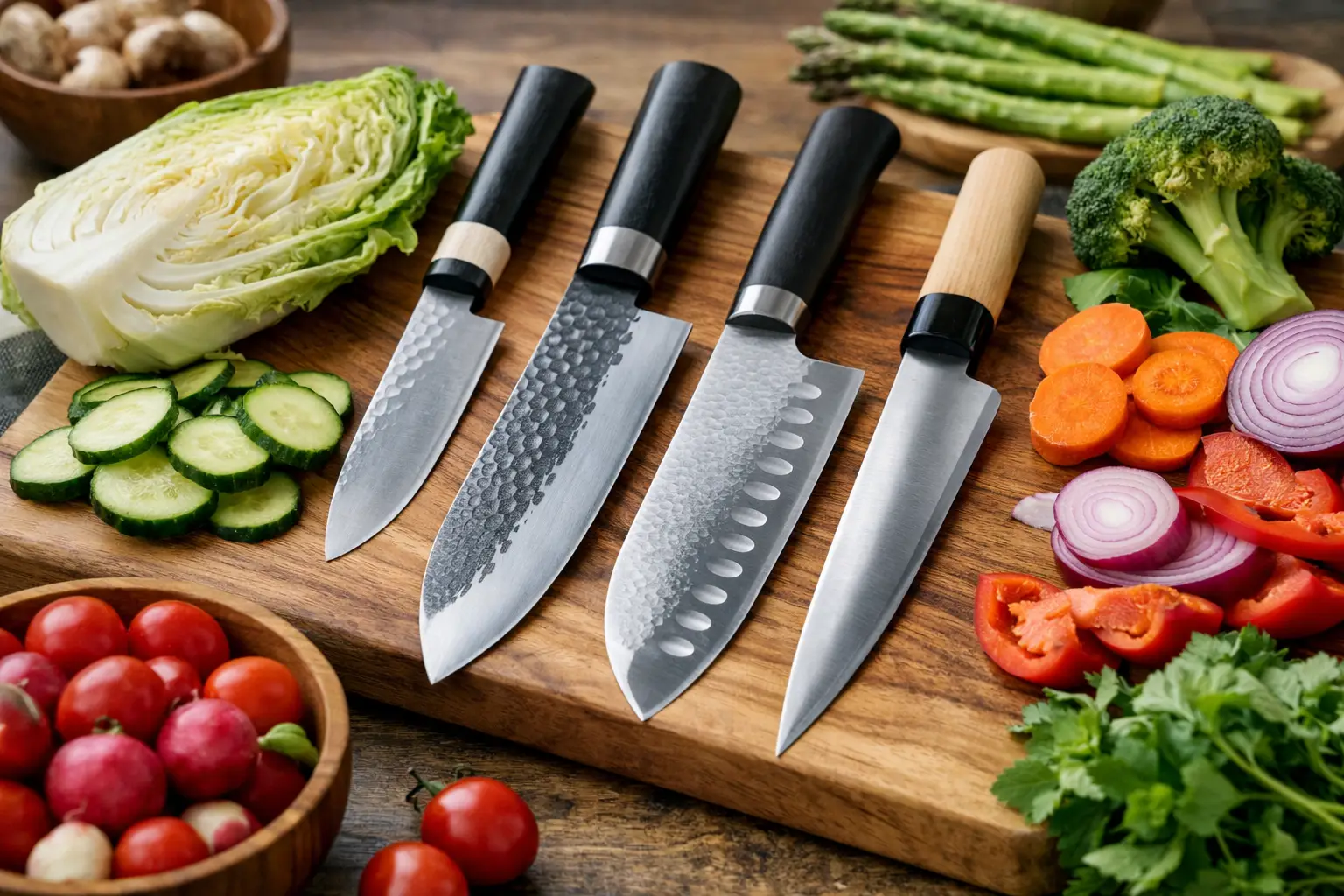
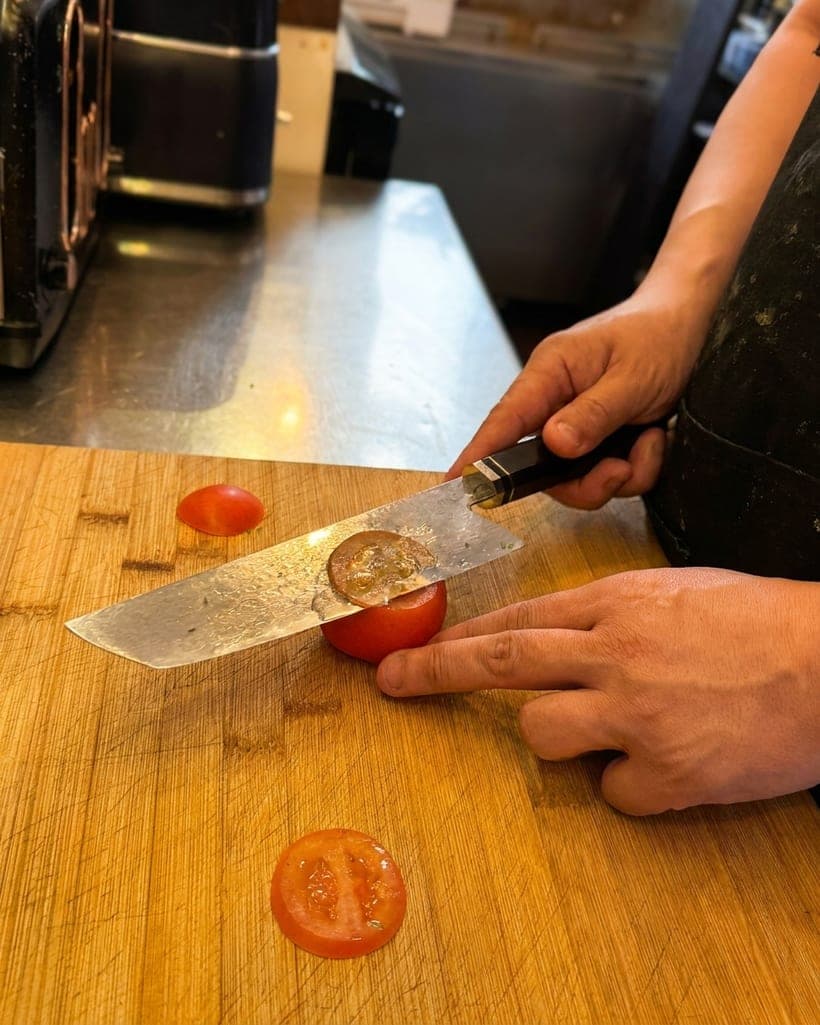
A ripe tomato should not collapse under the blade. Herbs should stay green instead of bruising into the board. And a pile of onions should feel like the start of dinner, not the longest part of it. The best Japanese knives for vegetables bring that difference to everyday prep: finer cuts, less force, and a lighter, more balanced feel in the hand.
The right choice is not always the most specialised one. A dedicated vegetable knife can be a joy if you cook produce-heavy meals several nights a week, while an all-purpose blade may make more sense in a first serious kitchen. Start with the vegetables you reach for most, then choose a profile that makes those tasks feel easier.
Why Japanese knives make vegetable prep better
Japanese-style blades are known for thin, precise cutting edges. Where a thick, heavy knife can wedge through a carrot or push a tomato apart, a thinner blade moves cleanly through the ingredient. That cleaner cut is not just satisfying. It helps preserve the texture of delicate produce, from fresh herbs to ripe stone fruit.
Balance matters just as much. Many Japanese knives feel nimble rather than bulky, giving you more control when you are mincing garlic, slicing scallions, or turning a sweet potato into even cubes. A sharper edge also means you do not need to press as hard, which can make long prep sessions more comfortable.
There is a trade-off. Fine edges reward good habits. Avoid glass, marble, and other hard cutting surfaces, and do not use a vegetable knife to cut bones, frozen food, or twist through squash. With a wood or quality plastic board, hand washing, and regular honing or sharpening when needed, Japanese steel can hold a beautifully keen edge for a long time.
The 4 best Japanese knives for vegetables
1. Nakiri: best for vegetable-focused cooks
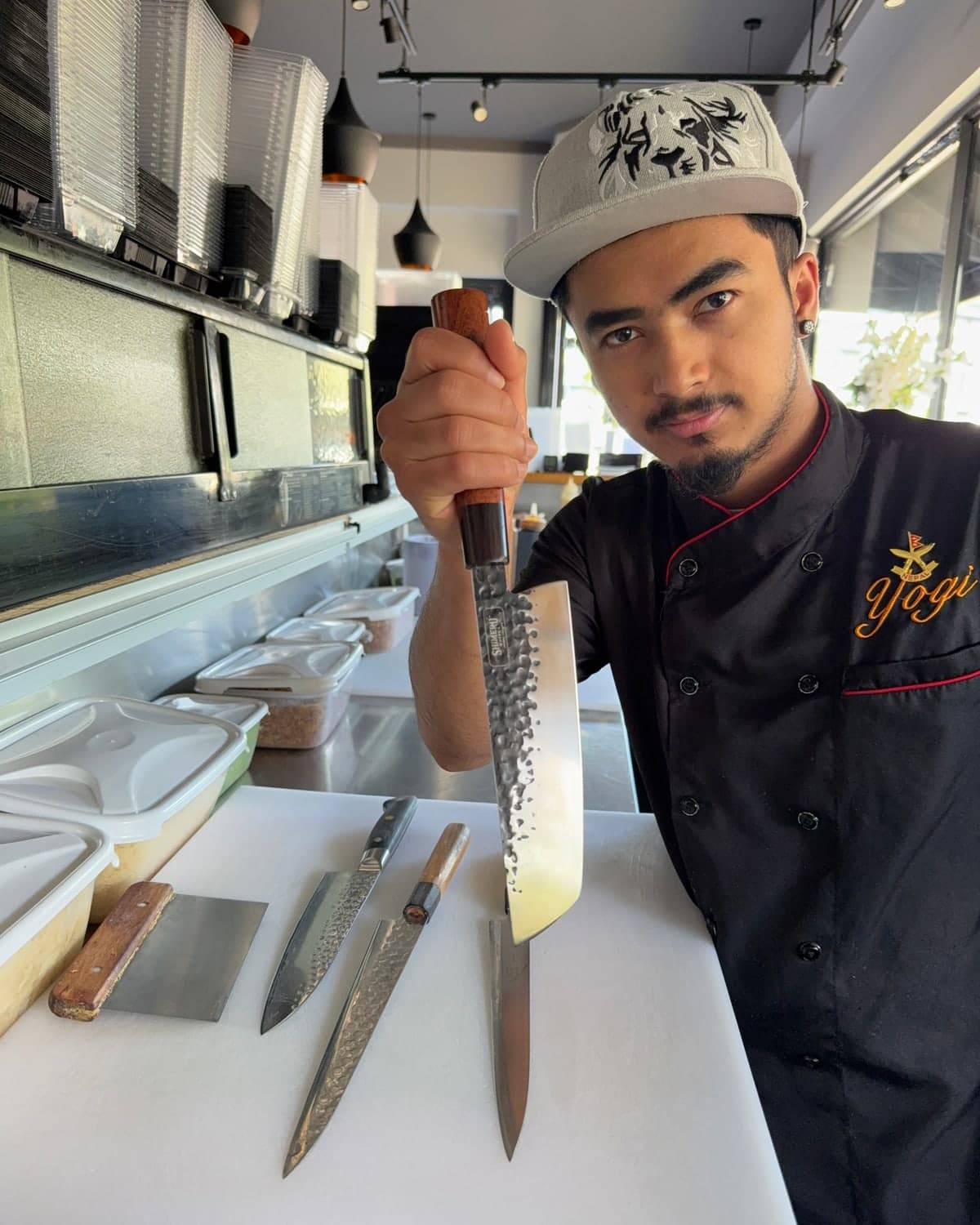
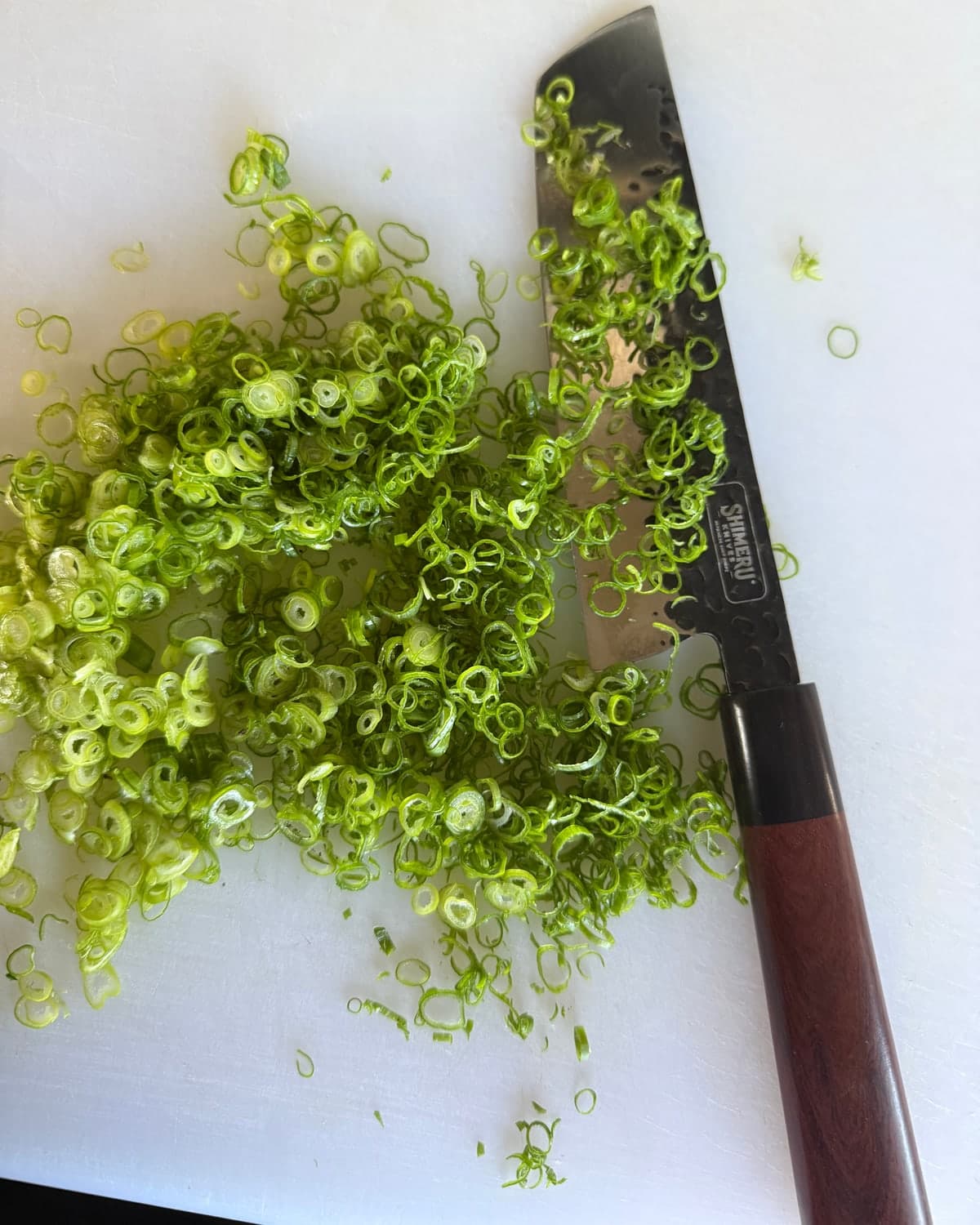
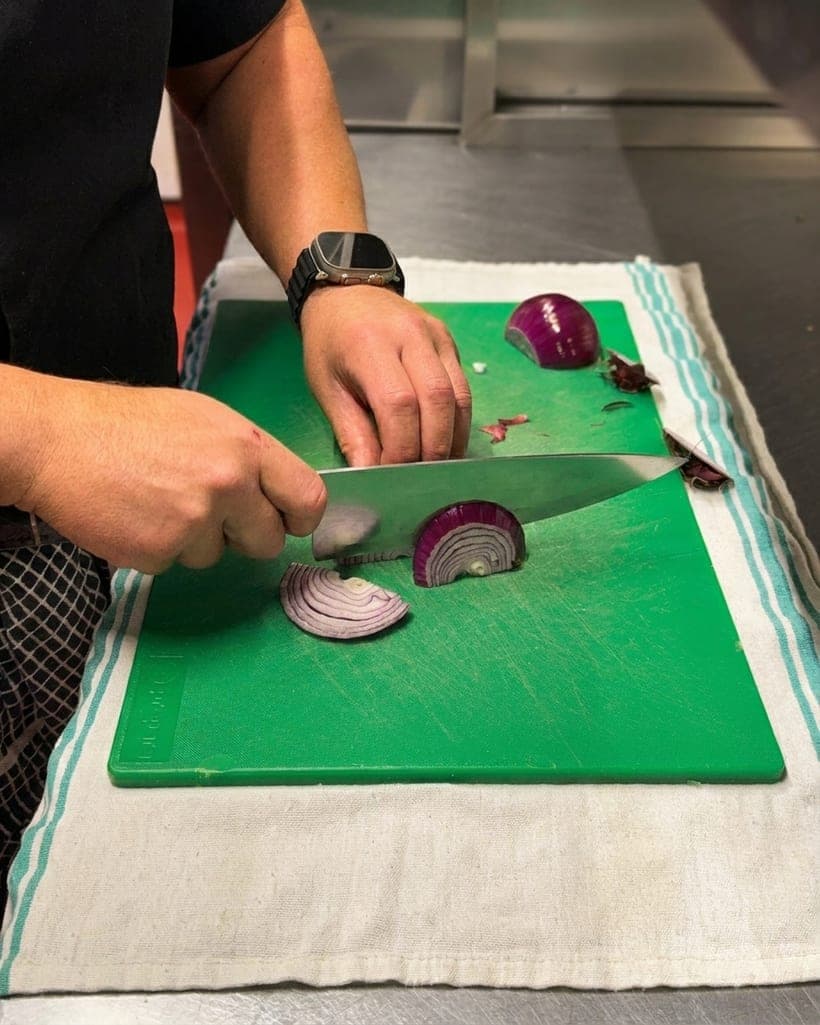
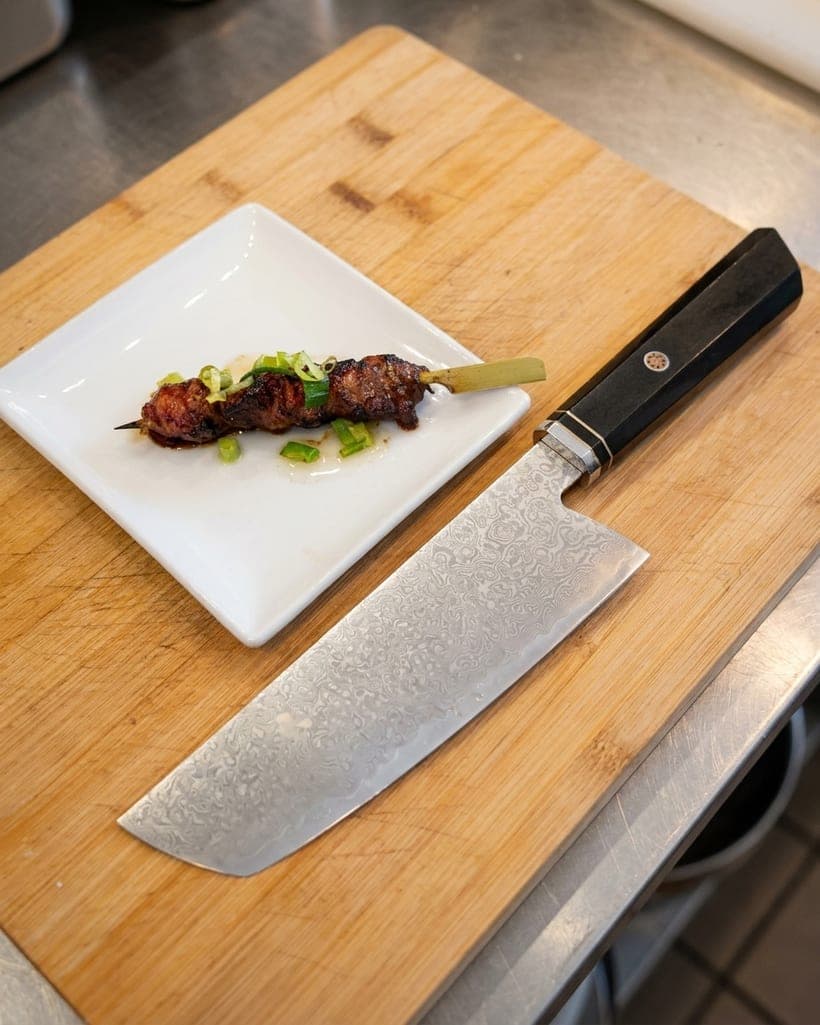
If vegetables are the centre of your cooking, the nakiri is the most natural choice. Its rectangular blade has a flat cutting edge designed for clean, confident up-and-down chopping. It makes quick work of cabbage, carrots, celery, cucumbers, leafy greens, and piles of onions.
A nakiri is especially satisfying for cooks who prefer a straightforward chop over a rocking motion. The broad blade creates useful knuckle clearance and gives you a convenient surface for transferring diced vegetables from board to pan. Because it is typically thin behind the edge, it glides through dense produce with noticeably less resistance.
Choose a nakiri if you make stir-fries, soups, salads, roasted vegetable trays, or plant-forward dinners often. Its limitation is versatility around proteins and detailed tasks. It can certainly slice a chicken breast or portion fish, but it is made to excel at produce. For a one-knife kitchen, a santoku or gyuto may be the better first purchase.
2. Santoku: best all-around vegetable knife
The santoku is the approachable all-rounder. Usually shorter than a Western chef's knife, often around 6.5 to 7 inches, it feels controlled and easy to manage without giving up useful blade height. It handles onions, peppers, courgettes, mushrooms, and herbs beautifully, then moves easily to boneless meat, fish, and fruit.
Its relatively flat edge supports chopping and push-cutting, while its sheepsfoot tip gives it a compact, modern silhouette. This is a particularly smart format for home cooks who want one premium knife that improves almost every dinner they make.
A santoku is less ideal if you love a pronounced rocking motion or regularly cut very large ingredients. Its shorter blade can feel limiting on heads of cabbage, long aubergines, or oversized winter squash. For most daily prep, though, that compactness is exactly the appeal.
3. Bunka: best for precision and personality
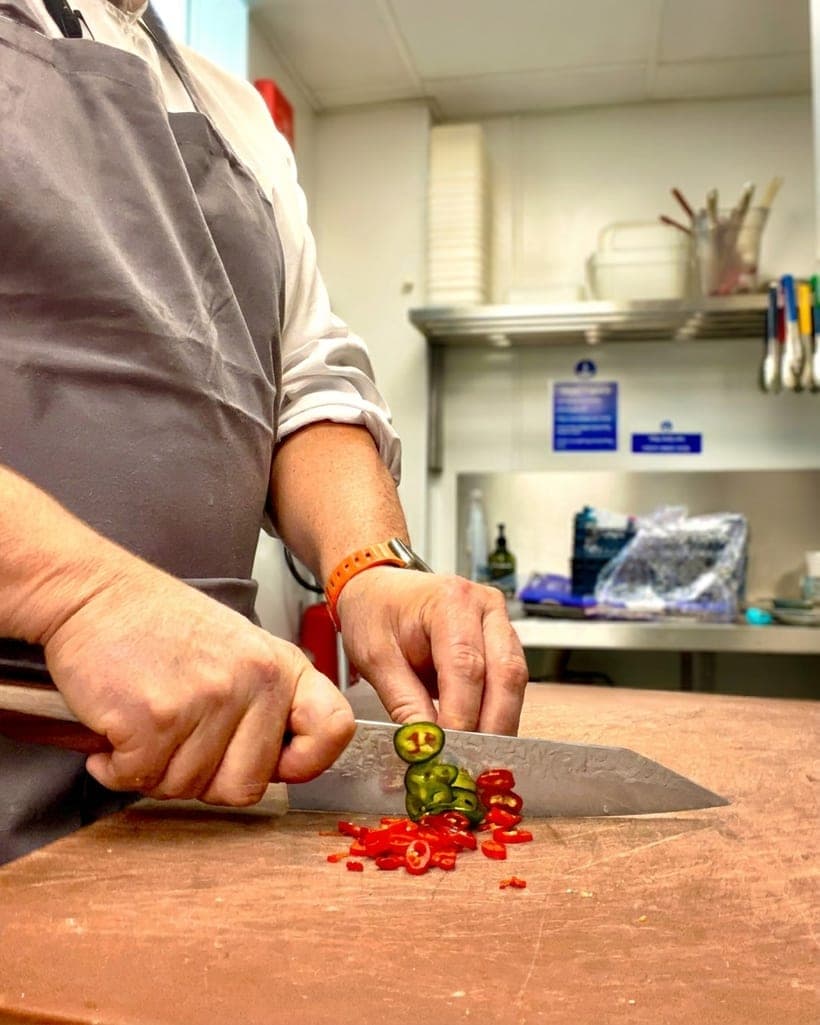
A bunka shares much of the santoku's everyday versatility but adds a distinctive angled tip, often called a k-tip. That pointed front section is excellent for precise work: trimming green beans, scoring mushrooms, slicing radishes into thin coins, or making fine cuts around a pepper's stem and seeds.
For vegetable prep, the bunka offers a confident flat-to-gently-curved edge and enough height to keep your knuckles clear of the board. It feels agile, especially in the 6.5- to 7-inch range. Cooks who enjoy detail work often find it more engaging than a standard chef's knife.
The fine tip deserves a little respect. Do not pry with it, scrape stubborn food from a pan, or force it through hard squash. Used with a light, controlled hand, a bunka is an elegant daily tool with more character than its size suggests.
4. Gyuto: best one-knife upgrade
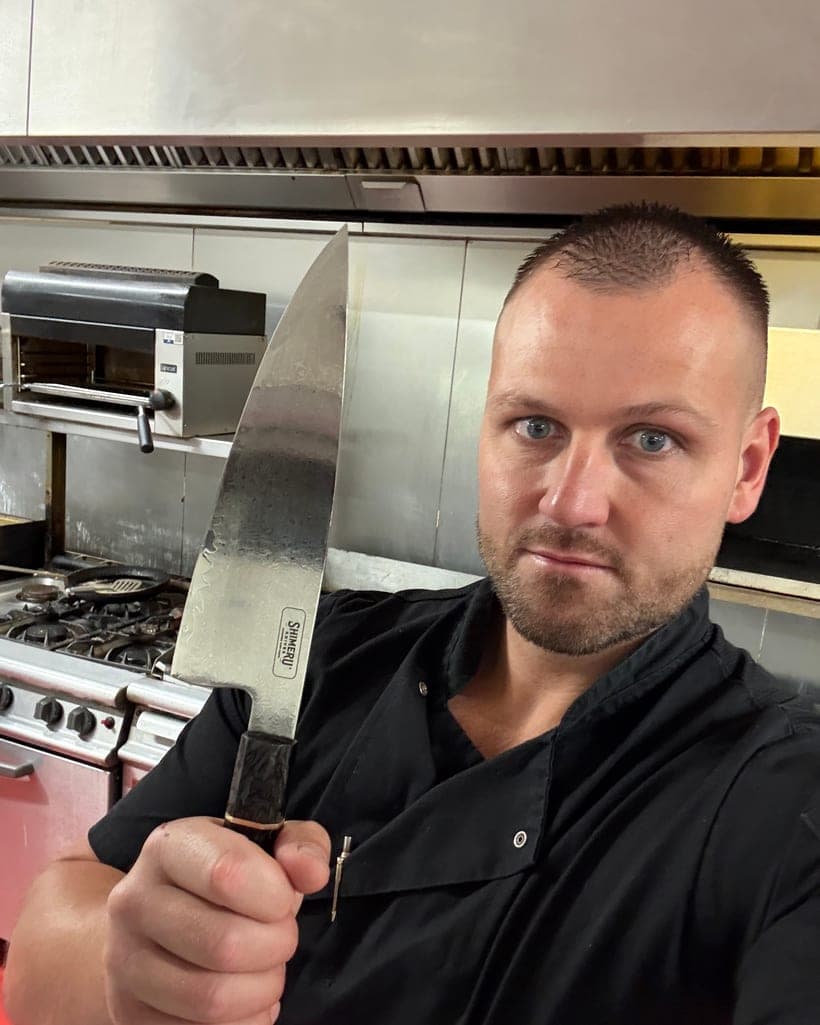
A gyuto is the Japanese answer to the classic chef's knife. It is the best choice for cooks who want a single blade for vegetables, proteins, herbs, and nearly every board task in between. An 8-inch gyuto offers enough length to slice through cabbage and melons while remaining nimble for onion work and garlic prep.
Compared with many standard Western chef's knives, a well-made gyuto tends to feel thinner and more precise. Its gently curved belly accommodates a modest rocking motion, but it also performs well with push cuts and slicing strokes. That flexibility makes it a strong long-term investment for a growing home cook.
For vegetables alone, a nakiri may feel faster and a santoku may feel less intimidating. But if you do not want separate knives for produce and proteins, the gyuto is hard to beat. It earns its place because it does so much well without feeling like a compromise.
How to choose the right blade for your kitchen
Think about motion before you think about appearance. If you naturally lift the knife and chop straight down, choose a nakiri, santoku, or bunka with a flatter edge. If you learned to rock a chef's knife through herbs and want to keep that familiar movement, a gyuto will feel more intuitive.
Blade length should match both your counter space and your confidence. A 6.5- or 7-inch santoku or bunka is easy to control in smaller kitchens. An 8-inch gyuto gives greater reach and is more comfortable when handling larger vegetables. There is no prize for choosing the biggest blade. The best knife is one you will reach for without hesitation.
Also consider blade height. Taller blades are particularly useful for vegetables because they keep your fingers safely above the board and make it easier to scoop ingredients. A broad nakiri is excellent here, while a tall santoku or gyuto can offer similar practicality with greater all-purpose range.
Steel and edge: performance without the jargon
For home cooking, the benefit of quality Japanese steel is simple: it can take a very sharp edge and retain it longer than many entry-level knives. That means cleaner slices and fewer frustrating moments with skins, herbs, and firm roots.
Harder steel does require a touch more care. A sharp blade is not a cleaver. Let the edge do the work, use controlled strokes, and choose the right tool for hard squash. For a dense butternut squash, first stabilise it securely, cut it with a deliberate downward motion, and avoid lateral twisting once the blade is inside.
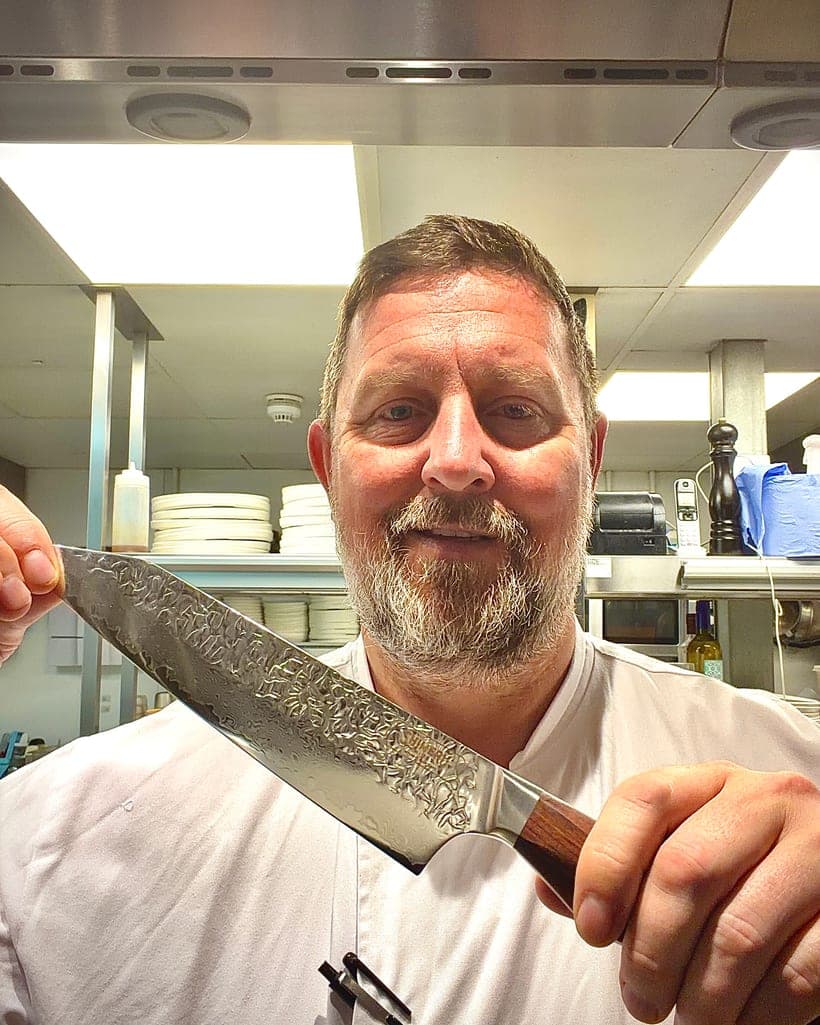
Do not get lost chasing steel names or decorative patterns alone. Damascus cladding can be beautiful, and premium steel can be a genuine performance upgrade, but profile, heat treatment, balance, and edge geometry shape the experience every time you cook. A knife that fits your hand and your meals will serve you better than a specification sheet you never feel on the board.
Keep your vegetable knife at its best
A few habits protect a fine edge. Hand wash and dry the knife soon after use, particularly after cutting acidic ingredients such as tomatoes, lemons, or onions. Store it in a blade guard, on a magnetic strip, or in a block where the edge will not knock against other utensils.
Use a wood or plastic cutting board rather than glass, stone, ceramic, or a plate. When moving chopped vegetables, turn the knife over and use the spine of the blade, not the edge. These small choices preserve the precise cutting feel that made the upgrade worthwhile.
At Shimeru Knives, the goal is not to make your kitchen feel technical. It is to give everyday cooking a better rhythm. Choose the nakiri if vegetables are your main event, the santoku for compact versatility, the bunka for precise control, or the gyuto for one-knife confidence. Then put it to work on tonight's dinner.