


Are Japanese Knives Fragile? The Truth About Their Durability
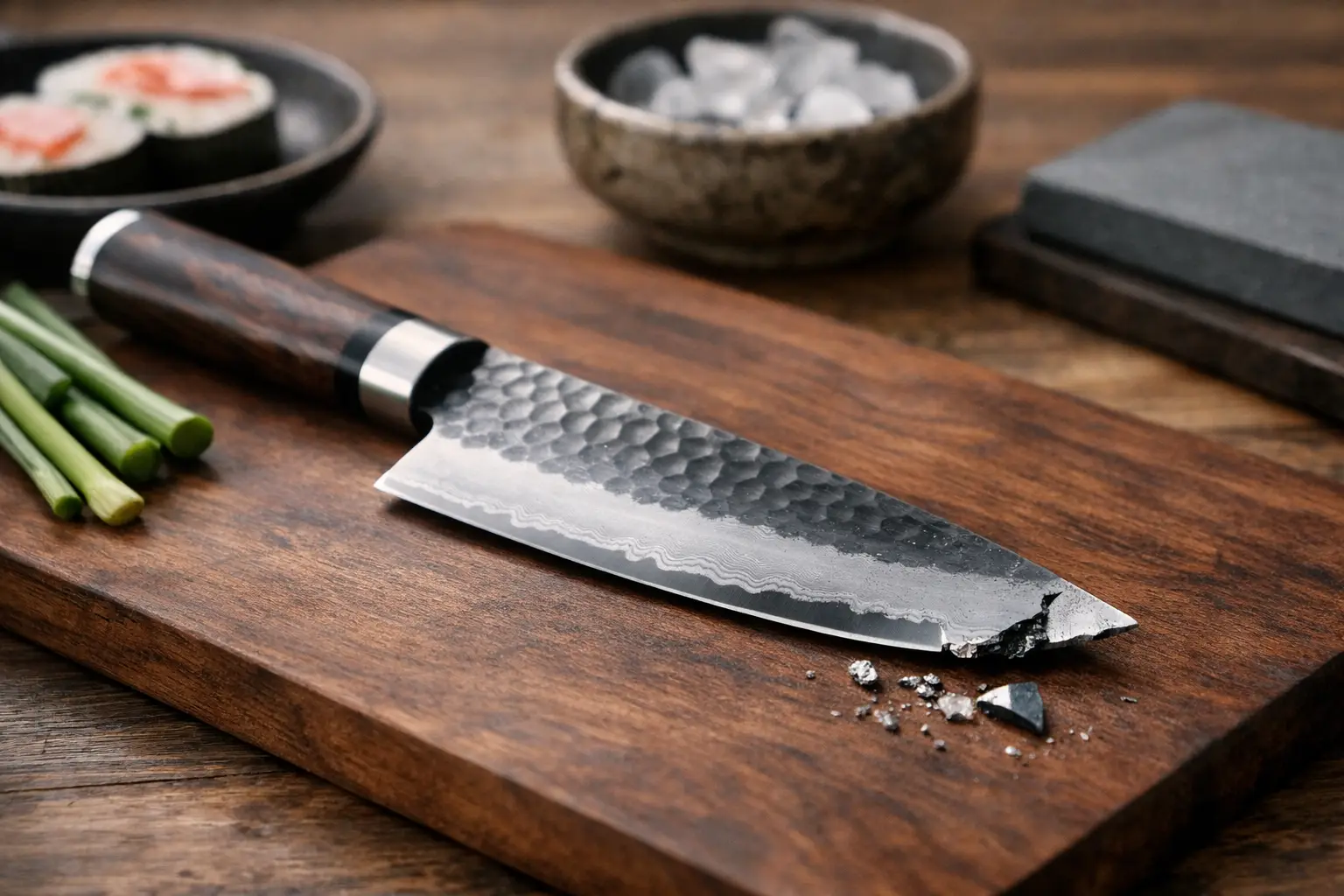
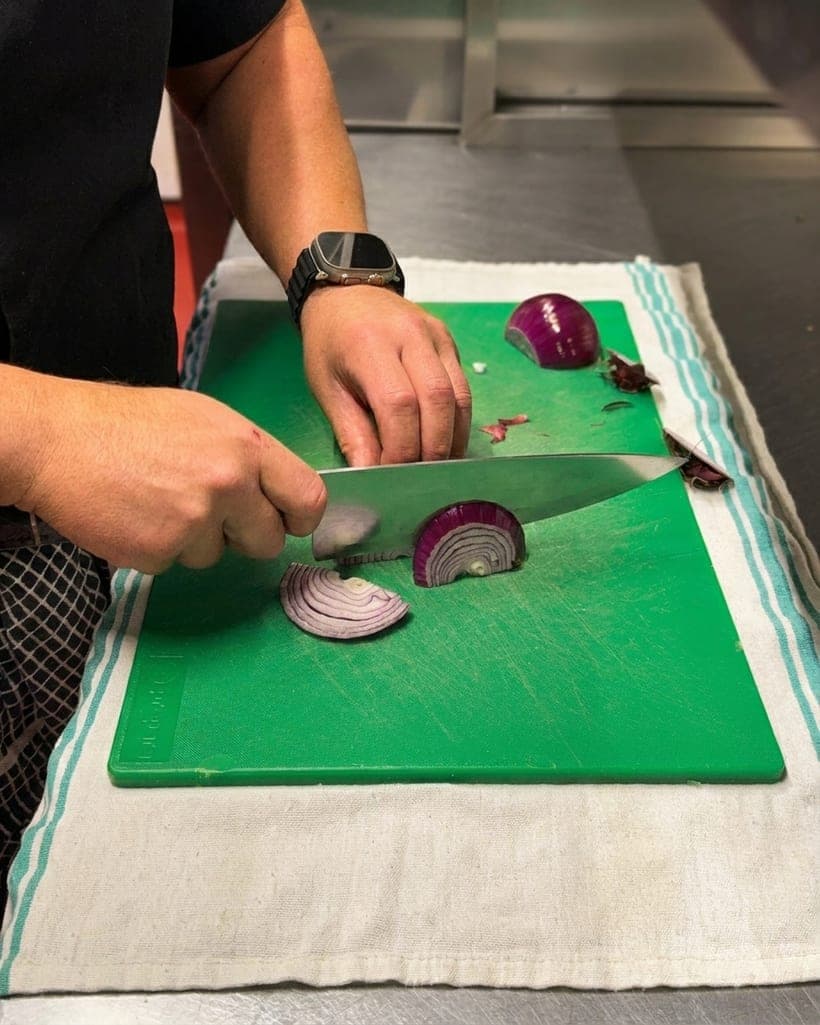
The first time you use a proper Japanese knife, something shifts. An onion falls into neat, glossy slices. Herbs cut cleanly instead of bruising. The knife feels lighter, quicker, more precise. Then the question follows almost immediately: are Japanese knives fragile, or do they just demand a different kind of respect?
The short answer is this: Japanese knives are not fragile in the sense of being delicate showpieces. But many are harder, thinner, and more finely ground than typical Western knives, which means they can be less forgiving if used carelessly. That difference matters. It is also exactly why they cut so well.
Are Japanese knives fragile compared to Western knives?
Compared with many Western-style chef knives, Japanese knives can be more prone to chipping if they are twisted through hard ingredients, dropped in the sink, or used on bones, frozen food, or very hard squash without care. That is the trade-off for sharper edges, cleaner cuts, and excellent edge retention.
Most Western knives are made to tolerate rougher treatment. They often use softer steel and thicker edge geometry, so they may roll or dull sooner, but they are usually less likely to chip under abuse. A Japanese knife, especially a thin Gyuto, Santoku, or Nakiri, is built for precision first.
That does not make it weak. It makes it specialised in a way that actually benefits everyday cooking. If your prep mostly involves vegetables, boneless proteins, herbs, fruit, and general kitchen work, a Japanese knife is often a better tool, not a more fragile one.
Why Japanese knives get called fragile
The word fragile usually comes from a mismatch between the knife and the way it is used.
A lot of home cooks move from a heavier Western knife that has spent years opening packages, scraping boards, separating chicken joints, and rattling around in a drawer. Then they pick up a Japanese blade and expect it to behave the same way. It will not.
The core design differences are what create the reputation. Japanese knives are often made with harder steel. That lets makers grind a thinner edge and hold that edge longer. The result is better cutting performance and less frequent sharpening. The downside is that hard steel has lower tolerance for lateral stress. So if you pry, twist, or hack, you are more likely to chip the edge.
This is why the better question is not simply are Japanese knives fragile. It is what kind of force are they designed to handle?
Harder steel, thinner edges, better performance
If you are buying your first Japanese knife, this is the part worth understanding.
Hardness is usually measured on the Rockwell scale. Many Western kitchen knives sit in a lower range, which makes them tougher but less able to hold a very acute edge for long. Many Japanese knives use harder steel, which supports a finer angle and gives you that crisp, effortless feel on the board.
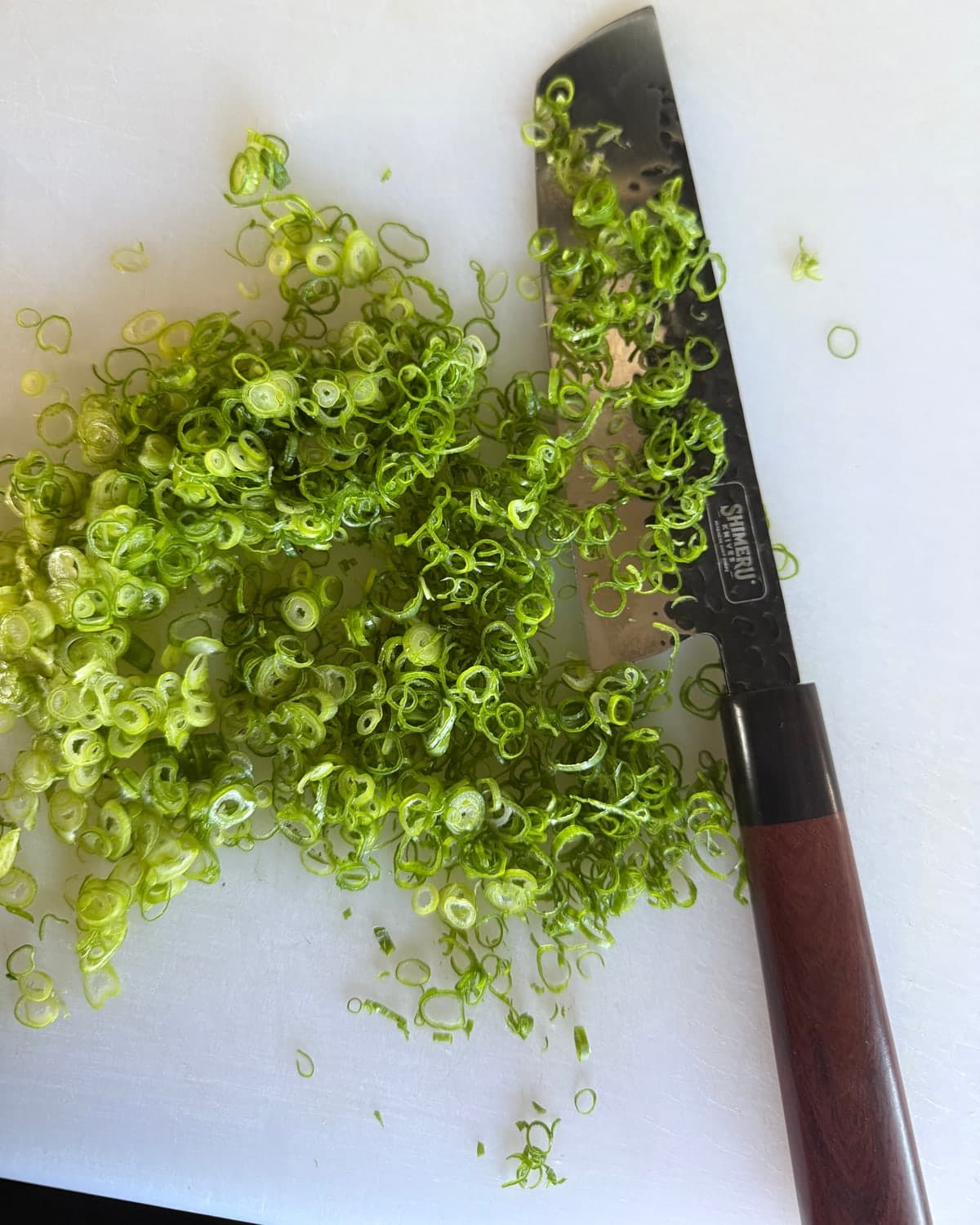
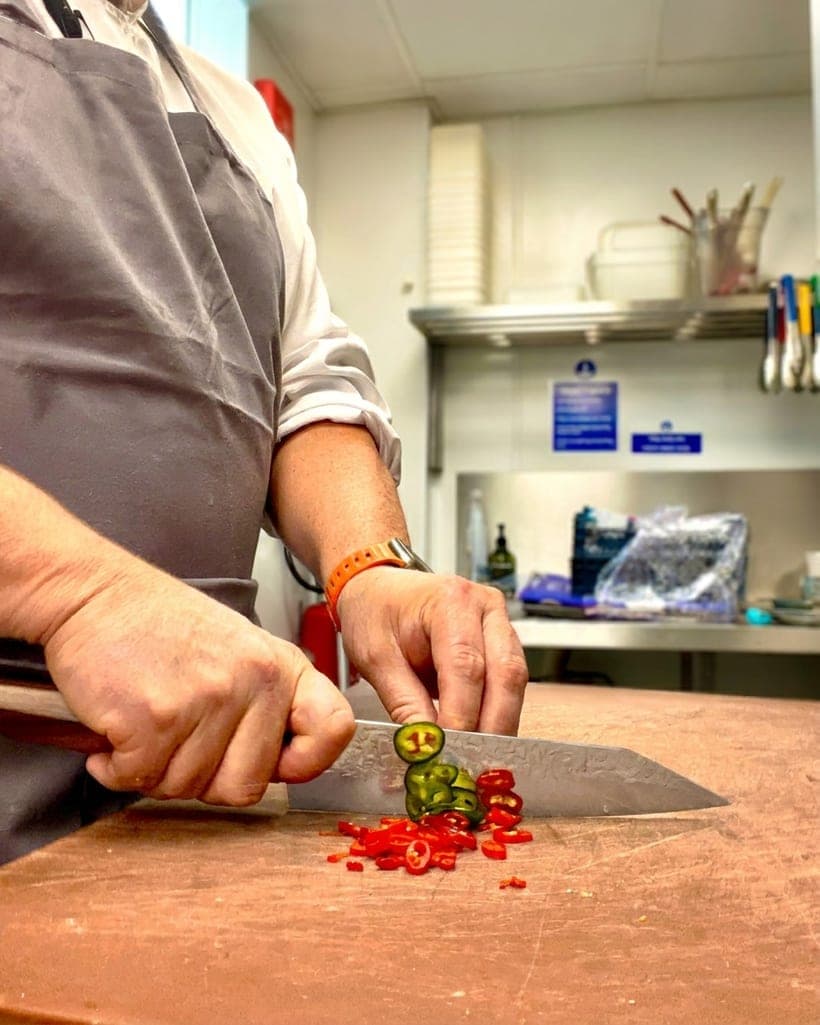
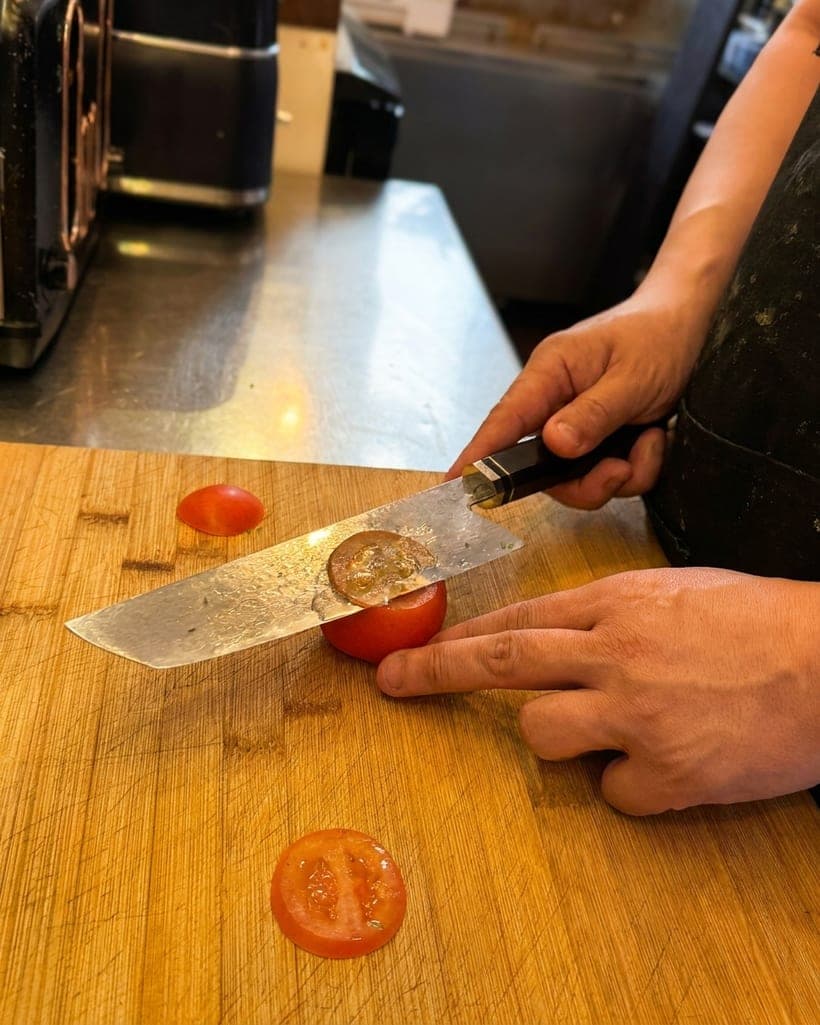
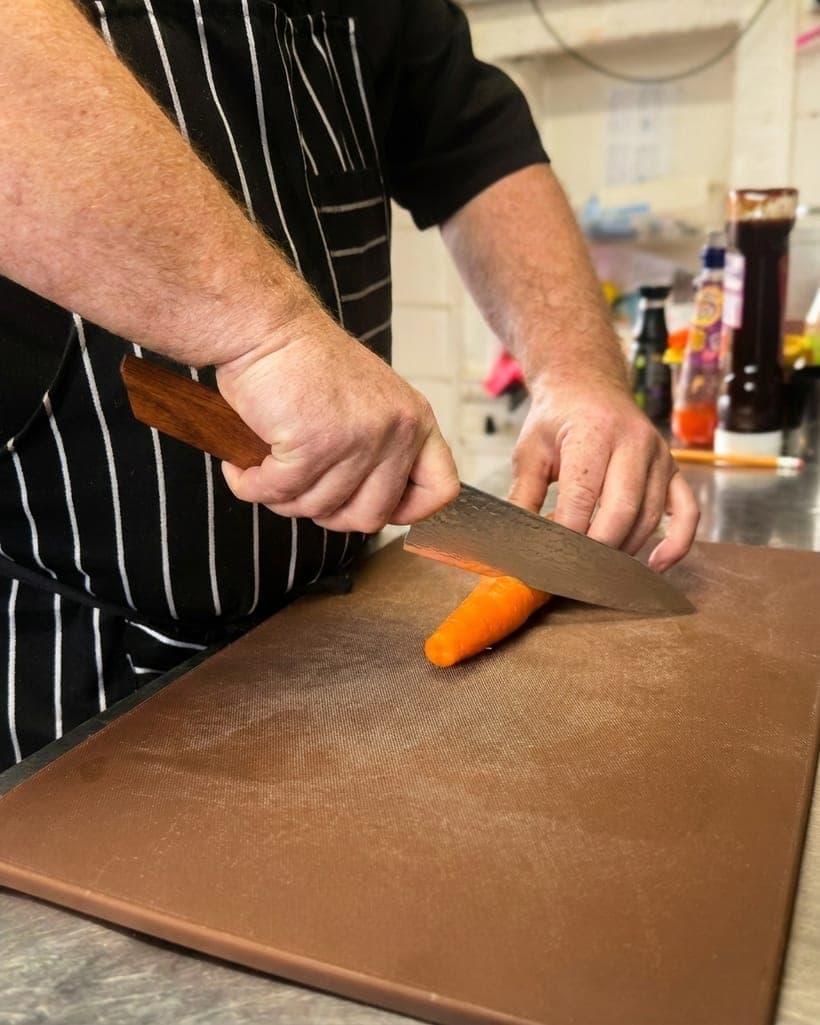
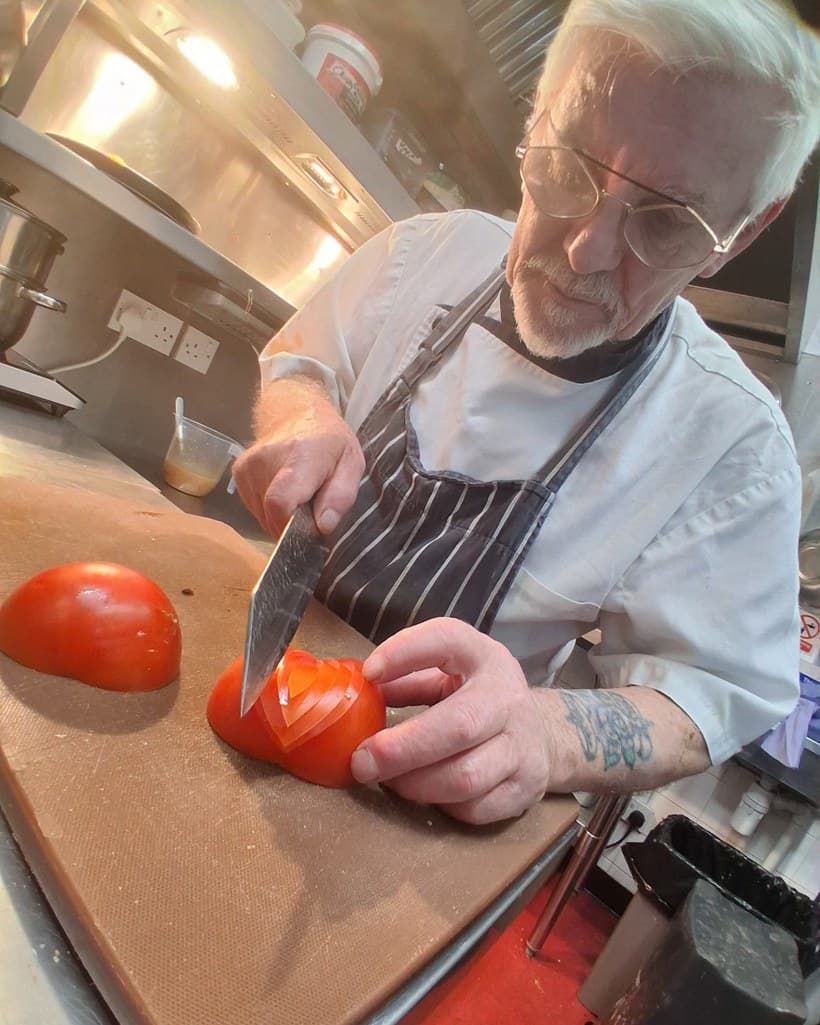
In practical terms, that means a Japanese knife can glide through tomatoes, onions, carrots, and herbs with less resistance. You use less force, make cleaner cuts, and often enjoy prep more. For home cooks, that is the real value.
But harder steel is not the same as indestructible steel. If you slam the edge into a chicken bone or torque it sideways in a squash, the edge may chip instead of bending. That is not poor quality. It is the consequence of a high-performance grind.
What actually damages a Japanese knife
Most damage does not come from normal slicing. It comes from a few very common habits.
The first is using the wrong knife for the task. A Japanese chef knife is not a cleaver. It should not go through bone, frozen food, or very hard pits. The second is twisting during the cut. If the blade is thin and sharp, twisting puts stress exactly where the knife is most precise - right at the edge.
The third is poor surface contact. Glass, marble, granite, and ceramic cutting boards are rough on any good knife, but especially on a fine Japanese edge. A wood or softer composite board is a much better match.
Storage is another quiet culprit. Tossing a knife into a drawer, leaving it loose in the sink, or letting it knock against other utensils can do more harm than months of proper cooking. Dishwashers are equally hard on a fine blade. Heat, moisture, detergent, and impact all work against edge life and finish.
Are all Japanese knives equally delicate?
Not at all. This is where a lot of broad advice goes wrong.
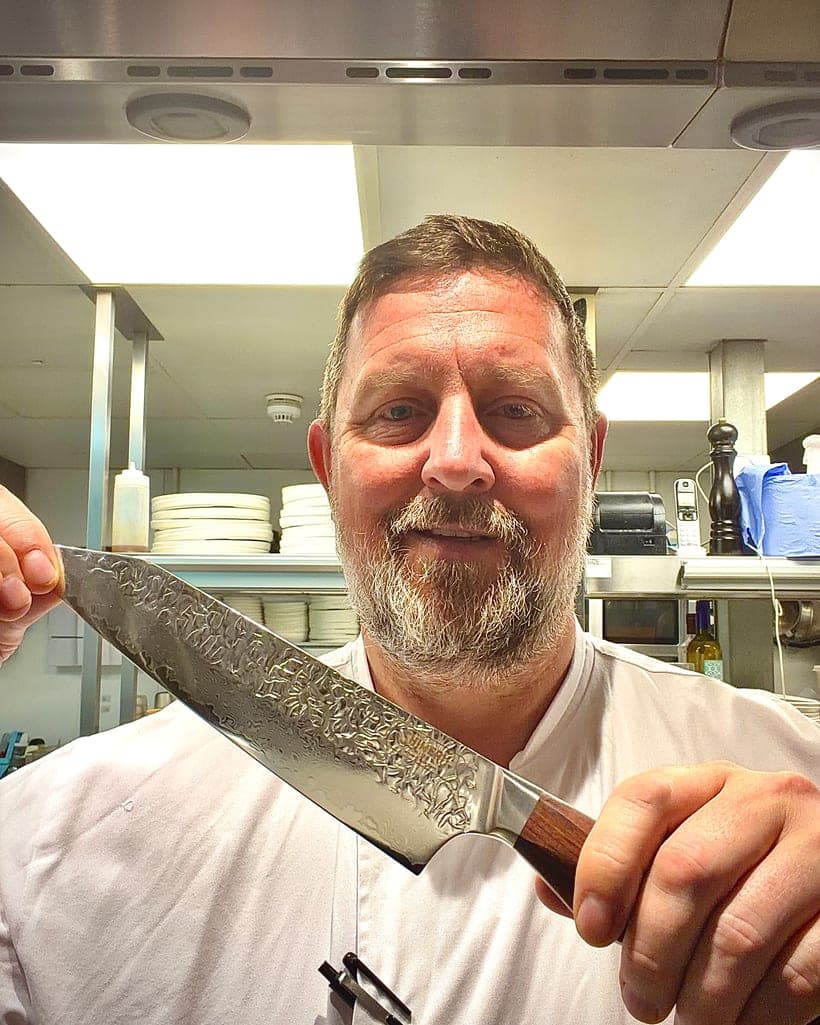
Some Japanese knives are very thin behind the edge and feel almost laser-like. Others are more forgiving and better suited to busy home kitchens. Steel choice also matters. So does blade geometry. A knife with a little more thickness and a slightly sturdier grind can still give you the speed and sharpness Japanese knives are known for without feeling intimidating.
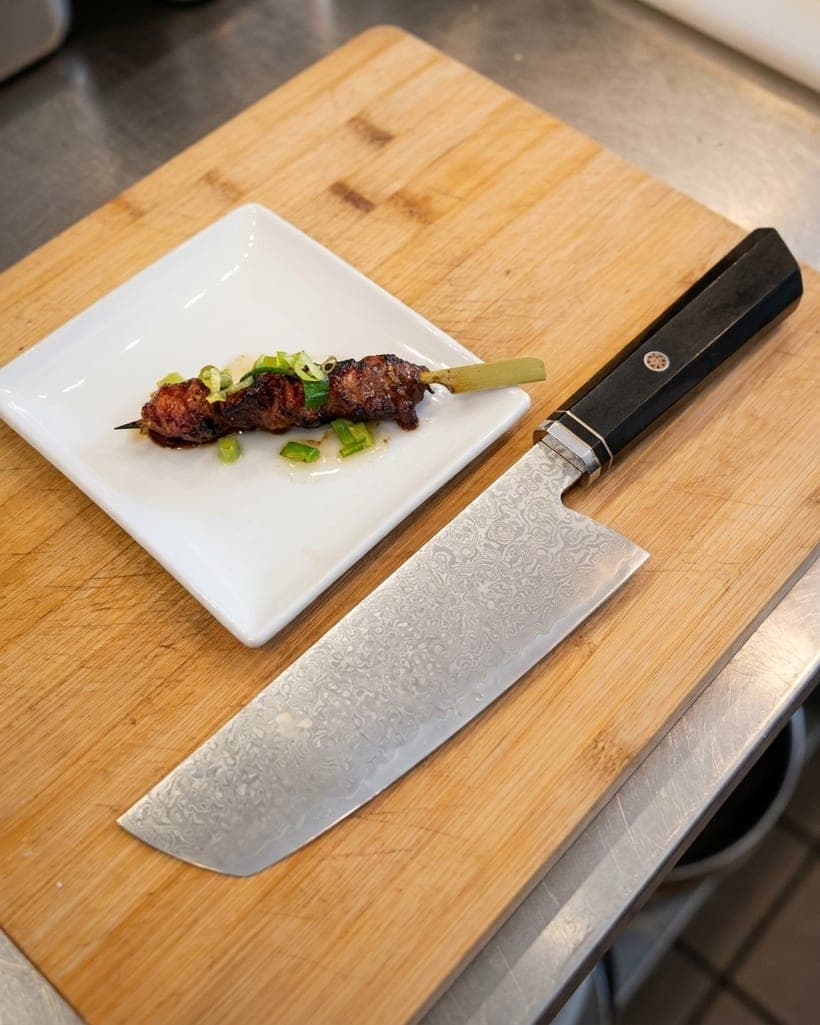
This is why format matters as much as steel. A Nakiri for vegetables, a Santoku for all-purpose prep, or a Gyuto for broader kitchen versatility can each strike a different balance between finesse and durability. If you are a confident home cook rather than a professional line cook, the best choice is usually not the thinnest blade possible. It is the one that gives you performance with enough margin for real life.
How to use a Japanese knife without babying it
The good news is that caring for a Japanese knife is simple. You do not need specialist rituals. You just need a few better habits.
Use it for slicing, push cutting, and controlled rocking when appropriate to the blade shape. Cut boneless meat, vegetables, herbs, fruit, and fish. Let the sharpness do the work instead of forcing the knife through the board.
Wash it by hand, dry it soon after use, and store it so the edge is protected. Use a wooden board. If you need to move chopped food, use the spine of the blade or a bench scraper rather than dragging the edge sideways across the board.
Most importantly, match the knife to the job. If you are splitting lobster shells, chopping through bones, or attacking frozen food, reach for a heavier tool. Good knife ownership is not about caution. It is about choosing correctly.
The upside of this trade-off
There is a reason so many home cooks switch to Japanese knives and never want to go back.
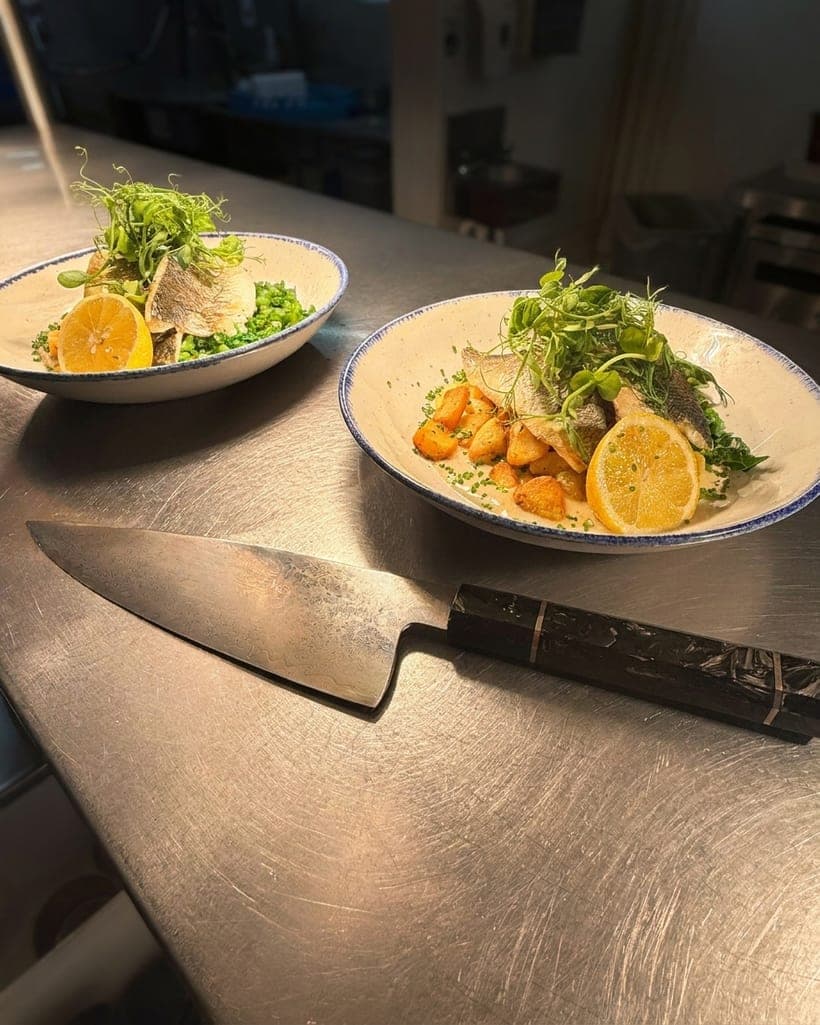
A thinner, harder blade rewards good technique immediately. Prep feels faster. Cuts look cleaner. Herbs stay fresher. Onion layers separate neatly instead of cracking apart. Fish and proteins portion with less tearing. Even simple weeknight cooking becomes more satisfying when the knife in your hand is balanced, sharp, and responsive.
That is the part the word fragile misses. These knives are not designed to survive neglect. They are designed to perform beautifully.
For most people, that is a worthwhile exchange. You are not buying a tool to abuse. You are buying one to enjoy, use often, and maintain with a little attention.
Who should buy one, and who might not love it
If you cook regularly, care about better results, and want a knife that feels like a genuine upgrade from a standard block set, a Japanese knife makes a lot of sense. It is especially appealing if you do a lot of vegetable prep, cook from scratch, or simply want a sharper, lighter, more precise everyday knife.
If you prefer one knife for every job including bones, frozen foods, and rough utility work, you may be happier with a tougher Western-style option or with a two-knife setup. One fine-edge Japanese knife for prep, and one heavier knife for harder tasks, is often the sweet spot.
That is where many home cooks land. Performance where it counts, practicality where it matters.
So, are Japanese knives fragile?
They are not fragile in the way people usually mean it. They are purpose-built. A Japanese knife gives you sharpness, balance, edge retention, and a more refined cutting experience, but it asks for proper use in return.
Treat it like a precision kitchen tool rather than a general-purpose beater, and it will feel less like something delicate and more like something brilliantly capable. That is the real shift. Once you experience that kind of cutting performance at home, a little care stops feeling like effort and starts feeling completely worth it.