


Home Cook Knife Upgrade That Really Pays Off
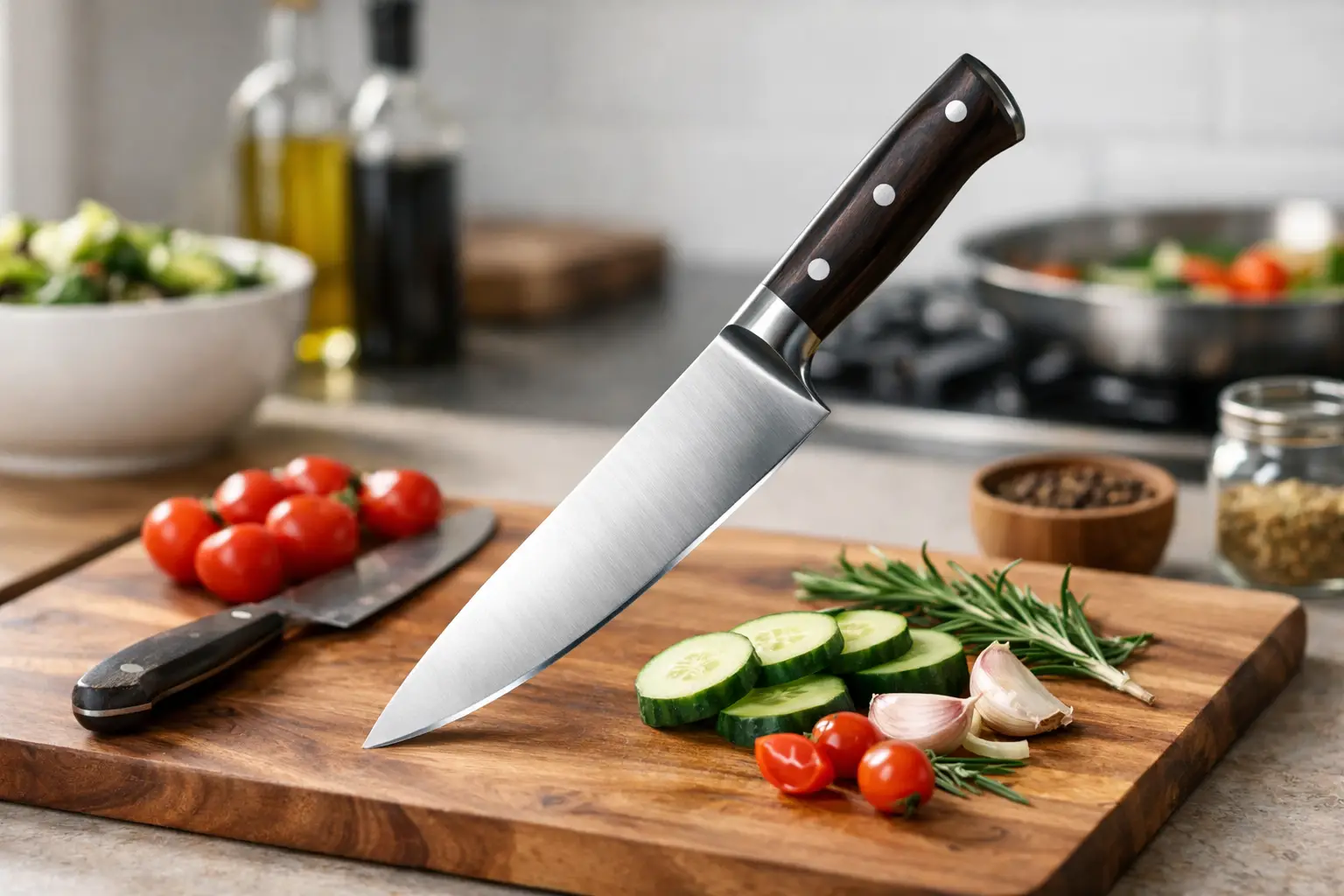
Most home cooks do not realise how much energy they spend compensating for a mediocre knife until they use a better one. A proper home cook knife upgrade is not about chasing chef-school credentials or buying something precious for special occasions. It is about making Tuesday night prep faster, cleaner, and a lot more satisfying.
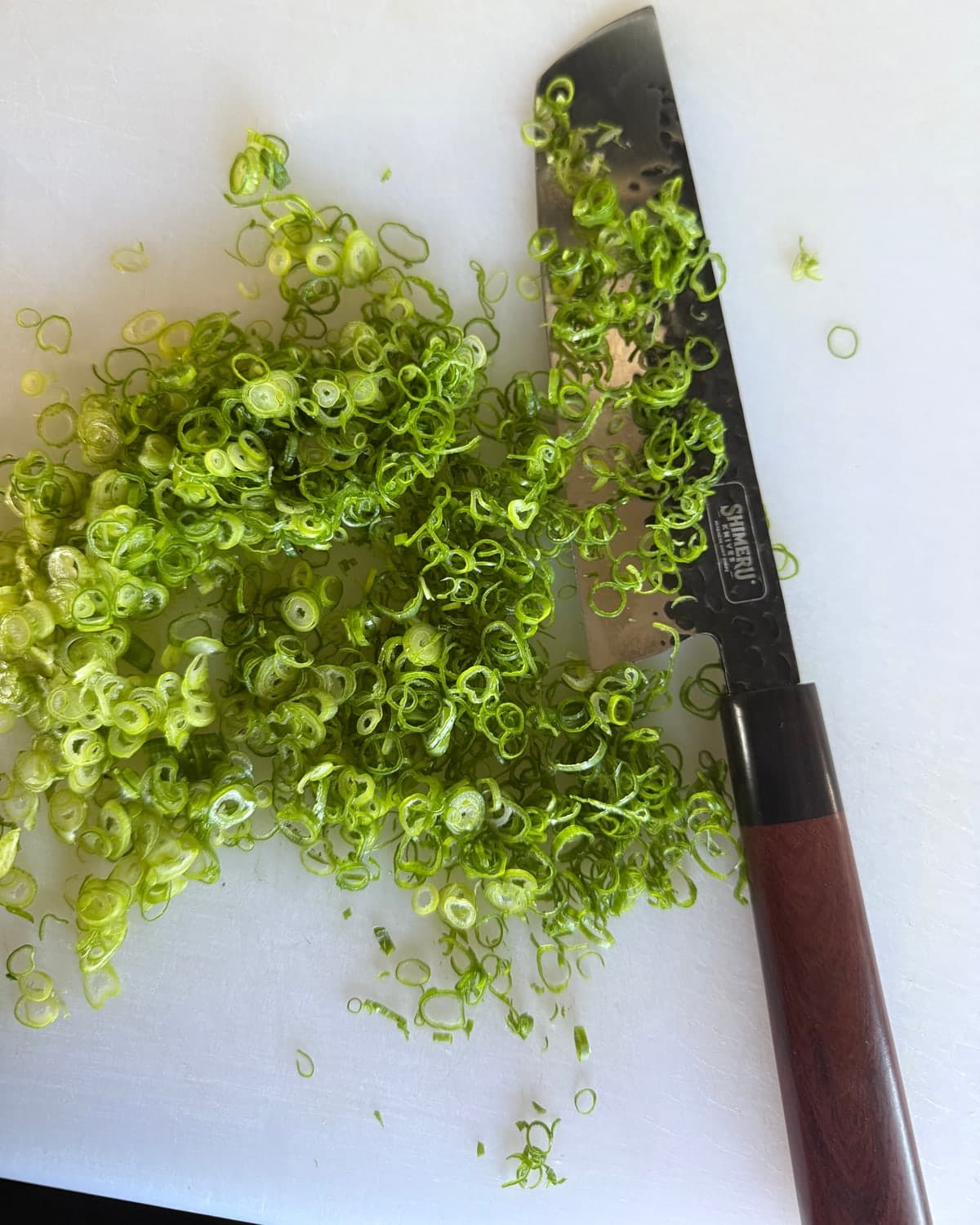
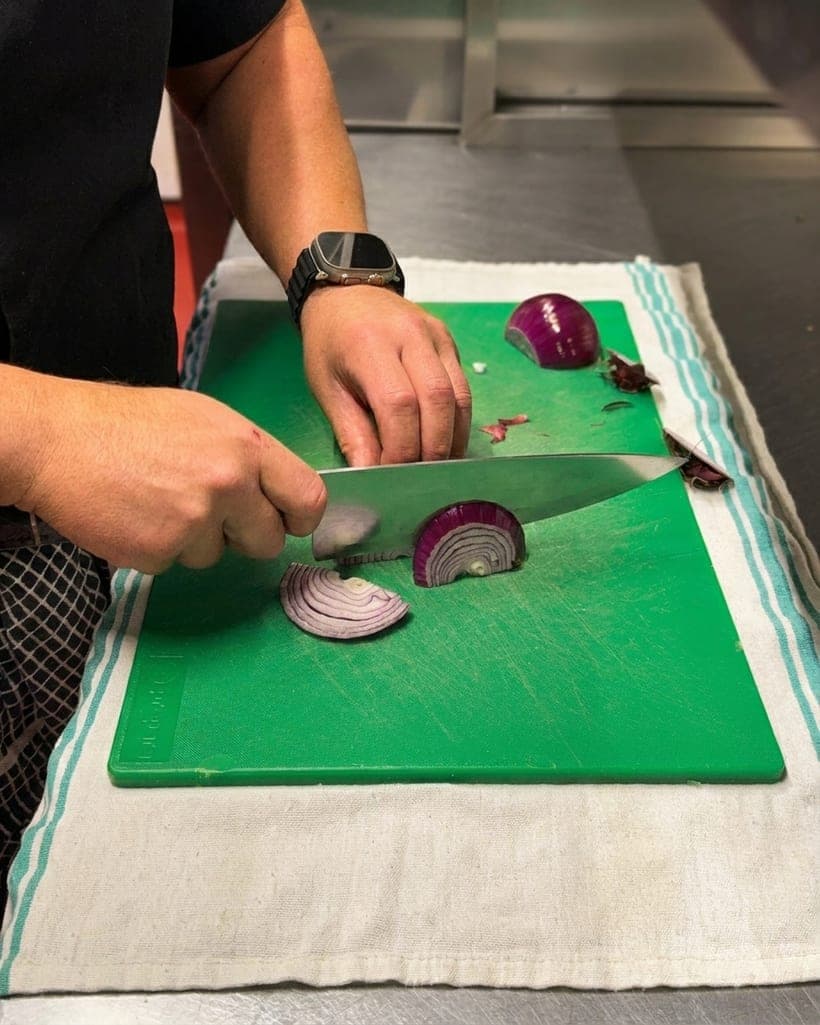
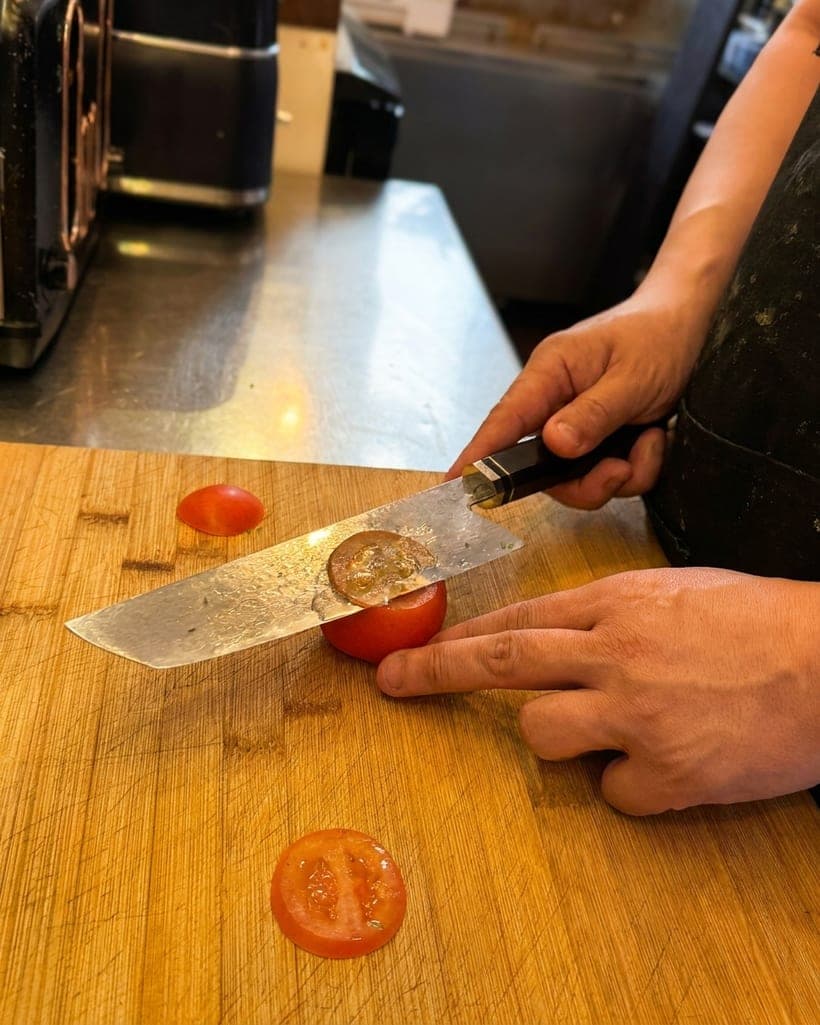
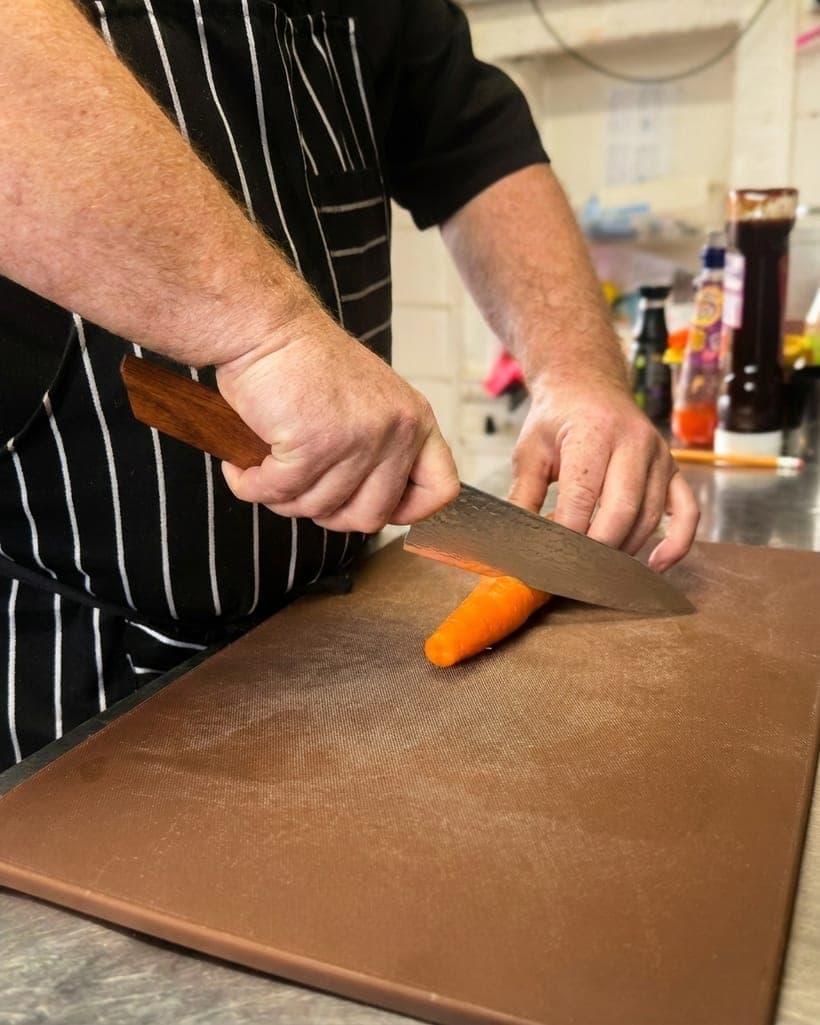
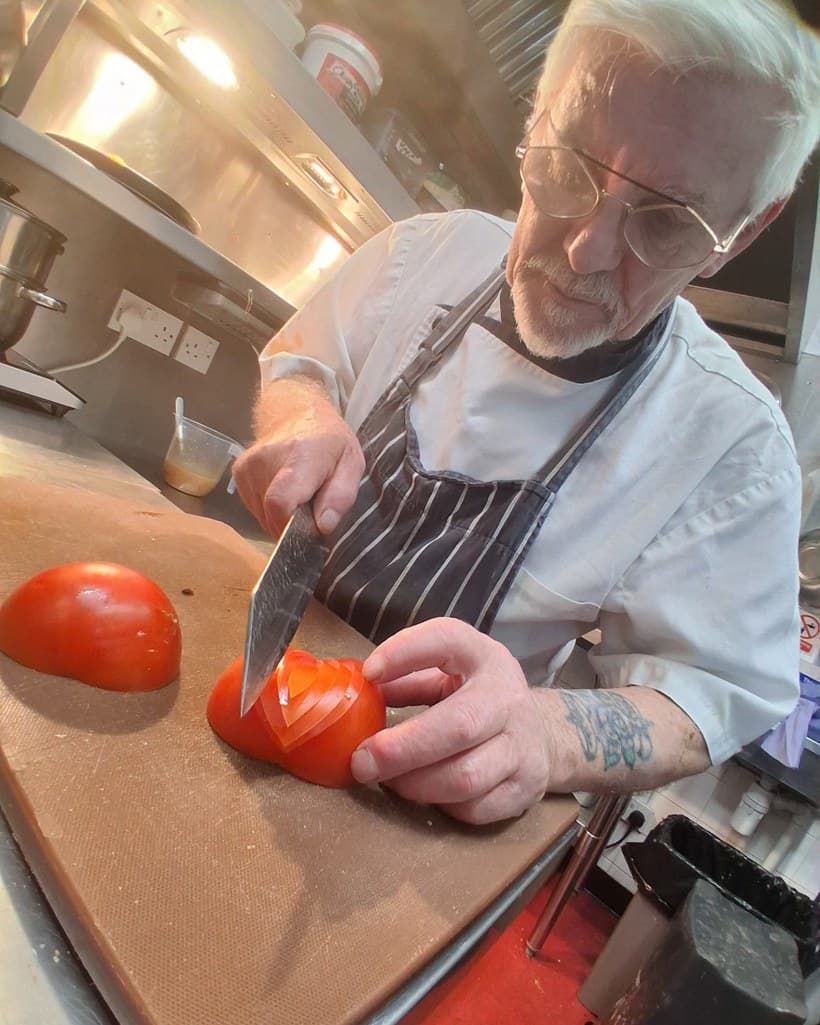
That difference shows up immediately. Onions slice without crushing. Herbs stay bright instead of bruised. Sweet potatoes stop feeling like a negotiation. Even your grip changes, because a knife with better balance and a sharper edge asks less from your hand. Good knives do not make cooking perfect, but they do remove a surprising amount of friction.
What a home cook knife upgrade actually changes
Most starter knives are built to survive neglect, not to perform beautifully. They tend to be thick behind the edge, heavier than they need to be, and designed for broad durability rather than precise cutting. That makes them serviceable, but not especially enjoyable.
A well-made Japanese-style knife usually feels different in three ways. First, it is sharper, often with a thinner grind that moves through food with less resistance. Second, it is lighter and better balanced, which matters more than many people expect during a full prep session. Third, it tends to hold its edge longer, so the knife keeps feeling good between sharpening sessions.
This does not mean every home cook needs the hardest steel or the most specialised shape. It means the right upgrade should make everyday tasks feel easier. If you cook four or five nights a week, that adds up quickly.
Why Japanese-style knives appeal to home cooks
There is a reason so many serious home cooks eventually move toward Japanese-style blades. The appeal is not just aesthetics, though the craftsmanship certainly helps. It is performance.
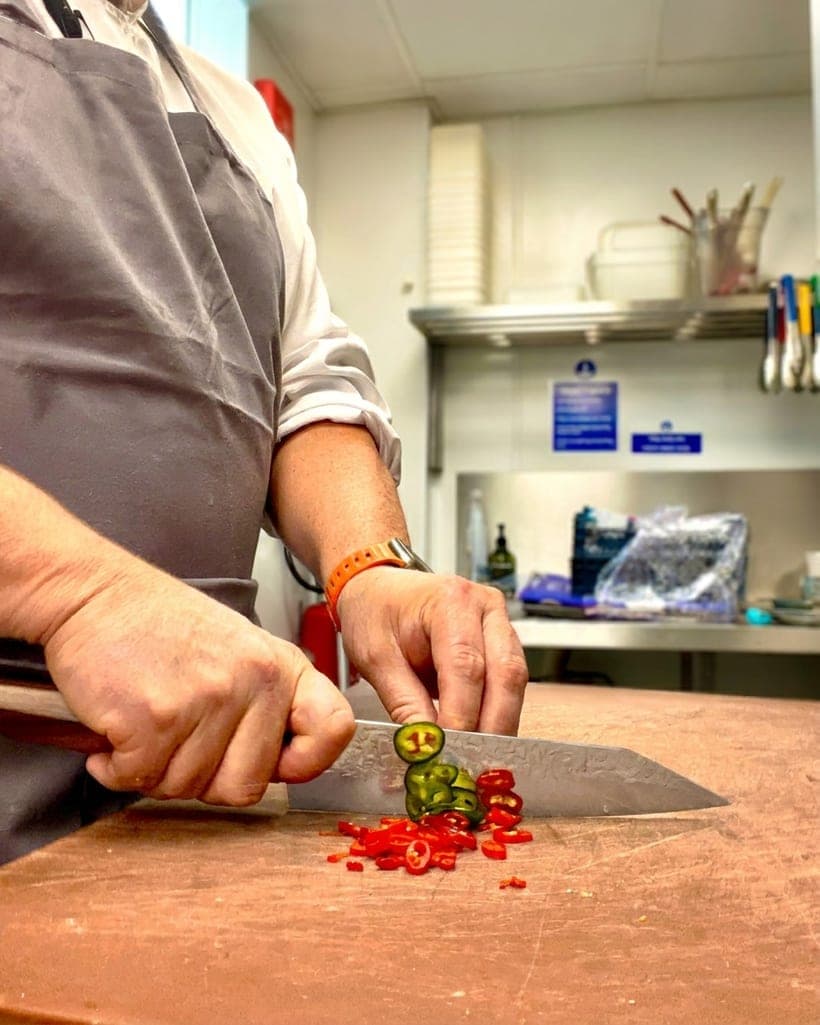
Japanese knives are often made with steels that can support a finer edge. In practical terms, that means cleaner cuts and less drag. For vegetables, that can be the difference between slicing and splitting. For proteins, it means more control and neater portions. For herbs, it means less bruising and better texture.
There are trade-offs, and they are worth saying plainly. A finer edge can require a little more care. If you are used to twisting through hard squash, scraping the board with the edge, or tossing your knife in the sink, a premium knife will ask you to change those habits. For most home cooks, that is a fair exchange. You get far better performance, and in return you treat the knife like a tool rather than a utensil.
The best first upgrade is usually not a full set
A lot of people start by shopping for a block set because it feels complete. In reality, the smartest home cook knife upgrade is often a single primary knife that handles 80 to 90 percent of your prep.
That usually means a Gyuto or a Santoku. Both are versatile, both are easy to live with, and both offer a clear step up from a generic chef knife.
Gyuto: the most versatile upgrade
If you want one knife to do almost everything, start with a Gyuto. It is the Japanese answer to the Western chef knife, but typically thinner, lighter, and more precise. It handles vegetables, herbs, proteins, and general prep with ease.
For home cooks who already like the familiar profile of a chef knife, a Gyuto tends to be the smoothest transition. You still get enough blade length for larger ingredients, but with a more agile feel on the board.
Santoku: easy, compact, and everyday-friendly
A Santoku is often ideal for smaller kitchens, shorter prep sessions, or cooks who prefer a more compact blade. It excels at slicing, dicing, and chopping, especially with vegetables and boneless proteins.
If your current knife feels bulky or awkward, a Santoku can be a revelation. It is approachable, efficient, and particularly well suited to the kind of weeknight cooking many people actually do.
Nakiri: for vegetable-heavy kitchens
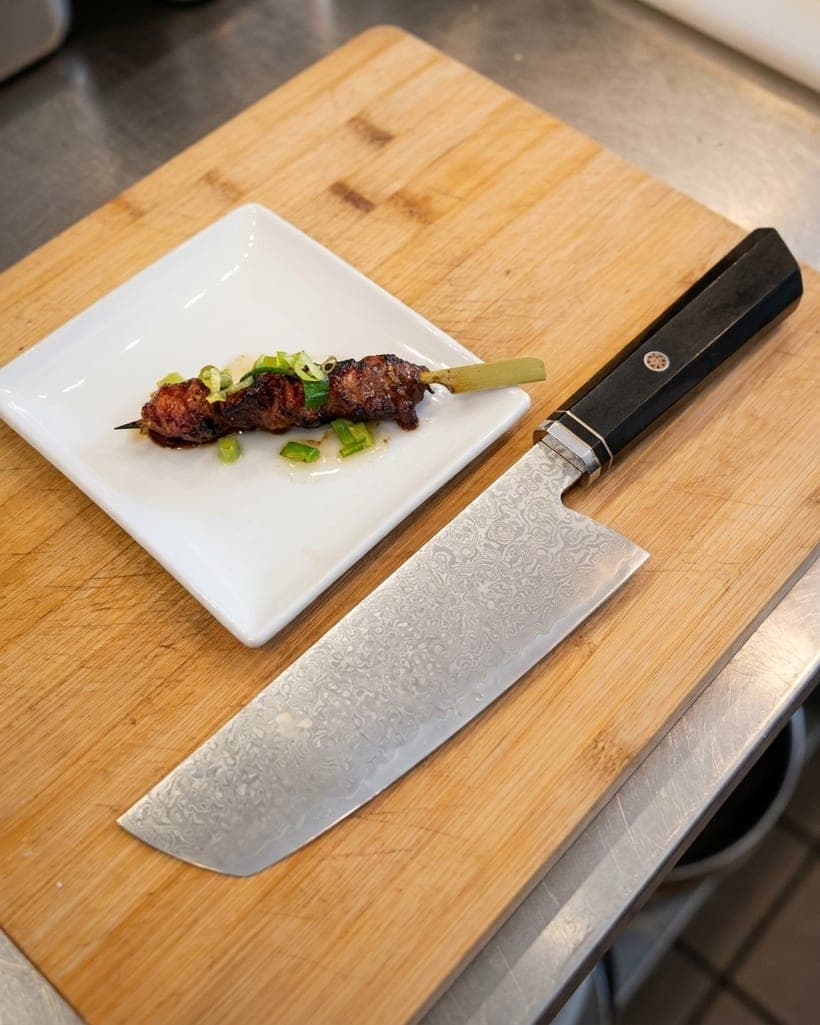
If you cook mostly plant-based meals or spend a lot of time on produce prep, a Nakiri deserves attention. Its straight edge makes full contact with the cutting board, which gives it a very clean, efficient chopping action.
It is less of an all-rounder than a Gyuto or Santoku, so it is not always the best first and only upgrade. But for the right cook, it can be the knife that gets used constantly.
How to know you are ready for an upgrade
The clearest sign is not that your old knife is unusable. It is that cooking feels harder than it should. If you avoid certain ingredients because they are annoying to prep, if your knife slips on tomato skin, or if your hand gets tired halfway through dinner prep, your tool may be the issue.
Another sign is that you have outgrown the bargain set you bought for your first apartment. That set may have done its job well enough. But if cooking has become a genuine part of your routine, upgrading your main knife is a practical investment, not a vanity purchase.
Gift buyers should think about this differently. The best knife gift is rarely the flashiest blade. It is the one that feels intuitive, useful, and premium from the first use. That is why versatile formats tend to win.
What matters more than hype
When people first research Japanese knives, they often get pulled into steel charts, hardness ratings, and dramatic product language. Some of that information matters. Much of it matters less than fit and usability.
For most home cooks, the essentials are straightforward. You want a knife that feels balanced in the hand, takes a very sharp edge, keeps that edge well, and suits the ingredients you prepare most often. Steel type plays a role, but not in isolation. Blade geometry, handle comfort, and overall weight affect daily use just as much.
This is where approachable guidance matters. You should not need collector-level knowledge to choose a better knife. The goal is confidence, not homework.
The hidden value of a lighter, sharper blade
A premium knife often feels faster, but the deeper benefit is comfort. A lighter knife with better balance reduces fatigue. A sharper blade needs less pressure. That combination gives you more control, which is where both safety and enjoyment improve.
This is especially true for home cooks who prep in bursts rather than all at once. If you cook after work, while helping with homework, or in the middle of a busy evening, the last thing you want is a tool that slows you down. Precision is not only for professionals. It makes ordinary cooking easier.
A home cook knife upgrade should match your habits
It depends how you cook. If you break down large cuts of meat and cook for a family most nights, you may want the reach and versatility of a Gyuto. If you mostly cook vegetables, grains, and quick proteins in a smaller kitchen, a Santoku may suit you better. If produce prep is your main event, a Nakiri starts to make strong sense.
It also depends on your tolerance for maintenance. Some knives ask for more attentive care than others. If you want the clean cutting feel of Japanese steel but prefer a little more practicality, choose an option designed to balance performance with everyday durability.
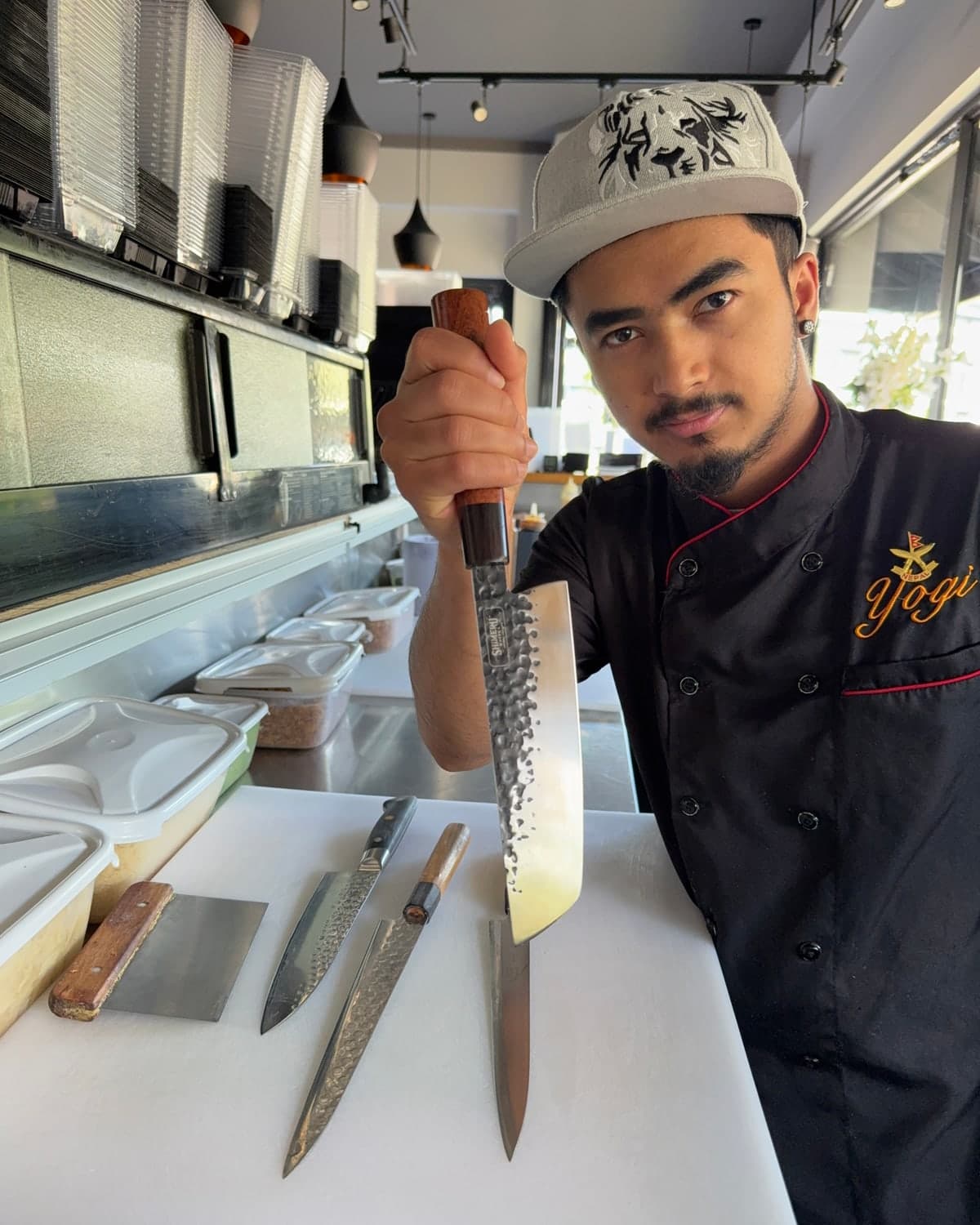
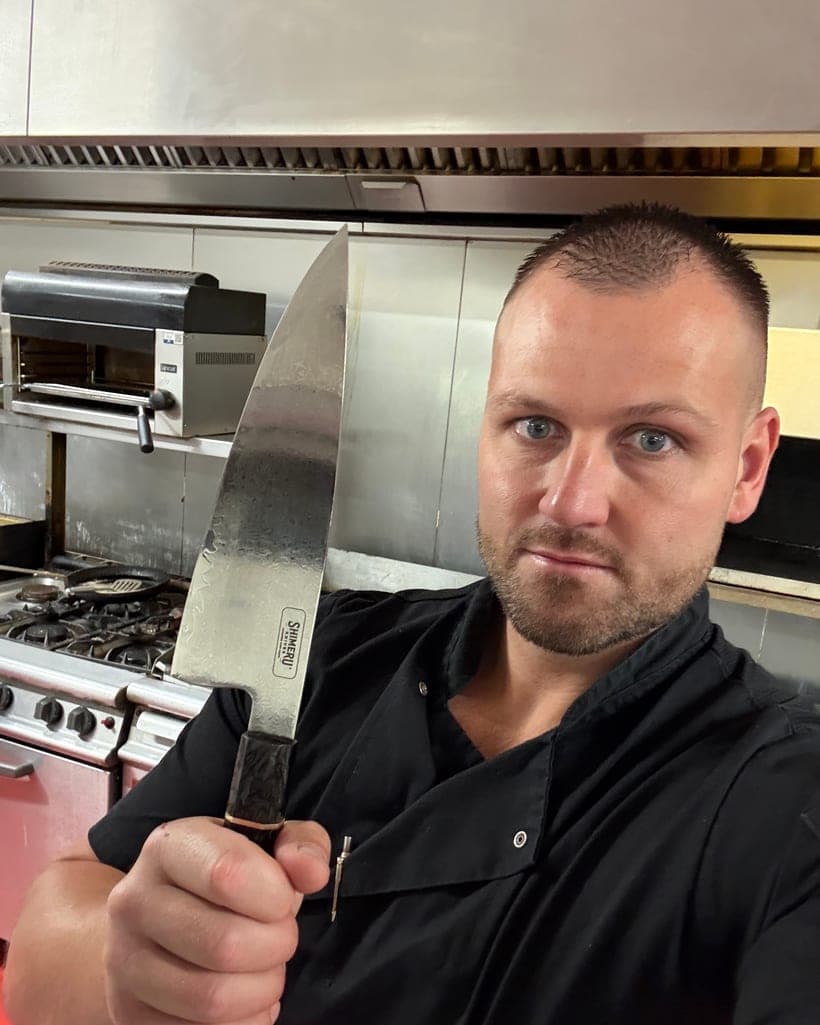
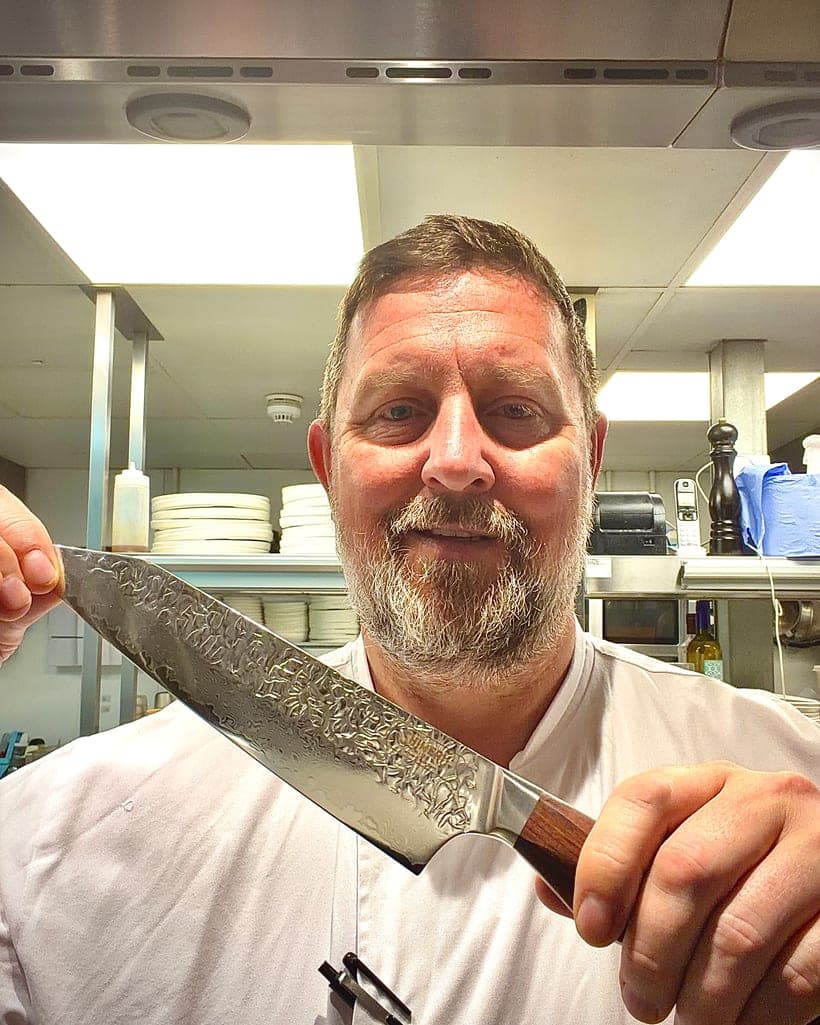
That balance is exactly why brands like Shimeru resonate with home cooks. The appeal is not exclusivity. It is getting the sharpness, craftsmanship, and control people want, without making the buying process feel like an exam.
Do not wait for your skills to catch up
A better knife is not a reward you earn after reaching some imaginary level as a cook. In many cases, it is the tool that helps you improve. Cleaner cuts lead to more even cooking. Better control builds confidence. Less frustration makes you want to cook more often.
There is also a simple truth here. If you care enough to notice your tools, you are ready. You do not need a drawer full of specialised knives. You need one excellent knife that makes everyday prep feel more precise, more comfortable, and more enjoyable.
Start there. Choose the shape that suits your kitchen, treat it well, and let the difference show up where it matters most - on the cutting board, night after night.