



A Beginner’s Guide to Choosing Your First Japanese Kitchen Knife
In the world of culinary tools, few items inspire devotion like the Japanese kitchen knife. Revered by professional chefs and passionate home cooks alike, these blades have a near-mythical reputation for their razor-sharp edges, meticulous craftsmanship, and aesthetic beauty. For the uninitiated, encountering a gleaming display of Japanese knives—santoku, gyuto, nakiri, petty, usuba—can feel much like stepping into a temple: awe-inspiring, a bit intimidating, and full of traditions steeped in centuries-old artistry. If you are considering your first Japanese knife, the journey promises more than just a sharper blade. It is an entryway into a world where form, function, heritage, and personal expression converge.
Why do Japanese knives warrant such enthusiasm, and how should a beginner navigate the intricate world of steel types, blade shapes, and price points? The answer lies in balancing aspiration with practicality, a task made more complex by the proliferation of online advice, influencer-fueled hype, and boutique brands promising authentic samurai steel. At its heart, choosing your first Japanese knife is less about chasing the most expensive or rarest blade and more about finding a tool that fits your cooking habits, your hand, and yes, your wallet.
The Allure and Innovation of Japanese Knives
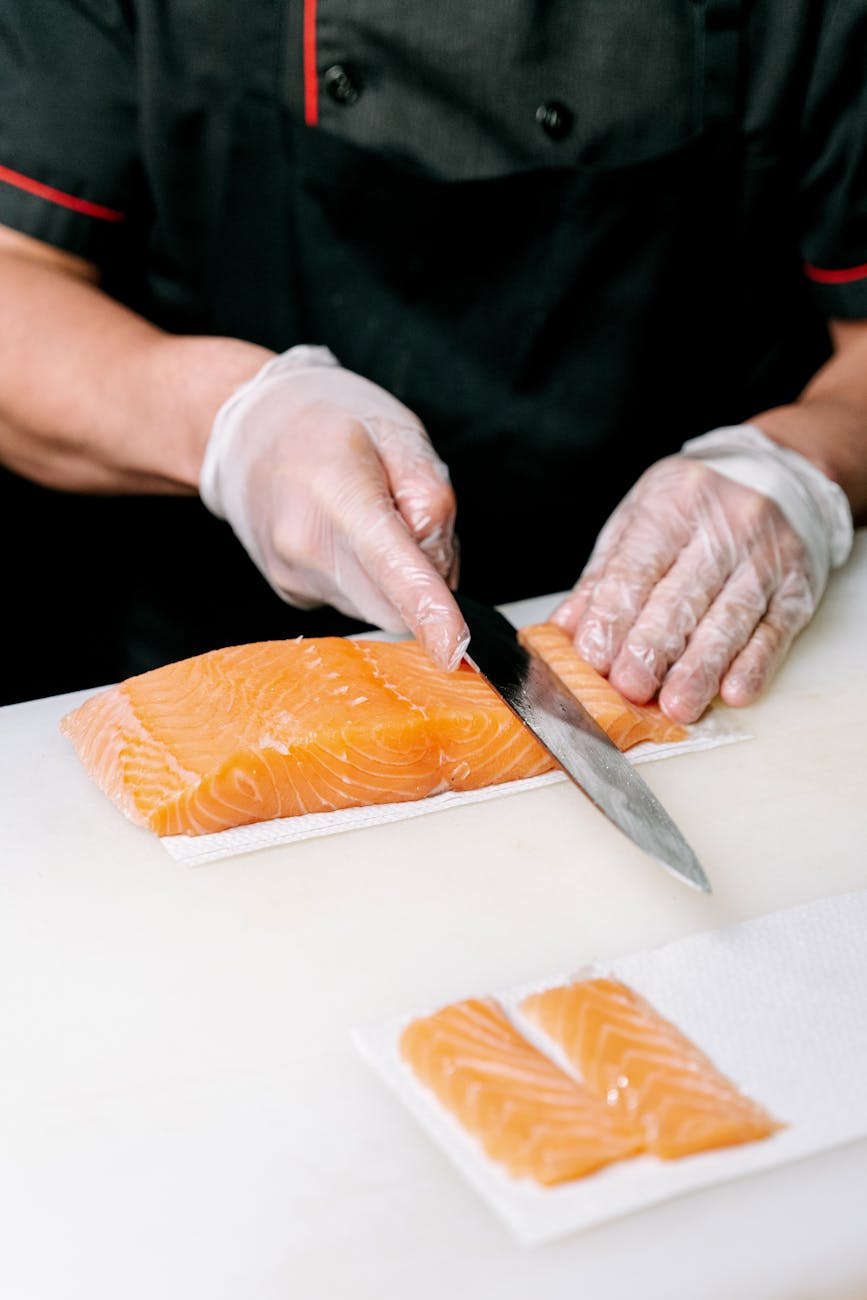
Japanese blades carry a distinct philosophy shaped by regional food traditions and technical ingenuity. Where Western knives are often stout, utilitarian, and designed for all-purpose durability, Japanese knives tend to specialize. Their keen edges and lightweight balances suit the Japanese approach to cuisine, which favors precision and finesse—think wafer-thin sashimi or perfectly uniform vegetable julienne. Bladesmiths from regions like Seki and Sakai draw on traditions dating back to sword-making eras, their skills passed down and refined through generations.
Yet, the Japanese knife renaissance is not merely an exercise in nostalgia. Over the past two decades, a fusion of old-world hand-forging and modern materials science has produced knives that are more consistent, rust-resistant, and accessible. The rise of global e-commerce has put these masterpieces in the hands of everyone from New York sous chefs to Berlin hobbyists. Even so, the same trends have fostered confusion: endless choices, misleading jargon, and widely varying levels of craftsmanship.
Cutting Through the Confusion: Types and Terminology
For many first-timers, the barrage of unfamiliar knife shapes is the first hurdle. Should you begin with a santoku, the widely marketed all-purpose blade, or does a Western-style gyuto offer more versatility? What about the fabled yanagiba, beloved by sushi chefs, or the squat, straight-edged nakiri?
Most experts agree that for the Western home cook, the gyuto—a Japanese take on the classic chef’s knife—is the most practical starting point. Its curved belly lends itself to both rock-chopping and slicing, and lengths typically range from 180 to 240 millimeters, mirroring familiar Western proportions. The santoku, shorter and with a flatter profile, is touted as a multi-tasker for vegetables, fish, and meat. However, its more limited length and chopping focus may feel restrictive if you are accustomed to long, swooping motions.
Beyond shape, the heart of a Japanese knife is its steel. At one pole is traditional high-carbon, which brings unrivaled sharpness and edge retention but comes with maintenance demands—it rusts if left wet or neglected. On the other side sits stainless steel, favored for being forgiving and easy to maintain, although some aficionados lament a slight trade-off in sheer sharpness and the romance of patina. Then there are hybrid steels like VG-10 or AUS-10, engineered to offer the best of both worlds.
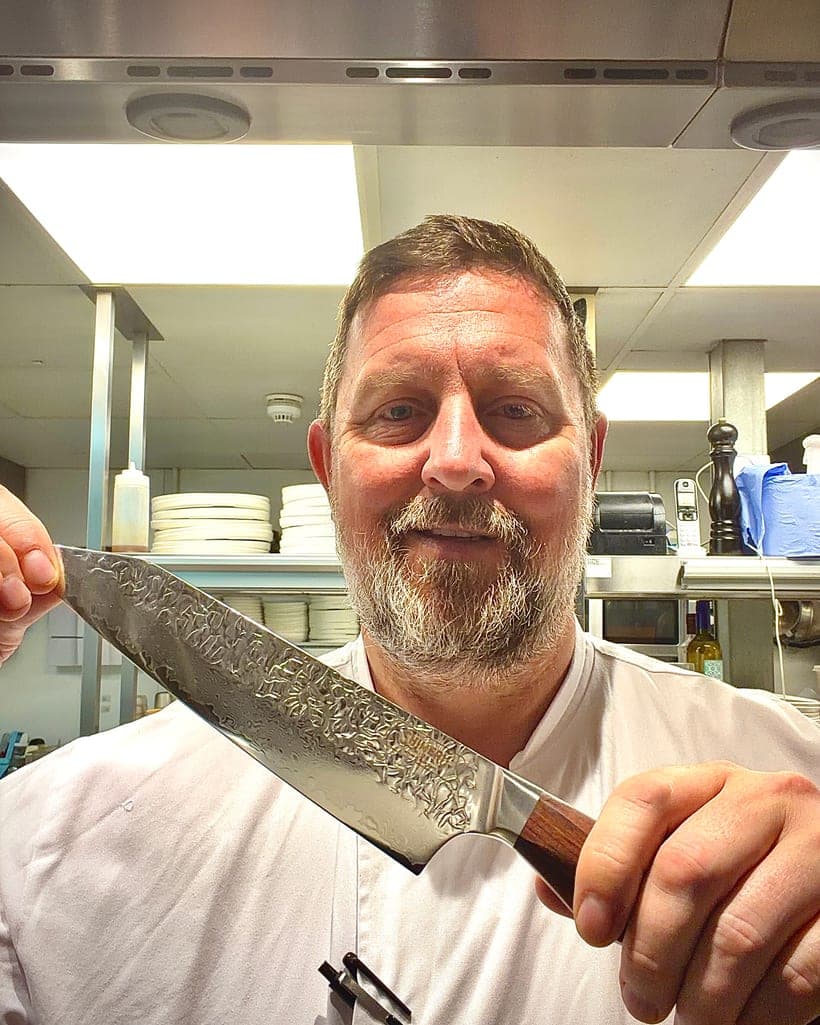
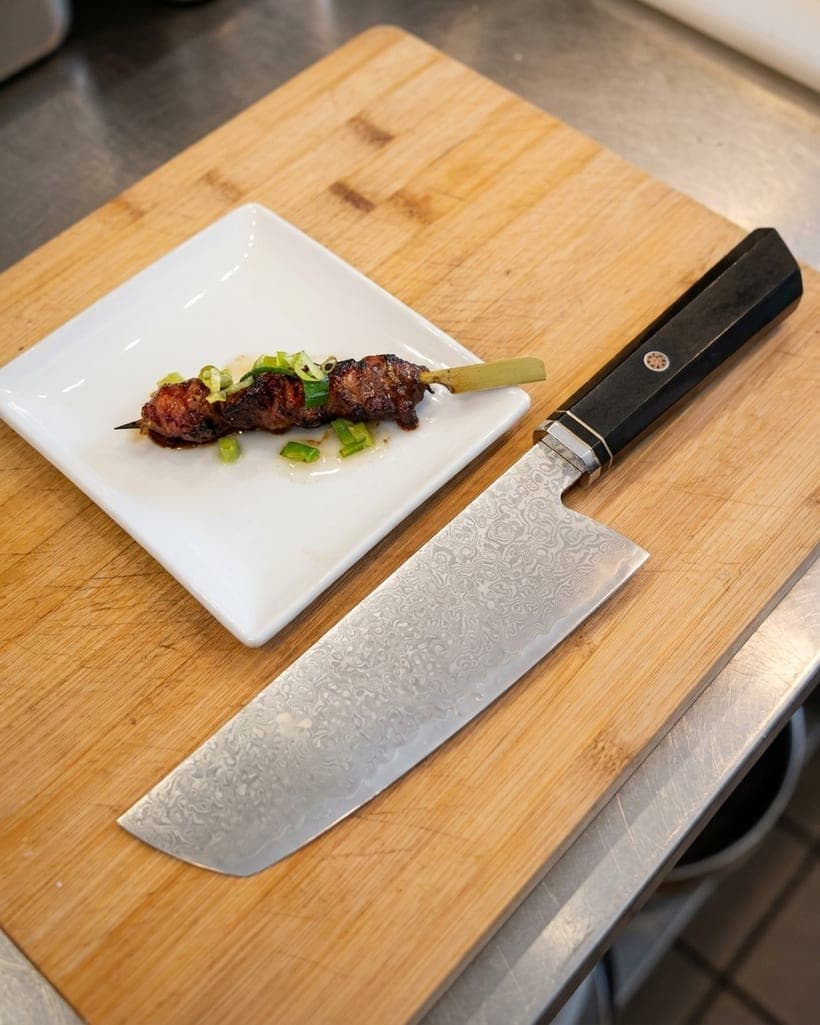
The finish line for most newcomers is the “san-mai” or “warikomi” construction: a hard core steel sandwiched between layers of softer, more forgiving steel. It provides a tantalizing mix of resilience, ease of sharpening, and the visual flair of Damascus-like patterns. Yet one should beware marketing buzzwords. Real value lies in consistent heat treatment and skilled hands, not decorative flourishes.
Challenges: Expectations Versus Everyday Reality
Among the pitfalls awaiting new buyers is the allure of perfection. Japanese knives can be fragile, especially those honed to impossibly acute angles. They will not forgive rough hacking through bones or careless drawer storage. Delicate tips are prone to chipping if misused. A rookie’s desire for the sharpest, thinnest blade may backfire if basic knife skills or kitchen habits do not match.
Another challenge is the wide price spectrum. Entry-level mass-produced knives can start as low as fifty dollars, while artisan-forged blades command hundreds or even thousands. At lower price points, there are excellent choices, but also disappointing shortcuts—blunt factory edges, low-quality materials, or inauthentic branding. At the top tier, one pays not only for performance but artistry, prestige, and the labor of small, multi-generational workshops.
Where, then, does the value sweet spot lie? For most beginners, it is in well-made, mid-range knives from respected makers who combine traditional techniques with quality control. Brands like Tojiro, MAC, Fujiwara, and Masamoto sit comfortably between supermarket and museum-piece, providing serious performance without demanding monk-like maintenance rituals or wallet-emptying sacrifices.
Opportunities: Growth, Community, and Skill
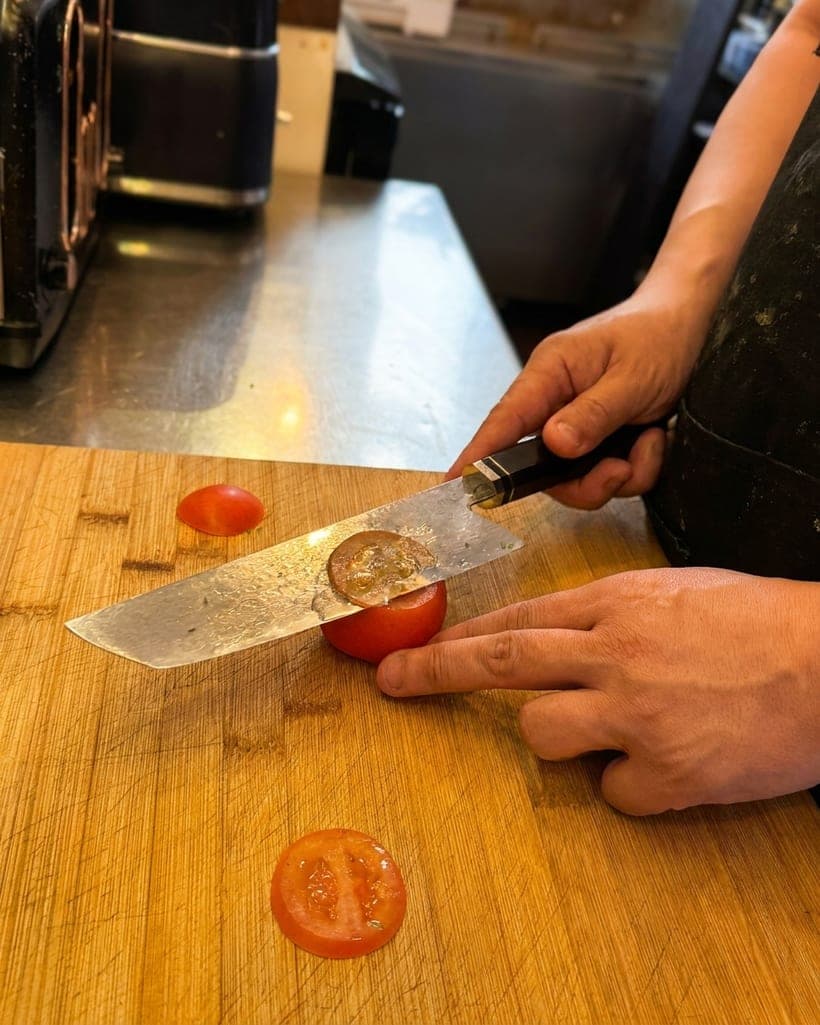
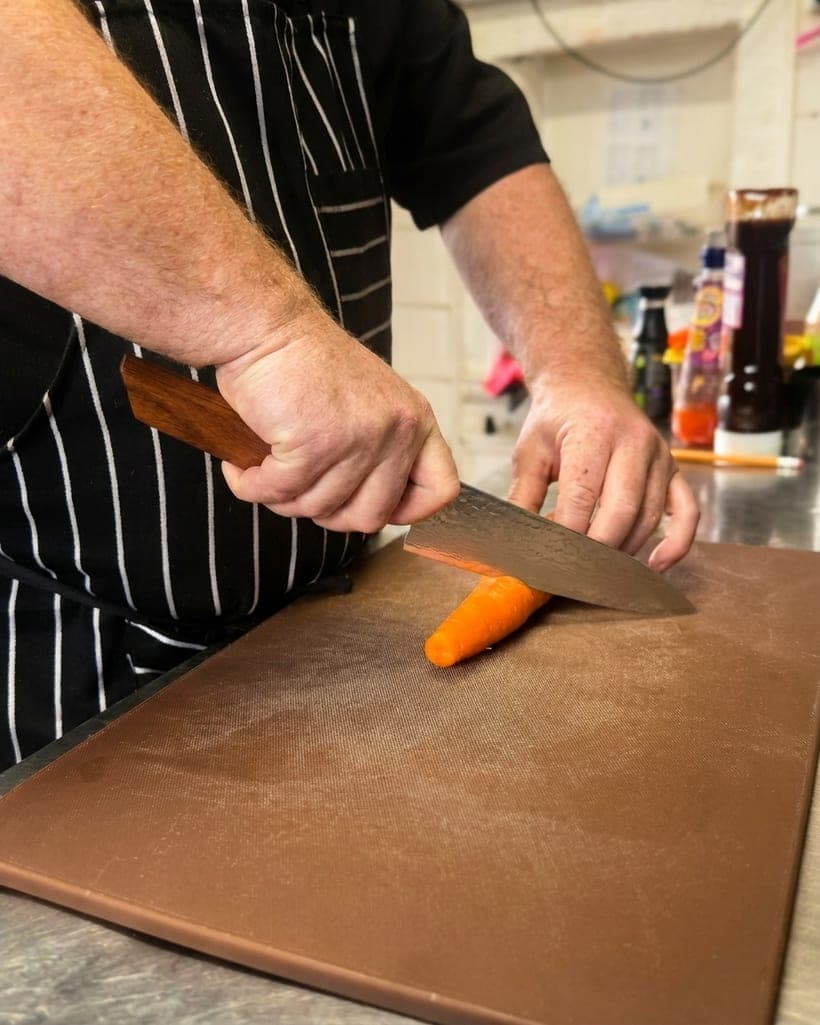
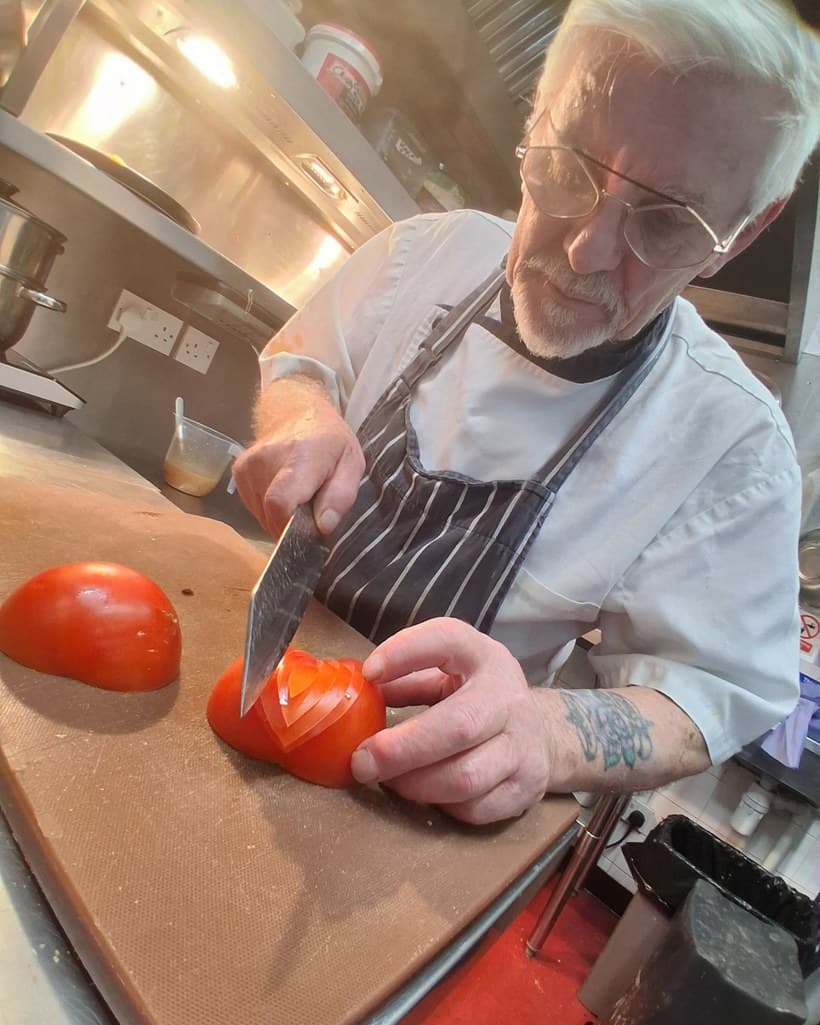
What underscores the Japanese knife’s appeal is the potential for personal growth. The moment you feel a razor-edge skim through a tomato or chiffonade a bunch of basil, everyday tasks become acts of quiet satisfaction. Unlike gadgets that promise to replace skill, a good Japanese knife rewards learning. Proper then means not just choosing the right blade, but picking up the habits to maintain and use it well—gentle honing, regular cleaning, careful storage. The global knife enthusiast community is thriving, offering advice, sharpening tutorials, and endless lore for those drawn deeper into the fold.
The investment may initially feel extravagant, but it is also an invitation: to slow down, to appreciate the tactile feedback of cutting, to honor the ingredients you prepare. Over time, what begins as a simple desire for a better tool can spark a broader interest in kitchen craft, care, and even the stories behind seemingly ordinary objects.
Lessons for the First-Time Buyer
Embarking on your first Japanese knife purchase demands balance. Seek a blade that suits your dominant techniques—a gyuto if you value versatility, a santoku if you favor compact, straight-down chops. Steel should match your maintenance comfort level; high-carbon for ritual-inclined enthusiasts, stainless or hybrid for practical cooks. Price should reflect not impulse or status but thoughtful research and the credibility of the maker.
Above all, take your time. Handle knives in person if you can, attend a sharpening class, embrace the idea that mastery comes not from a single, perfect object, but from the relationship you foster with your tools. In a world rushing toward automation and convenience, the Japanese knife stands as both a practical asset and a quiet act of resistance. To choose your first blade is to join a living tradition, one careful cut at a time.


