
Which Japanese Chef Knife to Buy First
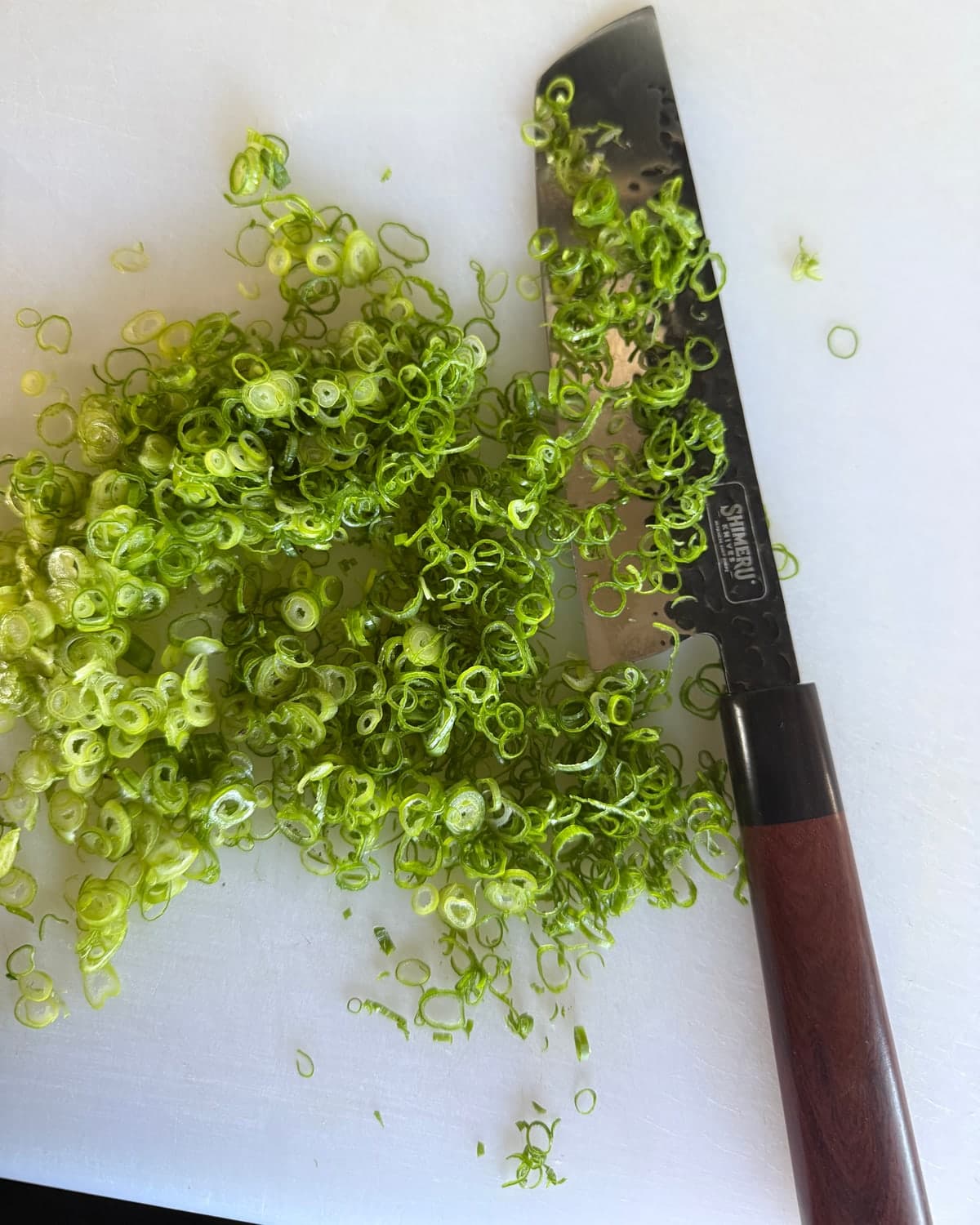
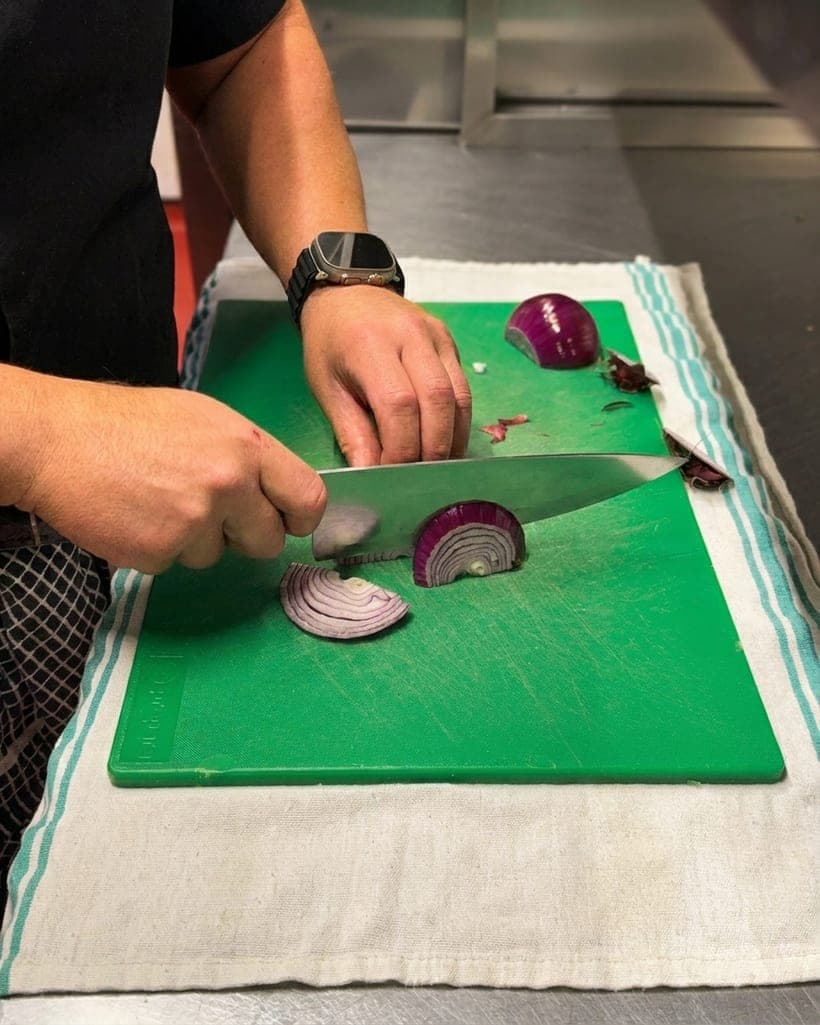
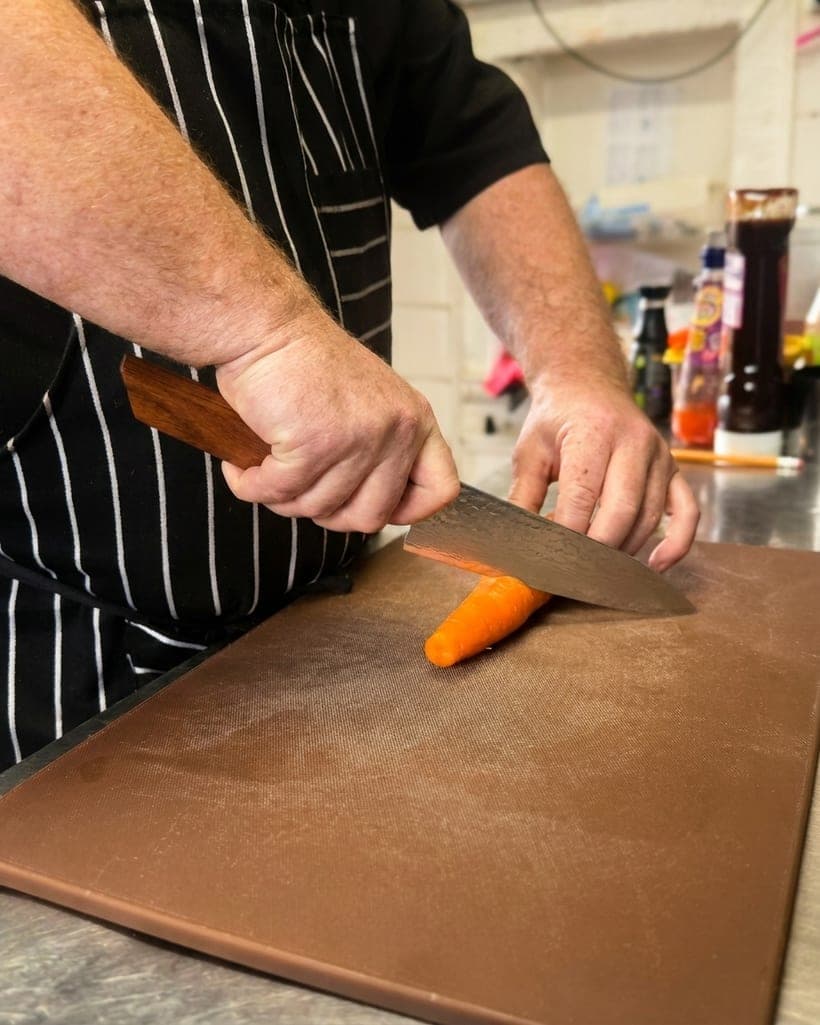
You notice it the first time you prepare dinner with a truly sharp, well-balanced blade. Onions fall into clean slices instead of cracking apart. Herbs stay bright rather than bruised. Carrots stop fighting back. If you are wondering which Japanese chef knife to buy first, the answer is usually less about chasing the most expensive option and more about choosing the shape, steel, and size that fit how you actually cook.
Japanese knives have a reputation for precision, and that reputation is earned. They tend to be lighter than many Western chef knives, with thinner blades that move through ingredients with less resistance. For a home cook, that means cleaner cuts, less fatigue, and a tool that makes everyday prep feel noticeably better. The key is buying the right kind of Japanese knife, not just buying a Japanese knife.
What Japanese chef knife to buy depends on your cooking style
If you want one knife to do almost everything, start with a Gyuto. This is the Japanese answer to the classic chef's knife, and for most people it is the safest, smartest first purchase. It handles proteins, vegetables, herbs, and fruit with ease, and its pointed tip gives you more control for detail work than flatter, squarer blade shapes.
A 210mm Gyuto is often the sweet spot for home kitchens. It feels substantial enough for larger ingredients but still manageable on a standard cutting board. If your kitchen is small, your hands are smaller, or you simply prefer a more compact knife, a 180mm option can feel more intuitive.
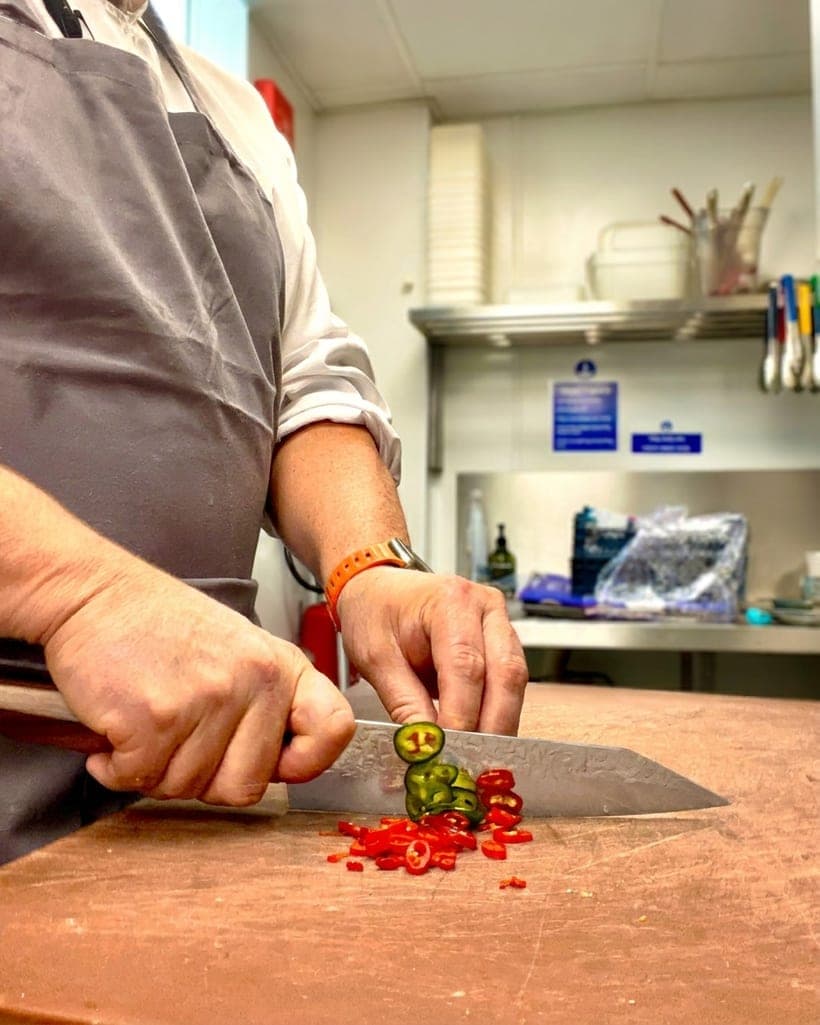
If you cook mostly vegetables and want a knife that feels compact and easy from day one, a Santoku is another excellent choice. Santoku knives are typically shorter than Gyutos, with a flatter edge and a sheepsfoot-style tip. They excel at clean, controlled chopping and slicing. For many home cooks, especially those upgrading from a generic knife block set, a Santoku feels immediately approachable.
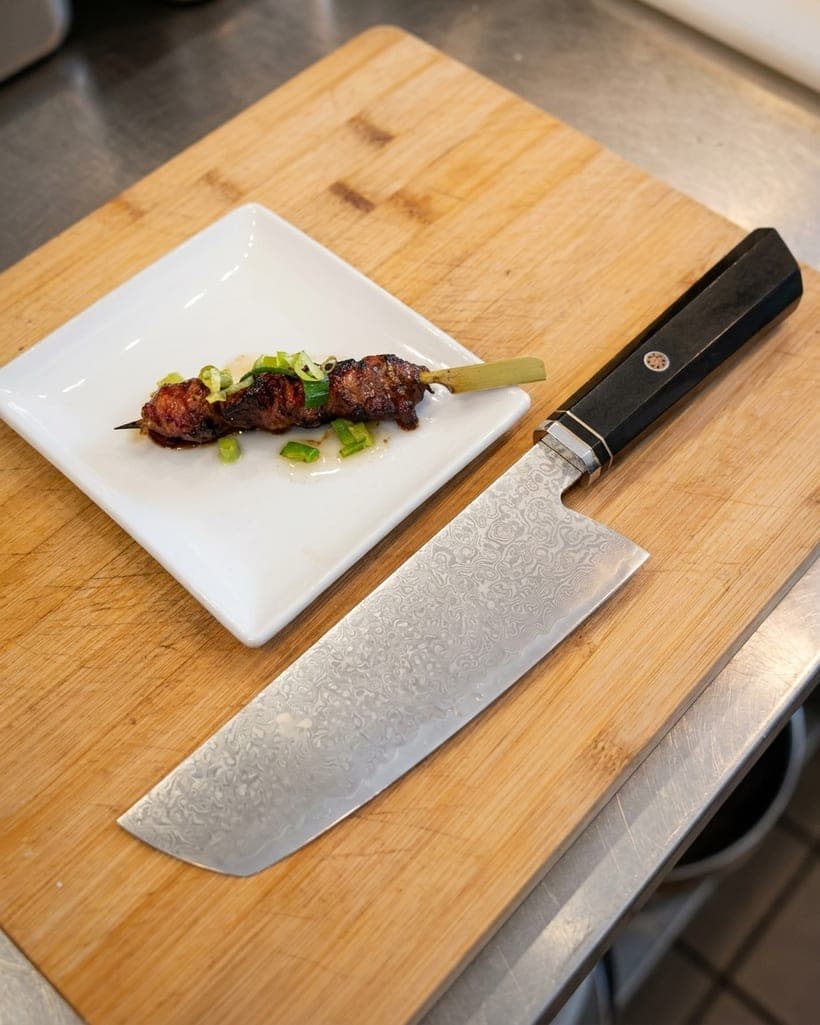
Then there is the Nakiri. If your weeknight cooking involves piles of onions, cabbage, cucumbers, sweet potatoes, and herbs, a Nakiri can be a joy. Its straight edge makes full contact with the board, which helps with efficient vegetable prep. The trade-off is versatility. It is brilliant for produce, but less flexible than a Gyuto if you also want to trim meat or handle a wider variety of prep tasks.
More specialised shapes like Bunka and Kiritsuke appeal to cooks who already know what they like. A Bunka gives you a nimble, flatter profile with an aggressive tip for detailed work. A Kiritsuke-style knife looks striking and can perform beautifully, but for a first Japanese knife it is often chosen for style before practicality. There is nothing wrong with that, but the best first buy is usually the knife you will reach for every single day.
The best first Japanese chef knife for most home cooks
For most kitchens, the answer to what Japanese chef knife to buy is simple: choose a Gyuto if you want maximum versatility, or a Santoku if you want something slightly shorter and more compact.
That is the practical fork in the road.
Choose a Gyuto if you break down chicken thighs, slice larger vegetables, cut watermelon, mince herbs, and want one knife that can grow with your skills. Choose a Santoku if you do mostly everyday prep, prefer a shorter blade, and want a knife that feels easy rather than imposing.
A Nakiri makes sense if you are already sure that vegetables are your main event. It is not the usual first recommendation because most people want one knife that covers more ground. But for a plant-forward cook, it can absolutely be the right answer.
Steel matters, but not in the way most people think
A lot of first-time buyers get stuck on steel names. VG-10. AUS-10. SG2. Damascus. High carbon. Stainless. The terminology can make the category feel more technical than it needs to be.
What matters most is how the steel changes your experience in the kitchen. Better Japanese steels tend to hold a sharp edge longer, take a finer edge, and support thinner blade geometry. That is where the clean, precise feel comes from.
For most home cooks, stainless or stainless-clad steel is the most sensible place to start. You get the performance benefits of a Japanese knife without the extra maintenance of a fully reactive carbon steel blade. It is easier to live with, especially if your knife might sit on the board a few minutes longer than it should during dinner prep.
If you like low-maintenance tools, stainless is the clear winner. If you enjoy the ritual of care and appreciate the character carbon steel develops over time, carbon can be deeply satisfying. But it asks more of you. It can patina, it can discolour, and if neglected it can rust. There is romance in that, but there is also reality.
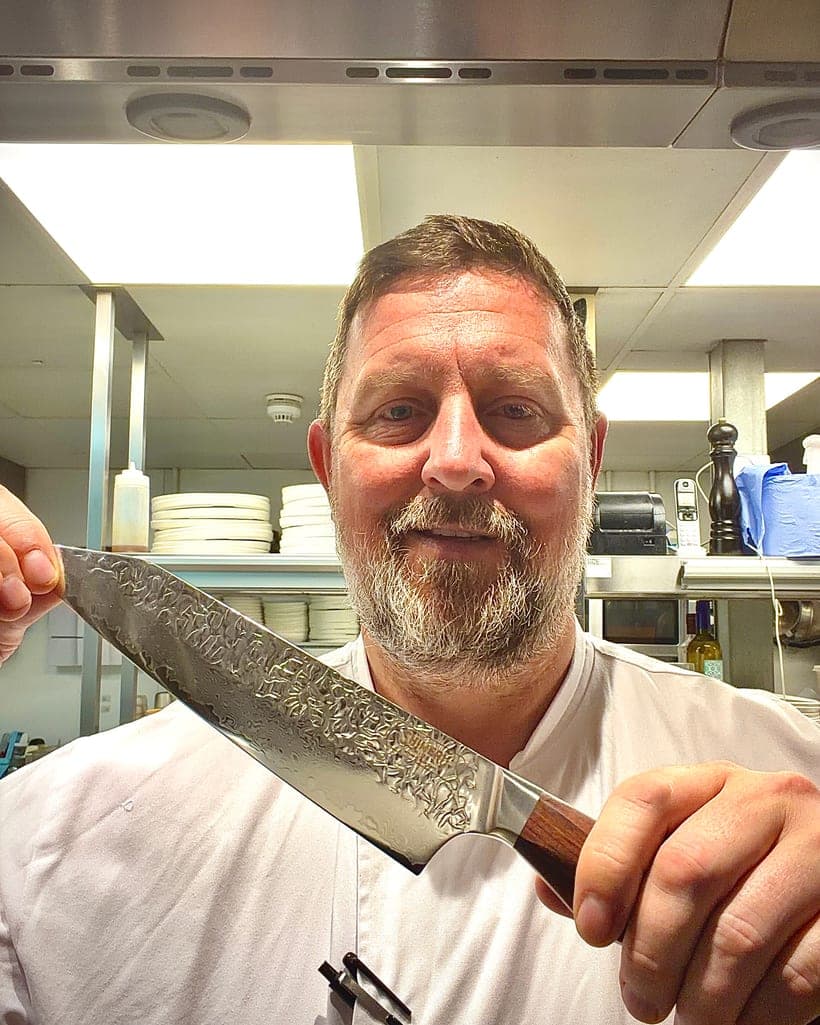
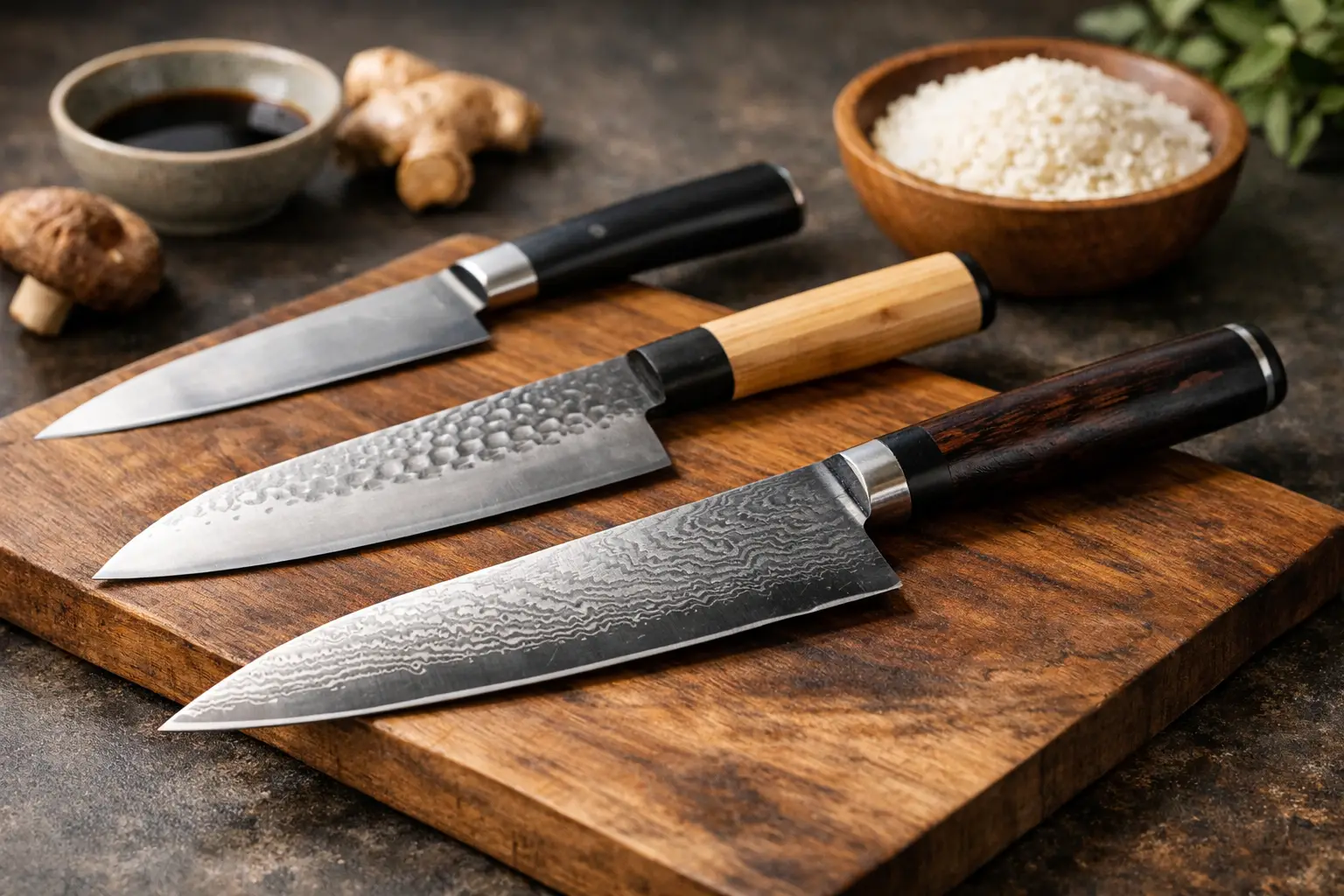
Damascus deserves a quick note too. Many buyers are drawn to the layered pattern, and fairly so. It looks beautiful. Just remember that Damascus is usually more about appearance than a direct guarantee of better cutting performance. Blade geometry, heat treatment, steel quality, and fit in your hand matter more.
Size and weight can make or break the experience
A knife can have excellent steel and still feel wrong if the size is off. This is where many online purchases go sideways.
For a first Japanese chef knife, 210mm is a strong all-around length if you want a Gyuto. It gives you enough blade for serious prep without feeling oversized in a home kitchen. If you are used to smaller knives, 180mm may help you transition more comfortably.
With Santoku knives, sizes around 165mm to 180mm tend to hit the sweet spot. They feel agile, quick, and controlled. That lighter, shorter format is a big part of the appeal.
Weight matters too. Japanese knives often feel lighter than German-style knives, and many home cooks love that immediately. The knife feels fast and responsive. Others miss the heavier, planted feel of Western blades at first. Neither reaction is wrong. It comes down to whether you want the knife to feel powerful or precise. A lot of people discover they prefer precision once they try it.
Handle style is not just cosmetic
When deciding what Japanese chef knife to buy, blade shape usually gets all the attention, but handle style changes the feel more than many people expect.
Japanese wa-handles are often lighter, shifting the balance slightly forward toward the blade. That can make the knife feel nimble and alive in use. Western-style handles usually feel more familiar if you are upgrading from a standard chef knife and may offer a more anchored grip.
There is no universal best choice here. If you want a traditional Japanese feel with lighter balance, a wa-handle is a strong pick. If you want an easier transition from the knives you already own, a Western handle may feel more natural.
What not to buy first
This part matters. The wrong first knife is usually not a bad knife. It is a knife chosen for aspiration instead of real use.
Single-bevel knives are a good example. They are exceptional in specialised hands, but they are not the easiest entry point for most home cooks. They require more technique, are designed for specific tasks, and can be less forgiving than double-bevel knives.
Very long blades can be another mistake. A 240mm Gyuto can be fantastic, but if your cutting board is small and your kitchen is tight, it may feel like too much knife. Likewise, an ultra-hard carbon steel blade may sound exciting until you realise you do not want the extra care routine on a Tuesday night.
Buying your first Japanese knife should make cooking easier, not turn it into a project.
A simple way to choose with confidence
If you are still deciding what Japanese chef knife to buy, use this filter. Think about what you cook three nights a week, not what you cook on your most ambitious Sunday. Think about your cutting board size, your comfort with maintenance, and whether you want one knife that does nearly everything or one knife that shines in a narrower lane.
If you want the most versatile upgrade, buy a 210mm Gyuto in a quality stainless steel. If you want something compact and friendly for everyday prep, buy a Santoku around 165mm to 180mm. If vegetables are your focus and you want clean, satisfying board contact, buy a Nakiri.
That is why brands like Shimeru Knives focus on making the category easier to understand. The goal is not to impress you with jargon. It is to help you get to the knife that feels better on day one and keeps proving itself long after the unboxing.
A good Japanese knife should make you want to cook more often, not second-guess your purchase. Buy for the meals you actually make, and the right blade will feel obvious the moment it hits the board.