
Why Japanese Chef Knives Cost So Much
You notice it fast. A basic chef knife might set you back £30, while a Japanese-style Gyuto or Santoku can jump to £120, £200, or more without looking wildly different at first glance. If you’ve wondered why Japanese chef knives are so expensive, the short answer is that you’re not just paying for a blade. You’re paying for steel quality, harder heat treatment, finer grinding, more exact balance, and a level of craftsmanship you feel every time prep gets easier.
That does not mean every expensive knife is worth the money, or that every home cook needs the priciest option on the rack. But there are real reasons Japanese knives often sit at a higher price point than standard mass-market Western knives, and most of those reasons show up in performance, not marketing.
Why Japanese chef knives are so expensive in the first place
The biggest reason is manufacturing philosophy. Many Japanese knives are built around cutting performance first. That sounds obvious, but it changes everything about how the knife is designed.
A typical budget knife is made to survive rough treatment, inconsistent sharpening, dishwashers, crowded drawers, and years of hard use with minimal care. A Japanese knife is usually made with a different goal - to deliver cleaner, sharper, more precise cuts with less resistance. To get there, makers often use harder steel, thinner blade geometry, and more labour-intensive finishing.
That combination is more expensive to produce. Harder steel can hold a sharper edge for longer, but it is also less forgiving during production. Thinner grinds improve cutting feel, but they require more skill and consistency. Better fit and finish, more careful handle installation, and tighter quality control all add cost before the knife ever reaches your kitchen.
The steel costs more because it does more
One of the clearest answers to why Japanese chef knives are so expensive is the steel itself. Many Japanese knives use premium stainless or high-carbon steels chosen for edge retention and sharpness rather than simple toughness.
You’ll often see steels like VG-10, AUS-10, or SG2/R2 in Japanese-style knives. These steels are not expensive just because they sound technical. They cost more because they can be heat-treated to a higher hardness, which allows the edge to be ground finer and stay sharp longer in normal home use.
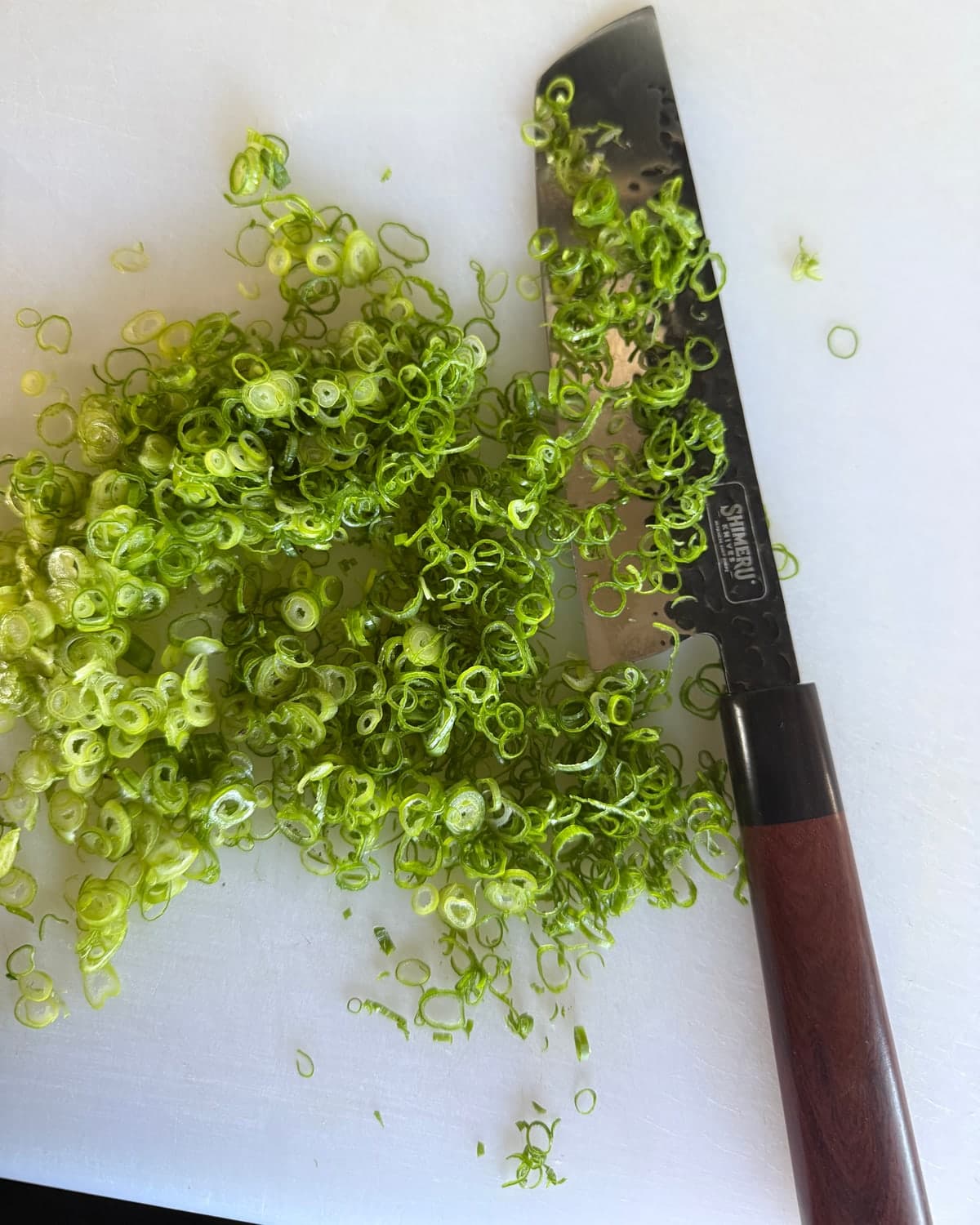
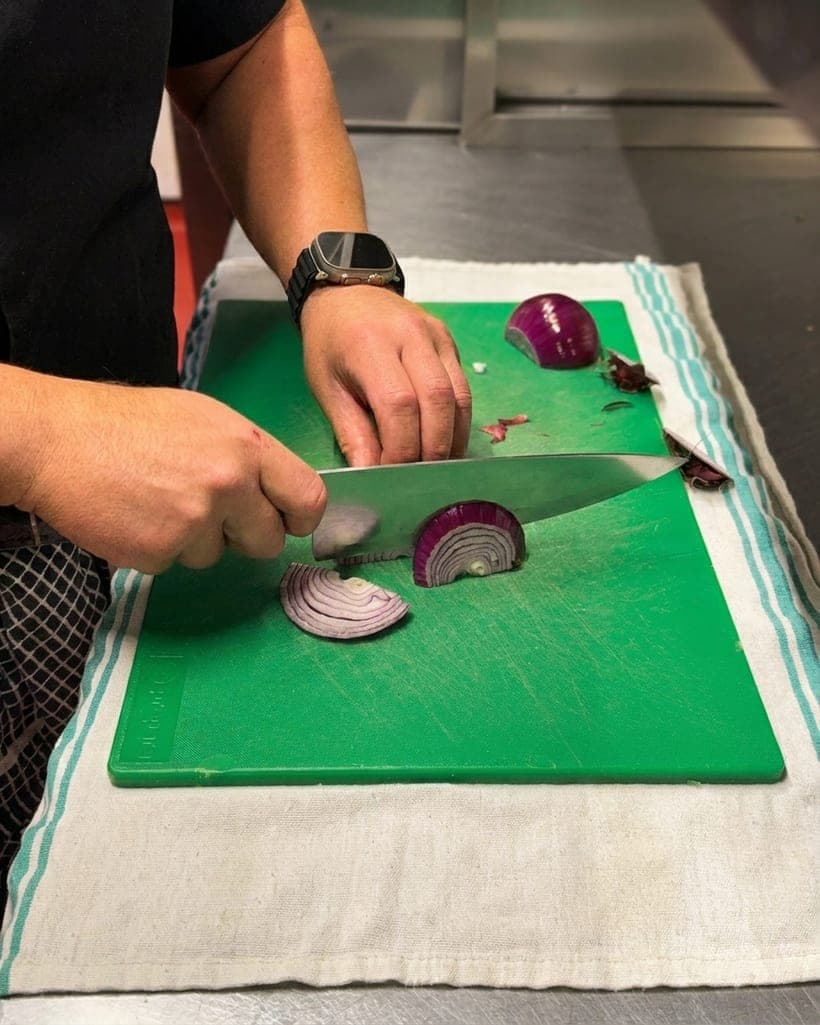
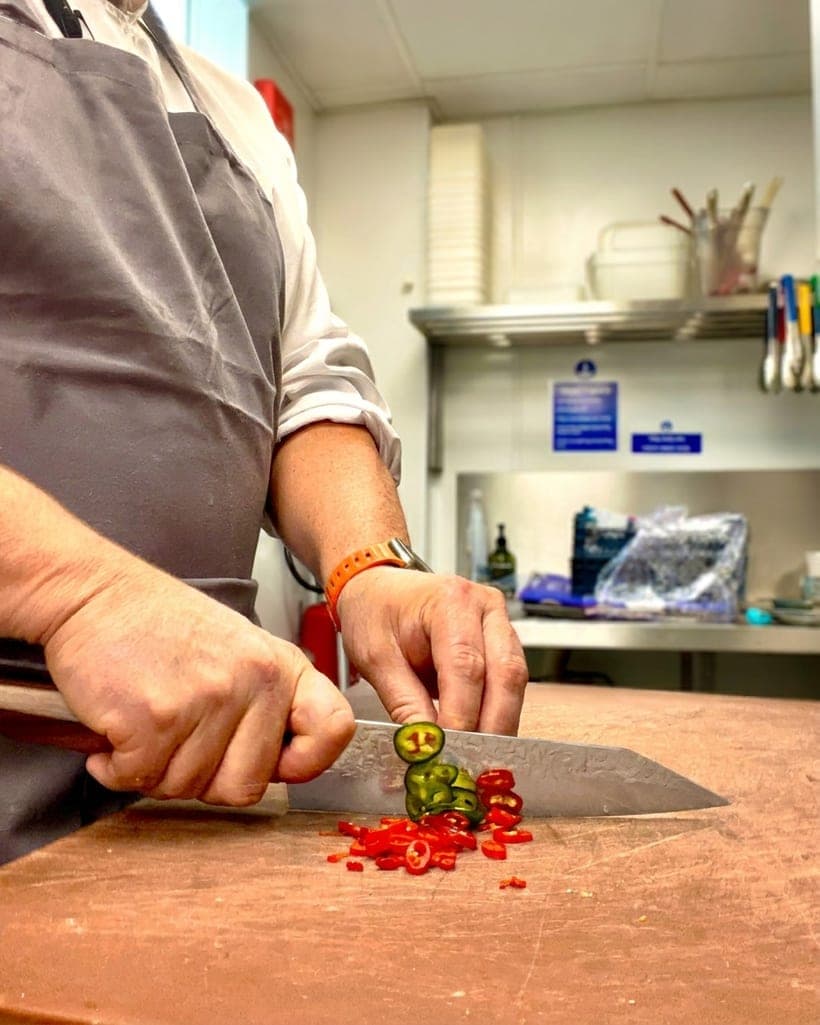
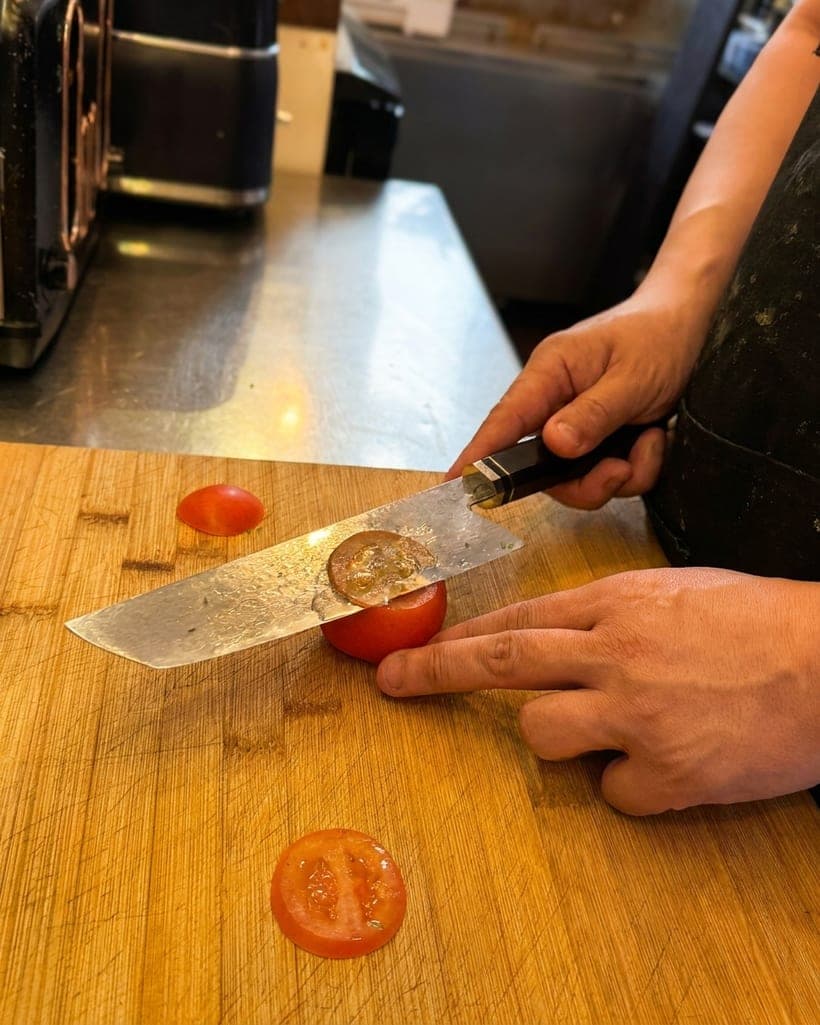
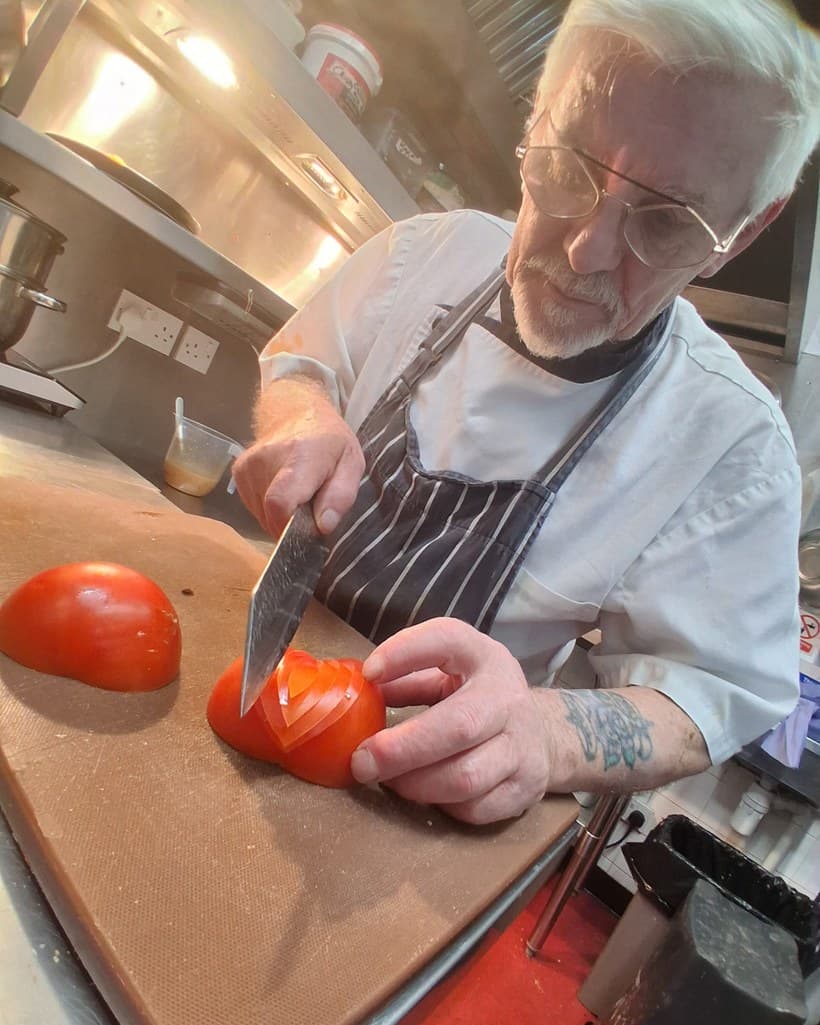
For a home cook, that can mean smoother tomato slices, cleaner herbs, easier onion prep, and less crushing when you cut delicate ingredients. The knife feels more precise because the edge is actually doing less tearing and more cutting.
There is a trade-off, and it matters. Harder steel is usually less tolerant of misuse. Twist it through hard squash, pry with the tip, cut frozen food, or toss it in the dishwasher, and you are more likely to chip or damage the edge. So part of the price reflects performance, and part reflects the fact that these knives are built for people who will use them with a bit more care.
Heat treatment is where a lot of the value lives
Steel alone does not make a knife expensive. Heat treatment does. Two knives can use the same steel and perform very differently depending on how well that steel is hardened, tempered, and finished.
This is one of the least visible parts of knife making and one of the most important. Done well, heat treatment helps a blade achieve the right balance of hardness, edge retention, and stability. Done poorly, even premium steel can feel disappointing.
Quality heat treatment takes expertise, consistency, and time. It is one reason a well-made Japanese knife often feels more refined in use than a cheaper knife with similar specs on paper. The difference is not just what the blade is made from. It is how carefully that material has been handled from start to finish.
Thin grinds and sharper edges take more skill
Many Japanese chef knives are thinner behind the edge than standard Western chef knives. That is a major part of their appeal. A thinner blade moves through food with less wedging and drag, which makes prep feel faster and more controlled.
But this kind of geometry is not cheap to produce well. Grinding a blade thin without overheating the steel, weakening the edge, or creating unevenness takes precision. Finishing that edge so it performs consistently across the length of the blade takes more time than punching out a thicker, more forgiving factory profile.
This is why a good Japanese knife often feels so different on the board. It is not only sharper out of the box. It is shaped to cut more efficiently. That efficiency costs more because it demands more from the maker.
Craftsmanship still matters, even in modern production
Not every Japanese knife is handmade, and not every expensive knife comes from a tiny workshop. But even in factory-made Japanese knives, the standard of finishing is often higher than what you find in entry-level kitchen cutlery.
Look closely and you may see more careful spine and choil finishing, cleaner handle transitions, better blade symmetry, and a more deliberate balance point. None of that is flashy. All of it affects how the knife feels in hand.
This is where price can make sense for everyday cooks. You are buying something you use constantly. A knife that feels balanced, light, and comfortable is not a collector’s luxury. It changes your experience every night you cook.
For brands that serve home cooks rather than specialists, the best value tends to sit in that middle ground - not bargain-basement, not ultra-rare artisan territory, but thoughtfully made knives that deliver the core benefits of Japanese design without demanding collector budgets.
Why Japanese chef knives are so expensive compared with Western knives
The comparison is not always fair because the design priorities are different. Many Western chef knives are built thicker, softer, and heavier. That can make them more durable in rough kitchens and easier to maintain for users who sharpen infrequently or use their knife for everything.
Japanese knives often prioritise precision, lower cutting resistance, lighter weight, and cleaner edge performance. That usually means harder steel and thinner geometry, both of which are costlier to execute well.
So when you compare prices, you are often comparing two different ideas of value. One knife is designed to be a hardworking generalist with broad tolerance for abuse. The other is designed to feel sharper, more agile, and more exact. Neither approach is automatically better for every cook. It depends on what you want your knife to do and how you plan to treat it.
The finish, handle, and details add up
Price is not only about the edge. Handles, fit, visual finish, and overall build quality all contribute.
A well-made Japanese knife often uses better handle materials, cleaner installation, and more thoughtful balance. Even details like a smoother spine or better polish around the heel can make a knife feel noticeably more premium during long prep sessions.
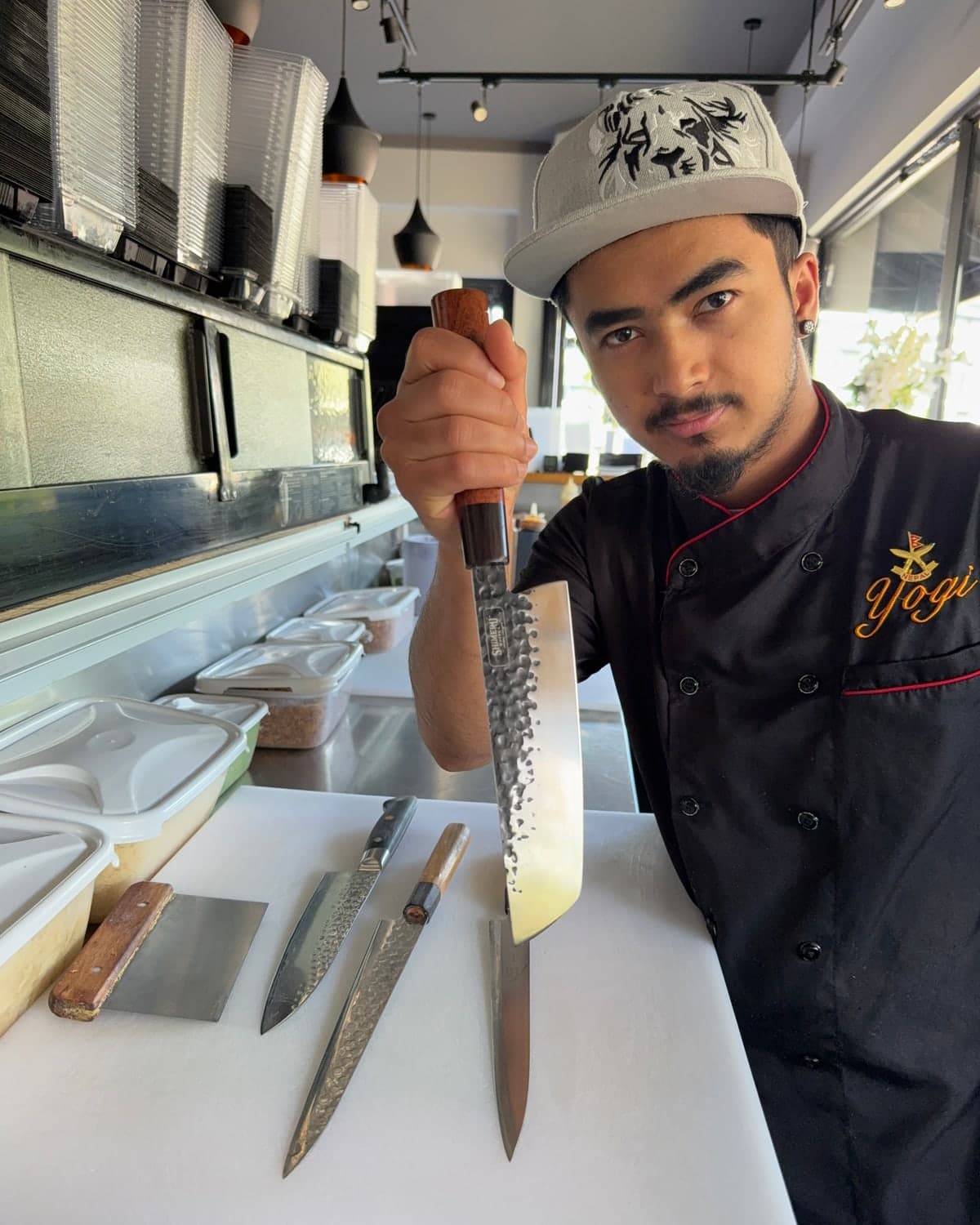
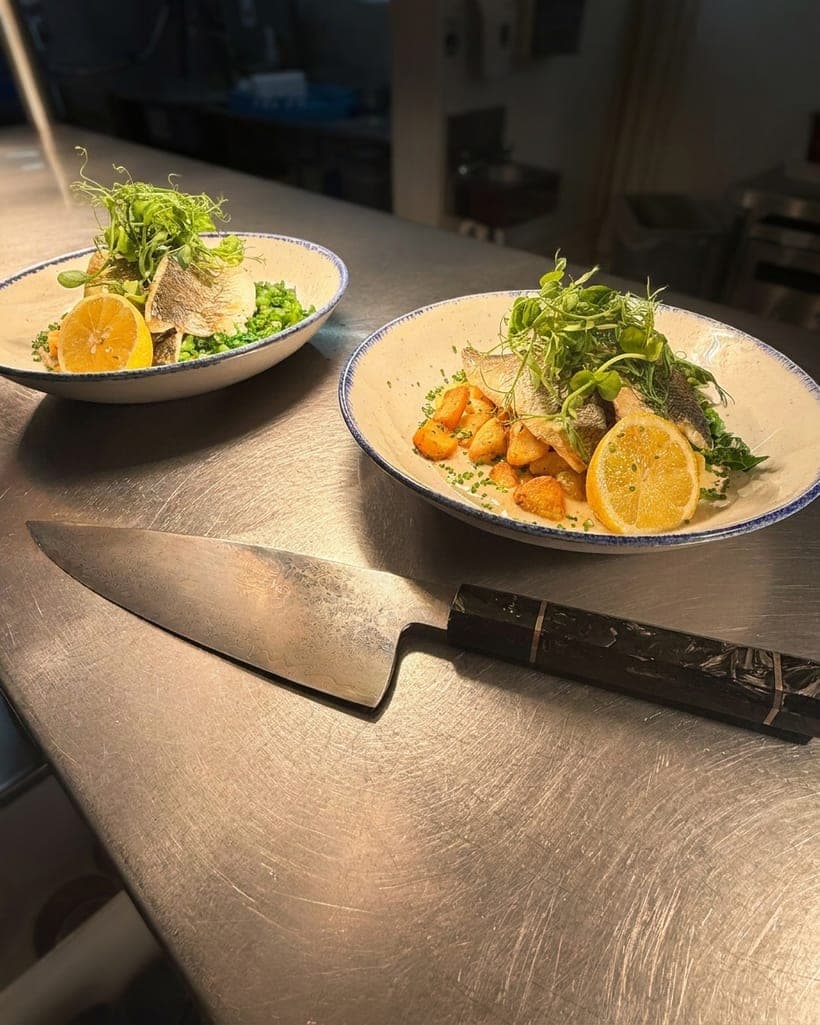
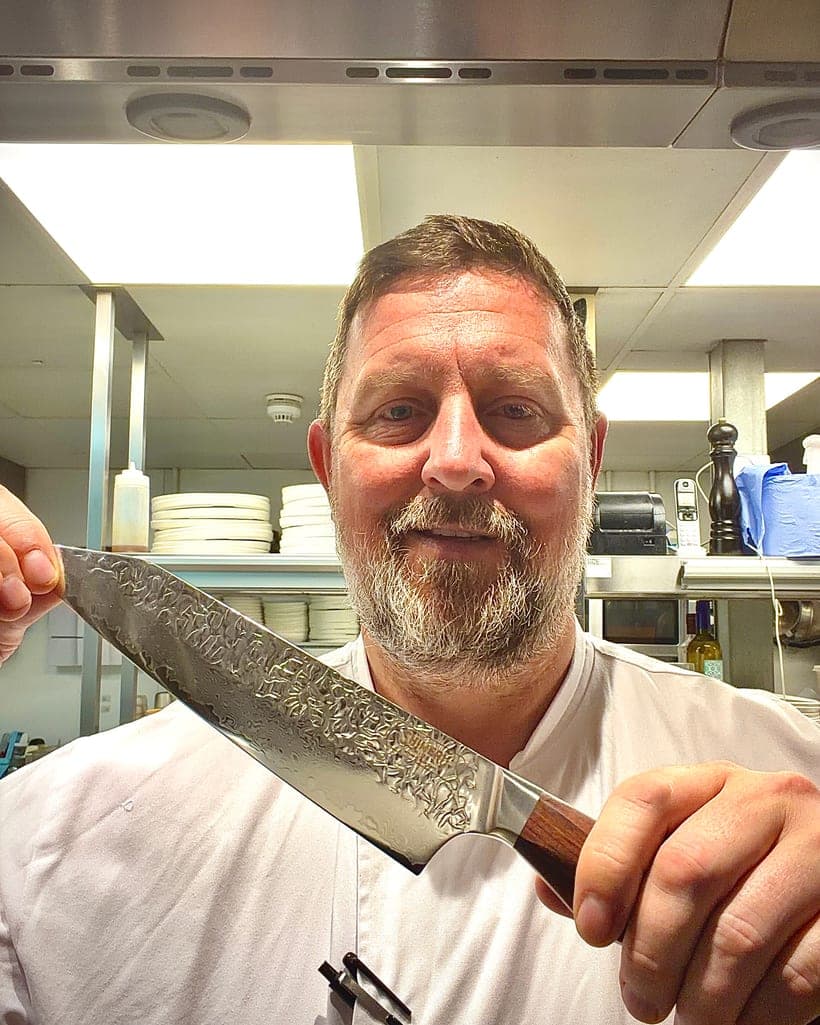
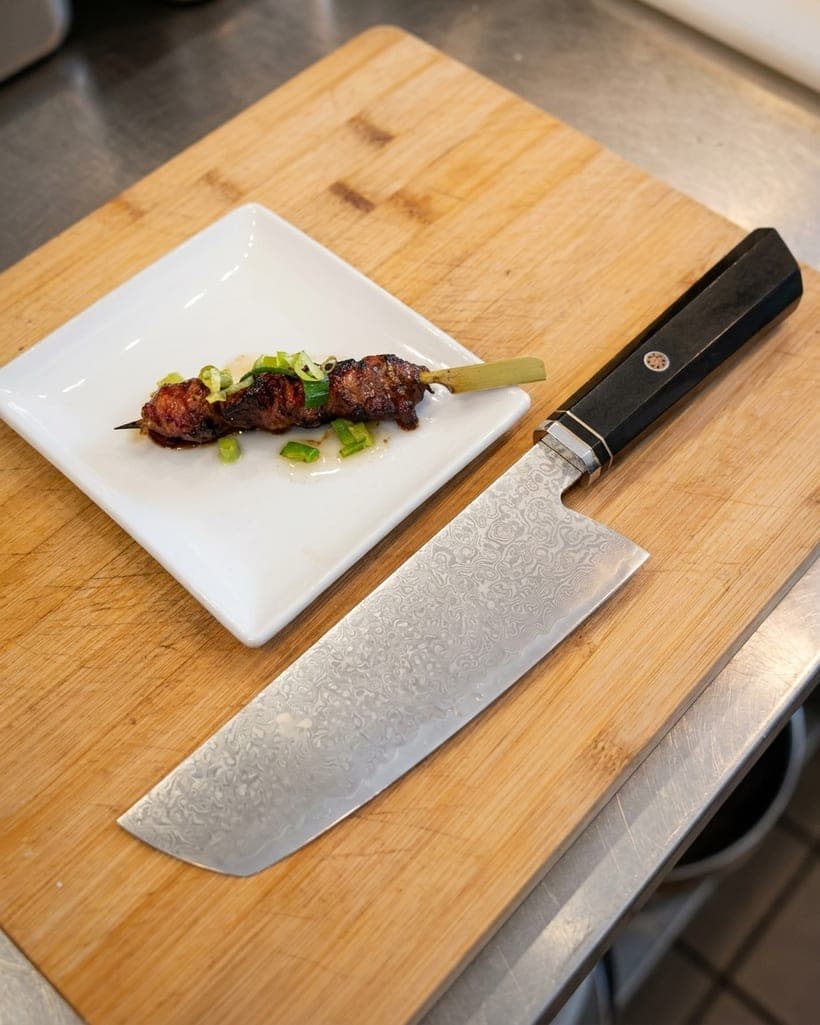
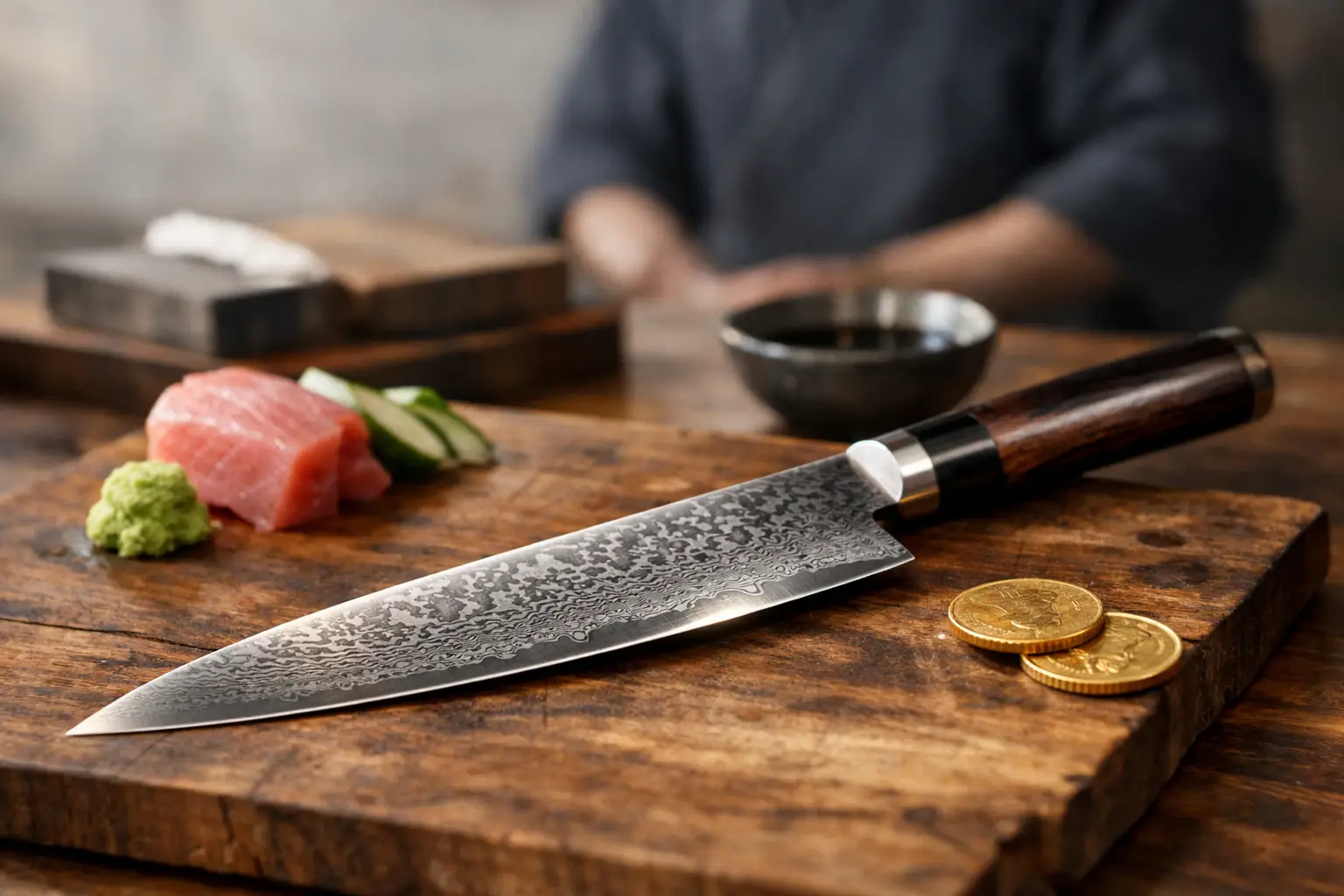
Then there is the visual side. Damascus layering, hammered finishes, and elegant blade patterns can raise the price. Sometimes that is partly aesthetic, and it is fair to say not every visual upgrade improves cutting. But good finishing is not meaningless either. It reflects time, labour, and the brand’s standard of presentation.
If you are buying a gift, those details matter even more. A knife can be a daily tool and still feel special.
Are they actually worth it?
For many home cooks, yes - up to a point.
If you cook a few times a week, hate fighting dull grocery-store knives, and want prep to feel smoother and more enjoyable, a good Japanese knife can be one of the most noticeable upgrades in the kitchen. Better sharpness, lighter weight, improved balance, and longer edge retention are not abstract benefits. You feel them immediately.
If you rarely cook, use glass cutting boards, or want a knife that can handle rough treatment without much thought, the premium may be harder to justify. Paying for fine edge geometry and harder steel only makes sense if you will actually benefit from it.
There is also a difference between expensive and overpriced. A knife can carry a high price because of genuine material and manufacturing quality, or because of branding, rarity, or decorative features that matter more to collectors than cooks. The sweet spot for most people is a knife that invests heavily in steel, grind, and balance rather than pure prestige.
That is why approachable premium brands matter. The goal is not to make Japanese knife culture feel exclusive. It is to bring the real benefits - precision, balance, craft, and everyday performance - into kitchens where they will actually be used.
A good Japanese knife costs more because it asks more of the materials, the maker, and the design. When that extra cost goes into sharper edges, better balance, cleaner cuts, and a knife you reach for every day with real confidence, it stops feeling expensive and starts feeling well chosen.