

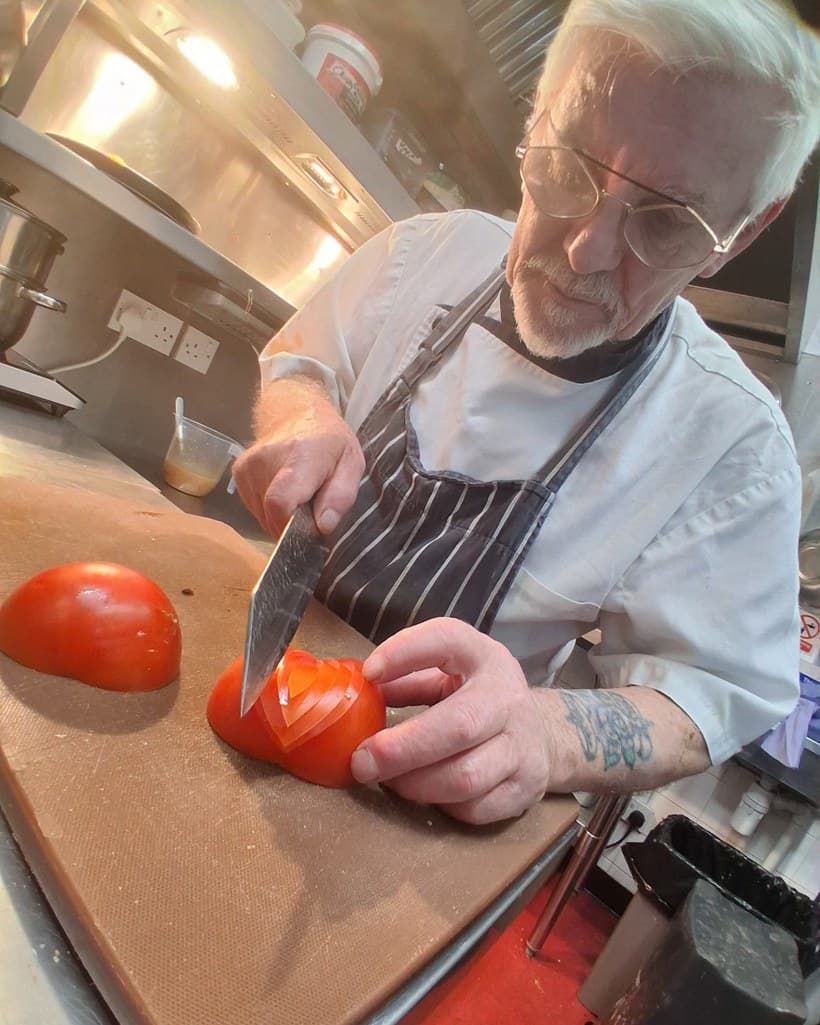
Japanese Chef Knife Dimensions Made Simple
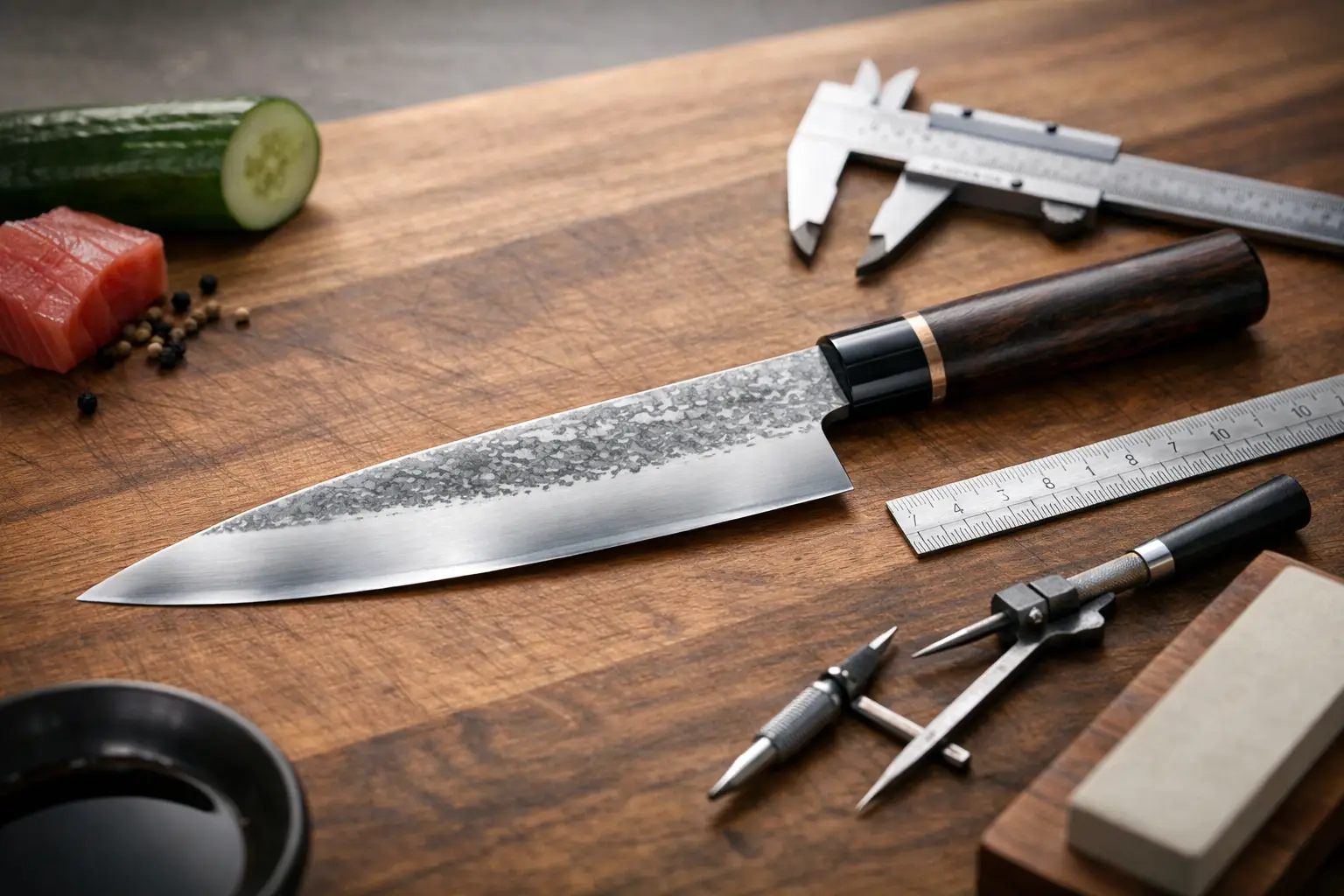
A 210mm gyuto can feel nimble in one cook’s hand and slightly long in another. That is the real story behind Japanese chef knife dimensions. It is not just about picking a number off a product page. Blade length, height, weight, profile, and handle all shape how a knife moves through food and how confident it feels on your board.
For home cooks moving up from a standard Western chef’s knife, Japanese dimensions can seem unfamiliar at first. A blade may be listed in millimetres instead of inches. A santoku may look shorter but taller. A bunka may feel compact yet more precise at the tip. Once you know what the measurements actually mean in daily use, choosing becomes much simpler.
What Japanese chef knife dimensions actually include
Most shoppers start with blade length, and that makes sense. It is the easiest number to compare. Japanese knives are typically measured from the heel to the tip, not including the handle. Common lengths for general-purpose knives are 165mm, 180mm, 210mm, and 240mm.
But length alone does not tell you how a knife performs. Blade height matters because it affects knuckle clearance and the amount of flat edge contacting the board. Spine thickness changes how substantial or laser-like the knife feels. Weight influences control and fatigue. Balance determines whether a knife feels blade-forward, neutral, or handle-heavy.
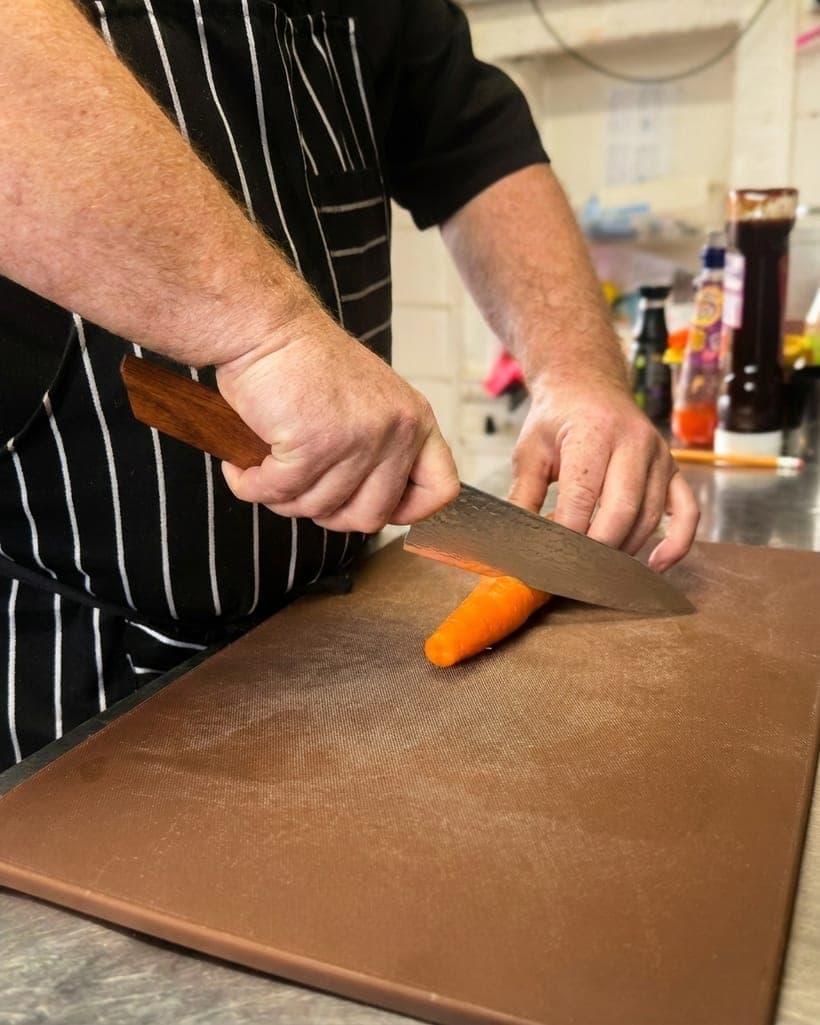
This is why two knives with the same listed length can feel completely different. A 210mm gyuto with a thin spine and wa handle may feel lighter and quicker than a shorter Western-style chef’s knife. That lighter, more balanced feel is a big part of why Japanese knives are so appealing for everyday prep.
The most common blade lengths and who they suit
If you are choosing your first Japanese chef knife, the sweet spot is usually between 180mm and 210mm. That range gives you enough cutting length for real versatility without feeling oversized.
A 165mm blade is compact and approachable. It suits smaller kitchens, smaller cutting boards, and cooks who mostly prep fruit, herbs, shallots, garlic, and weeknight vegetables. It can also be a smart gift option for someone who wants a premium knife but may not be ready for a longer blade. The trade-off is reach. When you move to larger onions, cabbage, melons, or proteins, a 165mm knife can feel a little short.
A 180mm blade is often where versatility starts to open up. This is a popular santoku size because it gives enough edge for daily chopping and slicing while staying easy to control. If you want one knife for vegetables, boneless proteins, and general home cooking, 180mm is a very comfortable place to begin.
A 210mm blade is the classic gyuto length for many home cooks. It offers more draw for slicing, more efficiency on larger ingredients, and a little more authority on the board without becoming cumbersome. For many people upgrading from an 8-inch Western chef’s knife, 210mm feels familiar but often lighter and more agile.
A 240mm blade is where performance starts to feel expansive. It excels at larger prep tasks, bigger cuts of meat, and cooks who like longer slicing motions. It can be excellent in a spacious kitchen with a full-size board. It is less ideal if you have limited counter space or prefer a very compact feel.
How dimensions change by knife style
The reason Japanese chef knife dimensions are not one-size-fits-all is that each knife shape is built around a different cutting style.
Gyuto dimensions
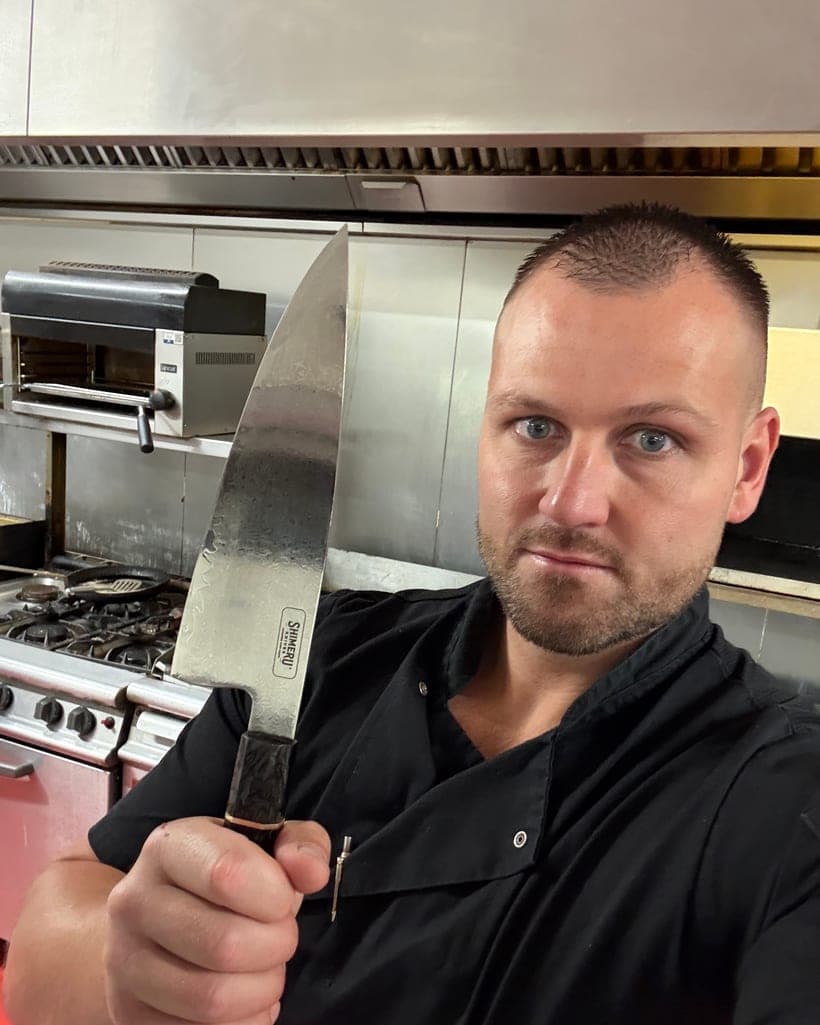
The gyuto is Japan’s answer to the chef’s knife and the most flexible place to start. Common lengths are 180mm, 210mm, and 240mm. Blade height is usually moderate, giving a balanced mix of agility and board clearance. The profile often has a gentle curve, which supports rocking as well as push cutting.
For most home cooks, a 210mm gyuto lands in the ideal middle ground. It feels serious without being demanding.
Santoku dimensions
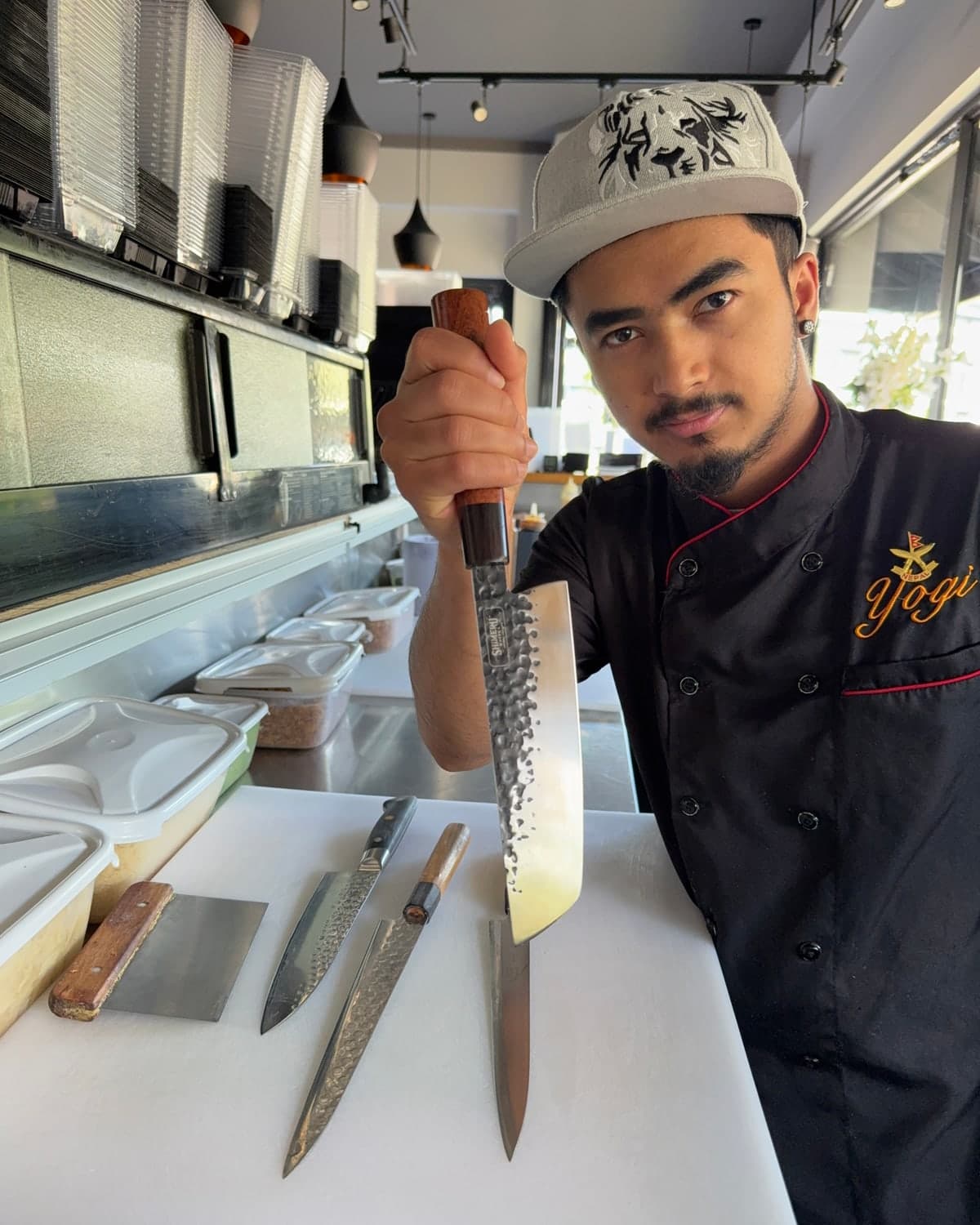
Santoku knives are usually shorter, most often around 165mm to 180mm, with a taller blade and a flatter edge. That height makes them feel secure during vegetable prep, while the shorter length keeps them easy to manage. If your cooking leans toward chopping vegetables, slicing chicken breasts, and handling everyday prep with precision, santoku dimensions make a lot of sense.
Bunka and kiritsuke-style dimensions
These knives often sit in a similar length range to santoku or gyuto, but the more angular tip changes how they behave. A bunka around 165mm to 180mm can feel compact yet highly precise. A kiritsuke-style gyuto around 210mm offers reach with a pointed, purposeful front end for detail work. If you value tip control, the dimensions can work beautifully. If you prefer a more forgiving all-rounder, a standard gyuto may feel easier.
Nakiri dimensions
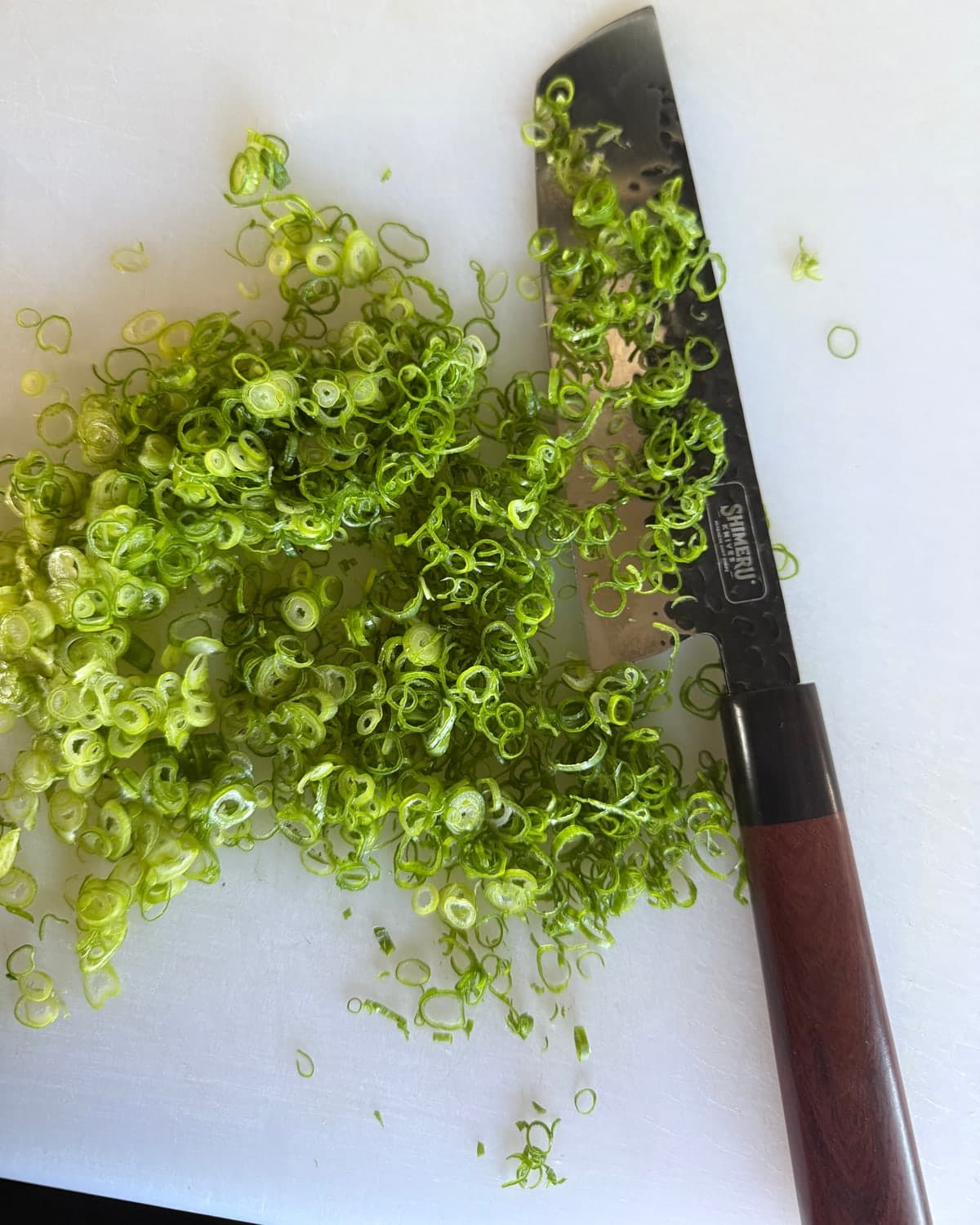
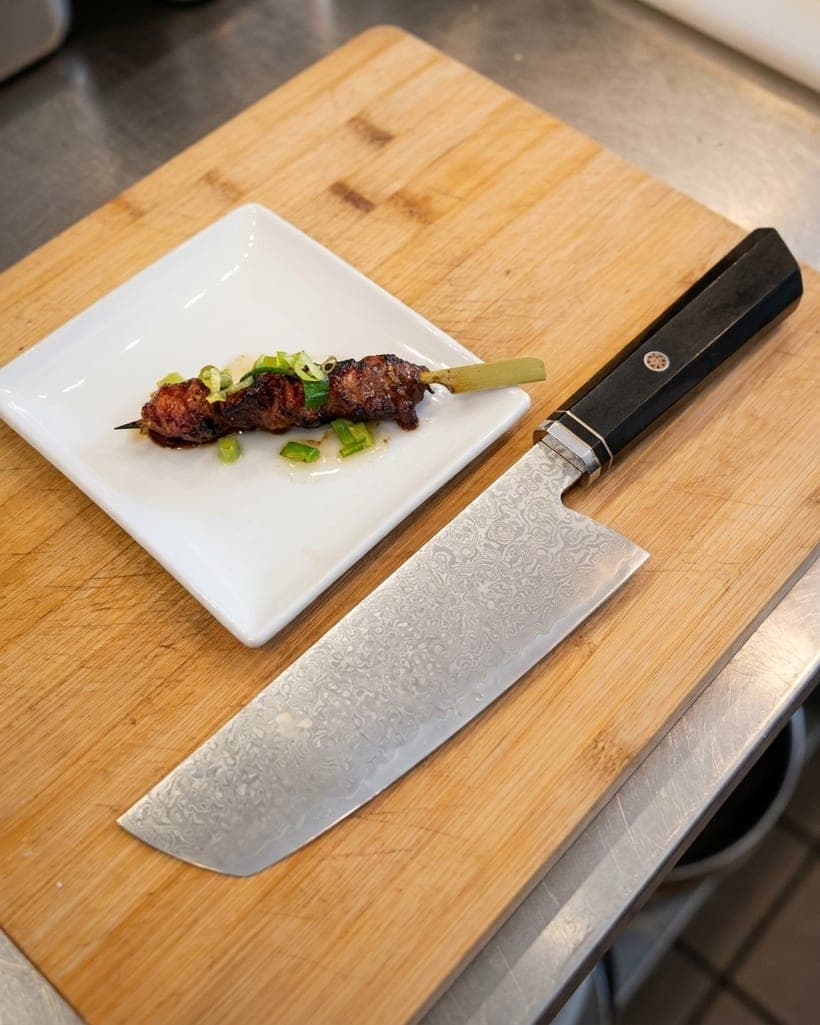
Nakiri knives are usually around 165mm to 180mm with a tall, rectangular blade. They are designed for vegetables, and their dimensions reflect that. You get strong board contact and plenty of clearance, but little tip work. A nakiri is brilliant for produce-heavy kitchens, though less versatile as your only knife.
Why blade height matters more than many buyers expect
Length gets attention, but height often shapes comfort. A taller blade gives your knuckles more room and can make chopping feel more stable. It also provides a little more surface area for scooping ingredients from board to pan, though the edge should never be used as a scraper.
A shorter blade height can feel sleeker and more precise, especially for smaller hands or finer work. But if you are used to a tall Western chef’s knife, an especially low-profile Japanese blade may take some adjustment.
This is one reason santoku and nakiri knives feel so confidence-inspiring to newer buyers. Their taller proportions make board work feel grounded and controlled.
Weight, balance, and handle shape
Japanese knives are often lighter than their Western counterparts, and that changes the experience more than many people expect. A lighter knife can reduce fatigue and make repetitive prep feel smoother. It also asks for a slightly different rhythm. Instead of forcing the cut, you let sharpness and edge geometry do more of the work.
Handle style plays into dimensions too. A traditional wa handle is often lighter, which can shift the balance slightly forward toward the blade. That creates a nimble, precise feel. A Western-style handle may add more weight in the rear, giving a more familiar, anchored sensation.
Neither is automatically better. It depends on what feels natural in your hand. If you want a knife that feels airy and responsive, a lighter wa-handled gyuto is often a compelling upgrade. If you prefer something more familiar coming from German-style knives, a Western handle can make the transition easier.
Choosing the right size for your kitchen and habits
The best dimension is the one that suits your actual cooking, not the one that sounds most impressive. If you cook in a smaller apartment kitchen, use a modest cutting board, and prep mostly for one or two people, a 165mm santoku or 180mm gyuto may be ideal. If you cook often, handle larger ingredients, and want one primary knife that can truly stretch, a 210mm gyuto is hard to beat.
Hand size matters, but not as much as many people assume. Board space, prep style, and confidence level usually matter more. A longer knife is only helpful if you feel comfortable using the full edge. If you tend to choke up and work in short motions, a slightly shorter blade may serve you better.
For gift buyers, the safest dimensions are usually 165mm to 180mm for a santoku and 210mm for a gyuto. Those sizes cover a wide range of kitchens and skill levels without feeling extreme.
A simple way to think about dimensions before you buy
If you want one do-it-most knife, start with a 210mm gyuto. If you want something compact, approachable, and especially good for vegetables and everyday prep, look at a 165mm or 180mm santoku. If produce is the centre of your cooking, a 165mm nakiri can be a joy to use.
At Shimeru Knives, that is how we think about sizing too - not as abstract specs, but as daily performance. Precision. Balance. Craft. The right dimensions should make prep feel easier from the first onion onward.
A good Japanese knife should feel like an extension of your hand, not a tool you are trying to adapt to. Choose the dimensions that fit your board, your meals, and your movement, and you will feel the difference every single time you cook.