

Best Kitchen Knives for Home Cooks
Most home cooks don’t need a 12-piece knife block. They need one knife that makes onions less annoying, herbs cleaner to chop, and dinner prep feel smoother from the first slice. That is why the search for the best kitchen knives for home cooks usually comes down to a simpler question - which knife will actually earn its place on your counter?
A good knife changes more than speed. It changes confidence. When the blade is sharp, balanced, and easy to control, prep stops feeling like a chore and starts feeling precise. That is especially true when moving from a typical heavy Western-style set to a lighter, finer Japanese-style blade.
What makes the best knives for home cooks?
For most people, the right knife is not the most specialised or the most expensive. It is the one that covers the widest range of jobs while feeling comfortable every day. That means looking at four things first: blade shape, size, steel, and weight.
Blade shape affects how the knife moves through food. A curved profile favours rocking cuts, while a flatter edge gives you cleaner push cuts and more board contact. Size matters because a knife that is too short feels limiting, but one that is too long can feel unwieldy in a small kitchen. Steel determines sharpness and edge retention, though harder steel often asks for a little more care. Weight and balance are more personal. Some cooks want a substantial, familiar feel. Others immediately prefer a lighter blade that feels quicker in hand.
For home cooking, the sweet spot is usually a knife that feels agile, stays sharp longer than a basic department-store blade, and does not demand specialist technique. That is where Japanese formats stand out.
The best knife styles for home cooks
If you are buying your first serious knife, three styles deserve most of your attention: gyuto, santoku, and nakiri. Each has a different personality in the kitchen.
Gyuto - the all-around upgrade
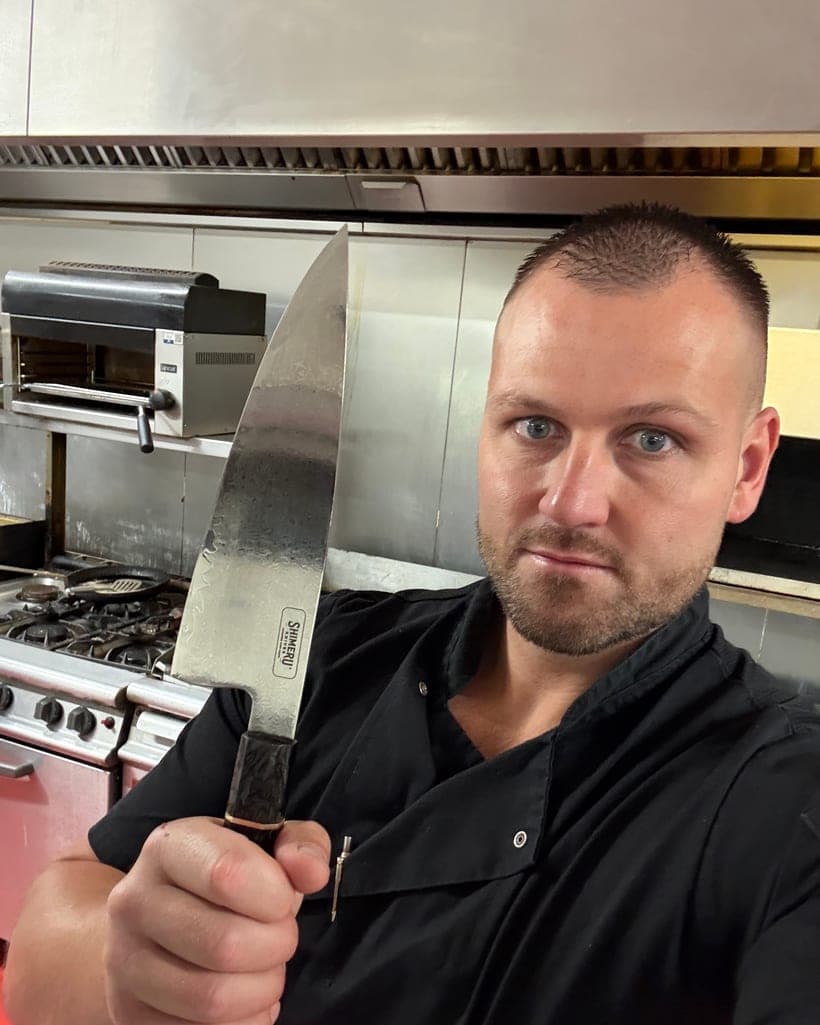
The gyuto is often the easiest recommendation for someone who wants one excellent knife for almost everything. Think of it as the Japanese answer to the Western chef’s knife, but typically lighter, thinner behind the edge, and more precise in use.
A gyuto usually handles proteins, vegetables, herbs, and fruit with equal ease. The pointed tip helps with detail work, while the longer blade gives you room for slicing larger ingredients. If you cook a broad mix of meals, from weeknight stir-fries to roast chicken and big salad prep, this is often the most versatile choice.
For many home cooks, an 8-inch gyuto is the sweet spot. It feels capable without being oversized. If your cutting board is small or you are nervous about longer blades, a slightly shorter option can feel more approachable.
Santoku - easy, efficient, and compact
Santoku means "three virtues," often referring to meat, fish, and vegetables. In practice, it is one of the most user-friendly knife shapes for home kitchens.
Compared with a gyuto, a santoku is usually shorter and has a flatter edge profile. That makes it especially comfortable for straight up-and-down slicing and push cutting. If your prep tends to centre on vegetables, boneless proteins, and everyday meals rather than large roasts or melons, a santoku can be an excellent fit.
Many home cooks love santoku knives because they feel intuitive right away. They are compact, controlled, and less intimidating than a longer chef’s knife. The trade-off is reach. If you often break down larger ingredients, a gyuto may give you more flexibility.
Nakiri - for vegetable-heavy cooking
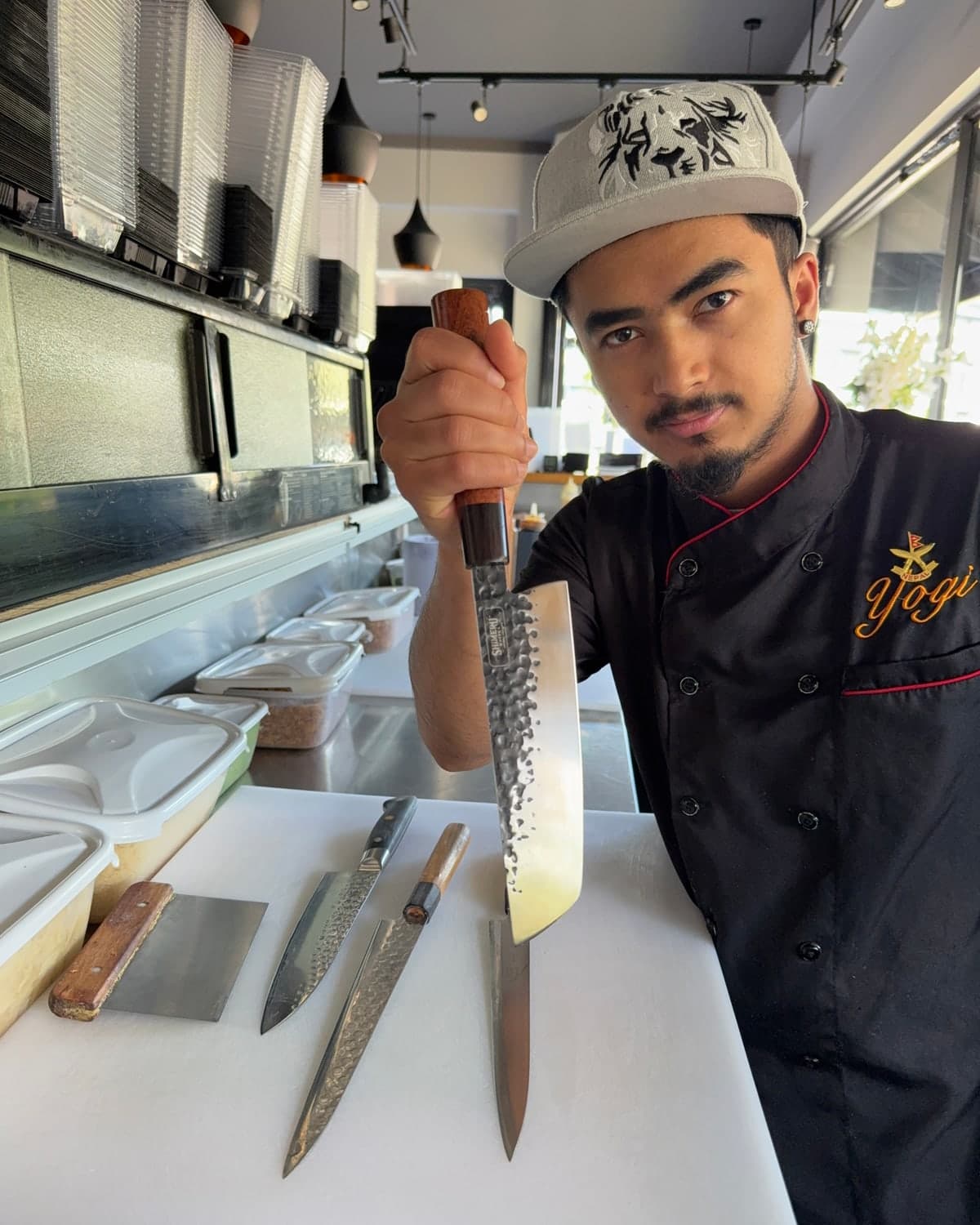
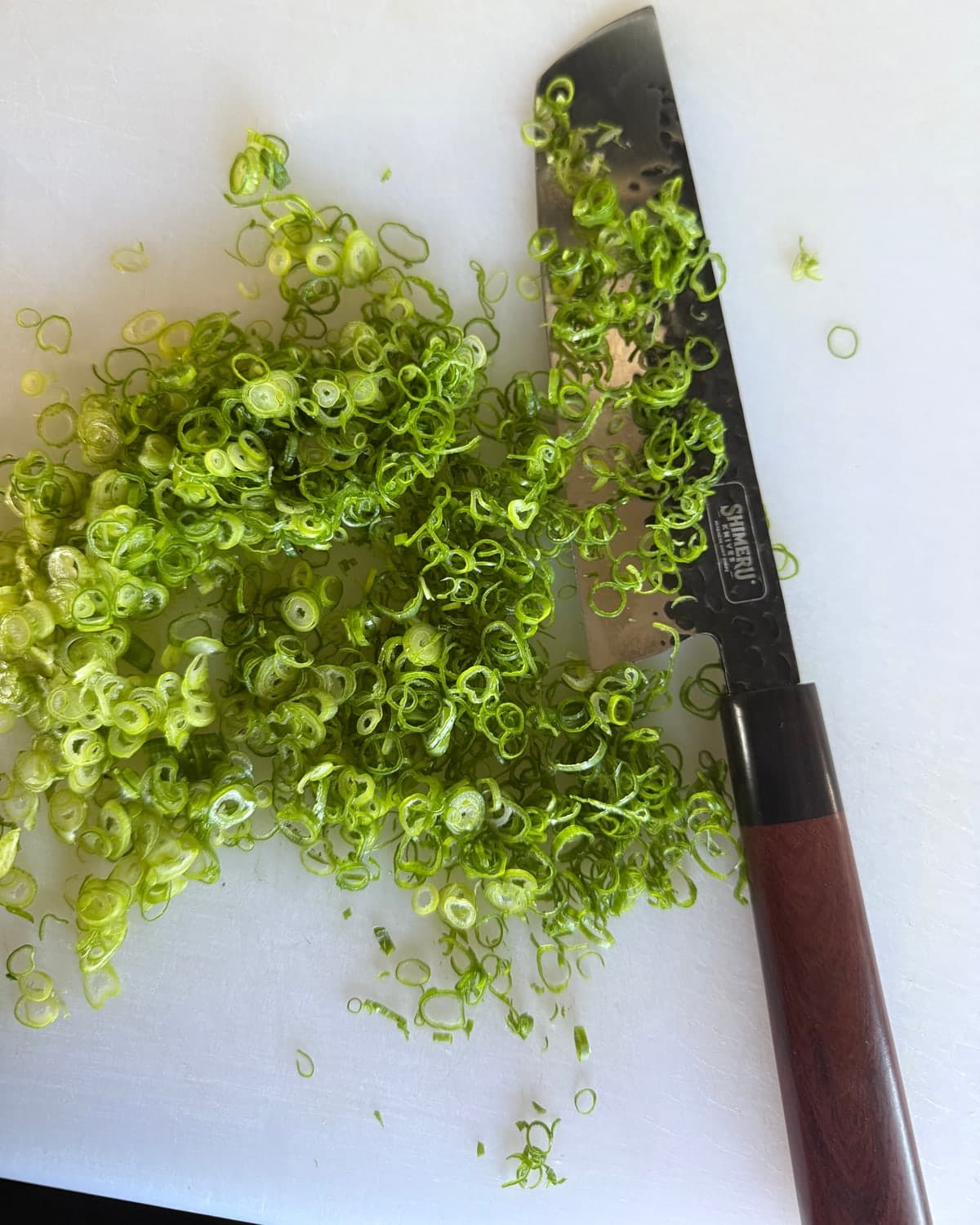
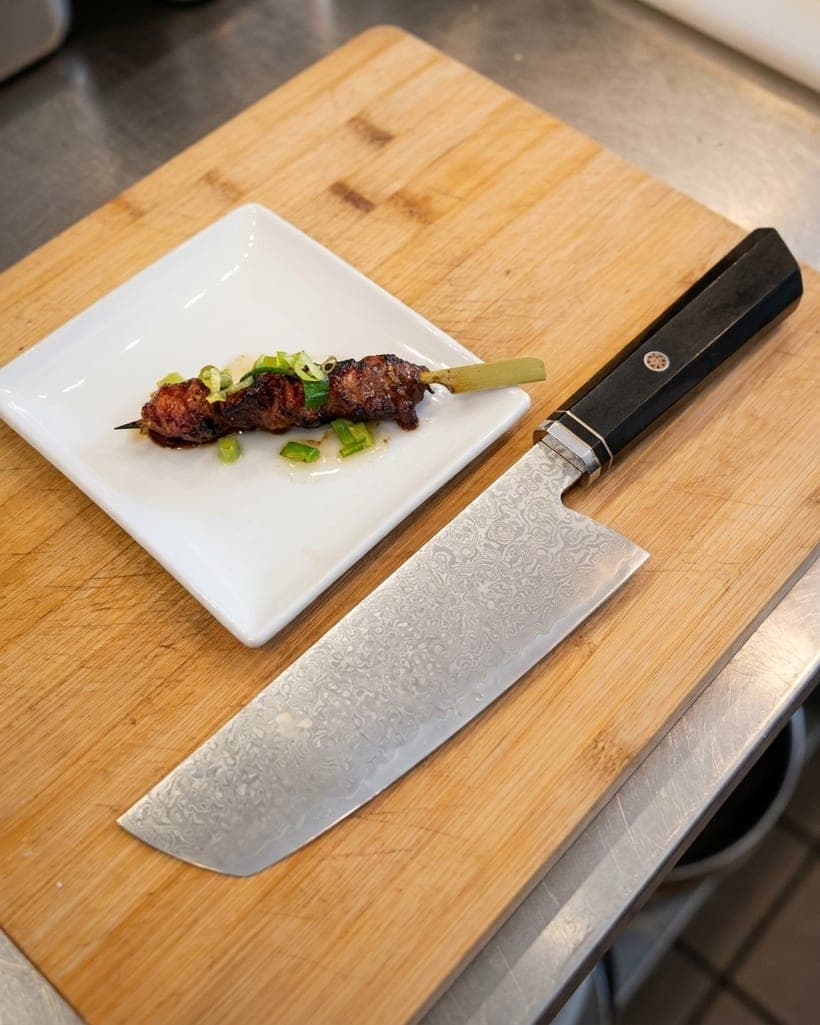
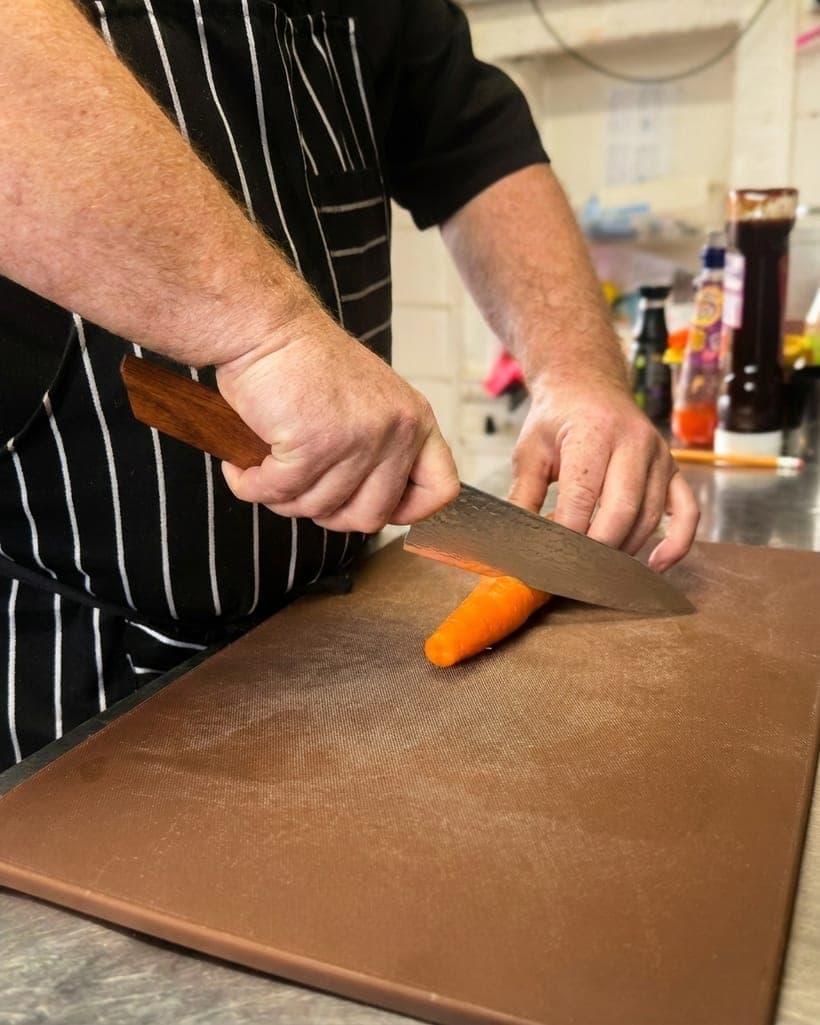
If vegetables are the centre of your cooking, the nakiri deserves serious consideration. Its rectangular blade and flat edge are designed for clean, efficient vegetable prep. Cabbage, carrots, onions, zucchini, herbs - a good nakiri makes repetitive chopping feel almost effortless.
The benefit is precision and speed on produce. The trade-off is versatility. A nakiri is brilliant for vegetables but less suited to tasks where you want a pointed tip, such as trimming meat or slicing into tighter spaces. For that reason, it is often a second knife rather than the first for most households.
Best knives for home cooks by cooking style
The best choice depends on what and how you cook.
If you make a bit of everything, start with a gyuto. It is the most complete single-knife solution. If you cook in a smaller kitchen, prefer a compact blade, or want something that feels especially manageable, a santoku is hard to beat. If your meals are produce-led and you spend most of your prep time slicing and chopping vegetables, a nakiri will feel purpose-built.
There are other shapes worth knowing, but they are more situational. A bunka offers a flatter profile with a more aggressive tip and can appeal to confident home cooks who want versatility with a slightly more distinct feel. A kiritsuke-style knife looks striking and can perform beautifully, but it is often better suited to buyers who already know they enjoy that profile. Bread knives and cleavers absolutely have their place, though they are supporting players rather than first purchases for most kitchens.
Japanese steel, explained simply
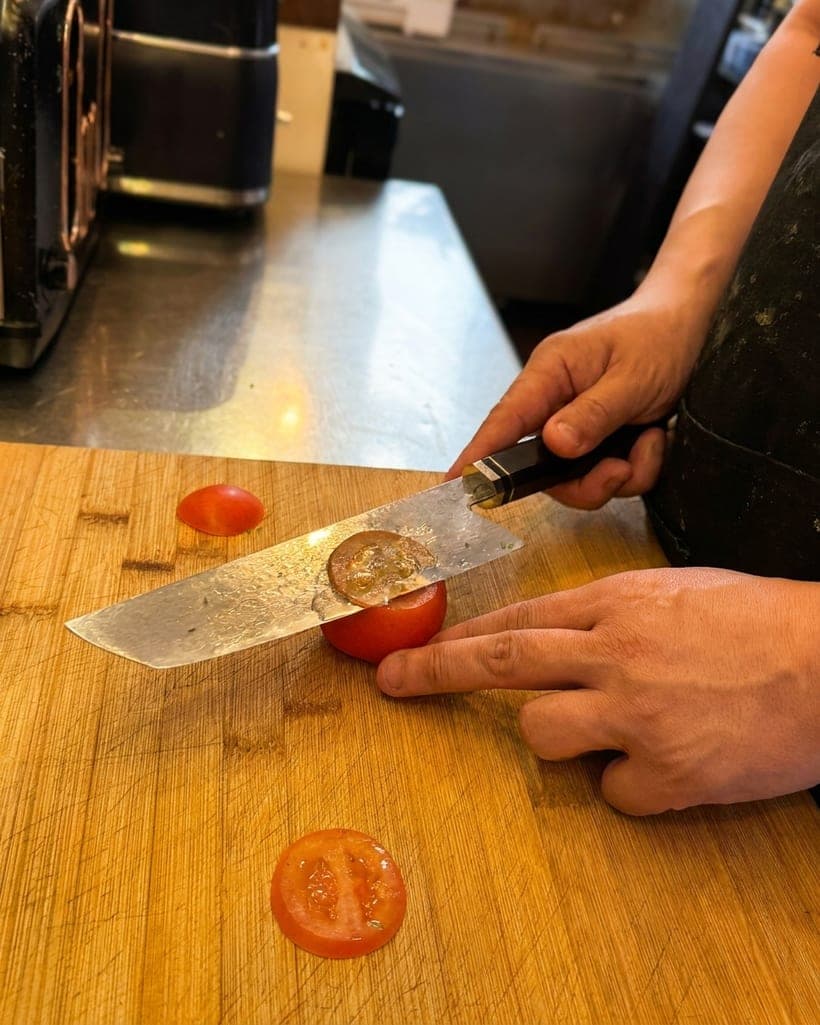
Steel talk can get complicated fast, but home cooks only need to understand the part that affects daily use. Harder Japanese steels generally take a sharper edge and hold it longer than softer mass-market knives. That means cleaner cuts and fewer frustrating drags through tomatoes, herbs, or onions.
The trade-off is that harder steel should be treated with a little more respect. No tossing it in the dishwasher. No scraping the edge across the board. No twisting through hard materials or frozen food. For most people, that is a very reasonable bargain for better performance.
If you have seen names like VG-10 or SG2, think of them as different paths to the same goal: a sharper, longer-lasting edge. The finer details matter, but they matter less than buying a well-made knife in the right shape for your habits.
What to buy first, and what can wait
If you are upgrading from a starter set, start with one primary knife instead of replacing everything at once. This is where many buyers make the smartest leap in quality.
A gyuto or santoku will do the heavy lifting in almost every kitchen. Add a small utility or paring knife later if you need one for peeling and detail work. A bread knife is worth it if you regularly slice crusty loaves, tomatoes, or delicate cakes. A nakiri makes sense once you know you want a dedicated vegetable knife, not before.
This is also why premium knife sets are worth judging carefully. A good set is convenient and giftable, but only if each piece will actually be used. For many home cooks, one exceptional main knife beats five average ones every time.
How to choose the right size and feel
A knife can be objectively well made and still not be right for you. Fit matters.
If you are moving from a bulky Western chef’s knife, a Japanese-style blade may feel noticeably lighter and more nimble. Many cooks love that immediately because it reduces fatigue and improves control. Others need a week or two to adjust. Neither reaction is wrong.
Handle shape also plays a role. Some people prefer a traditional wa-style handle for its lightness and balance. Others feel more at home with a Western-style handle that offers a familiar grip. The best choice is the one that encourages confident, relaxed use, not the one with the most romantic backstory.
A few mistakes to avoid
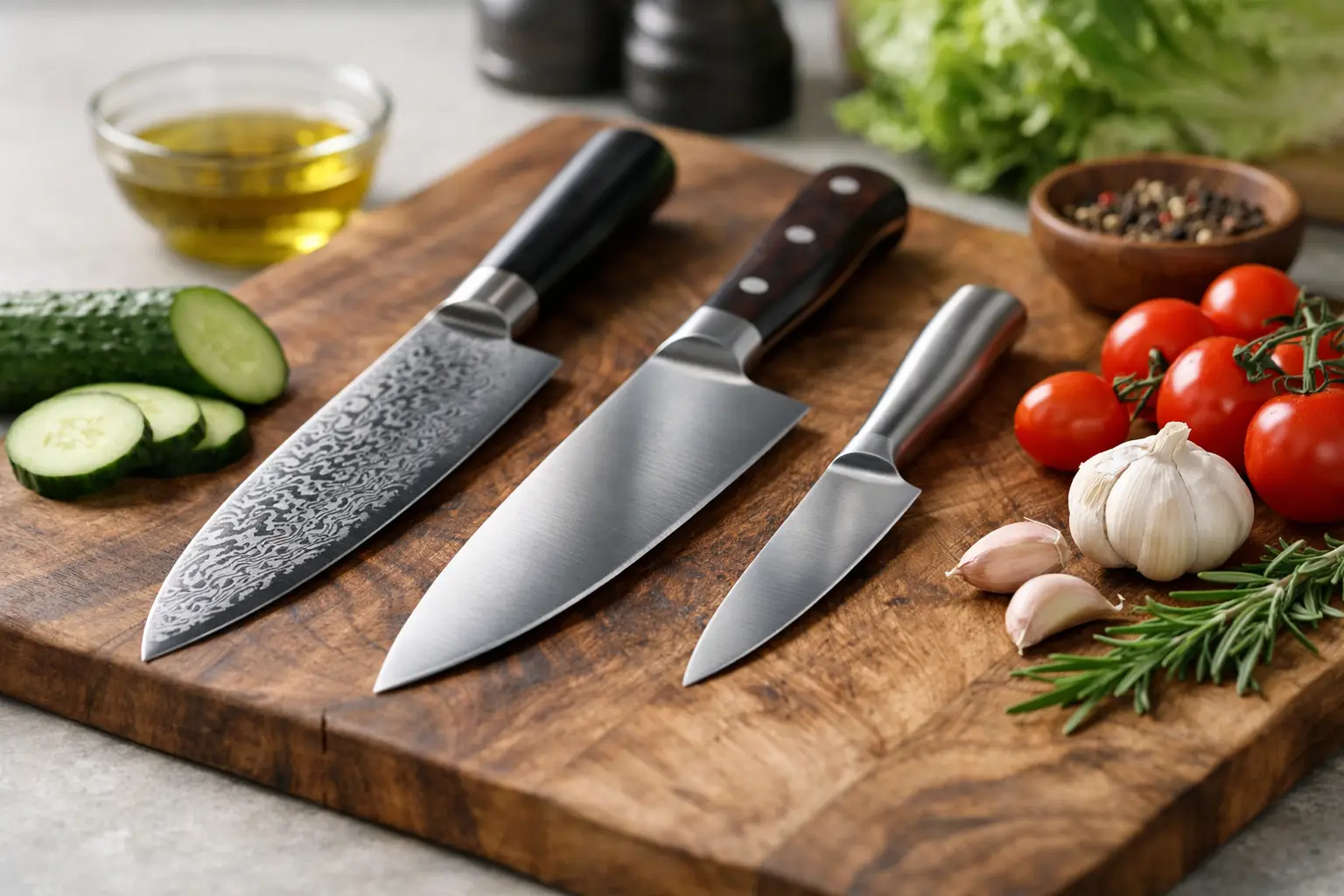
The biggest mistake is buying based on looks alone. Damascus patterns, hammered finishes, and dramatic profiles can be beautiful, but performance and usability should come first.
The second mistake is overbuying. You do not need a specialist fish knife if you mostly make sheet-pan dinners and pasta. And you do not need a massive blade if your prep space is tight and your cooking is simple.
The third is underestimating care. Even the best knives for home cooks need basic maintenance. Hand wash them, dry them promptly, use a decent cutting board, and keep the edge honed or sharpened when needed. A premium knife is not high-maintenance, but it does reward good habits.
For home cooks ready to upgrade, the right knife is not about collecting shapes or memorising steel charts. It is about finding a blade that makes everyday prep cleaner, quicker, and more enjoyable. Start with the knife you will reach for most, and the rest of your kitchen tends to follow.