

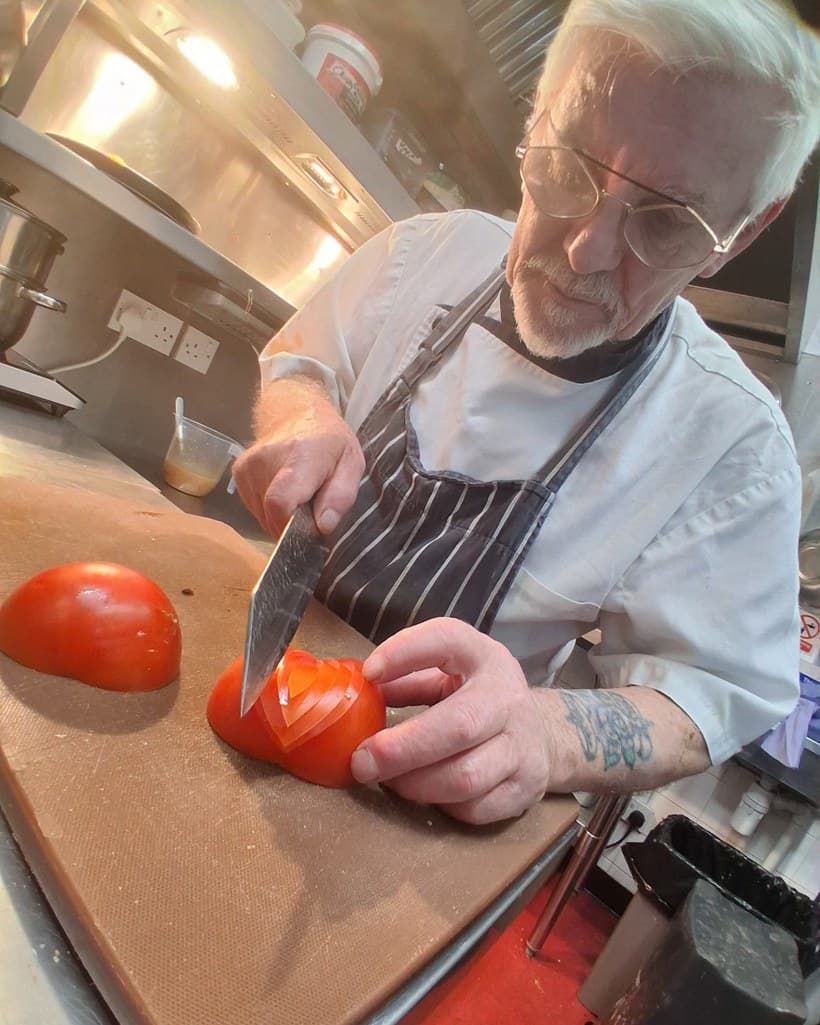
Japanese vs Western Knives: Which One Suits You?
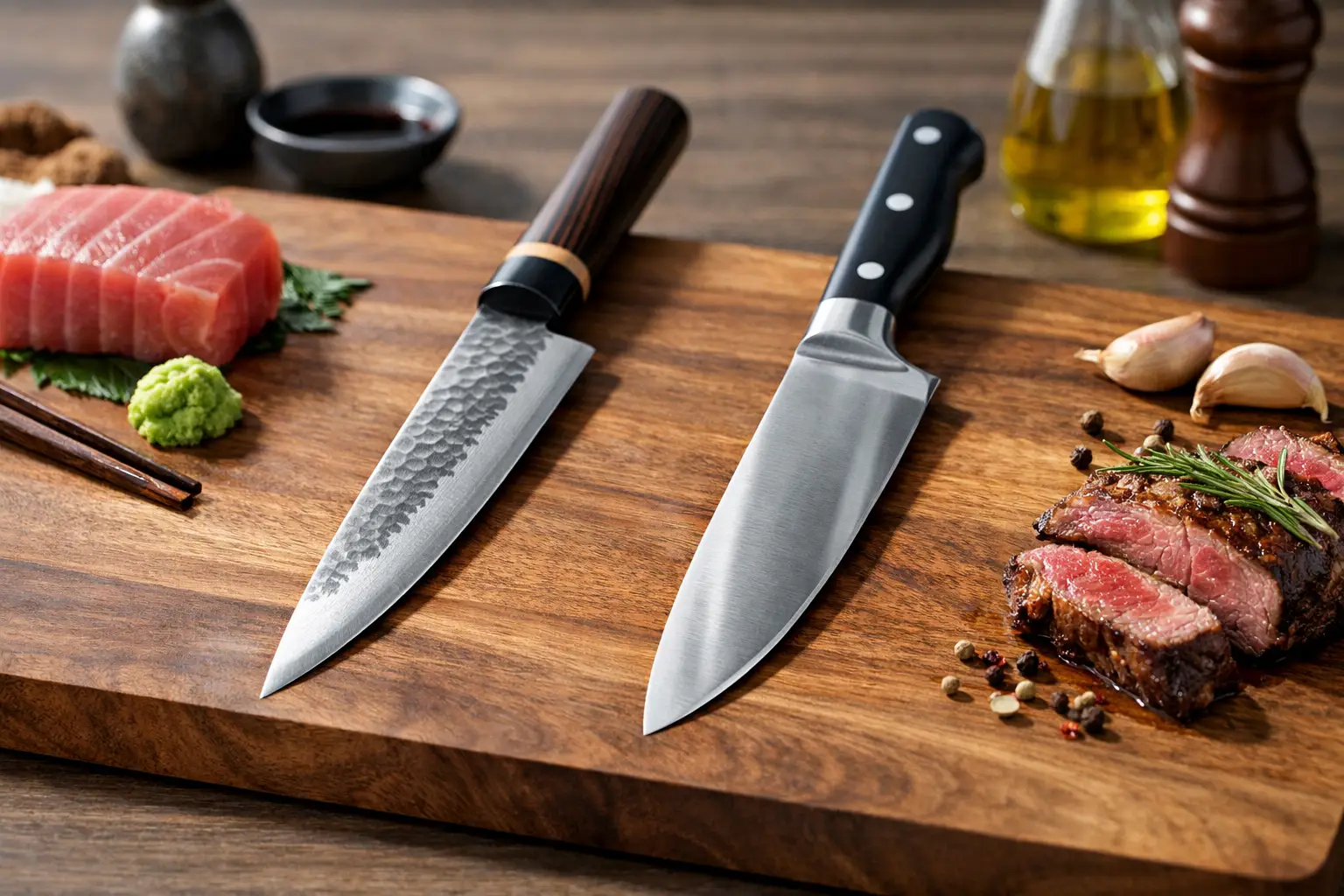
Within the first few minutes of chopping, a knife reveals its character. If it feels cumbersome, struggles through onions, or demands extra force on herbs, you notice. That is why the choice between Japanese and western knives matters so much for home cooks - not as a piece of chef trivia, but as a daily difference in comfort, control, and results.
For most people, the choice is not about which tradition is "better" in the abstract. It is about what feels better in your hand, what suits the food you cook, and how much maintenance you are happy to take on. Japanese knives tend to win people over with sharpness, precision, and a lighter, more agile feel. Western knives are often favoured for familiarity, durability, and a more forgiving edge. Both have a place. The right choice depends on how you cook.
Japanese vs Western Knives: The Real Difference
At a glance, Japanese and Western knives can look similar, especially if you are comparing a Gyuto to a chef's knife. In use, they often feel quite different.
Japanese knives are typically made with harder steel, ground to a thinner edge, and designed for cleaner, more precise cutting. That usually means better edge retention, less drag through ingredients, and a lighter feel on the board. You use less force, which makes prep feel smoother and more controlled.
Western knives are usually made with softer steel and a thicker blade profile. They are often heavier, with more weight through the bolster and handle. For many home cooks, that feels solid and familiar. The trade-off is that the edge generally will not stay razor-sharp as long, and the blade can feel less nimble during fine prep.
None of this means every Japanese knife is delicate or every Western knife is clunky. Modern designs blur the lines. But the broad pattern holds: Japanese knives lean toward precision and performance, while Western knives lean toward toughness and all-purpose familiarity.
How They Feel on the Cutting Board
This is where the difference becomes obvious.
A typical Western chef's knife often encourages a rocking motion. The curved belly supports that style well, and the extra weight can do some of the work for you. If you mince herbs, chop nuts, or are used to rocking the blade tip on the board, a Western profile may feel natural straight away.
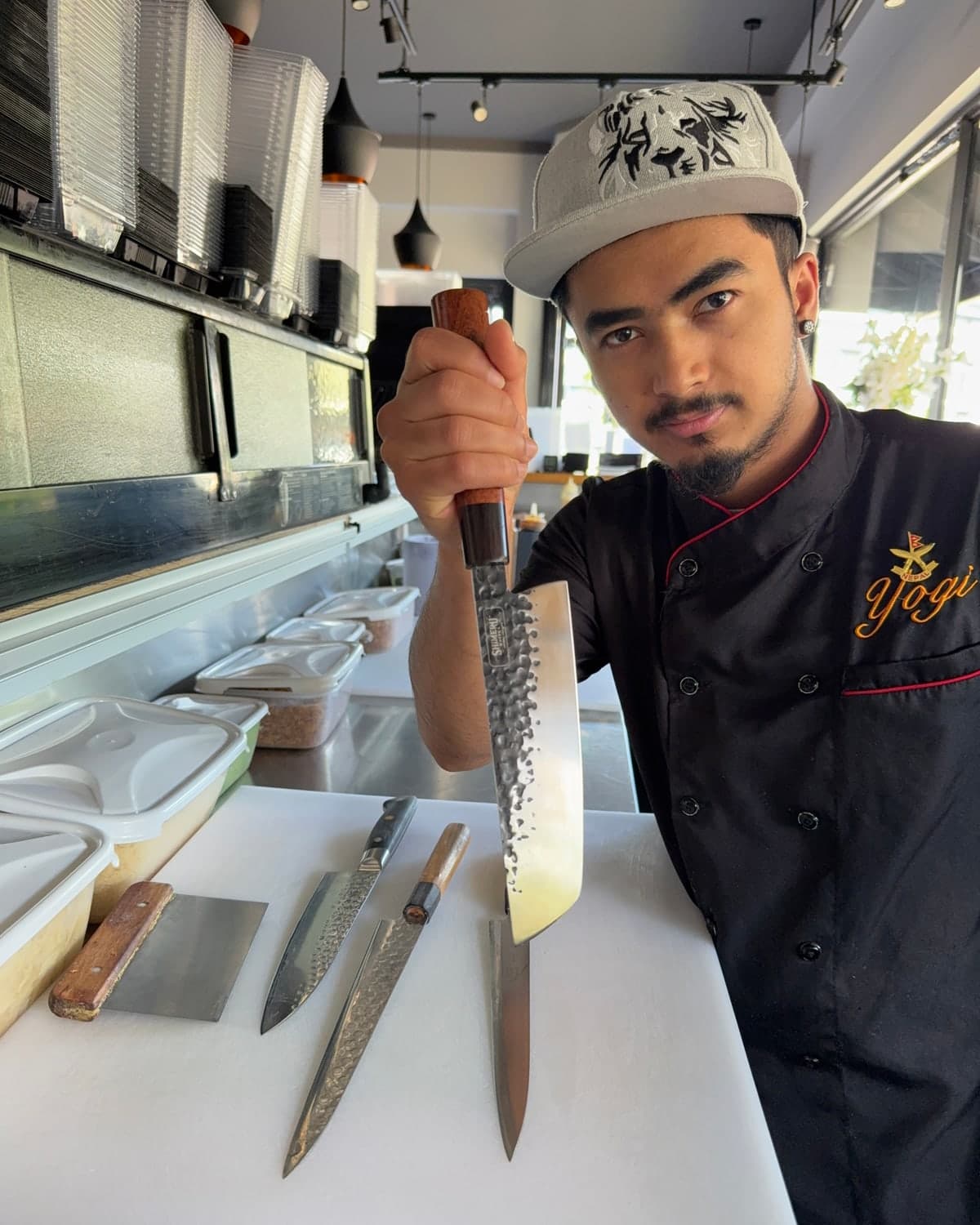
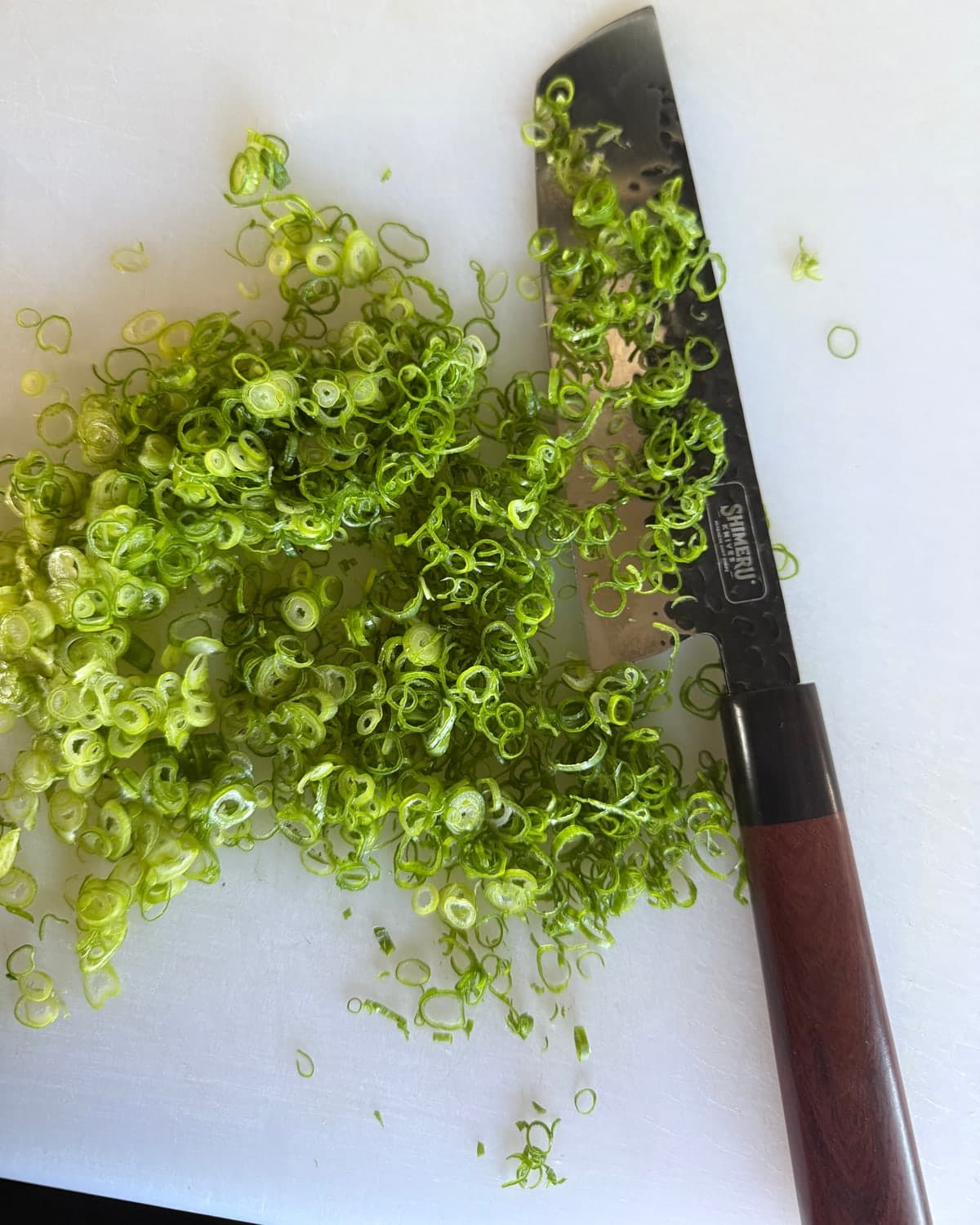
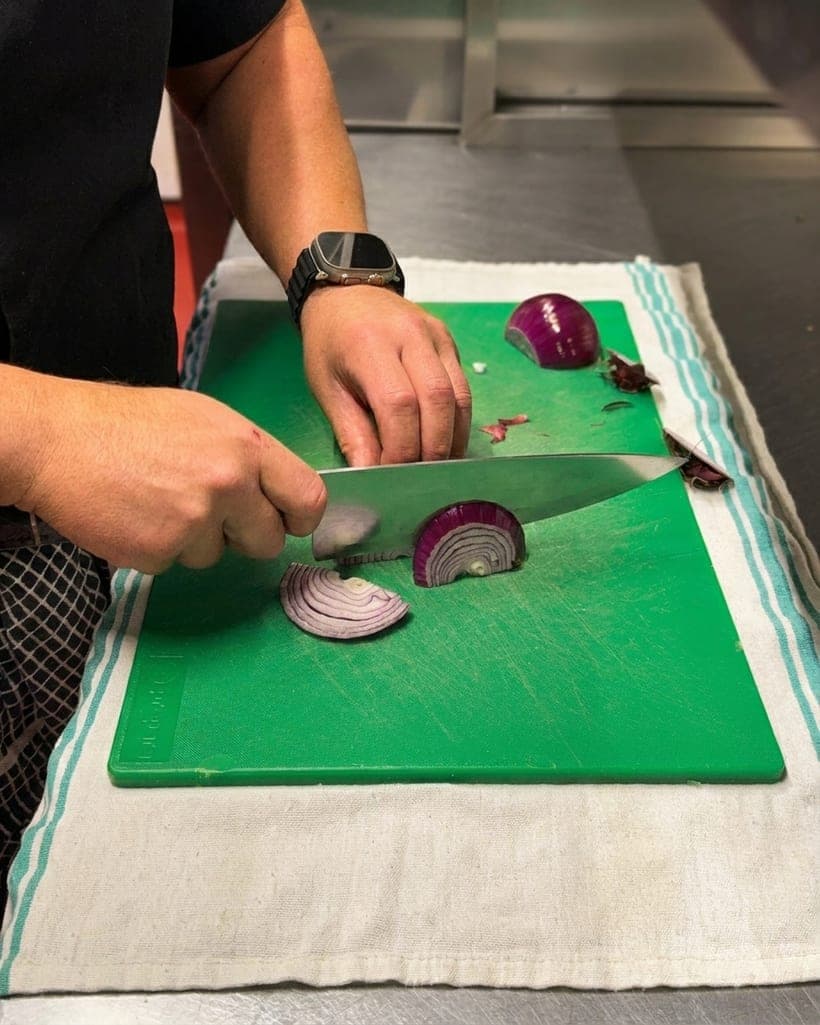
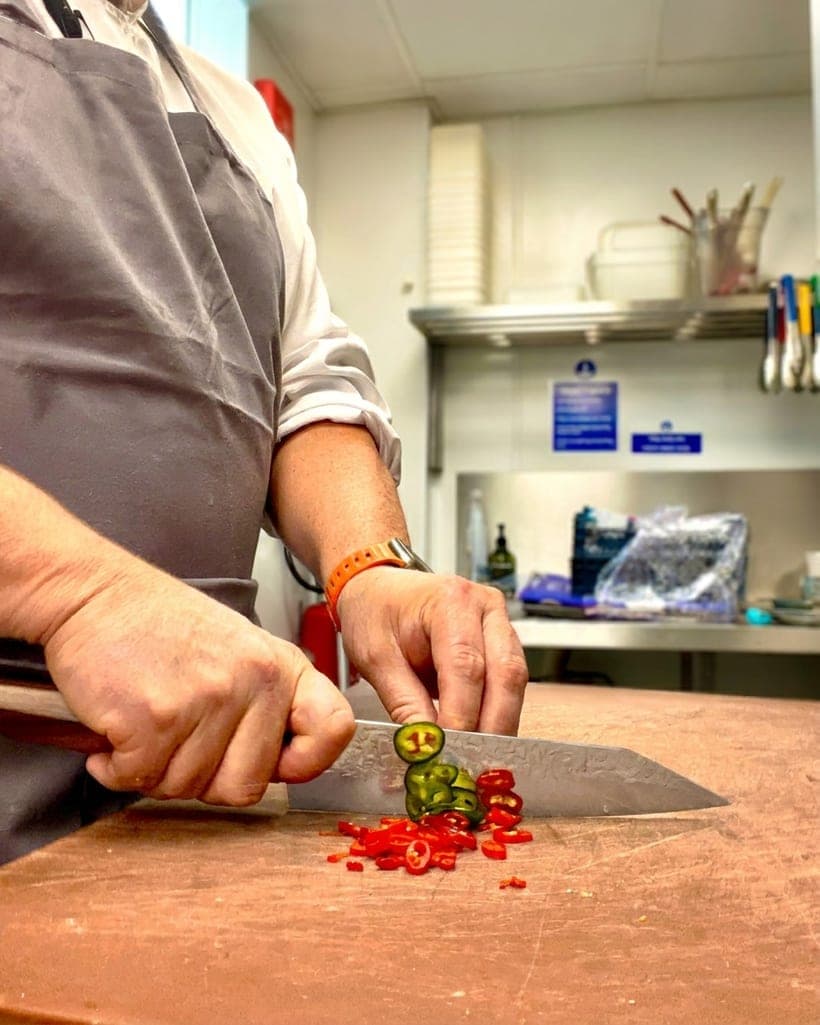
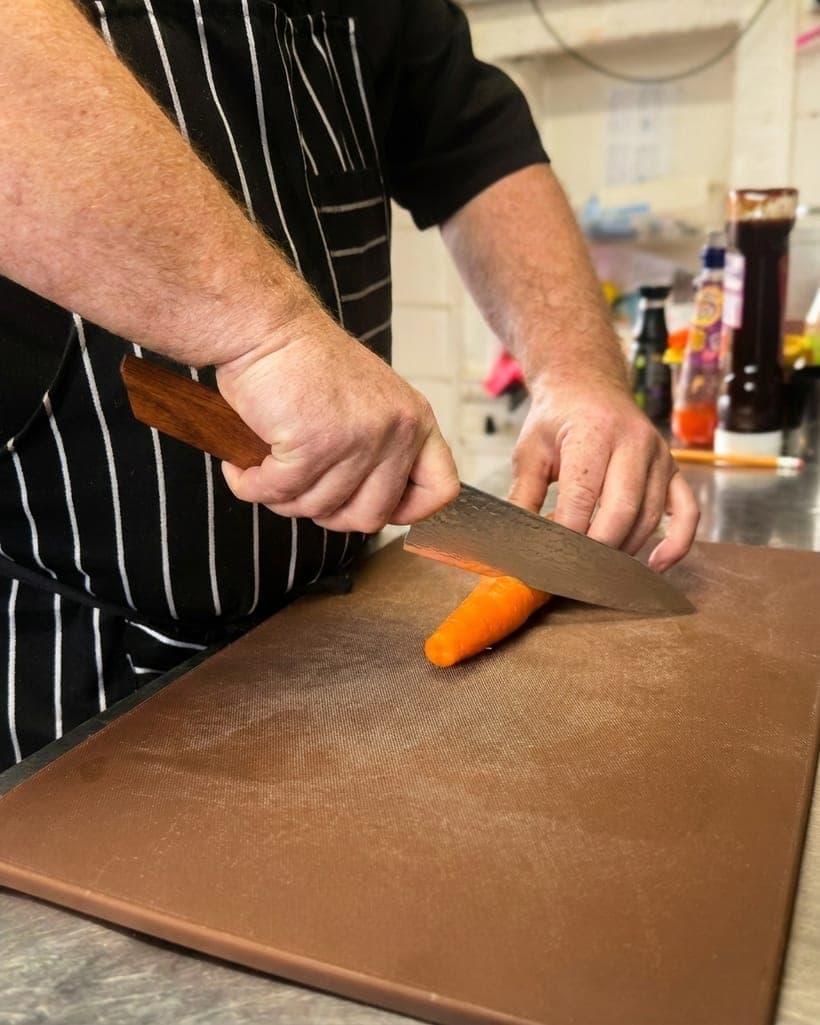
Japanese knives often favour a push cut or slicing motion. Many have flatter profiles, which create more board contact and cleaner cuts through vegetables, boneless proteins, and fresh herbs. A Gyuto still covers most chef's knife tasks, but it usually feels more precise and less bulky. A Santoku feels especially efficient for everyday prep, with a compact shape that suits smaller kitchens and home cooks who want simplicity.
That difference in motion matters more than many buyers expect. If your cutting style is heavy and forceful, a thinner Japanese edge may ask you to slow down and use better technique. If you already slice cleanly and want more control, it can feel like an immediate upgrade.
Steel, Sharpness, and Edge Retention
The strongest argument for Japanese knives is usually performance at the edge.
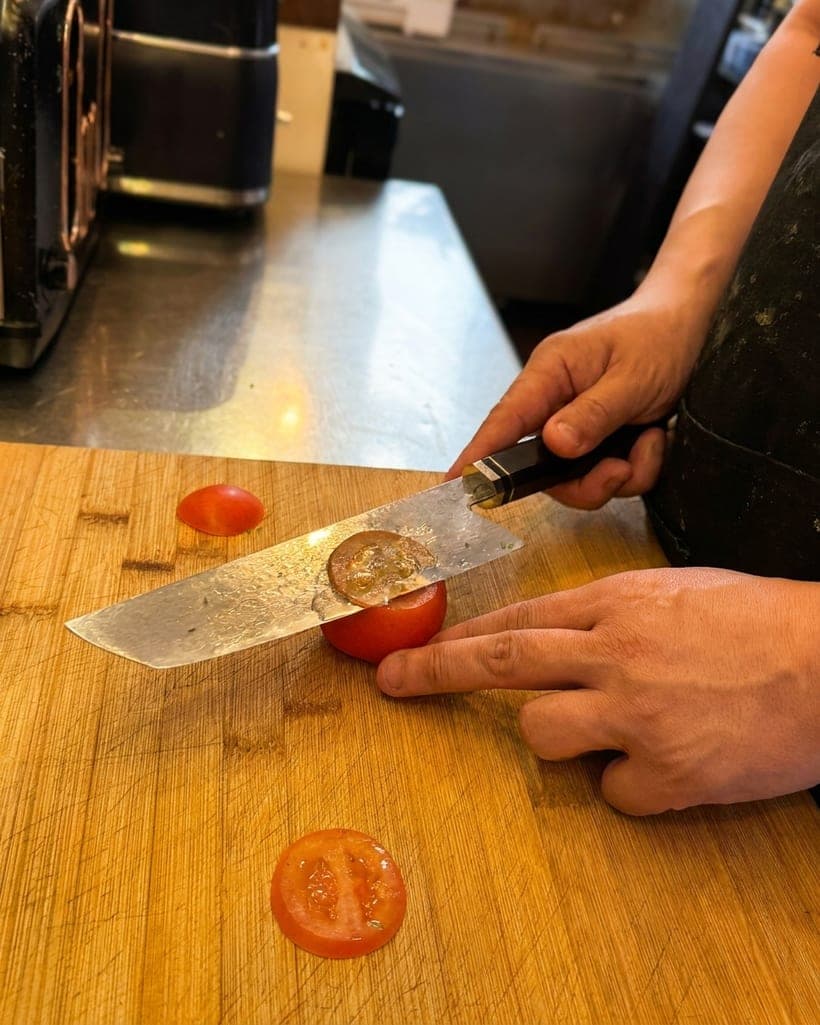
Harder Japanese steels can take a finer edge and hold it longer. In practical terms, that means cleaner tomato slices, easier onion prep, and less crushing of delicate ingredients. You spend more time enjoying a sharp knife and less time wishing it cut better.
Western knives, with softer steel, tend to lose that ultra-fine edge sooner, but they are often more forgiving. They can tolerate rougher treatment, twisting in dense foods, and less disciplined cutting habits. They are also generally easier to bring back with basic honing and sharpening.
The trade-off is simple. Japanese knives usually reward good habits with better cutting performance. Western knives tend to tolerate bad habits with less risk of chipping.
For many home cooks, that is the real fork in the road. If you want a knife that feels noticeably sharper and stays that way, Japanese steel is compelling. If you want something that can take more abuse without complaint, Western may feel safer.
Weight, Balance, and Fatigue
A lot of people assume heavier means better. In knives, that is not always true.
A heavier Western knife can feel powerful at first, but during a long prep session it can become tiring, especially if the balance is handle-heavy or the blade feels thick through dense produce. A lighter Japanese knife often feels faster and more responsive. You can move through garlic, shallots, carrots, and herbs with less strain.
That lighter feel is one of the reasons so many home cooks do not go back once they switch. The knife starts to feel like an extension of your hand rather than a tool you are pushing through food.
Balance matters as much as weight. A well-balanced Japanese knife can feel precise without feeling fragile. That is the sweet spot many upgrading home cooks are looking for - something that performs at a higher level without demanding professional-level skill.
Blade Shapes and What They Are Best For
When comparing Japanese vs western knives, shape matters just as much as steel.
The Western chef's knife is built to do everything reasonably well. It is versatile, familiar, and easy to understand. If you want one knife for general prep and you do not want to think too hard about formats, it remains a solid option.
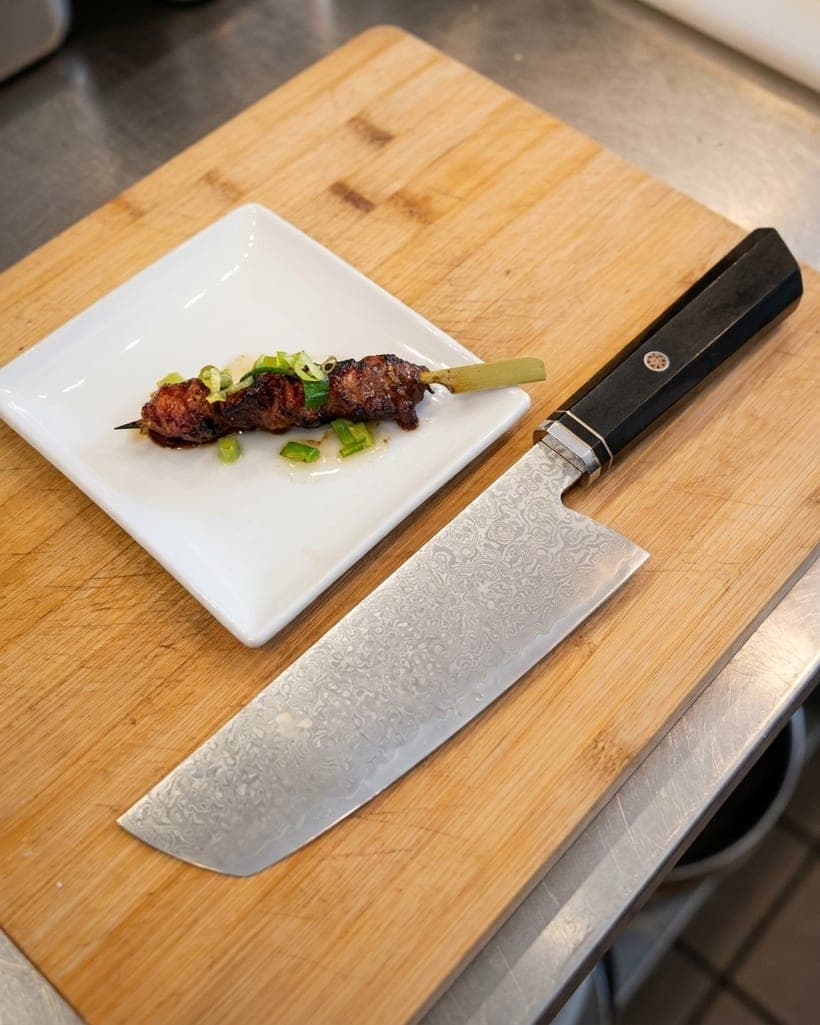
Japanese knives offer more purpose-built shapes. A Gyuto is the closest equivalent to a Western chef's knife, but usually thinner and more refined in feel. A Santoku is slightly shorter, very approachable, and ideal for everyday slicing, dicing, and chopping. A Nakiri excels at vegetables thanks to its flat edge and straight profile. A Bunka or Kiritsuke brings a little more edge-forward precision for cooks who enjoy detail work.
That variety can sound intimidating, but for home cooks it is often a benefit. Instead of settling for one heavy all-rounder, you can choose a shape that matches the way you actually cook most nights.
Maintenance: What Home Cooks Need to Know
This is where honesty helps.
Japanese knives are not high-maintenance in a dramatic way, but they do ask for better care. Hand wash them. Dry them promptly. Avoid tossing them in a sink or dishwasher. Use a proper cutting board, not glass or stone. If the edge is harder and thinner, you should also avoid rough tasks like hacking through bones or frozen food.
For many people, that sounds like extra work. In reality, it becomes routine very quickly. A good knife tends to earn better treatment because it feels better to use.
Western knives are generally more forgiving if you are casual. They may handle rougher board contact and less careful use with fewer consequences. But forgiving is not the same as better. If you are willing to spend an extra few seconds on care, a Japanese knife often gives more back in performance.
Which Knife Is Better for Most Home Cooks?
For a lot of modern home kitchens, Japanese knives make more sense than people expect.
Most home cooks are not breaking down cases of chickens or powering through bone-in prep all day. They are slicing vegetables, trimming proteins, chopping herbs, and making dinner on a weeknight. That is exactly where a lighter, sharper, better-balanced knife shines.
A Japanese-style Gyuto or Santoku is often the most satisfying upgrade from a standard block-set chef's knife. You notice the sharpness immediately. You notice the reduced effort. You notice that prep becomes cleaner and more enjoyable.
That said, a Western knife still suits some cooks better. If you prefer a heavier feel, rely on a rocking motion, or want a blade that can tolerate rougher habits, you may enjoy the familiarity. There is no prize for choosing the more specialised option if it does not fit how you cook.
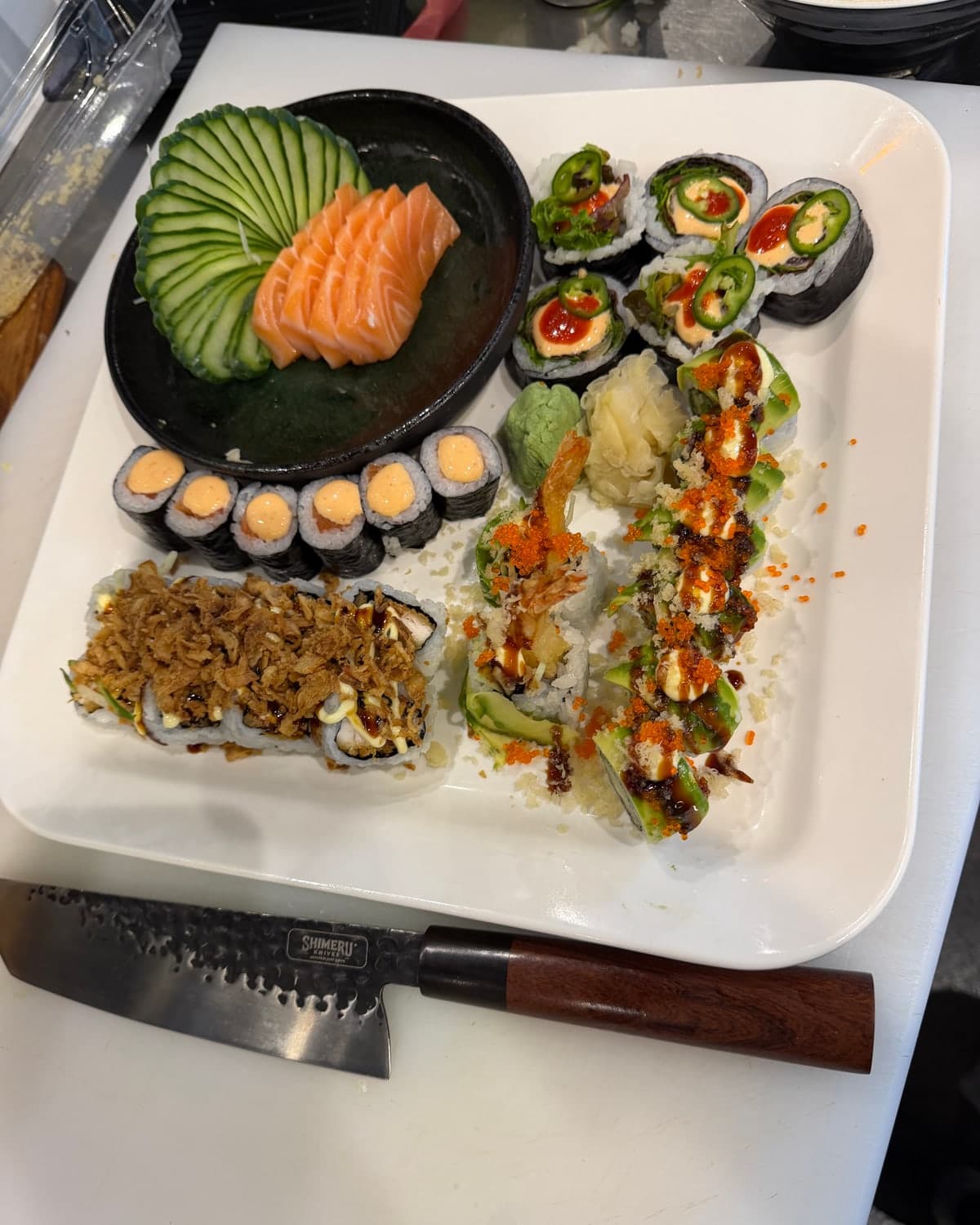
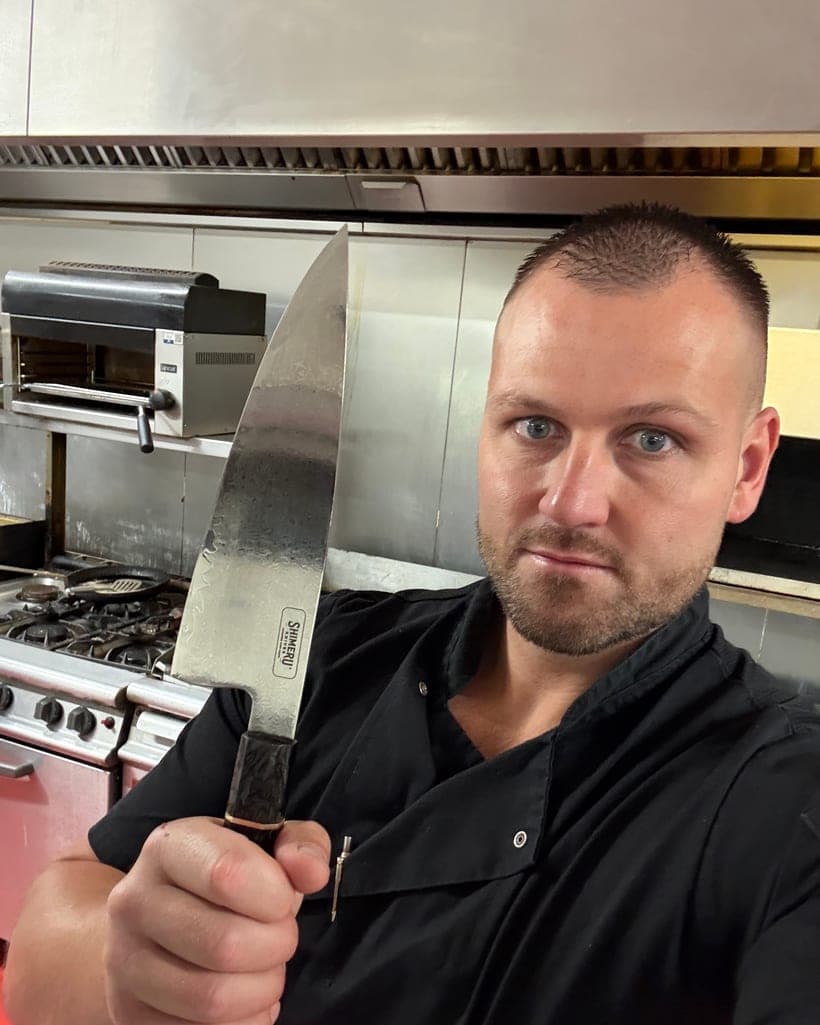
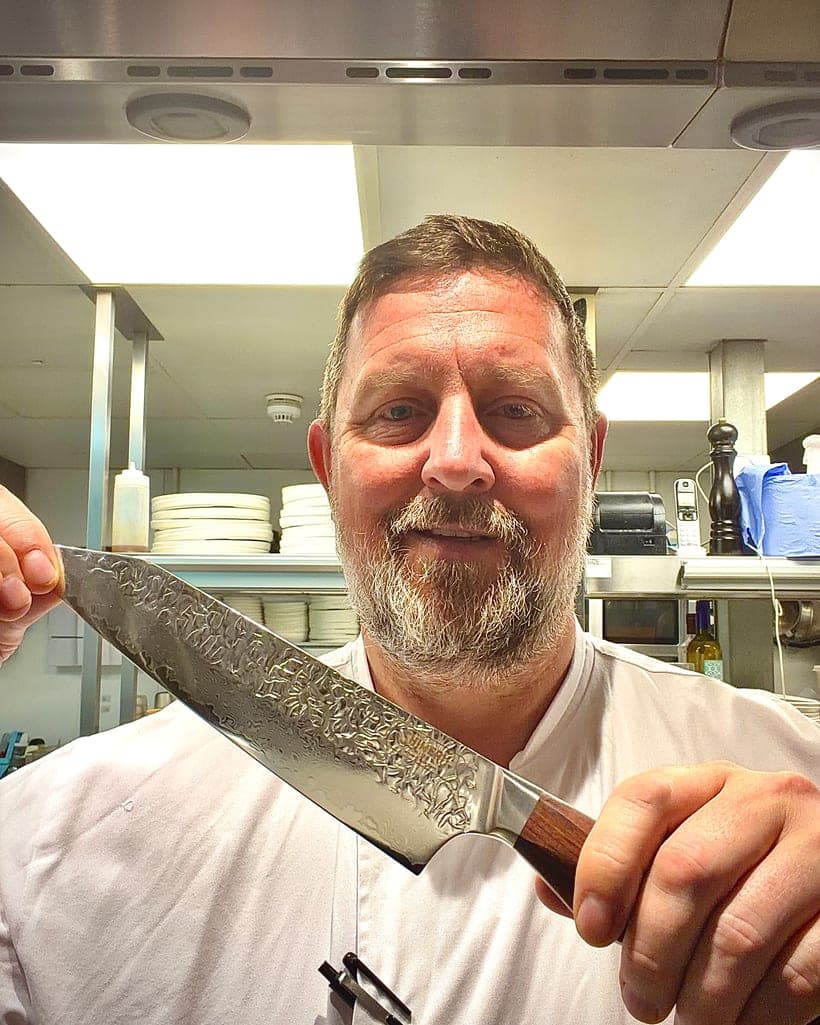
For buyers who want the benefits of Japanese craftsmanship without stepping into collector territory, brands like Shimeru Knives make that upgrade far more accessible than it used to be. You get the sharpness, balance, and elevated feel that draw people to Japanese knives in the first place, without the sense that you need a culinary degree to choose one.
If you are deciding between the two, think less about tradition and more about experience. Do you want a knife that feels solid and forgiving, or one that feels precise, sharp, and light in motion? The best knife is the one that makes you want to cook again tomorrow.