

Best Japanese Chef Knife Set: What to Look For
A knife set may look impressive on the counter, but that does not mean it will make cooking easier.
If you are shopping for the best Japanese chef knives set, the real question is simpler: which knives will you actually use, and will they feel better in your hand than the heavy Western blades you already own? For most home cooks, that is where Japanese knives stand out. They feel lighter, cut cleaner, and make prep work less tiring. The right set brings precision without turning your kitchen into a museum of specialty tools.
What makes the best Japanese chef knives set worth it?
A good Japanese knife set is not just a bundle of matching handles. It should give you a smarter mix of blade shapes, better steel, and a more balanced feel across the knives you reach for most.
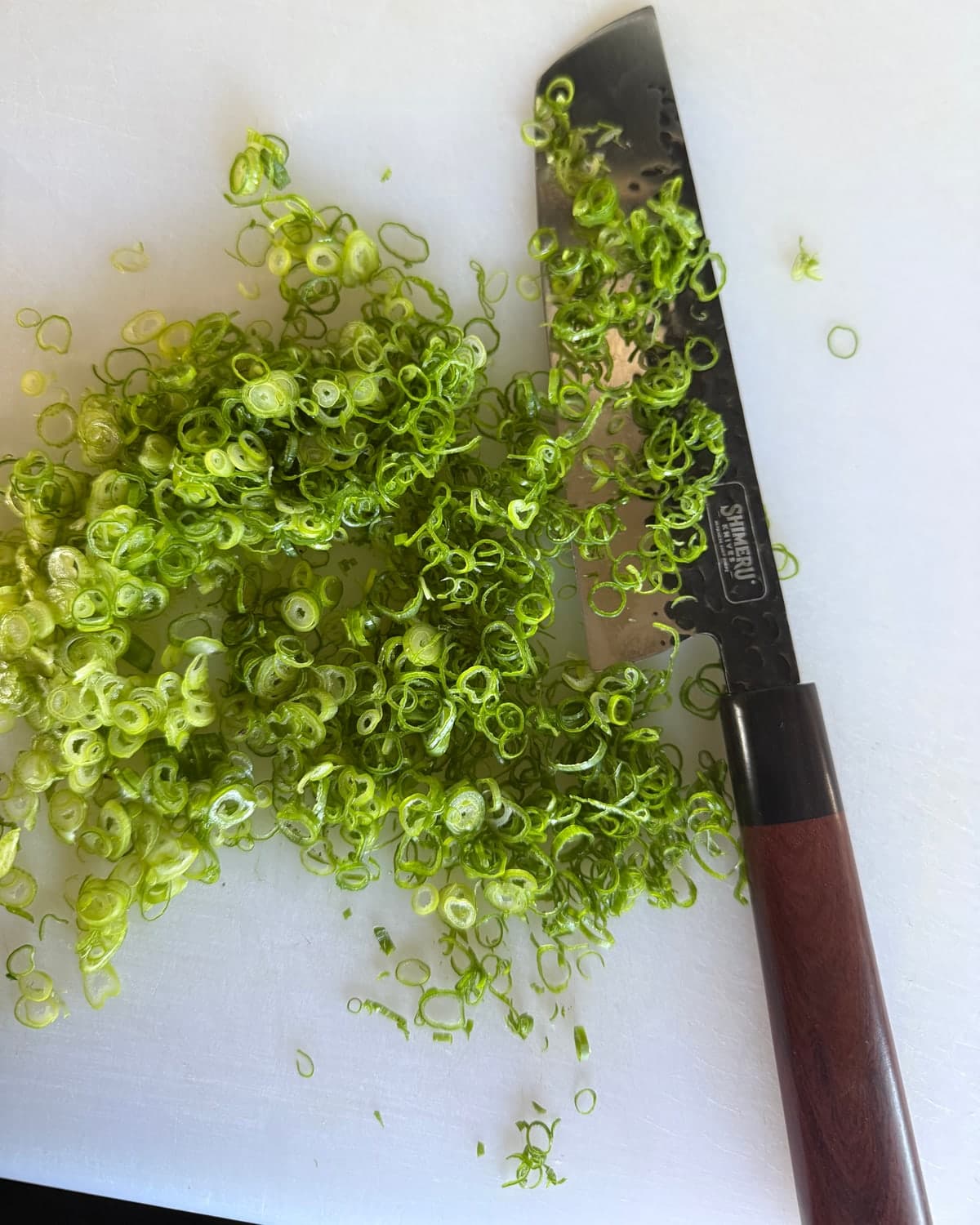
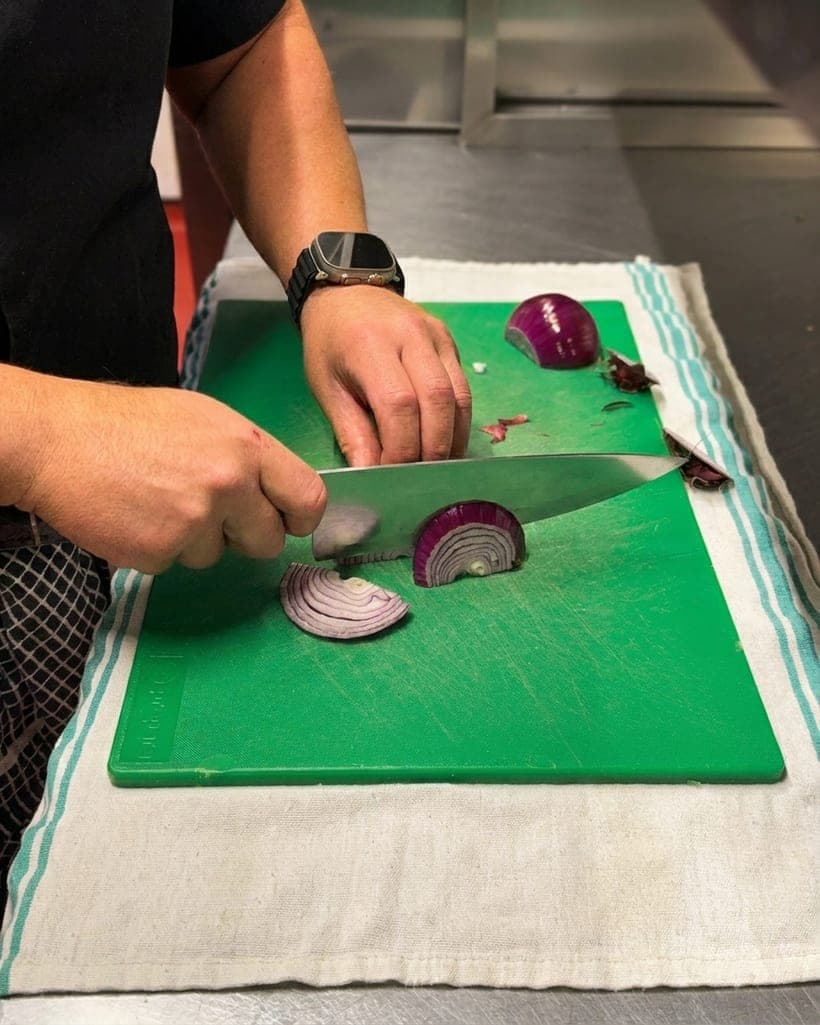
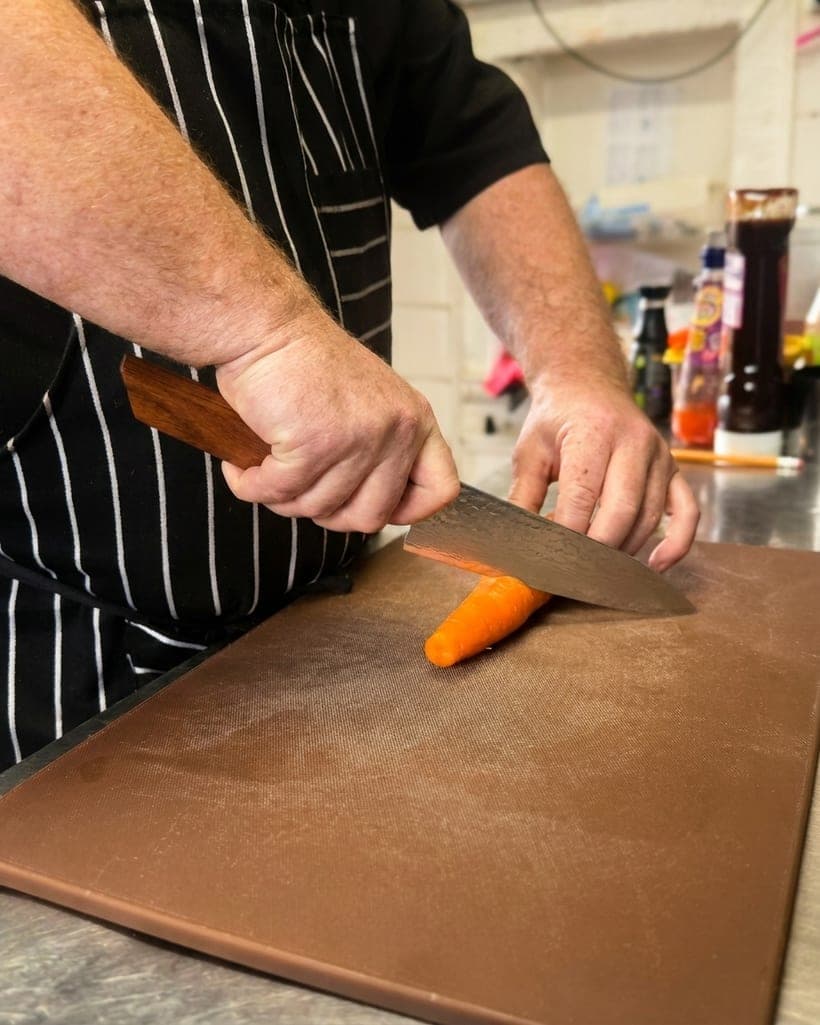
The biggest upgrade is usually performance. Japanese-style knives are known for thinner blades, sharper factory edges, and more agile handling. When you slice herbs, trim chicken, or cut through onions and carrots, that difference is immediate. You use less force. Your cuts are cleaner. Ingredients bruise less and look better on the plate.
There is also a practical advantage that gets overlooked. A well-chosen set removes guesswork. Instead of buying one knife now, another six months later, and ending up with a mismatched drawer, you start with a coherent toolkit. That matters for first serious kitchens, for gift buyers who want something polished and useful, and for home cooks ready to upgrade all at once.
Still, not every set is automatically a smart buy. Some include filler pieces that sound impressive but rarely leave the block. Others focus on looks over cutting feel. The best set is the one that covers your real cooking habits, not an imaginary chef fantasy.
The knives most home cooks actually need
For most people, a three- or four-piece set is the sweet spot. You want enough range to handle daily prep, but not so many blades that half of them sit untouched.
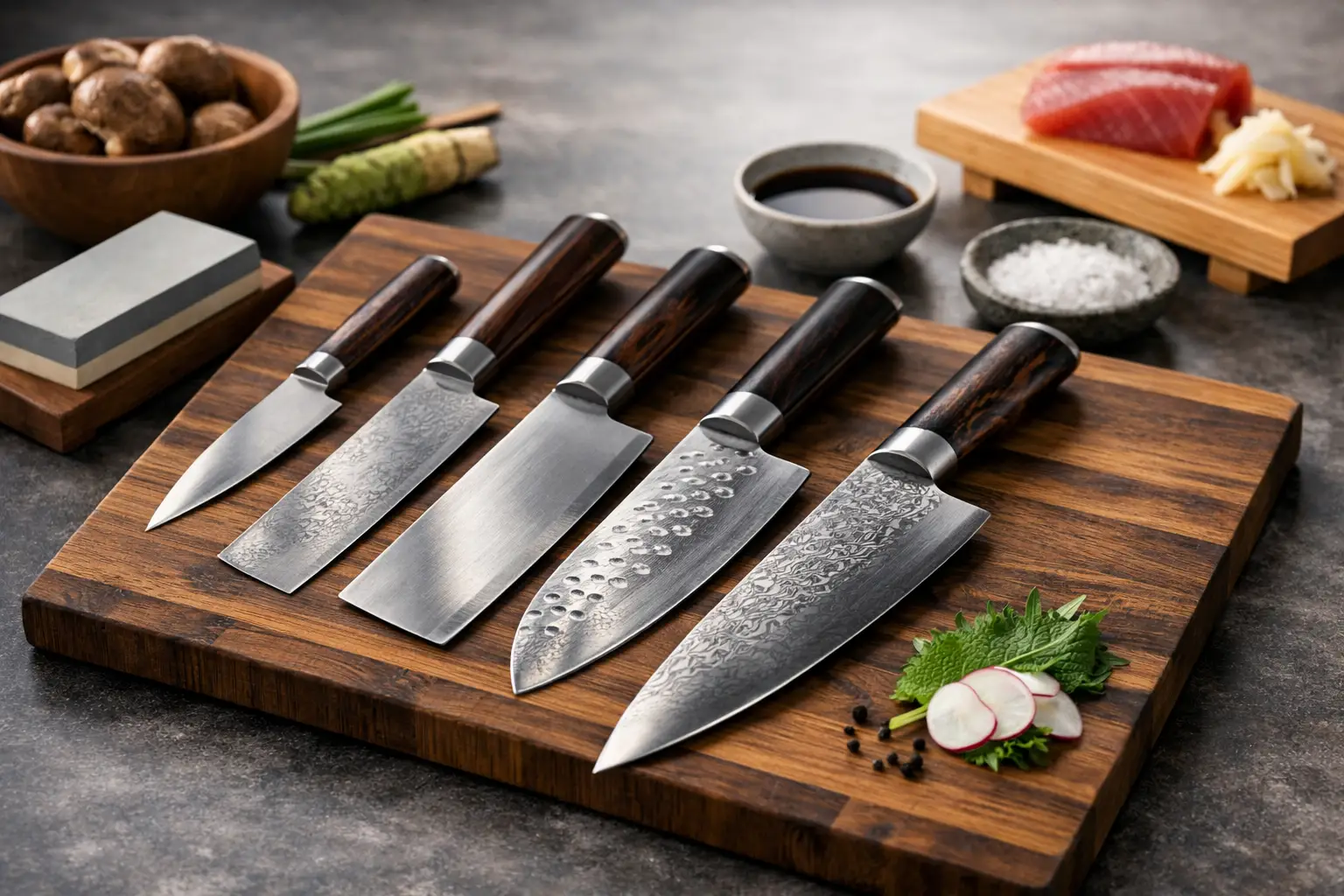
A Gyuto is often the anchor. Think of it as the Japanese answer to the classic chef's knife, but usually lighter and more precise. If you cook a little of everything - vegetables, proteins, herbs, fruit - this is the knife that earns its place fastest.
A Santoku is another strong option, especially for home cooks who prefer a shorter blade and a flatter cutting profile. It feels controlled, compact, and friendly on smaller boards or apartment counters. Some people love a Gyuto for its length and versatility, while others naturally gravitate to a Santoku. It depends on your space, your hand size, and how you prep.
A utility or petty knife handles the jobs a larger blade makes clumsy. Trimming strawberries, slicing shallots, segmenting citrus, and small in-hand tasks all become easier. This is often the knife people did not know they needed until they start using one.
Then there is the paring knife, which is useful but not always essential in every premium set. If you already do most small prep with a petty, you may not need both. A bread knife can be a better fourth piece if your kitchen sees crusty sourdough, tomatoes, citrus, or delicate cakes.
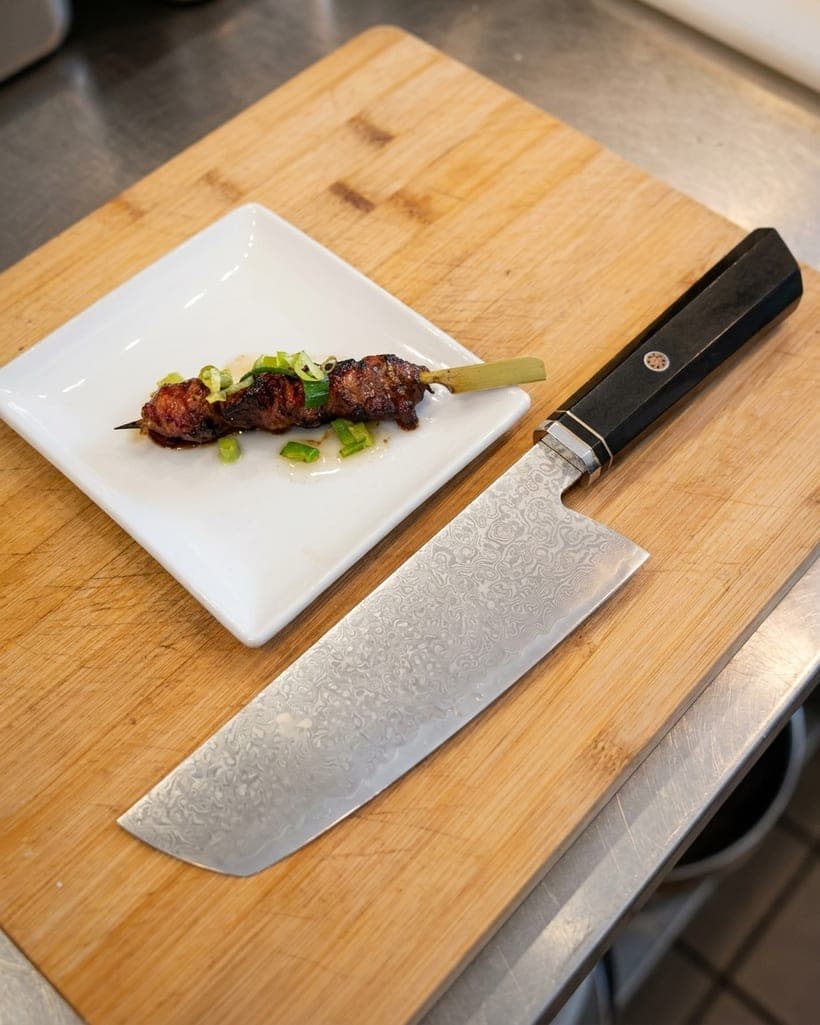
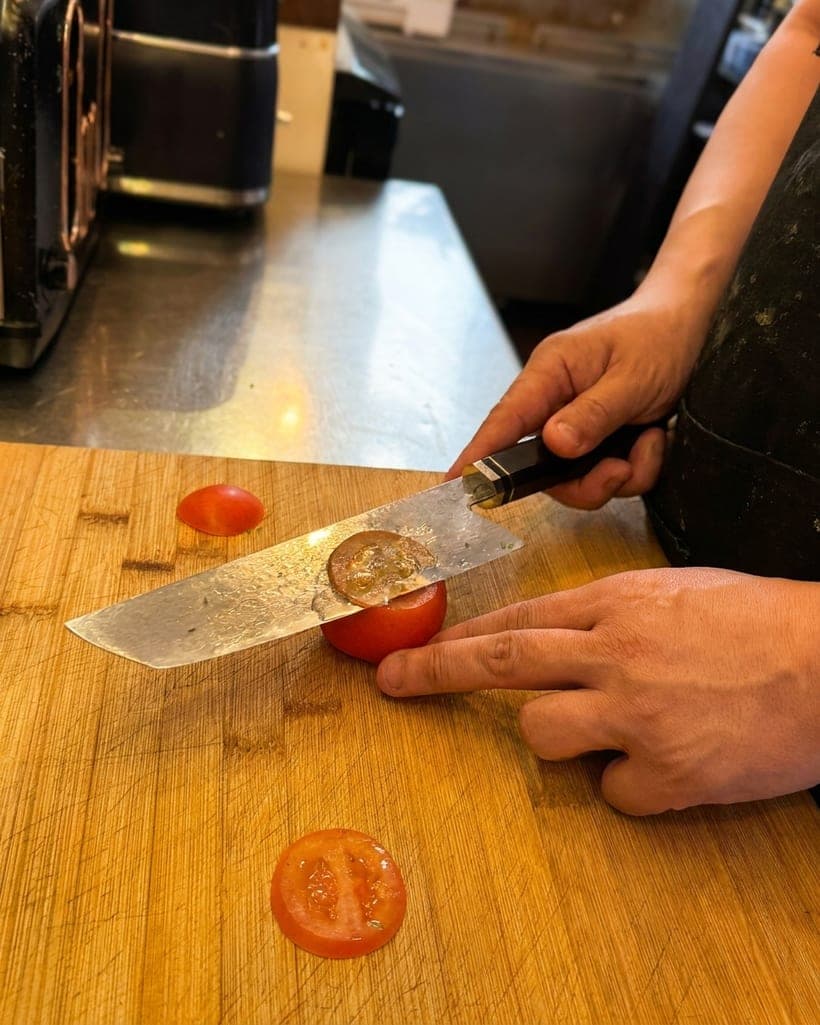
A Nakiri deserves consideration if vegetables dominate your cooking. It is exceptional for fast, neat slicing and chopping, but it is more specialised. For many home cooks, it makes more sense as an addition after the core set is covered.
Gyuto vs Santoku in a best Japanese chef knives set
This is where many buyers hesitate, and fairly so. Both knives are excellent. The right choice depends less on status and more on how you cook.
A Gyuto usually offers more length and tip work. That makes it especially useful if you break down larger ingredients, slice proteins often, or want one knife that can stretch across more tasks. It has a familiar profile for anyone coming from a Western chef's knife, so the transition feels natural.
A Santoku is compact, efficient, and easy to control. If your prep tends toward vegetables, boneless proteins, and everyday chopping, it can feel immediately comfortable. Many home cooks find it less intimidating than a longer blade.
In a set, you typically do not need both unless you know you will use both. A set with a Gyuto, petty, and bread knife often makes more sense than one that duplicates roles. The same goes for Santoku-led sets. Better coverage beats more pieces.
Steel, sharpness, and the feel of a real upgrade
The appeal of Japanese knives is not just style. It is what happens on the board.
Harder steels commonly used in Japanese knives can hold a finer edge for longer than many standard Western knives. That means less dragging through tomatoes, less crushing of herbs, and less frustration during weeknight prep. Popular steels vary, and names like VG-10 or SG2 can sound technical, but the consumer benefit is simple: sharper performance and better edge retention.
There is a trade-off. Harder steel can be less forgiving if used carelessly. You do not want to twist the blade through hard squash, hack through bones, or toss the knife into a dishwasher. Japanese knives reward good habits. For most home cooks, that is not a burden. It just means using the right knife for the task, hand washing, and storing it properly.
Blade geometry matters just as much as steel. A thinner blade moves through food with less resistance, which is why Japanese-style knives often feel so precise. The best sets pair that sharpness with balance. You should feel control, not fragility. Premium does not mean precious. It means better engineered for the work you actually do.
How to spot a set that is all substance, not filler
A strong set earns its price through use. If you are comparing options, look past the total piece count first.
The most useful set usually includes three things: a true primary knife, a smaller companion blade, and one specialty piece that matches your cooking habits. That might be a bread knife, or it might be a Nakiri if vegetables are your focus. What you do not want is a bundle padded with steak knives, redundant slicers, or novelty shapes that inflate value without improving your prep.
Handle comfort matters more than many buyers expect. Japanese-inspired knives can vary from traditional wa-style handles to more familiar Western-style handles. Neither is automatically better. A wa handle often feels lighter and shifts balance forward for nimble cutting. A Western handle can feel more familiar and secure if you are used to classic European knives. The best choice is the one that encourages confidence.
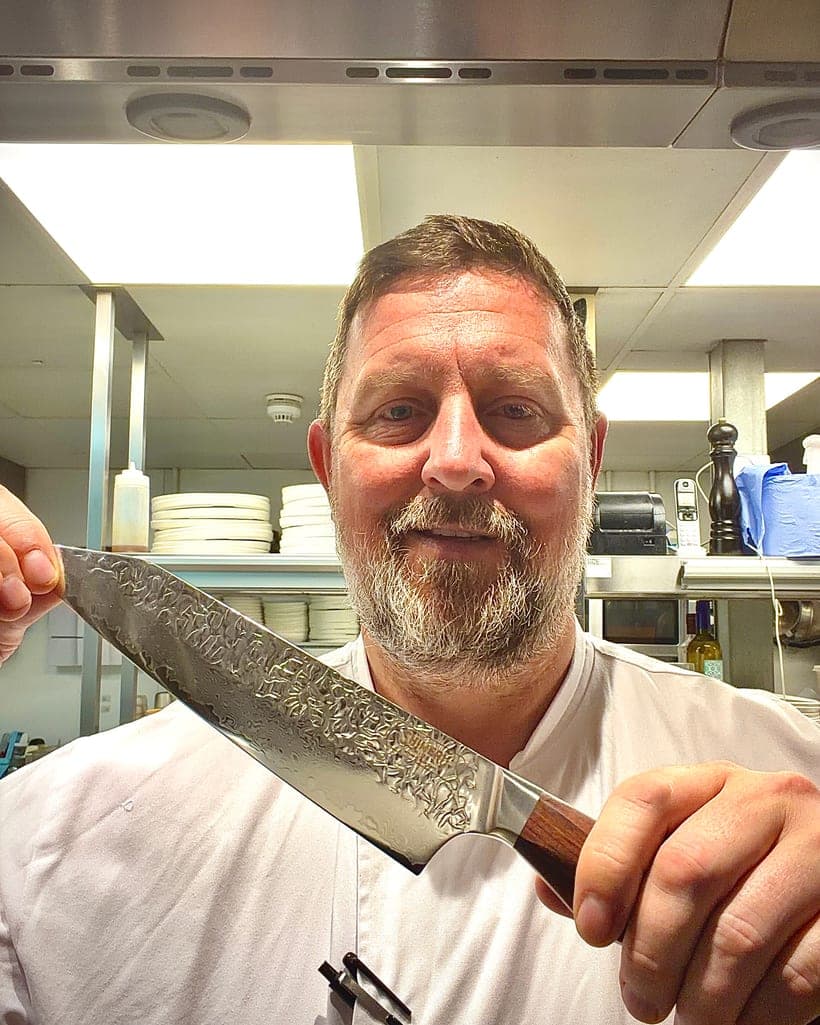
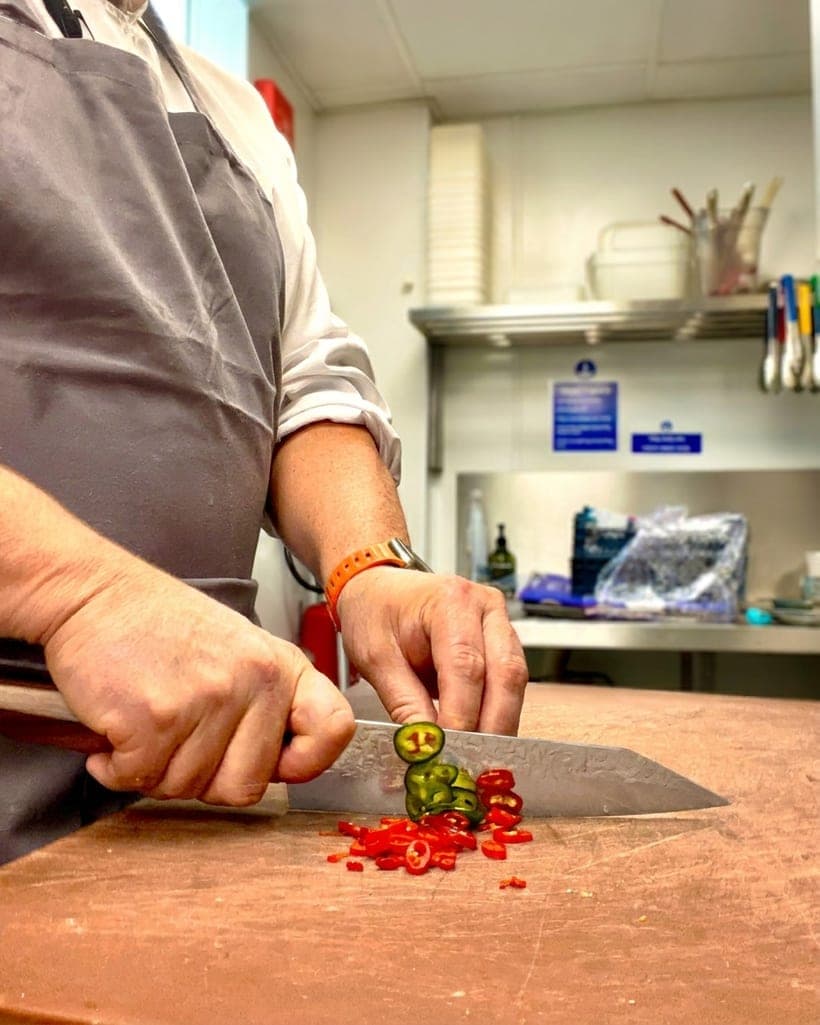
Finish matters too, but it should support performance rather than distract from it. Damascus patterns can be beautiful. Hammered finishes can help food release. Both can add appeal, but neither compensates for poor balance or an awkward profile. Buy the knife first, the visual drama second.
Who should buy a Japanese knife set instead of one knife?
If you are replacing a dull, mismatched collection and want a clean reset, a set makes sense. It gives your kitchen consistency and gets you into better tools faster. It also works well for gift buying because it feels complete, elevated, and ready to use.
If you are still figuring out your preferences, one excellent chef knife plus a smaller utility knife may be the smarter start. There is no rule saying a set is the more serious choice. Sometimes restraint is better buying.
For many home cooks, though, a focused set hits the ideal middle ground. You get the satisfaction of a coordinated upgrade, the performance jump of Japanese steel, and enough range to make daily cooking easier without overcomplicating the experience.
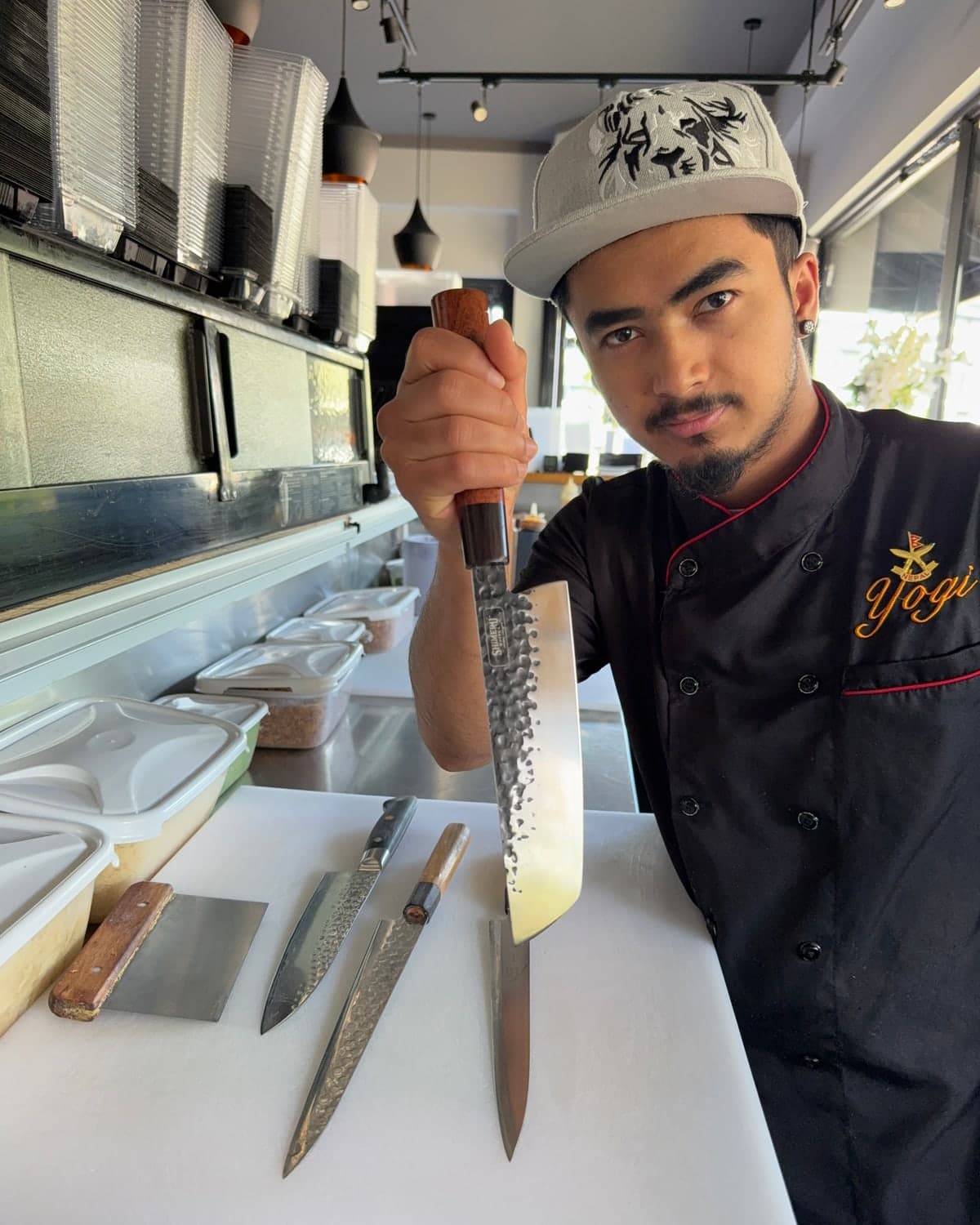
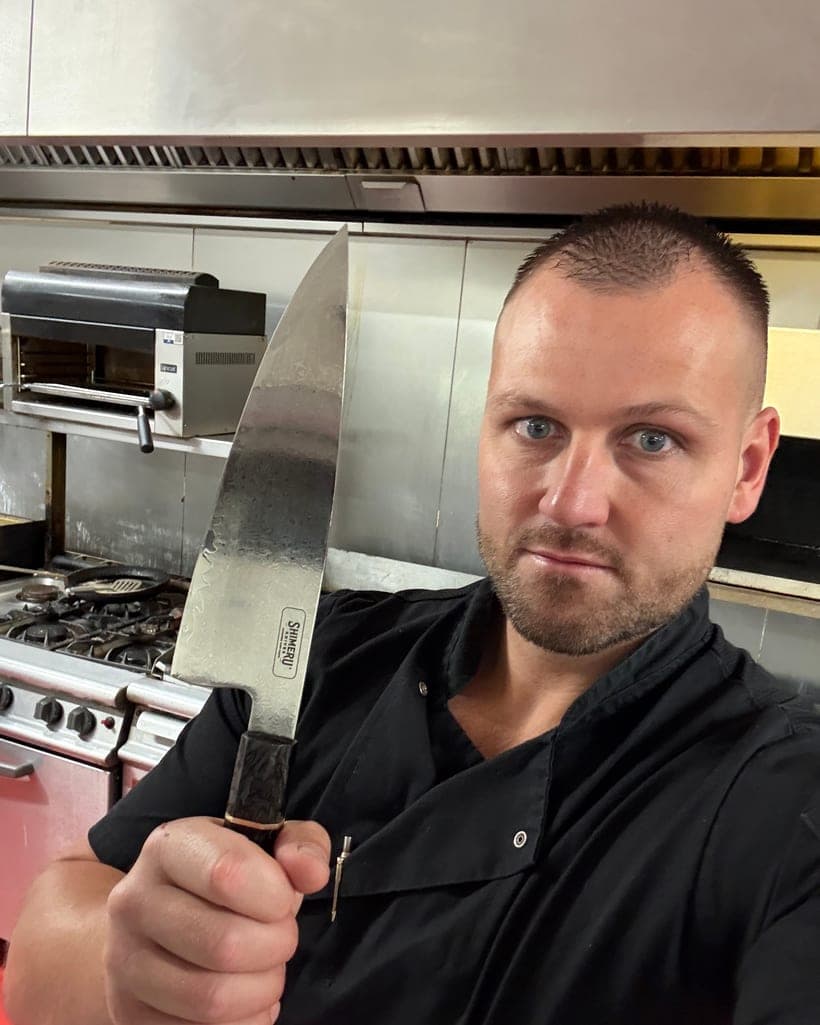
Brands that understand this balance tend to stand out. Shimeru Knives, for example, positions Japanese knife craftsmanship as something to enjoy every day, not something reserved for professionals or collectors. That mindset matters. The best tools are the ones that invite you to cook more often, with more confidence.
So what is the best Japanese chef knives set?
The best Japanese chef knives set is the one built around how you really cook at home. For most people, that means a Gyuto or Santoku, a petty or utility knife, and one well-chosen supporting blade. It should feel light but not flimsy, sharp but not fussy, premium but still practical enough for Tuesday night dinner.
Look for balance, edge retention, and a mix of knives you will actually reach for. Be sceptical of oversized sets. Pay attention to handle feel. And remember that Japanese knives are not better because they are exotic. They are better when they make prep smoother, faster, and more enjoyable.
A good knife set should not just sit there looking expensive. It should make you want to slice one more onion, prep one more meal, and enjoy the work a little more than you did yesterday.